
Understanding your projected 2027 Social Security payments gives you the clarity needed to secure a comfortable and resilient retirement. Recent data shows that nearly sixty percent of retirees rely on these monthly checks for at least half of their income, making accurate projections essential for your peace of mind.
While exact figures depend on ongoing inflation and wage growth metrics, early economic indicators suggest a moderate cost-of-living adjustment may be on the horizon. Knowing what to expect allows you to bridge potential income gaps, optimize your retirement withdrawals, and design a lifestyle that matches your fixed budget.
By taking control of your financial forecast today, you protect your independence and ensure your retirement years remain vibrant.
A Snapshot of the Current Policy and Economic Landscape
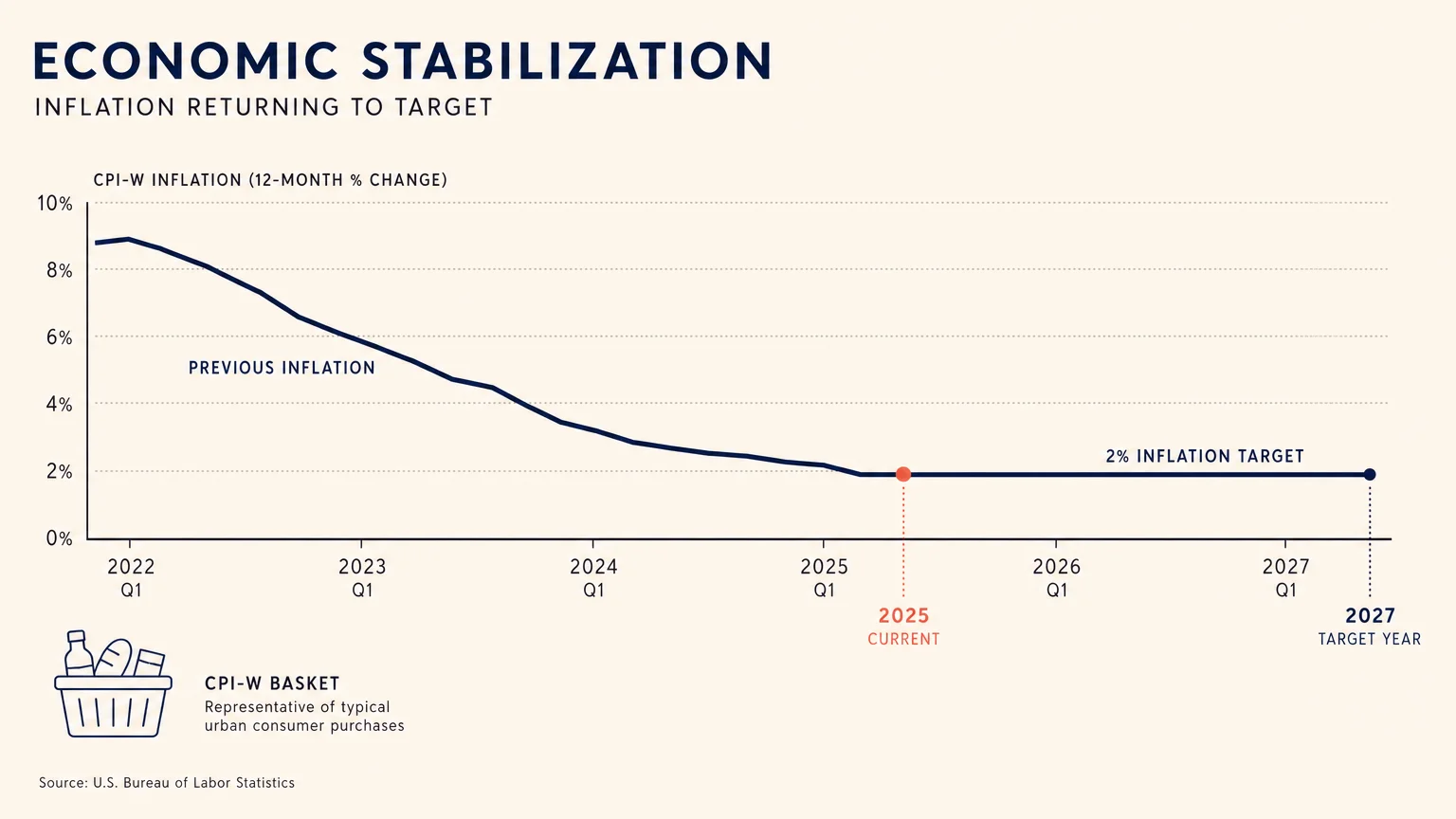
The economic turbulence of the early part of this decade fundamentally shifted how retirees view their fixed incomes. As we move through the current year and look toward 2027, inflation has largely cooled from its historic peaks, approaching the Federal Reserve’s long-term target of two percent.
Because the federal government calculates the annual cost-of-living adjustment using specific economic data gathered during the third quarter of the year, stabilizing consumer prices point toward a modest increase for 2027 Social Security payments.
To understand what your checks might look like, you have to look at the mechanics behind the math. The adjustment is tied directly to the Consumer Price Index for Urban Wage Earners and Clerical Workers, which tracks the shifting costs of a specific basket of goods and services. Rather than the massive leaps seen in recent memory, financial analysts anticipate a return to normalized adjustments.
A smaller adjustment signals that the broader economy is reaching a healthy equilibrium, meaning your daily expenses at the grocery store and the gas pump should stop climbing at a dizzying pace.
However, a smaller bump in your monthly check requires precision in your household budgeting. When your income rises by a modest margin, you must actively evaluate whether your personal rate of inflation aligns with the national averages.
Retirees often spend significantly more on healthcare and housing than the urban workers measured by the official index. Understanding this macroeconomic transition provides the foundational context you need to optimize your retirement strategy before the new year arrives.