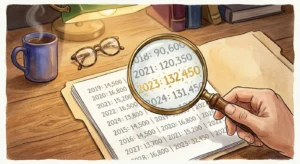
Summer heat poses severe, often hidden threats to older adults, making proactive health management essential for a safe season. Aging diminishes your body’s ability to regulate temperature and perceive thirst, turning a sunny afternoon into a potential medical emergency before you even realize you are at risk. With climate data showing increasingly brutal temperatures across the United States, safeguarding your wellness requires more than just sitting in the shade. Understanding the subtle physiological changes that heighten your vulnerability allows you to adapt your daily routines effectively. By recognizing these specific seasonal health hazards, you can implement practical defenses that protect your independence and keep your retirement lifestyle vibrant and secure throughout the hottest months of the year.
A Snapshot of the Current Summer Landscape for Retirees
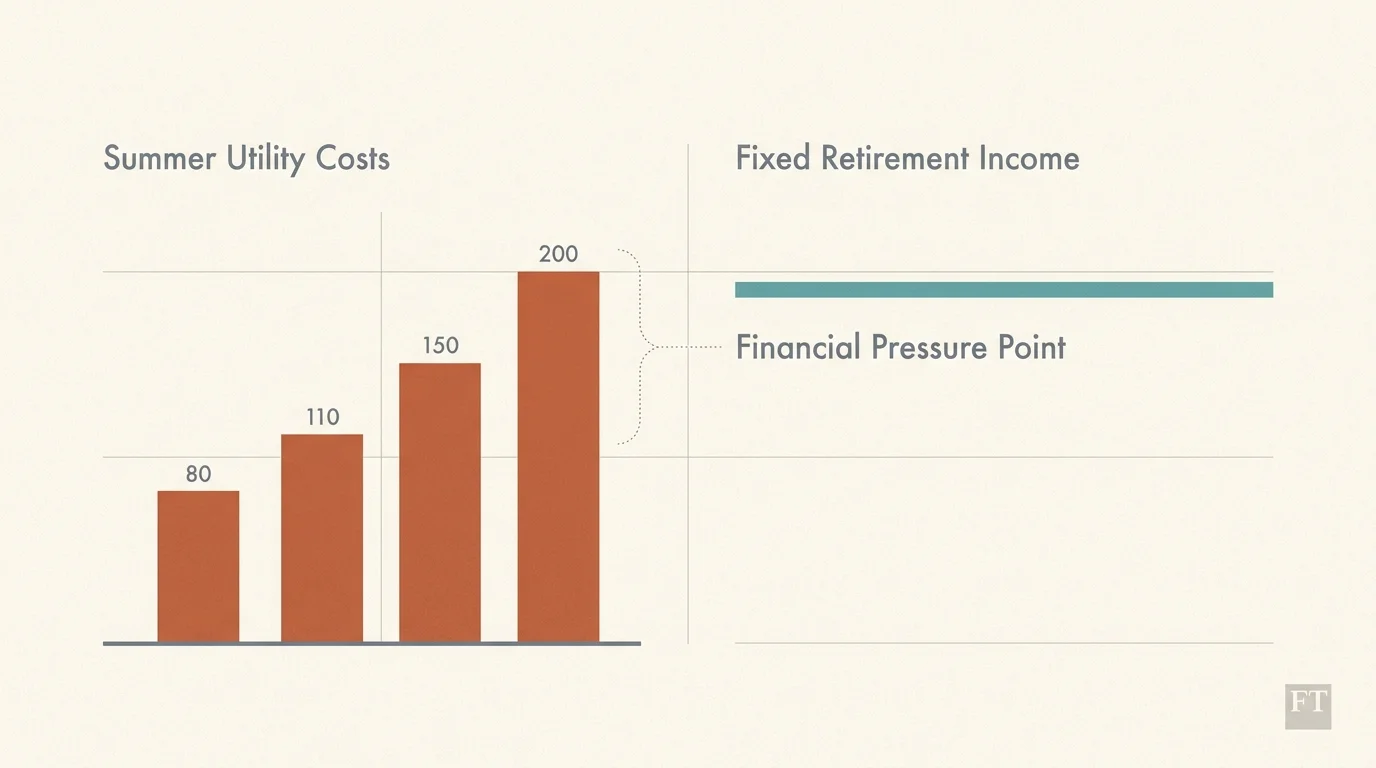
Balancing physical health and financial stability requires heightened vigilance this summer. Recent data from the Bureau of Labor Statistics indicates that electricity and utility costs remain a significant pressure point for households on fixed incomes. When energy bills surge, many retirees attempt to trim their budgets by rationing their air conditioning, a financial decision that directly jeopardizes their physical safety. Heat waves across the southern and western United States now arrive earlier and linger longer, leaving vulnerable populations exposed to dangerous indoor temperature spikes.
Simultaneously, federal and state support networks are adapting to these environmental shifts. Public health initiatives increasingly emphasize preventative home cooling as a medical necessity rather than a luxury. Understanding how to leverage government assistance and maximize your Medicare benefits can alleviate the financial strain of summer safety. Protecting your health begins with recognizing that your living environment, your daily budget, and your physical well-being are deeply interconnected.
Health and Wellness Pillar: The Seven Underestimated Summer Hazards
Your body handles environmental stress differently in your sixties, seventies, and beyond. Recognizing these seven seasonal health risks allows you to implement simple, highly effective strategies to protect your vitality.
1. The Silent Threat of Accelerated Dehydration
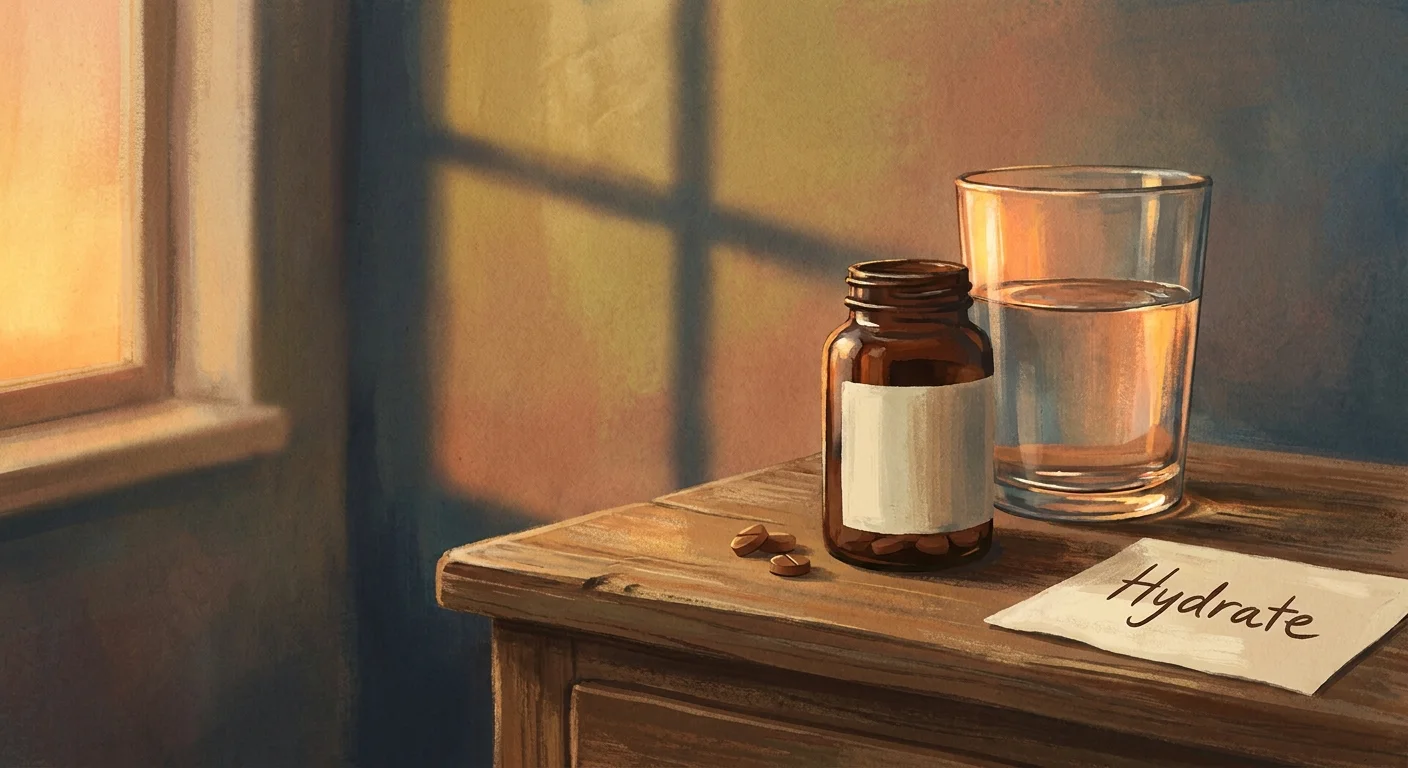
Your sense of thirst dulls significantly as you age. By the time you actually crave a glass of water, your body may already be experiencing mild to moderate dehydration. Furthermore, aging kidneys gradually lose their ability to conserve water efficiently, meaning you lose fluids at a faster rate than you did in your youth. Dehydration thickens your blood, forces your heart to work harder, and significantly increases your risk of falling due to sudden dizziness. You must adopt a preemptive hydration strategy. Keep a large, visibly marked water bottle on your kitchen counter and aim to consume specific amounts by noon and mid-afternoon. Do not wait for thirst to dictate your fluid intake.
2. Atypical Heat Exhaustion and Heat Stroke
Older adults frequently experience atypical symptoms of heat-related illness. While younger individuals might sweat profusely, your body’s sweat glands become less efficient over time. You might experience a dangerous rise in core body temperature with completely dry skin. Look for subtle warning signs such as sudden confusion, overwhelming fatigue, nausea, or a rapid, fluttering pulse. Heat stroke constitutes a severe medical emergency that can cause permanent neurological damage if left untreated. If you feel dizzy or unusually lethargic after spending time outdoors, move immediately to an air-conditioned space, apply cool, damp cloths to your neck and wrists, and seek medical attention if symptoms persist.
3. Prescription Medication Interactions with Heat and Sunlight
Many common prescriptions—including blood pressure medications, diuretics, and antidepressants—fundamentally alter how your body reacts to heat and ultraviolet light. Diuretics encourage fluid loss, compounding the risk of summer dehydration. Beta-blockers reduce blood flow to the skin, severely limiting your body’s ability to cool itself through perspiration. Additionally, certain antibiotics and anti-inflammatory drugs cause intense photosensitivity, leading to severe sunburns after only brief exposure to the sun. Schedule a comprehensive summer medication review with your pharmacist or primary care physician to identify which of your daily pills require extra precautions.
4. Respiratory Distress Triggered by Poor Air Quality
Summer brings an increase in ground-level ozone and stagnant, polluted air—often referred to as summer smog. When extreme heat combines with vehicle exhaust and industrial emissions, the resulting air quality can severely irritate your lungs. If you manage chronic obstructive pulmonary disease, asthma, or generalized cardiovascular issues, these invisible pollutants can trigger severe respiratory distress. Monitor your local air quality index daily. On days when air pollution levels spike, keep your windows closed, run your air conditioning with a high-efficiency particulate air filter, and strictly limit your outdoor physical exertion.
5. Nutritional Neglect Driven by Heat Suppression
Sweltering weather naturally suppresses your appetite. When the temperature rises, cooking a hot meal becomes unappealing, leading many retirees to skip meals or rely on processed, low-nutrient snacks. This seasonal nutritional deficit deprives your body of the essential vitamins and minerals required for optimal immune function and energy maintenance. Combat this by shifting your dietary focus to cooling, water-rich foods. Incorporate fresh melons, cucumbers, leafy greens, and chilled soups into your daily menu. Eating five smaller, light meals throughout the day can keep your metabolism stable and your energy levels consistent without requiring you to turn on the oven.
6. Vector-Borne Diseases from Gardening and Outdoor Recreation
Summer marks the peak season for ticks and mosquitoes. Older adults who enjoy gardening, golfing, or walking through nature reserves face a heightened risk for West Nile virus and Lyme disease. Because your immune system naturally weakens with age, recovering from these vector-borne illnesses proves far more difficult and exhaustive. Furthermore, aging skin becomes thinner and more sensitive, making the application of harsh chemical bug sprays uncomfortable. Protect yourself by wearing lightweight, long-sleeved clothing treated with permethrin. Always conduct a thorough tick check after spending time in tall grass or wooded areas.
7. Hidden Social Isolation Due to Extreme Temperatures
Winter isolation receives widespread attention, but summer hibernation poses an equally severe threat to senior wellness. When unrelenting heat forces you to stay indoors for weeks on end, your social interactions plummet. Prolonged isolation rapidly accelerates cognitive decline, exacerbates depression, and increases anxiety. You must proactively engineer social touchpoints during the hottest months. Organize morning coffee gatherings before the sun reaches its peak, join indoor mall-walking clubs, or participate in classes at fully air-conditioned community centers. Maintaining your social calendar is a medical necessity, not merely a lifestyle preference.

Lifestyle Design: Adapting Your Summer Routine
Thriving in the summer requires tactical adjustments to your daily schedule. You do not need to abandon your favorite activities; you simply need to relocate or reschedule them. Shift your outdoor exercise, grocery shopping, and gardening to the early morning hours—ideally before ten o’clock—when the air remains crisp and the sun sits low in the sky. If you rely on daily walks for cardiovascular health, transition your routine to large, air-conditioned environments like indoor shopping centers or community gymnasiums.
Your sleep hygiene also requires a summer overhaul. Hot, stagnant bedrooms disrupt your deep sleep cycles, leaving you exhausted and cognitively foggy the next day. Invest in breathable cotton or bamboo bed linens, utilize oscillating fans to maintain air circulation, and keep your blinds tightly closed during the afternoon to block radiant heat from baking your bedroom.
Income Planning: Budgeting for Heat Safety
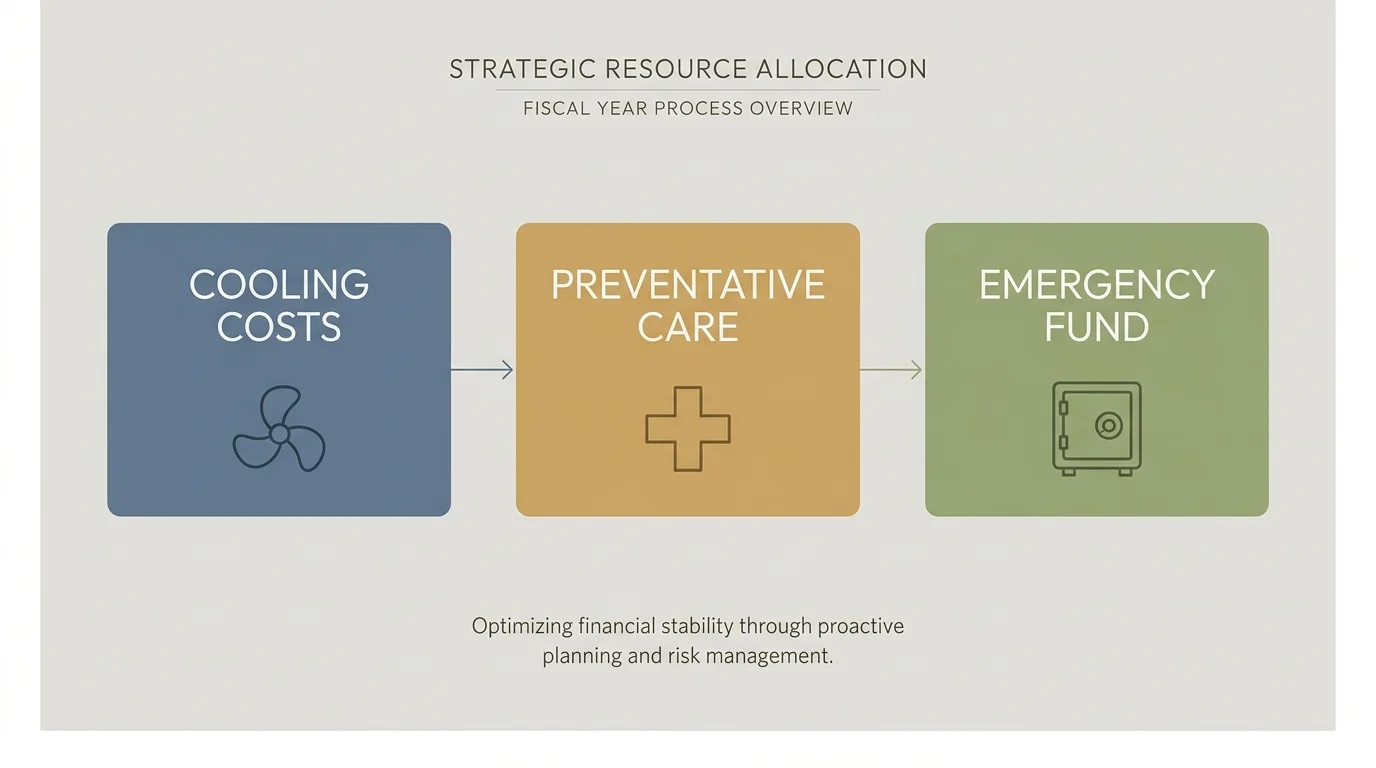
Managing the financial impact of summer is a critical pillar of your overall wellness strategy. Do not let the fear of utility bills deter you from running your air conditioner; heat exhaustion costs far more in emergency medical bills than a month of cooling ever will. Review your monthly budget in the spring and allocate extra funds specifically for July and August utility spikes. If your fixed income makes cooling costs prohibitive, explore federal assistance. Programs like the Low Income Home Energy Assistance Program provide targeted financial grants to help older adults cover their cooling bills, ensuring your home remains a safe sanctuary.
Furthermore, review your medical coverage before the season hits its peak. Familiarize yourself with Medicare guidelines regarding virtual appointments. If you experience minor heat exhaustion or a severe sunburn, utilizing covered telehealth services allows you to consult a medical professional immediately without enduring the physical stress of traveling to a clinic in the sweltering heat.

Expert Voices: Perspectives on Summer Safety
Medical professionals and financial planners strongly agree that preventative action yields the best outcomes for older adults. Gerontologists routinely emphasize that aging requires a fundamental shift in how you view the weather. They note that seniors who rigidly adhere to their youthful summer habits—such as working in the garden at high noon—are the most frequent visitors to summer emergency rooms. Flexibility and self-awareness serve as your best medical defenses.
Certified Financial Planners echo this sentiment from a monetary perspective. They advise retirees to treat summer cooling costs as a fixed, non-negotiable healthcare expense rather than a variable lifestyle choice. By shifting your mindset and viewing your air conditioning bill as a direct investment in your physical safety, you can make smarter, safer budgeting decisions throughout the year.
Risks and Safeguards: Navigating Scams and Contractor Fraud
Summer brings an inevitable surge in predatory scams targeting older homeowners. Fraudulent contractors frequently canvass neighborhoods offering highly discounted, emergency air conditioning tune-ups. These scammers often dismantle working cooling systems, claim to find catastrophic issues, and demand exorbitant upfront payments for fake repairs. Never hire a door-to-door contractor for your HVAC needs. Always solicit bids from licensed, bonded companies with established local reputations, and verify their credentials through official Federal Trade Commission alerts or your local consumer protection office.
You must also remain vigilant against medical alert scams that peak during extreme weather events. Automated phone calls claiming your Medicare benefits will be canceled unless you purchase a specific summer health monitor are entirely fraudulent. Medicare will never call you unprompted to demand immediate payment or personal information. Protect your identity and your wallet by hanging up on unsolicited health-related calls.
Frequently Asked Questions
How can I tell the difference between normal summer fatigue and a medical emergency?
Normal summer fatigue improves quickly once you sit in the shade and drink cool water. A medical emergency, such as heat exhaustion or heat stroke, involves systemic symptoms that persist or worsen. If you experience a throbbing headache, overwhelming nausea, a rapid heart rate, confusion, or a complete cessation of sweating, you are facing a severe medical event and must call emergency services immediately.
Are sports drinks better than water for staying hydrated?
For most daily activities, pure water remains the optimal choice for senior hydration. However, if you are actively sweating from prolonged outdoor exertion, a beverage containing electrolytes can help replenish lost sodium and potassium. You must remain cautious with commercial sports drinks, as they frequently contain excessive amounts of processed sugar that can severely disrupt blood glucose levels, particularly if you manage diabetes. Consult your physician about low-sugar electrolyte alternatives.
Can I get enough Vitamin D without risking sunburn?
Yes, you can easily maintain healthy Vitamin D levels without exposing yourself to the intense midday sun. Just fifteen minutes of sun exposure on your arms and legs during the early morning or late afternoon provides substantial benefits with a drastically lower risk of skin damage. Additionally, you can bridge any nutritional gaps through fortified dairy products, fatty fish, and dietary supplements approved by your primary care provider.
How do I convince my stubborn spouse to turn on the air conditioner?
Framing the conversation around medical safety rather than financial cost usually yields the best results. Explain that maintaining a cool indoor environment prevents dangerous blood pressure fluctuations and reduces the strain on their heart. If financial concerns are the primary obstacle, present a clear, planned utility budget or explore energy assistance programs together to alleviate their anxiety about the upcoming electric bill.
Taking Action for a Safer Summer
Knowledge holds little value until you put it into practice. You possess the power to safeguard your health and enjoy a fulfilling, active summer season. Within the next forty-eight hours, take one concrete step to fortify your summer defenses. Purchase a reusable water bottle with time markers printed on the side, schedule a brief consultation with your pharmacist to review your current medications for sun sensitivity, or inspect and replace the air filter in your home cooling system. Small, deliberate actions compound to create a powerful shield around your well-being. Protect your health, manage your environment proactively, and step into the summer months with absolute confidence.