
Stretching your fixed income during retirement requires strategic geographic choices that protect your purchasing power without sacrificing your lifestyle quality. With the average Social Security benefit standing at approximately $2,071 per month and housing costs surging nationwide, relocating to a high-value community can instantly cut your monthly bills by 30 to 50 percent. Discovering cities that combine low property taxes, affordable healthcare networks, and vibrant local amenities allows you to enjoy financial peace of mind while building meaningful social connections. By examining current cost-of-living data and local housing markets across the United States, you can pinpoint budget-friendly destinations where your hard-earned savings go significantly further every single month.
Navigating the Current Cost-of-Living Realities for Retirees
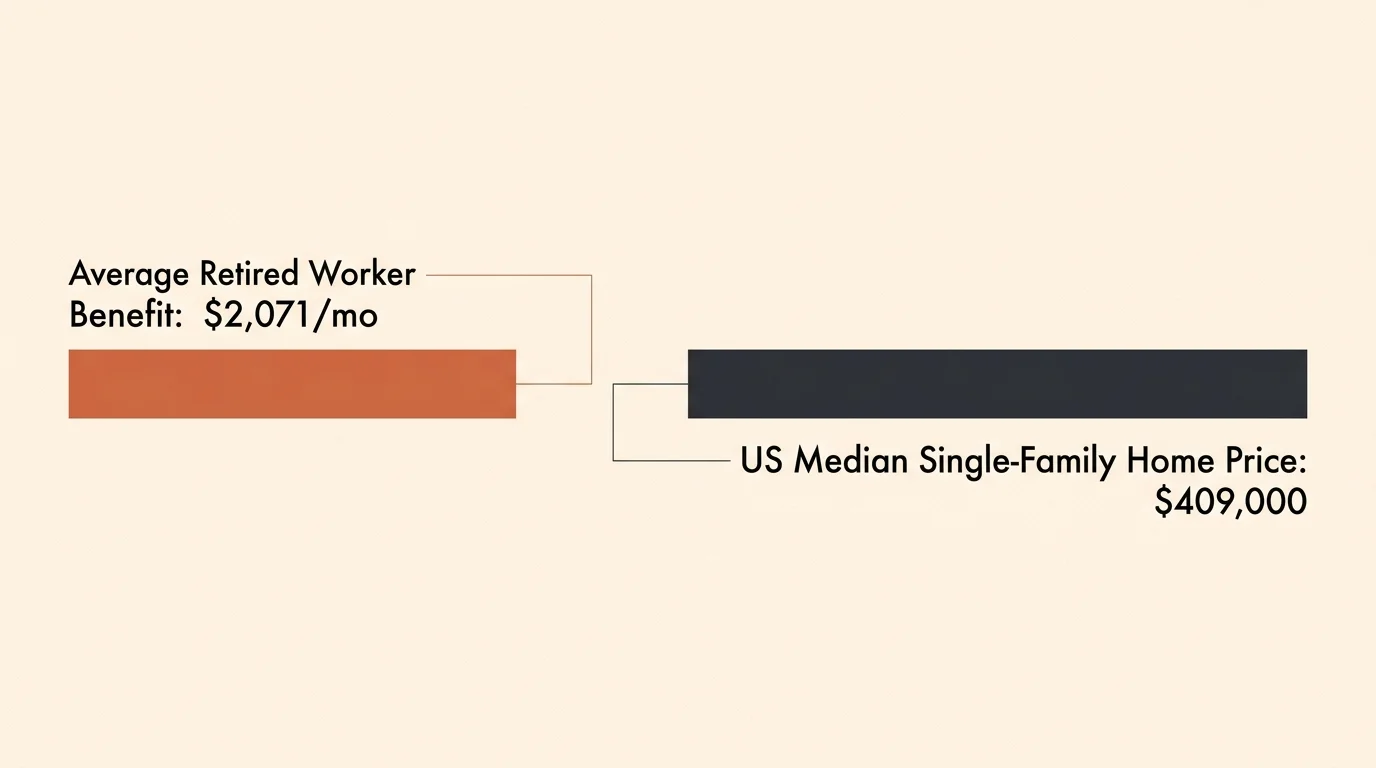
Housing market pressures present a major hurdle for modern retirees seeking financial security. Data from the National Association of Realtors shows that the U.S. median single-family home price reached $409,000 in 2026—a staggering 50 percent increase since 2020. This dramatic rise in shelter costs severely squeezes seniors who rely heavily on fixed monthly payments; current Social Security Administration figures place the average retired worker benefit at roughly $2,071 per month, or about $24,852 annually. When housing consumes more than half of your income, managing daily expenses becomes an exhausting balancing act.
Inflationary pressures tracked by the Bureau of Labor Statistics have also increased the cost of groceries, utilities, and routine healthcare services. Relocating to a budget-friendly city—a strategy financial planners refer to as geographic arbitrage—offers an immediate remedy. By moving from a high-cost coastal region to a community with depressed housing prices and favorable tax laws, you effectively grant yourself a permanent raise. You unlock built-up home equity, lower your baseline expenses, and extend the longevity of your retirement portfolio.
Top 10 Cities Where Your Retirement Budget Stretches the Furthest
1. Columbus, Indiana
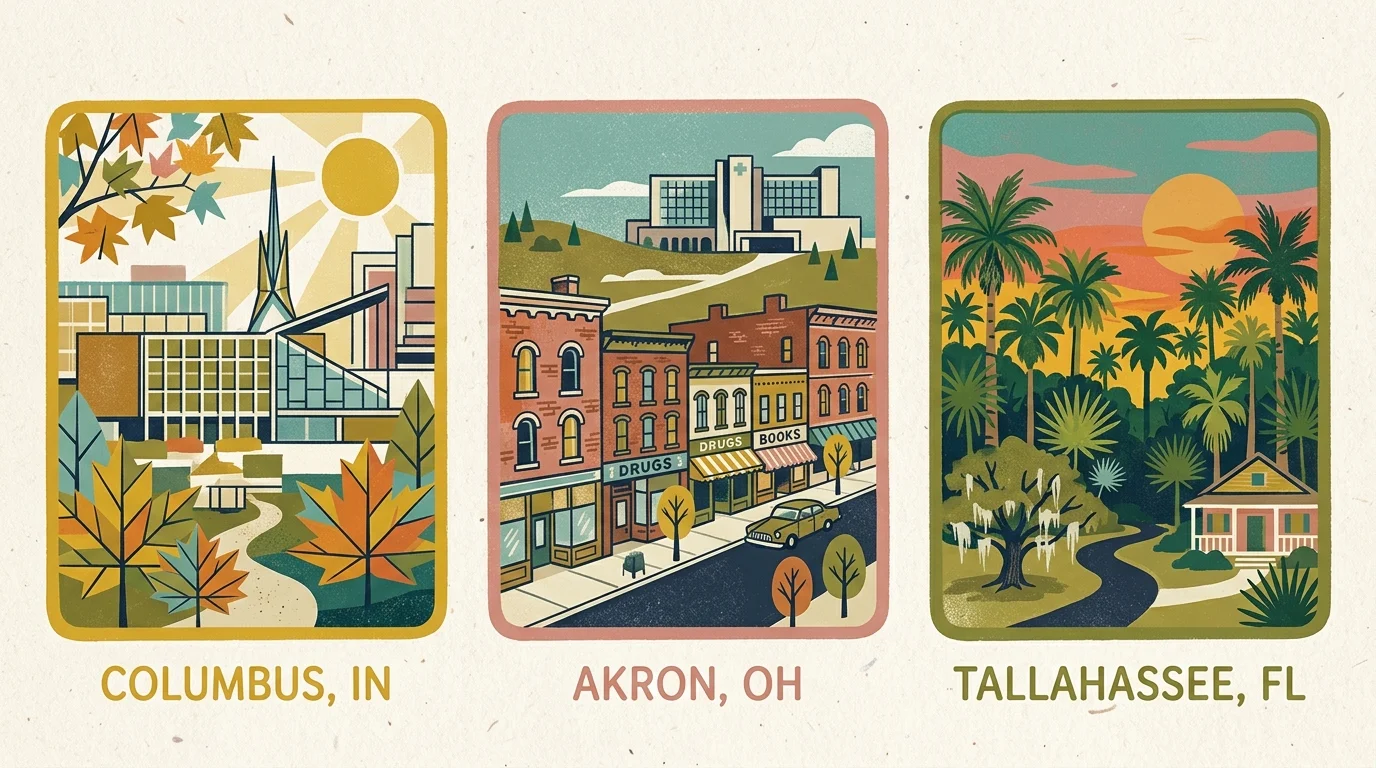
Columbus tops recent nationwide livability assessments as an ideal destination for budget-conscious seniors. A 2026 study by GOBankingRates named Columbus the safest and most affordable retirement city in America, highlighting an average annual cost of living of just $38,795. With an average home value of $273,372, housing costs remain exceptionally manageable. Beyond financial perks, Columbus offers world-class modern architecture, manicured public parks, and a welcoming Midwestern community atmosphere that keeps active seniors engaged.
2. Akron, Ohio
If you want urban energy without major metropolitan price tags, Akron delivers outstanding value. Ranked as the top most affordable mid-sized U.S. city for retirees, Akron features average monthly living expenditures of only $1,699 alongside an impressive livability score of 81. The city provides easy access to top-tier health networks—including regional facilities affiliated with the renowned Cleveland Clinic—while keeping grocery, utility, and recreational spending well below national averages.
3. Tallahassee, Florida
Florida remains a premier destination for retirees, but high-cost coastal enclaves often drain nest eggs quickly. Tallahassee stands out as a high-value alternative, earning top honors for seniors living comfortably on Social Security under $2,000 per month. Total estimated monthly costs average just $1,248 for homeowners and $995 for renters. Florida levies no state income tax, while Tallahassee provides vibrant cultural events, university lecture series, and lush outdoor spaces under a warm sunbelt climate.
4. Green Valley, Arizona
Located just south of Tucson, Green Valley secured a coveted spot on Forbes list of the Best Places to Retire in 2026. This desert haven features over 130 age-restricted communities designed for active living. The median home price sits at $282,000—roughly 31 percent below the national median. Furthermore, Arizona exempts Social Security benefits from state income taxation, allowing you to maximize your monthly check while enjoying abundant sunshine and mountain views.
5. Cleveland, Ohio
Cleveland offers an unbeatable mix of culture, world-class healthcare, and remarkable affordability. Recognized as the most affordable major Midwestern city for retirees, Cleveland boasts a total average monthly cost of living of $2,355 including mortgage payments. The city delivers the nation lowest home price per square foot among major markets. Residents enjoy direct access to the world-renowned main campus of the Cleveland Clinic, a celebrated theater district, and beautiful Lake Erie parks.
6. Greenville, South Carolina
Nestled against the foothills of the Blue Ridge Mountains, Greenville combines southern charm with attractive financial figures. Forbes highlighted Greenville for its overall cost of living, which runs 9 percent below the national average. The city median home price stands at $317,000—22 percent below national figures. You can stroll through an award-winning, tree-lined downtown district, take advantage of South Carolina senior tax exemptions, and enjoy moderate year-round weather.
7. Pittsburgh, Pennsylvania
Pittsburgh bridges urban sophistication with generous tax advantages for older adults. Featured on Forbes best places list, Pittsburgh maintains a median home price under $300,000. Pennsylvania tax law offers remarkable protection for retirees by completely exempting Social Security, public pensions, and private retirement account distributions from state income tax. Combine those savings with premier medical centers like UPMC and a rich cultural landscape, and Pittsburgh becomes a financial powerhouse.
8. El Paso, Texas
For retirees prioritizing warm weather and extreme affordability, El Paso stands out in the Sunbelt. Studies rank El Paso among the top budget destinations nationwide, with housing costs running an astounding 44 percent below the national average. Average monthly housing expenditures total just $712 for homeowners and $975 for renters. Texas enforces no state income tax, enabling you to keep more of your pension and investment returns while enjoying a vibrant, multicultural city.
9. Fort Wayne, Indiana
Fort Wayne offers another stellar Indiana option where dollars stretch significantly further. Housing costs sit nearly 30 percent below national averages, allowing buyers to secure comfortable single-family homes well under $250,000. Fort Wayne features an extensive riverfront park system, low municipal utility costs, and expanding healthcare facilities catering to older adults. The city provides a peaceful, low-stress environment where your monthly retirement distributions easily cover living expenses.
10. Knoxville, Tennessee
Knoxville blends mountain recreation with tax-friendly state policies. Tennessee levies zero state income tax on wages or retirement distributions, while Knoxville overall cost of living remains nearly 12 percent below the national average. Situated near Great Smoky Mountains National Park, Knoxville gives you access to outdoor adventures, a vibrant college-town arts scene, and modest property taxes that keep long-term homeownership costs predictable and manageable.
Three Strategic Pillars for Maximizing Your Relocation
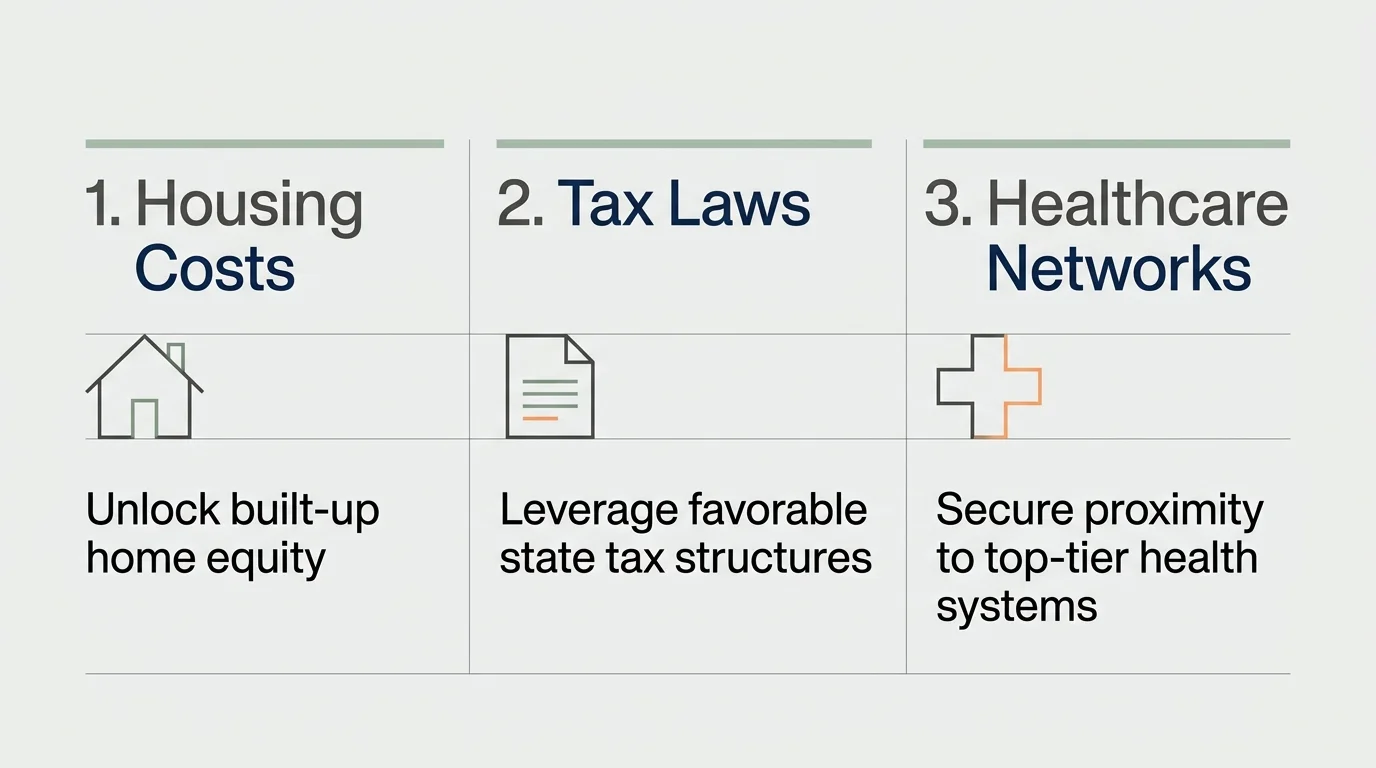
Relocating for retirement requires thoughtful coordination across several areas of your financial and personal life. To ensure your move delivers long-term happiness and security, align your strategy around income planning, lifestyle design, and healthcare management.
Pillar 1: Income and Tax Optimization
Evaluating tax laws before choosing a state prevents expensive surprises. State income tax rates, property tax exemptions for seniors, and taxation on retirement withdrawals vary wildly across state lines. Review guidelines published by the Internal Revenue Service to understand how federal tax rules interact with state-level policy. Selecting a location that waives tax on pension income or Social Security instantly preserves capital for daily enjoyment.
Pillar 2: Active Lifestyle and Social Infrastructure
Affordability should never force you into isolation. Prioritize cities with strong social networks, senior centers, walkable downtowns, and volunteer opportunities. Certified financial planners and gerontologists emphasize that social connectivity directly influences health outcomes in retirement. Look for communities with active public libraries, parks, and continuing education programs to maintain a fulfilling routine.
Pillar 3: Healthcare Access and Mobility
Your healthcare needs will inevitably evolve over time. Moving to a city with comprehensive medical infrastructure ensures you receive top-tier care without traveling long distances. Verify local primary care availability and confirm how regional medical networks coordinate with coverage options detailed on Medicare.gov before signing real estate contracts.

Essential Safeguards and Financial Risks to Monitor
While lowering your cost of living provides clear benefits, moving across state lines introduces potential pitfalls. Local property taxes can rise dramatically if local municipalities revalue properties after a purchase. Home insurance rates have also fluctuated wildly due to weather-related risks in certain sunbelt states. Carefully factor potential insurance premium increases into your long-term calculations.
Additionally, stay vigilant against financial scams targeting seniors during major life moves. Relocation involves significant capital movement, making retirees prime targets for real estate wire fraud, contractor scams, and fake moving companies. Resource networks maintained by AARP offer free fraud prevention checklists to safeguard your hard-earned assets during your transition.
Frequently Asked Questions
How does moving to a state with no income tax benefit my retirement income?
States like Texas, Florida, and Tennessee do not levy state income taxes on wages, pensions, or retirement account distributions. This tax structure allows you to keep up to eight percent more of your annual income compared to high-tax states, significantly extending your portfolio lifespan.
What hidden costs should I budget for when relocating to a lower-cost city?
You should budget for moving company fees, property reassessments, home insurance rate adjustments, and local sales tax differences. In addition, factor in potential travel costs to visit family members who remain in your former hometown.
Can I maintain my current Medicare coverage if I move to another state?
Original Medicare coverage travels with you anywhere in the United States. However, if you rely on a Medicare Advantage plan or specific prescription drug plan, you must switch to a plan available in your new county during a special enrollment period triggered by your move.
How can I evaluate the quality of healthcare in a new city before moving?
Research local hospital ratings, physician density per capita, and specialist availability through independent healthcare quality databases. Visiting regional medical complexes during a trial stay in the target city offers firsthand insight into local care access.
Take Your First Step in the Next 48 Hours
Securing a comfortable, financially stress-free retirement does not happen by accident; it starts with clear, deliberate steps. Take forty-eight hours to outline your financial priorities and evaluate your current housing costs against the cities highlighted above. Pick two destinations from this guide that align with your climate preferences and lifestyle goals. Set up online property search alerts in those markets, draft a baseline relocation budget, or schedule a consultation with your financial advisor to model how moving could extend your savings. By taking immediate action, you place yourself firmly in control of your financial destiny.