When the Social Security Administration announces a Cost-of-Living Adjustment, you naturally expect your monthly income to jump accordingly. However, behind that top-line inflation boost lie quiet administrative mechanisms and fixed tax rules that frequently devour your raise before it ever reaches your checking account. Automated premium deductions, unindexed tax brackets, and unexpected earnings limits silently erode your hard-earned increase every year. Understanding how these financial mechanics operate empowers you to protect your benefit check and optimize your retirement budget. By identifying these five hidden COLA triggers today, you can implement proactive financial moves that safeguard your real purchasing power throughout your golden years.

The Real Mechanics Behind Your Annual COLA Boost
Every autumn, millions of retirees wait for the official Cost-of-Living Adjustment announcement. Federal officials compute this yearly raise by tracking changes in the Consumer Price Index for Urban Wage Earners and Clerical Workers, published by the Bureau of Labor Statistics. The calculation compares third-quarter inflation data year-over-year. For example, Social Security recipients received a 2.5% bump in January 2025 and a 2.8% boost in January 2026. While these raises counteract rising costs for housing and groceries, your net deposit often falls short of the headline percentage.
The gap between your theoretical raise and actual spending cash stems from administrative system rules. As gross benefit amounts increase, they trigger automatic deductions and push overall income past rigid statutory limits. Understanding these friction points helps you preserve your true purchasing power.
Trigger 1: Surging Medicare Part B Premium Deductions
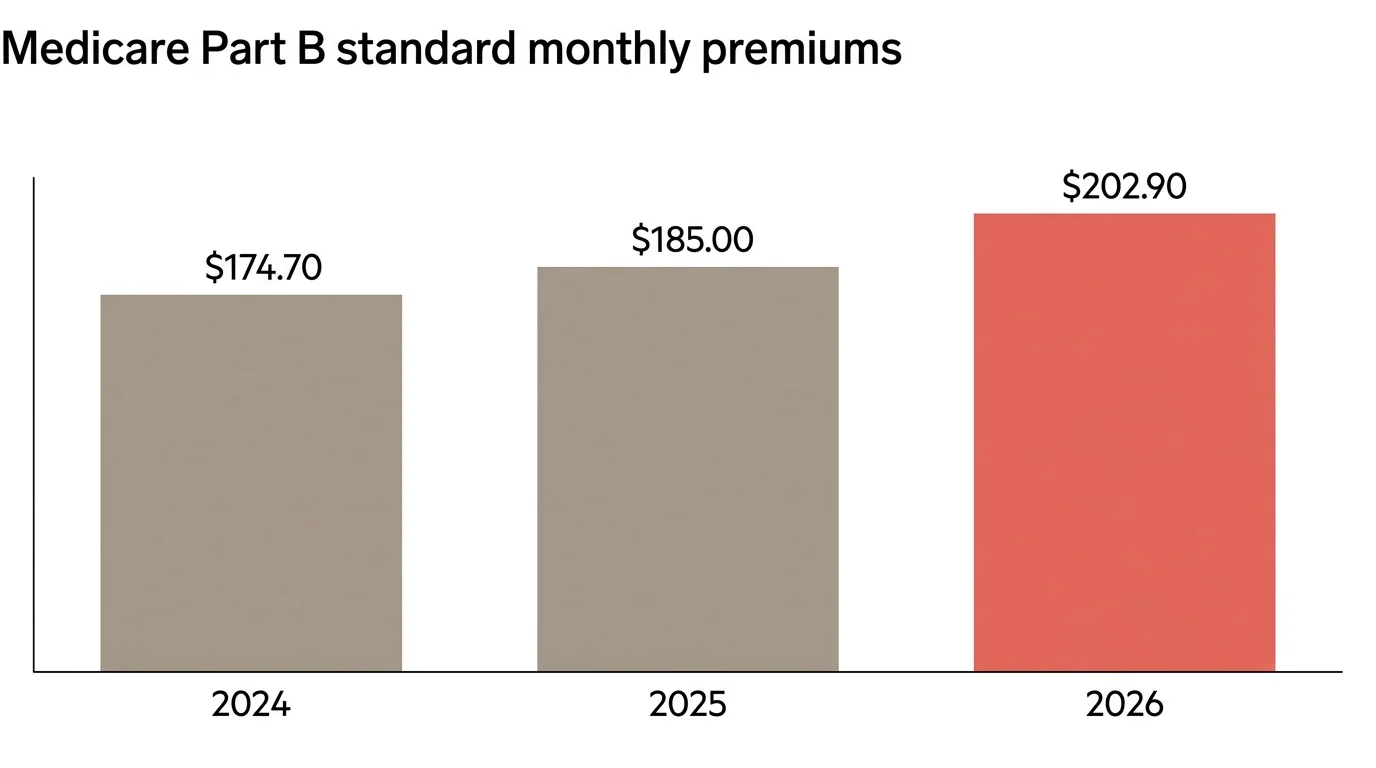
Medicare Part B premiums represent the most immediate drain on your annual COLA raise. The federal government automatically subtracts standard Part B premiums directly from Social Security checks. When healthcare costs outpace broader inflation, premium increases absorb substantial portions of your benefit adjustment. Data from the Centers for Medicare & Medicaid Services illustrates this ongoing reality. Standard Part B premiums climbed from $174.70 per month in 2024 to $185.00 in 2025 (+5.9%), and reached $202.90 per month in 2026 (+9.7%).
Because healthcare inflation regularly exceeds general CPI rates, higher Medicare Part B premiums absorb over 25% of the average retiree’s annual COLA boost. While a legal safeguard known as the “hold harmless” provision prevents your net benefit check from decreasing year-over-year due to Medicare hikes, it does not stop rising premiums from taking your entire raise.
Trigger 2: Unindexed Federal Tax Thresholds and Bracket Creep
Federal tax law contains a hidden trap: unindexed thresholds for taxing Social Security benefits. Congress established statutory income limits for taxing benefits in 1983 and added a second level in 1993. Lawmakers never indexed these numbers to inflation. As annual COLAs elevate your nominal income over time, more of your money crosses these rigid limits.
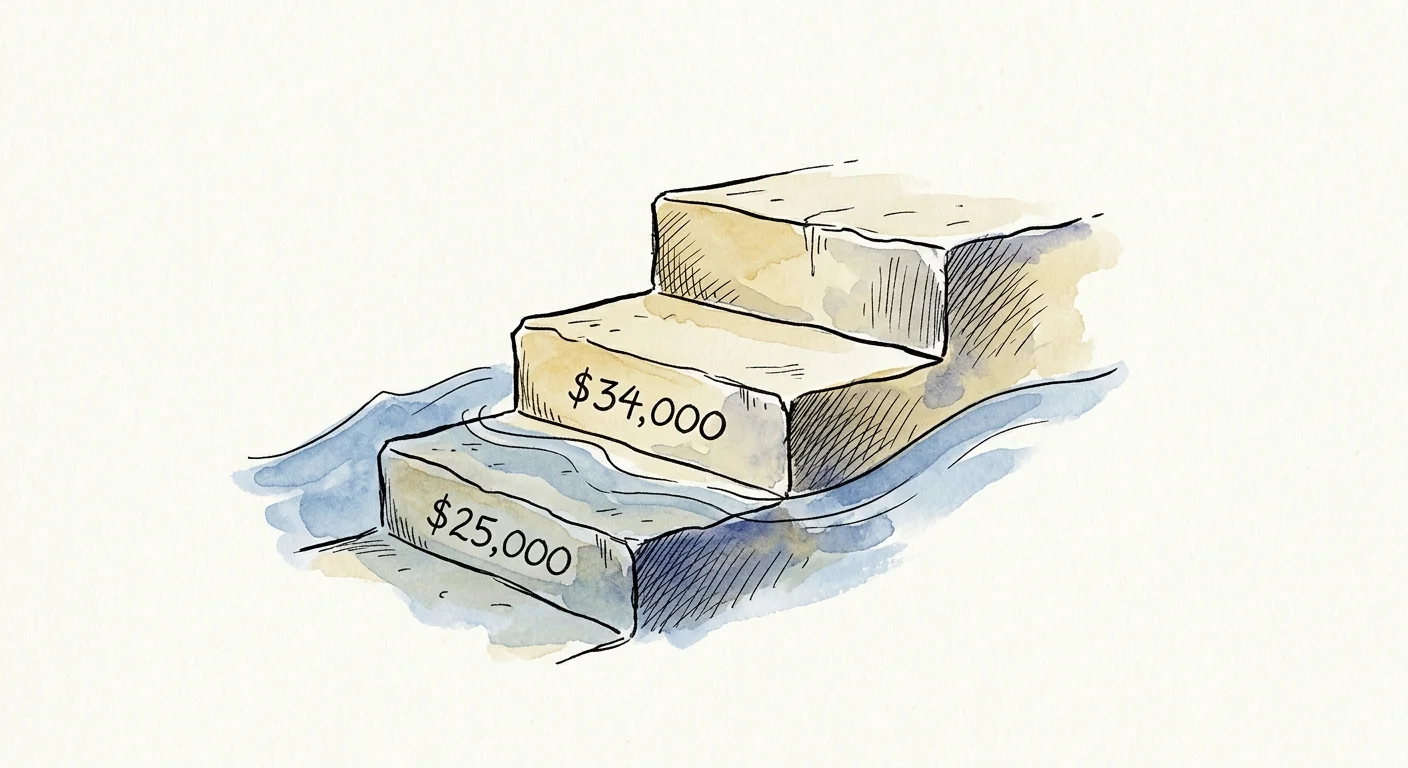
The Internal Revenue Service measures taxation using “combined income,” which equals Adjusted Gross Income plus non-taxable interest plus 50% of your Social Security benefits. Single filers with combined income between $25,000 and $34,000—and joint filers between $32,000 and $44,000—pay federal income tax on up to 50% of their benefits. Above $34,000 for single filers or $44,000 for joint filers, up to 85% becomes taxable. This phenomenon, known as the “tax torpedo,” subjects previously untaxed benefits to federal income taxes after receiving a COLA raise.
Trigger 3: The Medicare IRMAA Income Cliff
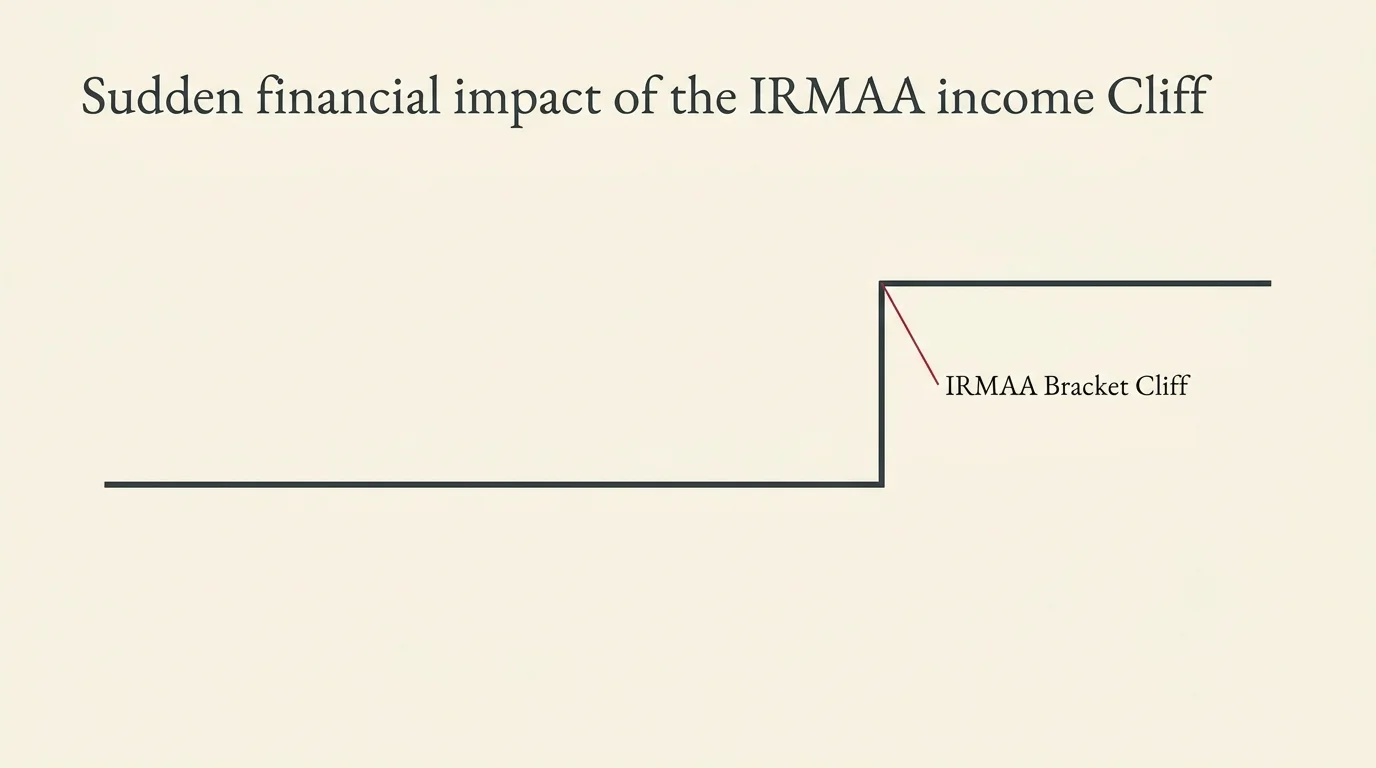
Higher-earning retirees face another major risk called the Income-Related Monthly Adjustment Amount. IRMAA applies mandatory monthly surcharges to Medicare Part B and Part D premiums for individuals exceeding specific income thresholds. Unlike progressive tax brackets, IRMAA functions as a strict financial cliff. Crossing a threshold by even $1 triggers full monthly surcharges across your entire premium.
The government sets IRMAA tiers using Modified Adjusted Gross Income from two years prior. In 2025, IRMAA thresholds began at $106,000 for single filers and $212,000 for joint filers. In 2026, baseline limits adjusted to $109,000 for single filers and $218,000 for joint filers. Because of the two-year lookback, financial actions from two years ago—like selling property or executing IRA withdrawals—combine with COLA adjustments to create costly monthly penalties that eliminate your annual raise.

Trigger 4: The Retirement Earnings Test for Working Claimants
Claiming Social Security before reaching Full Retirement Age while working triggers the Retirement Earnings Test. The Social Security Administration withhold benefits if earnings exceed annual statutory limits. In 2025, the lower exempt limit was $23,400 ($1,950 per month). In 2026, the limit rose to $24,480.
When you earn income above these thresholds before reaching full age, the government withhold $1 in benefits for every $2 earned over the limit. Although the Social Security Administration recalculates your benefits at Full Retirement Age to credit withheld amounts, earning job income temporarily reduces your net payouts today, completely overshadowing any annual COLA raise you receive.
Trigger 5: State-Level Taxation of Social Security Payouts
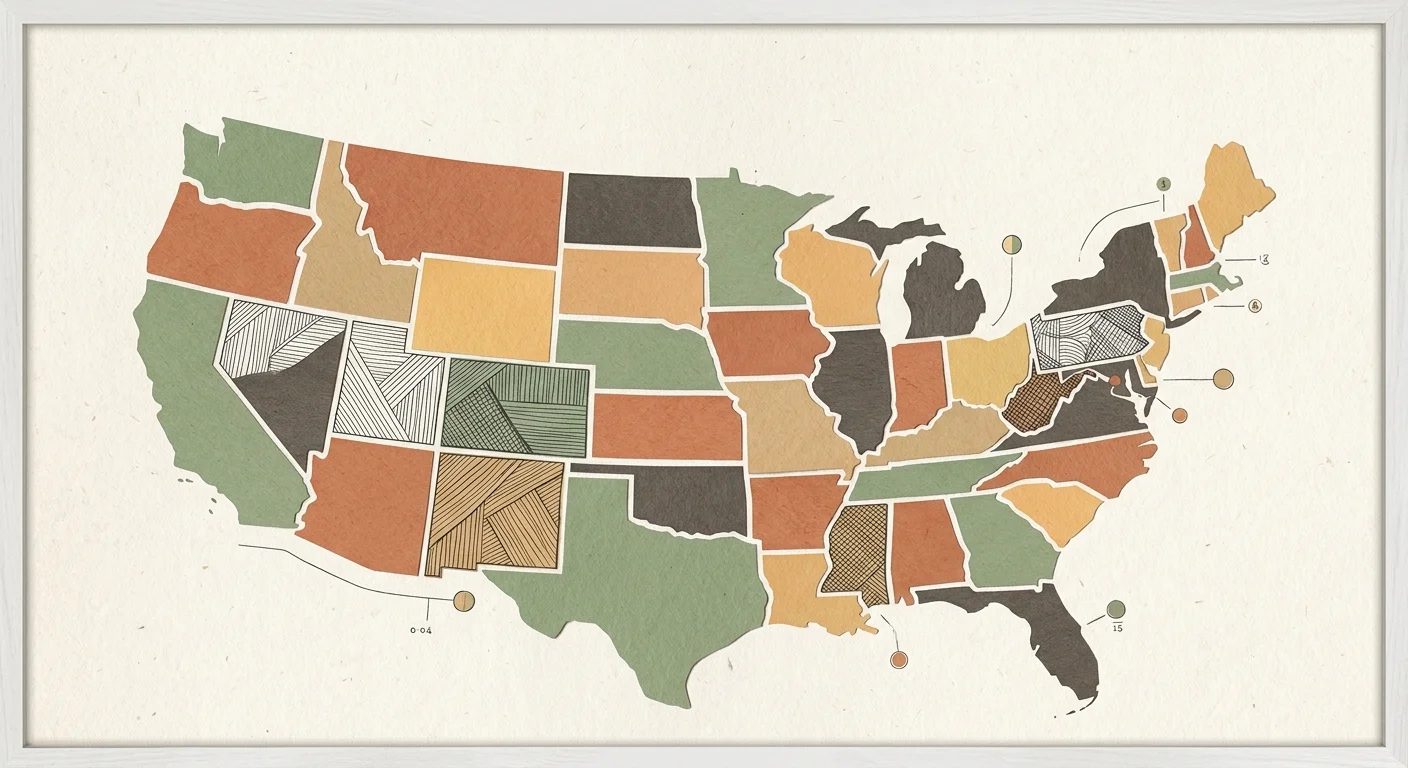
State taxes create another financial hurdle depending on where you live. A minority of U.S. states levy income taxes on Social Security benefits using state-specific income limits that do not adjust automatically with inflation.
When an annual COLA raise increases your gross benefit, that higher income flows onto your state tax return. In participating states, extra nominal income can push you into a higher state tax bracket or reduce your eligibility for senior tax exemptions. Consequently, a federal raise on paper can produce a larger state tax bill, shrinking your actual spendable income.

Strategic Blueprint: Protecting Your Net Retirement Income
Protecting your retirement income from these triggers requires a practical, three-pillar strategy that coordinates finances, lifestyle choices, and healthcare decisions.
Income Planning Pillar: Manage your Modified Adjusted Gross Income carefully to stay below IRMAA cliffs and tax thresholds. Use Qualified Charitable Distributions from traditional IRAs to satisfy distribution requirements without raising taxable income. Furthermore, executing targeted Roth IRA conversions in lower-income years helps lower future taxable payouts, insulating your Social Security benefits from tax torpedo effects.
Lifestyle Design Pillar: Align spending patterns with guaranteed income sources. If you reside in a state taxing Social Security, factor tax obligations into your overall budget. Spacing discretionary spending—like large purchases or asset sales—prevents artificial income spikes that trigger multi-year premium penalties.
Health & Wellness Pillar: Audit healthcare plans annually. Educational organizations like AARP offer valuable tools to compare Medicare options. If your household income drops significantly due to major life changes like retirement or loss of a spouse, file Form SSA-44 with Social Security to appeal IRMAA surcharges based on recent income.

Expert Perspectives and Risk Safeguards
Financial planners and gerontologists caution that measuring retirement readiness purely through gross COLA figures creates a false sense of security. Certified Financial Planner professionals emphasize calculating your personal net benefit—accounting for Medicare deductions and taxes—to create accurate spending forecasts.
Additionally, protect yourself against rising fraud. Scammers target seniors around COLA announcement dates with phishing messages offering “bonus adjustments” in exchange for bank details. Social Security applies cost-of-living adjustments automatically; you never need to verify personal information or pay fees to receive your official raise.
Frequently Asked Questions
Why does my Medicare premium take such a large portion of my COLA raise?
Medicare Part B premiums automatically deduct from Social Security checks. Because medical costs increase faster than consumer inflation, percentage hikes for Part B often exceed COLA percentages. Consequently, dollar increases in monthly premiums absorb a large portion of your gross raise.
Can I appeal a Medicare IRMAA surcharge if my income dropped recently?
Yes. You can appeal an IRMAA surcharge if you experienced a qualifying life-changing event such as retirement, work reduction, marriage, or loss of income-producing property. Submit Form SSA-44 to Social Security with documentation of your reduced income.
Does the “hold harmless” provision preserve my full COLA raise?
No. The hold harmless rule prevents your net monthly check from decreasing year-over-year due to Medicare Part B premium hikes. However, rising premiums can absorb up to 100% of your raise, keeping your net payment identical to the previous year.
How can I prevent my COLA raise from triggering taxes on my benefits?
Manage your combined income (AGI + tax-exempt interest + 50% Social Security). Utilize Roth distributions, execute Qualified Charitable Distributions, and time capital gains carefully to keep combined income below federal thresholds ($25,000 single, $32,000 joint).
Take Action: Your 48-Hour Income Protection Plan
Stop hidden triggers from quietly eating your net income. Take control of your retirement cash flow by completing one simple action within the next 48 hours. Review your recent Social Security statement and tax return to calculate your current combined income against federal taxation thresholds. Alternatively, check your income from two years ago to evaluate upcoming IRMAA tiers. Auditing your income streams today ensures that future COLA raises strengthen your daily financial freedom, keeping your retirement lifestyle comfortable, secure, and resilient.