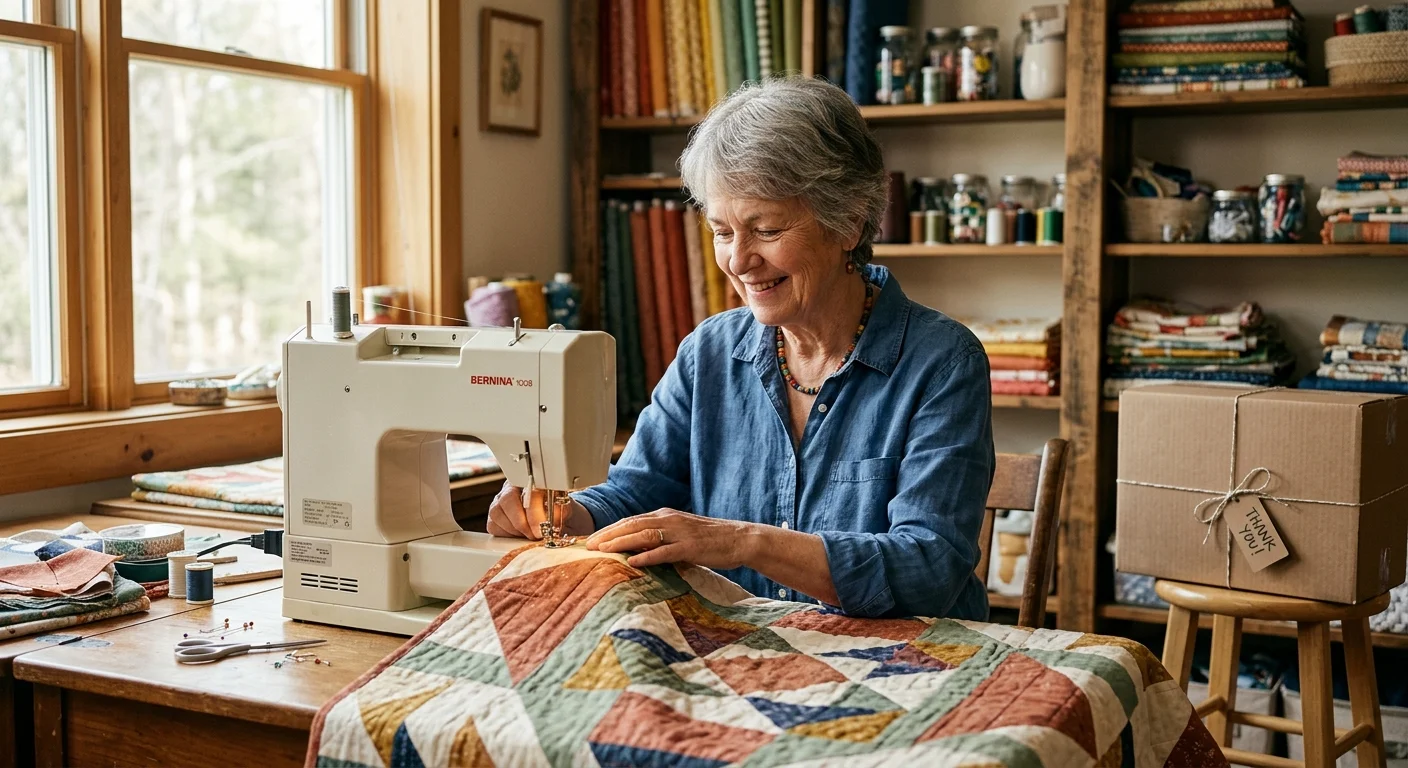
Transforming your favorite pastime into a dependable revenue stream can fund your dream travel, offset inflation, and bring renewed daily purpose to your retirement. A well-structured micro-business allows you to monetize decades of accumulated skill without sacrificing your freedom or peace of mind. According to the U.S. Bureau of Labor Statistics, roughly 19.1 percent of Americans aged 65 and older now engage in income-earning activities. Whether you love woodworking, gardening, writing, or baking, the modern creator economy offers straightforward avenues to earn on your own terms. With clear financial planning, tax awareness, and simple digital tools, you can easily turn personal passion into reliable, sustainable retirement income.
Strategic Pillars for Monetizing Your Pastime
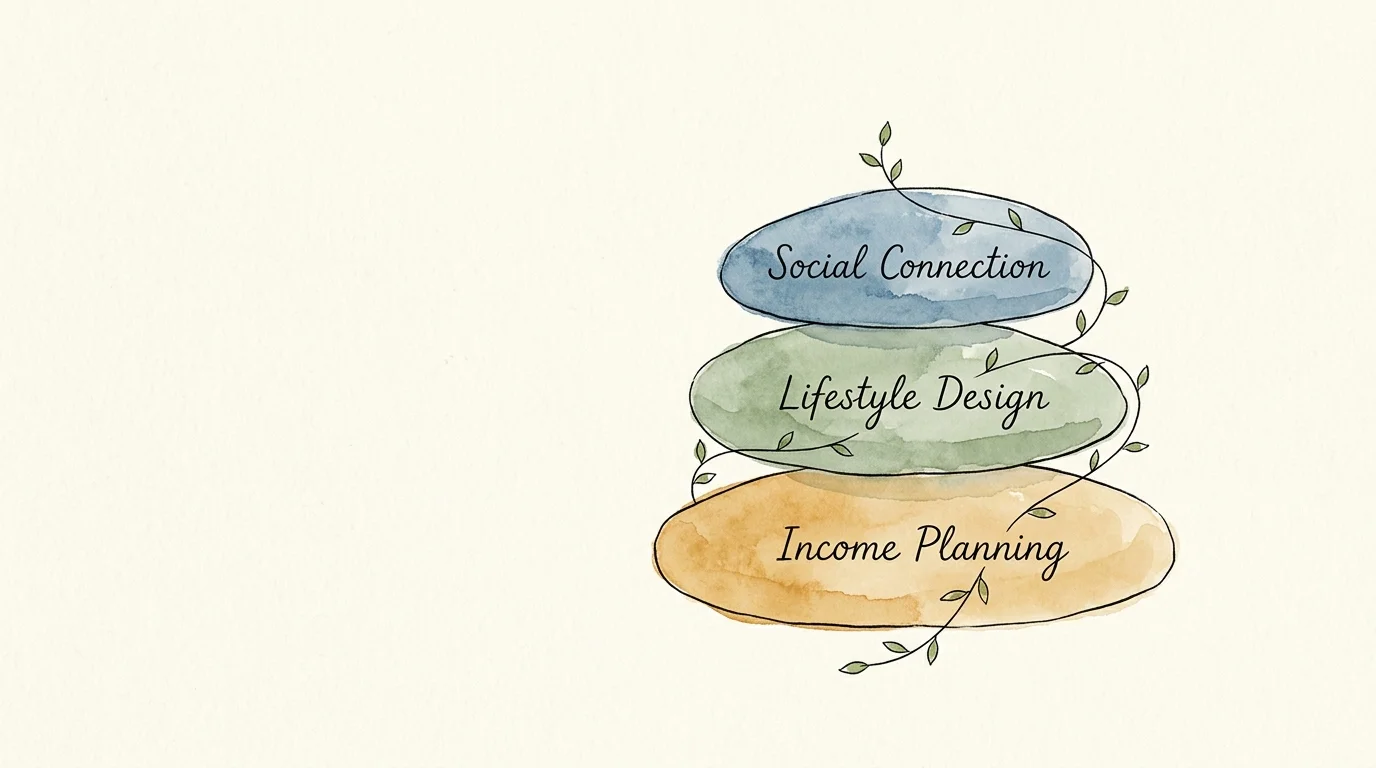
To build a hobby-based business that sustains your spirit rather than draining your energy, you must structure your venture across three interconnected pillars: income planning, lifestyle design, and health optimization.
Income Planning and Financial Balance
Monetizing a hobby should supplement your existing nest egg rather than create unnecessary financial stress. By treating your venture as an auxiliary cash flow channel, you can direct your earnings toward discretionary spending, such as family vacations, home upgrades, or charitable gifts. Proper income planning ensures that you price your goods or services to reflect your time and materials accurately, avoiding the trap of working long hours for negligible financial returns.
Lifestyle Design and Time Freedom
Retirement represents your hard-earned season of personal autonomy. When you monetize a craft or skill, you set the schedule, determine client volume, and establish operating boundaries. You can work ten hours a week during the winter and pause operations completely during summer travels. Designing your venture around your ideal calendar guarantees that your business remains an enjoyable creative outlet rather than an exhausting obligation.
Cognitive Health and Social Connection
Staying mentally engaged through creative problem solving, bookkeeping, and customer interaction delivers profound cognitive benefits. Peer-reviewed gerontological research consistently links entrepreneurial activities in older adulthood to improved memory retention and higher executive function. Monetization also fosters dynamic social networks, connecting you with younger generations, local community members, and fellow artisans who share your enthusiasm.
9 Practical Ways Retirees Are Monetizing Their Hobbies
The modern marketplace embraces authentic craftsmanship, specialized knowledge, and personalized service. Demographic data from the U.S. Bureau of Labor Statistics reveals that millions of older adults successfully merge leisure with enterprise. Here are nine proven avenues retirees use to generate meaningful income from their personal passions.
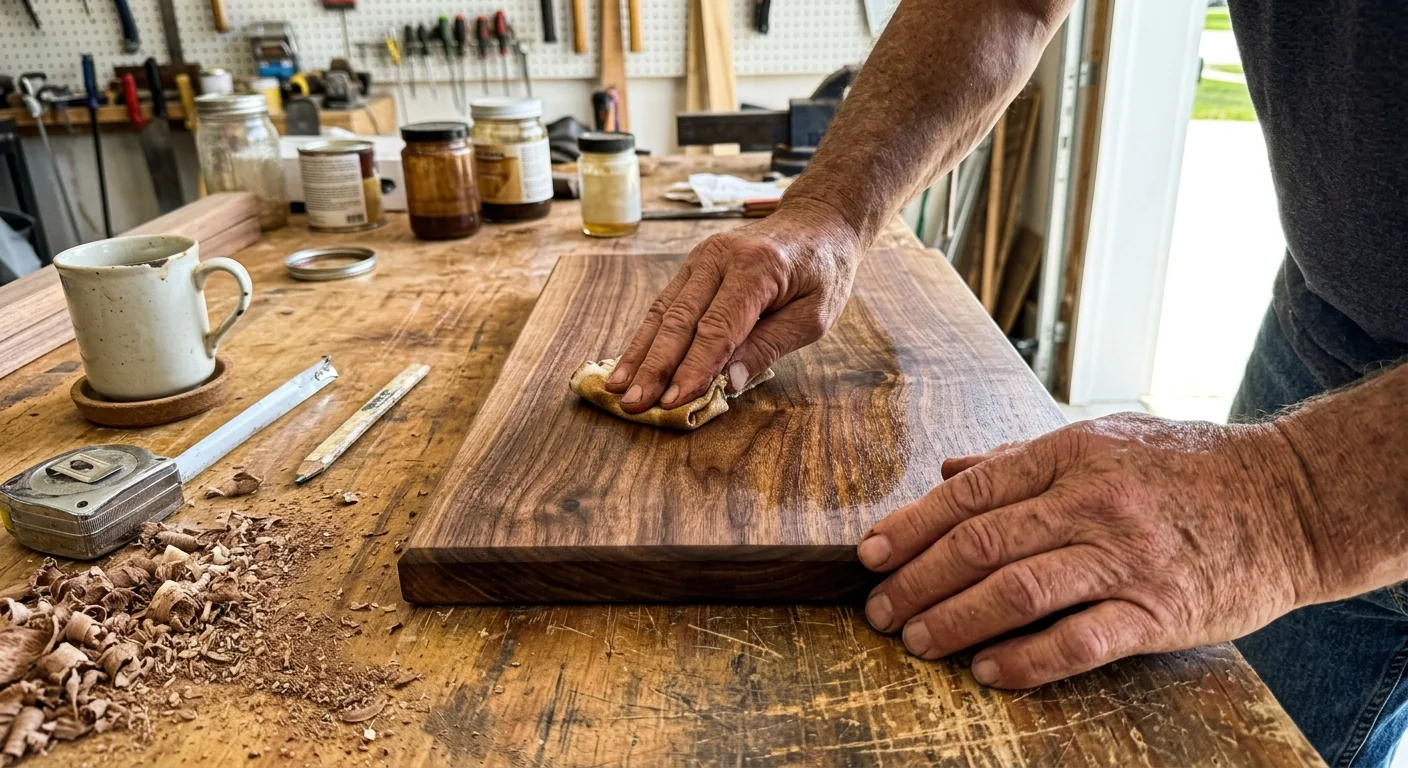
1. Custom Woodworking, Quilting, and Handcrafted Goods
If you spend hours crafting wooden cutting boards, bespoke furniture, or intricate quilts, a receptive market awaits your inventory. Platforms like Etsy enable you to reach global buyers, though you must factor in platform costs, including a twenty-cent listing fee per item, a 6.5 percent transaction fee, and a payment processing fee of 3 percent plus twenty-five cents. Many artisans prefer local craft fairs and farmers markets, which eliminate shipping complexities and offer immediate community feedback.
2. In-Person and Virtual Micro-Workshops
Decades of hands-on experience make you an exceptional instructor. You can teach watercolor painting, acoustic guitar, fly-tying, or artisanal bread making at local community centers or your own workshop. Alternatively, hosting virtual group classes via digital meeting platforms expands your reach without requiring travel. Setting your own per-student registration fees allows you to generate solid income from a single weekend afternoon of teaching.
3. Digital Downloads and Instructional Patterns
If you design knitting patterns, woodworking blueprints, or garden plot templates, you can digitize these assets into downloadable PDF files. Digital products represent an ideal low-maintenance business model because you create the asset once and sell it indefinitely without raw material costs or shipping overhead. Selling digital plans on websites like Ravelry or through your own website creates a recurring revenue stream that runs smoothly in the background.
4. Specialty Gardening, Plant Propagation, and Seed Saving
Avid gardeners frequently turn their green thumbs into thriving neighborhood plant nurseries. You can propagate rare houseplant cuttings, grow culinary herbs, or cultivate heirloom vegetable starts to sell during spring planting seasons. Suburban growers also generate high margins by cultivating microgreens or selling packaged heirloom seeds to local food enthusiasts and community garden organizers.
5. Niche Nonfiction Writing and Digital Publishing
Retirement provides the quiet focus required to document specialized career insights, regional history, or family genealogies. Through modern self-publishing platforms like Amazon Kindle Direct Publishing, you can distribute paperback and digital editions worldwide with zero upfront inventory costs. Writing niche educational guides or launching a paid digital newsletter on platforms like Substack allows you to monetize your life lessons while maintaining complete editorial control.
6. Stock Photography and Local Visual Services
If photography has been your lifelong passion, your existing digital archives may hold commercially viable images. You can license high-resolution nature, wildlife, and travel photographs through digital stock agencies such as Adobe Stock or Shutterstock. Additionally, many semi-retired photographers earn steady local income by providing exterior and interior listing photography for local real estate agents or capturing family portrait sessions on weekends.
7. Cottage Foods, Baking, and Preserves
Most states enforce cottage food laws that permit individuals to produce and sell non-hazardous foods, such as sourdough bread, jams, fruit pies, and dry spice blends, directly from home kitchens without expensive commercial licenses. If you love baking, you can cater small local events, sell at weekend farmers markets, or offer monthly subscription boxes to neighbors who appreciate freshly baked artisan goods.
8. Antique Restoration, Vintage Curation, and Upcycling
Scouring flea markets, estate sales, and thrift stores for underpriced treasures can become a lucrative enterprise. If you possess skills in furniture refinishing, clock repair, or vintage jewelry appraisal, you can restore damaged items and resell them at a substantial margin. Online marketplaces like eBay, along with local antique cooperatives, provide ready storefronts for curated historical collectibles and refurbished vintage home decor.
9. Advisory Consulting and Fractional Mentorship
Transitioning your former career skills into flexible advisory services offers high hourly compensation with minimal overhead. Former accountants, engineers, educators, and project managers frequently advise small businesses or nonprofit organizations on a project-by-project basis. This fractional consulting model enables you to apply your deepest professional wisdom to real-world challenges while choosing the exact clients and project timelines that fit your lifestyle.
Navigating Taxes, Social Security, and Financial Rules
Earning extra cash brings genuine rewards, but you must understand federal tax regulations and benefit thresholds to safeguard your overall financial plan.
The IRS Hobby Loss Rule and Schedule C Filings
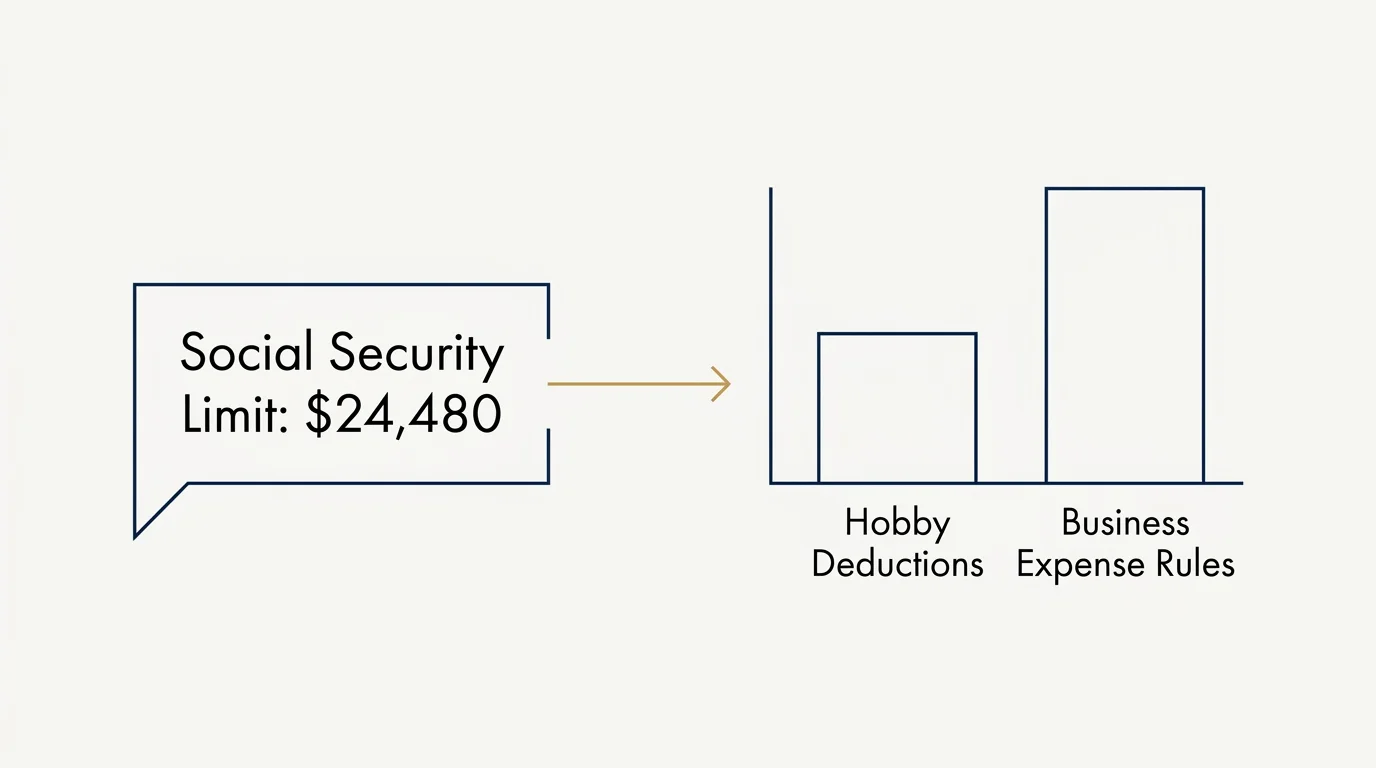
Under Internal Revenue Code Section 183, the Internal Revenue Service distinguishes between recreational hobbies and legitimate for-profit businesses. Under current tax rules established by the Tax Cuts and Jobs Act, you cannot deduct hobby-related expenses against your gross hobby income. However, if you establish a formal business entity and demonstrate a clear profit motive—such as turning a net profit in at least three out of five consecutive tax years—you can file Schedule C to deduct ordinary and necessary business expenses, including tools, supplies, and marketing costs.
Self-Employment Taxes and 1099-K Reporting
If your net earnings from self-employment reach $400 or more in a calendar year, you must file Schedule SE and pay the 15.3 percent self-employment tax, which encompasses 12.4 percent for Social Security and 2.9 percent for Medicare. Furthermore, third-party payment settlement organizations like PayPal, Etsy, and eBay will issue a Form 1099-K when your gross payments exceed $20,000 and 200 transactions. Remember that even if you do not receive a 1099-K form, you are legally required to report all earned revenue on your annual federal income tax return.
Social Security Earnings Limits and Benefit Thresholds
If you collect Social Security retirement benefits prior to reaching your full retirement age, you must monitor your earned income carefully. For early retirees who remain under full retirement age for the entire year, the annual earnings test limit is $24,480; the Social Security Administration withholds $1 in benefits for every $2 earned above this threshold. In the calendar year you attain full retirement age, the earnings limit rises to $65,160, with $1 withheld for every $3 earned above the limit until your birth month. Once you attain full retirement age—age 67 for individuals born in 1960 or later—the earnings cap vanishes entirely, allowing you to earn unlimited hobby and business income without any benefit withholding.

Expert Perspectives on Purpose, Health, and Longevity
Financial planners and healthcare professionals emphasize that monetizing a passion produces benefits extending well beyond extra dollars in your checking account.
Financial Stability and Portfolio Longevity
According to certified financial planners, generating even $500 to $1,000 per month from a lifestyle venture significantly enhances your long-term portfolio sustainability. This auxiliary cash flow reduces the need to liquidate equity holdings during market downturns, preserving capital when compounding matters most. Practical resources provided by non-profit organizations like AARP underscore that flexible supplemental income helps retirees maintain financial independence while managing unexpected household or healthcare expenses.
Cognitive Vitality and Social Integration
Gerontologists note that maintaining an active creative venture stimulates neuroplasticity. Negotiating prices, learning marketing software, and interacting with customers challenge the brain in ways passive leisure cannot replicate. This mental stimulation builds cognitive reserve, which protects against cognitive decline while fostering intergenerational connections that combat the social isolation often experienced in retirement.
Frequently Asked Questions
How can I prove to the IRS that my hobby is a legitimate business?
You can demonstrate a profit motive by maintaining a dedicated business checking account, keeping meticulous receipts for all supplies, creating a basic business plan, and marketing your services consistently. Generating a net taxable profit in three out of five consecutive years establishes a strong statutory presumption that your activity qualifies as a legitimate business under federal tax law.
Will selling crafts or digital plans raise my Medicare premiums?
Your net business earnings increase your overall Modified Adjusted Gross Income. If your total income crosses the income-related monthly adjustment amount thresholds tracked by Medicare, the program may apply a surcharge to your Part B and Part D monthly premiums two years later. Reviewing your annual income trajectory with a tax professional ensures your sideline earnings do not accidentally push you into a higher premium bracket.
Do I need an LLC to sell items locally or online?
You do not legally need a limited liability company to start selling; you can operate as a sole proprietor using your Social Security number or a free Employer Identification Number from the IRS. However, forming a single-member LLC offers valuable personal liability protection if your hobby involves activities with inherent physical risks, such as food preparation, woodworking equipment, or on-site teaching.
How can I avoid online marketplace scams targeting senior creators?
Protect your enterprise by conducting all transactions directly within verified platform payment systems rather than accepting off-platform wire transfers, cashier checks, or overpayment requests. Be suspicious of unsolicited emails offering expensive marketing packages, bogus trademark registrations, or vanity publishing contracts that demand substantial upfront fees.
Take Your First Step in the Next 48 Hours
Monetizing your lifelong hobby should feel exhilarating, not overwhelming. Choose one specific creative skill or craft that brings you genuine joy, and dedicate thirty minutes over the next 48 hours to research your immediate local market. Set up a simple dedicated ledger, photograph three of your finest creations, or talk to an organizer at your neighborhood farmers market. Taking a single, deliberate action today moves you closer to an active, purposeful, and financially rewarding retirement.