
Building strong social connections through senior clubs actively reduces cognitive decline and boosts physical health, extending your vibrant retirement years. Research consistently shows that isolated retirees face a significantly higher risk of chronic health conditions compared to their engaged peers. As you transition into this new life phase, finding the right community helps replace the social network you previously enjoyed in the workplace. Whether you seek intellectual stimulation, physical activity, or simply a space to share hobbies with like-minded individuals, joining an established organization provides immediate structure and purpose. You will discover how specific groups fit your budget, accommodate varying mobility levels, and transform your daily routine into a fulfilling, action-oriented schedule.
Current Trends Influencing Active Retirement
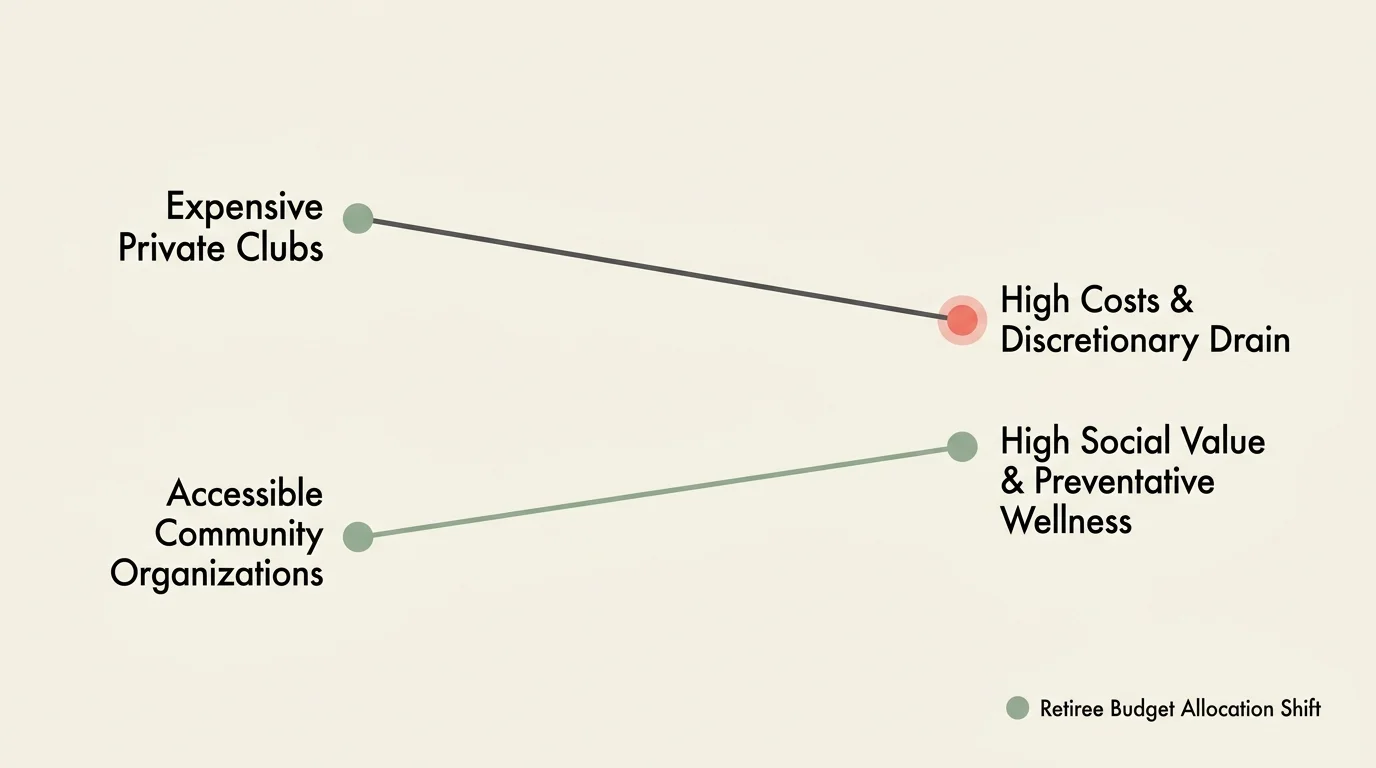
The broader economic environment directly impacts how you design your post-work lifestyle and where you choose to spend your time. Recent cost-of-living adjustments from the Social Security Administration reflect the ongoing reality of inflation, requiring you to make strategic choices about your discretionary spending. As everyday costs fluctuate, retirees increasingly seek out community organizations that deliver high social value without exorbitant membership dues. Simultaneously, shifts in the healthcare sector place a heavy emphasis on preventative wellness and active living. Current data from the Bureau of Labor Statistics highlights that older adults allocate a significant portion of their budgets to health-related activities. This shift means you must remain vigilant about which social programs genuinely support your physical and financial health. Older adults now prioritize community groups that offer both rich social interaction and tangible lifestyle benefits, moving away from expensive country clubs toward accessible, community-based organizations that foster genuine connection.

Top 10 Social and Activity Organizations for Retirees
1. SilverSneakers
Regular physical activity remains the cornerstone of a healthy retirement. SilverSneakers provides an accessible entry point by partnering with local gyms nationwide to offer fitness classes tailored for mature bodies. You can often access this premium membership at no additional cost if you hold a qualifying Medicare Advantage plan. Participating improves cardiovascular health and connects you with fitness-minded peers.
2. Osher Lifelong Learning Institutes
If intellectual stimulation drives your daily interests, the Osher Lifelong Learning Institutes offer non-credit, university-level courses designed for adults over fifty. Located on college campuses across the country, these institutes cover everything from history to modern technology. You pay a reasonable membership fee, granting you full access to engaging lectures and classroom debates without the pressure of exams or grades.
3. The Red Hat Society
Sometimes you just need to prioritize fun and friendship, which forms the core mission of the Red Hat Society. This international social organization encourages women over fifty to wear distinctive red hats and purple outfits for regular outings and cultural events. Enjoying these lighthearted social gatherings boosts your emotional well-being and provides a scheduled reason to step out and celebrate life.
4. AARP Local Chapters
While most people recognize AARP for its national advocacy and retail discounts, local chapters offer remarkably robust community engagement. Joining a chapter puts you in a room with neighbors who share your concerns about local issues and volunteer work. You can actively participate in community service projects or attend free informational seminars on topics ranging from fraud prevention to local taxes.
5. Local Garden Clubs
Gardening provides excellent low-impact physical activity and significant mental health benefits. Dedicated local garden clubs often manage shared community plots, exchange horticultural expertise, and organize neighborhood beautification projects. Whether you maintain a backyard vegetable garden or simple balcony planters, these clubs easily accommodate varying physical abilities. They offer a peaceful environment where you can socialize outdoors and tangibly improve your local environment.
6. Rotary International
For retirees looking to leverage their professional experience for the greater community good, Rotary International offers an ideal leadership platform. A large percentage of its active membership consists of retired professionals dedicated to meaningful service projects. You can mentor young adults, organize food drives, or contribute to international health initiatives, giving you a profound sense of purpose and structured social engagement.
7. Senior Center Book Clubs
Municipal senior centers host some of the most intellectually engaging book clubs available to modern retirees. Reading diverse genres keeps your cognitive faculties sharp, while discussing literature provides a natural way to interact with new individuals. These clubs typically require no expensive membership fees, making them highly accessible for individuals managing strict fixed budgets who seek meaningful conversation and cultural exchange.
8. YMCA Active Older Adult Programs
The YMCA goes far beyond standard gym equipment by offering dedicated Active Older Adult programs focusing heavily on comprehensive social wellness. Activities range from low-impact water aerobics and indoor pickleball to potluck lunches. This supportive environment deliberately accommodates diverse cultural backgrounds and physical abilities, providing you with a holistic community center where you can safely exercise and build lasting friendships.
9. Toastmasters International
Retirement presents a perfect opportunity to refine your communication skills and share your rich life stories. Toastmasters helps you practice public speaking and active listening in a highly supportive, judgment-free environment. As you craft and deliver personal speeches, you engage your brain creatively and build lasting self-confidence, all while enjoying the energetic camaraderie of members focused on continuous self-improvement.
10. The Sierra Club
If your ideal retirement involves fresh air and active nature conservation, a local chapter of the Sierra Club delivers both benefits simultaneously. Local chapters regularly organize group hikes, bird-watching excursions, and environmental advocacy campaigns. These outdoor activities intentionally cater to various fitness levels, allowing you to stay physically active and maintain your mobility while bonding with fellow passionate outdoor enthusiasts.

Strategic Planning for Your Retirement Lifestyle
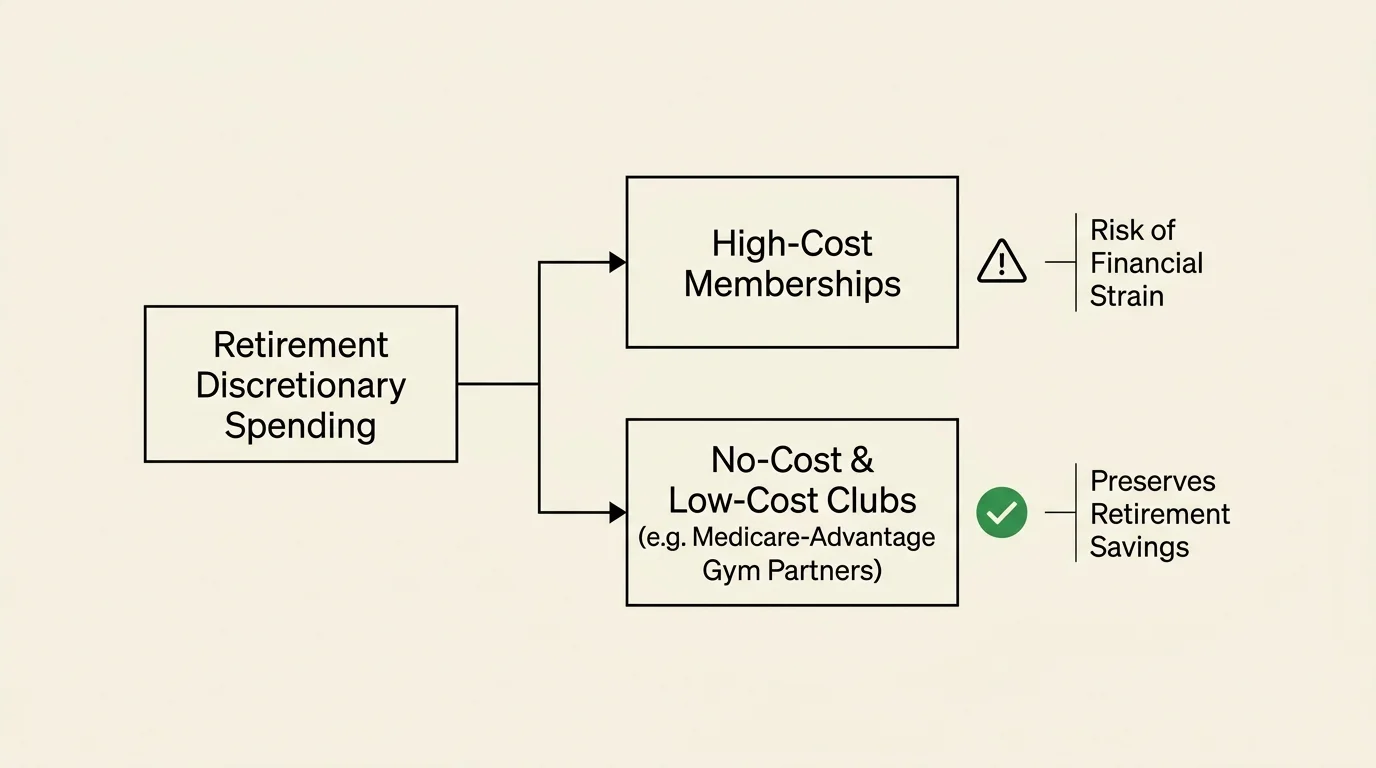
Designing a fulfilling retirement requires deliberate attention to your income planning, lifestyle design, and health management. You must align your daily social activities with your financial reality, ensuring that club dues, travel expenses, and associated costs fit comfortably within your established fixed budget. Review your monthly cash flow closely to determine exactly how much discretionary income you can safely allocate toward social engagements. Many active retirees successfully balance their budgets by mixing free municipal community programs with one or two selectively chosen paid memberships.
Your physical and mental health heavily influence your overall lifestyle design. Selecting organizations that easily accommodate varying mobility levels ensures you can remain highly active regardless of natural physical changes. You should prioritize groups that consistently challenge you cognitively, whether through educational seminars, historical discussions, or strategic games. Engaging in regular, meaningful social interaction significantly lowers your statistical risk of depression and cognitive decline. By seamlessly integrating community involvement into your weekly routine, you create a structured, supportive environment that advances your overall wellness goals and keeps you physically moving every single week.

Expert Perspectives on Social Engagement
Financial planners and gerontologists universally agree that investing in your social network yields substantial returns for your long-term health and longevity. Certified Financial Planner professionals often advise their retired clients to treat club memberships as essential healthcare expenses rather than mere entertainment or luxury spending. By proactively budgeting for social engagement, you protect yourself against the incredibly high medical costs directly associated with isolation, depression, and physical inactivity.
Gerontology researchers consistently document the profound protective effects of community belonging. When you participate in engaging group activities, your brain continuously processes complex social cues, which actively helps maintain critical neural pathways. Experts emphasize that replacing the built-in, everyday community of a workplace requires highly intentional effort on your part. Joining established organizations provides a ready-made social infrastructure to fill that void. Many active retirees report that their highest daily satisfaction stems from community groups where they contribute their time to a shared goal, reinforcing their sense of purpose and keeping their daily motivation extremely high.
Navigating Risks and Safeguarding Your Finances
While actively exploring new social avenues, you must aggressively protect your hard-earned finances from prevalent risks and scams targeting older adults. Fraudsters frequently create fake social clubs, phony veterans organizations, or bogus travel groups specifically designed to steal your membership fees and sensitive personal information. Always verify the legal legitimacy of an organization before providing your credit card details, banking information, or Social Security number. Stick to well-established national groups or locally recognized community centers, and immediately report any suspicious activity to the Federal Trade Commission to help protect your peers from similar predatory tactics.
Additionally, you must carefully evaluate the contractual terms of any health, fitness, or social club membership. Some aggressive facilities use high-pressure sales tactics to lock retirees into expensive, long-term agreements—contracts that remain notoriously difficult to cancel. Read all the fine print to thoroughly understand their cancellation policies and aggressively look for hidden administrative fees. You should also watch out for unexpected healthcare pitfalls, such as assuming all fitness classes are fully covered by your insurance. Always confirm directly with Medicare or your supplemental plan provider to understand exactly what wellness benefits you can claim.
Frequently Asked Questions
How do I find local social clubs in my specific area?
You can easily discover local groups by visiting your municipal community center or public library, as they frequently host or prominently advertise active senior programs. Online platforms specifically designed for neighborhood networking also provide comprehensive schedules for nearby walking groups, book clubs, and hobbyist gatherings. Speaking directly with the staff at your local parks and recreation departments will yield a robust calendar of events perfectly tailored to older adults living right in your zip code.
Are senior club memberships tax deductible?
In most situations, standard social club dues or basic fitness memberships do not qualify as tax-deductible expenses on your return. However, if you join a legally recognized nonprofit organization and your dues function directly as a charitable contribution, a specific portion may be deductible. You should carefully consult the current Internal Revenue Service guidelines or speak directly with a qualified tax professional to determine if your chosen professional or service organizations meet the strict federal criteria for deductions.
What if my mobility restricts my participation in active clubs?
Numerous organizations deliberately cater specifically to individuals managing varying mobility levels, ensuring absolutely everyone can participate fully in community life. Garden clubs often feature accessible raised beds, while lifelong learning institutes and book clubs focus entirely on intellectual engagement rather than any physical exertion. Many groups also offer convenient hybrid or fully virtual attendance options, allowing you to build lasting friendships and participate in lively discussions from the comfort, safety, and accessibility of your own home.
Can Medicare cover the cost of my fitness club memberships?
Original Medicare Part A and Part B completely exclude coverage for standard gym memberships or routine fitness club dues. However, many private Medicare Advantage plans include highly comprehensive fitness benefits, such as full access to nationwide gym networks, at absolutely no additional premium cost to you. You must carefully review your specific plan’s Annual Notice of Change or contact your insurance provider directly to verify your exact eligibility for these highly valuable preventative health and wellness programs.
Your Next Steps
Building a vibrant, engaging social life takes intentional effort, but the long-term rewards for your physical health and mental happiness remain immeasurable. You possess the complete power to shape your daily routine into a fulfilling adventure surrounded by supportive, like-minded peers. Over the next forty-eight hours, pick just one organization from this guide that sparks your genuine interest and make a single phone call or visit their website to inquire about a temporary guest pass. Taking that one small, highly actionable step today will quickly open the door to new friendships, renewed daily purpose, and a significantly more active, joyful retirement.





DHRXKgkigLFQzgfHAekm
wrifBLDGjtxPEwgZuUtYNQ