
Transitioning to an encore career in the nonprofit sector lets you generate supplemental income while dedicating your hard-earned professional skills to causes that genuinely matter. Whether you seek intellectual stimulation, flexible schedules, or a structured routine, mission-driven organizations across the country actively recruit experienced older adults. Nonprofits represent the third-largest private employment sector in the United States, offering diverse roles that range from strategic leadership to grassroots community outreach. By aligning your post-retirement work with established organizations, you can build purposeful social connections, maintain cognitive sharpness, and protect your financial independence on your own terms.

The Modern Landscape of Post-Retirement Nonprofit Work
Today’s retirement looks substantially different from previous generations. Rather than exiting the labor force entirely, millions of retirees choose to redeploy their expertise where communities need it most. The nonprofit sector employs over 12 million workers—approximately ten percent of the American private workforce—and relies heavily on seasoned professionals to navigate operational, financial, and organizational challenges. For many older adults, this creates an ideal bridge between full-time corporate careers and complete retirement.
Recent federal updates have made working during retirement more financially manageable. Under current rules from the Social Security Administration guidelines on working while retired, individuals under their Full Retirement Age (FRA) can earn up to $24,480 annually without forfeiting monthly benefit payments. In the calendar year you reach your FRA, that limit rises to $65,160 before any benefit withholding occurs. Once you achieve full retirement age—age 67 for anyone born in 1960 or later—the earnings cap disappears entirely, allowing you to earn unlimited compensation while receiving your full monthly benefit.
Furthermore, changes enacted through the SECURE 2.0 Act established that Required Minimum Distributions (RMDs) do not begin until age 73. This policy window gives you greater control over your taxable income. Earning wages from a nonprofit also allows you to continue contributing to tax-advantaged retirement accounts, provided you have qualifying earned income. This unique intersection of financial flexibility and social purpose makes nonprofit work a compelling pathway for post-career longevity.

8 Meaningful Nonprofit Roles Built for Retirees
Nonprofits require a sophisticated blend of administrative, strategic, and interpersonal talent. The following eight positions represent high-demand areas where your life experience and professional background provide immediate, measurable value.
1. Grant Writer and Proposal Specialist
If you possess strong research abilities, clear written communication skills, and disciplined attention to detail, grant writing offers exceptional flexibility. Grant writers identify funding opportunities from philanthropic foundations, corporate giving programs, and government agencies, drafting persuasive narratives that secure institutional funding. Freelance and part-time grant writers typically command hourly rates between $30 and $75, while highly specialized consultants earn up to $150 per hour. Full-time equivalent salaries average between $62,000 and $66,000 annually. This role easily accommodates remote work and adjustable project deadlines, making it ideal if you prefer working from home on a flexible schedule.
2. Volunteer Coordinator
Charities, food banks, animal shelters, and cultural institutions depend entirely on their volunteer networks. As a volunteer coordinator, you manage volunteer recruitment, onboarding, background checks, scheduling, and recognition programs. Your primary objective involves matching community members with meaningful assignments while maintaining consistent engagement. Part-time positions generally offer $20 to $28 per hour, with median annual salaries ranging between $42,000 and $55,000. This role provides rich social interaction and regular community engagement without demanding intensive technical specialization.
3. Social and Community Service Program Manager
Mid-tier and large nonprofits regularly seek experienced managers to direct community-facing initiatives, such as workforce development, affordable housing support, and youth enrichment programs. In this role, you oversee daily operations, supervise site staff, track key performance indicators, and ensure regulatory compliance. According to Bureau of Labor Statistics employment data, social and community service managers earn a median annual wage of $78,240, with faster-than-average projected job growth. Your decades of personnel management and problem-solving experience translate directly into operational stability for growing organizations.
4. Donor Relations and Development Officer
Fundraising remains the lifeblood of every tax-exempt organization. Development officers build long-term relationships with individual donors, corporate sponsors, and philanthropic families to secure annual gifts, capital campaign contributions, and legacy bequests. This role suits professionals with strong interpersonal charisma, corporate sales backgrounds, or deep community networks. Development directors often work on flexible, part-time, or retainer schedules, focusing on major gift cultivation rather than high-volume cold outreach. Your established community standing and personal credibility help open doors that younger fundraisers often struggle to access.
5. Nonprofit Operations and Financial Manager
Smaller and mid-sized charitable entities often lack the resources for full-time chief financial officers, creating strong demand for fractional controllers, bookkeepers, and operational advisors. You can assist executive directors by managing annual budgets, ensuring compliance with 501(c)(3) tax reporting standards, streamlining vendor contracts, and preparing financial statements for board reviews. Retirees with backgrounds in accounting, corporate finance, or business administration can earn lucrative consulting fees while helping organizations maintain strict fiscal integrity and transparent governance.
6. Community Outreach Specialist and Case Navigator
Community outreach specialists serve as the vital bridge connecting vulnerable populations with vital public resources, such as healthcare access, utility assistance, and nutritional support. Many public health agencies, hospital networks, and community centers actively recruit mature workers for these positions because older adults often project natural empathy, patience, and trustworthy life wisdom. These positions offer regular hourly wages, predictable daytime hours, and deep personal satisfaction derived from directly improving the lives of individuals in your local neighborhood.
7. Senior Mentor and Adult Educator
If you love teaching, coaching, or career development, numerous community organizations hire mature adults to lead adult literacy classes, English as a Second Language (ESL) workshops, and job readiness training. Federally supported initiatives through the AmeriCorps Seniors national service network engage adults aged 55 and older in programs like Foster Grandparents and Senior Companions. Income-eligible participants receive tax-exempt federal stipends starting at $4.00 per hour alongside travel reimbursements, while local adult education centers and community colleges provide traditional part-time hourly payroll positions.
8. Board Governance Advisor and Interim Executive
Nonprofits facing executive transitions or organizational restructuring frequently recruit retired executives to serve as interim directors or strategic consultants. In these assignments, you stabilize staff operations, audit governance policies, and prepare the organization for incoming permanent leadership. These engagements typically last from three to nine months, offering substantial compensation, high-level strategic influence, and clearly defined start and end dates that prevent permanent workload creep.
Strategic Pillars for a Sustainable Encore Transition
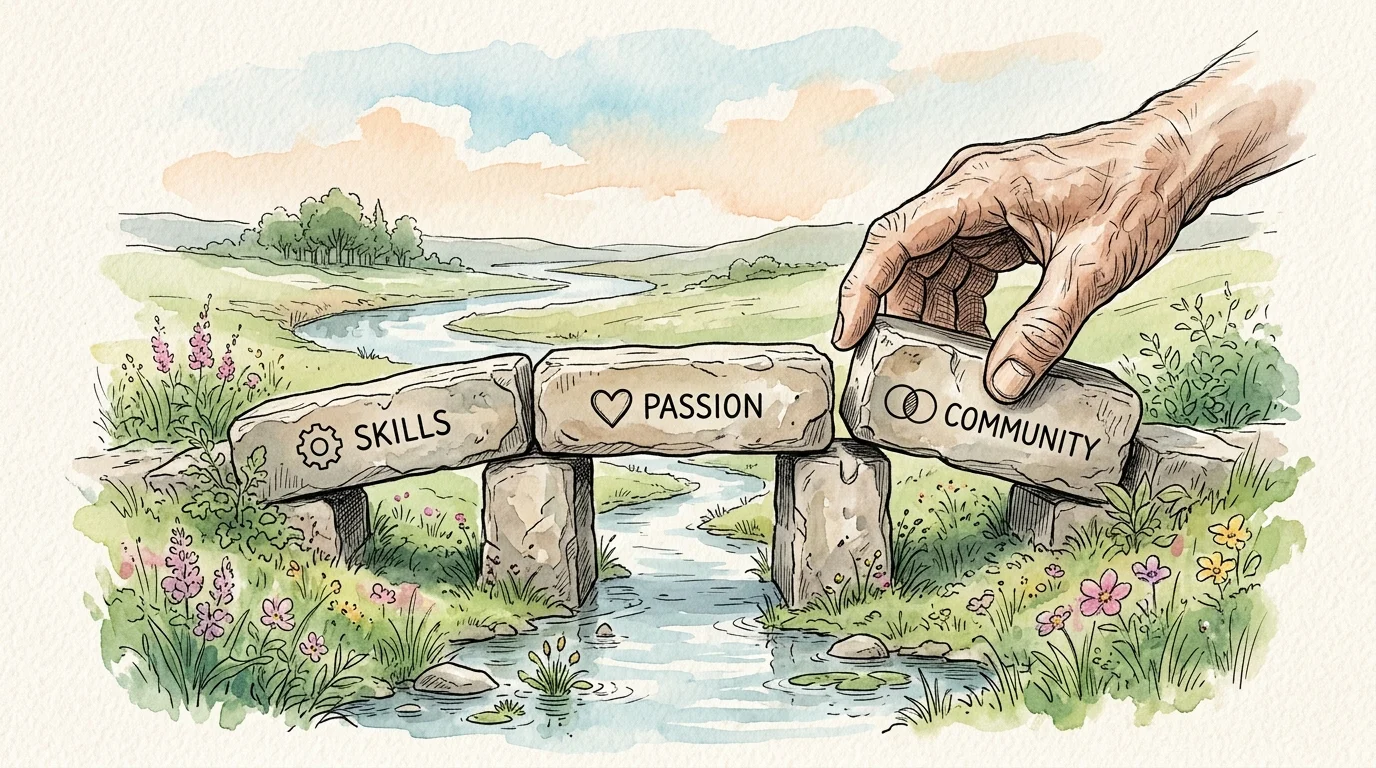
Securing a fulfilling post-retirement nonprofit role requires deliberate planning across your finances, lifestyle, and physical well-being. Focusing on three key pillars ensures that your new career enhances your retirement rather than complicating it.
Pillar 1: Income Planning and Tax Optimization
Before accepting a paid position, evaluate how additional earnings interact with your overall tax picture. Certified Financial Planner™ professionals emphasize that wages represent taxable ordinary income, which can push you into a higher marginal tax bracket or trigger taxation on your Social Security benefits. If you take Social Security before your full retirement age, you must monitor the annual $24,480 cap closely to avoid benefit withholding.
On the positive side, earned income allows you to fund retirement accounts well into your sixties and seventies. Based on Internal Revenue Service rules for IRA contributions, you can contribute earned income to a Traditional or Roth IRA regardless of your age. Allocating encore earnings into a Roth IRA provides tax-free growth and tax-free withdrawals later, creating an efficient wealth-transfer or emergency reserve vehicle.
Pillar 2: Lifestyle Design and Work-Life Boundaries
Nonprofit work carries an emotional intensity that can easily lead to mission creep—a situation where part-time commitments gradually expand into demanding full-time obligations. Protect your personal schedule by negotiating explicit deliverables, maximum weekly hours, and flexible scheduling provisions prior to accepting any role. Prioritize organizations that support hybrid arrangements or seasonal leaves of absence so you can travel, spend time with family, and pursue personal hobbies without jeopardizing your job standing.
Pillar 3: Health, Wellness, and Cognitive Longevity
Extensive gerontological research confirms that maintaining purposeful mental and social activity during retirement significantly reduces the risk of cognitive decline, isolation, and depression. A structured work environment encourages physical movement, fosters intergenerational relationships, and maintains intellectual agility. However, you must also prioritize physical accessibility. Ensure your work environment accommodates any mobility limitations, offers ergonomic seating, and provides adequate rest periods throughout your working days.

Financial Safeguards and Pitfalls to Avoid
Transitioning into nonprofit employment requires vigilance around specific regulatory and operational risks that could disrupt your financial stability or emotional peace.
The most common financial trap involves the Medicare Part B and Part D Income-Related Monthly Adjustment Amount (IRMAA). If your modified adjusted gross income surpasses specific statutory thresholds, the federal government assesses substantial surcharges on your monthly Medicare premiums. An unexpected boost in encore wages could push your household income across an IRMAA bracket threshold, resulting in higher healthcare costs that erode your net nonprofit earnings.
Be cautious about job postings that misclassify employees. Some organizations attempt to classify regular staff as independent contractors (1099 recipients) rather than employees (W-2 recipients) to avoid payroll taxes and workers’ compensation coverage. As an independent contractor, you become responsible for self-employment taxes (15.3 percent covering Medicare and Social Security), which reduces your net take-home pay. Always clarify employment status and tax classifications during the interview process.
Finally, screen prospective nonprofit employers for organizational health. Review an organization’s public IRS Form 990 on databases like GuideStar or ProPublica before accepting an offer. Scrutinize their financial stability, leadership turnover rates, and program spending efficiency. Working for an underfunded, chaotic nonprofit often leads to unnecessary stress and unpaid administrative burdens.
Frequently Asked Questions
How does working for a nonprofit affect my Social Security if I am under full retirement age?
If you collect Social Security before your Full Retirement Age, the SSA withholds $1 in benefits for every $2 you earn above $24,480. In the year you reach FRA, the SSA withholds $1 for every $3 earned above $65,160 until your birthday month. Once you attain full retirement age, all withholding stops, and the SSA recalculates your monthly benefit upward to credit you for any amounts previously withheld.
Can I contribute to an IRA using my nonprofit wages after age 70?
Yes. The SECURE Act eliminated the age cap on Traditional IRA contributions, and Roth IRAs have never carried an age limit. As long as you receive qualifying taxable compensation from your nonprofit job, you can make annual contributions up to the federal limit, provided your modified adjusted gross income falls within standard eligibility parameters.
How do I transition from corporate work to a nonprofit without starting at entry level?
Emphasize transferable executive skills on your resume, such as fiscal management, vendor negotiations, staff mentorship, and strategic planning. Connect with local chapters through AARP foundation job search resources and community foundations. Volunteering on a committee or completing a short-term advisory project frequently serves as a direct pipeline into compensated leadership or operational positions.
Will a part-time nonprofit salary affect my Medicare eligibility?
No. Working part-time does not affect your underlying eligibility for Medicare Part A or Part B once you turn 65. However, you should monitor your total adjusted gross income to prevent unnecessary IRMAA surcharges, and confirm whether your part-time employer provides primary healthcare coverage that allows you to delay Part B enrollment if desired.
Take Action on Your Encore Career
Transitioning into a rewarding nonprofit career does not require an immediate, life-altering overhaul. Meaningful progress begins with small, deliberate actions. Within the next 48 hours, select two or three local charitable organizations whose missions align with your core values. Download their recent IRS Form 990 filings, review their current board and staff rosters, and audit your personal resume to highlight how your professional experience can solve their operational needs. By taking that single focused step today, you can transform your retirement years into a masterclass in purpose, connection, and lasting community impact.