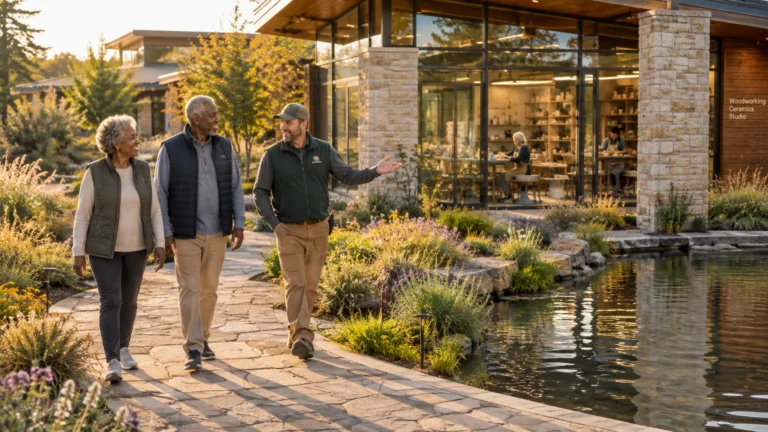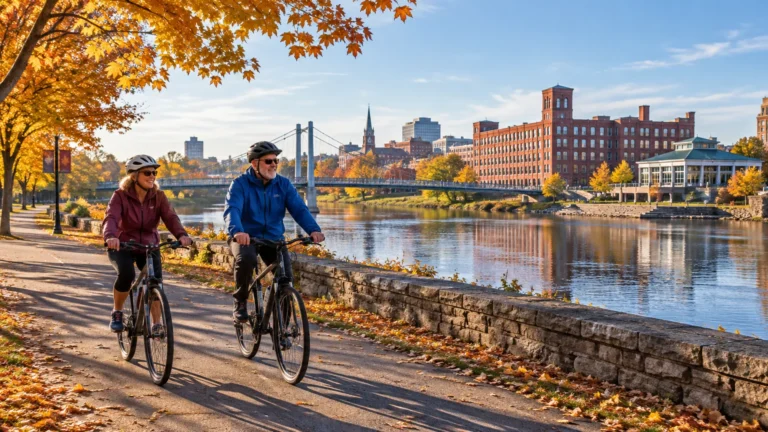
Trading your office desk for fresh air, scenic trails, and sunlight can rejuvenate your retirement finances and your physical health at the same time. Millions of older Americans are discovering that returning to work outdoors provides extra spending money, meaningful community connection, and daily physical activity without the grind of a corporate routine. Whether you want to share your passion for local wildlife, tend thriving community gardens, or guide guests across scenic state parks, outdoor roles accommodate a broad spectrum of physical mobility and schedule preferences. You can preserve your hard-earned nest egg while enjoying the therapeutic benefits of nature on your own terms.

The Modern Rise of Outdoor Encore Careers
Encore careers have transformed the traditional concept of retirement across the United States. Rather than stepping away from the workforce entirely, today’s retirees increasingly balance leisure with purposeful part-time work that aligns with their personal passions. The rising cost of living, coupled with longer life expectancies, makes supplemental income an attractive cushion for any retirement budget. Earning a steady paycheck from outdoor work reduces the need to draw down investment portfolios during volatile market cycles, extending the lifespan of your retirement savings.
Beyond monetary gains, working outdoors delivers substantial mental and physical health benefits. Environmental psychology research shows that spending structured time in green spaces lowers cortisol levels, reduces blood pressure, and sharpens cognitive function. When you work outside, you naturally increase your daily physical movement, supporting cardiovascular health and joint mobility without structured, monotonous gym routines. Data from the U.S. Bureau of Labor Statistics highlights expanding opportunities across municipal recreation, botanical services, and seasonal tourism that cater specifically to experienced, reliable workers.
Employers increasingly seek older adults for these roles because of their dependability, problem-solving skills, and customer service experience. Many public agencies and private outdoor businesses struggle with high turnover among younger seasonal staff; retirees provide the stability and institutional wisdom managers desperately need. By aligning your personal outdoor interests with part-time commercial demand, you build an active lifestyle that finances your hobbies and keeps you connected to your broader community.
9 Rewarding Outdoor Part-Time Roles for Retirees
1. Botanical Garden and Plant Nursery Associate
If you have a green thumb and love working with soil, local plant nurseries, commercial greenhouses, and botanical gardens offer engaging environments. Nursery associates assist retail customers with plant selection, prune shrubs, propagate regional flowers, and monitor automated watering systems. According to national labor data, landscaping and groundskeeping roles at botanical facilities earn a median hourly wage between $17.96 and $18.82 per hour. These positions accommodate varying physical abilities because duties range from light potting and customer education at a shaded sales counter to active greenhouse maintenance. You gain access to generous employee plant discounts while surrounded by lush foliage and fragrant blooms.
2. Park Interpretive Guide and Historical Walk Leader
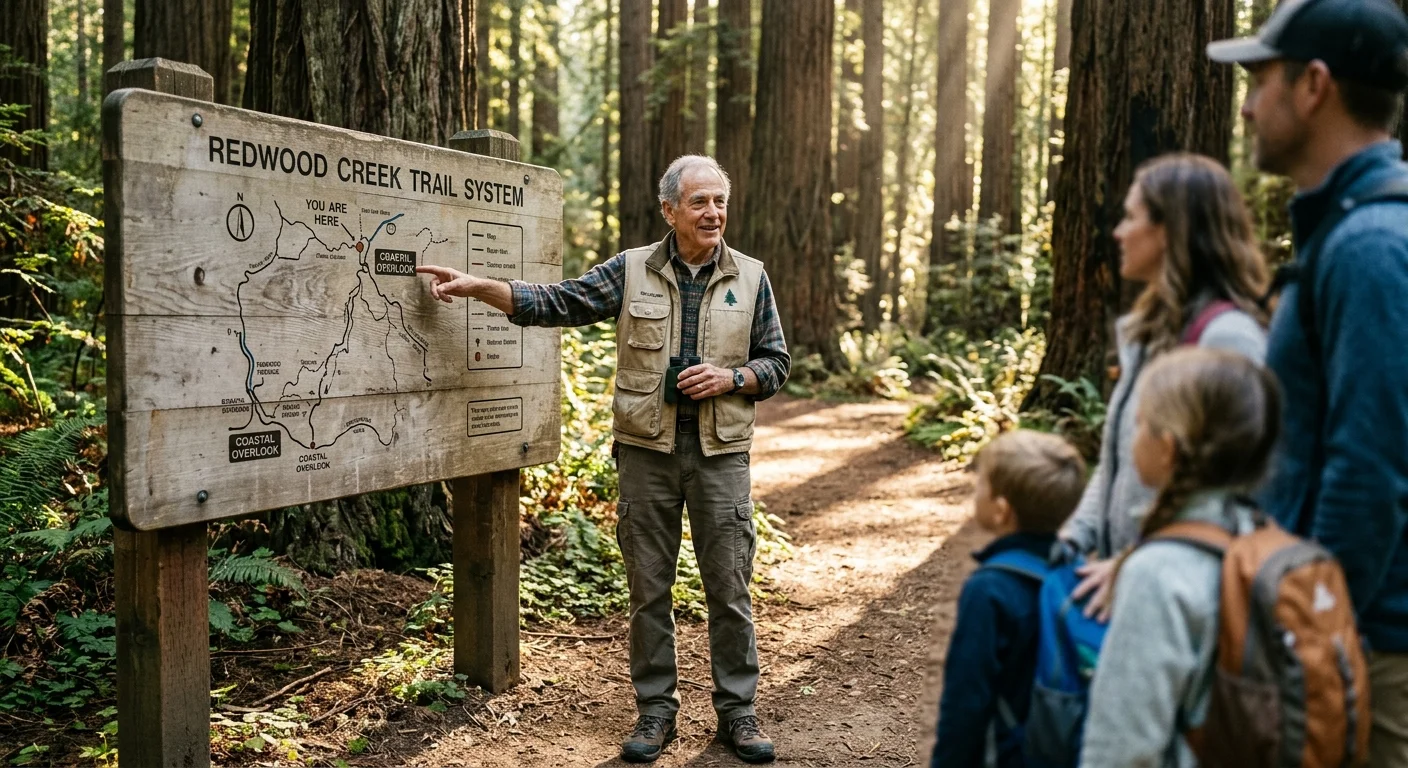
Passionate storytellers and nature enthusiasts thrive as interpretive guides at national monuments, state parks, and municipal conservation areas. In this role, you lead walking tours, explain native flora and fauna to school groups, and answer questions about local geological formations. Tour and nature guides earn a median rate between $17.63 and $18.30 per hour, often with predictable weekend or morning schedules. You can select assignments based on your physical comfort, choosing flat, paved historical trail walks or more rugged backcountry excursions depending on your endurance.
3. Golf Course Starter, Marshal, or Grounds Assistant
Golf courses represent one of the most popular settings for active retirees seeking fresh air and camaraderie. Starters and marshals manage tee-time schedules, greet players, and drive carts along the fairways to maintain the pace of play. Grounds assistants perform light turf maintenance, rake bunkers, and prepare greens during the early morning hours. Beyond earning standard hourly compensation, golf course employees often receive free or deeply discounted greens fees, cart rentals, and clubhouse perks, turning an expensive hobby into a zero-cost recreational benefit.
4. Campground Host and Recreation Area Caretaker
Campground hosting provides an ideal arrangement for adventurous retirees who travel in recreational vehicles or campers. State recreation agencies and the National Park Service regularly hire campground hosts to register incoming campers, distribute maps, sell firewood, and perform light maintenance. While some positions offer hourly wages, many provide a free RV campsite equipped with full utility hookups, including water, sewer, and electric services. This non-cash compensation delivers a housing and travel value typically worth $500 to $1,500 or more per month, allowing you to live immersed in breathtaking public lands with virtually zero lodging expenses.
5. Professional Dog Walker and Pet Care Specialist
Caring for neighborhood dogs combines cardiovascular exercise, animal companionship, and complete schedule autonomy. You can work through established regional pet care agencies at wages between $15.00 and $17.20 per hour, or build an independent client base where neighborhood pet owners frequently pay $20 to $30 or more per 30-minute walk. Dog walking keeps you moving briskly through residential neighborhoods and parks every day, burning calories while providing essential companionship for local pets. You set your own walking limits and accept only the breeds and temperaments that match your physical capabilities.
6. Community Garden Coordinator and Urban Farm Assistant
Urban agriculture programs, land trusts, and municipal community gardens frequently hire part-time coordinators to supervise raised-bed plots, organize seed swaps, and manage compost systems. In this role, you teach beginner gardeners organic pest control methods, coordinate harvesting for local food banks, and perform seasonal planting. This work offers flexible morning or evening hours and allows you to stay physically active without intense heavy lifting. Coordinators enjoy direct access to fresh, seasonal organic produce, lowering personal grocery bills while strengthening neighborhood food security.
7. Municipal School Crossing Guard and Traffic Safety Monitor
Municipalities and local police departments rely on dependable crossing guards to ensure student pedestrian safety around public schools and busy community parks. This job features structured, predictable morning and afternoon shifts, earning a median wage of $16.50 to $17.50 per hour. Crossing guards stand outdoors during peak commute hours, holding safety signage and guiding families safely across intersections. The split-shift schedule leaves your midday completely open for personal hobbies, fitness classes, or domestic errands while delivering a vital civic service that keeps neighborhood children safe.
8. Youth Sports Official, Umpire, or Outdoor Event Marshal
If you possess an athletic background and enjoy competitive sports, officiating youth baseball, softball, soccer, or track meets offers active weekend income. Local recreational leagues pay officials per game or per tournament, often translating to $20 to $40 per hour of field time. Umpiring and refereeing require steady footwork, sharp focus, and assertive communication, providing an invigorating mental and physical workout. Officiating keeps you engaged with youth sports culture while filling your calendar with dynamic weekend work during pleasant spring and autumn months.
9. Outdoor Outfitter Specialist and Trail Equipment Attendant
Specialty outdoor retailers, kayak liveries, and trail-side bicycle rental hubs need knowledgeable staff who understand outdoor gear and wilderness recreation. Attendants inspect rental canoes, fit life jackets, adjust bicycle seats, and advise customers on local water levels and trail maps. These positions typically pay $15.50 to $18.00 per hour and come with substantial pro-deal gear discounts on outdoor apparel, hiking boots, and camping equipment. Working alongside fellow outdoor enthusiasts creates a motivating social atmosphere that keeps your wilderness knowledge current and sharp.

Financial Planning: Earnings Tests, Payroll Taxes, and Benefit Safeguards
Working during retirement requires careful financial coordination to prevent unexpected tax bills or reductions in your federal benefits. If you claim Social Security benefits before reaching your Full Retirement Age (FRA)—which is age 67 for individuals born in 1960 or later—the federal government enforces an annual earnings limit. For 2026, the earnings threshold is $24,480 per year ($2,040 per month). If your earned income exceeds this ceiling, the Social Security Administration temporarily withholds $1 in benefits for every $2 earned above the limit.
In the specific calendar year you reach Full Retirement Age, the earnings limit increases substantially to $65,160 ($5,430 per month) for the months leading up to your birth month, withholding $1 for every $3 earned over the threshold. Once you reach your exact Full Retirement Age, the earnings penalty disappears entirely, allowing you to earn unlimited wages without any reduction in monthly Social Security payments. Furthermore, any benefits withheld earlier due to earnings are recalculated and added back to your monthly check once you attain Full Retirement Age.
You must also plan for payroll and self-employment taxes regardless of your age. Standard W-2 employment wages remain subject to FICA taxes, deducting 6.2% for Social Security and 1.45% for Medicare. If you operate an independent business—such as freelance pet walking or independent trail guiding—the Internal Revenue Service assesses a 15.3% self-employment tax on net profits to cover both employee and employer portions. Setting aside 25% to 30% of your net self-employment earnings in a dedicated high-yield savings account ensures you avoid underpayment penalties when filing quarterly estimated taxes.

Preserving Your Physical Longevity and Outdoor Ergonomics
Sustaining an outdoor job requires proactive attention to physical recovery, ergonomic protection, and weather management. Sun exposure accumulates rapidly across multi-hour shifts, making broad-spectrum sunscreen with an SPF of 30 or higher, polarized sunglasses, and wide-brimmed ultraviolet-protective hats mandatory equipment. Staying hydrated prevents cognitive sluggishness and muscle cramps; drink water continuously rather than waiting until thirst sets in, especially during warm summer afternoons.
Footwear represents your most critical equipment investment when standing or walking on variable terrain. Replace worn shoes every 300 to 500 miles, choosing footwear with arch support, slip-resistant outsoles, and cushioned midsoles to minimize impact stress on your knees and lumbar spine. Practical injury prevention resources from AARP emphasize the importance of dynamic warm-ups and gentle hamstring stretches before starting outdoor shifts. Respect your physical boundaries by communicating scheduling needs clearly with supervisors and incorporating rest days between active shifts.
Frequently Asked Questions
Will earning income from an outdoor job trigger higher taxes on my Social Security benefits?
Yes, your earned wages can increase the portion of your Social Security benefits subject to federal income tax. The IRS calculates your combined income by adding your adjusted gross income, nontaxable interest, and half of your total annual Social Security benefits. If this combined total exceeds $25,000 for single filers or $32,000 for married couples filing jointly, up to 50% of your benefits become taxable; above $34,000 for singles or $44,000 for couples, up to 85% of your benefits become subject to ordinary income tax.
How can I find outdoor seasonal jobs that accommodate limited mobility or joint stiffness?
Focus on roles that emphasize stationary guidance, vehicular transport, or customer service rather than heavy manual labor. Positions such as botanical garden information desk attendants, golf cart marshals, marina check-in clerks, and scenic tram tour guides offer fresh air without demanding strenuous hiking or heavy lifting. When applying, speak openly with hiring managers about workstation ergonomics, shade availability, and sitting options to find a safe match for your physical abilities.
Do campground host positions provide actual wages or just free campsite accommodations?
Campground compensation models vary by managing agency. State and county parks frequently structure host roles as formal volunteer commitments, providing a free full-hookup campsite, complimentary laundry facilities, and propane stipends in exchange for 20 to 30 hours of light weekly service. Commercial RV resorts and private concessionaires operating in national forests more commonly offer hourly wages alongside discounted or free campsite placement, giving you both financial earnings and housing benefits.
How do I protect my Medicare coverage while working as a part-time employee?
Working part-time does not disrupt your existing Medicare Part A or Part B enrollment. However, you should monitor your total Modified Adjusted Gross Income (MAGI) from wages, pensions, and investment withdrawals. If your income crosses specific statutory thresholds two years prior, Medicare assesses an Income-Related Monthly Adjustment Amount (IRMAA) surcharge on your Part B and Part D premiums. Keep your part-time earnings within your target tax bracket to avoid unexpected surcharges.
Launch Your Outdoor Encore Career in the Next 48 Hours
Transitioning from a sedentary retirement routine to an invigorating outdoor role begins with simple, purposeful steps. You do not need to overhaul your entire lifestyle overnight; small actions compound into rewarding opportunities. Begin by identifying which natural environments energize you most—whether that involves shaded forest trails, sunlit botanical gardens, or lively community sports fields. Aligning your environment with your natural preferences ensures long-term job satisfaction and sustained physical vitality.
Within the next 48 hours, visit your local municipal parks department website, browse state conservation job boards, or walk into a neighborhood garden nursery to inquire about upcoming seasonal openings. Update a concise, one-page resume highlighting your punctuality, customer service background, and outdoor enthusiasm. Taking this single proactive step today puts you on the path toward greater financial resilience, daily physical wellness, and the boundless joy of working under an open sky.