
True retirement readiness involves far more than hitting a specific dollar target in your investment accounts. You achieve genuine freedom only when your days carry purpose, deep connection, and emotional vitality.
Most traditional planning fixates entirely on withdrawal strategies, tax brackets, and portfolio sustainability while ignoring your everyday lifestyle. Yet clinical research confirms that emotional adaptation determines long-term happiness much more than your net worth.
Reaching specific non-financial benchmarks empowers you to design an authentic life on your own terms. Here are eleven essential retirement milestones that have nothing to do with money.
The Realities of Modern Life After Work
Leaving the full-time workforce abruptly strips away the predictable structure that organized your waking hours for decades.
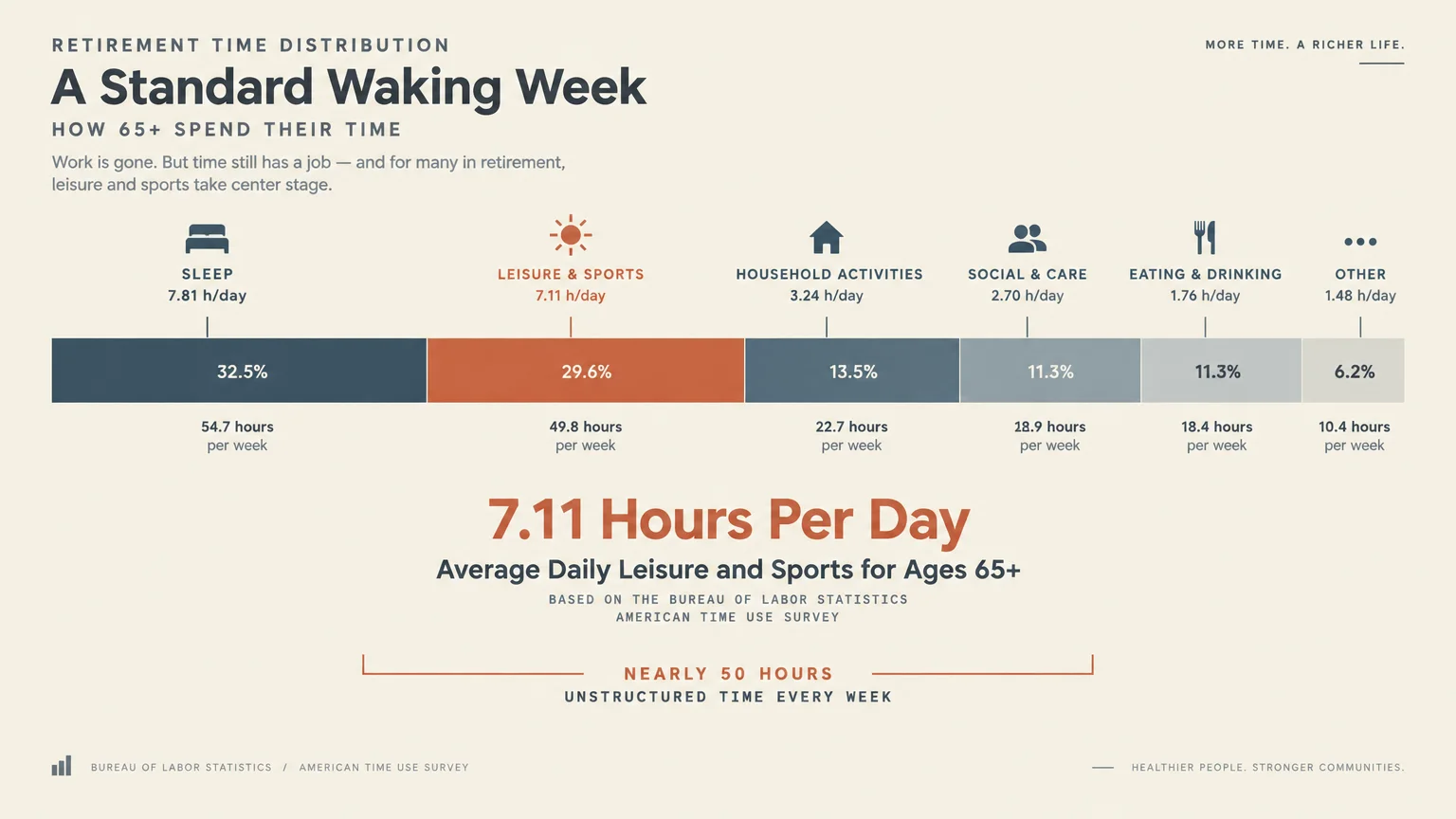
According to the Bureau of Labor Statistics American Time Use Survey, Americans aged 65 and older average 7.11 hours per day in leisure and sports activities.
That daily figure translates to nearly 50 hours of unstructured time that you must actively fill every single week.
Without clear personal benchmarks, this newfound abundance of free time can quickly trigger apathy, restlessness, and isolation.
Forward-thinking retirees now treat their calendar design, social networks, and cognitive health with the same deliberate discipline once reserved for their savings.
Focusing on purposeful personal growth transforms retirement from a passive withdrawal from society into an energized, proactive reinvention.

Milestone 1: Shedding Your Professional Title
Throughout your working life, introducing yourself inevitably meant stating your occupation, company, or professional rank.
The first major psychological milestone arrives when you can describe yourself without mentioning your former corporate title.
Gerontologists note that separating your human value from career productivity requires deliberate introspection.
You cross this threshold when you comfortably answer the question “What do you do?” with your current passions, community projects, or creative endeavors.
This shift liberates you from past performance metrics and validates your worth as an autonomous individual.

Milestone 2: Designing a Purposeful Daily Rhythm
Lingering over morning coffee without a sounding alarm clock feels deeply satisfying for the first few weeks of retirement.
Eventually, endless open days without structure can feel chaotic and strangely draining.
You reach this milestone when you establish a balanced weekly cadence that blends mental stimulation, physical movement, and relaxation.
Many retirees find success by anchoring mornings with physical exercise and creative pursuits while keeping afternoons open for unstructured leisure.
Having a predictable yet flexible schedule restores a sense of agency and keeps your cognitive energy sharp.
Milestone 3: Navigating Robert Atchley’s Reorientation Stage
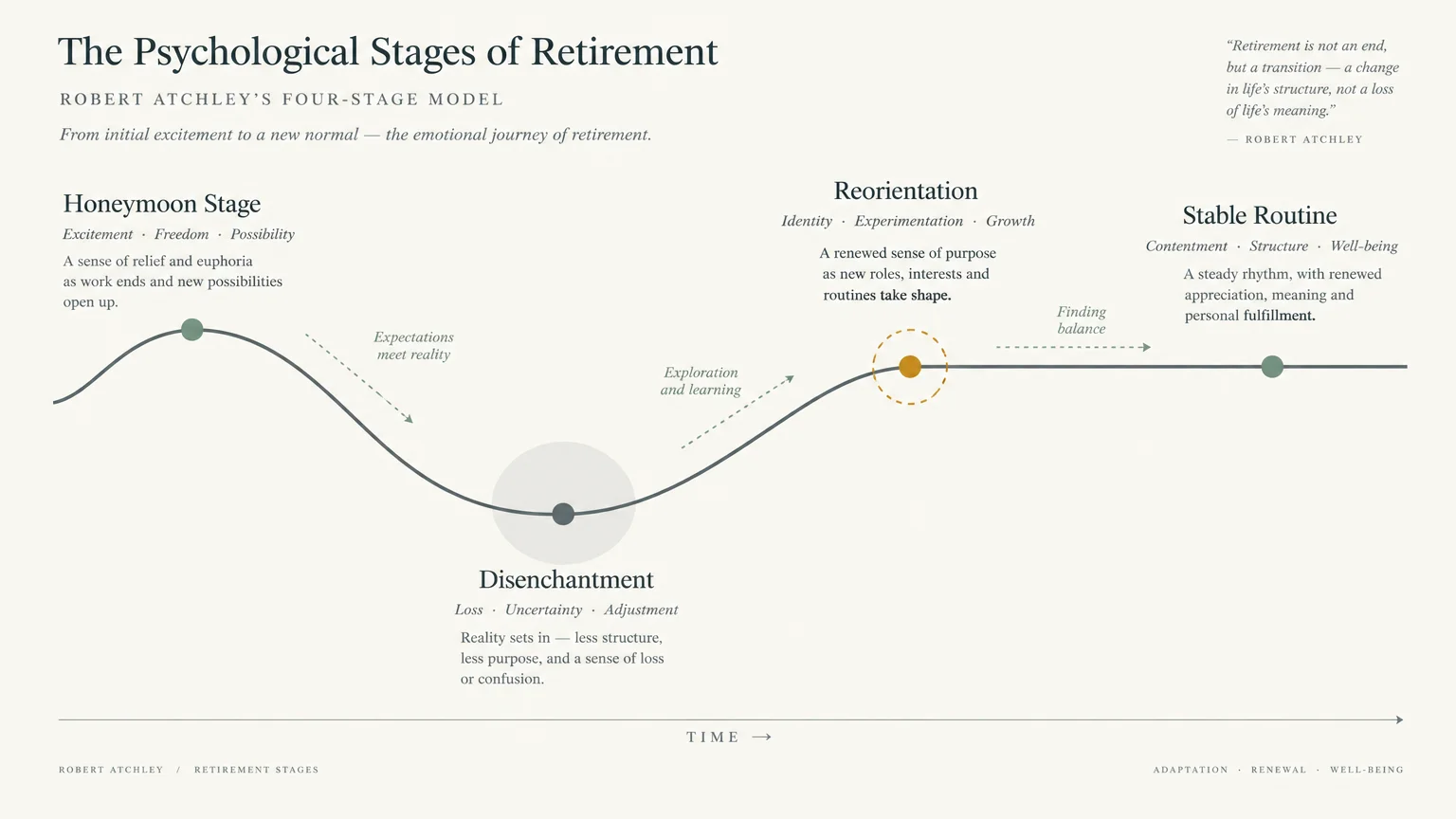
Renowned social gerontologist Robert Atchley identified six distinct psychological stages that define the emotional journey of retirement.
After the initial euphoria of the honeymoon phase fades, many retirees experience disenchantment, a phase marked by disillusionment and subtle grief.
Reaching the critical reorientation milestone means acknowledging this emotional slump and consciously recalibrating your expectations.
By experimenting with new hobbies and establishing meaningful commitments, you eventually transition into Atchley’s stable routine stage.
Navigating this emotional valley proves that you possess the resilience required to thrive in your next chapter.

Milestone 4: Forging a Dedicated Non-Work Tribe
Leaving your job frequently severs the incidental social connections that naturally populated your working days.
An alarming advisory from the U.S. Surgeon General demonstrated that chronic social isolation increases the risk of premature death by 29 percent.
That report also warned that loneliness increases the risk of developing dementia by approximately 50 percent and raises stroke risk by 32 percent.
You achieve this vital health milestone when you actively build a circle of at least three trusted friends outside your former career.
These supportive relationships provide intellectual dialogue, emotional security, and spontaneous laughter, shielding you against isolation.
Milestone 5: Channeling Experience Through Civic Service
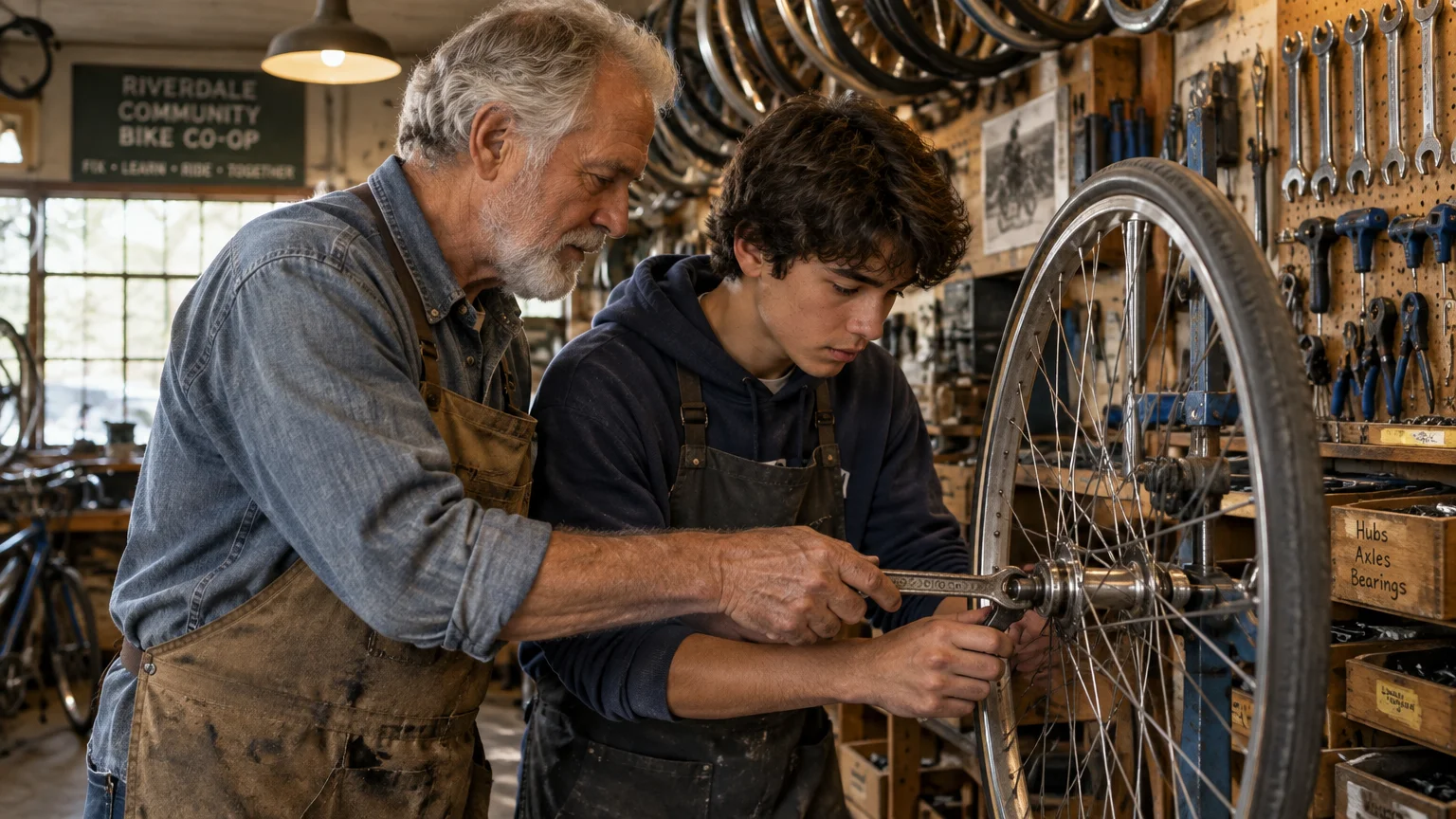
Psychologists describe generativity as the fundamental human drive to guide, support, and enrich rising generations.
Programs organized by AmeriCorps Seniors establish an accessible milestone starting at age 55, connecting older adults with crucial community initiatives.
Initiatives like RSVP, Foster Grandparents, and Senior Companions let you mentor youth, assist frail peers, and address local challenges.
Hitting this benchmark occurs when you dedicate your practical wisdom to a cause where you receive no financial compensation.
Knowing that neighbors and community programs genuinely depend on your presence provides a profound sense of relevance.

Milestone 6: Returning to the Classroom for Pure Curiosity
Early academic pursuits often revolved around earning letter grades, finishing credentials, and climbing the professional ladder.
In retirement, education returns to its purest form: learning simply for the joy of expanding your mind.
More than 120 university campuses across the nation host Osher Lifelong Learning Institutes, offering vibrant non-credit courses designed specifically for adults aged 50 and older.
In addition, public colleges across most U.S. states provide statutory tuition waivers or low-cost auditing privileges for seniors starting at age 60 or 65.
Completing an engaging course in art history, philosophy, or geology without test pressure represents a joyful milestone of intellectual autonomy.

Milestone 7: Establishing a Functional Mobility Habit
Physical fitness after age 60 is not about bench-pressing heavy weights or training for competitive marathons.
The true milestone is maintaining the functional strength, balance, and stamina needed to live autonomously and avoid falls.
You reach this threshold when you commit to a weekly routine that integrates resistance training, joint mobility, and daily brisk walking.
Gerontologists emphasize that consistent mobility work directly preserves your capacity to travel, garden, and play with grandchildren without pain.
Honoring your physical body ensures that your physical health never holds your retirement aspirations hostage.

Milestone 8: Claiming Your America the Beautiful Senior Pass
Celebrating your 62nd birthday opens the door to one of the greatest travel privileges in the United States.
The federal government offers the America the Beautiful Senior Pass, granting lifetime admission to over 2,000 national parks and federal recreation sites.
As of 2026, eligible citizens and permanent residents can obtain this lifetime pass for $80, or buy an annual pass for $20.
The actual milestone is not merely buying the card, but taking your first unhurried trip during off-peak seasons.
Standing before the Grand Canyon or wandering through Yellowstone on a quiet Tuesday embodies the pure spirit of geographic freedom.

Milestone 9: Resetting Domestic Boundaries and Solitude
Working couples often spend decades coexisting primarily in brief morning windows and late evening hours.
Shifting to full-time retirement abruptly places both partners under the same roof for 24 hours every day.
Relationship counselors warn that this constant physical proximity can create quiet irritation if partners fail to reset expectations.
Achieving this milestone requires establishing designated personal zones, separate daytime pursuits, and honest communication about personal space.
Welcoming independent solitude actually deepens marital affection by giving you fresh stories and experiences to share each evening.

Milestone 10: Establishing Digital Discernment and Peace
Retirees face an endless barrage of sensational cable news, aggressive marketing campaigns, and increasingly sophisticated financial scams.
True emotional well-being requires building deliberate digital boundaries to protect your mental focus and personal peace.
You conquer this milestone when you establish strict protocols for vetting unsolicited phone calls, texts, and alarming online messages.
Limiting continuous screen time also creates essential space for creative hobbies, physical recreation, and authentic face-to-face friendships.
Cultivating digital discernment guards your emotional serenity against the constant outrage engineered by digital algorithms.

Milestone 11: Documenting Your Non-Material Legacy
Conventional estate planning focuses almost entirely on wills, trusts, and the physical transfer of accumulated financial capital.
In contrast, an ethical will captures your core values, cherished family narratives, life lessons, and spiritual beliefs.
Reaching this reflective milestone involves recording your story through written essays, bound memory journals, or guided audio recordings.
Family members consistently cherish these personal reflections and hard-won insights far more than any physical heirloom.
Completing this thoughtful exercise brings profound emotional resolution and anchors your legacy across multiple generations.
Balancing the Three Non-Financial Pillars of Retirement
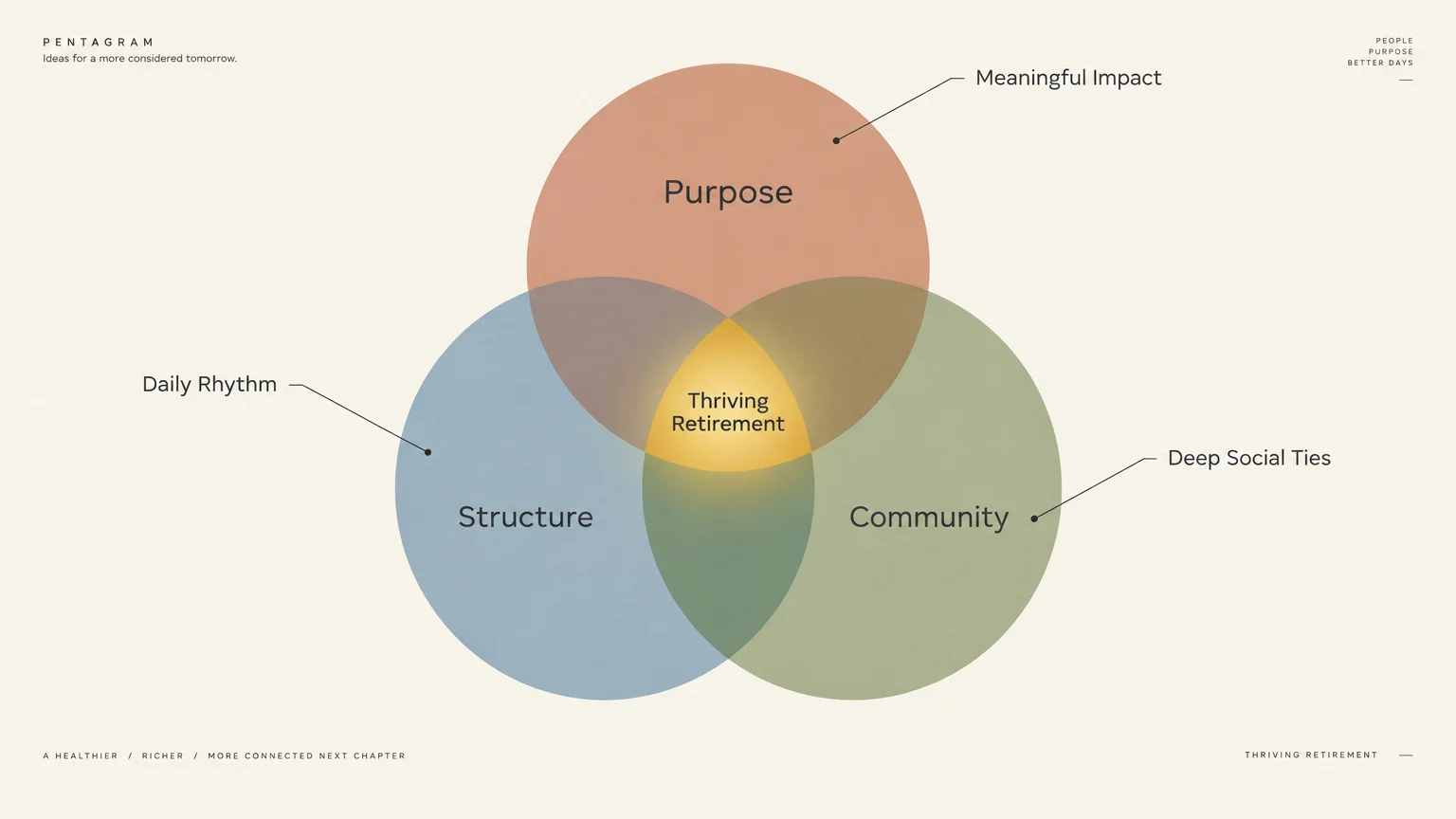
A successful retirement rests upon three interlocking pillars: emotional lifestyle design, physical preservation, and meaningful engagement.
First, emotional lifestyle design requires curating daily routines that nurture your curiosity rather than breeding boredom.
Second, physical preservation demands daily functional movement and restorative sleep to keep your body capable of independent living.
Third, meaningful engagement ensures that you remain an active contributor to your community through mentoring, volunteering, or creative arts.
When these three pillars function in harmony, your post-work years become an expansive era of genuine self-actualization.
Certified financial planners now recognize that without these lifestyle pillars, even the largest nest egg cannot prevent dissatisfaction.

What Gerontologists and Planners Want You to Know
Retirement research shows that individuals who plan their non-financial lives report significantly higher life satisfaction than those who do not.
Gerontologists emphasize that human beings require three psychological nutrients to thrive: autonomy, competence, and relatedness.
Your career likely supplied all three nutrients automatically through professional responsibilities and peer interaction.
Once you retire, you must deliberately manufacture these psychological experiences through independent activities and community involvement.
Viewing retirement as an ongoing creative project allows you to navigate identity changes with curiosity rather than anxiety.

Safeguards: Avoiding the Overcommitment Trap
As you reclaim your calendar, beware of the subtle temptation to say yes to every civic request or family obligation.
Many new retirees fill their empty schedules with excessive volunteer committees or endless childcare duties, unintentionally recreating workplace burnout.
Protect your personal time fiercely by learning to decline invitations that do not align directly with your core values.
In addition, monitor your mood during seasonal changes, as the loss of workplace social interaction can trigger mild depressive symptoms.
If you experience persistent apathy, seek support from a counselor or join a peer-led retirement transition group immediately.
Frequently Asked Questions
How long does the transition into full retirement usually take?
Most older adults require between twelve and twenty-four months to establish comfortable routines and discover a renewed sense of purpose.
Recognizing that this adjustment takes substantial time helps you stay patient when encountering temporary boredom or disorientation.
What should you do if your partner retires before you do?
Establish open communication regarding household responsibilities, independent leisure activities, and mutual expectations around quiet time.
The working partner needs uninterrupted focus, while the retired partner must build an independent routine away from the home workspace.
How can you locate meaningful volunteer programs in your community?
Begin by reviewing opportunities through national networks like AmeriCorps Seniors or contacting your local public library and municipal parks department.
Choose volunteer roles that utilize your professional talents while providing clear boundaries and flexible weekly hours.
Can you achieve these non-financial milestones on a tight fixed budget?
Yes, every milestone in this guide focuses entirely on mindset, human connection, and publicly funded civic resources.
Tuition waivers at public universities, senior recreation passes, and community volunteer programs require minimal or no personal expense.
Your 48-Hour Retirement Action Plan
Designing an extraordinary post-career life does not require massive lifestyle upheavals or complicated five-year master plans.
Meaningful progress happens through tiny, deliberate actions that move you toward personal fulfillment today.
Within the next 48 hours, choose one non-financial milestone from this guide and commit to completing a single initial step.
You might explore course offerings at your local community college, order your federal senior pass, or invite a neighbor for coffee.
By investing directly in your identity and human relationships now, you build a retirement rich in purpose, vitality, and joy.