
Your adult children care deeply about your daily happiness, yet unresolved questions about your future often create hidden tension. They want you to relish retirement while feeling confident that your practical affairs rest on solid ground.
Sharing your legal, financial, and healthcare intentions today preserves your personal autonomy and eliminates agonizing family guesswork. Clear choices prevent minor emergencies from escalating into full-blown domestic crises.
When you initiate these sensitive conversations, you lift an immense emotional burden from your children. You also ensure that your wishes guide every medical and financial eventuality.

Understanding the Modern Intergenerational Dynamic
Retirement today encompasses several active decades rather than a brief quiet period. Advances in healthcare allow older Americans to pursue travel, hobbies, and new entrepreneurial ventures well into their seventies and eighties.
At the same time, the broader economic landscape introduces unique complexities for families. Shifting pension models, fluctuating market returns, and rising medical expenses require deliberate long-term strategies.
Meanwhile, your adult children frequently navigate the demands of the modern sandwich generation. They often balance demanding professional careers, child-rearing duties, and their own retirement savings goals simultaneously.
This constant juggling act generates silent anxiety about your future security. Your children want you to thrive, but they worry about stepping in during an unexpected crisis without a roadmap.
Open family communication bridges this emotional divide before health or financial emergencies emerge. Taking charge of your retirement narrative preserves your dignity and reinforces family bonds.
1. Talk Openly About Estate and End-of-Life Plans
Few topics generate as much family apprehension as inheritance and end-of-life care. Adult children rarely covet your assets, but they deeply fear navigating your final chapter in confusion.
A well-structured estate plan clarifies your intentions and eliminates painful administrative hurdles. Completing these arrangements gives your family an invaluable gift of certainty during moments of grief.
Essential Legal Instruments to Put in Place
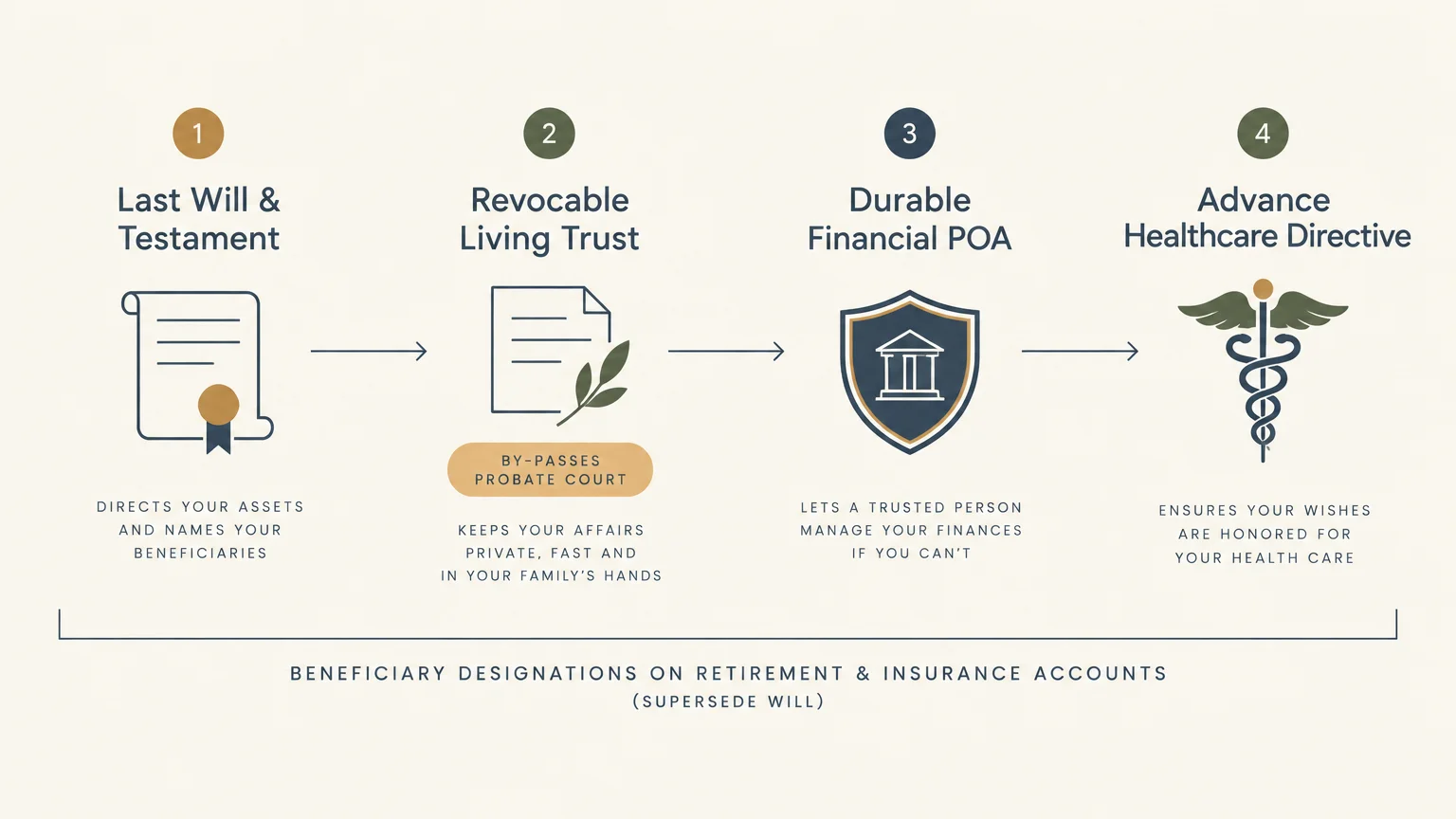
Begin with a foundational estate package that covers every contingency. You need an updated last will and testament, a durable financial power of attorney, and an advance healthcare directive.
Consider establishing a revocable living trust if you own real estate or desire privacy. Trusts allow your assets to transfer directly to beneficiaries without the costly delays of probate court.
Ensure that your designated beneficiary forms on retirement accounts and insurance policies reflect your current intentions. Beneficiary designations supersede instructions written in your will, making accuracy vital.
Review regulatory and consumer education through the Consumer Financial Protection Bureau to understand how fiduciary responsibilities work. This knowledge helps you pick capable representatives.
Review your estate documents whenever state tax laws or personal circumstances evolve. Maintaining current legal paperwork guarantees that your assets transition without court disputes.
Communicating Intentions to Prevent Family Conflict
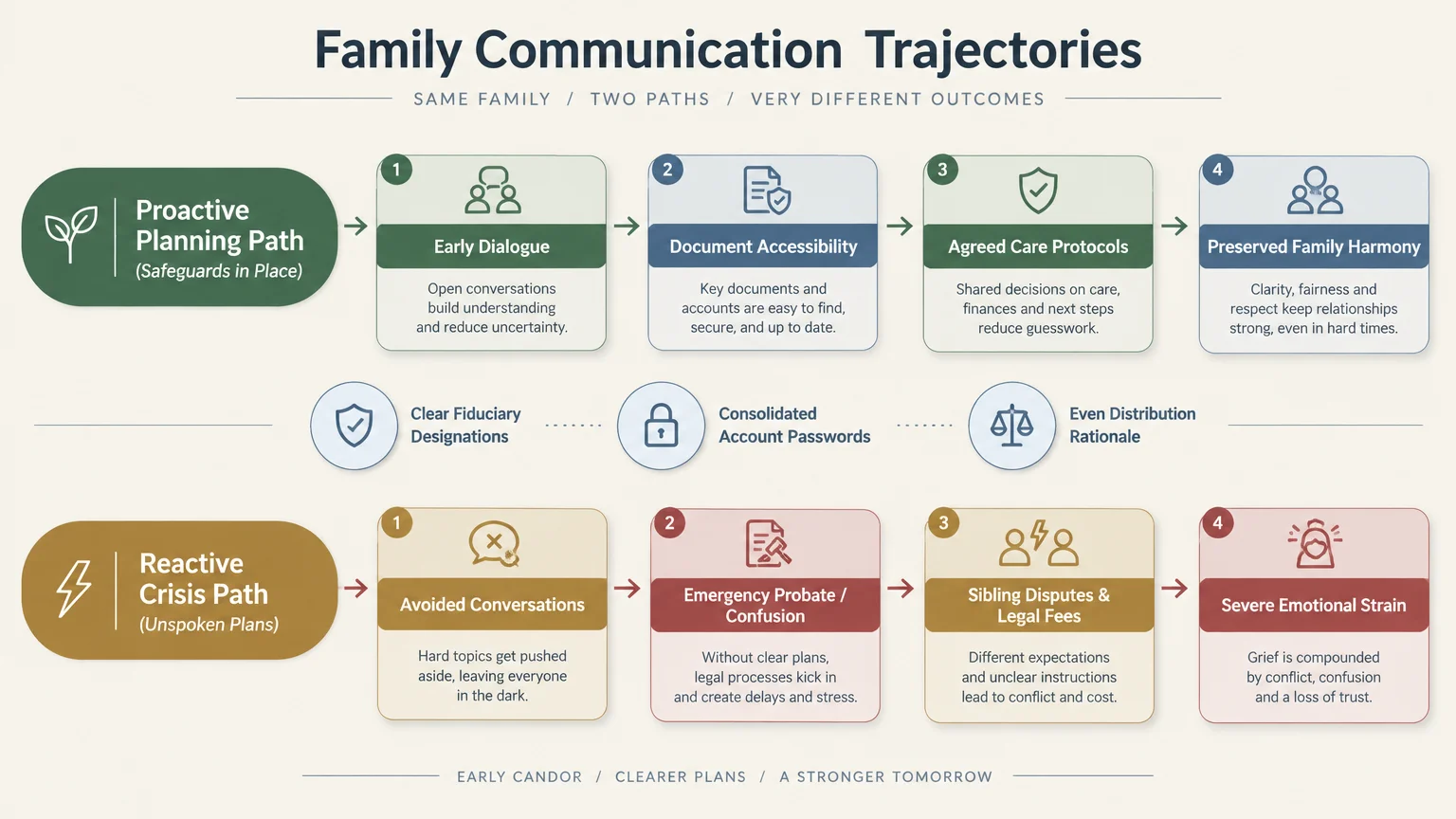
Legal documents alone cannot prevent hurt feelings if your family discovers your decisions after you pass away. Unexplained choices often ignite sibling rivalries that persist for decades.
Schedule a dedicated family meeting to outline the broad strokes of your estate strategy. You do not need to disclose exact dollar amounts, but you should explain the underlying structure.
If you decide to divide assets unevenly or leave substantial gifts to charity, explain your rationale directly. Hearing your heartfelt perspective in person silences future resentment among your heirs.
Provide your designated executor with the contact details for your estate planning attorney and tax accountant. Clear lines of communication ensure seamless administration when the time arrives.
Document specific family stories and personal memories in an ethical will or personal letter. These heartfelt reflections often mean far more to your children than material possessions.

2. Organize and Share Vital Financial Documents
Locating obscure paperwork during an emergency causes severe emotional exhaustion. Adult children want to support you effectively, but they cannot help if your records remain scattered or hidden.
Streamlining your financial architecture represents an essential gift to your future self and your family. Organization replaces chaotic searching with calm, decisive action.
Creating an Accessible In-Case-of-Emergency Binder
Consolidate your financial footprint by gathering all vital records into a centralized binder or secure digital drive. Include bank statements, investment accounts, real estate deeds, and active insurance policies.
Record recurring monthly obligations, such as utility bills, property taxes, and mortgage payments. If an unexpected hospitalization occurs, your designated agent can keep your household running without missing deadlines.
Store this emergency binder in a fireproof safe, and inform your financial power of attorney of its location. You maintain total privacy while ensuring immediate accessibility during critical moments.
Coordinate directly with the Social Security Administration to verify that your record reflects accurate personal information. Having clear government records prevents bureaucratic logjams later.
Keep a clear physical list of recurring automated subscriptions and debts alongside your asset accounts. Knowing these obligations allows your family to halt unneeded expenses immediately.
Managing Digital Footprints and Passwords
Modern financial lives operate primarily online, which creates unique hurdles if physical paperwork no longer arrives in the mailbox. Unlocking modern accounts requires deliberate digital planning.
Adopt a reputable password manager to store login credentials for banks, utilities, and tax portals safely. Record your master password in your physical emergency binder under secure lock and key.
Document how to bypass two-factor authentication on your mobile devices. Without access to primary phone numbers or recovery codes, financial institutions often freeze accounts indefinitely during emergencies.
Establish legacy contacts within your primary email providers and smartphone operating systems. These authorized contacts can access your photos, correspondence, and vital accounts without complex legal subpoenas.
Review your active online services and close unused memberships or obsolete credit cards. Minimizing your open accounts reduces your vulnerability to data breaches and identity theft.

3. Address the Future of the Family Home and Possessions
The home where your children grew up holds immense sentimental value, but large residences present growing maintenance hazards over time. Adult children frequently worry about the physical toll that homeownership takes on you.
Confronting the reality of your housing needs ensures that you make changes on your own schedule. Proactive housing decisions protect both your physical safety and your accumulated equity.
The Emotional and Practical Art of Rightsizing
Decades of living in a home generate an enormous accumulation of personal possessions, furniture, and sentimental memorabilia. Sorting through this volume represents an overwhelming task during a health emergency.
Begin decluttering nonessential items gradually, focusing on one closet or storage area each month. Dispersing items while you feel energetic lets you enjoy the memories associated with each object.
Gift meaningful family heirlooms directly to your children, grandchildren, or relatives today. Giving away treasures in person lets you witness the joy those items bring to the next generation.
Donate surplus household goods to local charities or host an organized estate sale. Lightening your physical possessions brings immediate clarity and simplifies your daily living environment.
Digitize old family photo albums and home videos to preserve cherished memories in cloud storage. Sharing these digital files gives every child equal access to your family heritage.
Home Safety Modifications Before Crisis Hits
Examine your living space with an objective eye toward accessibility and slip prevention. Minor domestic hazards, such as throw rugs and inadequate lighting, cause thousands of preventable injuries every year.
Install supportive grab bars in bathrooms, improve staircase handrails, and ensure main living areas reside on the ground floor. Proactive remodeling preserves your independence within the home you love.
Evaluate whether relocating to a single-story home, condominium, or planned retirement community makes practical sense. Moving before a fall or illness forces a rushed transition keeps you entirely in charge.
Share your long-term housing vision with your children so they understand your ultimate goals. Clear expectations prevent family panics when structural repairs or physical changes become pressing concerns.
Schedule a professional home accessibility assessment through a certified aging-in-place specialist. Expert evaluations identify structural barriers and propose cost-effective remedies before accidents occur.
4. Build a Transparent Healthcare and Caregiving Strategy
Healthcare transitions often trigger immense distress when family members must make urgent decisions without guidance. Adult children want to respect your wishes, but they need explicit directions before emergencies arise.
Crafting a transparent medical care plan preserves your personal dignity under any circumstance. It transforms stressful bedside guessing into confident, compassionate advocacy.
Clarifying Custodial Care Expectations
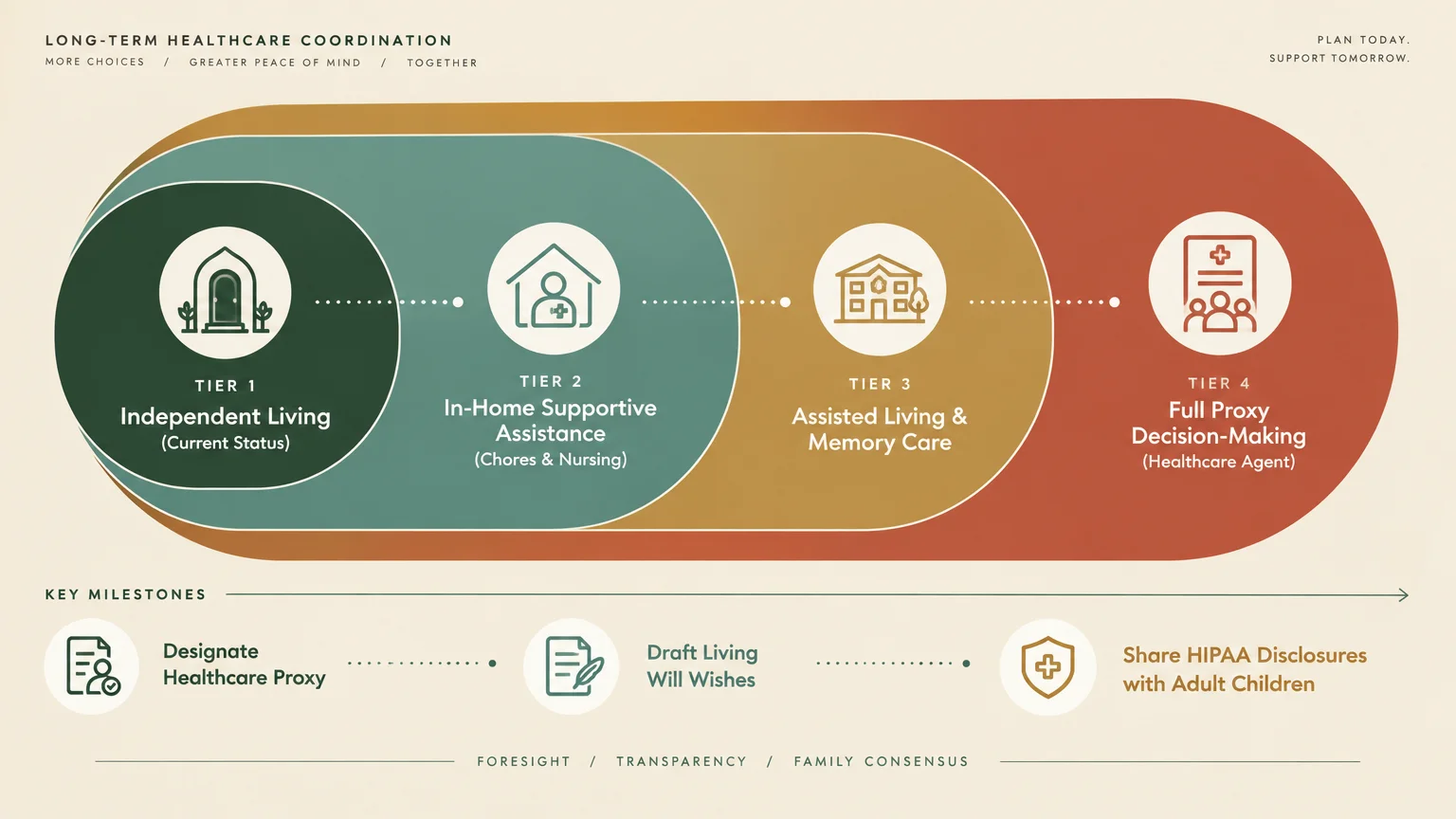
Many retirees assume their children can readily provide full-time custodial care if chronic illness develops. In practice, modern work commitments and geographic distances often make intensive caregiving impractical.
Discuss whether you prefer professional in-home aides or an assisted living community if you require daily physical assistance. Articulating these choices frees your children from burdensome guilt later.
Investigate the exact boundaries of public insurance coverage through official resources at Medicare. Understanding that Medicare covers acute medical treatments rather than ongoing custodial care helps you plan finances accurately.
Designate specific assets, health savings funds, or private long-term care insurance policies to finance future care. A transparent funding mechanism shields your family from unexpected financial burdens.
Tour local assisted living and memory care communities in advance to gauge your personal comfort. Selecting potential facilities ahead of time eliminates high-stress searches during medical emergencies.
Selecting and Empowering the Right Healthcare Proxy
Appoint a healthcare surrogate who possesses the emotional fortitude to execute your wishes during difficult moments. The best proxy is not always the oldest child; choose someone calm and decisive under pressure.
Execute a comprehensive living will detailing your choices regarding mechanical ventilation, feeding tubes, and cardiopulmonary resuscitation. Clear instructions relieve your surrogate of the agonizing burden of guessing your desires.
Sign healthcare privacy release forms so medical providers can communicate directly with your designated advocates. Open communication channels allow your children to assist you seamlessly during hospital stays.
Revisit your medical preferences periodically with your healthcare proxy to reinforce your core values. Ongoing alignment guarantees that your advocate speaks with unwavering confidence on your behalf.
Name a secondary healthcare alternate in your proxy documents in case your primary choice becomes unavailable. Redundancy guarantees that an authorized advocate always stands ready to protect you.

5. Protect Yourself Proactively from Scams and Fraud
Financial predators relentlessly target older Americans through increasingly sophisticated technological and psychological schemes. Adult children constantly worry that fraudsters will deceive you and compromise your financial security.
Building strong personal defenses represents a critical component of modern retirement management. Proactive safeguards deter criminals and grant your family lasting peace of mind.
Modern Cyber Threats Targeting Older Americans
Criminals now utilize artificial intelligence to clone voices, fabricate convincing phishing emails, and execute elaborate romance or investment scams. These sophisticated schemes target people of all cognitive abilities and education levels.
Never assume that high intelligence offers immunity against professional con artists. Fraud syndicates design manipulative scripts specifically to exploit emotional reactions, fear, and natural politeness.
Monitor the latest consumer warnings and safety education published by reputable organizations like AARP. Staying informed regarding current tactics helps you recognize deceptive communications instantly.
Activate credit freezes across the three major credit bureaus to block unauthorized loans and accounts. Freezing your credit files remains free, simple to manage, and exceptionally effective.
Never click unsolicited links in text messages or emails regarding supposed account suspensions or parcel deliveries. Contact the company directly using verified phone numbers from your official billing statements.
Instituting Family Safety Codes and Verification
Establish an agreed-upon verbal family passcode to verify emergency phone calls claiming that a relative needs bail or immediate cash. A simple code word instantly neutralizes voice-cloning imposter scams.
Designate a trusted adult child or financial advisor as an authorized contact on your brokerage and banking accounts. This alert system lets institutions flag unusual withdrawals without handing over direct financial control.
Create a judgment-free policy regarding suspicious solicitations or financial mistakes. Assure your children that you will consult them immediately whenever an unusual transaction or suspicious phone call occurs.
Remind yourself that legitimate government agencies, including the IRS and Social Security, never demand payments via gift cards or wire transfers. Recognizing this basic rule stops fraud instantly.
Normalizing these safety conversations removes embarrassment and isolates scammers completely. Open family teamwork protects your life savings from aggressive cybercrime.

6. Nurture Independent Social Circles and Passions
Leaving the workforce alters your daily routine and removes built-in workplace interactions. Adult children worry deeply when they observe a retired parent withdrawing from social life and community engagement.
Cultivating an independent social network enriches your retirement and strengthens your emotional well-being. A vibrant personal life provides healthy stimulation and keeps your relationships with your children balanced.
The Cognitive Value of Community Connection
Human beings thrive on meaningful interaction, intellectual engagement, and community belonging. Prolonged isolation significantly increases the risk of depression, cardiovascular issues, and cognitive decline.
Peer-reviewed research shared by the National Institute on Aging demonstrates that active social ties support healthy brain function in older adults. Maintaining friendships acts as a powerful shield against mental decline.
Join local hobby groups, book clubs, fitness classes, or historical societies to foster dynamic new friendships. Engaging with peers who share your stage of life generates refreshing perspectives and mutual support.
Participating in intergenerational community programs or mentoring younger people offers rewarding intellectual stimulation. Sharing your accumulated wisdom keeps your mind agile and your spirit energized.
Consider adopting a pet if your living situation and physical health accommodate animal care. Caring for a dog or cat offers daily affection, reduces stress, and promotes outdoor movement.
Building a Fulfilling Daily Schedule
Design a purposeful weekly calendar that balances physical activity, creative pursuits, and social outings. Having scheduled commitments gives each day structure and eliminates unstructured lethargy.
Dedicate regular hours to community volunteering, philanthropic causes, or lifelong learning classes. Purpose-driven activities provide immense personal satisfaction and reconnect you with broader societal progress.
Incorporate daily physical movement, such as walking, swimming, or yoga, into your morning routine. Regular exercise boosts your energy levels, sharpens mental clarity, and elevates your overall mood.
Maintain your own active lifestyle rather than waiting for your children to organize your weekends. Your family will rejoice when they see you thriving, busy, and thoroughly fulfilled.
When you lead an engaging life, visits with your children become celebrations of mutual experiences rather than duty-driven check-ins. Healthy independence enriches every intergenerational encounter.

7. Accept Gradual Help Without Viewing It as Defeat
Lifelong independence makes asking for assistance feel uncomfortable or even humiliating. Yet stubborn refusal to accept timely help often creates the exact loss of control that you fear most.
Adult children feel constant stress when they watch parents struggle with heavy household chores or complex technical tasks. Welcoming reasonable support preserves your health and deepens family trust.
Reframing Delegation as a Strategy for Longevity
Viewing assistance as a personal failure misinterprets the reality of healthy aging. Successful professionals delegate routine tasks so they can focus their time and energy on high-value priorities.
Treat household help as a strategic investment in your safety, vitality, and longevity. Handing off physically hazardous chores prevents injuries that could permanently rob you of your independence.
Hire reputable local contractors or service workers for roof maintenance, window washing, and intensive landscaping. Paying professionals for risky tasks preserves your physical well-being for enjoyable activities.
Remember that accepting support allows you to spend your best energy creating joy with your loved ones. Prioritizing quality time over manual labor enriches everyone’s life.
Allowing your children to assist you honors their capability and expresses your trust in them. Letting them give back fosters reciprocal warmth and strengthens your family connection.
Starting with Low-Stakes Household Tasks
Ease into shared support by identifying minor chores that cause daily annoyance or fatigue. Accepting help with grocery delivery, tech troubleshooting, or seasonal cleaning creates comfortable collaboration.
Explore community meal preparation services or automated digital conveniences to simplify your household routine. Adopting modern tools reduces physical strain and streamlines daily domestic maintenance.
Set up automated delivery subscriptions for heavy pantry staples, laundry detergent, and pet food. Eliminating heavy lifting during shopping trips protects your joints and spine from unnecessary strain.
Communicate clearly about the specific types of help you appreciate and where you prefer total autonomy. Setting thoughtful boundaries keeps you in charge while welcoming genuine assistance.
Practicing cooperation on minor issues builds confidence and communication skills across generations. If greater physical needs arise in future years, your family already possesses a proven framework for teamwork.

8. Discuss Driving and Mobility Realities Early
Operating a motor vehicle embodies personal freedom, independence, and spontaneous movement throughout American life. Consequently, few topics feel as emotionally charged as discussing when to stop driving.
Adult children often observe subtle declines in night vision, reaction time, or spatial judgment long before accidents occur. They dread confronting you because they fear injuring your dignity.
Establishing Objective Milestones for Driving Changes
Eliminate personal confrontation by establishing objective criteria for your future driving safety together. Agree to abide by recommendations from your optometrist, primary physician, or certified driver rehabilitation specialists.
Schedule voluntary driver refresher courses or objective road evaluations every couple of years. These assessments provide an unbiased perspective on your skills and highlight areas for improvement.
Implement common-sense driving modifications gradually as conditions dictate. Restricting your trips to daylight hours, avoiding high-speed expressways, and bypassing inclement weather preserves driving privileges safely.
Pay attention if you experience sudden anxiety while driving in heavy traffic or unfamiliar neighborhoods. Listening to your intuition helps you make timely driving adjustments before safety becomes compromised.
Promise your children that you will listen openly if they voice genuine concerns about your vehicular safety. Prioritizing community safety over driving pride demonstrates admirable wisdom and moral leadership.
Embracing Alternative Local Transit
Transitioning away from personal driving does not mean surrendering your personal freedom or active lifestyle. Planning alternative transportation options early prevents feelings of sudden isolation or helplessness.
Familiarize yourself with local senior rideshare programs, community vans, and private driver services today. Setting up smartphone transportation apps while you still drive builds comfort and independence.
Practice walking to nearby community amenities, such as cafes, libraries, or parks, whenever weather allows. Staying physically active on foot reinforces your independence within your neighborhood.
Budget the money saved on vehicle maintenance, insurance, and fuel toward premium transportation services. You will discover that rideshares and private transit often cost far less than owning an automobile.
Treat rides with family and friends as pleasant social opportunities rather than burdensome favors. Maintaining community mobility without driving ensures that you remain engaged, active, and fully connected.
Strategic Safeguards to Prevent Costly Family Pitfalls
Even well-meaning families stumble when they rely on casual assumptions instead of rigorous legal and financial structures. Avoiding common traps ensures that your good intentions translate into smooth execution.
Never add an adult child as a direct joint owner on your personal checking or savings account. Joint ownership exposes your assets to your child’s legal creditors, divorcing spouses, and personal liabilities.
Instead, utilize a financial durable power of attorney or designate your accounts as payable-on-death. This structure permits necessary management during incapacity while keeping your ownership legally distinct.
Watch out for public benefit eligibility pitfalls when transferring assets. Hasty property transfers within statutory look-back periods can trigger prolonged disqualifications from Medicaid long-term care support.
Keep separate bank accounts even when working closely with family members on day-to-day finances. Maintaining distinct accounts prevents commingling of funds and keeps tax reporting completely clear.
Work alongside certified elder law attorneys to structure trusts and property transfers correctly. Professional guidance shields your nest egg from unnecessary tax penalties and administrative complications.
Review your overall insurance coverages annually to eliminate coverage gaps. Maintaining adequate liability, umbrella, and property insurance protects family assets against unforeseen accidents or catastrophic claims.

Insights from Longevity Specialists and Financial Planners
Gerontologists emphasize that preserving older adult autonomy requires proactive transparency rather than defensive secrecy. When retirees initiate family planning, they maintain full command over every critical decision.
Certified Financial Planner™ practitioners frequently observe that silence generates unnecessary friction between generations. Adult children often worry that parents possess inadequate resources when savings are actually abundant.
Facilitating a structured family wealth meeting normalizes discussions about budgeting, future care, and legacy goals. An independent financial advisor can moderate this conversation, defusing emotional tensions effectively.
Aging specialists remind families that accepting help is an evolving, collaborative journey. Viewing minor adjustments as proactive self-care allows you to age gracefully while safeguarding family harmony.
Longevity specialists advise writing down your core life values to guide future medical and financial decisions. Sharing your philosophy helps your family make choices that honor your true identity.
Embracing professional mediation or counseling can resolve lingering intergenerational anxieties. Neutral professionals help families navigate complex decisions with mutual respect and enduring empathy.
Frequently Asked Questions
How can I initiate a conversation about my plans without alarming my children?
Frame the discussion around personal empowerment and family teamwork rather than impending decline. Explain that you want to share your wishes early so everyone feels prepared and confident.
Choose a relaxed, neutral setting rather than a crowded holiday dinner to broach these topics. A calm conversation over coffee establishes a supportive atmosphere for productive dialogue.
Focus the conversation on how these preparations give you control and relief. Your positive outlook will help your children engage comfortably without fear.
What is the biggest mistake retired parents make regarding estate planning?
Failing to update beneficiary designations on retirement accounts and life insurance policies creates enormous complications. These legal designations override instructions in your will, leading to unintended asset distributions.
Another major error is keeping the location of essential documents secret from designated executors. An unfindable will or misplaced power of attorney helps nobody during an urgent crisis.
Regularly review your selected fiduciaries to ensure they remain capable and willing to serve. Replacing an aging or estranged executor prevents significant delays during probate.
How do I handle unequal inheritances without destroying sibling relationships?
Transparency remains your greatest defense against lingering family bitterness and legal challenges. Explain your specific reasoning to all children together rather than letting them discover disparities after your death.
Consider balancing lifetime gifts or non-probate assets to address specific family needs equitably. Clear, compassionate communication helps children understand your intentions without feeling rejected.
Consider holding separate one-on-one conversations if specific children have unique sensitivities. Personalized conversations allow you to reassure each child of your love while detailing practical plans.
What should I do if my adult children avoid talking about my aging?
Adult children sometimes avoid these topics because facing parental mortality triggers deep sadness and anxiety. Acknowledge their emotional discomfort with empathy while emphasizing that planning grants you genuine peace of mind.
Start by sharing your completed paperwork or asking them to review a simple emergency contact sheet. Incremental steps make the reality manageable and gently normalize the discussion.
Reassure them that planning for the future does not mean giving up on the present. Preparing your affairs simply allows you to live with greater peace and confidence today.
Your Next Step: Start Within 48 Hours
Transforming family communication does not require solving every retirement challenge by tomorrow afternoon. Momentum begins with a single decisive, constructive action.
Take thirty minutes over the next 48 hours to complete one practical task. Draft a centralized list of your primary bank accounts, locate your existing estate documents, or schedule an estate attorney consultation.
Reach out to your adult children and let them know that you are assembling your emergency binder. That simple phone call or text message lifts a weight of uncertainty from their shoulders.
Your foresight, candor, and leadership protect your dignity and strengthen family bonds. Take that vital first step today to secure lasting confidence for everyone you love.