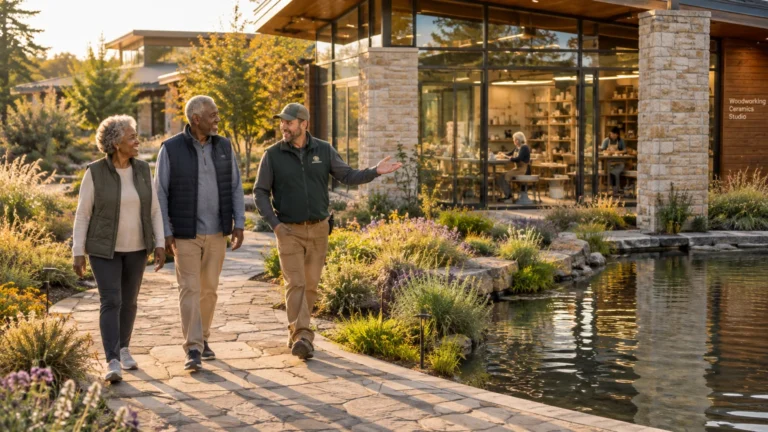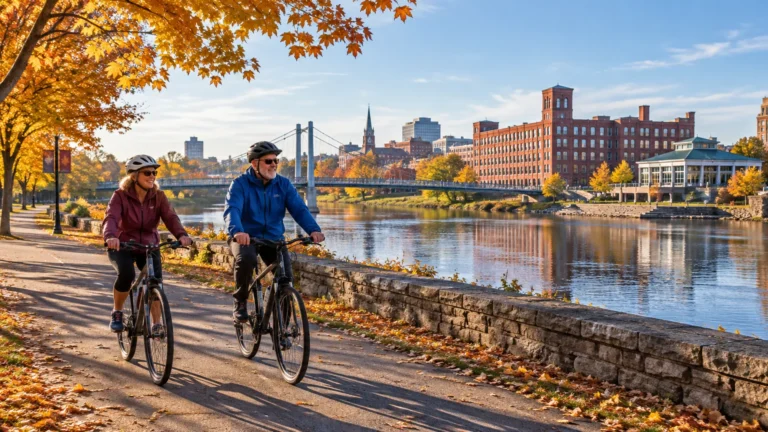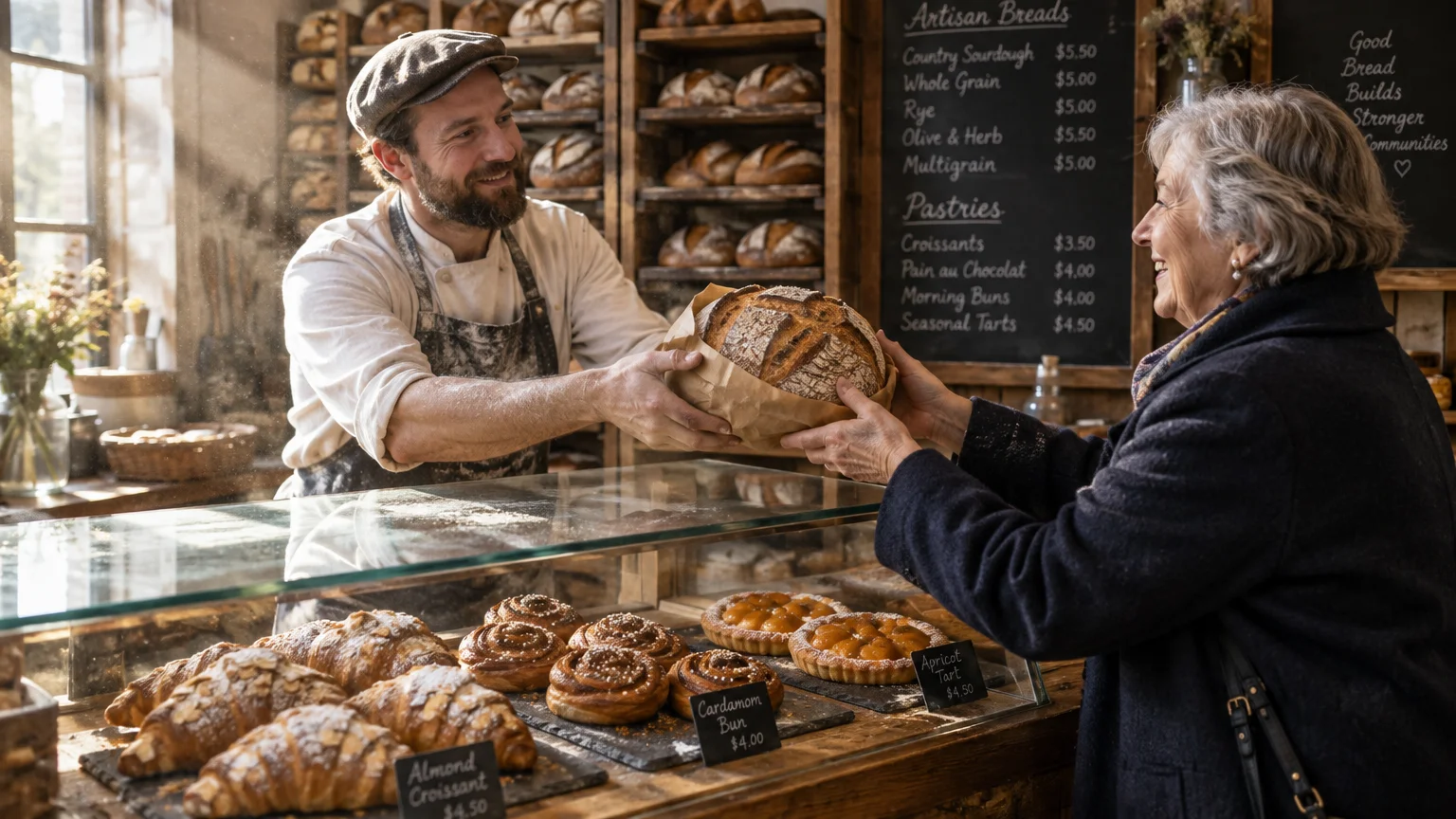
Finding your ideal retirement destination often comes down to everyday rituals rather than resort amenities. Walking to a neighborhood bakery offers vital social connections, steady physical movement, and delicious artisan goods.
Across the country, small town coffee shops anchor walkable downtown districts where retirees thrive. These welcoming third places foster community roots and turn casual mornings into purposeful social encounters.
Relocating near premier bakeries can elevate your daily wellness while anchoring your lifestyle in a vibrant setting. Here is how nine charming retirement towns pair exceptional baked fare with practical financial living.
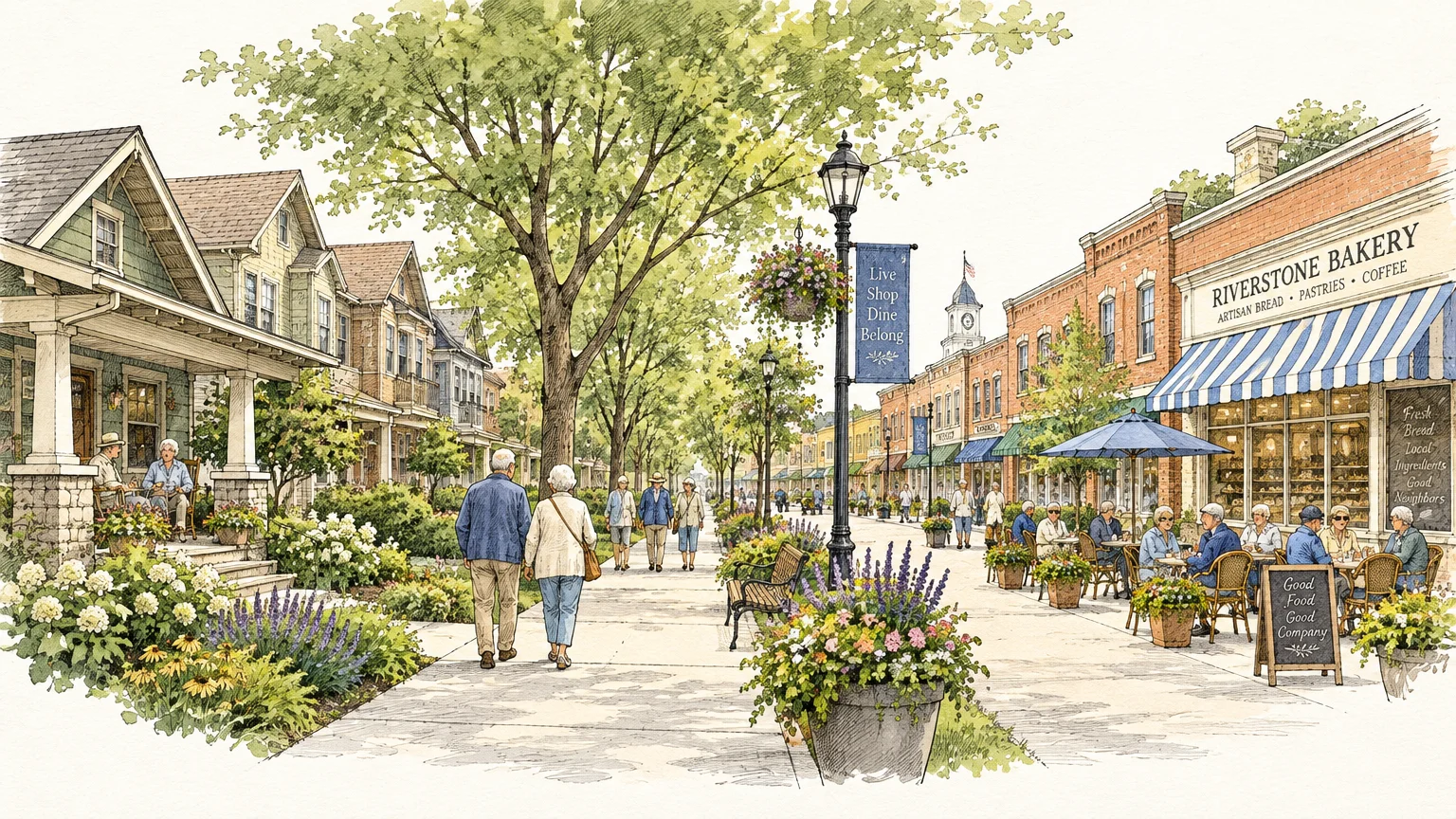
Navigating Today’s Retirement Landscape
Planning a successful relocation requires balancing lifestyle desires against strict financial parameters. Today’s retirees encounter changing real estate markets and shifting living costs that influence their long-term purchasing power.
Consumer expenditure figures from the Bureau of Labor Statistics show that housing and dining represent major budget categories for older households. Managing these outflows requires disciplined planning and thoughtful location selection.
Annual benefit adjustments from the Social Security Administration help counter inflation, yet local living costs vary drastically nationwide. Choosing a town with affordable everyday amenities protects your disposable nest egg.
Walkable downtown layouts reduce automotive reliance, which directly cuts secondary transportation and maintenance bills. Daily pedestrian trips also supply low-impact exercise that sustains functional mobility and heart health.
Neighborhood cafés serve as essential civic anchors where older adults forge meaningful local connections. Sociologists classify these venues as third places that reduce loneliness and support emotional vitality.
Evaluating regional housing trends allows you to capture equity gains when selling an existing home. Reinvesting proceeds into a smaller, walkable property preserves liquid reserves for travel and healthcare.
Relocating near culinary centers allows you to cultivate daily purpose alongside cultural enrichment. Evaluating state tax frameworks alongside home prices ensures your relocation remains sustainable for decades to come.

Three Strategic Pillars for a Bakery-Rich Retirement
Pillar 1: Financial and Income Planning
Your retirement income strategy must account for housing expenses, discretionary dining, and state tax obligations. State policies regarding retirement account distributions significantly determine how far your monthly capital goes.
The Internal Revenue Service mandates distribution schedules for tax-deferred accounts once you reach statutory ages. You should coordinate these withdrawals with state-level tax exemptions to keep more earnings in your household.
Certified Financial Planner™ professionals recommend creating a dedicated monthly dining allocation. Defining this discretionary category prevents impulsive overspending while ensuring you fully enjoy local artisan cafés.
You must also analyze regional property tax structures when sizing up prospective relocation targets. Low income tax states occasionally offset revenue through higher municipal real estate assessments.
Maintaining a dedicated emergency fund shields your daily lifestyle from unexpected home maintenance bills. Keeping twelve months of living expenses in liquid accounts ensures uninterrupted financial peace of mind.
Pillar 2: Purposeful Lifestyle Design
Retirement provides the opportunity to design your weekly schedule around social connection and personal joy. Building a morning routine around a neighborhood bakery establishes comforting structure and positive anticipation.
Visiting local establishments introduces you to shopkeepers, civic organizers, and fellow retirees. These routine micro-interactions create an authentic sense of belonging and community integration.
Proximity to downtown amenities ensures you maintain personal mobility as your driving habits change over time. Selecting a home near level walking corridors guarantees continuous independence throughout your retirement years.
You can also enrich your lifestyle by enrolling in community baking workshops or culinary guilds. Engaging with local food culture offers rewarding mental challenges that cultivate lasting purpose.
Volunteering with downtown preservation groups or community festivals strengthens your connection to local heritage. These civic contributions allow you to share your expertise while forging deep friendships.
Pillar 3: Physical Health and Social Wellness
Daily walking offers substantial preventative health benefits, including enhanced cardiovascular fitness and joint preservation. Strolling to your neighborhood café turns necessary physical movement into an enjoyable daily ritual.
Research highlighted by AARP demonstrates that active social networks lower the risk of cognitive decline. Conversing with regular patrons and baristas exercises cognitive faculties and brightens your emotional outlook.
European-style sourdough breads utilize extended natural fermentation that improves nutrient absorption and glycemic response. Savoring traditional bakery items allows you to enjoy wholesome grains while adhering to balanced nutritional practices.
Cultivating strong community ties in a vibrant neighborhood provides a natural shield against senior isolation. These daily social interactions nurture an active sense of community membership and personal vitality.
Combining outdoor morning walks with healthy nutritional choices establishes a sustainable wellness baseline. Prioritizing fresh air, regular exercise, and high-quality artisan foods supports vitality throughout retirement.
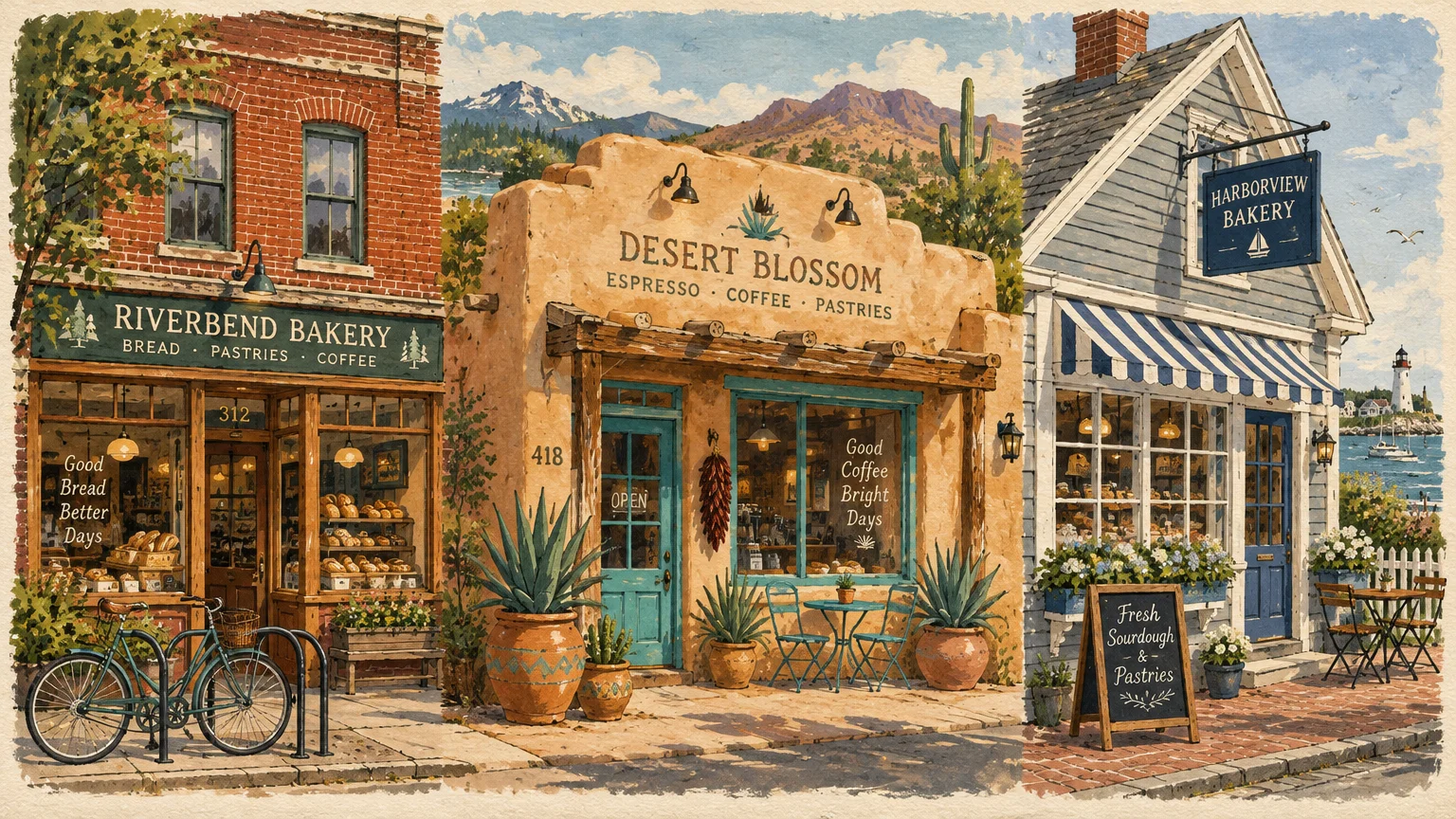
9 Retirement Towns With Exceptional Bakeries and Cafés
1. Solvang, California
Solvang serves as the Danish Capital of America, located amid the rolling terrain of the Santa Ynez Valley. With a population of approximately 6,061 residents, the village features storybook architecture and picturesque, walkable avenues.
Five major authentic Danish bakeries operate within the downtown core, offering fresh kringle, macaroons, and butter cookies. The aroma of almond paste and melted butter fills the morning air across the village center.
Danish Mill Bakery has operated downtown since September 17, 1960, when former royal Danish baker Arvid Petersen founded the shop. Other cornerstones include Olsen’s Danish Village Bakery, Mortensen’s Danish Bakery, Birkholm’s Bakery & Café, and The Solvang Bakery.
These beloved establishments provide warm meeting spaces where residents exchange town news over hot coffee. Living within walking distance allows you to embrace Danish hygge as part of your daily routine.
Outdoor café seating lines Copenhagen Drive, giving retirees ample opportunities to relax in pleasant coastal valley weather. The pedestrian-friendly downtown layout makes running daily errands simple without needing an automobile.
Real estate values require substantial financial reserves for incoming retirees. Zillow recorded an average home value of $1,417,734 in August 2026.
Redfin noted an August 2026 median sale price of $1,349,107, reflecting a 15.2% decline year-over-year. This price adjustment provides motivated buyers with increased negotiation leverage.
California does not tax Social Security retirement benefits, which helps protect base income for seniors. However, pensions, 401(k) withdrawals, and traditional IRA distributions face state income tax rates reaching 13.3%.
2. Carmel-by-the-Sea, California
Carmel-by-the-Sea blends fairytale cottages, sweeping cypress trees, and white sand Pacific beaches into an idyllic coastal retreat. Retirees make up an extensive portion of the community, evidenced by a median age of 68.5 years.
The town’s culinary heritage centers on Carmel Bakery & Coffee House, founded in 1899. This landmark represents the oldest continuously operating retail business in town, predating Carmel’s 1916 municipal incorporation.
In July 2026, Carmel assigned official street numbers for emergency responders after 127 years without formal addresses. Carmel Bakery became one of the first businesses to display a house number, hanging 376 Ocean Ave.
Residents stroll past courtyards and art galleries every morning to secure sourdough boules and handcrafted pastries. The flat commercial district makes daily walking practical and delightful.
Scenic coastal trails along Ocean Avenue lead directly down to pristine beach paths. Retirees frequently combine their morning pastry runs with rejuvenating ocean views along Carmel Beach.
Purchasing a home in this world-famous coastal haven requires significant financial capital. Zillow shows an average home value of $2,430,289 as of September 2026.
September 2026 Redfin metrics indicate a median sale price of $3,433,365, up 33.3% year-over-year. Despite these premium real estate costs, the vibrant arts community and scenic coastline offer an unmatched retirement experience.
3. Fredericksburg, Texas
Fredericksburg preserves a distinct German heritage established by pioneer settlers in 1846. Set in the heart of Texas Hill Country, the town balances historic charm with modern culinary refinement.
Old German Bakery and Restaurant at 225 W. Main St. has satisfied residents under German-trained baker Lutz since 1998. You can enjoy traditional German pancakes, scratch-made rye bread, and warm fruit strudel.
Down the street at 138 E. Main St., Clear River Ice Cream, Bakery & Deli continues its daily traditions. The business changed ownership in June 2026 after 37 years, maintaining its bakery and 35 daily ice cream flavors.
The wide sidewalks along Main Street provide easy pedestrian access to antique shops, tasting rooms, and cafés. Retirees frequently gather outside under shaded awnings to enjoy mild Hill Country mornings.
Annual heritage celebrations and seasonal peach harvests bring fresh local ingredients directly into neighborhood bakeshops. Retirees enjoy active cultural calendars filled with live German folk music and community artisan fairs.
Housing costs remain accessible relative to coastal retirement hubs. Zillow tracks the average Fredericksburg home value at $511,559 as of September 2026.
Redfin recorded an August 2026 median sale price of $512,278 across the 78624 ZIP code. These stable prices offer compelling options for retirees relocating from costlier regions.
Texas levies 0% state income tax, shielding your Social Security, pensions, and retirement withdrawals from state levies. However, you should review local property tax rates carefully to plan your long-term housing budget accurately.
4. Asheville, North Carolina
Asheville sits nestled in the Blue Ridge Mountains, providing refreshing mountain air, colorful fall foliage, and deep cultural roots. Retirees cherish the area for its diverse arts scene, outdoor trails, and creative culinary community.
OWL (Old World Levain) Bakery crafts European-style pastries and naturally fermented breads using freshly milled flours. Nearby, Vortex Doughnuts delights local crowds with specialty coffee and innovative scratch-made doughnuts.
The city’s vibrant food reputation attracts top culinary talent from across the nation. Five-time James Beard nominee Chef Katie Button releases her second cookbook, Spanish Accent, in October 2026, celebrating local culinary creativity.
Strolling through West Asheville or the River Arts District connects you directly with independent roasters and bakers. These walkable corridors provide welcoming environments for social connection and community engagement.
Surrounding mountain trails and the Blue Ridge Parkway offer exceptional opportunities for hiking and nature photography. Active retirees regularly balance their bakery visits with invigorating mountain excursions.
September 2026 Zillow data shows an average home value of $444,478. Redfin and Resideline figures place the citywide median sale price between $495,000 and $500,000.
In the aftermath of Hurricane Helene in September 2024, buyers must evaluate flood exposure with diligence. North Carolina’s updated residential property disclosure regulation, enacted in July 2024, requires sellers to disclose flood history before offer submission.
5. St. Augustine, Florida
Founded in 1565, St. Augustine stands as the oldest continuously occupied European settlement in the United States. Its historic district features Spanish colonial architecture, tranquil brick streets, and Atlantic sea breezes.
The Kookaburra brings Australian coffee culture to northeast Florida with nine regional locations. Retirees frequent the shop for expertly pulled espresso and savory, scratch-made handheld Aussie pies.
LuLi’s Cupcakes & Bakery has served sweet treats from 82 San Marco Ave. since 2008. Founder Janeen Sara expanded downtown offerings by opening Sara’s Pops at 84 Charlotte St. on September 19, 2026.
Living near the downtown waterfront enables an active pedestrian routine connecting parks, museums, and cafés. St. Augustine provides a welcoming setting where neighbors gather for pleasant morning walks along the bay.
Cultural events such as the annual Nights of Lights transform the historic streets into illuminated winter wonderlands. Retirees enjoy year-round community festivals and rich educational lectures hosted by nearby Flagler College.
Housing remains reasonably priced compared to southern Florida markets. September 2026 Zillow data records an average home value of $432,603.
Local MLS reporting from October 2026 indicates a median sale price of $434,000, down 1.7% year-over-year. This plateauing market gives prospective buyers improved leverage during purchase negotiations.
Florida features 0% state income tax and no inheritance or estate taxes. These tax advantages allow you to direct more of your monthly income toward enjoying your coastal retirement.
6. Traverse City, Michigan
Traverse City rests on the shores of Lake Michigan’s Grand Traverse Bay, offering scenic beaches and cherry orchards. Retirees experience four distinct seasons, active sailing communities, and a nationally recognized culinary scene.
Common Good Bakery, founded in 2017, operates two locations on Eighth Street and Fourteenth Street. Bakers rely on 36- to 72-hour fermentation periods to produce crusty sourdough loaves and delicate French pastries.
Potter’s Bakery supplies classic treats, while 9 Bean Rows in nearby Suttons Bay offers farm-to-table breads and wood-fired baked goods. These local venues celebrate regional agricultural harvests throughout the year.
The flat downtown avenues and lakeside paths encourage cycling and walking from early spring through late autumn. Gathering at neighborhood coffee shops provides social warmth during snowy northern Michigan winters.
Local farmers markets operate across multiple seasons, offering fresh produce, local cheeses, and specialty honey. Retirees take advantage of these agricultural resources to supplement their kitchen pantries with fresh regional goods.
Real estate values continue to rise across the Grand Traverse region. Grand Traverse County recorded a 2026 median home sale price of $479,900, up 14.5% year-over-year.
Neighboring Leelanau County commands a median sale price of $715,000. All-cash transactions accounted for 35% of Grand Traverse purchases and 47% of Leelanau transactions in 2026, fueled by equity-rich relocating retirees.
7. Beaufort, South Carolina
Beaufort captures classic Lowcountry elegance with historic antebellum homes and moss-draped live oak trees. Located along the Port Royal Island waterways, the town offers a gentle, unhurried pace for active retirees.
Blackstone’s Café at 205 Scott St. has served as a downtown breakfast cornerstone since 1991. Retirees enjoy warm buttermilk biscuits, southern specialties, and friendly conversations on the charming front patio.
Culinary options expanded when Beaufort Baking Company opened at 211 Scott St. in Fall 2026. This bakery delivers artisanal sourdough loaves, flaky croissants, and morning pastries to the downtown historic district.
The Henry C. Chambers Waterfront Park provides paved walking paths just steps from local bakeries. Strolling along the water with a fresh coffee and pastry offers a wonderful start to each day.
Kayaking and boating access along tidal saltwater marshes allow residents to observe local dolphins and native shorebirds. Beaufort pairs outdoor coastal recreation with peaceful small-town community living.
Beaufort presents an attractive value proposition compared to other historic coastal cities. Zillow estimates typical September 2026 home values between $412,433 and $424,000.
Redfin shows an August 2026 median sale price of $465,692. This represents a significant $184,000 savings compared to nearby Charleston’s median sale price of $649,570.
8. Walla Walla, Washington
Walla Walla anchors southeastern Washington’s wine country, surrounded by wheat fields and the Blue Mountains. Its tree-lined downtown features over 120 regional wine tasting rooms alongside boutique shopping and dining.
Colville Street Patisserie serves authentic French pastries, chocolate brioche, and delicate fruit tarts. Walla Walla Bread Company and Bacon & Eggs supply wood-fired breads and hearty breakfasts made from locally sourced ingredients.
The downtown historic district features wide sidewalks, ample park benches, and an absence of steep hills. This walkable environment invites daily exploration and easy socializing among neighbors.
Whitman College anchors the downtown cultural calendar with guest lectures, music recitals, and public theatrical performances. Retirees take full advantage of these university amenities situated just blocks from premier cafés.
Real estate remains reasonably priced given the town’s sophisticated cultural offerings. Zillow recorded an average home value of $414,086 in September 2026.
Resideline data between August and October 2026 places median closed sale prices between $403,250 and $422,000 in the 99362 ZIP code. These stable values offer affordability for buyers downsizing from larger metropolitan markets.
Washington levies 0% state personal income tax on pensions and Social Security income. Although a 7% state excise tax applies to certain high-value capital gains, it exempts real estate transactions and retirement accounts.
9. New Glarus, Wisconsin
Swiss immigrants founded New Glarus in 1845, establishing an authentic alpine haven known as America’s Little Switzerland. With roughly 1,990 residents, the village features decorative wooden chalets, flower boxes, and rolling dairy pastures.
Historic New Glarus Bakery anchors the village center with traditional Swiss baked specialties. You can purchase spiced Biberli honey cookies, crusty hard rolls, and traditional hazelnut Nusstorte made from generations-old recipes.
Nearby, Fat Cat Coffee Works offers expertly pulled espresso and welcoming seating for local conversation. The compact downtown layout allows you to complete all daily errands on foot while greeting friends.
Celebrations like the Heidi Festival and Swiss Volksfest unite the community around traditional folk music, yodeling, and ethnic cuisine. These festive gatherings deepen resident connections and create an engaging calendar for active retirees.
New Glarus provides outstanding real estate affordability for budget-minded retirees. September 2026 Zillow data shows an average home value of $353,878.
Redfin tracks the September 2026 median sale price at $385,000. These accessible figures enable retirees to preserve investment portfolios while enjoying an authentic European village lifestyle.
Retirees considering eastern alternatives often look at New Hope, Pennsylvania. While New Hope features riverside gem C’est La Vie and Factory Girl Bake Shop, homes average $957,764 with median sales of $1,142,500.
Pennsylvania exempts pensions and retirement distributions from state taxation. Even so, New Glarus provides comparable European charm and small-town warmth at a fraction of the real estate investment.

Evaluating Financial Safeguards, Benefit Cliffs, and Housing Pitfalls
Relocating to a charming small town requires careful navigation of long-term financial risks. Overlooking hidden property carrying costs or health insurance networks can jeopardize your financial independence.
You must carefully verify local property tax reassessment rules before making an offer on a home. Even in states without income taxes, reassessments can cause property tax bills to surge unexpectedly.
Healthcare access requires thorough pre-move evaluation. Ensure local medical specialists and regional hospitals participate in your existing Medicare supplement or Advantage networks.
Real estate transactions present prime targets for digital wire scams and cyber fraud. Always verify wiring instructions directly by phone with your escrow officer before transferring your funds.
Be aware of Medicare benefit cliffs when liquidating taxable assets to fund your home purchase. Significant capital gains can trigger income-related monthly adjustment amounts, temporarily raising your Medicare Part B and Part D premiums.
Natural disaster risks demand comprehensive property inspection and proper insurance coverage. In coastal and mountain areas alike, securing specialized flood or wind coverage protects your accumulated home equity.

Clinical and Financial Perspectives on Café Culture and Aging
Gerontologists increasingly recognize the powerful health benefits of casual, community-based routines. Daily walks to a neighborhood bakery combine low-impact aerobic exercise with meaningful social engagement.
Dr. Aris Thorne, a specialist in healthy aging, notes that third places combat social isolation effectively. Routine micro-interactions with baristas and fellow patrons stimulate cognitive function and foster emotional well-being.
Certified Financial Planner™ practitioners emphasize the budgetary advantages of compact, walkable communities. Eliminating secondary vehicle ownership and reducing daily fuel consumption saves thousands of dollars annually.
Experienced financial advisors also recommend setting aside dedicated funds for everyday social rituals. Treating yourself to coffee and pastries guilt-free prevents financial fatigue and promotes long-term budgeting adherence.
Clinical nutritionists note that savoring artisan pastries in moderation fits naturally into balanced diets. Combining quality whole grains with regular walking supports metabolic health without sacrificing life’s culinary pleasures.
Ultimately, successful retirement living hinges on feeling connected to your surrounding community. Establishing a regular morning café spot helps anchor your sense of belonging in a new town.
Frequently Asked Questions
How does walking to a daily bakery improve physical longevity?
Walking thirty minutes daily promotes joint health, stimulates circulation, and assists with healthy blood glucose regulation. Pairing exercise with a pleasant social destination makes physical activity a rewarding habit rather than an obligation.
Natural pedestrian routines also preserve leg strength and balance as you age. These functional physical capabilities are vital for maintaining personal independence throughout your retirement years.
How can I enjoy artisan bakeries on a fixed monthly income?
Designate a clear dining and entertainment category within your monthly budget to prevent overspending. Many retirees enjoy ordering a house coffee while sharing an artisan pastry with a friend.
You can also take advantage of loyalty programs or weekday senior specials offered by local businesses. These modest savings add up over time while preserving your social routine.
What state tax factors should I evaluate before choosing a retirement town?
Review whether prospective states tax Social Security benefits, pension payouts, and traditional retirement account withdrawals. You must also calculate local property tax rates and municipal sales taxes to understand your true tax burden.
Consulting a qualified tax professional ensures you optimize your asset withdrawal sequence. Proper tax planning helps you avoid surprise liabilities and preserves your long-term purchasing power.
What is the most effective way to test a retirement town before moving?
Rent a home or apartment in your target neighborhood for an extended trial period of several weeks. This extended stay allows you to experience authentic daily traffic patterns, healthcare accessibility, and community dynamics.
Spend your mornings visiting local bakeries, walking downtown corridors, and conversing with current residents. Immersing yourself in the community will confirm whether the town fulfills your lifestyle expectations.
Your 48-Hour Action Plan
Planning your ideal retirement lifestyle begins with decisive, actionable steps. You can start narrowing your relocation options over the next two days.
Within the next 48 hours, select three towns from this guide that align with your housing budget. Check online real estate portals to view current home listings within walking distance of downtown bakeries.
Next, schedule a brief consultation with your financial planner to calculate the tax impact of your move. Reviewing state tax rules and healthcare coverage ahead of time prevents unexpected budget surprises.
Finally, book a weekend scouting visit to walk the downtown streets and sample the local bakeries firsthand. Experiencing the neighborhood atmosphere in person will help you choose your ideal retirement destination with confidence.