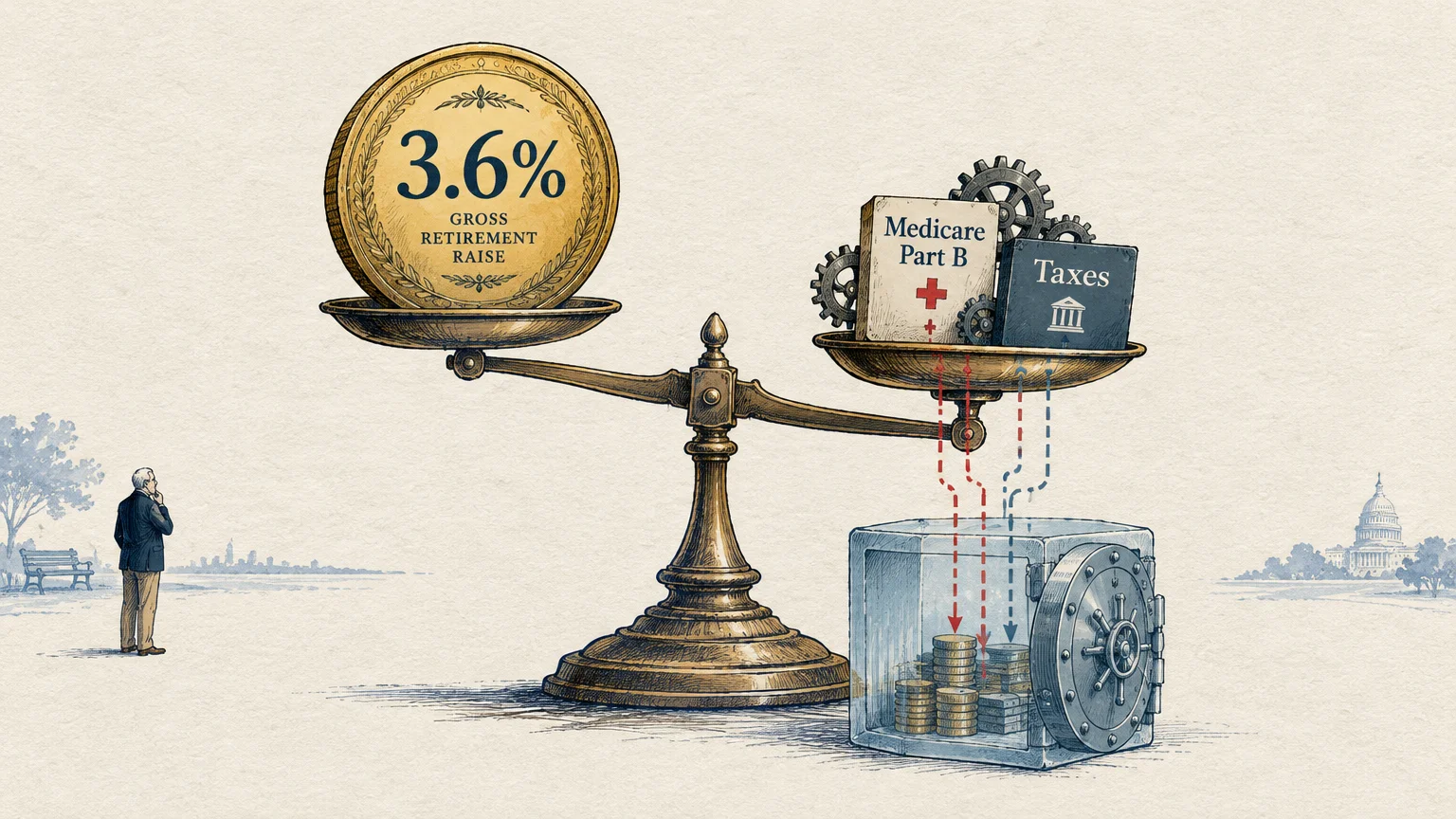
Your monthly Social Security check will officially rise by 3.6% in 2027, delivering an average increase of about $75 each month. Yet millions of retirees across the country will never see that full percentage reach their checking accounts.
Rising Medicare Part B premiums, frozen federal tax thresholds, and strict retirement earnings limits routinely absorb these anticipated cost-of-living adjustments.
Understanding how these deductions interact allows you to protect your household budget, optimize your benefits, and safeguard your financial security throughout retirement.
The 2027 Social Security COLA: Headline Numbers Versus Reality
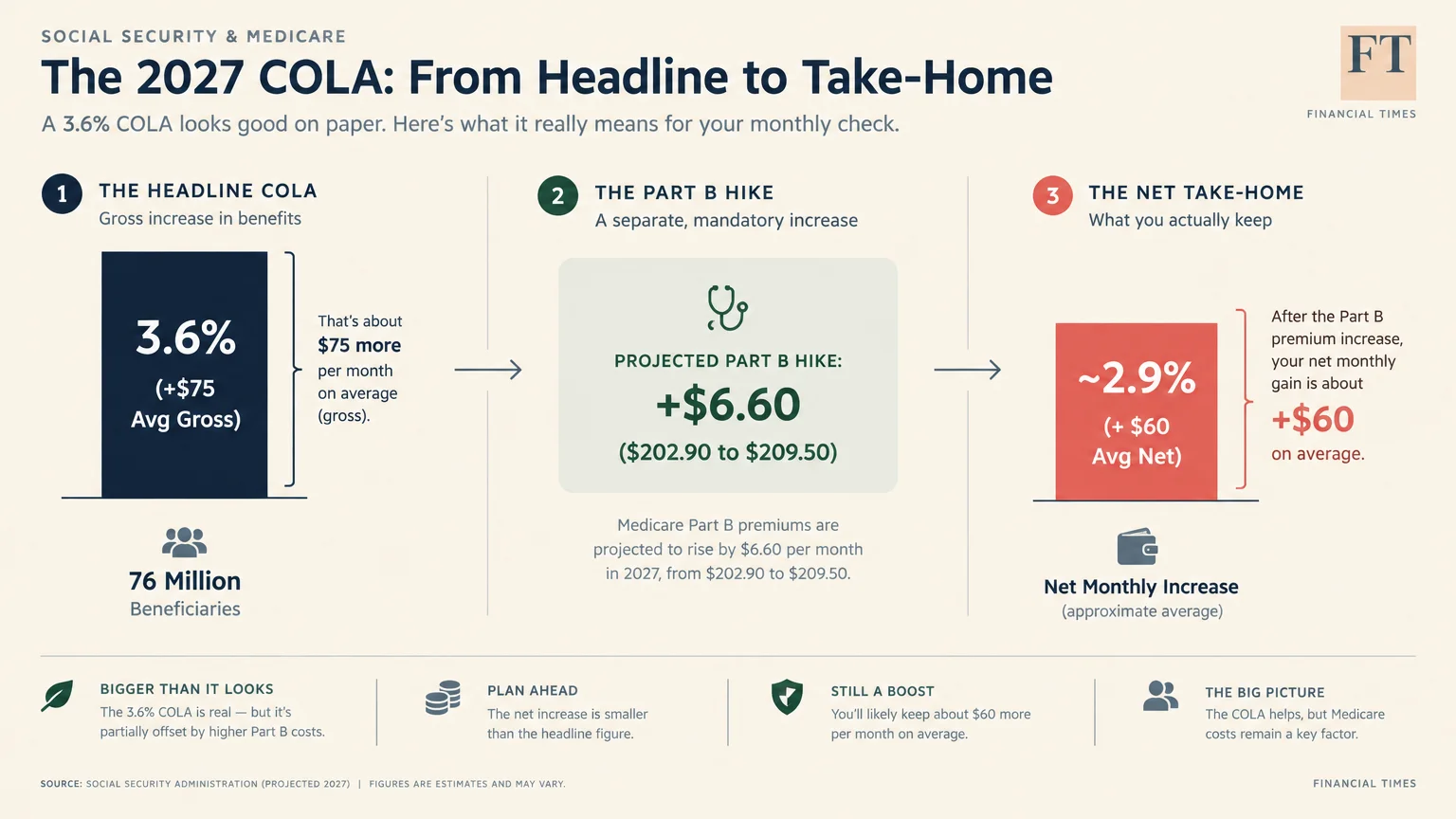
On October 14, 2026, the Social Security Administration announced an official 3.6% Cost-of-Living Adjustment for 2027. This adjustment marks the largest annual boost since 2023, surpassing the 2.8% adjustment retirees received for 2026.
The increase will impact approximately 76 million Americans nationwide. The adjustment aims to prevent inflation from eroding the purchasing power of seniors living on fixed retirement resources.
Nearly 72 million Social Security beneficiaries will receive their increased payments starting in January 2027. For the typical retired worker, this calculation translates to a gross increase of roughly $75 per month.
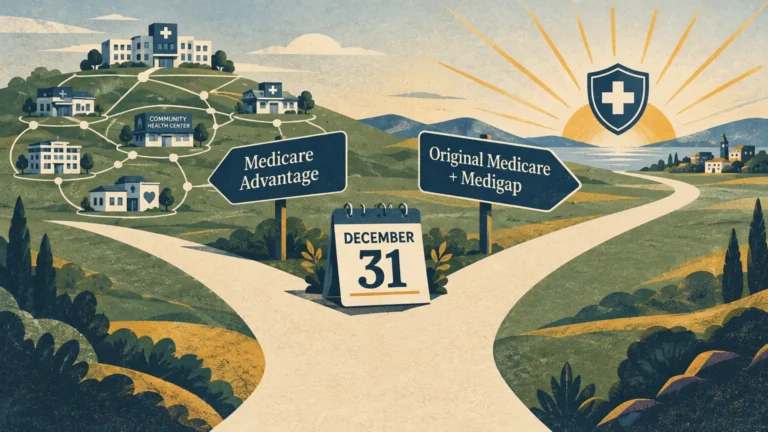
Roughly 7.3 million Supplemental Security Income recipients will see their adjustments arrive slightly earlier on December 31, 2026. This calendar shift occurs because January 1 is a federal holiday.
The maximum federal monthly payment for Supplemental Security Income will rise to $1,029 for an eligible individual in 2027. Eligible couples will see their maximum monthly federal amount rise to $1,544.
For high earners who retired at Full Retirement Age, the maximum possible monthly benefit will increase from $4,152 in 2026 to $4,188 in 2027. However, gross figures rarely match net deposits.
The published percentage applies strictly to your gross primary insurance amount. Mandatory deductions, tax withholdings, and legislative quirks frequently reduce the cash that lands in your bank account.
Why Your Net Social Security Raise Might Fall Below 3.6%
Financial planners frequently caution retirees about the difference between gross entitlement and spendable cash flow. A 3.6% bump on paper does not guarantee a matching boost to your spending power.
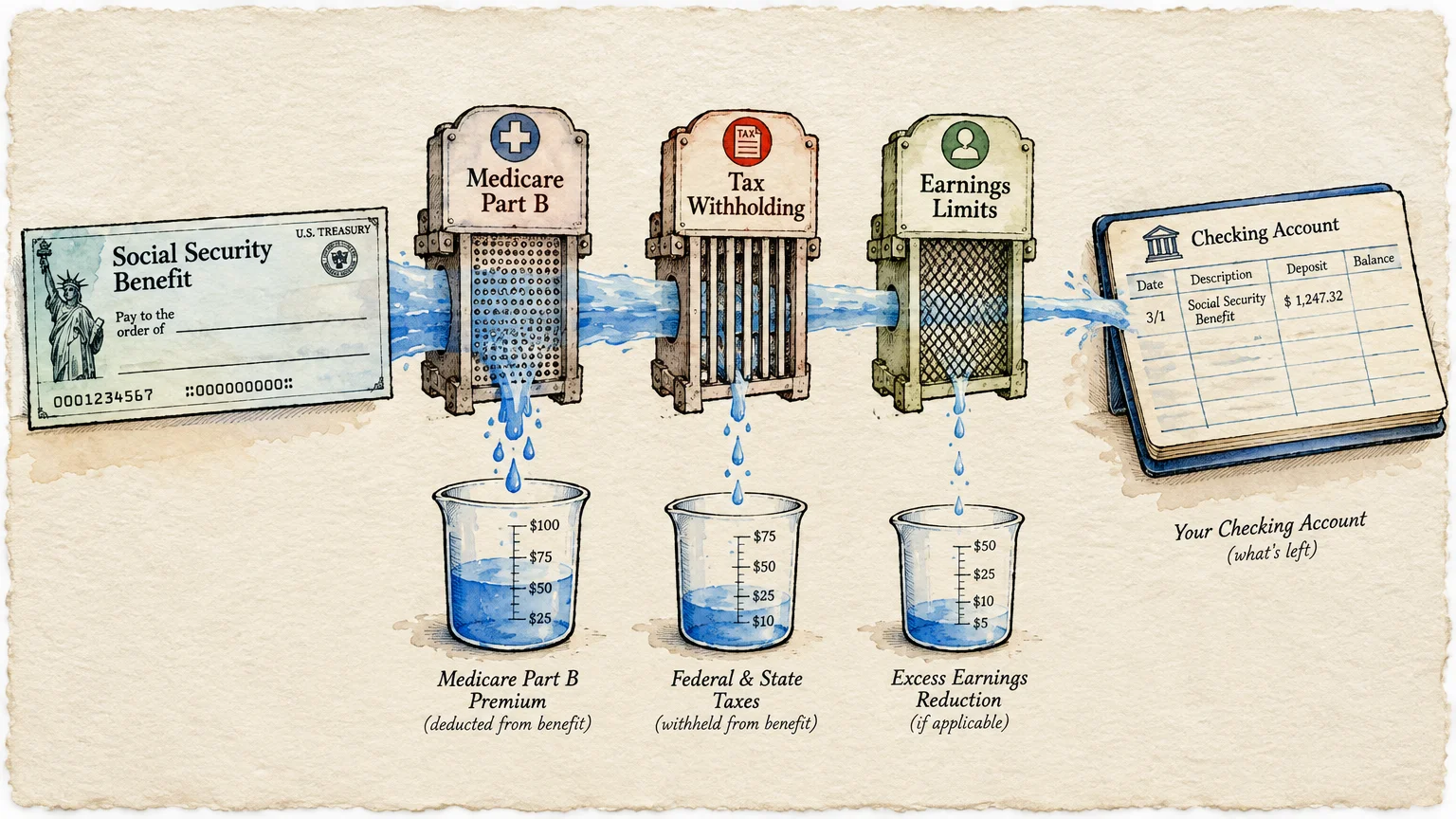
Automatic federal deductions occur before the Treasury Department deposits funds into your account. As a result, you might find your monthly check increasing by only a fraction of the advertised rate.
Retirees must analyze four distinct mechanisms that shave money from their annual adjustments. Preparing for these clawbacks early prevents cash-flow disruptions when the new calendar year begins.
Medicare Part B Premium Increases Erode Benefit Checks
Medicare Part B covers physician services, outpatient hospital care, and durable medical equipment. For the vast majority of retirees, the federal government deducts this monthly premium directly from their Social Security check.
Because premium deductions occur automatically, any rate hike for Part B instantly reduces your net COLA gain. When healthcare inflation outpaces general inflation, medical premiums swallow an outsized portion of your raise.
The Centers for Medicare and Medicaid Services will officially finalize 2027 Part B premiums in November 2026. However, projections from the 2026 Medicare Trustees Report indicate an upcoming premium hike.
Trustees project the standard monthly Part B premium will rise from $202.90 in 2026 to $209.50 in 2027. This projected increase represents an automatic $6.60 monthly reduction from your gross benefit boost.
If your gross monthly benefit increases by the national average of $75, that $6.60 premium hike takes nearly 9% of your total raise. For lower-wage earners with smaller monthly checks, the percentage lost is far higher.
You can review your plan choices during Medicare Open Enrollment, which runs from October 15 through December 7, 2026. Comparing drug plans and supplemental options on the official Medicare.gov website helps mitigate these growing healthcare expenses.
The Hold Harmless Provision and Its Hidden Limitations
Federal law contains a protective measure known as the Hold Harmless rule. This statutory provision ensures that a Social Security recipient’s net monthly benefit check cannot decrease from one year to the next solely due to Part B increases.
Many seniors mistakenly assume this statute guarantees they will keep their entire 3.6% cost-of-living raise. In reality, the rule only ensures that the Part B hike cannot exceed your dollar raise.
If your 3.6% raise equals $10, a $10 premium hike can legally absorb your entire raise. Your net payment would remain completely flat, giving you an effective cost-of-living increase of zero percent.
Furthermore, federal law explicitly excludes millions of Americans from Hold Harmless protections entirely. New Medicare enrollees who begin their Part B coverage in 2027 receive no protection under the statute.
Retirees who do not have Part B premiums deducted directly from monthly Social Security payments are also excluded. Beneficiaries whose premiums are paid by state Medicaid programs do not fall under the rule either.
Finally, higher-income retirees subject to income-related surcharges cannot rely on Hold Harmless rules. If your earnings exceed federal thresholds, Medicare absorbs as much of your benefit as necessary to cover the surcharge.
IRMAA Surcharges for Higher-Income Retirees
The Income-Related Monthly Adjustment Amount applies an additional surcharge to Medicare Part B and Part D premiums for higher-income individuals. This surcharge creates a sudden financial cliff for unwary retirees.
Federal agencies calculate your 2027 IRMAA tier using your 2025 federal income tax return. If a one-time event inflated your 2025 earnings, your 2027 Medicare premiums will spike sharply.
Selling a home, completing a large Roth conversion, or taking sizable capital gains in 2025 can trigger this penalty. Exceeding an income threshold by a single dollar pushes you into a higher premium tier.
When IRMAA surcharges kick in, they frequently exceed the entire dollar amount of your 3.6% Social Security raise. You might even experience a net decrease in total monthly income despite the nationwide cost-of-living adjustment.
Unindexed Federal Taxes on Social Security Benefits
Taxes represent another major mechanism that dilutes your annual cost-of-living adjustment. When your gross benefit increases, your total taxable income climbs along with it.
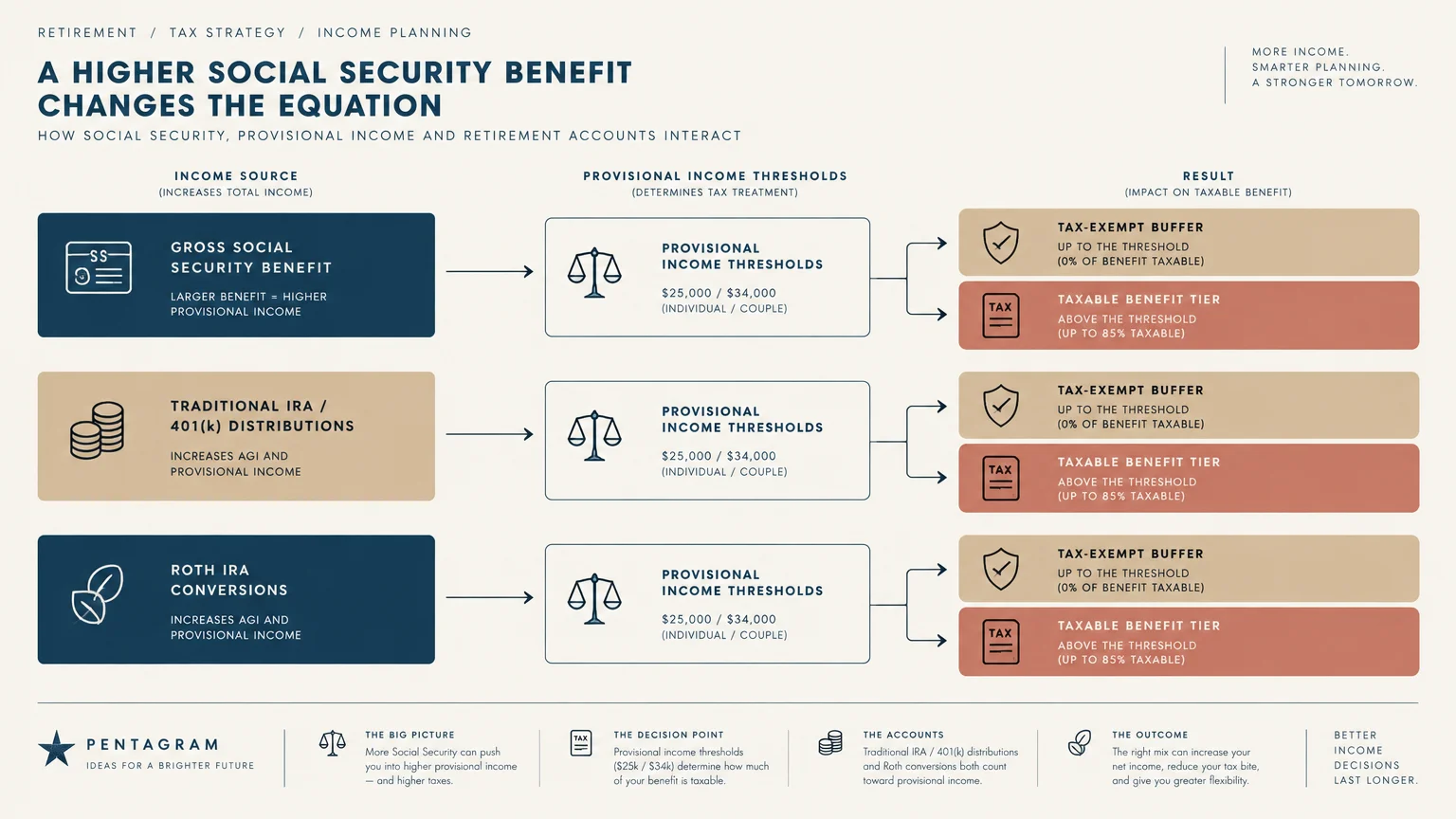
The federal government taxes Social Security benefits using a calculation called combined income. Your combined income equals your Adjusted Gross Income, plus non-taxable interest, plus half of your annual Social Security benefits.
Congress established the initial tax thresholds on Social Security benefits in 1984 and added a second tier in 1993. Lawmakers never indexed these dollar thresholds to account for general inflation.
Single filers face taxes on up to 50% of their benefits once combined income crosses $25,000. If combined income exceeds $34,000, up to 85% of their benefits become subject to federal income tax.
For married couples filing jointly, benefits become taxable up to 50% when combined income reaches $32,000. That taxable portion rises to 85% once joint combined income surpasses $44,000.
Because these thresholds remain completely frozen, every annual COLA pushes more retirees past the exemption limits. You can explore calculation worksheets through the Internal Revenue Service to measure your specific exposure.
Retirees who previously owed zero federal taxes on their benefits often find themselves crossing these unadjusted lines. The resulting tax liability strips away a substantial portion of the 3.6% increase.
The Retirement Earnings Test for Early Claimants
If you claimed Social Security benefits before reaching your Full Retirement Age and continue to work, federal earnings limits apply. The Retirement Earnings Test withholds benefits if your wage earnings exceed statutory thresholds.
For retirees who remain under Full Retirement Age throughout 2027, the annual earnings limit rises to $25,560, or $2,130 per month. This threshold reflects an increase from the 2026 limit of $24,480.
If you earn more than $25,560 from employment in 2027, the agency withholds $1 in benefits for every $2 earned above that cap. This withholding drastically lowers the immediate cash you receive.
A separate, higher limit applies to individuals who reach their Full Retirement Age during 2027. For these workers, the earnings limit rises to $67,920, or $5,660 per month, up from $65,160 in 2026.
For earnings prior to your birthday month in that transition year, the agency withholds $1 in benefits for every $3 earned above the limit. This rule provides extra flexibility as you approach full retirement status.
Once you reach your Full Retirement Age, the earnings test disappears entirely. You can earn an unlimited income from work while receiving your full monthly benefit and your complete 3.6% cost-of-living adjustment.
For working seniors still paying into the system, the maximum earnings subject to the 6.2% Social Security payroll tax rises to $192,300 in 2027. This wage base cap increases from $184,500 in 2026.
Remember that the Social Security Administration does not forfeit money withheld under the earnings test permanently. The agency recalculates your monthly benefit upward once you reach Full Retirement Age to credit those withheld payments.
Benefit Cliffs in Need-Based Assistance Programs
Low-income seniors who receive public assistance face a different risk known as a benefit cliff. A boost in gross Social Security income can inadvertently jeopardize eligibility for state and federal safety net programs.
Programs like the Supplemental Nutrition Assistance Program establish strict gross monthly income caps. An extra $75 in Social Security can push an older adult just past the eligibility threshold for food assistance.
The same risk applies to state rental subsidies and local property tax relief initiatives. Beneficiaries may find that a modest bump in Social Security leads to a corresponding decrease in housing assistance.
Medicaid eligibility and Medicare Savings Programs also maintain precise monthly income limits. Seniors relying on these programs should check with local social service agencies before celebrating their 3.6% increase.
The Social Security Dime Rounding Rule
Even the fundamental mathematical formula used by the Social Security Administration trims a tiny sliver from your raise. Federal law mandates a specific rounding mechanism for every benefit computation.
When the agency applies the 3.6% COLA to your primary insurance amount, it calculates the dollar increase down to the cent. However, the final monthly benefit check is always rounded down to the nearest ten cents.
For Supplemental Security Income payments, the agency rounds the resulting benefit down to the nearest whole dollar. While dimes and pennies seem insignificant, this statutory rounding trims total lifetime payouts across millions of retirees.

Accessing Your Official 2027 Social Security COLA Notice
You do not need to guess your exact 2027 payment amount. The Social Security Administration provides customized notices detailing your gross benefit, Medicare Part B deductions, and final net payment.
Beneficiaries who wish to see their 2027 adjustment early must create a personal account on the official Social Security Administration website. You must opt into digital notices by November 18, 2026, to view your notice online in late November.
If you prefer standard mail or miss the November digital deadline, the agency will mail paper notices throughout December 2026. This written document shows your exact monthly cash flow before January checks arrive.
Review this document carefully when it arrives. Check the Medicare Part B deduction line to ensure the government applied the correct premium rate to your account.
Verify that any voluntary tax withholdings match your current tax strategy. Catching administrative discrepancies in December prevents unexpected deposit shortages when the new year begins.
Strategy Pillar 1: Proactive Income and Tax Planning
Securing your retirement cash flow requires proactive coordination between your investment withdrawals and Social Security benefits. Thoughtful income structuring helps you retain a higher percentage of your annual raise.
Certified Financial Planner professionals recommend monitoring your combined income annually to minimize tax exposure. Managing distribution timing from taxable, tax-deferred, and tax-free accounts prevents bracket creep.
If you face looming IRMAA surcharges due to required minimum distributions, consider utilizing Qualified Charitable Distributions. Individuals aged 70½ and older can transfer up to statutory annual caps directly from an IRA to an eligible charity.
Qualified Charitable Distributions satisfy your required distribution requirements without adding a single dollar to your Adjusted Gross Income. This simple strategy helps keep your combined income beneath Medicare surcharge thresholds.
Pre-retirees should also evaluate strategic Roth conversions during their lower-income transition years. Converting traditional retirement funds before claiming Social Security reduces required distributions later in life.
If your 3.6% raise pushes you into taxable territory, adjust your federal withholding. Submitting IRS Form W-4V to your local Social Security office prevents an unpleasant tax bill the following April.

Strategy Pillar 2: Healthcare Cost Optimization
Because healthcare premiums represent the primary drain on cost-of-living adjustments, managing medical coverage is vital. Seniors must treat the autumn Medicare Open Enrollment period as an annual financial checkup.
Review your annual Notice of Change from your Medicare Advantage or Part D prescription drug insurer. Plans alter provider networks, medication copayments, and drug tiers every single calendar year.
A medication you take could shift to a higher pricing tier in 2027. Switching to an alternative plan during enrollment can easily save you far more than the $6.60 projected monthly Part B increase.
Explore whether you qualify for a Medicare Savings Program through your state Medicaid agency. These state-administered programs pay Part B premiums for eligible individuals with limited monthly income and resources.
If approved for a Medicare Savings Program, your state covers the monthly Part B deduction completely. This coverage allows you to keep your entire 3.6% cost-of-living adjustment in your monthly benefit check.
Additionally, take full advantage of no-cost preventive care services covered under Medicare Part B. Annual wellness visits, routine screenings, and immunizations help you identify health issues before they become costly medical emergencies.

Strategy Pillar 3: Purposeful Lifestyle and Budget Design
Relying solely on federal benefit adjustments to manage cost increases often proves frustrating. Older Americans achieve greater financial stability by actively adjusting household spending routines.
Senior-specific inflation frequently outpaces the headline Consumer Price Index used by federal agencies. The Bureau of Labor Statistics tracks specialized inflation data showing that medical and housing costs weigh heavily on older households.
Perform an annual budget audit each November once the Social Security Administration announces the COLA rate. Allocate your anticipated $75 average monthly increase toward high-priority expenses or emergency cash reserves.
Contact utility companies to ask about senior discount programs or budget billing arrangements. Many electric, gas, and water utilities offer reduced rates to older adults living on fixed incomes.
Investigate local property tax exemptions designed for older homeowners through your county assessor. Many municipalities freeze assessed home values or provide property tax credits once homeowners reach age 65.
Maintaining strong social connections and staying physically active also support long-term financial health. Community senior centers offer accessible fitness programs, nutritious meals, and social activities at little to no cost.
Gerontologists emphasize that active lifestyle habits reduce long-term dependency on paid care services. Investing time in your physical and mental health protects your retirement savings far better than any statutory COLA.
Safeguards Against Scams and Costly Administrative Traps
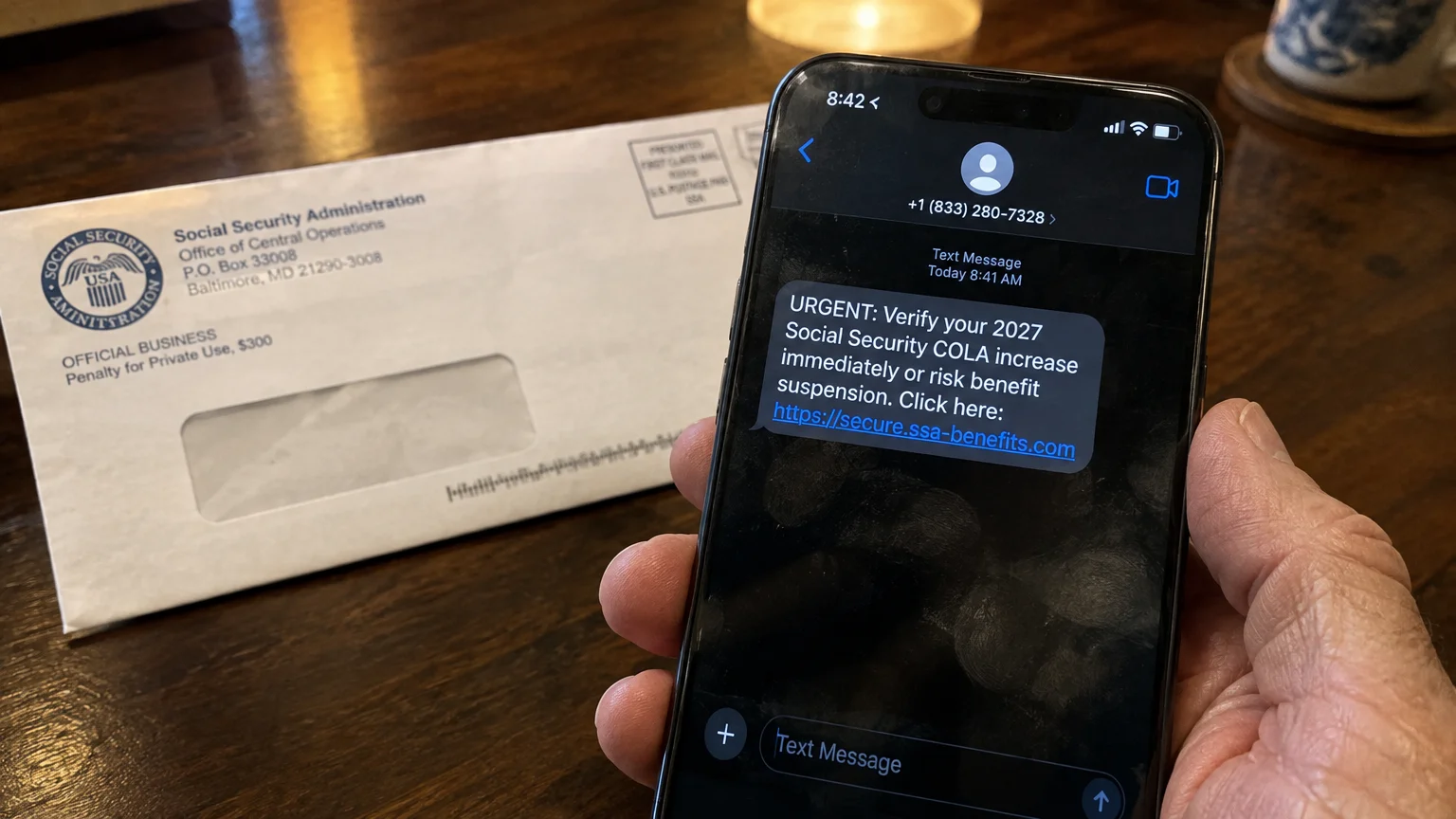
Federal benefit adjustments inevitably generate a wave of fraudulent schemes targeting older adults. Criminals exploit news coverage surrounding the 3.6% COLA to steal personal information from unsuspecting beneficiaries.
Scammers contact seniors via phone, text message, or email claiming you must “activate” or “apply for” your 2027 raise. They demand your Social Security number, banking details, or an upfront processing fee.
The Social Security Administration never charges fees or requires personal verification to apply an official cost-of-living increase. Your 3.6% adjustment occurs completely automatically under federal law.
Never share personal credentials or banking numbers with unverified callers. If you receive a suspicious message regarding your benefits, report the incident immediately to federal authorities.
Protect your online *my Social Security* portal by establishing strong login credentials and multi-factor authentication. Regularly reviewing your account ensures no unauthorized individuals alter your direct deposit routing numbers.
For additional consumer protection tips and retirement community guidance, consult trusted resources such as AARP. Staying informed protects your hard-earned benefits from deceptive predatory practices.
Frequently Asked Questions About the 2027 COLA
Will higher Medicare Part B premiums wipe out my entire 3.6% raise?
For most retirees, the projected $6.60 Part B premium increase will only absorb a portion of the monthly raise. Beneficiaries receiving the average $75 monthly increase will still see net cash flow improve.
However, if your monthly benefit is very small, a $6.60 deduction consumes a much larger percentage of your raise. The Hold Harmless rule prevents your net check from dropping, but it can reduce your net gain to zero.
Can I appeal an IRMAA surcharge if my income dropped after 2025?
Yes, you can request an initial determination review by filing Form SSA-44 with the Social Security Administration. The agency grants appeals if your income dropped due to recognized life-changing events.
Qualifying events include retirement, work reduction, marriage, divorce, or the death of a spouse. You must provide documentation, such as tax transcripts or employer statements, proving your reduced financial circumstances.
If Social Security withholds benefits under the earnings test, is that money gone forever?
No, benefit withholdings under the Retirement Earnings Test are not permanent financial penalties. Once you reach Full Retirement Age, the agency recalculates your primary insurance amount upward.
This statutory adjustment permanently increases your monthly check to compensate for benefits withheld while working. Over time, you recover the withheld funds through higher baseline monthly payments.
What happens if I miss the November 18, 2026 digital notice deadline?
Missing the November 18 digital deadline does not affect your benefit payment or your cost-of-living adjustment. It simply means the agency will send your annual COLA notice through the U.S. Postal Service.
The agency mails paper notices throughout December 2026 to your registered address. You can still access digital copies inside your online portal once the initial batch processing finishes.
Take Action in the Next 48 Hours
Do not wait until January to find out how the 2027 cost-of-living adjustment affects your monthly budget. Taking one decisive step over the next two days provides clarity and protects your bottom line.
Log into your personal *my Social Security* account before the November 18, 2026 paperless deadline. Setting your communication preferences now ensures you receive your personalized rate notice at the earliest possible date.
Next, visit the Medicare plan finder tool to review your prescription drug coverage before open enrollment closes on December 7. Comparing available plans takes less than an hour and frequently saves hundreds of dollars annually.
Finally, examine your 2025 tax filings to anticipate any potential IRMAA surcharges or combined income tax triggers. Being proactive puts you in control of your financial future, ensuring you keep every dollar you deserve.