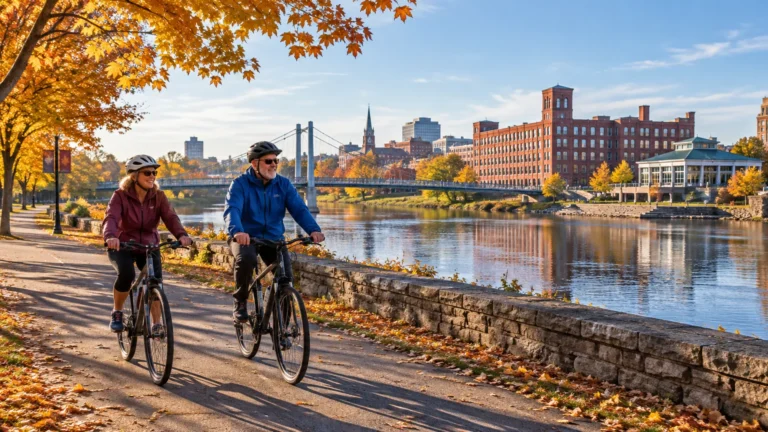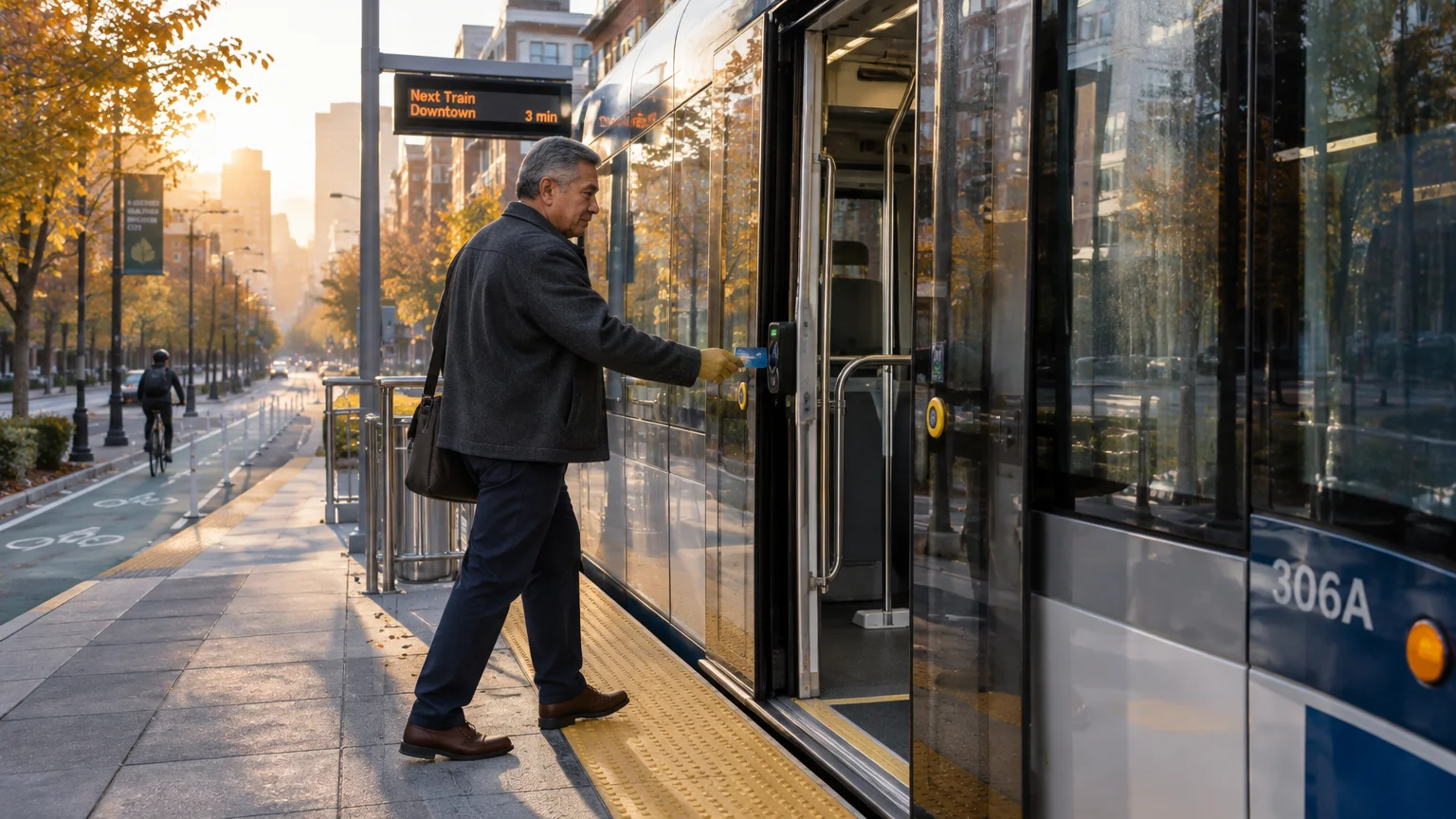
Giving up your personal vehicle can instantly revitalize your retirement finances and simplify your daily routine. Relocating to a pedestrian-friendly community frees you from traffic stress, volatile repair bills, and steep auto insurance rates.
Modern transit innovations and federal fare caps make car-free living remarkably accessible for older adults today. By choosing an urban hub with interconnected sidewalks and rail lines, you safeguard your mobility for decades to come.
Explore the ten highest-rated American cities where retirees navigate daily life without touching a steering wheel.
The Financial Freedom of Retiring Without a Car
Owning an automobile consumes an astonishing portion of your retirement nest egg. The annual cost of vehicle ownership continues to climb, placing immense pressure on fixed household budgets.
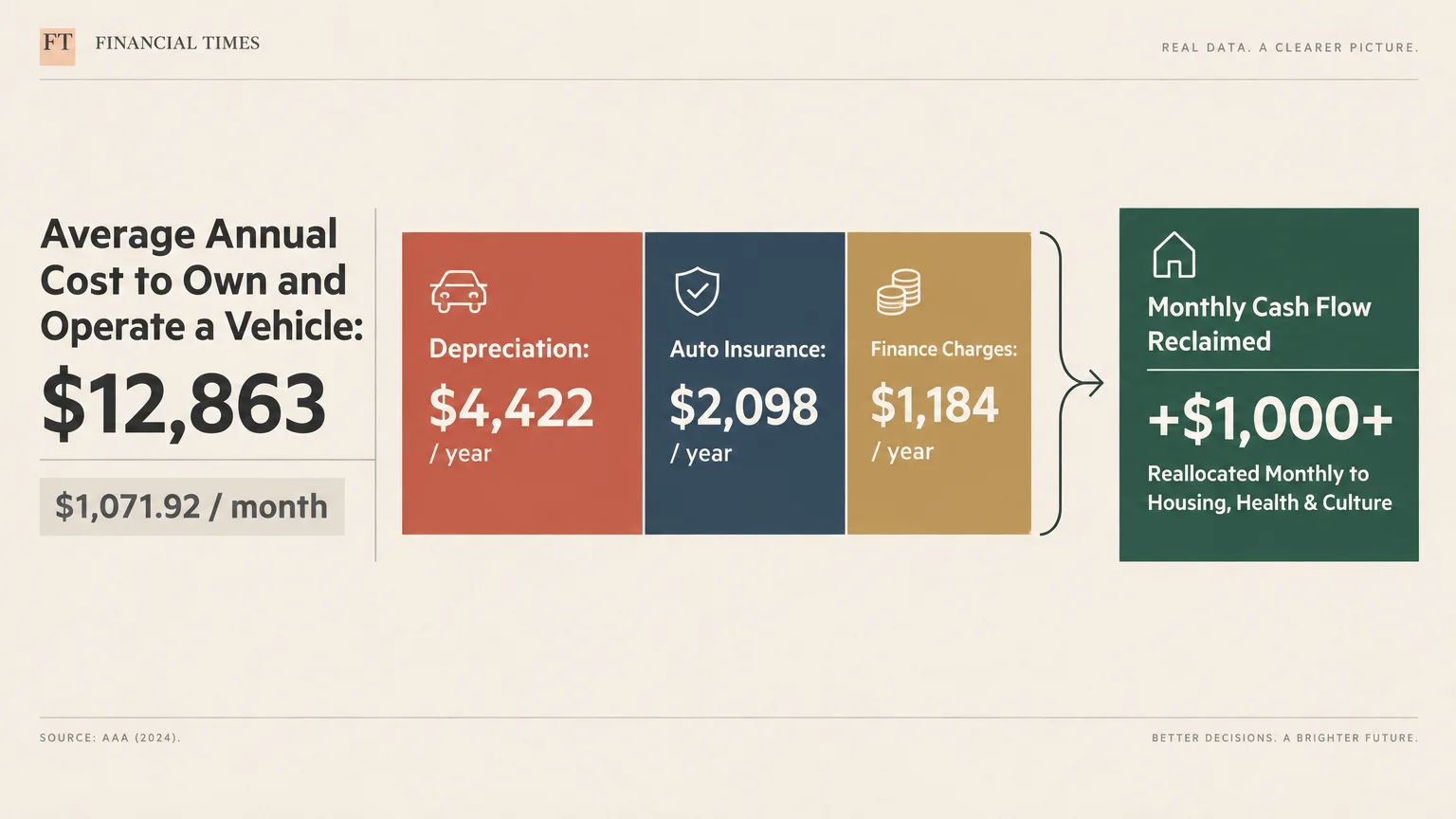
According to AAA research, the average cost to own and operate a new vehicle reaches $12,863 per year. That equals an ongoing commitment of $1,071.92 every month.
Depreciation alone accounts for $4,422 each year; full-coverage auto insurance drains another $2,098 annually. Finance charges quietly siphon off an additional $1,184 per year from the typical car owner.
When you shed those recurring vehicular bills, you inject more than $1,000 in monthly disposable income back into your household cash flow. You can redirect those substantial savings toward housing, cultural activities, and high-quality healthcare.
Urban real estate often carries a higher price tag per square foot than sprawling suburban subdivisions. However, eliminating vehicle costs offsets that housing differential, making centrally located apartments surprisingly affordable.
Shedding a car also buffers you against unexpected financial shocks. Expensive transmission breakdowns, tire replacements, and surprise registration hikes vanish from your retirement ledger forever.
Federal Rights and Transit Fare Relief for Seniors
Federal law provides strong safeguards to keep public transit affordable throughout your golden years. You possess clear legal rights that keep transit costs low across the nation.
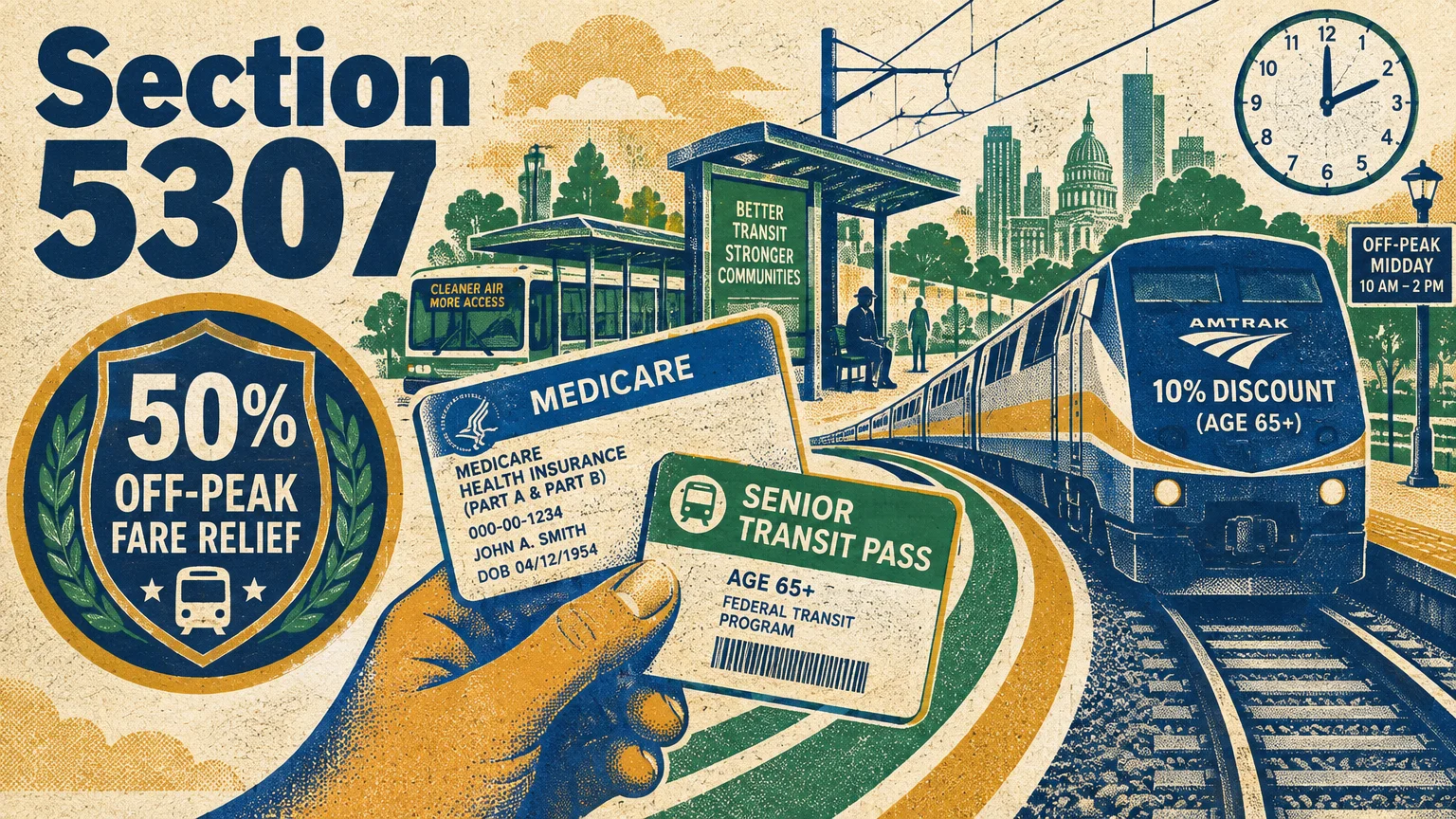
Under Section 5307 of the Federal Transit Act, every federally funded transit agency must provide reduced fares. The Federal Transit Administration enforces this rule across all participating fixed-route systems.
These transit agencies may charge you no more than 50% of the peak fare during off-peak hours. This half-fare protection applies automatically to passengers aged 65 and older, as well as riders with disabilities.
You can access this mandated discount even if you have not reached age 65 yet. Presenting your valid card from Medicare entitles you to identical off-peak discounts on all federally assisted fixed-route transit networks.
Intercity passenger rail travel also provides generous discounts for older explorers. Travelers aged 65 and older receive a 10% discount on most Amtrak coach fares across the nationwide rail network.
Leveraging these statutory transit discounts shields your fixed income from rising transportation expenses. You can travel across your metropolitan area and visit regional destinations without denting your retirement reserves.
Three Pillars of a Resilient Car-Free Retirement
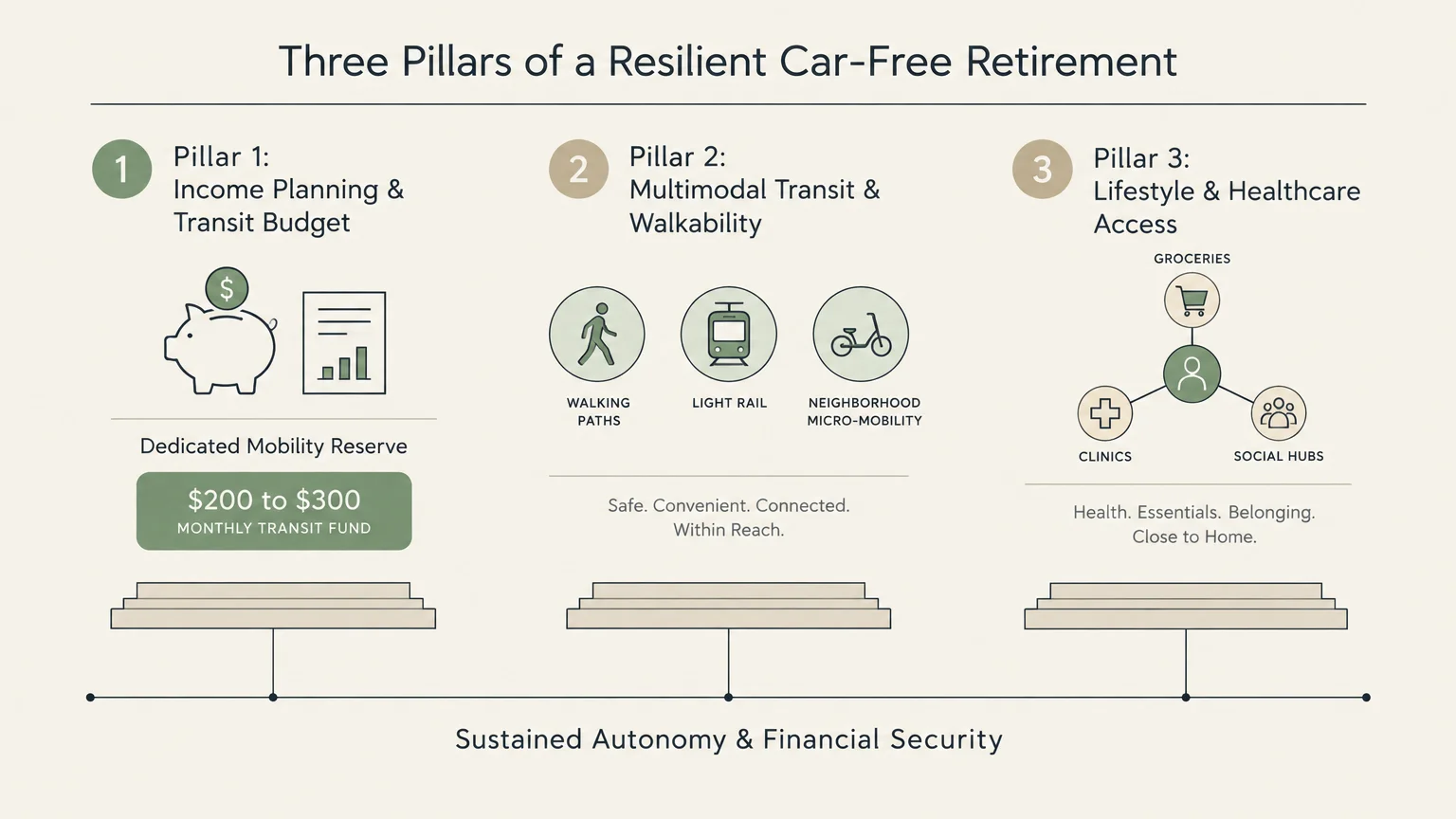
Achieving total independence without a vehicle requires deliberate planning across several lifestyle domains. Mastering three core strategy pillars guarantees comfort, autonomy, and ongoing financial resilience.
Pillar 1: Income Planning and Transit Budgeting
Begin by constructing a dedicated mobility reserve within your overall monthly budget. Reallocate roughly $200 to $300 of your former automobile budget toward multimodal transit solutions.
This fund covers monthly transit passes, shared mobility rides, grocery delivery services, and regional rail excursions. You will spend far less on occasional taxi rides than you ever spent on car ownership.
Maintain this mobility allocation inside a liquid high-yield savings account. Protecting your liquidity ensures seamless access to specialty transport whenever weather conditions or physical limitations require private service.
Financial planners recommend pairing transit savings with automated benefit deposits from the Social Security Administration. Aligning consistent benefits with reduced fixed overhead stabilizes your monthly retirement spending.
Pillar 2: Lifestyle Design and Neighborhood Density
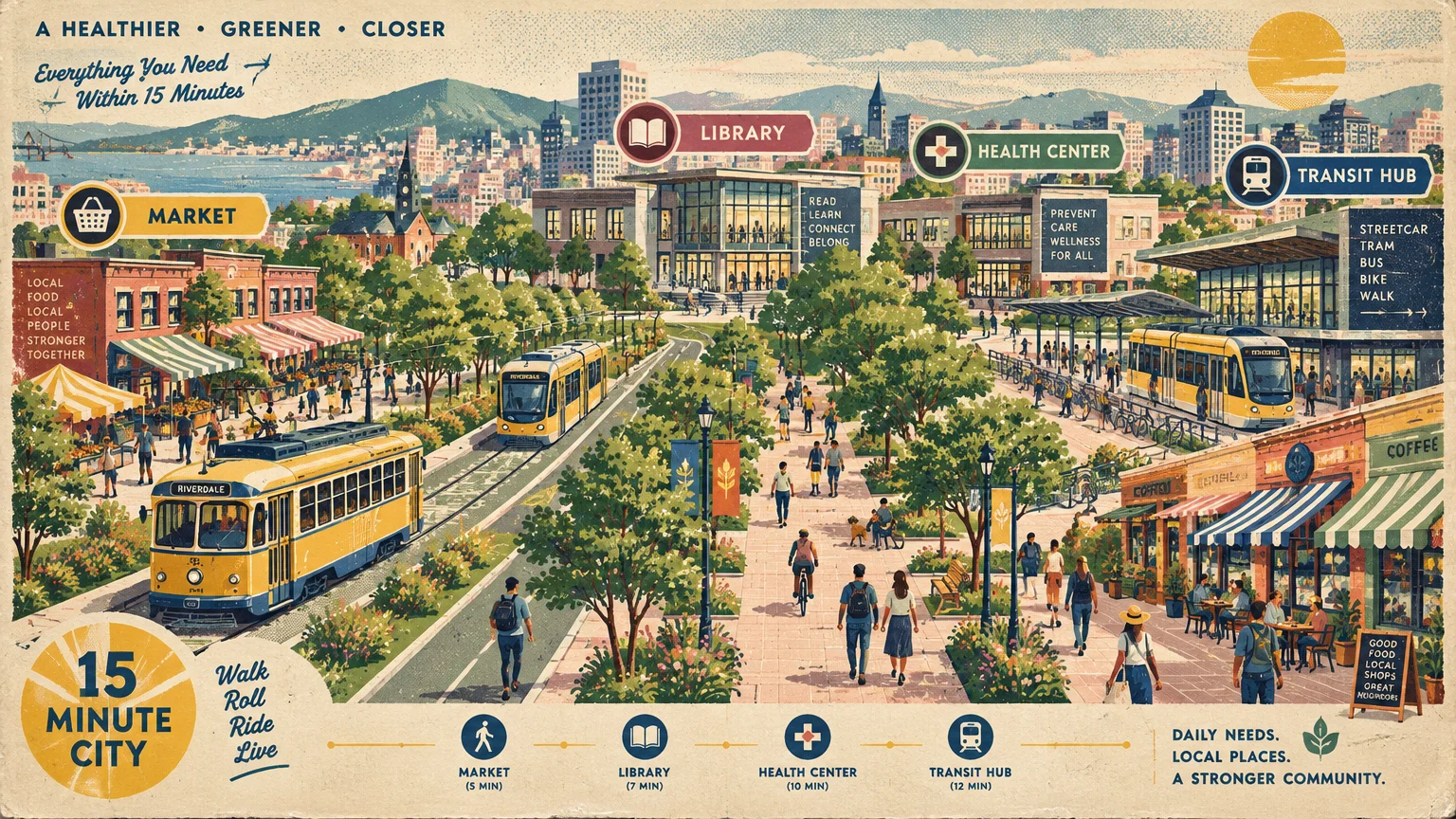
Design your new lifestyle around the urban concept of the 15-minute neighborhood. Select a residence where grocery markets, pharmacies, banks, and libraries sit within a leisurely quarter-mile stroll.
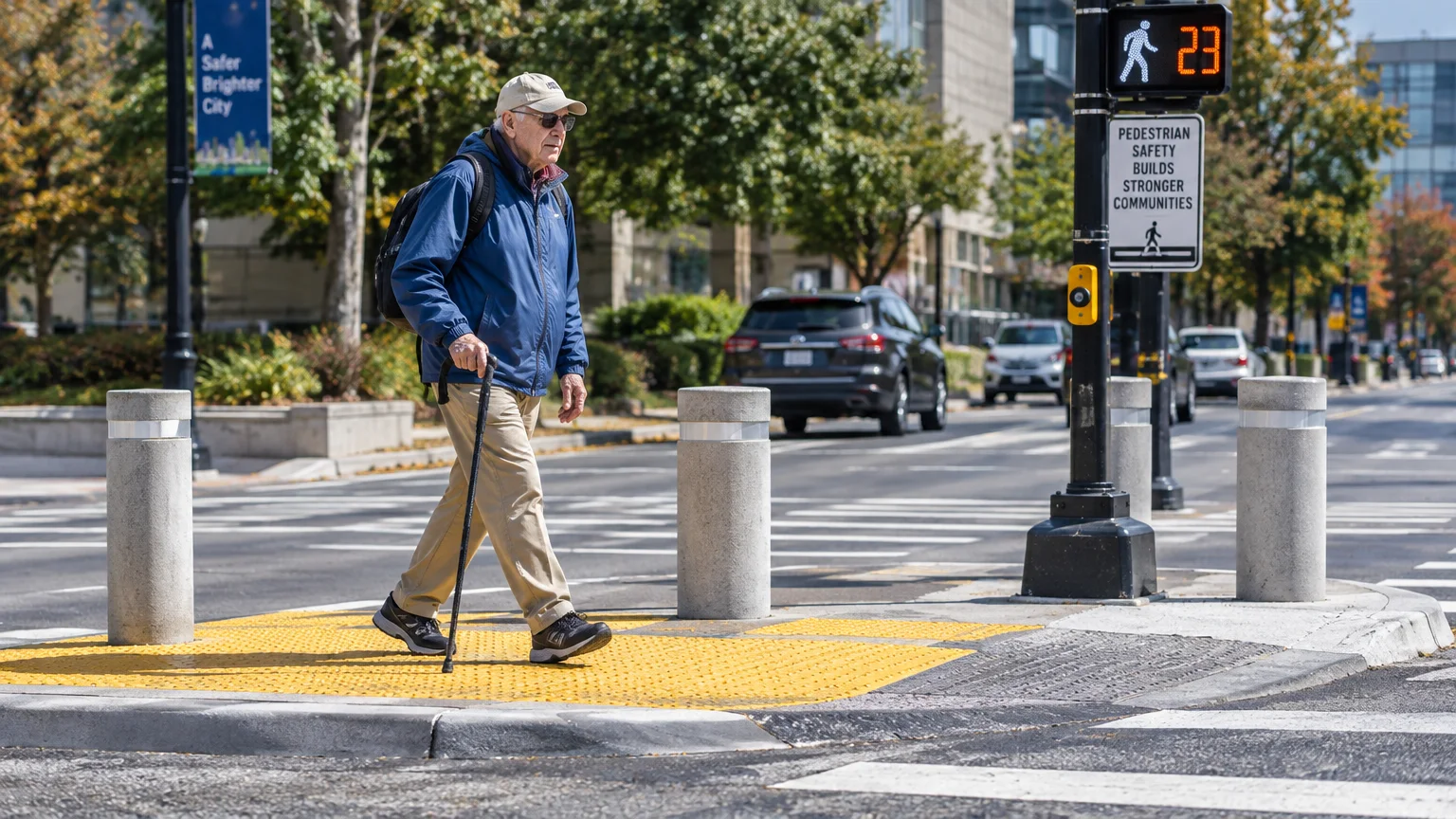
Examine neighborhood micro-infrastructure before choosing a new apartment or condominium. Seek continuous sidewalks with curb cuts, well-timed pedestrian countdown signals, and ample street seating.
Neighborhood density delivers rich social dividends alongside basic retail convenience. Daily strolls through energetic corridors encourage spontaneous conversations with neighbors and shopkeepers, preventing the social isolation that plagues car-dependent suburbs.
Prioritize communities that maintain community centers, public parks, and cultural centers near transit stops. Easy proximity to community programs keeps your social calendar full without complex travel arrangements.
Pillar 3: Health, Wellness, and Accessible Medical Care
Pedestrian-oriented living serves as a powerful form of preventive medicine. Integrating daily walking into your regular errands naturally boosts cardiovascular health and maintains bone density.
Gerontologists emphasize that daily functional exercise proves far more sustainable than structured gym workouts. Walking to the bakery or library keeps your leg muscles strong and improves balance without conscious effort.
Locate your residence along transit routes that travel directly toward premier academic medical centers. Direct transit access eliminates the stress of driving through dense traffic while managing serious health concerns.
You also avoid the steep parking fees and confusing parking garages typical of major urban hospital complexes. Accessible transit lets you arrive at appointments calm, centered, and fully on time.
Expert Perspectives on Car-Free Aging
Retirement planners and health specialists increasingly advise older adults to plan their transportation transitions early. Waiting for a medical crisis to force a driving cessation often produces anxiety and distress.
Dr. Elena Vance, a clinical gerontologist in Philadelphia, emphasizes the psychological power of proactive transit choices. She notes that seniors who voluntarily surrender their car keys report higher life satisfaction than those forced to stop driving.
Proactive retirees view public transportation as a gateway to autonomy rather than a limitation. They master local train networks, embrace walking routines, and build vibrant connections across their neighborhoods.
Certified financial planners echo this positive assessment from a wealth-preservation angle. Eliminating vehicle insurance, fuel, and depreciation preserves capital that can generate steady investment yields for decades.
Longtime car-free retirees frequently share how pedestrian living enriches their daily outlook. Walking through neighborhoods fosters personal observations and unexpected community friendships that driving isolates you from entirely.
The 10 Best Cities for Non-Driving Retirees
The following metropolitan areas and communities lead the nation in pedestrian access, transit affordability, and senior services. These rankings incorporate verified livability data, pedestrian scores, and targeted senior transit policies.
1. San Francisco, California
San Francisco captures top honors on the AARP Livability Index among very large metropolitan centers. The city also boasts an outstanding Walk Score of 88.7, reflecting dense neighborhoods and compact street grids.
The city’s Free Muni for Seniors program extends through 2028, delivering exceptional transit value. Qualifying residents aged 65 and older with household incomes at or below 100% of the Bay Area Median Income ride completely free.
This program covers Muni buses, light rail vehicles, and historic streetcars across every corner of the city. Older adults can explore neighborhoods from the Sunset District to North Beach without spending a dime.
Flat transit corridors like the Marina, Mission, and Richmond districts provide level walking terrain alongside world-class produce markets. Extensive transit connections place top-ranked UCSF medical facilities within simple reach.
2. New York, New York
New York achieves an exceptional Walk Score of 88.0, offering the most extensive transit network in North America. Subway lines and local bus routes run 24 hours a day throughout all five boroughs.
Following the retirement of the MetroCard at the end of 2025, seniors now use the modern Reduced-Fare OMNY system. Qualified seniors tap their contactless cards or mobile wallets to access half-price fares instantly.
The base fare sits at $3.00, meaning seniors pay just $1.50 per ride on subways and local buses. The program features a rolling 7-day fare cap of $17.50, after which all weekly rides are free.
Living without a car in New York requires zero compromise regarding daily conveniences. Bodegas, specialty grocers, pharmacies, and world-class cultural institutions line nearly every residential block.
3. Philadelphia, Pennsylvania
Philadelphia offers an irresistible combination of historic walkability, compact neighborhood design, and unrivaled senior transit benefits. Center City features flat, grid-based streets with wide sidewalks and vibrant street-level retail.
Funded by the Pennsylvania Lottery, the state’s Senior Citizen Free Transit Program offers unmatched financial relief. Commonwealth residents aged 65 or older ride fixed-route buses, trolleys, and subways 100% free at all times.
In Philadelphia, SEPTA extends this benefit to include free travel on all Regional Rail lines within Pennsylvania borders. You can visit charming suburbs, historic towns, and medical clinics without paying rail fares.
The state also funds the Senior Shared Ride Program, providing curb-to-curb van service at an 85% discount. This service ensures reliable transit for medical appointments whenever standard rail lines feel daunting.
4. Chicago, Illinois
Chicago provides phenomenal public transit access across its storied lakefront neighborhoods, earning an impressive Walk Score of 77.2. The city’s iconic grid system makes walking intuitive and direct.
The Northern Illinois Transit Authority oversees the region’s expansive network of buses, commuter trains, and elevated rail lines. The agency manages streamlined senior transit passes across the entire metropolitan area.
Seniors aged 65 and older who qualify under state income limits ride CTA, Metra, and Pace routes completely free. All other seniors pay half-price fares, spending just $1.25 on ‘L’ trains and $1.10 on CTA buses.
Lakefront communities like Lincoln Park, Lakeview, and Edgewater place grocery stores and cultural institutions right outside your door. Dedicated lakefront walking trails encourage consistent daily exercise alongside scenic skyline vistas.
5. Boston, Massachusetts
Boston stands among the nation’s most pedestrian-friendly environments, earning an enviable Walk Score of 82.8. Its compact historical layout clusters housing, shopping, and public spaces into walkable urban villages.
The Massachusetts Bay Transportation Authority operates an expansive network of subway lines, urban buses, and commuter ferries. MBTA Senior CharlieCards grant riders aged 65 and older half-price fares across all services.
Neighborhoods like Back Bay, Beacon Hill, and the South End provide level, scenic walking routes near cultural landmarks. You can complete your weekly shopping, browse independent bookstores, and meet friends without driving.
Boston’s Longwood Medical Area hosts several of the world’s finest medical research hospitals. Direct light rail and bus routes connect residential neighborhoods straight to these world-renowned healthcare providers.
6. Washington, D.C.
Washington, D.C. delivers exceptional mobility options for non-driving seniors, reflected in its high Walk Score of 77.0. Broad sidewalks, extensive street tree canopies, and flat topography create inviting pedestrian routes.
The Washington Metropolitan Area Transit Authority operates Metrorail, renowned for cleanliness, wide platforms, and full elevator accessibility. The Senior SmarTrip card provides riders aged 65 and older with half-price fares on rail and buses.
Retirees enjoy unmatched cultural access along the National Mall, where world-class Smithsonian museums offer free admission. Paved walking loops around monuments and public gardens make daily fitness both stimulating and scenic.
Transit-rich neighborhoods like Dupont Circle, Penn Quarter, and Capitol Hill host abundant grocery markets and neighborhood clinics. Metrobus routes crisscross residential avenues, providing reliable door-to-door connections across the capital.
7. Arlington County, Virginia
Arlington County claims the #1 ranking for large communities on the AARP Livability Index. This innovative Northern Virginia suburb pioneered transit-oriented urban planning over four decades ago.
The Rosslyn-Ballston corridor functions as a continuous pedestrian boulevard built directly above the underground Metrorail system. You can walk between apartments, supermarkets, medical practices, and department stores under covered paths.
The county’s localized ART bus network complements Metrorail, offering discounted fares and specialized neighborhood circulation for older residents. Paved, multi-use paths like the Custis Trail accommodate walking and mobility scooters safely.
Arlington blends the energy of an urban center with the clean landscaping and safety of an established suburb. Non-driving retirees enjoy complete autonomy while remaining minutes from downtown Washington, D.C.
8. Jersey City, New Jersey
Jersey City boasts a Walk Score of 86.6, placing it among the most walkable communities in the United States. Its vibrant downtown corridors feature dense residential housing situated directly beside daily necessities.
The Hudson-Bergen Light Rail system runs along the waterfront, linking residential towers to shopping districts and medical offices. Seniors aged 62 and older receive half-price fares across New Jersey Transit buses and light rail lines.
The PATH train network provides rapid rail transit into lower and midtown Manhattan within minutes. You can access world-class arts, theater, and dining without incurring vehicular tolls or parking costs.
Strolling along the Hudson River Waterfront Walkway offers flat, paved walking routes with sweeping views of the Manhattan skyline. Neighborhood markets, bakeries, and senior centers dot the compact streets of the historic downtown core.
9. Portland, Maine
Portland holds the #3 ranking among mid-size communities on the AARP Livability Index, delivering coastal charm within a compact footprint. The historic downtown peninsula offers extraordinary walkability along brick-lined sidewalks.
Greater Portland METRO delivers accessible bus service throughout the peninsula and into neighboring commercial centers. Riders aged 65 and older qualify for reduced-fare passes that cut travel expenses in half.
The city’s historic Old Port and Arts District cluster seafood markets, pharmacies, independent retail, and local theaters together. Paved walking loops around Back Cove provide flat, picturesque paths for regular outdoor exercise.
Portland offers direct passenger rail connections via Amtrak Downeaster service, linking retirees to Boston in roughly two hours. You enjoy small-city warmth alongside convenient regional rail access.
10. Cambridge, Massachusetts
Cambridge consistently ranks among the nation’s premier large communities for livability and pedestrian safety on the AARP Livability Index. This historic academic center prioritizes pedestrian infrastructure, traffic calming, and dedicated transit corridors.
Red Line subway stations connect Harvard Square, Central Square, and Kendall Square directly to downtown Boston. MBTA senior discounts apply seamlessly across all local subway lines and surface bus connections.
Living in Cambridge surrounds you with rich intellectual and cultural stimulation. World-renowned universities host free public lectures, concerts, and museum exhibits that lie within walking distance of residential streets.
Dense neighborhood squares provide supermarkets, international grocers, and specialized medical clinics. You can complete all your personal errands along vibrant streets without touching an automobile ignition.
Safeguards, Pitfalls, and Risks to Manage
Transitioning to a vehicle-free retirement delivers incredible benefits, but it also introduces unique challenges you must manage proactively. Understanding potential risks prevents unexpected disruption to your daily routine.
Winter Weather and Pedestrian Safety
Northern cities offer superb transit infrastructure, but winter conditions can create serious slip-and-fall hazards. Ice, uncleared snowbanks, and slushy curb cuts make pedestrian navigation dangerous for older adults.
Invest in premium footwear equipped with advanced slip-resistant rubber soles before winter arrives. Keep lightweight traction cleats handy for days when freezing rain coats local neighborhood sidewalks.
Establish relationships with reliable grocery delivery apps for days when winter storms make outdoor walking hazardous. Staying indoors during severe icy spells protects your bone health and prevents catastrophic hip fractures.
Identify enclosed walking alternatives for exercising during prolonged cold snaps. Regional transit centers, covered shopping galleries, and community indoor tracks provide safe, climate-controlled environments for daily movement.
Transit Benefit Cliffs and Income Thresholds
Several premium senior transit programs enforce strict household income limits that you must monitor closely. Crossing these income thresholds can abruptly eliminate your free transit status.
For example, San Francisco’s Free Muni program requires household incomes at or below 100% of the Area Median Income. Taking substantial taxable withdrawals from traditional retirement accounts could push you above these program limits.
Work with your tax advisor to coordinate distributions from retirement accounts without unintentionally triggering benefit cliffs. Utilizing Roth IRA distributions or taxable savings withdrawals helps preserve your eligibility for local assistance programs.
Always review local program guidelines annually to confirm current income caps. Municipal agencies adjust these limits periodically based on prevailing economic indicators and regional inflation data.
Digital Ticketing Hurdles and Scam Awareness
Public transit agencies across the country continue phasing out cash boxes and paper tickets in favor of digital fare cards. Transitioning to smartphone apps and smart cards can feel confusing if you prefer physical media.
Protect yourself by registering your transit smart card directly through the agency’s official website or customer service desk. Card registration safeguards your stored balance if your physical pass gets lost or stolen.
Beware of fraudulent third-party ticket websites and misleading mobile apps that charge inflated prices for senior transit passes. Only download official transit software directly from municipal links or verified app marketplaces.
Never share your credit card information or transit login credentials with unverified callers offering transit discounts. Municipal transit agencies never telephone seniors demanding personal payment details to maintain fare discounts.
Frequently Asked Questions
How do I manage large grocery runs without a trunk?
Experienced non-driving seniors adopt a frequent, low-volume shopping habit rather than conducting massive weekly grocery runs. Walking to the market every two or three days keeps your groceries fresh and your shopping bags lightweight.
Invest in an ergonomic, four-wheel rolling utility cart designed to climb curbs smoothly. For bulky items like paper towels and canned goods, schedule monthly home deliveries directly to your doorstep.
What happens if my physical mobility declines in the future?
Federal regulations require transit agencies to provide complementary paratransit services for riders unable to access fixed routes. These origin-to-destination van services pick you up at your entrance and assist you safely aboard.
Additionally, modern urban centers offer abundant on-demand accessible rideshare services and medical transport options. Choosing an elevator-equipped building near major transit lines ensures seamless accessibility as your mobility needs change.
Are urban public transit systems safe for older adults?
Statistical data consistently demonstrates that riding public transit is dramatically safer than driving a personal automobile. Transit agencies employ dedicated police officers, extensive security camera networks, and station attendants to safeguard riders.
You can enhance your safety by traveling during daytime and peak daylight hours whenever possible. Sit near the train conductor or bus driver, and remain alert to your surroundings while traveling through busy terminals.
How should I test a city before making a permanent move?
Never relocate to a car-free city without conducting an immersive, multi-week trial stay in your target neighborhood. Rent a local apartment for two weeks during the winter season to experience realistic everyday conditions.
Leave your car behind and rely exclusively on local buses, trains, and walking during your trial period. Complete standard errands like grocery shopping, pharmacy visits, and doctor appointments to confirm the community fits your daily needs.
Your 48-Hour Mobility Action Plan
Building a car-free retirement begins with small, decisive steps that build confidence and clarify your options. You do not need to sell your car tomorrow to start testing the freedom of pedestrian living.
Within the next 48 hours, choose one routine errand you normally drive to and complete it on foot or via public transit. Visit your local pharmacy, market, or library using your neighborhood sidewalks or community bus line.
Next, visit your municipal transit website and download the senior fare application to secure your half-price transit pass. Verifying your eligibility locks in significant transportation savings before you take your next regional trip.
Audit your monthly vehicle expenses to determine the true dollar amount you spend maintaining your car. Total your monthly payments, insurance premiums, gasoline costs, and maintenance bills to see your potential savings.
Stepping away from car dependency empowers you to preserve wealth, improve health, and engage deeply with dynamic communities. Embrace the freedom of pedestrian retirement and discover the vitality waiting just outside your front door.