Finding the ideal retirement destination gives you complete control over your independence, financial security, and social life. Choosing a supportive community ensures that your next chapter remains vibrant, healthy, and deeply engaging.
Today, roughly 28 percent of older Americans live alone, and women represent the vast majority of this solo aging population. Your priorities naturally center on physical safety, walkable amenities, access to premier healthcare, and genuine neighborhood connection.
Discover the top towns that offer lower costs, exceptional medical facilities, and active communities tailored for independent women.
The Modern Solo Aging Landscape
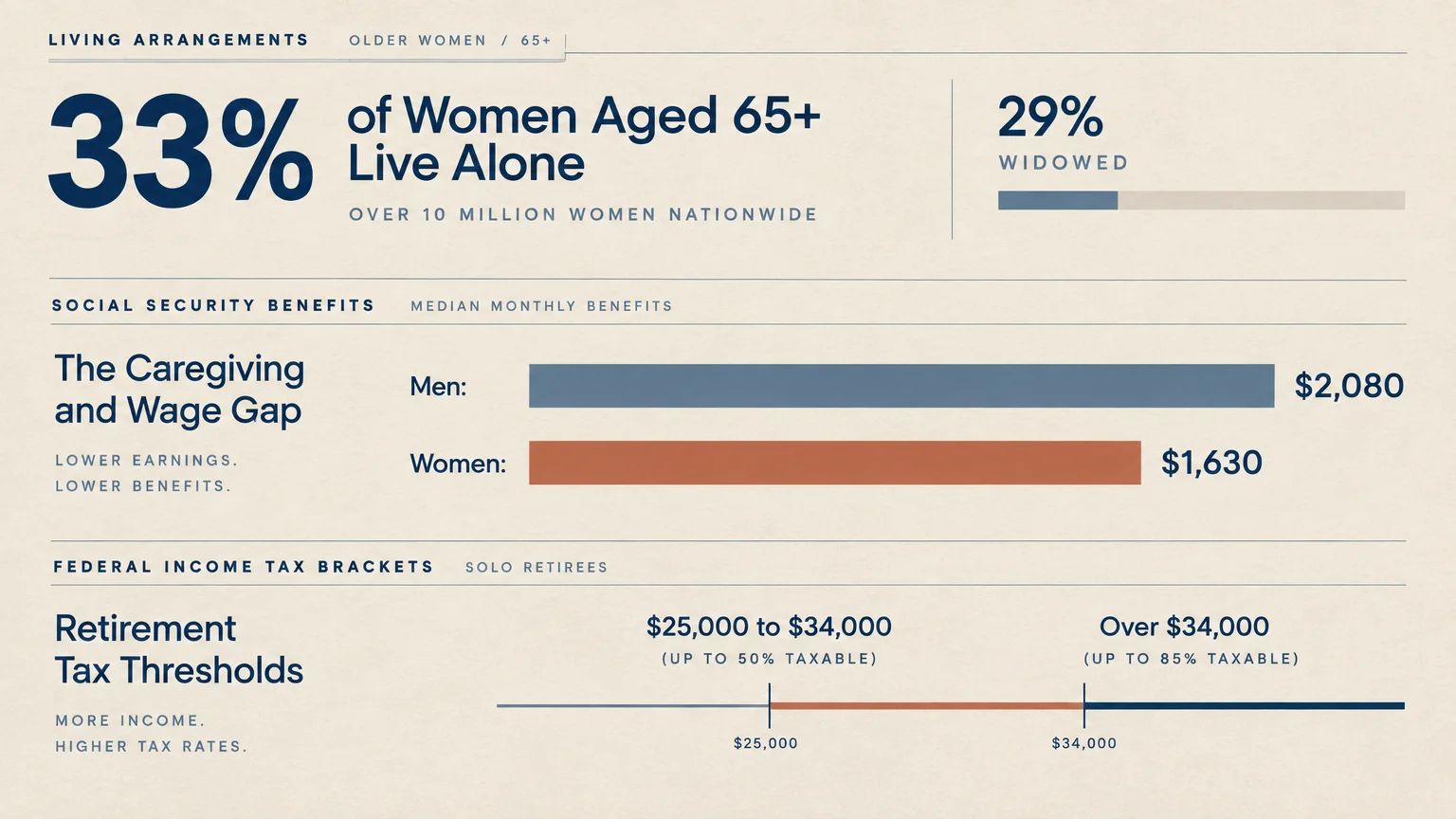
According to recent demographic surveys from the U.S. Census Bureau, approximately 33 percent of women aged 65 and older live alone. This group encompasses more than ten million women nationwide navigating their retirement years on their own terms.
In addition, 29 percent of older women are widowed—more than three times the number of widowers. These figures highlight why establishing an intentional, local support system remains a crucial lifestyle goal.
Data from the Social Security Administration shows that the median monthly benefit for female retirees is approximately $1,630, compared to over $2,080 for men. Career interruptions for family caregiving and historical wage disparities drive this noticeable divide.
The Internal Revenue Service taxes up to 50 percent of Social Security benefits for single earners with combined income between $25,000 and $34,000. Beyond $34,000, up to 85 percent becomes taxable because lawmakers have not adjusted these static thresholds since 1984.
Fortunately, state lawmakers are actively easing this tax friction for older residents. Missouri, Kansas, Nebraska, and West Virginia recently enacted legislation that completely eliminates state taxes on Social Security distributions.
Top Destinations for Single Retired Women
Selecting the right hometown requires balancing fiscal sustainability, everyday safety, and effortless social accessibility. Four distinct communities stand out for providing solo women with the infrastructure necessary to thrive.
Media, Pennsylvania: Walkable Charm and Tax Protection
Media sits just outside Philadelphia and proudly calls itself Everybody’s Hometown. The borough features a walkable downtown along State Street, filled with independent shops, casual cafes, and vibrant local theaters.
You can complete daily errands entirely on foot or catch the SEPTA trolley and regional rail directly into Center City. This reliable transit connectivity gives you seamless access to Philadelphia arts, cultural events, and university medical hubs.
Pennsylvania completely exempts Social Security benefits, pensions, 401(k) distributions, and IRAs from state income tax for residents 60 and older. Proximity to Main Line Health and Penn Medicine further solidifies its appeal for solo women.
Dunedin, Florida: Coastal Culture Without Big-City Hazards
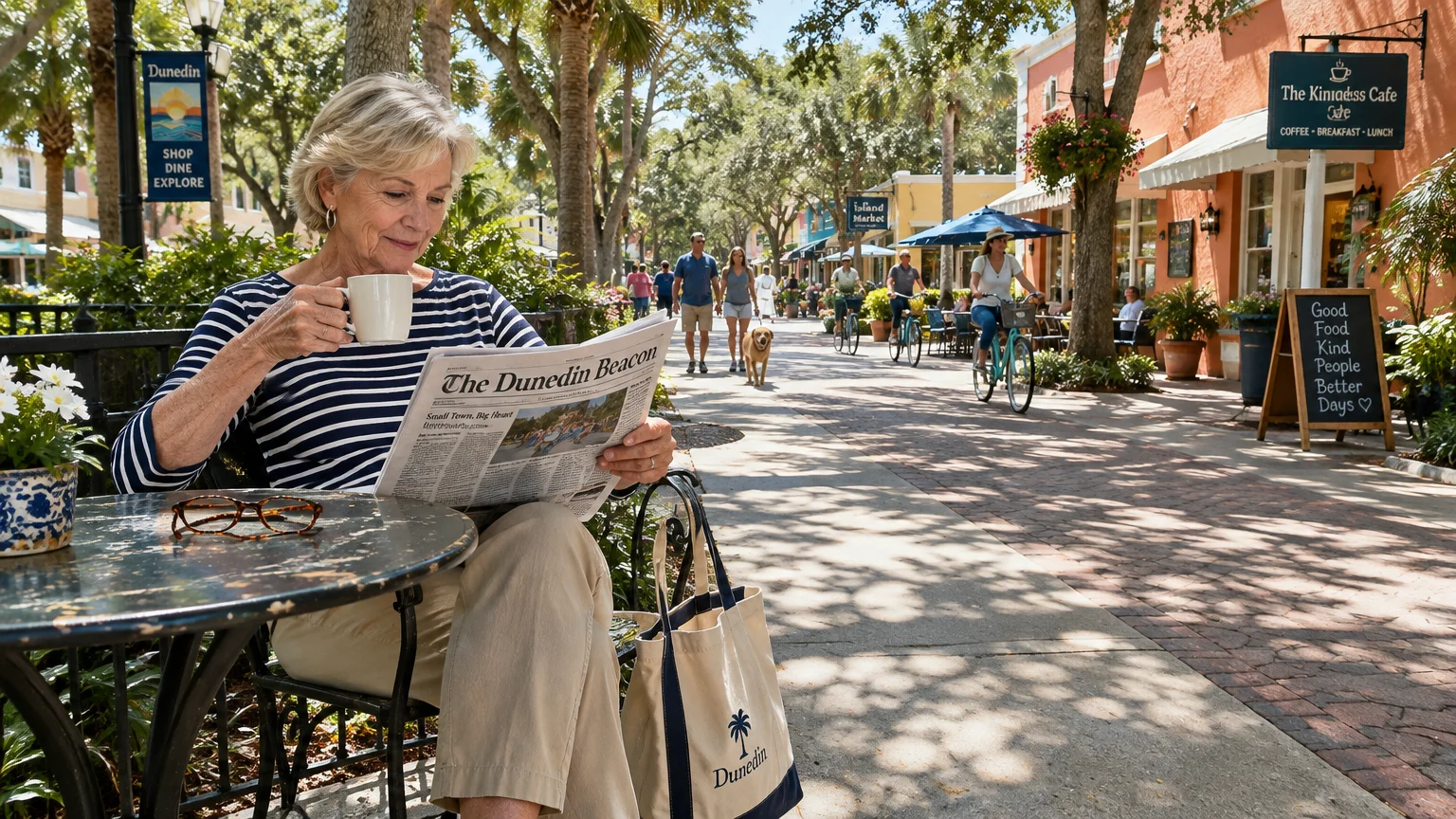
Dunedin offers a vibrant Gulf Coast lifestyle just north of Clearwater. Unlike sprawling Florida metropolises, Dunedin maintains a walkable, golf-cart-friendly downtown adjacent to a historic municipal marina.
The Fred Marquis Pinellas Trail cuts directly through the town center, giving you safe, paved pathways for walking and cycling. You will find friendly neighbors, community arts centers, and regular outdoor farmers markets throughout the year.
Florida imposes zero state income tax, inheritance tax, or taxes on retirement disbursements. With Mease Dunedin Hospital nearby and remarkably low violent crime rates, the town ensures both physical and financial security.
Cary, North Carolina: Exceptional Safety and World-Class Medicine
Cary sits in North Carolina’s Research Triangle and regularly ranks among the safest mid-sized municipalities nationwide. Its violent crime rate remains under one incident per one thousand residents, offering unmatched peace of mind.
Extensive paved greenways connect quiet neighborhoods to landscaped parks, senior centers, and community fitness hubs. These public spaces host walking groups and creative workshops that make establishing a supportive social circle easy.
Proximity to Duke Health and UNC Health guarantees immediate access to world-class geriatric specialists. While North Carolina taxes retirement income, its moderate cost of living and superb infrastructure provide tremendous long-term value.
Green Valley, Arizona: Built-In Community and Desert Sun
Green Valley lies twenty-five miles south of Tucson in the scenic Santa Cruz Valley. This unincorporated master-planned community consists of dozens of age-restricted neighborhoods designed specifically for active older adults.
A single membership to Green Valley Recreation grants you complete access to 14 recreation centers. You can swim in heated pools, attend craft studios, or join daily fitness classes alongside active peers.
The local cost of living remains significantly lower than in Phoenix or Scottsdale. Abundant hobby clubs and volunteer networks ensure you will never struggle to find companionship or meaningful community engagement.
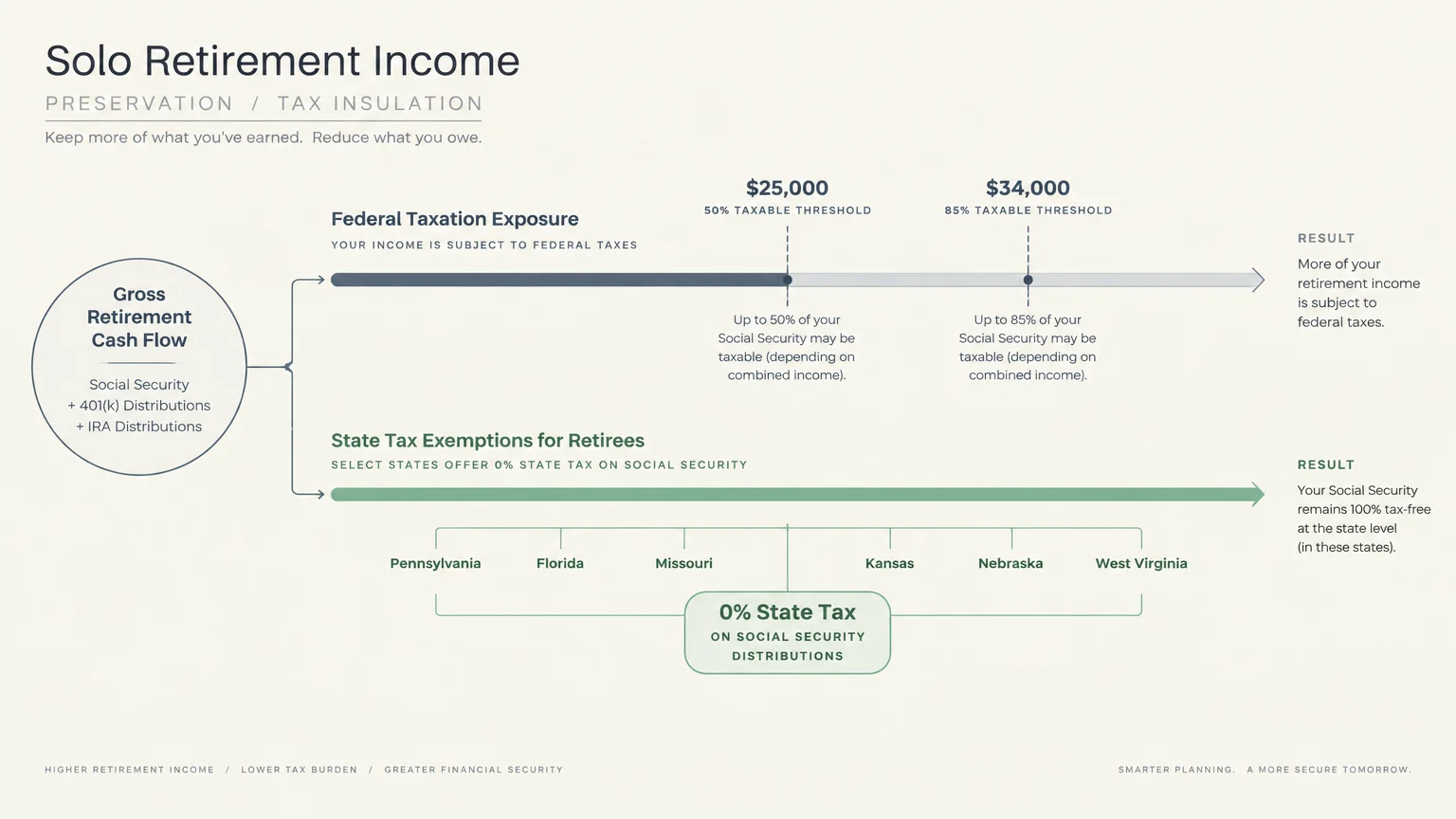
Strategy Pillar 1: Income Planning and Solo Tax Strategies
Managing a nest egg without a spouse requires disciplined forecasting and proactive tax management. You shoulder housing and household maintenance alone, meaning budget surprises can directly impact your principal balance.
Consult a fee-only fiduciary financial advisor to model sustainable withdrawal strategies across taxable, tax-deferred, and Roth accounts. Proper coordination prevents unexpected spikes in Medicare Part B and Part D income-related surcharges.
Delaying your Social Security claim until age 70 represents a proven strategy for independent women. Each year you wait past your full retirement age increases your guaranteed monthly benefit by eight percent.
Keep a dedicated emergency cash reserve covering 12 months of essential living expenses. Holding liquid cash in high-yield savings accounts prevents you from selling equities during volatile market pullbacks.
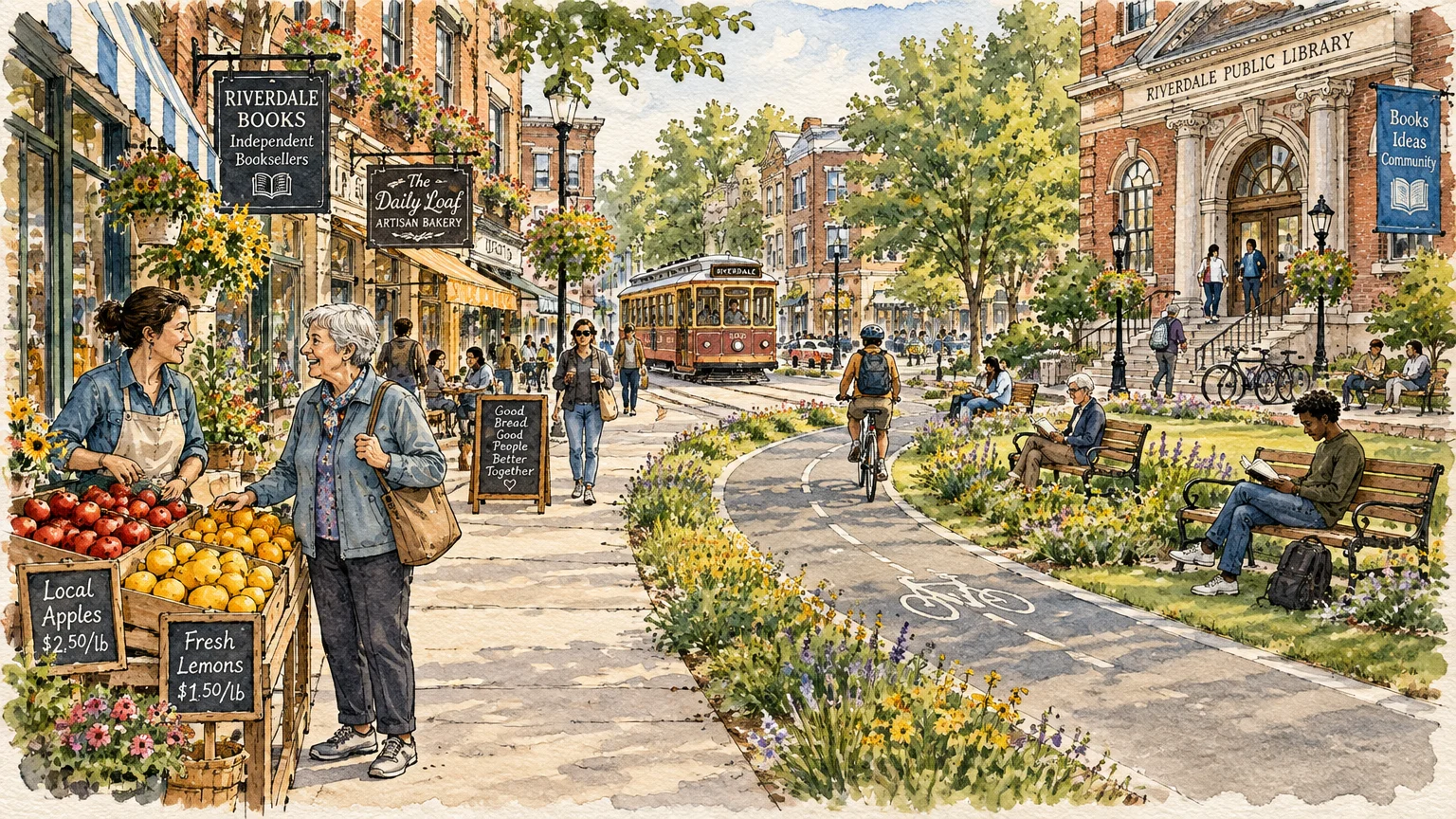
Strategy Pillar 2: Designing a Connected, Walkable Lifestyle
Chronic isolation harms senior health as severely as smoking fifteen cigarettes daily. When aging solo, choosing a built environment that encourages regular, spontaneous human contact is essential.
Prioritize neighborhoods with high walkability ratings and accessible public transportation options. Walking to local grocers, cafes, and libraries helps you build casual relationships with local merchants and neighbors.
Explore age-friendly pocket neighborhoods or cooperative housing communities that blend private residences with shared communal amenities. Shared gardens, dining halls, and courtyards provide organic opportunities to socialize without compromising personal privacy.
Look into local volunteer organizations and municipal paratransit programs before finalizing your move. Reliable community shuttles and rideshare programs ensure you stay socially active even if you eventually stop driving.

Strategy Pillar 3: Proactive Healthcare and Long-Term Wellness
Healthcare planning requires special attention when you do not have a partner at home. You must proactively establish care systems before acute medical needs develop.
Relocate within a short drive of a major regional teaching hospital or health system. Easy access to primary care physicians, outpatient imaging, and medical specialists streamlines ongoing health maintenance.
Compare Medicare Advantage and Medigap options during annual enrollment windows through Medicare.gov. Ensure your chosen plan covers trusted regional hospital networks and includes favorable prescription drug formularies.
Connect with certified geriatric care managers who can act as objective advocates during medical crises. These licensed professionals coordinate treatment plans, monitor hospital discharges, and ensure doctors respect your healthcare preferences.

Expert Voices on Solo Aging and Independence
Financial planners emphasize that solo female retirees must plan for unique longevity dynamics. Because women outlive men by roughly five years on average, your portfolio must sustain purchasing power for decades.
Certified Financial Planner Sarah Jenkins advises single clients to keep baseline housing and fixed living expenses below sixty percent of guaranteed income. This disciplined ratio buffers your finances against inflation and sudden repairs.
Gerontologist Dr. Marcus Vance highlights the therapeutic importance of chosen family. His research confirms that older women who maintain diverse, multi-generational friendships experience greater emotional resilience and lower cognitive decline rates.
Solo retiree Eleanor Vance suggests renting in your destination town for several months before committing to real estate. Renting gives you time to experience seasonal climate swings and evaluate neighborhood culture without financial risk.
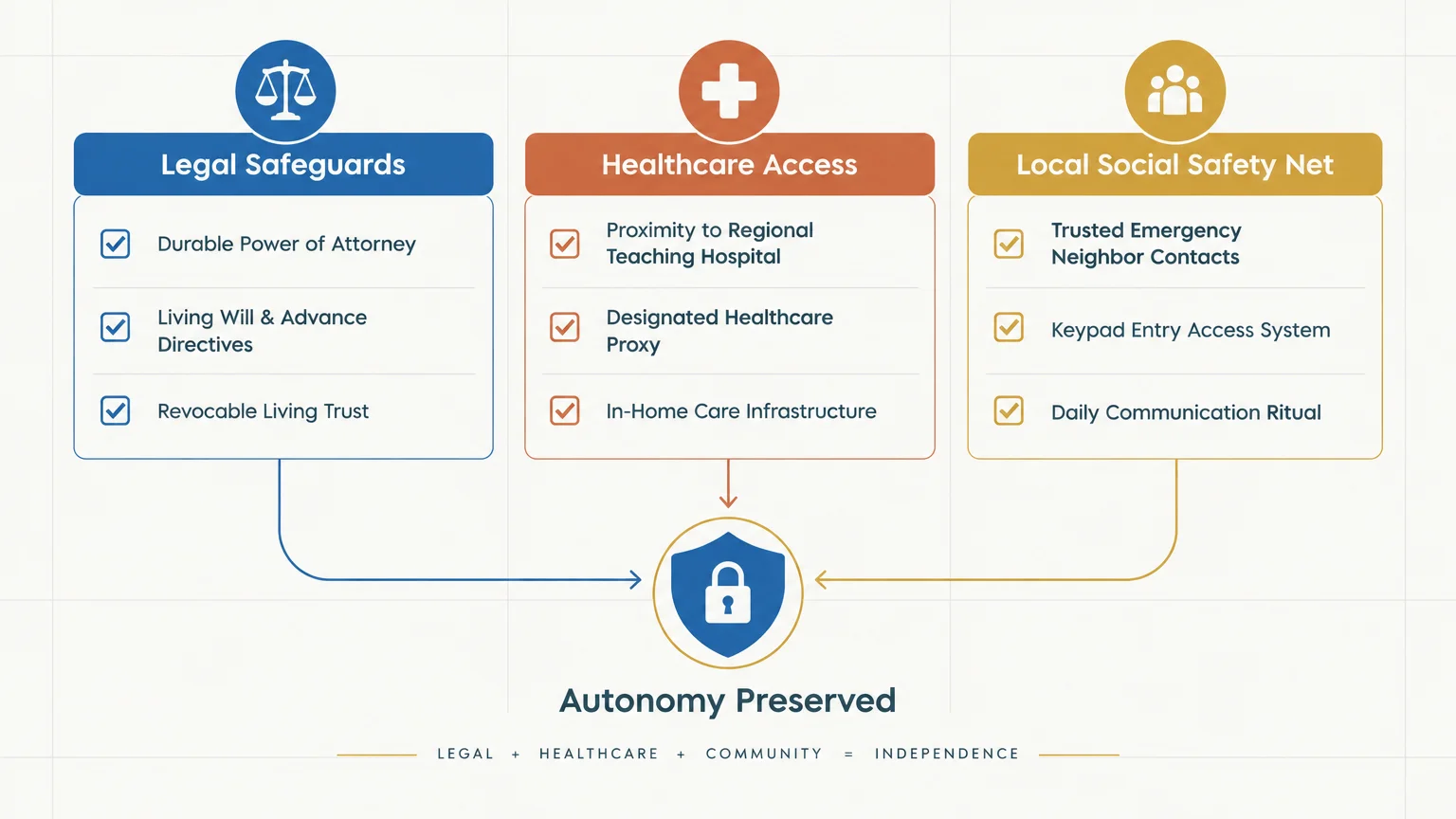
Risks and Safeguards: Protecting Your Freedom
Scammers aggressively target single older women through fake contractor operations, romance fraud, and impersonation schemes. Protect your assets by freezing your credit files across all three major credit bureaus immediately.
Establish automated transaction alerts on all bank accounts and credit cards for withdrawals over twenty-five dollars. You can also name a trusted contact on financial accounts to spot unusual transactions without granting withdrawal authority.
Prepare binding legal documents, including a durable financial power of attorney, healthcare proxy, and advance directive. Educational tools from organizations like AARP can guide you through these essential preparations.
Name a trusted professional fiduciary or institutional trust officer if you lack immediate family candidates. Clarifying these legal instructions protects your bodily autonomy and prevents court-ordered conservatorships during emergencies.
Frequently Asked Questions
How do I choose between a 55+ community and an age-integrated town?
Evaluate your personality, recreational interests, and daily lifestyle preferences. Age-restricted 55+ communities provide organized social clubs, resort-style amenities, and low-maintenance living alongside peers facing similar life stages.
In contrast, age-integrated towns offer multi-generational vitality, varied cultural establishments, and traditional neighborhoods. Renting a furnished apartment in each environment for a trial period offers the best clarity.
What is the safest way to assess a town’s walkability before moving?
Utilize independent tools like Walk Score to measure proximity to grocery stores, pharmacies, and libraries. However, never rely entirely on digital algorithms to evaluate your daily comfort.
Visit the neighborhood in person and walk your prospective daily routes at various hours. Check for continuous sidewalks, well-lit pedestrian crossings, audible crosswalk signals, and curb cutouts that support rolling carts or walkers.
How will moving to a state without income tax impact my Medicare costs?
State income tax rules do not directly alter federal Medicare Part B and Part D standard premiums. The federal government bases your Medicare premiums strictly on your modified adjusted gross income from federal tax returns.
However, zero-income-tax states like Florida help you preserve more gross cash flow. You can allocate those tax savings directly toward supplemental Medigap policies, prescription drug riders, and comprehensive dental plans.
What legal documents must a single woman prepare before relocating?
You must update your durable financial power of attorney, healthcare proxy, advance healthcare directive, and last will. Consult an estate planning attorney licensed in your new home state to ensure compliance with local statutes.
Many states maintain specific formatting rules and statutory requirements for living wills and medical surrogate designations. Refreshing these forms immediately after establishing legal residency protects your personal autonomy.
Your 48-Hour Action Plan
Transitioning to a new hometown requires small, intentional steps rather than overwhelming leaps. Take charge of your future today by completing one productive task over the next 48 hours.
Pull your most recent annual spending summary and calculate your core living expenses. Knowing your exact spending on housing, utilities, property taxes, transportation, and healthcare clarifies your geographic options.
Next, select two towns from this guide and research their current rental and purchase listings. Compare those housing prices against your monthly retirement income to pinpoint realistic destinations.
Contact a local senior center, public library, or recreation coordinator in your top prospective town. Requesting their monthly activity calendar provides an immediate glimpse into neighborhood life and social opportunities.
By taking deliberate action today, you transform retirement dreams into an empowering reality. You deserve a thriving, secure community that celebrates your independence and supports your lifelong happiness.