
Securing a vibrant, culturally rich retirement without exhausting your life savings represents one of the most achievable financial milestones in 2026. While the national median home sale price sits between $400,000 and $429,000, several historic Southern communities offer home prices up to 30 percent lower alongside significant tax breaks for seniors. By strategically relocating to regions that blend performing arts, culinary traditions, and rich regional history with lower living costs, you can stretch your nest egg without compromising your lifestyle quality. Exploring these destinations allows you to preserve capital, minimize state income taxation, and enjoy a fulfilling daily environment surrounded by music, theater, and outdoor recreation.
Understanding the Economic and Cultural Landscape of Southern Retirement
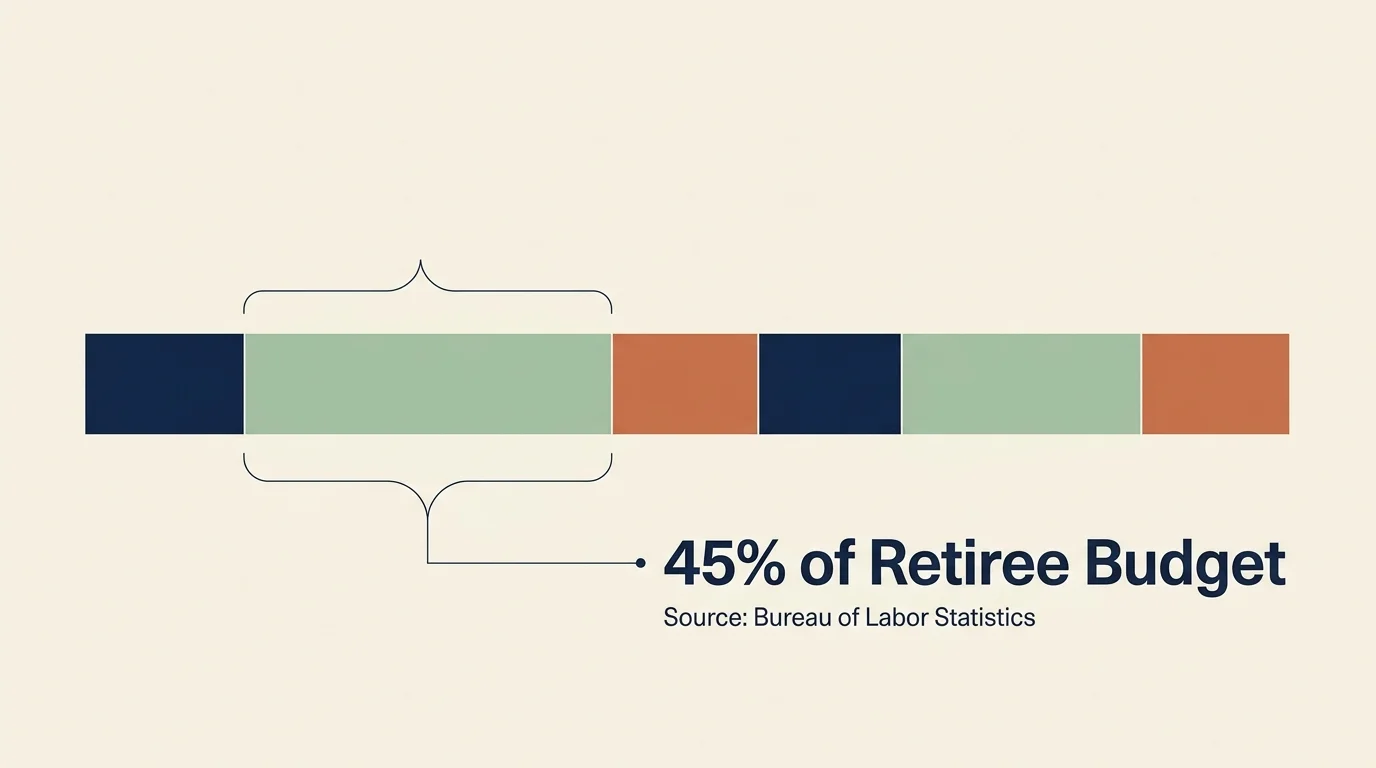
The intersection of housing affordability and cultural vitality forms the cornerstone of modern retirement planning. Recent data from the Bureau of Labor Statistics expenditure data shows that housing and healthcare consume over 45 percent of an average retiree’s annual budget. Lowering your primary housing expense by purchasing a home in a market priced well below national averages releases liquid capital back into your portfolio; this maneuver significantly reduces your sequence-of-returns risk during early retirement.
Simultaneously, Southern municipalities have invested heavily in regional arts districts, historic preservation, and public programming. Relocating to a culturally active city provides continuous intellectual stimulation and rich social connections, which gerontologists identify as critical factors in maintaining cognitive health. Analyzing state tax structures, local property tax exemptions, and health system infrastructure ensures your ongoing lifestyle remains both financially sustainable and personally enriched.

Eight Top Southern Cities for Affordable, Culturally Rich Living
1. Savannah, Georgia: Coastal Elegance and Historic Architecture
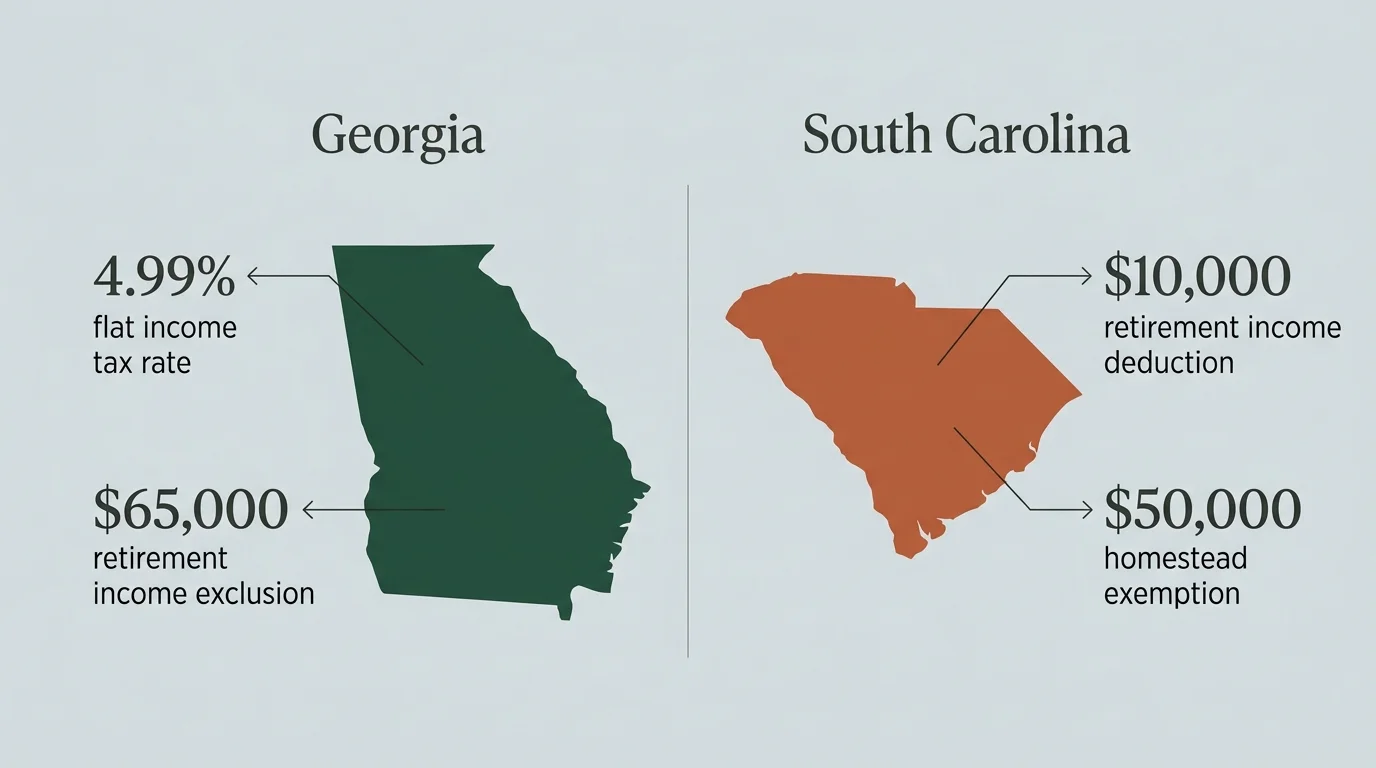
With a median home sale price ranging from $340,000 to $360,000, Savannah offers home values approximately 16 percent below the national median while maintaining a cost of living 9 percent lower than the national baseline. Georgia reduced its flat income tax rate to 4.99 percent in 2026, fully exempts Social Security benefits from state taxation, and allows seniors aged 65 and older to exclude up to $65,000 per person in retirement income. Residents enjoy world-class art exhibitions at Telfair Museums, historic cobblestone squares, and the celebrated annual Savannah Music Festival.
2. Greenville, South Carolina: Arts, Culinary Excellence, and Mountain Proximity
Greenville merges modern urban planning with easy access to the Blue Ridge Mountains. City-wide median home sale prices hover between $330,000 and $340,000—with county-wide median prices averaging $388,000—offering substantial savings compared to national benchmarks. South Carolina fully exempts Social Security benefits and grants a $10,000 retirement income deduction for taxpayers aged 65 and older; additionally, its primary residence homestead exemption waives property taxes on the first $50,000 of fair market value for seniors aged 65 and above. You can enjoy Broadway performances at the Peace Center, public art along Reedy River Park, and acclaimed local dining.
3. Huntsville, Alabama: Space Science, Symphony, and Low Property Taxes
Huntsville serves as an intellectual and cultural engine in northern Alabama, featuring median single-family home prices between $324,000 and $337,000. Alabama provides exemplary tax benefits by fully exempting Social Security benefits alongside defined-benefit government, military, and private pensions, while maintaining some of the lowest property tax rates nationwide. Cultural enthusiasts thrive at Lowe Mill Arts & Entertainment—the largest independent center for artistic production in the country—and enjoy regular classical concerts from the Huntsville Symphony Orchestra in an engaging community of retired engineers, scientists, and educators.
4. Winston-Salem, North Carolina: The City of Arts and Innovation
Known across the region as North Carolina’s City of Arts and Innovation, Winston-Salem offers exceptional entry points with median home sale prices between $292,000 and $297,000—sitting 30 percent below the national average—and an overall cost of living 10 percent lower than national baselines. North Carolina reduced its flat state income tax rate to 3.99 percent in 2026 while completely exempting Social Security benefits. You can explore living history at Old Salem Museums & Gardens, attend theater performances at the University of North Carolina School of the Arts, and join active downtown gallery guilds.
5. Lexington, Kentucky: Equine Heritage and Performing Arts
Lexington combines dynamic equine heritage and academic resources, maintaining median home prices between $355,000 and $375,000. Under House Bill 1, Kentucky lowered its flat state income tax rate to 3.5 percent in 2026. The state completely exempts Social Security benefits and permits seniors to exclude up to $31,110 per person in pension, IRA, and 401(k) income. Retirees benefit from vibrant cultural programming at the historic Lexington Opera House, classical musical performances, equine museum exhibitions, and lifelong learning courses sponsored by the University of Kentucky.
6. Lafayette, Louisiana: Cajun Music, Festivals, and Culinary Heritage
For retirees seeking rich culinary traditions and musical heritage, Lafayette delivers exceptional character alongside outstanding affordability. Featuring median home sale prices between $240,000 and $250,000, Lafayette ranks among the most cost-effective cultural hubs in the Gulf South. Louisiana fully exempts Social Security benefits, provides an income exemption of up to $6,000 per person on other retirement distributions for seniors 65 and older, and grants complete tax exemptions for public pensions. You can participate in traditional Cajun and Zydeco music festivals, historic Acadian villages, and world-renowned culinary celebrations.
7. San Antonio, Texas: Historic Missions, River Walk, and Zero State Income Tax
San Antonio pairs rich colonial architecture with modern metropolitan benefits, keeping its median home sale price between $295,000 and $304,000—approximately 17 to 18 percent below the national median. Texas levies a zero percent state individual income tax, allowing you to retain 100 percent of your Social Security distributions, pension payments, and portfolio earnings at the state level. Residents enjoy walking along the famous River Walk, exploring UNESCO World Heritage missions, celebrating Fiesta San Antonio, and accessing top-tier healthcare services through extensive regional medical networks.
8. Chattanooga, Tennessee: Riverfront Culture and Outdoor Adventure
Nestled along the scenic Tennessee River, Chattanooga offers breathtaking mountain landscapes paired with a rejuvenated historic downtown. Median home sale prices range from $350,000 to $360,000, providing excellent purchasing power relative to national housing costs. Tennessee enforces a zero percent state individual income tax on all personal income, maximizing your disposable liquid cash flow throughout retirement. You can attend classical concerts at the historic Tivoli Theatre, view contemporary masterworks at the Hunter Museum of American Art, and enjoy walkable riverfront promenades connected by pedestrian bridges.

Strategic Pillars for a Successful Southern Relocation
Income Planning and State Tax Optimization
Optimizing your retirement income requires evaluating complete tax environments rather than home prices alone. Aligning your distribution timeline with state-specific exemptions—such as Georgia’s $65,000 senior income exclusion or Kentucky’s $31,110 pension deduction—preserves significant liquid capital. To protect your federal tax standing, consult official resources from the Internal Revenue Service tax guidelines when planning tax-deferred IRA or 401(k) withdrawals. Certified Financial Planner professionals emphasize that combining zero-income-tax states like Texas or Tennessee with strategic portfolio withdrawals extends long-term nest egg longevity.
Lifestyle Design and Community Integration
Building a rewarding retirement lifestyle involves deliberate social design and active local participation. Research published in gerontology journals confirms that maintaining deep social connections and participating in cultural activities reduces cognitive decline risks and boosts emotional health. Before finalizing a move, visit prospective cities during off-peak seasons to sample community classes and volunteer organizations. The AARP retirement security research highlights that retirees who establish structured social networks within six months of relocating report significantly higher life satisfaction and lower overall stress levels.
Healthcare Accessibility and Long-Term Wellness
Maintaining health requires choosing a destination equipped with robust medical networks, specialized geriatric care, and reliable emergency facilities. Cities like San Antonio, Greenville, and Lexington offer proximity to top-tier university medical centers, ensuring rapid access to specialized care. Verify that regional physician networks accept your existing coverage or planned Medicare Advantage policies by reviewing the official Medicare coverage portal prior to closing on a home. Additionally, evaluate local mobility options—such as walkable downtown districts—to support independent living as your physical capabilities evolve over time.
Navigating Financial Risks, Scams, and Tax Pitfalls
Relocating offers substantial economic advantages, but navigating the process requires vigilance against common financial traps. Closing wire fraud remains a serious threat in real estate transactions; always verify escrow funding instructions directly with your closing attorney or title agent via direct phone confirmation before transferring funds. Furthermore, beware of property tax exemption deadlines; many states mandate that you occupy the home as your primary residence by specific calendar dates to qualify for senior homestead discounts.
Insurance costs also require careful evaluation, particularly in coastal or storm-prone Southern regions. Homeowners insurance premiums in areas like coastal Georgia or southern Louisiana can fluctuate significantly, potentially offsetting housing savings. Working with independent insurance brokers to obtain property coverage estimates before placing a binding offer protects your budget. Finally, confirm how state tax exemptions treat out-of-state public pensions or non-qualified annuities to prevent unexpected tax liabilities.
Frequently Asked Questions About Southern Retirement Destinations
How do property taxes in these Southern cities impact overall housing affordability?
Property tax rates vary across Southern states and can impact overall savings if unmanaged. Alabama offers low property tax rates, amplifying Huntsville’s housing affordability. Conversely, Texas offsets zero income taxes with higher effective property tax rates; however, primary residence exemptions and senior tax freezes in San Antonio stabilize annual expenses for homeowners aged 65 and older.
Will moving to a state with zero income tax always reduce my total cost of living?
Not necessarily, because total living costs depend on property taxes, sales taxes, municipal fees, and insurance costs. While Tennessee and Texas eliminate state income taxes on Social Security and IRA distributions, local sales taxes can exceed 9 percent on retail purchases. Evaluating your personal spending ratio between fixed housing and consumable goods determines whether a zero-tax state yields net savings.
How can I evaluate the quality of local healthcare facilities before relocating?
Evaluating healthcare quality requires reviewing clinical outcome metrics, hospital safety scores, and specialized service availability. You can examine federal hospital performance data and check whether regional facilities maintain accreditation for specialized care. Visiting local medical centers during exploratory trips and confirming Medicare network participation ensures your healthcare needs will be fully met after moving.
What strategies help new retirees integrate into local cultural communities quickly?
Rapid community integration relies on establishing local routines and offering your expertise to neighborhood groups. Enrolling in university lifelong learning institutes, volunteering at regional arts centers, or joining historic preservation societies connects you with like-minded residents immediately. Participating in local theater guilds, historical societies, or outdoor clubs creates a clear path toward building lasting friendships.
Your 48-Hour Action Plan for Retirement Relocation
Transforming your retirement vision into a practical reality begins with actionable, proactive decisions. In the next 48 hours, select two or three cities from this guide that align with your lifestyle preferences and review real-time housing listings to establish a preliminary budget. Compare prospective housing costs against your current housing expenditure to quantify your potential equity release.
Next, log into the Social Security Administration portal to review your projected benefit distributions under your prospective state’s tax rules. Scheduling an exploratory weekend trip to tour neighborhoods, inspect local medical centers, and attend cultural events will provide the practical confidence needed to execute your move smoothly.