
Quality sleep serves as the bedrock of sound financial planning and active longevity after age 50, yet millions of older Americans dismiss unusual nighttime disturbances as simple signs of getting older. Waking up repeatedly, experiencing strange physical sensations, or thrashing during vivid dreams often signals underlying medical conditions that directly impact your long-term health, independence, and healthcare budget. According to official guidelines from the Centers for Disease Control and Prevention, adults require at least seven hours of uninterrupted rest per night to maintain cognitive function and systemic health. Ignoring persistent nocturnal symptoms can trigger costly medical emergencies, making early detection and proactive management essential strategies for safeguarding your retirement years.

Why Sleep Disturbances Threaten Your Health and Finances
As you navigate your 50s, 60s, and beyond, your sleep architecture naturally shifts; however, chronic nighttime disruption is never a mandatory price of aging. Federal sleep statistics reveal a startling reality across the nation: roughly one in three American adults reports getting insufficient sleep on a regular basis. When you suffer from fragmented sleep, your body loses its crucial window for cellular repair, memory consolidation, and cardiovascular recovery. Over time, chronic sleep deprivation increases your vulnerability to severe long-term medical conditions, including type 2 diabetes, high blood pressure, stroke, and accelerated cognitive decline.
Beyond the immediate medical risks, sleep-related health issues carry severe financial consequences for your retirement portfolio. Unexpected hospitalizations, emergency room visits, and specialized ongoing treatments can rapidly drain your lifetime savings. Recognizing subtle warning signs allows you to address physical imbalances before they evolve into costly medical crises; moreover, Medicare and private insurance plans routinely cover diagnostic evaluations when you report specific nocturnal symptoms to your physician. Protecting your health through timely medical intervention directly safeguards your wealth and preserves your financial independence throughout your golden years.
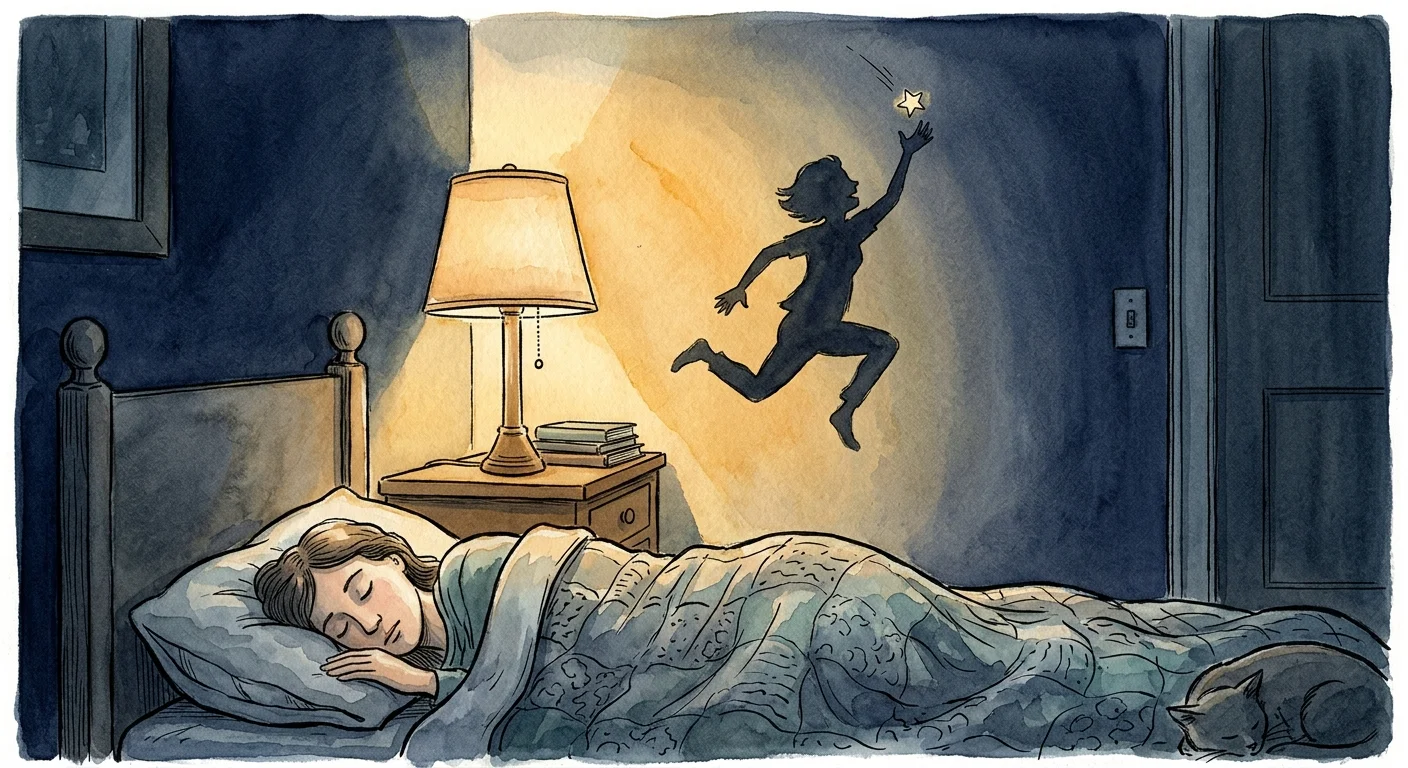
1. Acting Out Vivid Dreams (REM Sleep Behavior Disorder)
If you find yourself punching, kicking, flailing your arms, or shouting while deeply asleep, you may be experiencing REM Sleep Behavior Disorder (RBD). During typical Rapid Eye Movement (REM) sleep, your brain temporarily paralyzes your major muscle groups to prevent you from physically acting out your dreams. In people with RBD, this physiological safety switch fails to engage, leaving you free to physically move in response to intense, often frightening dream scenarios. Partners often report being accidentally struck, or individuals wake up on the bedroom floor after tumbling violently out of bed.
This physical disruption is far more than an uncomfortable bedroom nuisance. Peer-reviewed research compiled by the National Institutes of Health demonstrates that 80% to 90% of individuals diagnosed with isolated REM Sleep Behavior Disorder eventually convert to a neurodegenerative disorder—primarily Parkinson’s disease or Dementia with Lewy Bodies (DLB). Identifying RBD early provides a crucial diagnostic window for neurologists to monitor cognitive health, implement protective safety measures in your bedroom, and begin emerging neuroprotective therapies before severe motor or memory impairments appear.
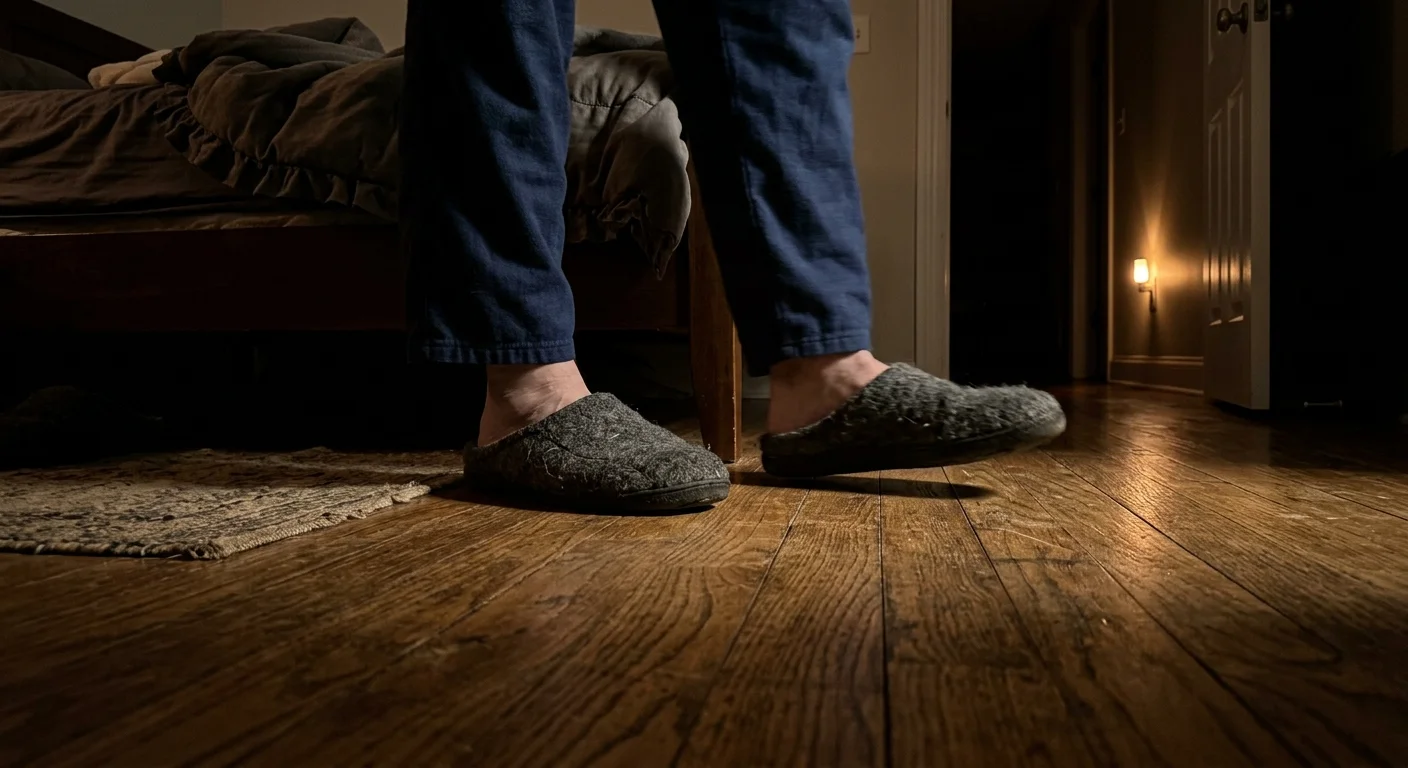
2. Frequent Nighttime Bathroom Trips (Nocturia)
Waking up once during the night to use the bathroom might seem harmless, but frequent trips—known clinically as nocturia—demand serious attention. Comprehensive health data from the Cleveland Clinic indicates that nocturia affects more than 50% of U.S. adults over age 50. Among adults aged 65 and older, approximately 24% to 28% wake up two or more times every single night to urinate. This constant waking shatters your sleep architecture, preventing your brain from reaching restorative deep sleep stages.
While many adults blame a weak bladder, nocturia often serves as a warning light for complex systemic conditions. Waking multiple times per night can indicate underlying cardiovascular disease, poorly controlled diabetes, congestive heart failure, or sleep apnea. When you lie flat, fluid that accumulated in your lower extremities throughout the day redistributes into your bloodstream, prompting your kidneys to produce excess urine. Furthermore, navigating dark hallways while groggy creates an extreme risk for falls—the leading cause of traumatic injury and loss of independence among older adults. Modifying evening fluid timing, utilizing compression socks during the day, and consulting your primary doctor can resolve this disruptive pattern.
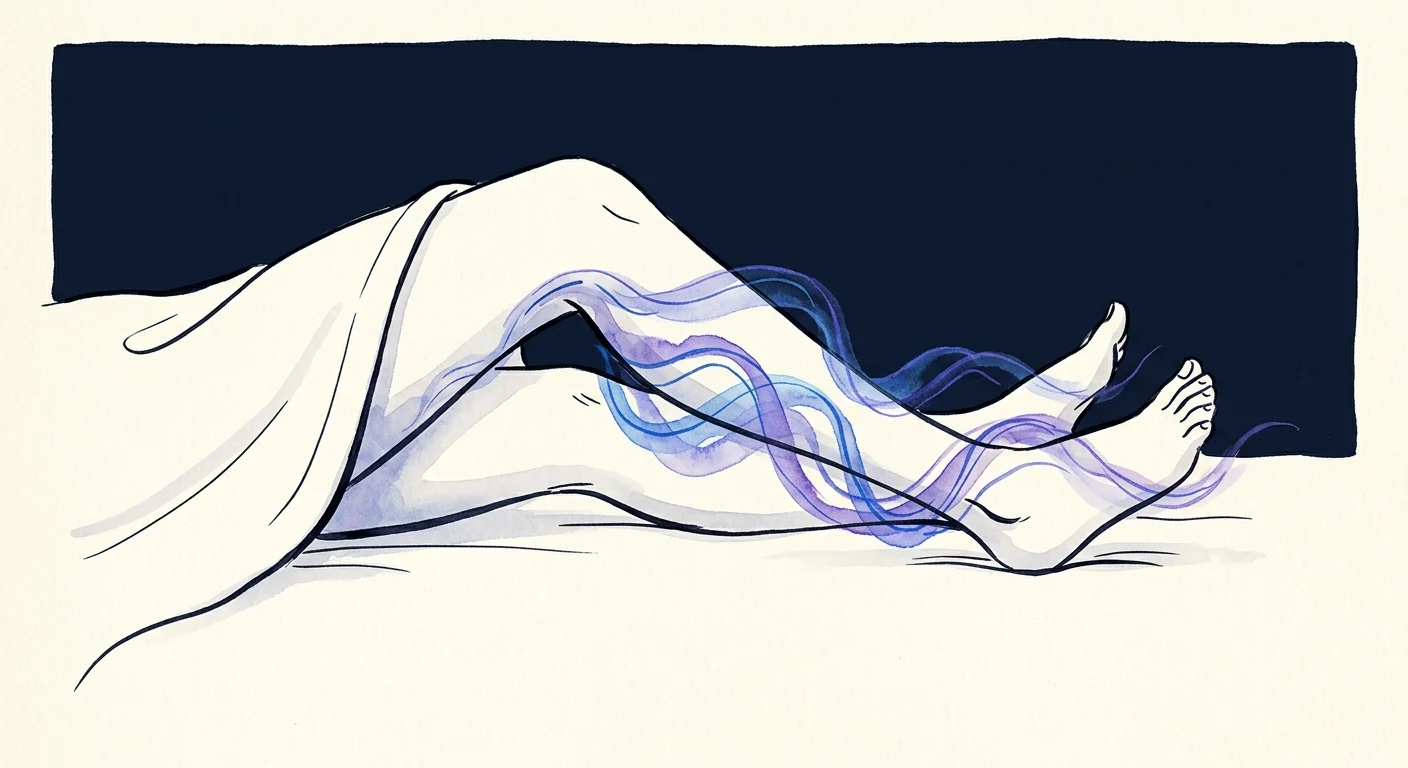
3. Crawling Sensations and Uncontrollable Leg Urges (Restless Legs Syndrome)
An overwhelming, uncomfortable urge to move your legs when you lie down—often accompanied by creeping, itching, or throbbing sensations—signals Restless Legs Syndrome (RLS). These symptoms peak in the evening and nighttime hours, forcing you to kick, stretch, or get out of bed to walk around for temporary relief. Because resting triggers the discomfort, RLS creates severe sleep initiation insomnia, leaving you exhausted, irritable, and physically depleted during the day.
According to epidemiological studies published in the Journal of the American Medical Association, RLS affects approximately 8% of U.S. adults overall, with prevalence climbing to 10% among adults aged 65 and older. Crucially, the research links RLS to broader physical and psychological challenges: individuals living with RLS experience significantly higher rates of cardiovascular disease (29.6%) and depression (30.4%). Doctors often trace RLS to iron deficiencies, kidney dysfunction, or peripheral neuropathy. Identifying RLS allows your medical provider to check serum ferritin levels, adjust aggravating medications, and prescribe targeted therapies that restore peaceful rest.

4. Sudden Gasping, Choking, or Loud Snoring (Obstructive Sleep Apnea)
Waking up suddenly gasping for air, choking, or suffering from intense morning dry mouth and headaches usually points to Obstructive Sleep Apnea (OSA). OSA occurs when the soft tissues in the back of your throat relax and collapse during sleep, completely or partially blocking your airway. Your brain senses the oxygen drop and briefly rouses you from sleep to resume breathing, a cycle that can repeat dozens or even hundreds of times every single night without your conscious awareness.
The clinical impact of untreated sleep apnea across the aging population is vast. Recent clinical assessments from the American Academy of Sleep Medicine show that nearly 30 million U.S. adults suffer from obstructive sleep apnea. Research from the national Health and Retirement Study highlights that adults aged 50 and older with untreated sleep apnea face a 21% higher likelihood of future hospitalization compared to those without the condition. Repeated nighttime oxygen deprivation strains your arterial walls, dramatically accelerating your risk for hypertension, heart attacks, atrial fibrillation, and stroke. Fortunately, modern Continuous Positive Airway Pressure (CPAP) therapy and custom oral appliances effectively resolve airway blockages and eliminate these severe health risks.

5. Waking Up with Throat Burning, Dry Mouth, or Nighttime Coughing (Silent Reflux)
Many people associate acid reflux with burning chest pain after a heavy meal; however, gastroesophageal reflux disease often presents quietly during sleep as laryngopharyngeal reflux, commonly known as silent reflux. When you lie flat in bed, stomach acid and digestive enzymes flow backward up your esophagus, reaching your throat, vocal cords, and airway passages. You may wake up coughing uncontrollably, clearing your throat constantly, or experiencing a bitter, sour taste in your mouth without ever feeling classic heartburn.
Silent reflux damages delicate throat tissue, causes chronic inflammation, and exacerbates asthma or nighttime breathing difficulties. Furthermore, micro-aspiration of stomach acid into the lungs during sleep increases your susceptibility to respiratory infections and chronic bronchitis. Addressing silent reflux requires a combination of behavioral adjustments and targeted medical treatments. Raising the head of your bed six inches using sturdy bed risers, avoiding meals within three hours of bedtime, limiting alcohol and spicy foods, and discussing acid-suppressing treatments with your doctor can protect your throat and ensure sound, uninterrupted sleep.

Integrating Health, Lifestyle, and Financial Planning
Managing your health after 50 requires a cohesive strategy that links medical care, lifestyle adjustments, and financial security. When you address sleep disturbances early, you prevent minor symptoms from snowballing into acute medical emergencies that threaten both your physical vitality and your retirement savings. Board-certified geriatricians stress that quality sleep maintains cognitive sharp alertness and bodily balance, reducing accidental injuries and preserving your day-to-day autonomy.
From a financial perspective, Certified Financial Planner™ professionals frequently remind clients that healthcare represents one of the largest expenditures in retirement. Unplanned hospitalizations arising from heart complications or fall-related fractures can disrupt carefully calculated withdrawal strategies and trigger unexpected tax brackets. By investing time and resources into preventative healthcare—such as obtaining comprehensive sleep studies and upgrading your home safety environment—you protect your nest egg from volatile medical expenses. Transforming your bedroom into a comfortable, hazard-free sanctuary with clear walkways, proper lighting, and supportive bedding serves as an immediate, practical investment in your future.
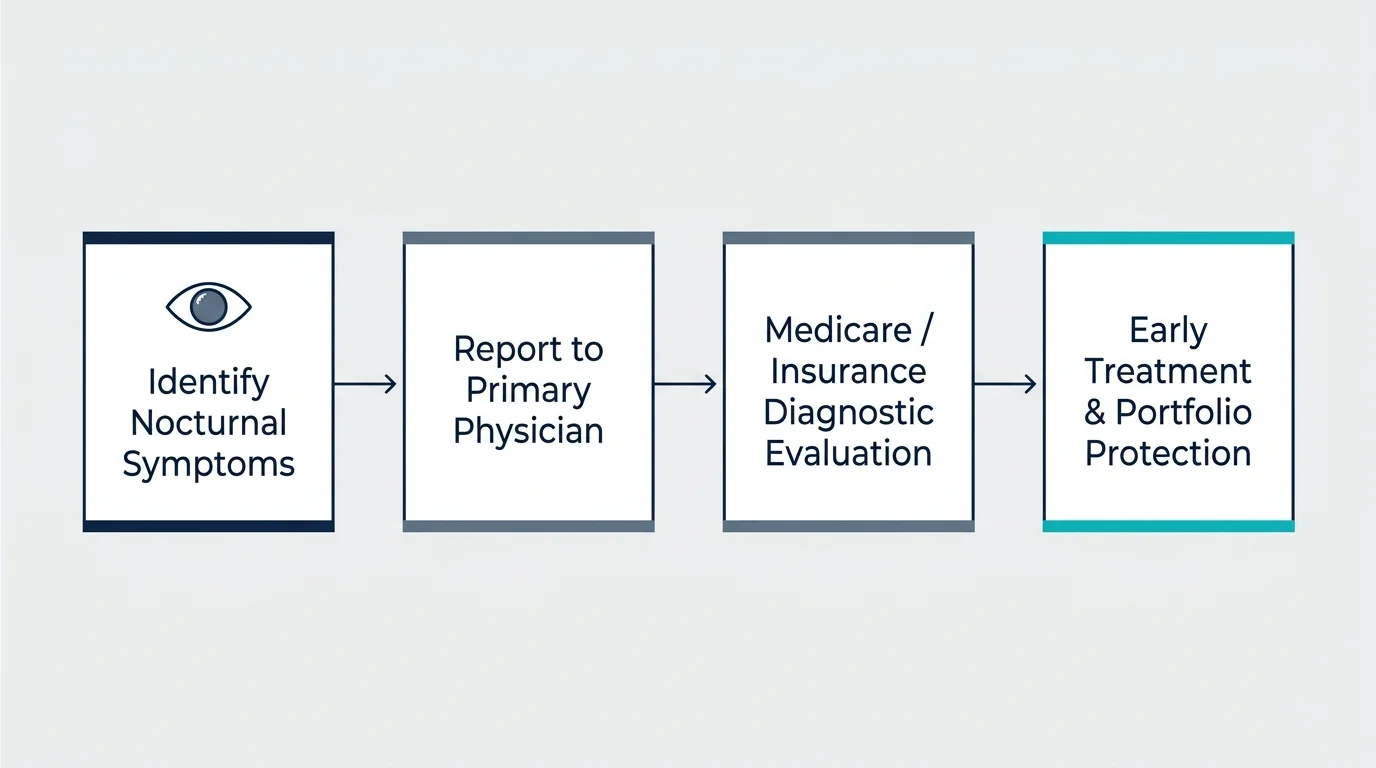
Healthcare Pitfalls and Insurance Safeguards
Navigating healthcare coverage for sleep disorders requires careful attention to avoid unexpected out-of-pocket costs and benefit coverage gaps. Medicare Part B typically covers diagnostic sleep studies when prescribed by a doctor to evaluate sleep-disordered breathing or complex neurological sleep disorders. However, Medicare requires strict adherence to clinical guidelines before approving continuous treatment equipment like CPAP machines. For instance, Medicare mandates an initial compliance period where you must demonstrate consistent usage—specifically using the machine for at least four hours per night on 70% of nights within a consecutive 30-day window—or coverage may be retroactively denied.
To safeguard your finances, always verify that your sleep specialist, diagnostic lab, and durable medical equipment provider accept Medicare assignment. Be cautious of aggressive online marketing scams selling unproven herbal supplements, costly magnetic sleep devices, or unauthorized home sleep tests that lack clinical validation. Educational resources from organizations like AARP offer valuable guidance on identifying fraudulent medical products and navigating insurance claims. Consult your primary care physician to establish a documented clinical path before purchasing specialized sleep equipment or therapies.
Frequently Asked Questions
How can I tell if my nighttime waking is a normal part of aging or a medical issue?
While sleep architecture naturally changes as you grow older, waking up multiple times every night, gasping for air, experiencing leg pain, or thrashing during dreams is never normal. If nighttime symptoms leave you feeling exhausted, irritable, or impaired during daylight hours, you should schedule a comprehensive consultation with your primary care doctor.
Does Medicare Part B cover home sleep apnea tests and CPAP equipment?
Yes, Medicare Part B covers diagnostic home sleep tests and in-lab sleep studies if your physician documents signs of obstructive sleep apnea. Once diagnosed, Medicare covers CPAP machine rentals and necessary supplies under durable medical equipment rules, provided you satisfy mandatory usage compliance milestones during your initial trial period.
Can lifestyle modifications cure symptoms like nocturia and restless legs?
Lifestyle adjustments significantly reduce symptom severity for many individuals. Restricting fluid intake two to three hours before bedtime, elevating your legs in the late afternoon, minimizing caffeine and alcohol, and correcting underlying vitamin deficiencies often resolve mild nocturia and leg discomfort. However, you should still consult a physician to rule out underlying medical conditions like diabetes, neuropathy, or heart failure.
What immediate steps should I take if my spouse acts out violent dreams at night?
First, prioritize physical safety by clearing sharp objects away from the bedside, placing soft rugs or pads on the floor, and considering temporary separate sleeping arrangements if safety is compromised. Second, schedule an urgent appointment with a neurologist or sleep medicine specialist to evaluate for REM Sleep Behavior Disorder, as formal diagnosis requires a clinical sleep study.
Take Control of Your Sleep Health Today
Your sleep quality directly influences your daily energy, cognitive clarity, and financial security in retirement. Do not allow persistent nighttime symptoms to undermine your physical well-being or disrupt your long-term plans. Empower yourself by taking active control of your sleep health starting right now.
In the next 48 hours, pick one actionable step to protect your nights and days. Start a detailed sleep journal tracking your bedtime, nighttime wakeups, physical sensations, and morning energy levels, or call your primary doctor’s office to book a sleep health review. Installing motion-activated nightlights along your hallway or removing bedroom trip hazards creates an immediate safety net. Small, proactive choices made today safeguard your health, protect your savings, and ensure you enjoy a vibrant, fulfilling retirement.