
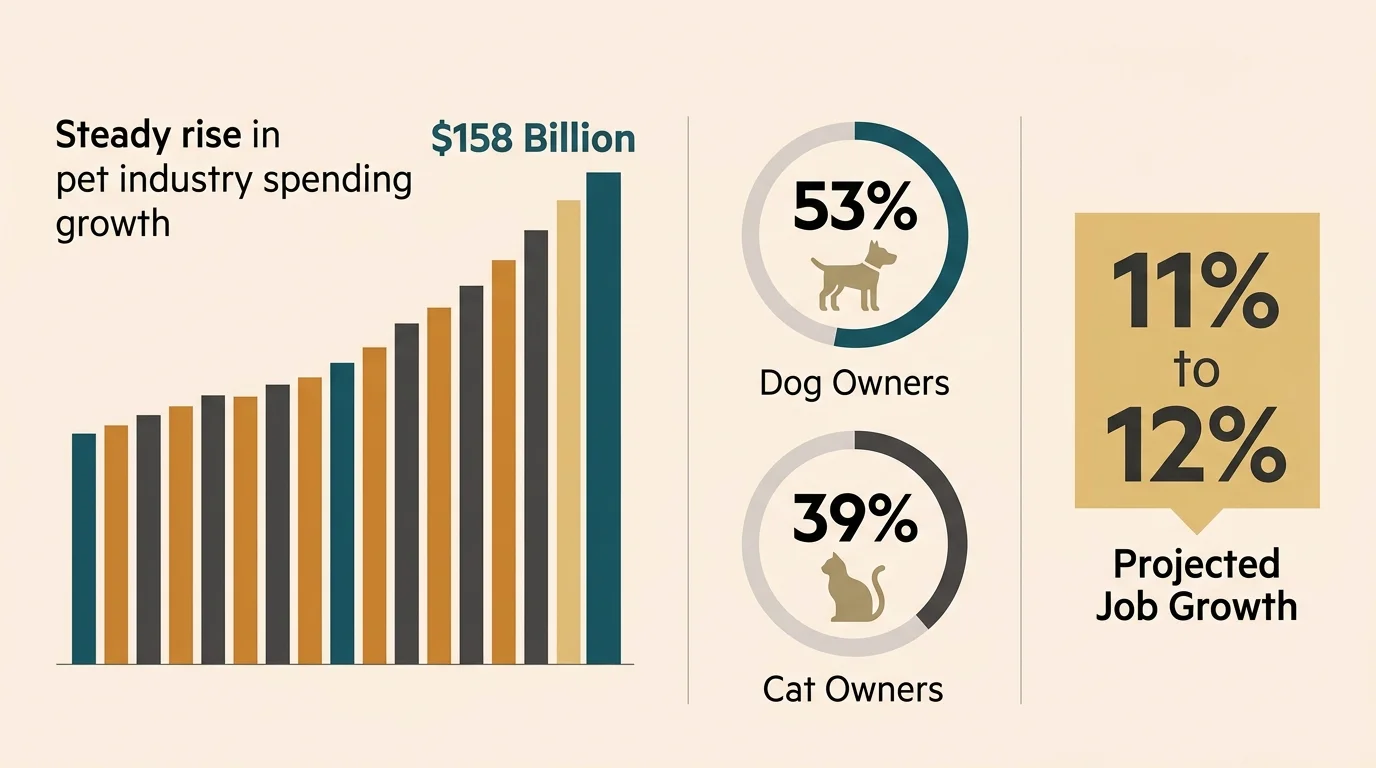
Transforming your love for animals into a flexible part-time role offers a proven pathway to boost your retirement cash flow while improving your physical health and daily emotional well-being. Today, American pet owners spend over $158 billion annually on their companions, creating an unprecedented demand for reliable, mature animal caregivers across the nation. Whether you want to walk dogs in your neighborhood, assist local shelters, or manage overnight pet sitting, animal care jobs for seniors deliver meaningful purpose alongside extra income. By matching your physical comfort level with the right gig, you can generate steady money, stay active, and enjoy the unconditional affection of animals without committing to full-time corporate schedules.
Economic Snapshot: Why Animal Care Is a Boom Market for Seniors
The American pet industry is experiencing historic economic expansion. Total domestic pet spending reached $158 billion in 2025 and is projected to hit $165 billion in 2026; approximately 95 million American households now share their living spaces with at least one pet. According to recent national survey data, 53 percent of U.S. households—representing roughly 71 million homes—own a dog, while 39 percent—about 53 million homes—care for a cat. This massive pet population requires constant exercise, supervision, and personalized care, particularly as busy owners commute to corporate offices or travel for leisure.
This market momentum creates substantial earning potential for older adults seeking supplementary revenue. The U.S. Bureau of Labor Statistics reports that the national median hourly pay for nonfarm animal care workers stands at $17.00 per hour, which equals roughly $35,360 annually for full-time equivalents. More importantly for mature job seekers, employment for animal care and service workers is projected to grow by 11 percent to 12 percent from 2024 to 2034, expanding significantly faster than the average for all domestic occupations. Working retirees hold distinct competitive advantages in this booming sector—including flexible availability, deep maturity, calm emotional composure, and proven personal reliability.
Top Part-Time Pet Jobs for Retirees
Part-time pet related jobs for retirees span a broad spectrum of physical activity levels and administrative duties, allowing you to select a schedule that aligns perfectly with your physical health, financial targets, and personal interests.
In-Home Pet Sitting and Overnight Care
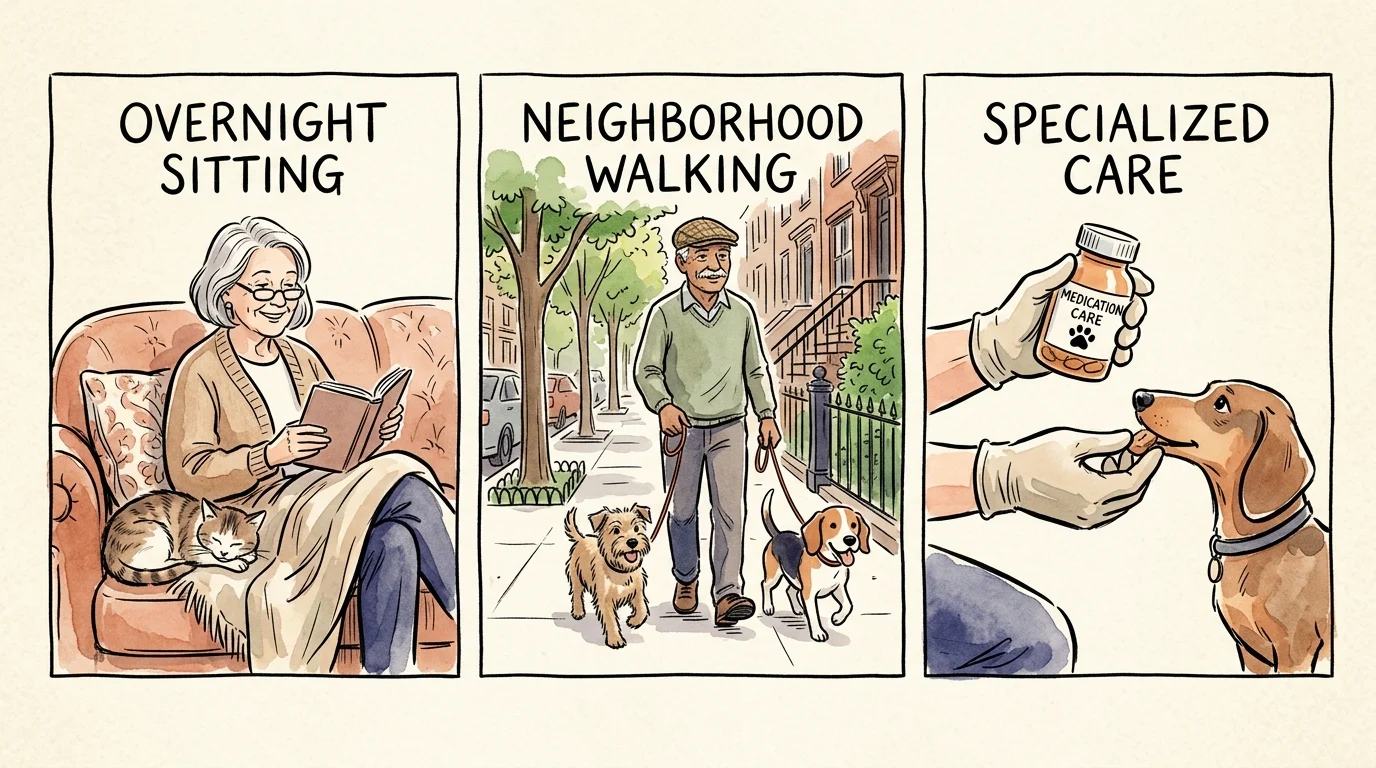
In-home pet sitting represents one of the most lucrative and comfortable options for older adults. Vacationing pet owners frequently prefer hiring a mature adult to stay in their home rather than placing their pets in crowded commercial kennels. Overnight house sitting and pet boarding typically command rates between $50 and $70 per night. If you offer specialized assistance, such as administering daily oral medications or caring for elderly dogs with joint stiffness, you can set higher baseline rates. This arrangement lets you earn quiet income while enjoying peaceful residential environments.
Neighborhood Dog Walking and Platform Gigs
Dog walking jobs for retirees offer daily cardiovascular exercise coupled with immediate earning capacity. You can establish your own independent neighborhood walking service or register with digital platforms like Rover to connect with local pet parents quickly. On gig platforms, you retain the freedom to set your own schedules and rates, though the platform retains a 20 percent service fee for administrative support and liability protection. Standard 30-minute dog walks average $15 to $30 gross, netting you approximately $12 to $24 per walk. By scheduling two or three manageable walks during cooler morning hours, you generate steady weekly income without physical strain.
Animal Shelter and Rescue Organization Roles
If you prefer structured environments and community action, look into paid animal shelter jobs for seniors. Non-profit shelters, humane organizations, and municipal animal care centers routinely hire part-time staff for front-desk coordination, volunteer management, adoption counseling, and animal care support. While some kennel roles require active physical lifting, many administrative roles focus on customer service, matching prospective adopters with appropriate pets, or coordinating foster networks. These positions offer profound personal satisfaction as you directly support rescue animals transitioning into loving homes.
Pet Transportation and Specialty Services
Busy working professionals often struggle to transport their pets to veterinary appointments, grooming salons, or therapy appointments during normal working hours. Launching a specialized pet taxi service allows you to assist local families while driving your own vehicle on a flexible timeline. Furthermore, retirees with equine or farm experience can offer mobile care for horses, chickens, and livestock when rural property owners travel. Specialty animal care jobs for seniors routinely fetch premium hourly wages due to the technical experience required.
Income Planning, Taxes, and Social Security Earnings Limits
Integrating part-time earnings into your retirement plan requires deliberate financial coordination to ensure your wages enhance your budget without disrupting your benefits. Before taking on new clients, evaluate how your supplemental income interacts with taxes and Social Security rules.
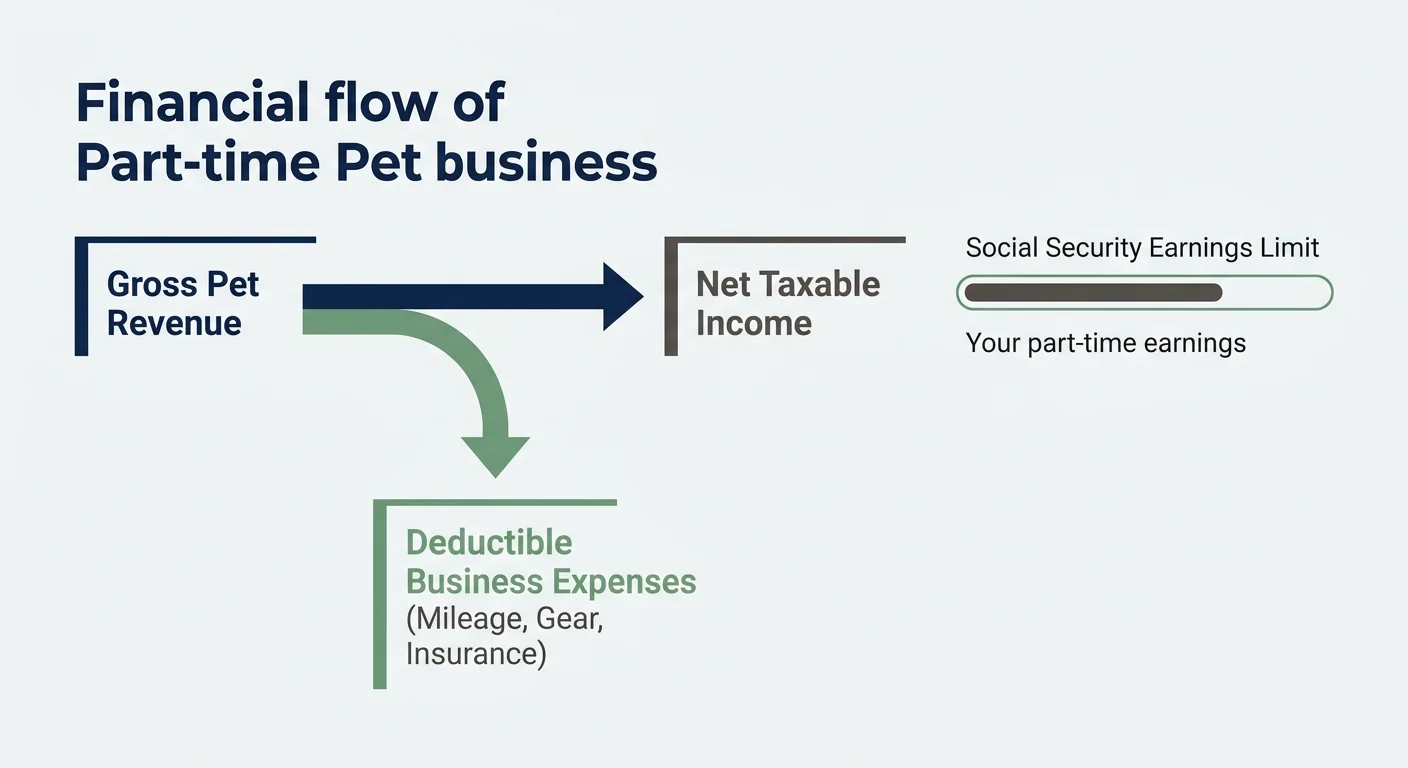
If you collect Social Security retirement benefits prior to reaching your Full Retirement Age (FRA), you must carefully track the earnings threshold established by the Social Security Administration. For calendar year 2026, the earnings limit for working retirees below FRA is $24,480. If your annual employment or self-employment earnings exceed $24,480, Social Security will temporarily withhold $1 in benefits for every $2 you earn above the limit. During the calendar year you reach your Full Retirement Age, the 2026 limit increases substantially to $65,160, with $1 withheld for every $3 earned above the threshold. Once you attain your exact Full Retirement Age, earnings limits disappear entirely, enabling you to earn unlimited wages without benefit reductions.
Tax management also depends on your operational structure. Independent pet sitters and dog walkers operate as self-employed sole proprietors, requiring accurate tracking of revenues and business expenses. According to official guidelines from the Internal Revenue Service, self-employed workers can deduct qualified business expenses—including mileage driven for client visits, leashes, waste bags, and marketing costs—directly reducing their overall taxable income. Certified Financial Planner professionals recommend setting aside 20 percent to 25 percent of your net income to cover federal, state, and self-employment taxes, preventing unexpected tax balances when filing annual returns.
Physical and Mental Health Benefits of Working with Animals
The perks of working with companion animals reach far beyond financial payouts. Gerontologists and medical researchers consistently identify animal interaction as a powerful mechanism for promoting vibrant physical health and psychological vitality during retirement.
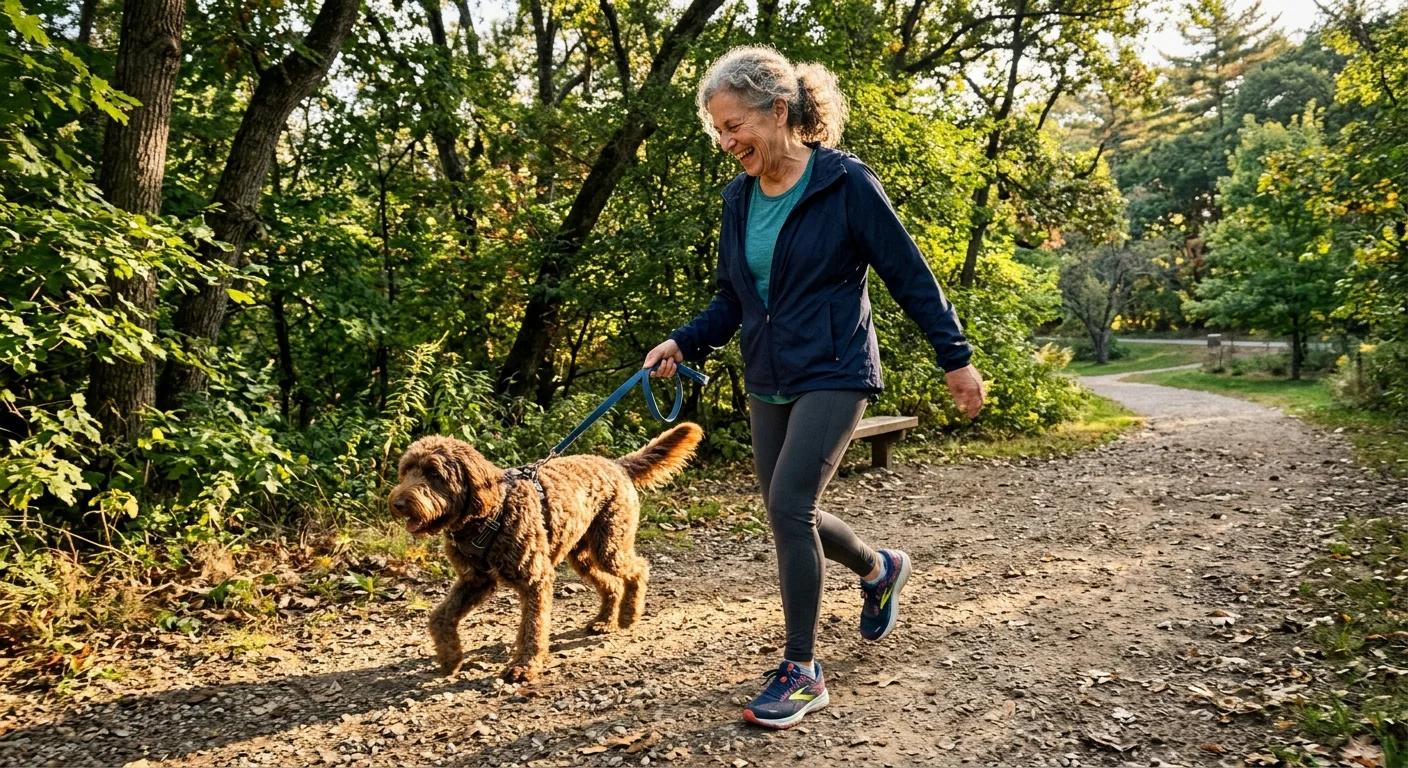
Regular dog walking delivers consistent, low-impact aerobic activity that improves cardiovascular health, maintains joint flexibility, and preserves bone density. Beyond physical fitness, interacting with affectionate pets lowers cortisol levels and triggers the release of oxytocin and serotonin, effectively reducing blood pressure and emotional anxiety. Comprehensive healthy aging research published by organizations such as AARP reveals that maintaining structured daily routines and social touchpoints helps combat the social isolation that often impacts retired individuals. Working with animals fosters meaningful community connections with neighbors, local pet owners, and shelter staff, revitalizing your daily sense of purpose.
Risks, Safety Safeguards, and Business Insurance
While animal care is exceptionally rewarding, handling unfamiliar pets involves physical and financial risks that require practical safeguards. Protecting your health and your retirement portfolio must remain your top priority.
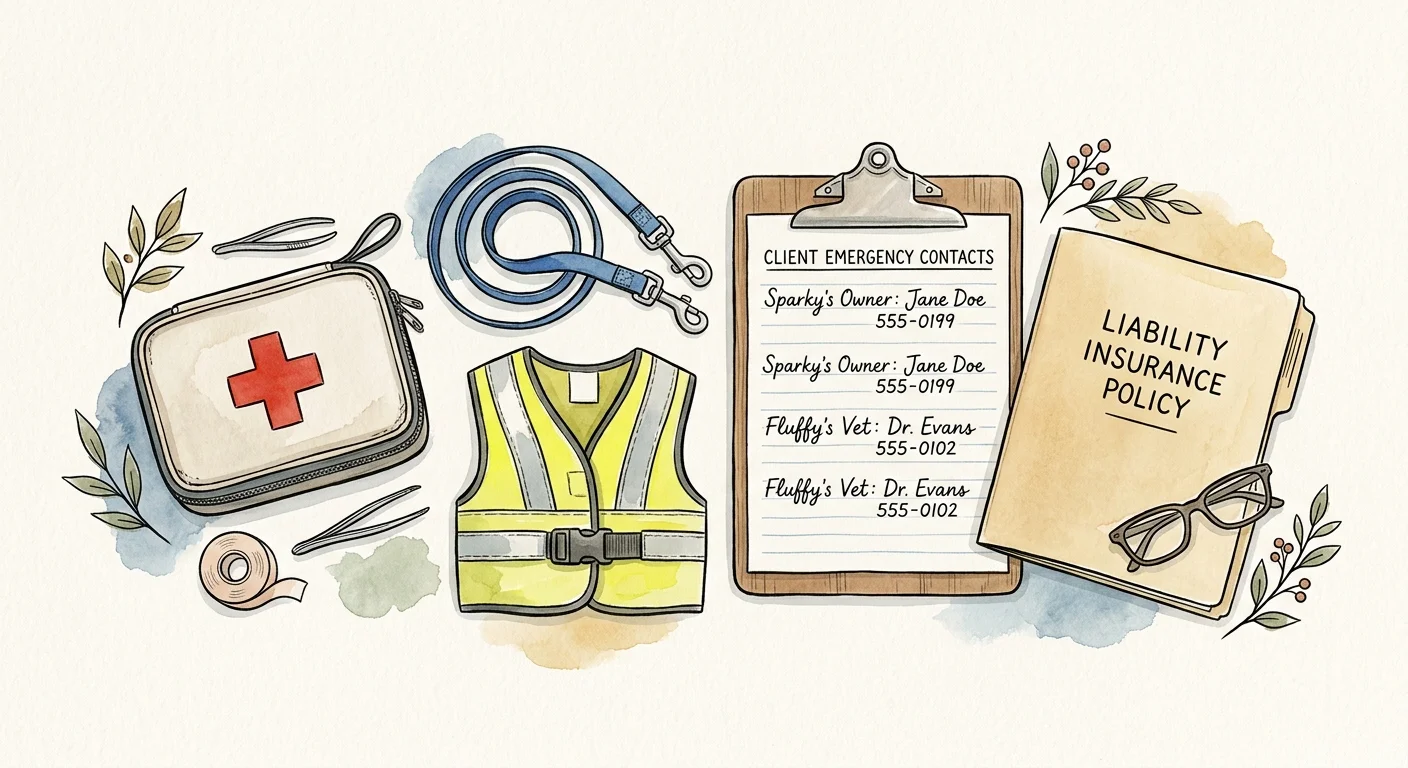
Physical safety starts with honest self-assessment regarding your physical capabilities and stamina. Avoid accepting bookings for overly aggressive, large, or untrained dogs that could cause joint strain or pull you off balance. Always conduct an initial meet-and-greet session with both the owner and pet in a calm setting before accepting an assignment. Always obtain full veterinary records, proof of vaccinations, and emergency contact instructions for every animal in your care.
To shield your personal assets from potential legal liabilities, secure specialized pet sitting insurance. Standard homeowners or renters policies rarely cover damages or injuries that occur during fee-based commercial activities. Commercial pet sitting policies protect you against unexpected expenses linked to animal bites, accidental pet loss, property damage, or injuries sustained while handling pets. Additionally, remain vigilant against common client scams; immediately decline requests from individuals offering oversized certified checks or asking you to wire money back for unverified emergency supplies.
Frequently Asked Questions
Do I need professional certifications to work as a part-time pet sitter or dog walker?
You do not need mandatory federal or state licenses to launch a basic dog walking or pet sitting business in most cities. However, completing voluntary certifications in Pet First Aid and CPR through organizations like the American Red Cross or gaining credentials through professional groups like Pet Sitters International enhances your professional credibility. These qualifications give pet owners confidence, allow you to command higher rates, and equip you to handle unexpected pet medical situations calmly.
How will my part-time pet care earnings affect my Medicare premiums?
Part-time earnings increase your modified adjusted gross income, which could potentially impact your Medicare Part B and Part D premiums if your overall income crosses specific threshold limits. However, Medicare Income-Related Monthly Adjustment Amount surcharges only apply at substantial income levels—typically starting above $106,000 for individual tax filers or $212,000 for married couples filing jointly. Supplemental earnings from part-time pet sitting rarely push average retirees into those higher tax brackets.
Can I take on pet care jobs if I have mobility limitations or joint pain?
Yes, you can easily customize your pet care offerings to match your specific physical capacity. Instead of walking energetic large breeds, focus on drop-in cat sitting, caring for small senior pets, or performing administrative duties at animal shelters. Drop-in cat care involves low-impact tasks such as replacing food bowls, cleaning litter boxes, and giving gentle affection without requiring heavy physical exertion or fast walking.
Is it better to use gig platforms like Rover or start an independent business?
Starting on digital platforms like Rover gives you immediate market visibility, automated billing systems, and built-in liability protection, making it ideal for testing the market without initial marketing costs. However, the platform retains a 20 percent fee on your revenues. Operating an independent business lets you keep 100 percent of your earnings and build direct relationships with local neighbors, though you must handle your own marketing, contracts, invoicing, and insurance coverage.
Take Your First Step: A 48-Hour Action Plan
Turning your passion for companion animals into a rewarding part-time income starts with a single practical step. Over the next 48 hours, assess your physical comfort level and daily schedule to decide which pet care role aligns best with your lifestyle goals. Reach out to a local rescue shelter to inquire about paid part-time roles, or set up a profile on a recognized pet care platform to check client demand in your neighborhood. By taking small, deliberate actions today, you can create a active routine that enriches your retirement with extra income, health benefits, and meaningful companionship.