
Stepping away from a decades-long career opens an unprecedented window to redesign your daily routine and pursue passions you previously shelved. A fulfilling post-career life requires more than just a solid financial portfolio; it demands a proactive approach to discovering fresh challenges and meaningful connections. Today’s retirees live longer and healthier lives, giving you the perfect canvas to experiment with new hobbies, second acts, and community involvement. By embracing unfamiliar territories—whether through continuing education, micro-volunteering, or part-time consulting—you can stimulate cognitive health and maintain a powerful sense of purpose. Let us explore actionable strategies to help you transform your newfound free time into a vibrant, structured, and deeply satisfying chapter.
A Snapshot of the New Retirement Landscape
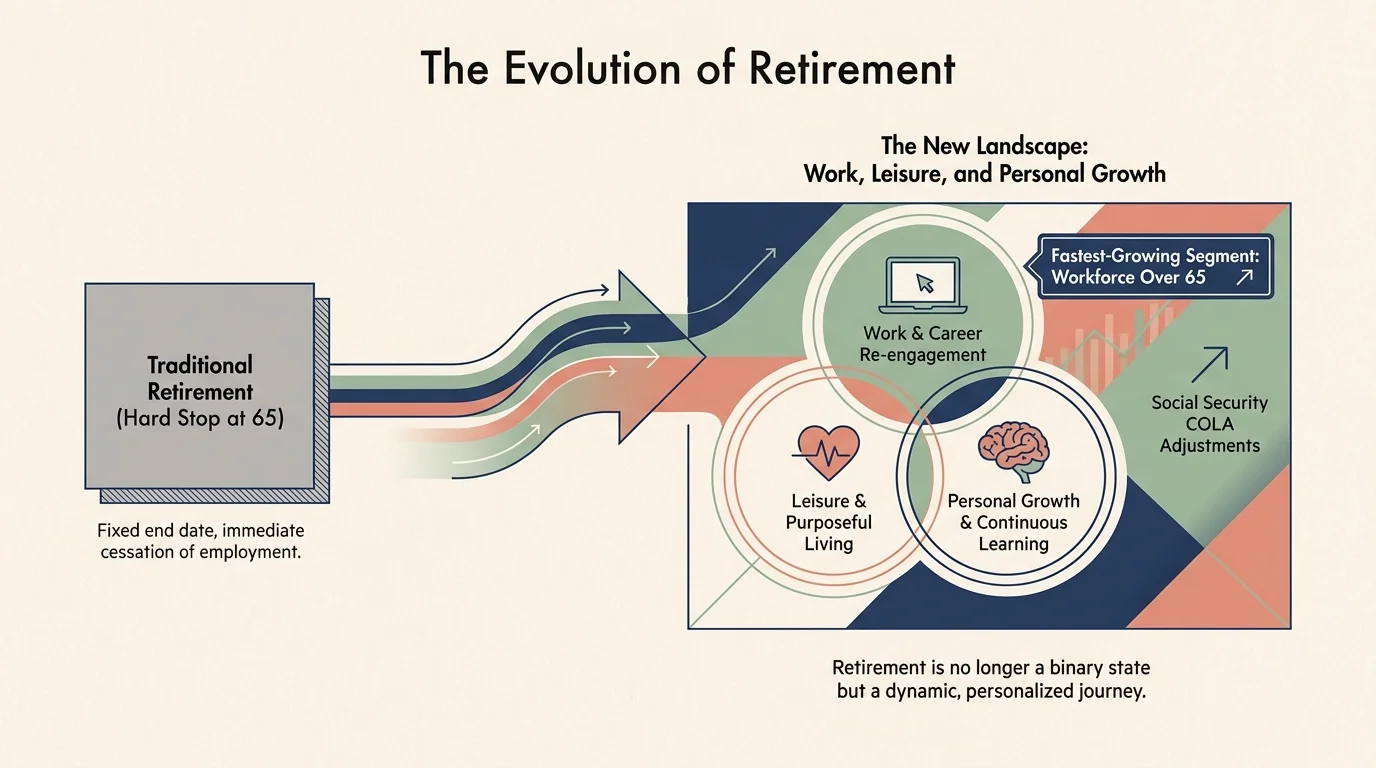
Retirement no longer represents a hard stop at age sixty-five. Instead, it has evolved into a dynamic transition phase where work, leisure, and personal growth intersect. According to labor force data compiled by the Bureau of Labor Statistics, individuals over the age of sixty-five represent one of the fastest-growing segments of the workforce. This shift stems partly from financial strategy, but primarily from a profound desire to stay mentally sharp and socially engaged. Policy updates and shifting economic tides continually reshape how you might approach this phase. With recent adjustments to Social Security cost-of-living allowances and fluctuating healthcare costs, securing your financial foundation remains a continuous process. Yet, once you establish a reliable income floor, your focus naturally shifts toward lifestyle design. Gerontologists widely agree that combining financial stability with a strong sense of purpose dramatically improves both your lifespan and your healthspan. Viewing your upcoming years as an opportunity for continuous reinvention allows you to break free from outdated stereotypes of aging. You possess the time, the accumulated wisdom, and the freedom to construct an entirely new daily reality.

Experience 1: Launch a Micro-Business or Consulting Gig
Many retirees find that abruptly stopping all professional activity leaves a noticeable void in their week. Launching a micro-business or a consulting practice offers an excellent way to ease out of the corporate world while generating supplemental income. You already possess decades of specialized knowledge, industry contacts, and advanced problem-solving skills. Monetizing these assets on your own terms puts you squarely in the driver’s seat of your income planning. Whether you decide to offer freelance bookkeeping, mentor young professionals in your former industry, or turn a woodworking hobby into an online storefront, small-scale entrepreneurship delivers profound psychological benefits. Financial planners often recommend keeping startup costs extremely low to protect your primary nest egg. You can easily find guidance on structuring your new venture safely through resources provided by the Small Business Administration, which offers dedicated support and mentorship for older entrepreneurs. Operating a small enterprise also introduces potential tax advantages, though you must carefully track your earnings to avoid unexpected tax liabilities or complications with your Social Security benefits if you claim them early.
Experience 2: Pursue Lifelong Learning Without the Tuition Bill
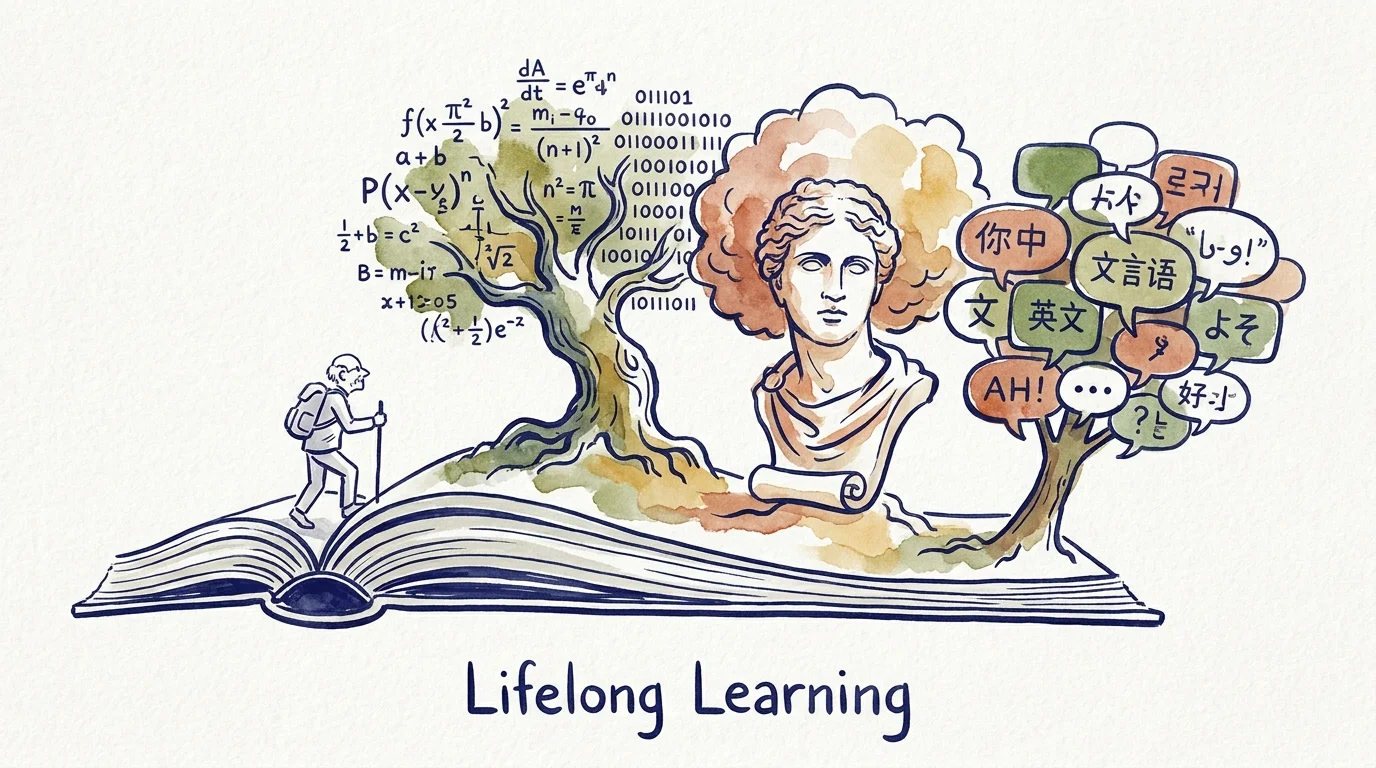
Going back to school provides a tremendous cognitive boost and expands your social circle, but you certainly do not need to take out student loans to do it. Across the country, state universities and community colleges offer significant tuition waivers specifically designed for older adults. You can audit classes in art history, learn a new conversational language, or dive into computer science simply by paying a nominal administrative fee. Lifestyle design in retirement thrives on intellectual stimulation, and a structured learning environment keeps your mind agile and fully engaged. Gerontology researchers consistently link lifelong learning to a delayed onset of cognitive decline and drastically improved memory retention. Check directly with your local state university system to see what specific enrichment programs they offer for residents over the age of sixty. Beyond formal higher education institutions, community centers and local libraries frequently host intensive, skill-based workshops on everything from creative writing to digital photography. Integrating regular educational pursuits into your weekly schedule replaces the intellectual challenge you formerly derived from your career.

Experience 3: Engage in High-Impact Micro-Volunteering
Finding purpose often involves looking beyond your own household and actively contributing to your community. Traditional volunteering sometimes demands rigid weekly schedules that clash with your desire for lifestyle freedom, but micro-volunteering presents a flexible, modern alternative. This model allows you to complete short, specific tasks that fit perfectly into your shifting availability. You might spend two hours a week tutoring a child in reading, organizing a neighborhood food drive, or providing remote administrative support for a national nonprofit organization. If you prefer a more structured approach with robust peer support networks, exploring opportunities through AmeriCorps Seniors connects you directly with vetted organizations desperate for your exact expertise. Meaningful civic engagement acts as a powerful antidote to the isolation that frequently accompanies the cessation of full-time work. Broad studies demonstrate that retirees who volunteer regularly experience lower rates of depression and report substantially higher overall life satisfaction. By matching your unique skills with local needs, you create a powerful community legacy while enriching your own daily experience.

Experience 4: Design a Local Wellness Circuit
Prioritizing your physical health ensures you possess the baseline stamina required to enjoy every other aspect of your retirement. Rather than committing to an expensive and potentially intimidating gym membership, design a customized local wellness circuit that aligns with your specific mobility level and budget. This routine might include a Monday morning water aerobics class at the local indoor pool, a Wednesday hike through a nearby botanical garden, and a Friday mobility yoga session accessed via a free online platform. Many retirees deeply underestimate the robust benefits included in their existing healthcare coverage. For example, you can review the extensive list of covered preventive and wellness services on the official Medicare portal, which frequently covers cardiovascular screenings, medical nutrition therapy, and structured fall-prevention programs. Furthermore, fitness programs frequently included in Medicare Advantage plans grant you free access to thousands of fitness locations nationwide. Building a varied, locally sourced fitness routine transforms exercise from a tedious chore into an engaging, highly anticipated community activity.

Experience 5: Explore Slow Travel Across the States
Travel typically tops the list of retirement dreams, but the frenetic pace of traditional tourism can quickly lead to sheer exhaustion and depleted savings accounts. Slow travel offers a more deliberate, budget-conscious, and deeply rewarding alternative. Instead of rushing through five cities in ten days, consider renting a modest, furnished apartment in a single location for an entire month. This strategy allows you to secure substantial long-term rental discounts, cook your own healthy meals, and genuinely immerse yourself in the local neighborhood culture. Slow travel applies beautifully to exploring the vast network of state and national parks scattered across the United States. Many states offer heavily discounted or entirely free park passes specifically for their senior residents. By traveling primarily during the shoulder seasons—spring and autumn—you easily avoid massive tourist crowds and the peak pricing associated with summer family vacations. Taking your time drastically reduces the physical strain of constant packing and transit, making it an ideal strategy for retirees managing varying physical capabilities.
Experience 6: Audit Your Financial Efficiency
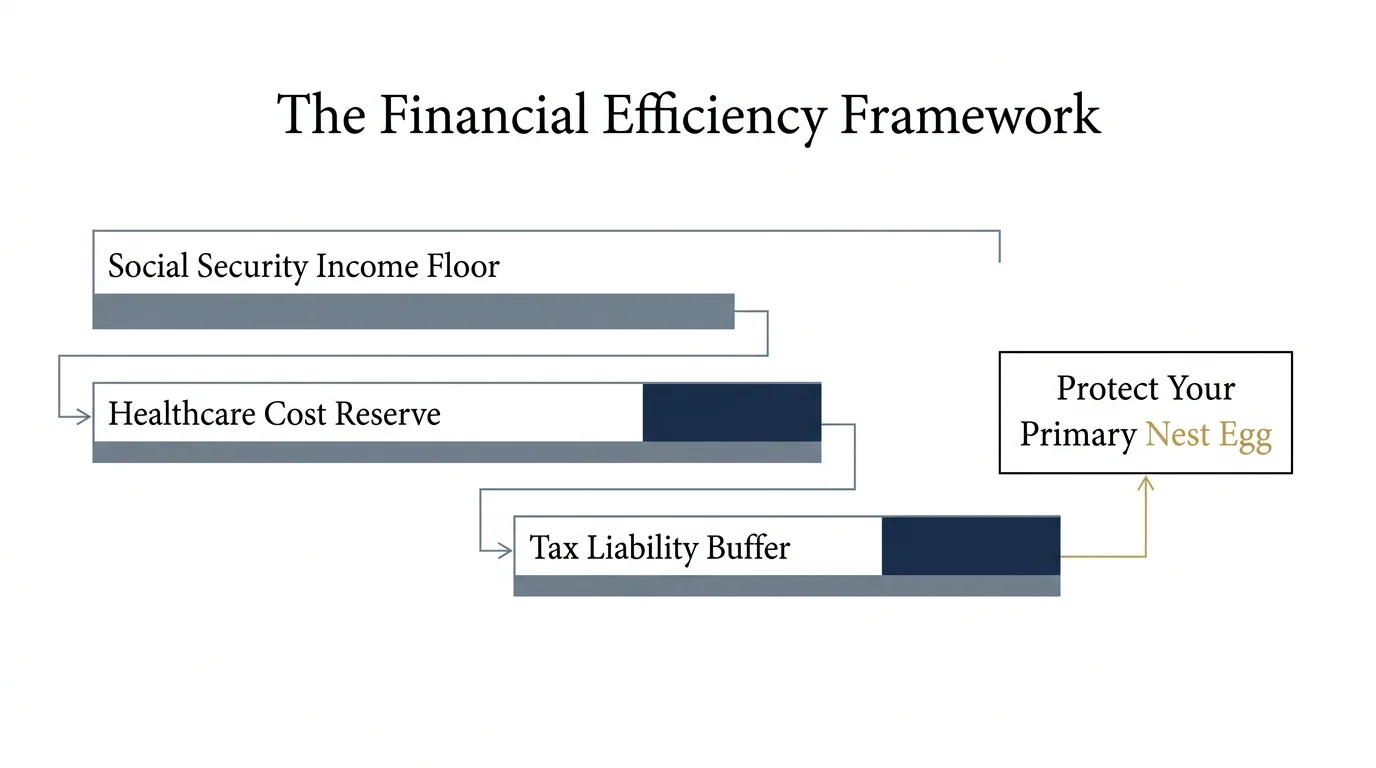
While diving into new hobbies provides immediate gratification, taking total control of your financial efficiency ensures you can confidently sustain those hobbies for decades. Conducting a comprehensive audit of your income streams and tax strategies serves as a crucial, deeply empowering experience. Certified Financial Planner professionals frequently highlight the absolute importance of understanding how different accounts—like traditional IRAs, Roth IRAs, and taxable brokerages—interact when you begin taking regular withdrawals. Ignoring these interactions can unnecessarily push you into a higher tax bracket and erode your purchasing power. You must pay particular attention to your Required Minimum Distributions once you reach the qualifying age, as failing to withdraw the correct, exact amount results in severe federal penalties. Consider working alongside a fiduciary advisor to explore complex strategies like strategic Roth conversions during your early retirement years, especially when your taxable income might be temporarily lower. Consolidating orphaned retirement accounts from past employers into a single, easy-to-manage portfolio reduces your administrative headaches and gives you a much clearer picture of your actual net worth.
Experience 7: Navigate the Digital Aging Revolution
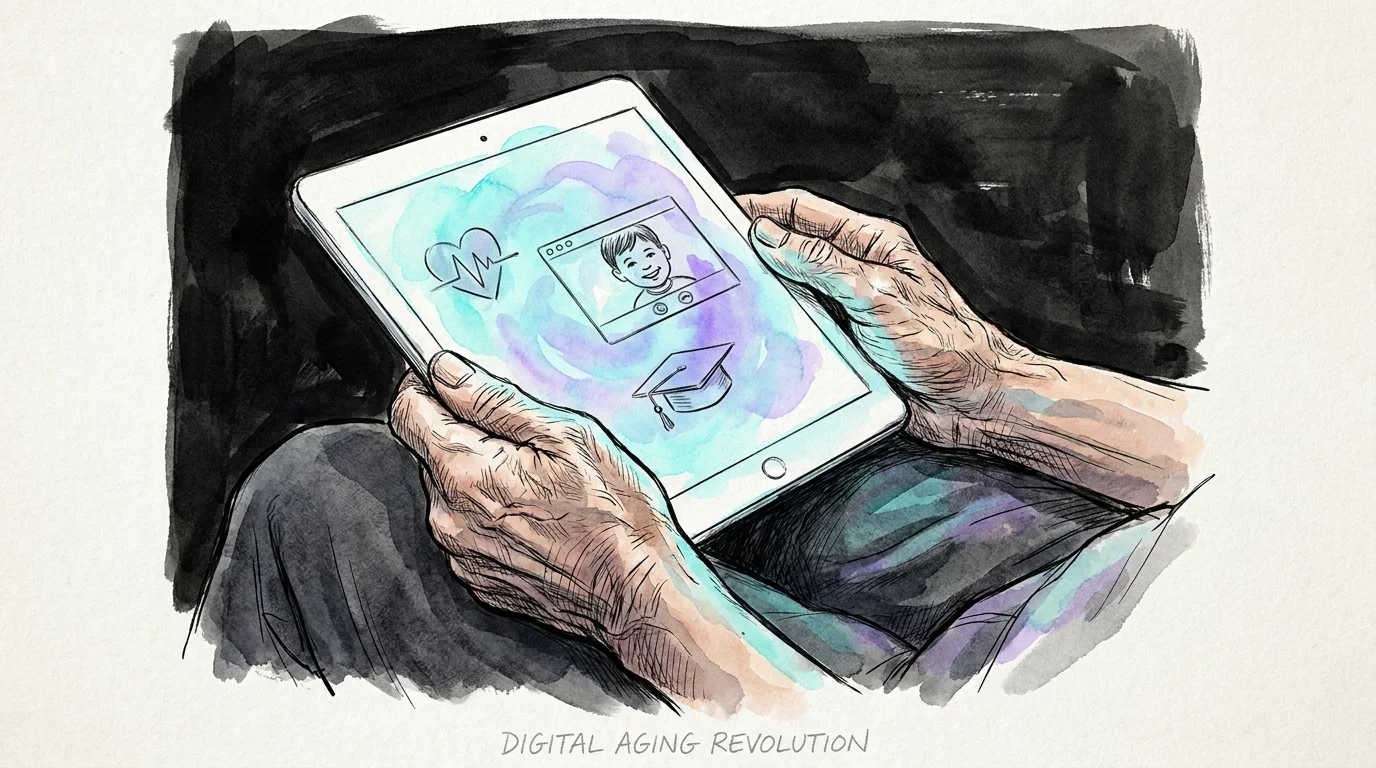
Technology continues to transform the aging experience, and mastering new digital tools significantly enhances both your personal healthcare management and your social life. The digital aging revolution encompasses everything from wearable health trackers that monitor your heart rhythm to smart home devices that control your lighting, security, and thermostat. Embracing telehealth services allows you to consult with top-tier medical specialists from the comfort of your living room, drastically reducing the time and energy spent in crowded waiting areas. Additionally, learning to navigate robust video conferencing software keeps you seamlessly connected with grandchildren, former colleagues, and distant friends. You can lean on trusted advocacy organizations like AARP, which frequently publishes straightforward, jargon-free guides focused on mastering personal technology safely. Expanding your digital literacy directly empowers you to manage your investments online securely, automate your recurring monthly bill payments, and discover new digital communities of like-minded individuals. Approaching new technology with a patient, profoundly curious mindset unlocks an entirely new dimension of daily convenience.

Navigating Risks and Ensuring Your Safeguards
Embracing a vibrant, highly active lifestyle requires maintaining a sharp awareness of the distinct risks that specifically target older adults. Scams remain a pervasive, evolving threat, with criminals constantly shifting their tactics to separate you from your hard-earned retirement savings. Romance scams, aggressive tech support fraud, and sophisticated phishing emails directly exploit social isolation and technological learning curves. You must maintain strict, unwavering skepticism regarding any unsolicited calls or urgent, high-pressure requests for your financial information. If you encounter suspicious activity, reporting it immediately to the Federal Trade Commission helps protect both you and your generational peers. Beyond external fraud, you must carefully navigate complex benefit cliffs and domestic healthcare pitfalls. Generating too much supplementary income from a new consulting gig can inadvertently trigger the Income-Related Monthly Adjustment Amount, which significantly increases your Medicare Part B and Part D monthly premiums. Always verify your insurance network coverage before scheduling specialized medical procedures, and consult a dedicated tax professional before executing large, sudden withdrawals from your tax-advantaged retirement accounts.
Frequently Asked Questions
How much money do I actually need to start a micro-business in retirement?
You rarely need massive capital to launch a retirement side gig, especially if you actively focus on service-based or consulting business models. Many retirees start highly successful consulting, freelance writing, or academic tutoring operations with just a few hundred dollars to cover basic website hosting, professional business cards, and any required local operating licenses. Service businesses heavily leverage your existing intellectual knowledge rather than requiring expensive, space-consuming inventory. Focus on reaching profitability as quickly as possible by keeping your overhead exceptionally low and strictly avoiding unnecessary commercial debt.
Will working part-time affect my current Social Security benefits?
If you have already officially reached your full retirement age, you can earn as much income as you want without facing any reduction in your standard Social Security benefits. However, if you claimed your benefits early and are currently working, the federal government imposes a strict annual earnings limit. If your earned income exceeds this specific threshold, they will temporarily withhold a portion of your monthly benefits. Review the current earnings limits directly on the official government website and firmly factor these limits into your income planning before signing lucrative contracts.
What are the best ways to find reliable volunteer opportunities near me?
Start by clearly identifying the specific causes you care about most, whether that involves local animal welfare, child literacy programs, or environmental conservation efforts. Local community foundations, municipal websites, and library bulletin boards frequently post immediate, pressing needs for neighborhood organizations. National digital databases allow you to easily filter open opportunities by your home zip code and your highly specific skill sets. Reaching out directly to local food banks or animal shelters usually yields immediate results, as these vital organizations constantly require dependable, mature assistance.
How do I protect myself from out-of-pocket healthcare costs while traveling?
Before packing your bags for an extended trip, you must meticulously review your current health insurance policy documents. Traditional domestic Medicare generally does not cover healthcare received outside of the United States, aside from incredibly rare, highly specific exceptions. If your slow travel plans include international destinations, purchasing a comprehensive travel medical insurance policy is absolutely essential to your financial safety. If you are traveling domestically, ensure you completely understand the specific out-of-network rules governing your current Medicare Advantage plan or your supplemental Medigap policy.
Embrace Your Next Chapter
Designing a fulfilling post-career reality demands intention, genuine curiosity, and a willingness to step comfortably outside your long-established professional routines. You now securely possess the ultimate luxury of time, allowing you to curate your days based purely on genuine interest rather than strict corporate obligation. Whether you ultimately choose to launch a small community enterprise, audit a university history course, or build a localized, budget-friendly wellness circuit, each new experience fundamentally enriches your overall well-being and cognitive health. Do not wait for inspiration to strike randomly from the sky. Within the next forty-eight hours, pick just one single concept from this guide and take a tangible, measurable step forward. Register for that introductory community center class, sketch out a basic one-page business plan, or map out a new walking route through a nearby state park. Taking immediate, concrete action instantly shifts your mindset from passive observation to active lifestyle creation. Claim this chapter with robust enthusiasm and build the resilient, joyful life you have always envisioned.