
Securing a fulfilling post-career lifestyle requires more than just careful budgeting; it demands a proactive strategy to maximize your travel dollars while safeguarding your long-term financial health. You can experience the thrill of exploration without draining your retirement accounts by targeting destinations that offer exceptional value, rich cultural experiences, and built-in senior discounts. Recent data from the Bureau of Labor Statistics indicates that older households allocate an increasing share of their disposable income toward leisure, proving that wanderlust does not retire when you do. By embracing off-peak travel schedules and prioritizing accessible locales, you protect your nest egg while enriching your physical and mental well-being—a dual approach that keeps you traveling longer and living better.
The Current Landscape of Retirement Travel
You face a unique set of economic pressures today as inflation forces many older Americans to rethink their spending priorities. Fortunately, a smart travel strategy fits seamlessly into comprehensive income planning when you align your wanderlust with current market realities. The recent cost-of-living adjustments to your fixed income provide a baseline buffer against rising prices, but true financial security comes from making strategic choices about where and when you spend your discretionary funds. By understanding the broader economic snapshot—including fluctuating airfares and the rising costs of traditional luxury resorts—you can easily pivot toward high-value, lower-cost destinations without sacrificing the quality of your trips.
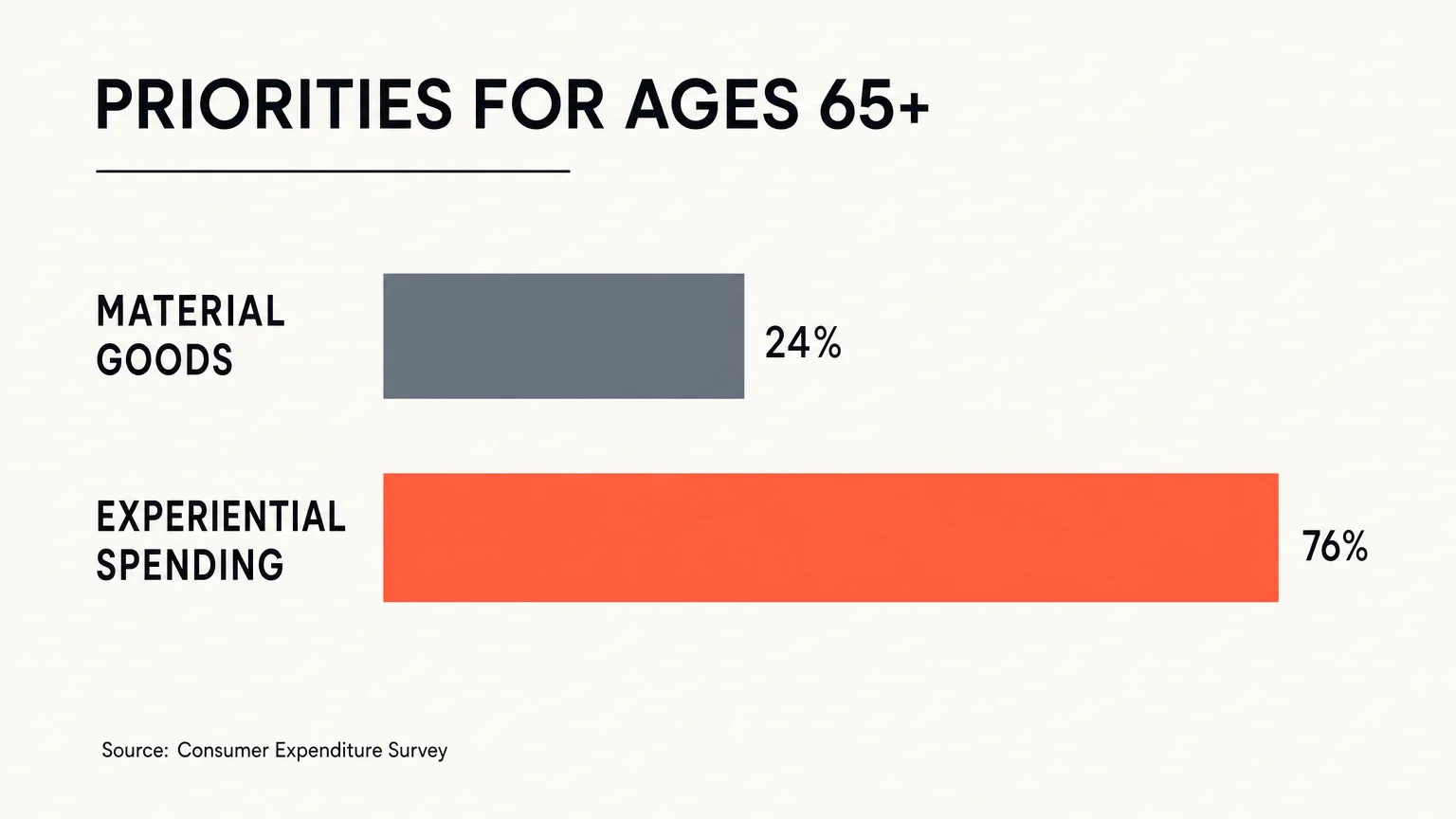
According to the latest consumer expenditure surveys, households led by individuals aged sixty-five and older steadily prioritize experiential spending over material goods. You simply require smarter avenues to achieve those experiences while protecting your core retirement accounts. You hold the power to negotiate better rates, leverage age-based discounts, and travel during shoulder seasons when crowds thin and prices plummet. This scheduling flexibility is your greatest asset in the modern travel landscape, allowing you to sidestep premium peak-season rates that working families are forced to pay.

7 Affordable Vacations Frugal Retirees Can’t Get Enough Of
1. The Great Smoky Mountains, Tennessee and North Carolina
The Great Smoky Mountains National Park stands out as a premier destination for budget-conscious travelers because it remains completely free to enter. You can bypass the hefty vehicle fees charged by other major national parks and dive straight into pristine natural beauty. Rather than booking expensive hotels, you can rent fully equipped cabins in nearby towns like Gatlinburg or Pigeon Forge. These rentals allow you to prepare your own meals, significantly cutting down on daily dining expenses. The region offers countless accessible, paved walking trails that cater to varying mobility levels, ensuring you can safely enjoy the physical health benefits of nature walks.
2. Colonial Williamsburg, Virginia
If you crave historical and cultural immersion, Colonial Williamsburg provides a deeply enriching experience that respects your fixed budget. The historic area itself is free to walk through, allowing you to admire the restored eighteenth-century architecture at no cost. When you want to enter the exhibits and speak with historical interpreters, you can take advantage of generous senior discounts on multi-day passes. Williamsburg features flat, highly walkable terrain that promotes cardiovascular health without overexertion. By visiting during the crisp autumn months or the mild early spring, you secure significantly lower lodging rates while avoiding the sweltering summer heat and heavy tourist crowds.
3. Gulf Shores, Alabama
You do not need to pay premium South Florida prices to enjoy stunning white-sand beaches and warm ocean breezes. Gulf Shores offers a relaxed, highly affordable alternative that frugal retirees consistently praise. During the shoulder seasons—specifically late fall and early spring—condominium rentals drop drastically in price. These accommodations typically include full kitchens and in-unit laundry, which helps you manage daily expenses effortlessly. The flat coastal landscape is ideal for gentle morning walks, while the local seafood markets provide fresh, affordable ingredients for home-cooked dinners on your balcony.
4. San Antonio, Texas
San Antonio blends rich multicultural heritage with incredible affordability, making it a staple for retirement travel. The famous River Walk provides miles of shaded, paved pathways located below street level, offering a scenic and highly accessible environment for daily strolls. You can explore the iconic Alamo completely free of charge, and the city boasts a robust public transit system that offers discounted fares for older adults, eliminating the need for an expensive rental car. You will also find that the local culinary scene is incredibly budget-friendly, allowing you to enjoy authentic Tex-Mex cuisine without stressing over the restaurant bill.
5. Sedona, Arizona
While Sedona often carries a reputation for luxury, you can experience its breathtaking red rock vistas on a strict budget by timing your visit carefully. Booking your trip in late November or early March allows you to bypass peak season pricing while still enjoying comfortable, mild weather. Sedona heavily emphasizes health and wellness, offering countless free outdoor meditation sites and gentle nature paths that support joint mobility and mental clarity. By renting a modest guest house slightly outside the main tourist corridor, you gain access to the same majestic views and healing environment at a fraction of the cost.
6. Branson, Missouri
Known as the live entertainment capital of the Midwest, Branson caters directly to an older demographic with incredibly competitive pricing. You can attend world-class musical performances, comedy shows, and theatrical productions utilizing steep senior matinee discounts. Branson is heavily geared toward road-trippers and RV travelers, offering numerous low-cost campgrounds and budget motels that maintain high standards of cleanliness and comfort. The centralized location makes it an easy, cost-effective drive for millions of retirees across the country, allowing you to bypass volatile airline baggage fees and flight delays.
7. St. Augustine, Florida
As the oldest city in the United States, St. Augustine delivers European charm and centuries of history without the expense of an international flight. You can spend days wandering the cobblestone streets, admiring the Spanish colonial architecture, and exploring free local art galleries. To protect your budget, look for historic bed-and-breakfasts offering weekday specials, and focus your itinerary on the city’s highly walkable downtown district. St. Augustine naturally encourages a slower, more deliberate pace of travel, aligning perfectly with a relaxed retirement lifestyle focused on deep cultural engagement rather than rushing from attraction to attraction.

Designing Your Frugal Travel Strategy
Building a sustainable travel lifestyle requires a dedicated approach to income planning. Instead of pulling from your core investments arbitrarily, you should establish a specific travel savings bucket funded by high-yield savings interest or part-time passion projects. This strategy prevents market volatility from dictating your vacation schedule. You can further stretch these dedicated funds by embracing the concept of slow travel. Staying in one location for two to three weeks often unlocks deep discounts on short-term rentals, reducing your average nightly cost while allowing you to truly acclimate to a new community.
Your lifestyle design and health routines must remain front and center when planning these excursions. Maintaining your wellness on the road keeps medical emergencies at bay and ensures you actually enjoy the trips you pay for. Choose destinations that match your current mobility level, and never feel pressured to overbook your daily itinerary. You can maximize your budget and your safety by exploring the comprehensive travel benefits and planning tools offered by reputable aging organizations, which frequently secure exclusive rates on rental cars, lodging, and accessible tour packages.

Expert Voices on Travel and Aging
Financial planners consistently emphasize that travel should be treated as a necessary living expense during your early retirement years, rather than a frivolous luxury. By stress-testing your portfolio and allocating a strict five to seven percent of your discretionary income to a travel fund, you create a psychological permission slip to enjoy your money guilt-free. Experts agree that this structured approach prevents the dual risks of overspending on a single luxury cruise or, conversely, hoarding assets out of fear and missing out on your most capable traveling years.
Gerontologists echo this sentiment from a cognitive perspective. Navigating new environments, adapting to different cultural norms, and physically moving through novel landscapes actively builds cognitive reserve. According to resources detailing cognitive health and aging, stepping outside your daily routine forces your brain to create new neural pathways. Therefore, funding an affordable trip to a new city is not just a leisure activity; it is a vital investment in your long-term neurological health and emotional resilience.

Risks and Safeguards to Watch
While affordable travel is highly rewarding, you must remain vigilant against pervasive vacation rental scams that specifically target older internet users. Always book your accommodations through verified, secure platforms or directly with established hospitality brands. If a private owner demands payment via wire transfer or untraceable gift cards, you must immediately halt the transaction. You should also carefully review the cancellation policies on budget airlines, as the cheapest initial ticket often strips away your right to a refund if you experience a sudden health flare-up.
Healthcare coverage represents another significant blind spot for traveling retirees. Traditional Medicare rarely covers medical care received outside the borders of the United States, and certain Medicare Advantage plans enforce strict geographic networks even domestically. Before you book your trip, you must review the official rules regarding travel coverage to ensure you will not be subjected to catastrophic out-of-network bills. Finally, if you decide to take on seasonal work to fund your travel habit, be aware of the annual earnings limits that could temporarily reduce your monthly Social Security benefits if you have not yet reached full retirement age.
Frequently Asked Questions
How do I find senior discounts that actually save me money?
You must adopt a proactive approach, as businesses rarely advertise their deepest senior discounts unprompted. Always call the hotel or attraction directly rather than relying on third-party booking sites, and explicitly ask for their unadvertised senior rates. Combining an organizational membership discount with off-peak travel dates frequently yields the highest total savings.
Is it cheaper to drive or fly for domestic retirement vacations?
Driving almost always wins out for budget-conscious retirees traveling domestically, provided the destination is within a reasonable two-day drive. Driving eliminates volatile airfare, baggage fees, and the cost of renting a car at your destination. Furthermore, your personal vehicle allows you to pack your own groceries and mobility aids, saving you significant money upon arrival.
How does travel impact my healthcare coverage?
If you rely on Original Medicare, your coverage travels with you anywhere across the fifty states and U.S. territories. However, if you utilize a localized Medicare Advantage plan, traveling out of your home state might leave you footing the bill for out-of-network urgent care. You should always contact your plan provider before departing to clarify your out-of-network emergency coverage.
What is the best way to budget for travel without risking my core retirement funds?
You should utilize a bucketing strategy, separating your critical living expenses from your discretionary leisure funds. Open a dedicated high-yield travel savings account and automatically transfer a set percentage of your monthly income into it. When this specific bucket is empty, your travel stops until it replenishes, completely shielding your essential nest egg from vacation overspending.
Your Next Move
You possess the time, the flexibility, and the strategic insight to explore the country without compromising your financial security. Within the next forty-eight hours, take one concrete step toward your next affordable getaway. Open a dedicated travel savings account, or spend thirty minutes researching shoulder-season lodging rates in one of the destinations mentioned above. By taking immediate action, you transform the dream of frugal retirement travel into a concrete plan, ensuring your upcoming years are filled with enriching experiences, healthy movement, and lasting memories.