
Managing blood sugar efficiently can transform your health and stretch your retirement budget by reducing reliance on costly pharmaceuticals. According to the Centers for Disease Control and Prevention, over twenty-nine percent of American seniors over sixty-five live with diabetes, while another fifty-two percent navigate prediabetes. While prescription drugs play a vital role in blood sugar control, specific everyday pantry staples activate cellular mechanisms similar to common medications like metformin and acarbose. By strategically adding targeted, whole foods to your daily routine, you improve insulin sensitivity, blunt glucose spikes after meals, and protect your long-term independence without sacrificing taste or straining your monthly budget.

Navigating Diabetes Management and Healthcare Costs in Retirement
The landscape of senior healthcare in America is undergoing significant shifts, creating new financial and health management dynamics. According to data from the Centers for Disease Control and Prevention, over thirty-one million older adults manage prediabetes alongside millions living with diagnosed type 2 diabetes. Managing this condition requires constant daily vigilance, balanced nutrition, and structured medical care.
For years, prescription costs weighed heavily on fixed retirement incomes. Recent policy changes under the Inflation Reduction Act offer essential relief. Out-of-pocket costs for covered insulin products remain capped at thirty-five dollars monthly for Medicare beneficiaries. Additionally, annual out-of-pocket Part D drug spending is capped at two thousand one hundred dollars in 2026. Medicare negotiated drug prices taking effect January 1, 2026, also reduce costs for key diabetes drugs like Jardiance by sixty-six percent, Januvia by seventy-nine percent, and Farxiga by sixty-eight percent.
While these policy updates ease financial pressure, medical experts stress that pharmaceuticals work best alongside lifestyle habits. Functional foods enhance cellular glucose clearance, reduce glycemic variability, and support long-term metabolic health. Understanding how common foods interact with your biology empowers you to protect both your health and your retirement savings.
1. Ceylon Cinnamon: Nature’s Cellular Insulin Sensitizer
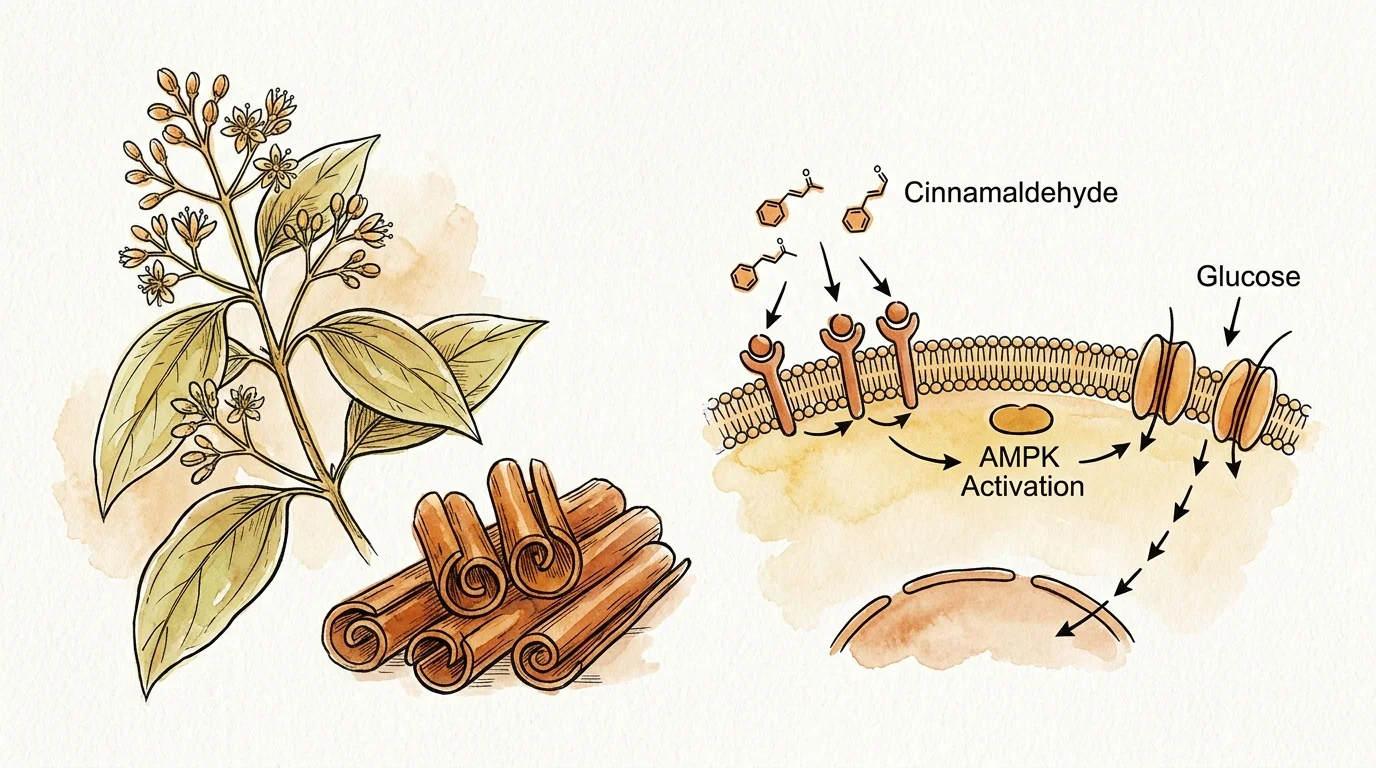
Cinnamon enjoys a long history in traditional wellness, but modern research highlights its precise metabolic mechanisms. For individuals managing elevated blood sugar, Ceylon cinnamon—often called true cinnamon—functions similarly to metformin, a widely prescribed diabetes medication. Metformin activates an enzyme called adenosine monophosphate-activated protein kinase; Ceylon cinnamon contains bioavailable polyphenols that stimulate this exact enzymatic pathway.
When you consume Ceylon cinnamon, its active constituent, cinnamaldehyde, enhances insulin signaling in muscle and fat cells. This activity prompts glucose transporters to move to cell surfaces, pulling excess sugar directly from your bloodstream. Research shows that consuming one to six grams of cinnamon daily can lower fasting blood glucose levels by ten to twenty-four percent.
Choose Ceylon cinnamon over Common Cassia cinnamon to avoid high levels of coumarin, which can stress your liver over time. Sprinkling a teaspoon of Ceylon cinnamon onto warm oatmeal, stirring it into unsweetened Greek yogurt, or brewing it into tea gently supports your metabolic machinery and smooths out post-meal glucose spikes.
2. Apple Cider Vinegar: The Digestive Glucose Shield
Unfiltered apple cider vinegar provides exceptional post-meal glucose support. Its active component, acetic acid, alters carbohydrate digestion much like alpha-glucosidase inhibitors such as acarbose. Acarbose blocks intestinal enzymes that break starches into simple sugars; acetic acid exerts a similar effect by temporarily slowing digestive enzyme activity.
When consumed with carbohydrates, acetic acid slows starch breakdown in your digestive tract, preventing rapid glucose surges into your bloodstream. Acetic acid also delays gastric emptying, causing food to leave your stomach at a measured pace. This action mimics GLP-1 receptor agonist medications, promoting fullness and preventing sharp postprandial glucose spikes.
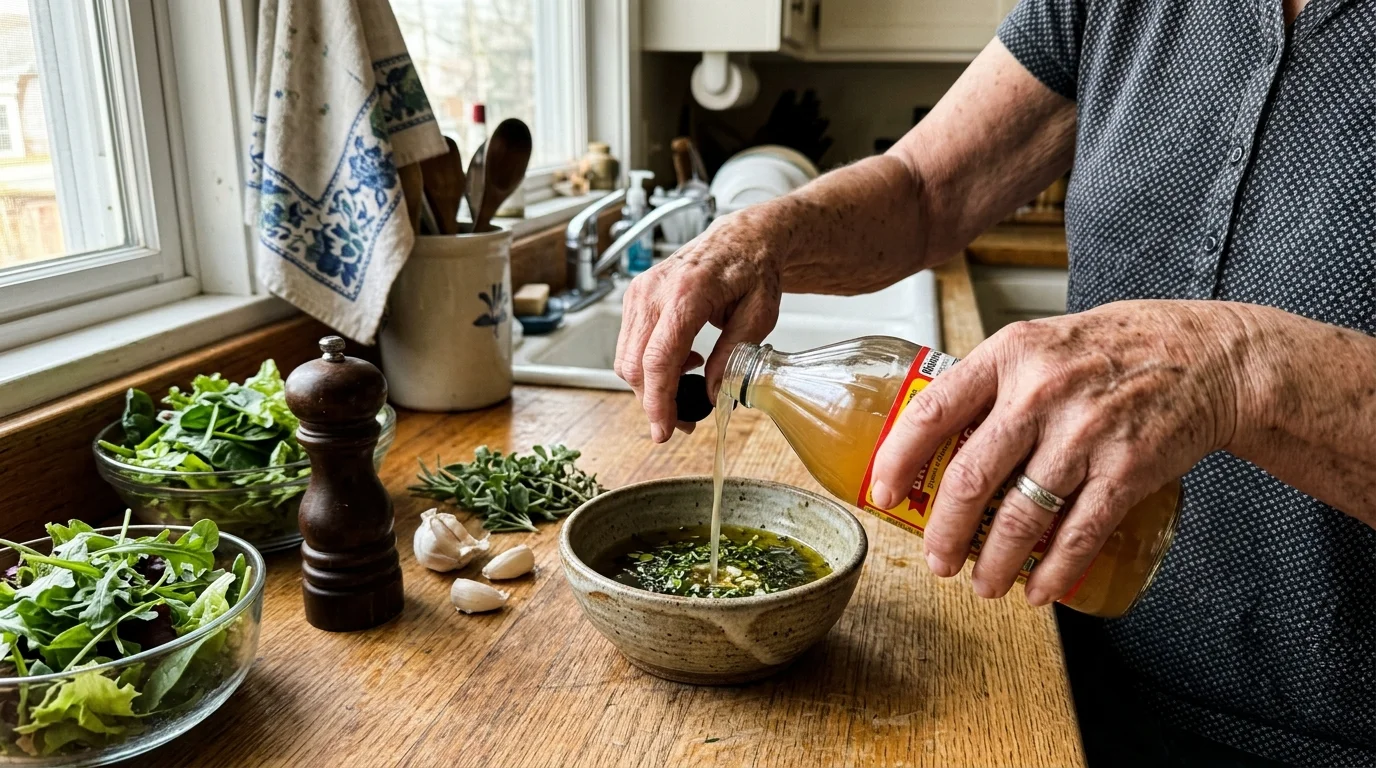
Guidance supported by AARP health resources highlights that taking two teaspoons of raw apple cider vinegar diluted in water before meals can reduce post-meal glucose spikes by up to thirty percent. Always dilute vinegar in eight ounces of water or mix it into salad dressings with extra virgin olive oil to protect tooth enamel and stomach lining.
3. Lentils and Beans: Natural Triggers for Endogenous GLP-1
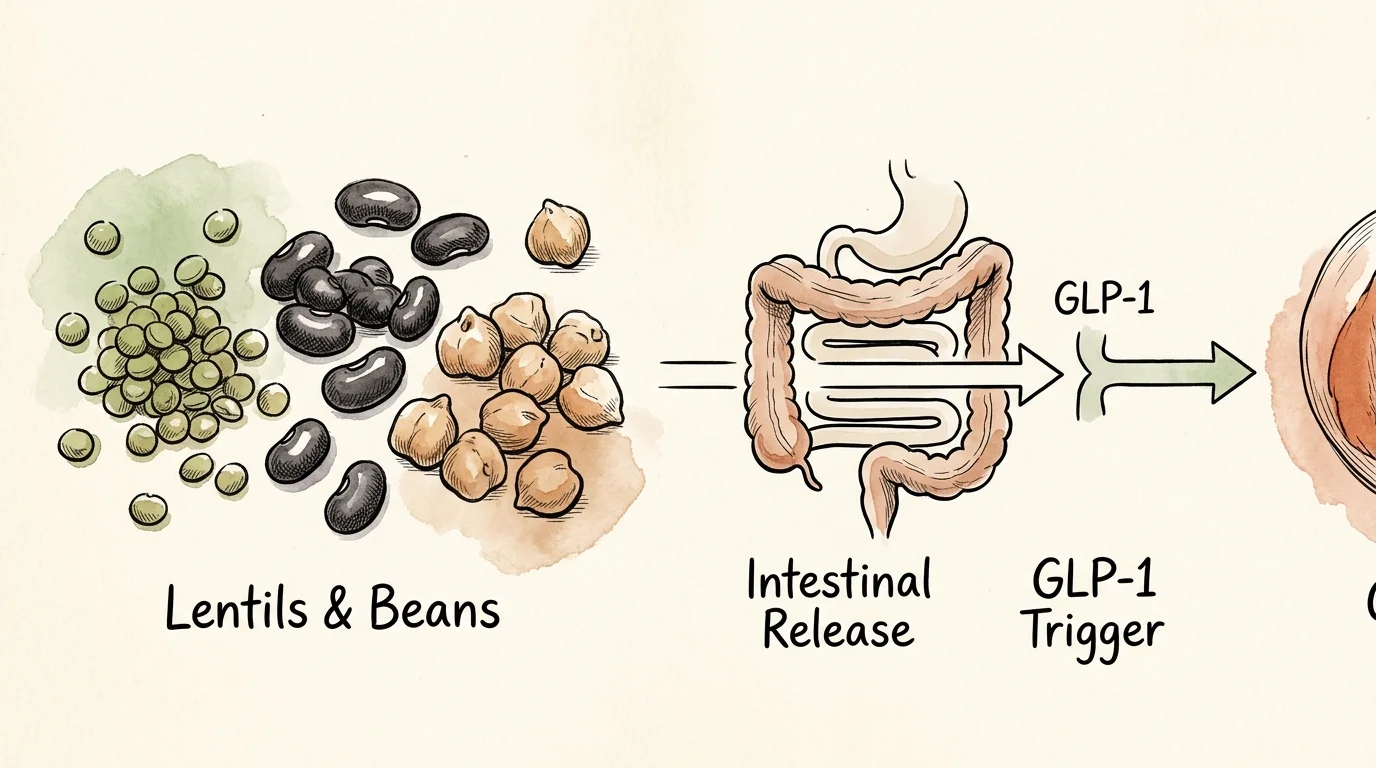
Legumes like lentils, black beans, and chickpeas possess fiber profiles that fundamentally enhance gut endocrine health. While injectable GLP-1 medications mimic metabolic hormones to slow digestion and trigger insulin release, legumes encourage your body to produce its own endogenous GLP-1 naturally through fiber fermentation.
Cooked lentils and beans supply viscous soluble fiber and resistant starch that travel to your large intestine. Beneficial gut bacteria ferment these fibers into short-chain fatty acids like acetate and butyrate. These compounds stimulate L-cells in your gut lining, triggering the release of natural GLP-1 and peptide YY.
This natural hormone release improves pancreatic beta-cell responsiveness, prompting precise insulin secretion when blood sugar rises. Legumes also create a second-meal effect, where eating lentils at lunch improves your glycemic response during dinner hours later. Adding a half-cup serving of cooked lentils to soups or salads offers long-lasting glycemic balance while supporting cardiovascular health.
4. Bitter Melon and Barberries: Potent AMPK Activators
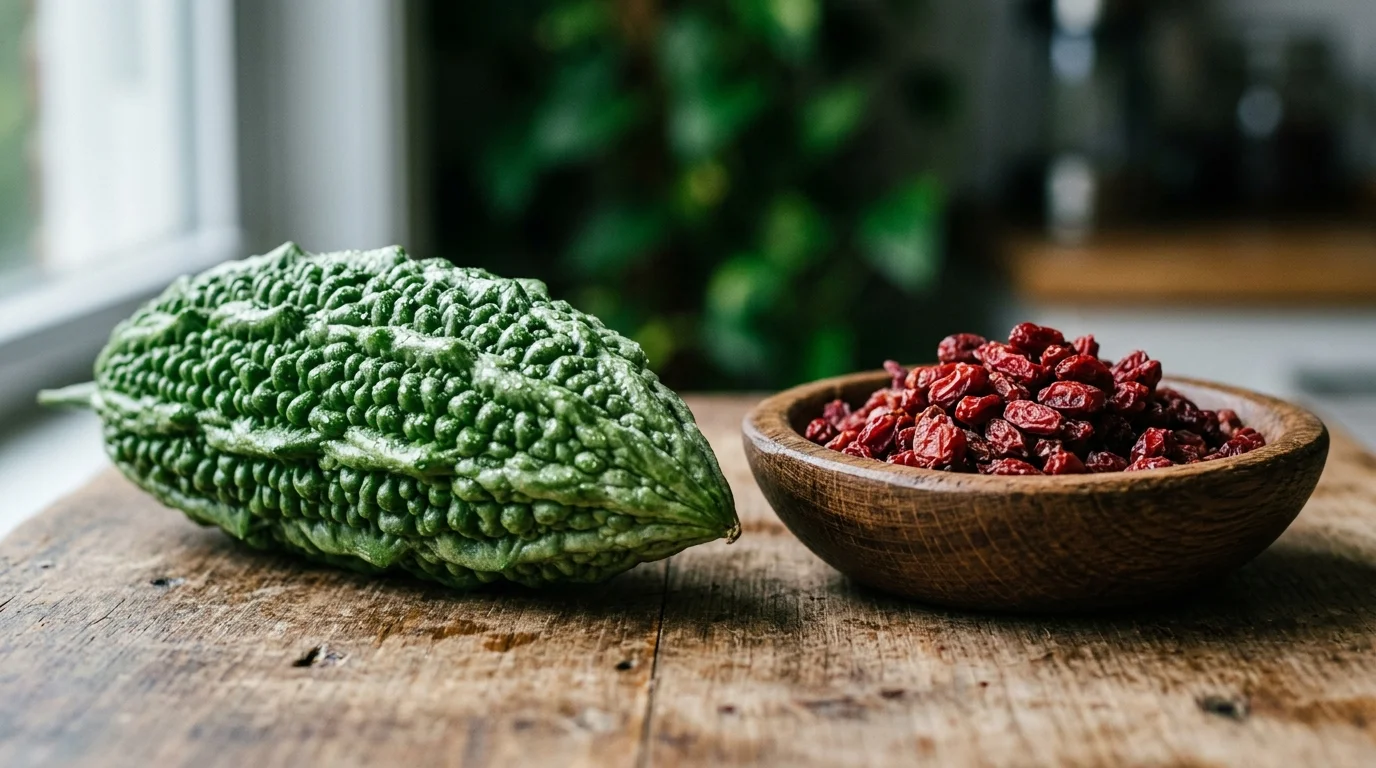
Bitter melon and barberries offer unique botanical mechanisms for blood sugar regulation. Bitter melon contains active compounds including charantin, vicine, and polypeptide-p, an insulin-like peptide that facilitates cellular glucose uptake directly without stressing your pancreas.
Barberries serve as a rich source of berberine, a potent plant alkaloid. Studies archived by the National Institute on Aging show that berberine activates cellular adenosine monophosphate-activated protein kinase at levels comparable to metformin. This master metabolic switch enhances cellular energy production, increases insulin receptor sensitivity, and limits excess liver glucose production while you sleep.
Including bitter melon in stir-fries or adding unsweetened dried barberries to whole grains offers comprehensive glycemic support. Bitter melon reduces overnight liver glucose release, while barberry compounds improve tissue insulin sensitivity throughout the day. Together, these foods help maintain steady blood sugar levels from morning to night.
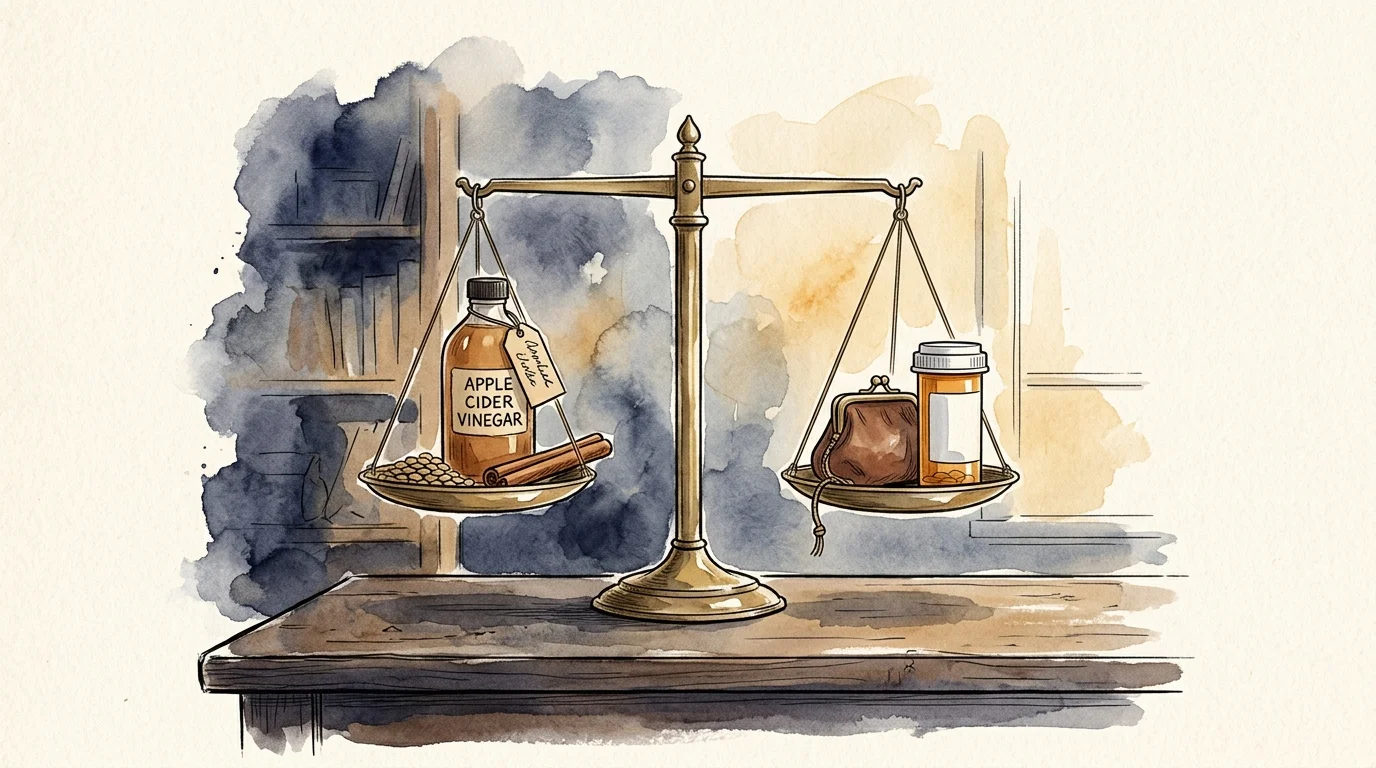
Integrating Food and Finance: Protecting Your Retirement Budget
Managing blood sugar effectively is deeply connected to overall financial security in retirement. Healthcare costs can consume fixed incomes quickly, making preventative wellness a powerful financial tool. By using functional foods to support stable glucose levels, you may reduce overall reliance on expensive medication tiers under your doctor’s supervision.
Certified Financial Planner experts highlight healthcare cost management as a cornerstone of retirement preservation. Although Medicare caps annual out-of-pocket Part D spending at two thousand one hundred dollars in 2026, avoiding long-term diabetic complications like neuropathy or vision changes saves significant secondary medical expenses over time.
Schedule regular reviews with your physician and financial advisor to coordinate your health and budget goals. Track your prescription spending alongside your grocery costs. Reinvesting medication savings into high-quality whole foods creates a self-sustaining cycle of physical wellness and financial confidence, protecting your nest egg against rising costs.
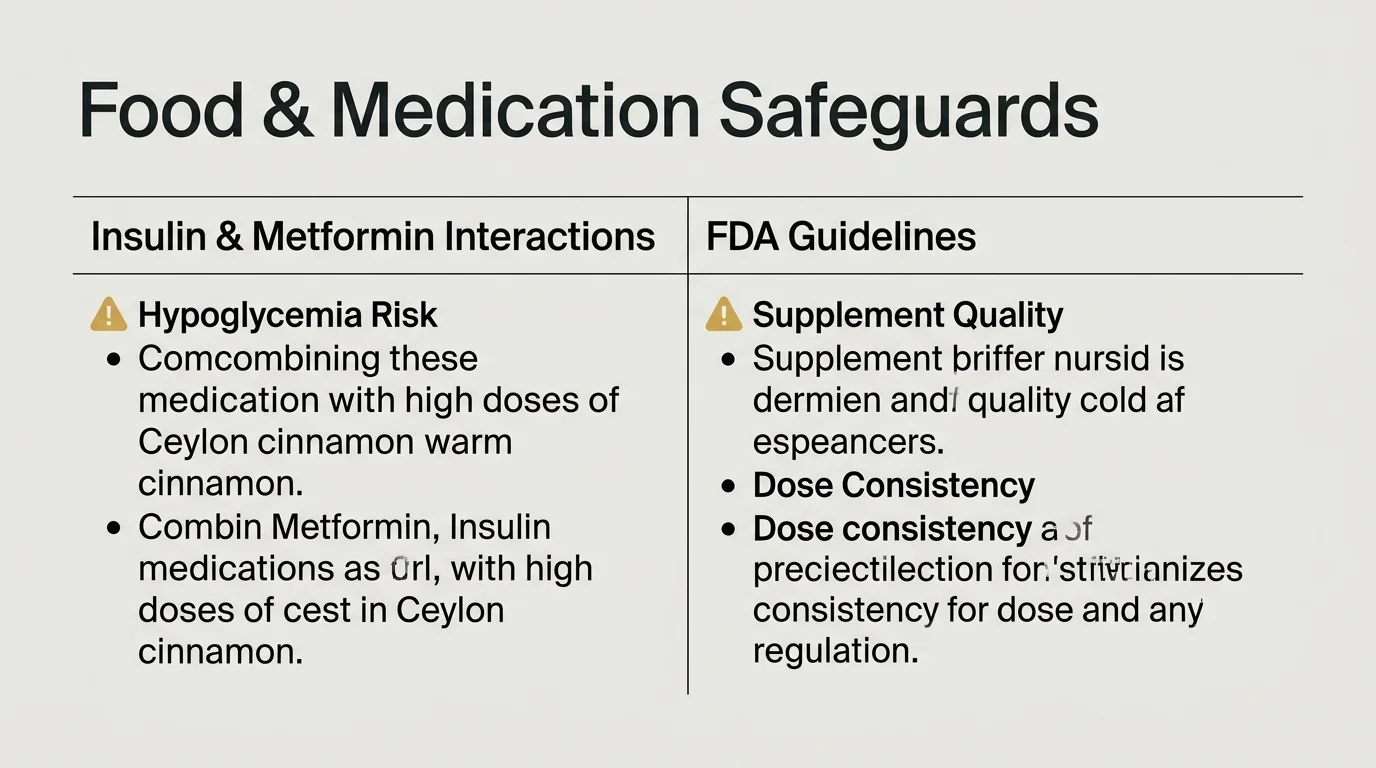
Essential Safeguards: Drug Interactions and FDA Regulations
While whole foods offer remarkable health benefits, you must approach natural glucose control with proper medical safeguards. The U.S. Food and Drug Administration regulates dietary supplements and functional foods under the Dietary Supplement Health and Education Act as foods rather than prescription drugs. Federal regulations prohibit manufacturers from claiming that natural remedies cure, treat, or replace diabetes medications.
The primary safety risk when using functional foods is hypoglycemia, or dangerously low blood sugar. If you take blood-sugar-lowering medications like insulin or sulfonylureas, combining them with concentrated cinnamon, vinegar, or berberine-rich foods can cause glucose levels to drop rapidly. Hypoglycemia causes shakiness, dizziness, and confusion, increasing fall risks among older adults.
Never stop or alter prescription medications without consulting your primary care provider. Inform your healthcare team about any dietary adjustments or herbal additions. Your doctor can track your hemoglobin A1c levels and safely adjust medication dosages as your natural insulin sensitivity improves over time.
Frequently Asked Questions
Can food entirely replace my prescribed diabetes medications?
Food cannot automatically replace prescription medications, particularly for advanced type 2 diabetes or insulin dependence. Functional foods like Ceylon cinnamon and lentils support insulin sensitivity and delay starch digestion, serving as complementary tools. Always work with your doctor before making any changes to your medication routine.
How soon can I expect blood sugar improvements from dietary changes?
Some acute effects occur quickly; drinking diluted apple cider vinegar before a meal can lower post-meal glucose spikes within one to two hours. However, lasting improvements in overall insulin sensitivity and reductions in hemoglobin A1c typically take eight to twelve weeks of consistent nutrition and physical activity.
Are there risks of blood sugar dropping too low when eating these foods?
When eaten as part of a balanced diet without medications, functional foods rarely cause hypoglycemia. However, if you combine these foods with prescription medications like insulin or sulfonylureas, your blood sugar could drop lower than intended. Regular glucose monitoring helps keep you safe.
How do these dietary adjustments impact my Medicare drug spending?
Improving blood sugar management through nutrition can help reduce dependence on high-tier prescription drugs. With Medicare capping annual Part D out-of-pocket costs at two thousand one hundred dollars in 2026 and insulin at thirty-five dollars monthly, maintaining stable health helps keep your overall healthcare spending low.
Your 48-Hour Action Plan for Better Glucose Control
Improving your blood sugar control does not require complex lifestyle changes; it starts with one simple step today. Over the next forty-eight hours, choose one functional food to add to your daily routine. Add a teaspoon of ground Ceylon cinnamon to your morning meal, or mix a tablespoon of raw apple cider vinegar into water before dinner. Pair this adjustment with a short ten-minute walk after meals to support immediate muscle glucose absorption. These simple daily choices build steady momentum, protecting your health, supporting your independence, and preserving your financial security throughout your retirement years.