
Managing your blood sugar in retirement does not require expensive specialty foods or complicated prescription regimens. Simple, affordable ingredients already sitting in your kitchen cabinet can significantly improve your daily glucose control while protecting your fixed retirement budget. According to recent data from the Centers for Disease Control and Prevention, over 52 percent of American seniors—representing 31.3 million older adults—live with prediabetes, while nearly 29 percent manage type 2 diabetes. By incorporating evidence-based pantry staples like ground cinnamon, raw vinegar, and fiber-dense legumes into your daily meals, you can buffer post-meal blood sugar spikes, lower fasting glucose levels, and enjoy better health without overspending on costly dietary supplements.
Understanding Senior Blood Sugar and Medicare Coverage Updates
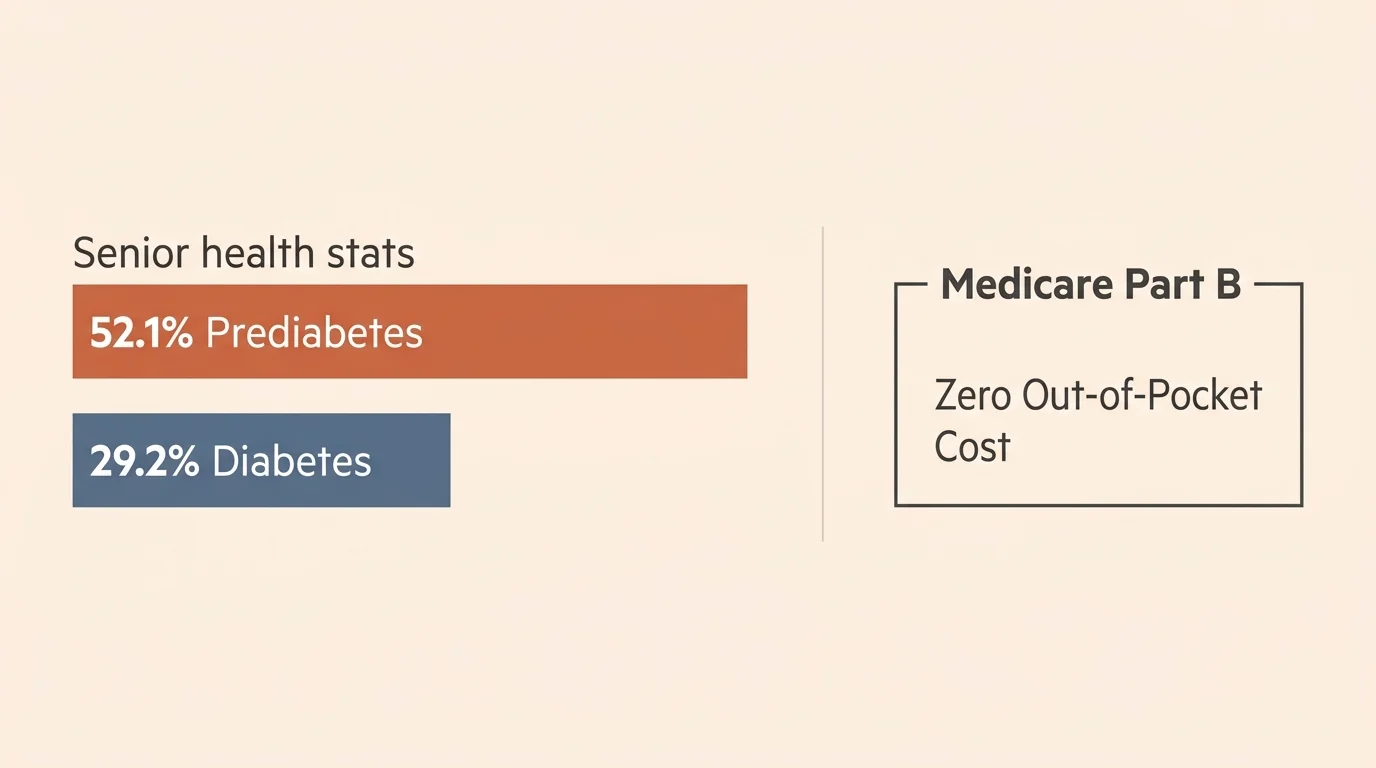
Navigating metabolic health becomes increasingly important as you age, especially when managing a fixed income in today’s inflationary economy. Data from the CDC diabetes surveillance data indicates that 40.1 million Americans currently live with diabetes, while another 115.2 million adults have prediabetes across all age groups. Among Americans aged 65 and older, the numbers are particularly striking; roughly 29.2 percent have diagnosed or undiagnosed diabetes, and 52.1 percent meet the clinical criteria for prediabetes. These statistics highlight a clear reality: metabolic shifts affect the majority of American retirees, making proactive glucose management an essential part of healthy aging and financial planning.
Fortunately, public health policies and federal insurance programs have evolved to support seniors who take preventative action. The Centers for Medicare and Medicaid Services covers the Medicare Diabetes Prevention Program for eligible beneficiaries diagnosed with prediabetes under Medicare Part B. This structured intervention offers health coaching, dietary guidance, and lifestyle support at zero out-of-pocket cost. Combining these official federal resources with smart, home-based nutrition strategies allows you to build a comprehensive defense against rising medical bills and long-term health complications.
Controlling blood sugar directly protects your retirement portfolio; prescription medications, continuous glucose monitors, and frequent specialist visits quickly drain hard-earned savings. When you take control of your metabolic health through basic grocery items, you preserve your financial independence while avoiding unnecessary medical outlays. Simple culinary choices serve as a low-cost, high-yield investment in your personal longevity, overall physical vitality, and monthly household budget.
Staple 1: Ground Cinnamon for Lower Fasting Glucose
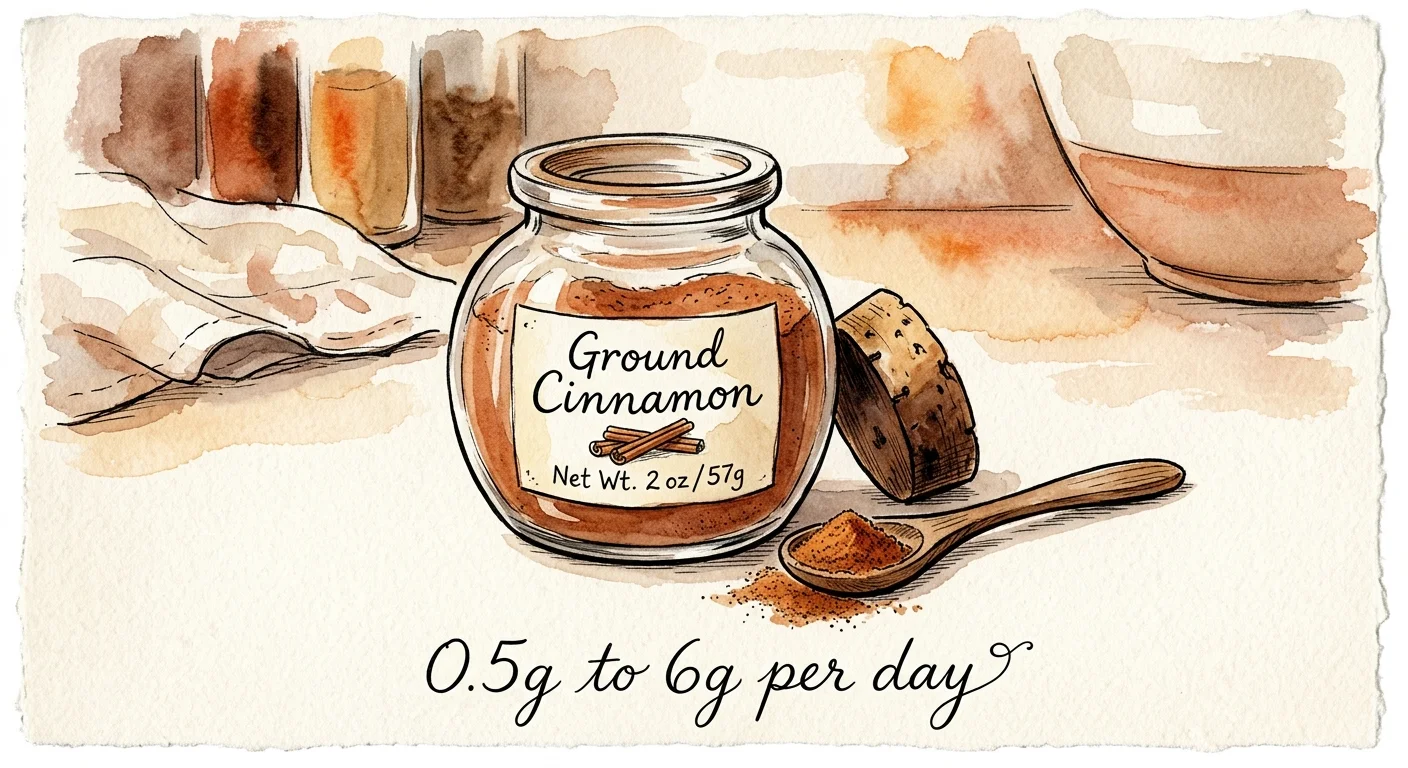
Ground cinnamon is far more than a comforting aromatic spice for autumn baking; it acts as a powerful botanical tool for improving insulin sensitivity. Meta-analyses of clinical trials demonstrate that daily intake of ground cinnamon or concentrated cinnamon extract—ranging from 0.5 grams to 6 grams per day over six to sixteen weeks—reduces fasting blood glucose levels by an average of 8.6 to 8.8 milligrams per deciliter (0.48 to 0.49 mmol/L). Bioactive compounds within cinnamon, particularly methylhydroxychalcone polymers, mimic the activity of insulin inside your cells, helping transport circulating sugar out of your bloodstream and into muscle tissues for cellular energy.
When selecting cinnamon at the grocery store, you must understand the key difference between Cassia and Ceylon varieties. Standard grocery store shelves typically feature Cassia cinnamon, which contains moderate amounts of coumarin—a naturally occurring compound that can stress liver tissue when consumed in large daily doses over long periods. Ceylon cinnamon, frequently labeled as true cinnamon, contains negligible levels of coumarin; this makes Ceylon cinnamon the much safer choice for daily, therapeutic use. You can easily find Ceylon cinnamon at natural food stores or online spice retailers for just a few dollars per jar.
Integrating ground cinnamon into your daily menu requires minimal effort and fits seamlessly into standard breakfast routines. You can stir half a teaspoon of Ceylon cinnamon directly into your morning coffee grounds before brewing, whisk it into warm steel-cut oatmeal, or sprinkle it over fresh apple slices and plain Greek yogurt. According to research documented in clinical research published on PubMed, consistent daily exposure yields the most significant improvements in baseline fasting glucose numbers over time.

Staple 2: Apple Cider Vinegar for Post-Meal Glucose Control
Post-meal glucose spikes—known clinically as postprandial hyperglycemia—can wear down blood vessels over time and leave you feeling fatigued after eating. Raw apple cider vinegar and other traditional culinary vinegars offer an exceptionally effective remedy for this common metabolic issue. Clinical studies confirm that consuming 1 to 2 tablespoons (15 to 30 milliliters) of liquid vinegar diluted in water alongside a carbohydrate-rich meal significantly slows gastric emptying. By delaying the rate at which your stomach releases digested food into the small intestine, vinegar prevents rapid rushes of sugar into your bloodstream.
The underlying biological mechanism relies on acetic acid, the primary organic compound responsible for vinegar’s sharp taste and aroma. Acetic acid temporarily inhibits disaccharidase enzymes in the digestive tract, which slows down the conversion of complex starches into simple glucose molecules. Furthermore, acetic acid enhances skeletal muscle uptake of glucose, allowing your body to process incoming carbohydrates far more efficiently. This dual action makes vinegar an indispensable tool when you enjoy higher-carbohydrate meals such as brown rice, whole-wheat pasta, or roasted root vegetables.
To implement this practical strategy safely, mix 1 tablespoon of raw, unpasteurized apple cider vinegar into 8 to 10 ounces of cool water and drink it approximately ten minutes before your largest meal of the day. Never consume undiluted vinegar, as concentrated acetic acid can erode dental enamel and irritate sensitive esophageal tissue over time; using a reusable straw further protects your teeth. Alternatively, you can craft a delicious, blood-sugar-friendly salad dressing by whisking raw vinegar with cold-pressed extra virgin olive oil, minced garlic, and ground black pepper.
Staple 3: Dried Legumes and Rolled Oats for Long-Term Fiber Support
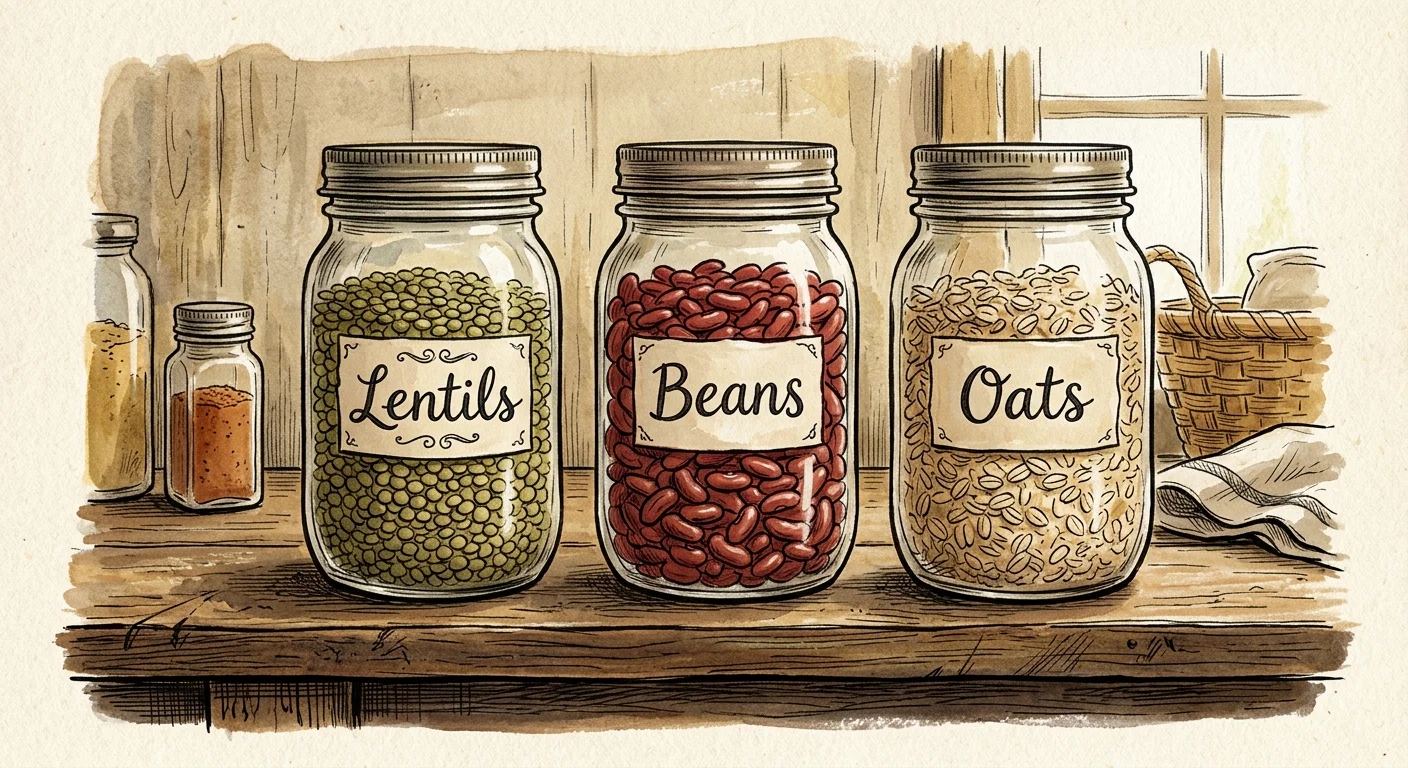
Complex carbohydrates rich in soluble fiber—such as black beans, red lentils, chickpeas, and traditional rolled oats—form the cornerstone of an economical, blood-sugar-lowering diet. Unlike refined grains that break down rapidly into simple sugars, soluble fiber absorbs water in the digestive tract to create a thick, gel-like matrix. This physical barrier slows digestive enzymes, ensuring a gradual, controlled release of glucose into your bloodstream rather than a sharp spike.
In addition to immediate digestive slowing, legumes trigger a beneficial metabolic phenomenon known as the second-meal effect. Medical researchers have observed that consuming fiber-dense beans or lentils at lunch improves your body’s glucose tolerance and insulin sensitivity not only for that meal, but also for dinner and breakfast the following morning. The fermentable fibers in legumes nourish beneficial gut bacteria, which produce short-chain fatty acids that improve systemic metabolic health and reduce chronic inflammation across your body.
From an economic standpoint, dried legumes and whole oats offer unmatched financial value for retirees balancing a fixed budget. According to consumer expense data highlighted by AARP health guidelines, purchasing dried beans in bulk provides high-density protein and fiber for mere pennies per serving. Batch-cooking a pot of lentil soup or preparing overnight oats with chia seeds gives you several days of pre-portioned, blood-sugar-stabilizing meals for a fraction of the price of processed diet foods.
Integrating Culinary Medicine into Your Retirement Financial Plan
Viewing your kitchen pantry as a frontline healthcare asset changes how you approach retirement budgeting and personal longevity. Healthcare inflation regularly outpaces standard cost-of-living adjustments, making preventative lifestyle habits one of your strongest financial safeguards. When you maintain stable glucose levels through basic, whole foods, you reduce the likelihood of requiring expensive long-term medications, specialized medical equipment, or intensive clinical treatments later in life.
Certified Financial Planner professionals and gerontologists increasingly emphasize the value of health capital in retirement planning. Resources available through the National Council on Aging demonstrate that seniors who maintain metabolic stability preserve their personal independence, lower their out-of-pocket healthcare outlays, and retain greater flexibility in their discretionary spending. Investing small amounts of money in nutrient-dense pantry staples yields immediate biological benefits and long-term financial security.
By prioritizing whole, unprocessed pantry ingredients over expensive proprietary supplements or trendy superfood powders, you avoid the commercial markups that plague the modern wellness industry. Pure spices, unpasteurized vinegars, and dried legumes deliver scientifically proven bioactivity without inflating your weekly grocery bill; this approach keeps your kitchen simple, your body resilient, and your retirement fund intact.
Health Safeguards, Medication Interactions, and Red Flags
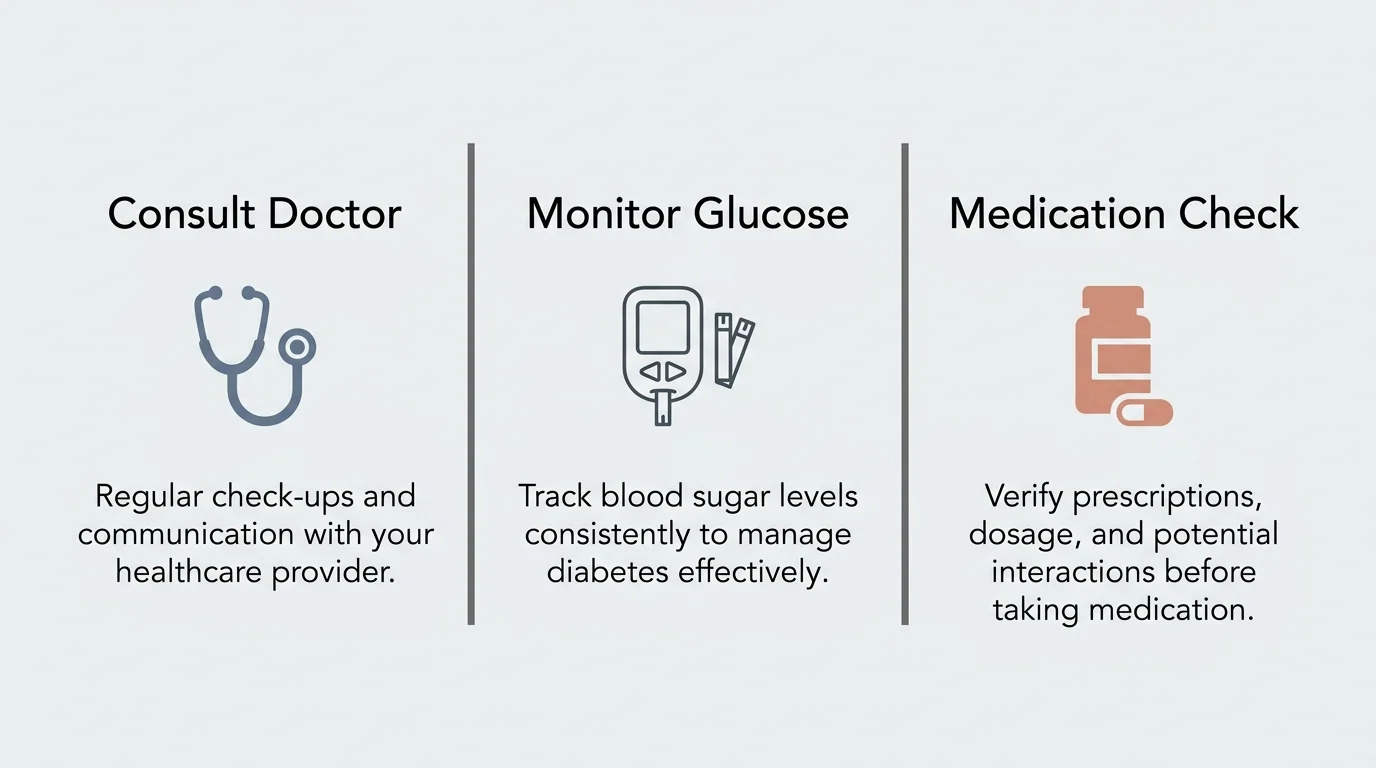
While natural pantry staples offer significant therapeutic benefits, you must approach culinary medicine with realistic risk management and individual awareness. If you currently take prescription blood sugar lowering medications—such as insulin, sulfonylureas like glipizide, or metformin—combining them with large therapeutic doses of cinnamon or acetic acid can occasionally trigger hypoglycemia. Symptoms of excessively low blood sugar include shakiness, dizziness, sweating, and confusion; always monitor your blood glucose levels closely when introducing new daily dietary habits.
You should also exercise caution regarding marketing scams and predatory claims widespread in the supplement industry. Many online vendors market proprietary blood sugar pills for $50 to $100 per bottle, claiming miraculous reversals of type 2 diabetes. In reality, these commercial capsules often contain inexpensive ground Cassia cinnamon or synthetic alpha-lipoic acid sold at exorbitant markups. Standard culinary spices and grocery store ingredients provide identical or superior biological activity at a tiny fraction of the cost, keeping your money safely in your bank account.
Finally, respect your personal digestive tolerance and existing physical conditions. Individuals suffering from advanced gastroparesis, active peptic ulcers, or severe acid reflux should consult their physician before increasing liquid vinegar intake, as delayed stomach emptying or acidity can aggravate these conditions. Always inform your primary care provider about any consistent dietary changes, ensuring your lifestyle strategies complement your overall medical treatment plan seamlessly.
Frequently Asked Questions About Blood Sugar and Pantry Staples
Can I replace my prescription diabetes medication with these pantry staples?
No, you should never stop, reduce, or modify your prescription diabetes medications without direct guidance from your physician. Kitchen staples like Ceylon cinnamon, apple cider vinegar, and fiber-rich legumes serve as complementary tools designed to support your body’s natural metabolic processes alongside professional medical care. While adopting a nutrient-dense diet may eventually allow your doctor to lower your medication dosages based on improved lab results, prescription adjustments must always be managed under clinical supervision.
How quickly will I see lower blood sugar readings after adding these foods to my diet?
The timeframe for observable results depends on the specific staple and the metabolic metric you are tracking. Apple cider vinegar can show immediate effects, blunting post-meal blood sugar spikes within 30 to 60 minutes after a meal. Conversely, botanical items like ground Ceylon cinnamon and high-fiber legumes build systemic benefits gradually over time; clinical trials show significant reductions in baseline fasting blood glucose and HbA1c levels after six to twelve weeks of consistent daily consumption.
Does heating cinnamon or cooking with vinegar destroy their active compounds?
Moderate culinary heating does not destroy the beneficial organic compounds in these pantry items. The active polyphenols and methylhydroxychalcone polymers in cinnamon remain stable under normal baking and brewing temperatures, meaning warm oatmeal or spiced hot tea retains its therapeutic potential. Similarly, while extreme high heat can evaporate some acetic acid in vinegars, incorporating vinegar into salad dressings or adding it at the end of cooking preserves its ability to slow gastric emptying and manage post-meal glucose spikes.
Does Medicare cover professional nutrition counseling or diabetes management?
Yes, Medicare Part B provides coverage for Medical Nutrition Therapy if you have a formal diagnosis of diabetes or renal disease, typically covering three hours of one-on-one counseling in your first year and two hours in subsequent years when referred by a doctor. Additionally, the Medicare Diabetes Prevention Program offers zero-cost lifestyle coaching for eligible beneficiaries diagnosed with prediabetes, helping you translate dietary science into daily habits that fit your budget and personal preferences.
Your 48-Hour Plan for Better Blood Sugar Control
Transforming your metabolic health does not require an overwhelming lifestyle overhaul; taking one targeted, actionable step within the next 48 hours sets a powerful momentum in motion. Start by auditing your current kitchen supplies and replacing standard Cassia cinnamon with a bottle of pure Ceylon cinnamon from your local market. Tomorrow morning, stir half a teaspoon of Ceylon cinnamon into your coffee grounds or warm breakfast cereal, establishing a simple habit that actively supports your fasting glucose control.
Next, purchase a bottle of raw, unpasteurized apple cider vinegar and a few bags of dried lentils or black beans during your next grocery trip. Tomorrow evening, mix 1 tablespoon of vinegar into a glass of water ten minutes before dinner, and plan a high-fiber bean soup for lunch later in the week. By making these affordable, research-backed additions to your weekly routine today, you take immediate control of your blood sugar, protect your fixed retirement budget, and build a healthier, more vibrant future.