
Working with your hands during retirement offers a powerful combination of steady supplemental income, physical vitality, and deep creative satisfaction. According to recent data from the U.S. Bureau of Labor Statistics, nearly 20 percent of Americans aged 65 and older remain active in the labor force, with almost 38 percent choosing flexible, part-time roles. Whether you want to fix furniture, tend gardens, or repair classic machinery, practical trade skills remain in exceptionally high demand across local communities. Transitioning your physical trade knowledge into a low-stress, flexible job can help you fund your ideal lifestyle while keeping your mind sharp and your physical body active throughout your golden years.
The Modern Landscape of Hands-On Part-Time Work
The definition of retirement has transformed dramatically over the past decade. Rather than stepping away from labor entirely, millions of American retirees choose to remain active through tactile, craft-based, and skilled trade projects. Research in gerontology consistently demonstrates that engaging in fine motor tasks and active problem-solving builds cognitive resilience, maintains grip strength, and wards off social isolation. When you build, repair, or refine physical objects, you experience a tangible sense of accomplishment that sedentary desk work simply cannot match.
At the same time, local communities face a growing shortage of skilled craftspeople and trade technicians. As experienced tradespeople retire, homeowners and small businesses struggle to find reliable individuals for custom woodworking, small engine maintenance, or floral design. Data published by the U.S. Bureau of Labor Statistics highlights robust growth across personal service and maintenance fields. By stepping into these niche spaces on a part-time basis, you fill a vital community need while maintaining total authority over your personal schedule.
Financial Strategy: Earnings Limits and Tax Rules for Working Retirees
Before taking on paid clients or accepting a part-time payroll position, you must align your work hours with federal tax guidelines and Social Security regulations. Earning extra income can enhance your financial independence, but crossing specific earnings thresholds can temporarily suppress your monthly benefits if you claim Social Security before reaching your full retirement age.
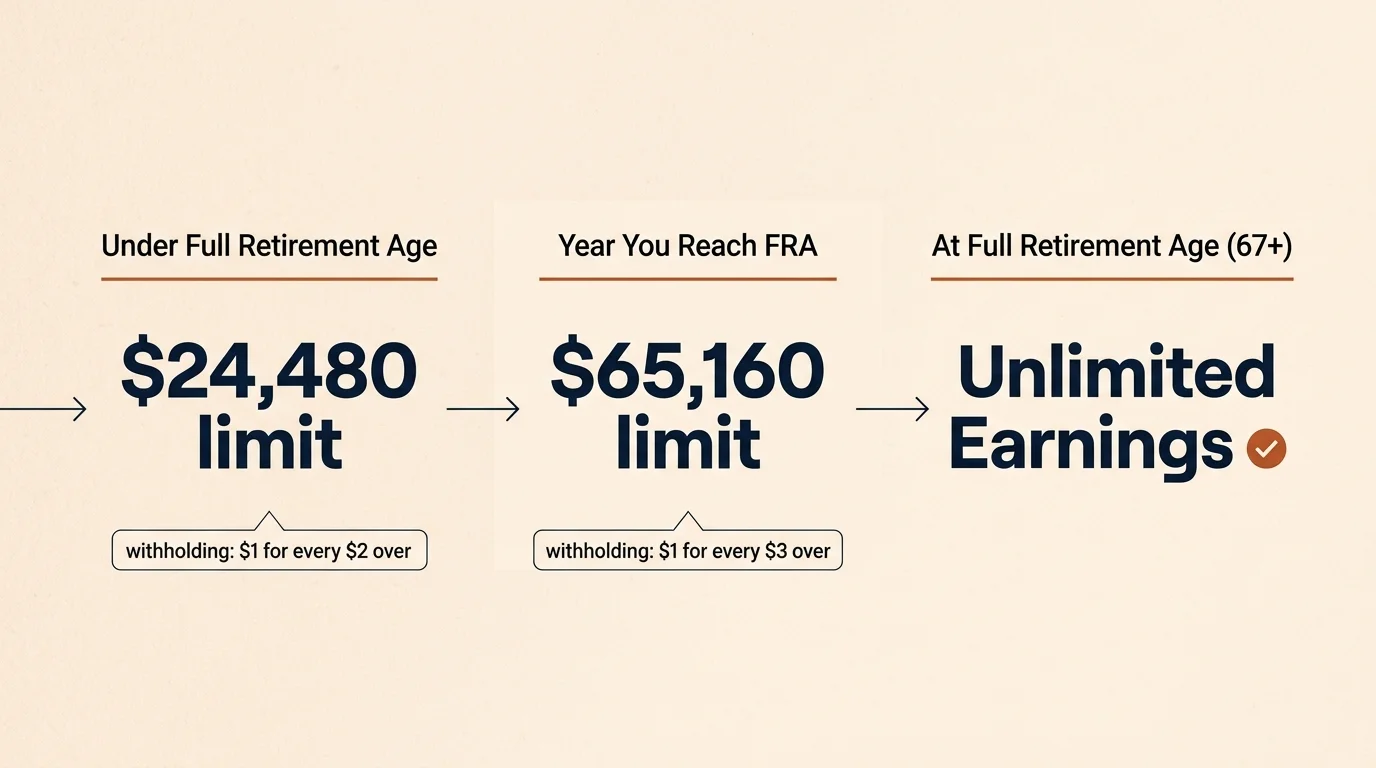
For retirees claiming benefits before reaching full retirement age (FRA), the Social Security Administration sets strict annual limits. In 2026, the early retirement earnings limit sits at $24,480. If your earnings exceed this limit, the government withholding rule reduces your benefits by $1 for every $2 earned over the limit. During the specific calendar year you reach full retirement age, the higher transition earnings limit rises to $65,160, reducing benefits by $1 for every $3 earned above the limit. Once you reach your full retirement age—which is 67 for individuals born in 1960 or later—the earnings test disappears entirely, allowing you to earn unlimited income without any benefit reduction.
Additionally, self-employment income from custom crafting, handyman tasks, or small repairs requires careful accounting. You must pay self-employment taxes (Schedule SE) on net profits exceeding $400, according to guidance from the Internal Revenue Service. Keeping detailed logs of business expenses—such as tool purchases, workshop materials, and vehicle mileage—will offset gross revenue and protect your bottom line.
10 Best Part-Time Jobs for Retirees Who Love Working With Their Hands
Finding the right hands-on job means balancing your physical capabilities with your income goals. The following ten roles offer outstanding flexibility, high local demand, and rewarding day-to-day tasks.
1. Home Repair Specialist and Local Handyman
If you possess a broad toolbox and years of home maintenance experience, working as a local handyman provides high hourly earnings and endless variety. General maintenance workers earn a median wage of $23.38 to $23.84 per hour, but independent repair specialists routinely charge $25 to $50 or more per hour depending on regional demand. Homeowners frequently need help with minor repairs, cabinet hardware adjustments, weatherstripping, or assembling furniture. Working independently allows you to decline heavy lifting or hazardous ladder work while focusing strictly on manageable indoor tasks.
2. Custom Carpenter and Woodworking Artisan
Woodworking translates seamlessly into retirement because you control the pace of production inside your own workshop. The national median hourly pay for carpenters stands at $28.50 per hour. You can build custom floating shelves, repair antique dining chairs, or craft bespoke cutting boards for local farmers markets. Because custom woodworking commands premium prices, you can generate significant supplemental income with just ten to fifteen working hours per week.
3. Landscape and Grounds Maintenance Specialist
For retirees who crave fresh air and outdoor exercise, local gardening and landscaping offer consistent seasonal employment. Landscaping and groundskeeping workers earn a median pay of $18.82 per hour. Instead of handling high-intensity commercial lawn mowing, consider offering specialized residential care—such as perennial bed pruning, organic vegetable garden installation, or seasonal planter design. This lighter, detailed garden work keeps you moving outdoors without overwhelming your joints.
4. Craft Artisan and Custom Maker
If you excel at ceramics, leatherworking, stained glass, or custom jewelry creation, turning your passion into a business lets you set your own schedule. Craft artists earn a median wage of $22.15 to $23.91 per hour. Selling your handmade goods through online marketplaces, local artisan cooperatives, or seasonal craft fairs gives you direct creative control. Studio craft work allows you to sit comfortably, work at your own speed, and build a rewarding micro-business around your artistic talent.
5. Floral Designer and Event Decorator
Floral design combines tactile creativity with a comfortable indoor environment. The median hourly pay for floral designers is $17.37 per hour. Local flower shops and event planners often hire part-time floral assistants during peak seasons, such as spring weddings, holidays, and graduation cycles. You will process fresh flowers, construct arrangements, and stage decor; delivering high visual impact through fine motor precision.
6. Pet Groomer and Animal Care Assistant
Combining hands-on work with a passion for animals creates a deeply fulfilling post-retirement option. Animal care and grooming workers earn a median wage of $16.09 per hour, with occupational growth projected at an impressive 11 percent through 2034. Many local pet boutiques, veterinary clinics, and mobile grooming salons seek reliable part-time bathers, nail trimmers, and assistants. Alternatively, offering independent pet care and light grooming services in your neighborhood provides direct cash flow and physical activity.
7. Bicycle Repair Mechanic
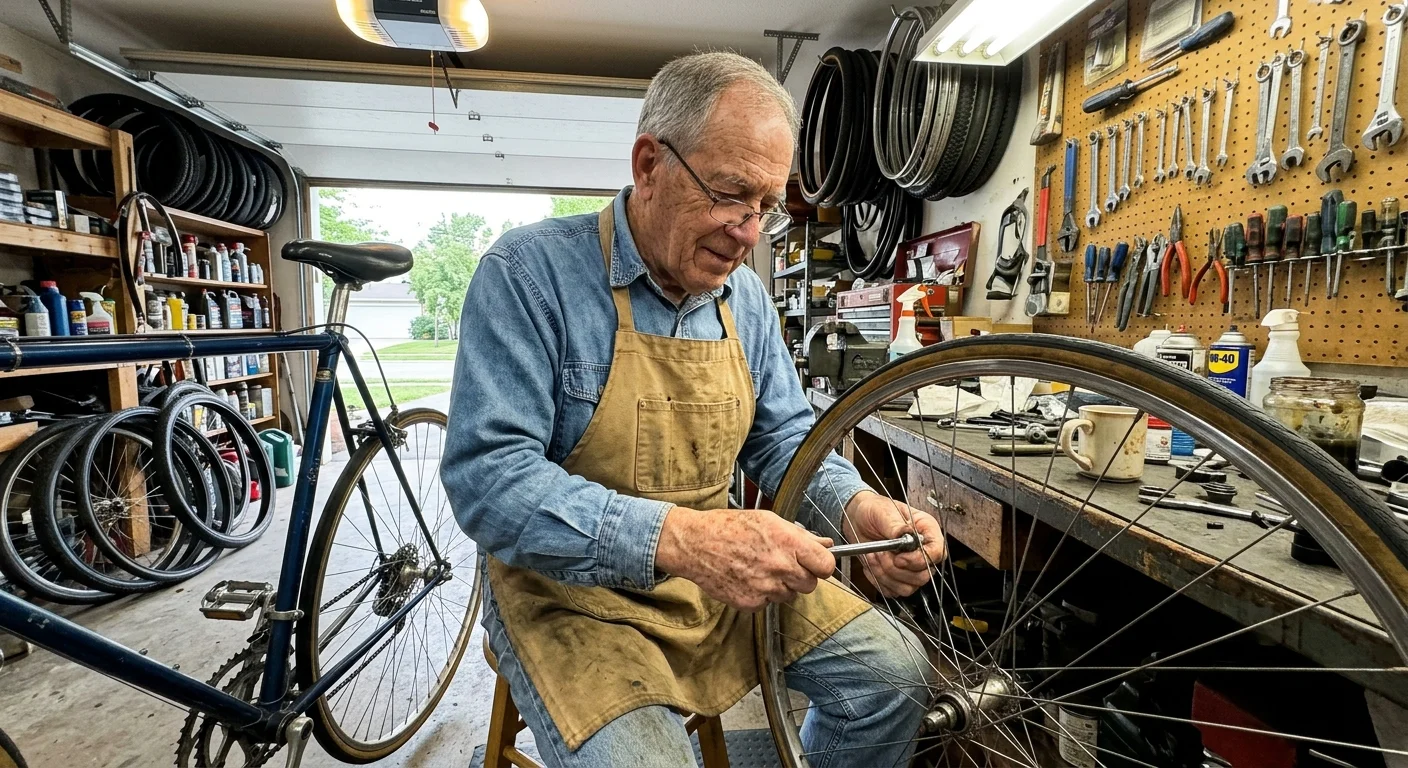
Bicycle mechanics perform satisfying, tactile work tuning gears, replacing brake pads, and servicing chain drives. Independent bike shops constantly seek seasonal mechanics to handle maintenance backlogs during spring and summer months. The work keeps your hands busy with precision tools while avoiding heavy physical strain. As electric bicycles gain widespread popularity, mechanics with basic electrical and mechanical troubleshooting skills can charge premium hourly rates.
8. Picture Framer and Art Restorer
Custom picture framing demands meticulous measuring, accurate matting, and delicate glass handling. Specialty frame shops and art galleries value the steady hands, attention to detail, and patient work ethic that mature adults bring to the workbench. Picture framers work in clean, quiet studio environments, making this role an ideal choice for retirees looking for low-impact work that exercises spatial reasoning and craftsmanship.
9. Small Engine Repair Technician
Small engine repair is a vanishing trade, making experienced technicians incredibly valuable. If you understand carbureted engines, ignition coils, and fuel lines, servicing lawnmowers, pressure washers, and chain saws can become a lucrative part-time venture. Small engines sit conveniently on workbench surfaces, allowing you to complete repairs comfortably at eye level without stooping or crawling.
10. Tailor and Alterations Specialist
Precision sewing and garment alteration skills remain in strong demand as off-the-rack clothing frequently requires custom fitting. Offering tailoring, zipper replacement, and hem adjustments allows you to work seated in your own home studio. Clothing alterations carry minimal overhead cost, and word-of-mouth recommendations among neighbors and dry cleaners can quickly establish a steady flow of part-time clients.

Protecting Your Body: Ergonomics and Work-Life Balance
Working with your hands keeps your mind sharp and your muscles engaged, but physical longevity requires smart ergonomic practices. Prioritize job site safety and physical posture over speed. Invest in anti-fatigue floor mats for your workshop, purchase high-quality physical protective gear, and select lightweight, ergonomic hand tools designed to reduce wrist strain.
Listen to your body and schedule structured rest breaks throughout the day. Gerontologists emphasize that physical work in retirement should promote wellness, not cause chronic fatigue or injury. Set strict limits on your weekly hours—capping physical labor at 15 to 20 hours per week helps prevent repetitive strain injuries while preserving plenty of energy for leisure, family, and rest.

Safeguarding Your Wealth: Insurance, Business Setup, and Scam Awareness
Protecting your personal assets is just as important as earning hourly income. If you plan to work independently as a handyman, carpenter, or small engine repairer, establish a separate business entity, such as a Limited Liability Company (LLC), to insulate your personal savings from business liabilities. Furthermore, secure a general liability insurance policy to cover accidental property damage or injuries while working on client homes.
Reviewing your health insurance landscape is equally essential. Working part-time past age 65 does not automatically change your Medicare eligibility, but higher net earnings could trigger Income-Related Monthly Adjustment Amounts (IRMAA) on Medicare Part B and Part D premiums. You can review current health coverage rules on Medicare.gov to ensure your extra earnings do not inadvertently increase your healthcare costs. Lastly, remain vigilant against employment scams—never accept advance checks for supply purchases from unverified online clients, and always verify credentials through reputable consumer advocacy groups like AARP before accepting independent contracts.
Frequently Asked Questions
How will part-time earnings affect my Social Security payments?
If you have reached your full retirement age, your earnings will not reduce your Social Security benefits at all. If you are under full retirement age, you can earn up to $24,480 in 2026 without losing any benefit dollars. Beyond that limit, Social Security temporarily holds back $1 for every $2 earned above the threshold, though these held funds will recalculate into higher monthly payouts once you reach full retirement age.
Do I need general liability insurance for small hands-on jobs?
Yes, purchasing general liability insurance is a critical safeguard if you perform work inside clients’ homes or sell physical products. A basic liability policy protects your personal nest egg against accidental damage claims, client injuries, or product defects. Annual premiums for simple sole proprietors or low-risk part-time businesses are often modest compared to the peace of mind they provide.
How can I market my trade skills locally without spending money?
You can generate clients for free by tapping into existing community networks. Post service offerings on local neighborhood forums, distribute flyers at community centers, and leave business cards with local hardware stores or craft shops. Delivering high-quality work and reliable communication will generate valuable word-of-mouth referrals, keeping your schedule comfortably full without paid advertising.
What if I have physical limitations like mild wrist or back pain?
Select roles that offer seated, controlled environments, such as tailoring, picture framing, floral design, or light jewelry making. Modify your workspace with elevated benches, adjustable seating, and power-assisted hand tools. By controlling your client volume and setting realistic project deadlines, you can adapt any hands-on job to match your current physical comfort level.
Your 48-Hour Action Plan
Transforming your practical trade skills into an enjoyable part-time retirement job starts with one small step. Within the next 48 hours, choose one hands-on activity you genuinely enjoy and write down three specific services you can offer local clients. Calculate your desired weekly schedule—limiting yourself to 10 or 15 hours—and set a competitive hourly rate based on local market standards. Reach out to one local shop, talk to a neighbor, or create a simple flyer to introduce your services. Taking action today allows you to craft a fulfilling, active retirement entirely on your own terms.