
Managing a monthly food budget on a fixed income requires constant vigilance, especially when annual benefit adjustments fail to keep pace with specific supermarket price surges. While the Social Security Administration provided a 2.8% cost-of-living adjustment that raised the average monthly benefit to roughly $2,071, rising food prices continue to erode purchasing power. Recent Bureau of Labor Statistics data shows grocery inflation climbing between 2.7% and 3.0% year-over-year, forcing retirees to make tough decisions in the checkout aisle. Understanding which core items are driving these cost increases allows you to adjust your shopping strategy, protect your monthly financial security, and maintain healthy nutrition without sacrificing essential personal needs.
The Financial Reality of Grocery Inflation on Fixed Incomes
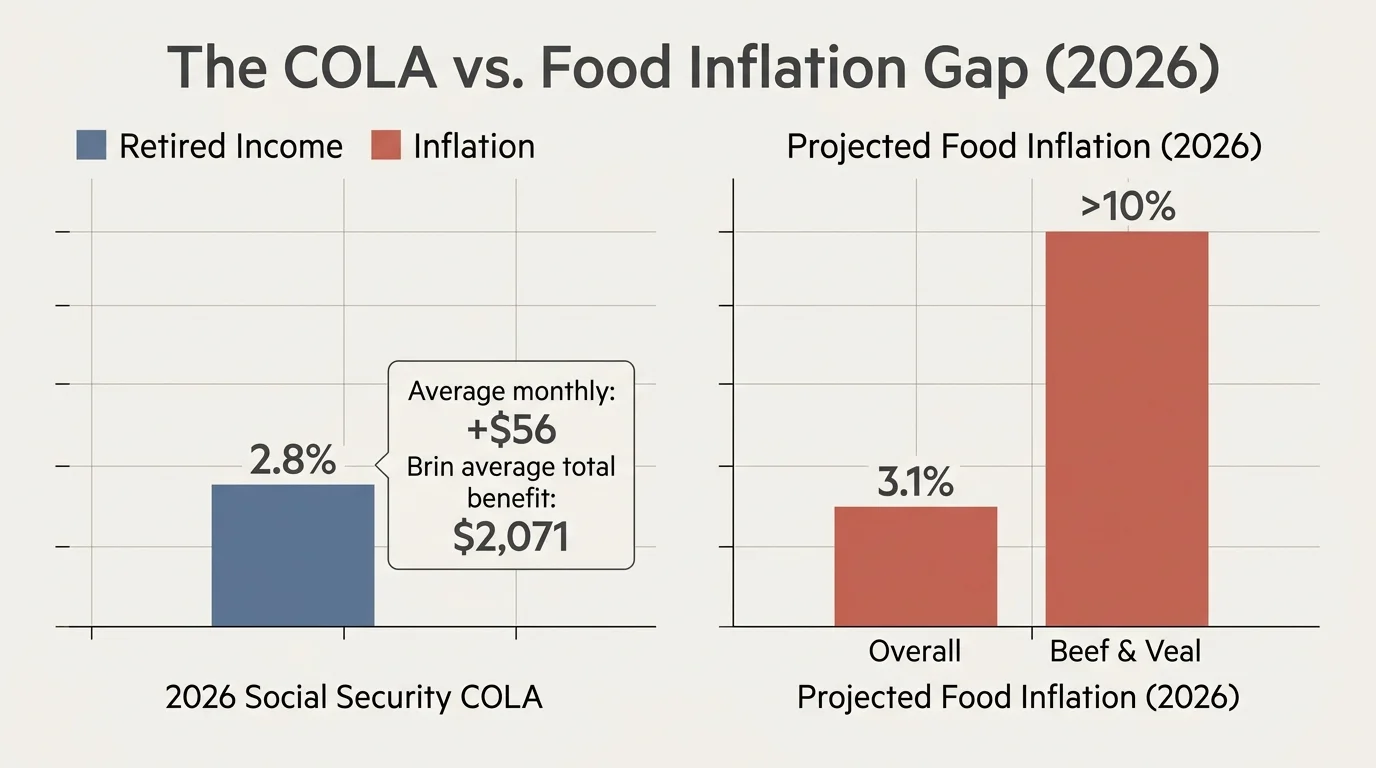
When living on a fixed income, even modest price spikes at the supermarket create significant financial friction. The 2.8% cost-of-living adjustment for 2026 provides an average boost of about $56 per month, bringing the typical retired worker benefit to approximately $2,071 per month. While any increase helps, specific commodity categories far outpace this general adjustment. The USDA Economic Research Service projects overall food prices to climb 3.1% across 2026, meaning your dollar buys noticeably less food than it did last year.
This inflation disparity stems from how official benefit adjustments work. Cost-of-living increases rely on broad consumer price indexes measuring a wide basket of goods, but retired households spend a higher proportion of their income on everyday staples like fresh food and healthcare. The Bureau of Labor Statistics reported that the Food at Home index rose between 2.7% and 3.0% year-over-year in mid-2026. When key items surge by double digits, your total register cost expands rapidly, forcing you to draw money away from other retirement priorities.
6 Grocery Purchases Stretching Your Social Security Check
Navigating supermarket aisles effectively requires identifying which specific items drive up your final register total. Targeting these six inflating food categories allows you to modify buying habits before they derail your monthly budget.
1. Retail Beef and Veal Products
Red meat remains one of the sharpest drivers of supermarket bill inflation. The USDA forecasts retail beef and veal prices to increase over 10% in 2026, pushing ground beef prices to an average of $6.83 per pound. Herd reductions and elevated feed costs have squeezed processors, passing those expenses directly to consumers. Premium cuts like ribeye and sirloin have escalated even faster, making regular beef consumption a major financial strain for fixed-income households.
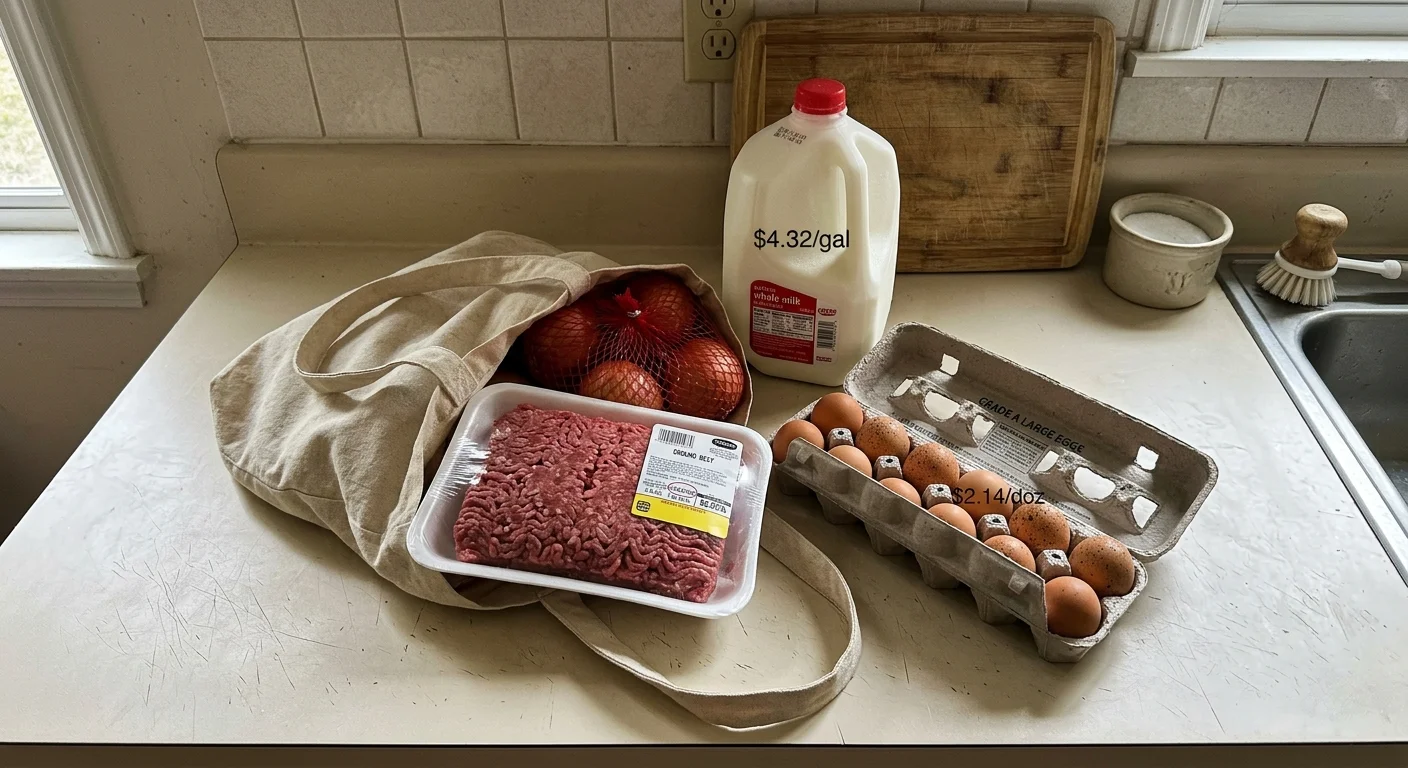
To protect your budget without sacrificing protein, consider substituting ground beef with lower-cost animal proteins or plant substitutes. Poultry and canned fish offer lean alternatives at lower costs. Additionally, egg prices have eased considerably, dropping to an average of $2.14 per dozen. Utilizing eggs for dinner dishes delivers high-quality protein while keeping your per-meal costs low.
2. Fresh Dairy and Whole Milk
Dairy aisles have seen swift price escalations that surprise many bargain shoppers. In mid-2026, dairy products logged a rapid 1.2% price jump in a single month between May and June, with fresh whole milk reaching an average cost of $4.32 per gallon. Specialized dairy items, such as imported cheeses, Greek yogurt, and heavy cream, experienced parallel jumps due to rising processing and refrigerated transport overhead.
Because older adults require consistent calcium and vitamin D to maintain bone density, cutting out dairy entirely is rarely a wise physical trade-off. Instead, buy store-brand ultra-pasteurized milk, which offers an extended shelf life that prevents spoilage. You can also purchase plant-based milk alternatives when sales align, or buy larger tubs of plain yogurt to portion out yourself.
3. Cooking Oils and Healthy Fats
Fats and cooking oils recorded a notable 1.5% month-over-month increase in recent economic surveys. Extra virgin olive oil, avocado oil, and seed oils have seen dramatic price spikes globally due to adverse weather in major olive-producing regions. Margarine and butter prices have similarly remained elevated, adding silent expense to everyday cooking and baking.
You can stretch your cooking fats by changing how you apply them in the kitchen. Use oil spray bottles rather than pouring oil directly from the bottle into your pan; this simple shift reduces consumption significantly per meal. Reserve high-grade extra virgin olive oil strictly for raw dressings, and rely on standard canola or vegetable oil for general cooking tasks when flavor profiles allow.
4. Coffee and Morning Nonalcoholic Beverages
Your morning cup of coffee carries a significantly heavier price tag today. Elevated global coffee prices—driven by extreme weather in South America and increased shipping tariffs—have pushed both ground coffee and whole bean varieties into premium pricing territory. Nonalcoholic beverages, including bottled fruit juices and sparkling waters, have followed a similar upward trajectory due to packaging material costs and sugar price hikes.
Single-serve coffee pods represent one of the most expensive ways to purchase coffee on a per-ounce basis. Transitioning back to traditional drip coffee makers or using a reusable filter pod can instantly save you money each year. Purchasing whole bean or ground coffee in bulk during store promotions and storing extra bags in the freezer preserves freshness while locking in lower pricing.
5. Sugar, Bakery Goods, and Sweets
Packaged bakery goods, store-bought cookies, and refined sugar products jumped 1.0% in recent monthly reporting. Sugar refining costs and ingredient supply shifts continue to elevate retail prices across the entire sweet goods aisle. Beyond the health risks associated with high sugar intake, frequently buying pre-packaged pastries rapidly depletes your weekly grocery allowance.
Satisfy your sweet tooth by leaning on whole, naturally sweet foods like seasonal fruit, which often carries lower per-serving costs and higher nutritional value. If you enjoy baked goods, purchasing basic pantry staples like flour, baking soda, and rolled oats allows you to bake items at home for a small fraction of bakery prices. Home baking also gives you total control over sugar content and ingredient quality.
6. Pre-Cut Produce and Convenience Foods
Supermarket delis and produce sections heavily mark up pre-cut fruits, pre-washed salad mixes, and hot deli meals to cover intense labor overhead. While these convenience items offer clear physical accessibility benefits for retirees managing arthritis or mobility issues, they often cost three to four times more per pound than whole, unprocessed items.
If physical limitations make chopping whole vegetables difficult, look for adaptive kitchen tools—such as ergonomic palm knives, electric choppers, or mandolines—that lower the physical burden without forcing you to pay convenience prices. Alternatively, frozen fruits and vegetables offer pre-cut convenience at lower price points, locking in peak nutritional value while eliminating food waste caused by rapid spoilage.
Three Strategic Pillars to Protect Your Retirement Purchasing Power
Combating selective grocery inflation demands an organized strategy rather than ad-hoc coupon clipping. Organizing your efforts around income optimization, intelligent purchasing, and health-first nutrition allows you to build a resilient food plan that respects your financial boundaries.
Pillar 1: Income Planning and Benefit Optimization
Financial advisors emphasize that stretch-testing your retirement budget begins with optimizing every income stream. Many retirees overlook benefits like the Supplemental Nutrition Assistance Program (SNAP) under the incorrect assumption that standard Social Security earnings disqualify them. However, income thresholds and allowable deductions—such as out-of-pocket medical expenses—mean many fixed-income retirees qualify for monthly food subsidies. Check benefit eligibility through non-profit resources like the National Council on Aging to ensure you do not leave money on the table.
Pillar 2: Tactical Supermarket Navigation
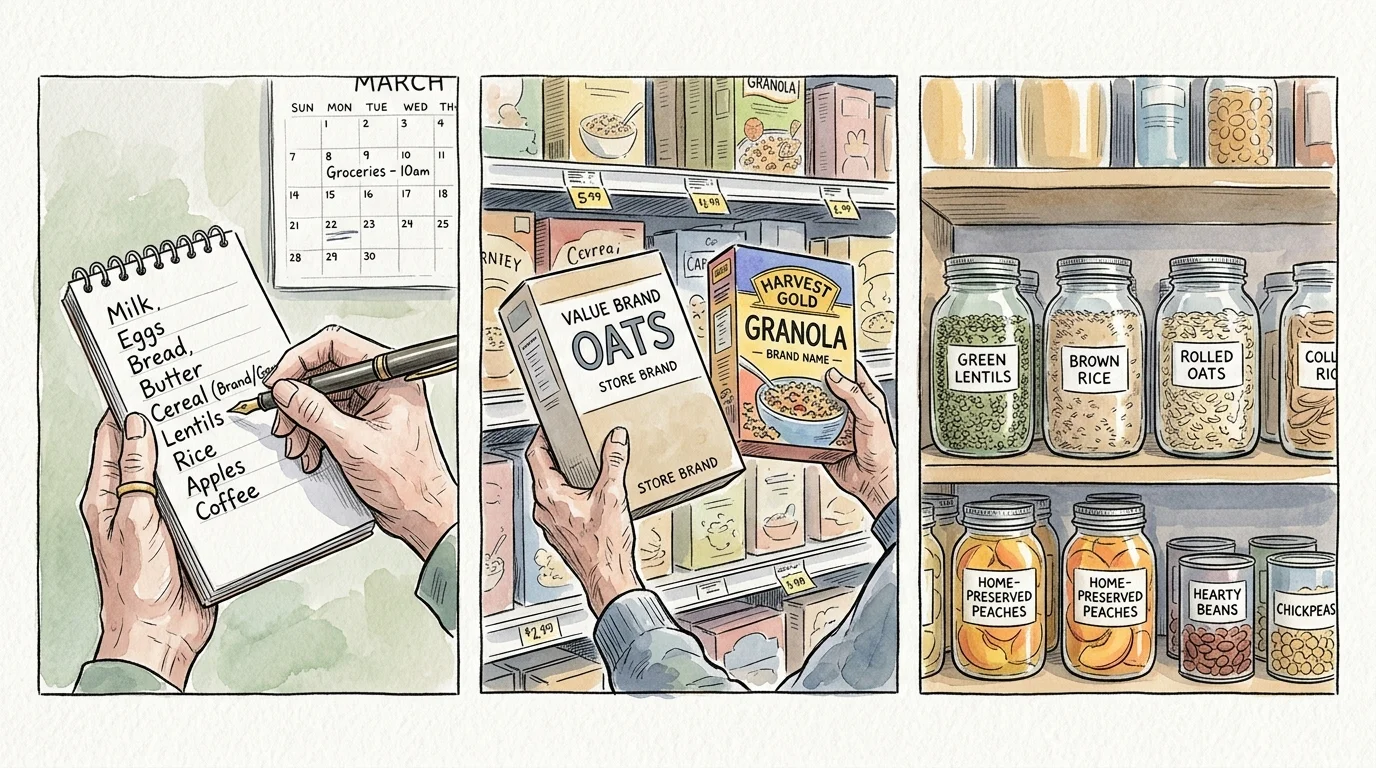
Transform your grocery shopping from a routine chore into a tactical operation. Supermarkets design store layouts to encourage impulse spending on high-margin items located at eye level. Stick strictly to a written list based on circular sales, download your primary store’s digital app to load digital coupons, and shop on designated senior discount days. Joining forces with neighbors to buy bulk items at wholesale clubs allows you to split large packages of non-perishables without straining your physical storage space or cash flow.
Pillar 3: High-Nutrition Food Swaps
Maintaining robust health as you age requires adequate protein, fiber, and micronutrients to protect bone density and cardiovascular function. Certified gerontologists advise shifting your meal planning toward high-efficiency nutrition sources. Combining plant proteins like lentils, black beans, and chickpeas with brown rice provides complete amino acid profiles at a fraction of red meat prices. Incorporating eggs at $2.14 per dozen into evening meals further preserves your health while protecting your bank account.
Risks, Benefit Cliffs, and Financial Safeguards to Watch
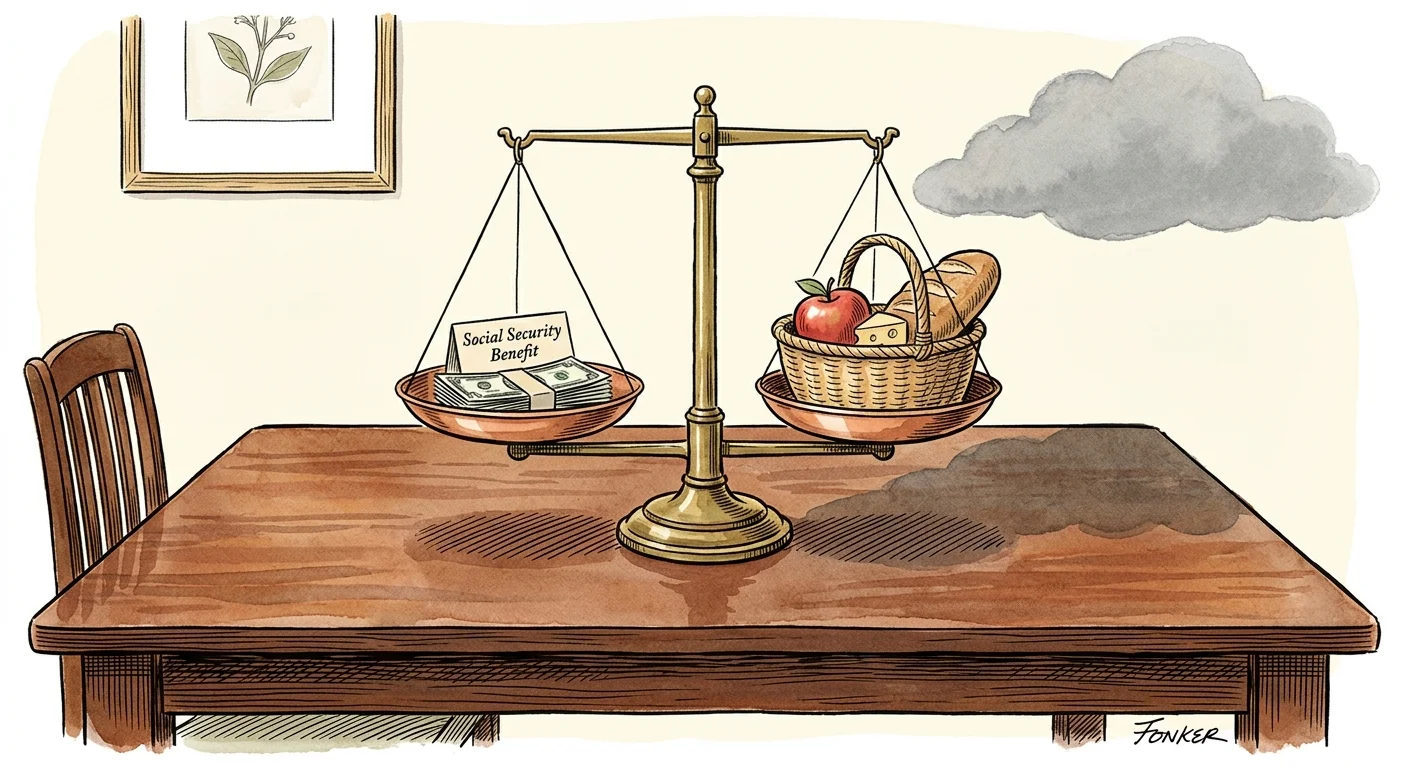
As you seek ways to offset food inflation, remain vigilant against common financial traps and structural hurdles that affect older Americans. One critical risk is the benefit cliff, where a small increase in income—such as the annual 2.8% Social Security COLA—slightly pushes your total gross income above threshold limits for assistance programs like SNAP or Medicare Savings Programs. Review state-specific asset and income limits annually to prevent unexpected drops in benefit support.
Additionally, be on high alert for fraudulent schemes targeting fixed-income seniors. Scammers frequently place fraudulent advertisements online or send phone texts promising free grocery gift cards, massive inflation relief checks, or fake Medicare grocery allowances. Never share your Social Security number, banking details, or Medicare identification with unverified callers. Always access official benefit channels directly through government websites like the Social Security Administration or trusted non-profit assistance portals.
Finally, avoid sacrificing essential prescription medications to pay for food. If rising grocery costs force you to choose between filling prescriptions and stocking your refrigerator, consult your pharmacist or physician about lower-cost generic alternatives, patient assistance programs, or low-income subsidies available through Medicare Part D Extra Help.
Frequently Asked Questions About Senior Grocery Budgets
How does the 2026 Social Security COLA affect my eligibility for SNAP benefits?
The 2.8% COLA increases your gross monthly Social Security income, which state agencies evaluate when determining SNAP eligibility. However, federal and state assistance programs typically adjust their income eligibility thresholds annually to reflect cost-of-living changes. Furthermore, you can deduct out-of-pocket medical expenses exceeding $35 per month, which helps lower your countable income and protects your monthly assistance allowance.
Are frozen fruits and vegetables as nutritious as fresh produce?
Yes, frozen produce is just as nutritious—and sometimes even more nutritious—than fresh produce. Commercial growers flash-freeze fruits and vegetables at peak ripeness, locking in vitamins and minerals. Frozen options eliminate food waste, last for months in your freezer, and cost significantly less per serving than fresh produce, making them an excellent budget-friendly choice for retirees.
What should I do if my monthly grocery bill exceeds my Social Security budget?
First, audit your recent grocery receipts to identify non-essential purchases, convenience markups, and brand-name premiums that you can eliminate. Next, evaluate local community resources, such as senior food pantries, faith-based meal distributions, and Commodity Supplemental Food Programs designed specifically for older adults. Taking advantage of community support provides immediate budget relief without compromising your health.
How can I avoid overpaying for food if I live alone and cannot buy in bulk?
Shopping for one person requires strategies to avoid food spoilage and waste. Focus on buying frozen or shelf-stable staples, utilize loose produce bins where you can buy single items rather than pre-packaged bags, and freeze surplus cooked portions immediately. Partnering with a friend or neighbor to split bulk items from wholesale clubs also grants you access to bulk savings without leaving excess food to rot.
Take Action Today: Your 48-Hour Grocery Blueprint
Managing food inflation on a fixed income does not require an overwhelming lifestyle overhaul. You can take immediate control of your monthly spend by making one small, deliberate adjustment within the next 48 hours. Start by downloading your primary grocery store’s mobile app to clip digital coupons, or visit an official benefits portal to check whether you qualify for SNAP or local senior food subsidies. Alternatively, swap out one high-cost beef meal this week for a nutritious egg or bean-based recipe. Taking this single proactive step today builds financial momentum, protects your Social Security check, and reinforces your independence throughout your retirement years.