
Maintaining an exceptional credit score in retirement protects your financial independence, lowers your insurance premiums, and secures seamlessly competitive rates if you choose to downsize or relocate. While many older Americans believe entering retirement means putting credit on auto-pilot, shifting from an earning trajectory to a fixed income creates distinct credit score management challenges. According to recent credit bureau data, adults over sixty boast the highest average credit scores in the nation, yet simple missteps—such as closing long-held credit cards or mismanaging auto-pays—can rapidly erode decades of diligent credit building. By mastering a few high-impact daily habits, you can safeguard your financial legacy and leverage your credit power throughout your post-career years.
The Modern Credit Landscape for Older Americans
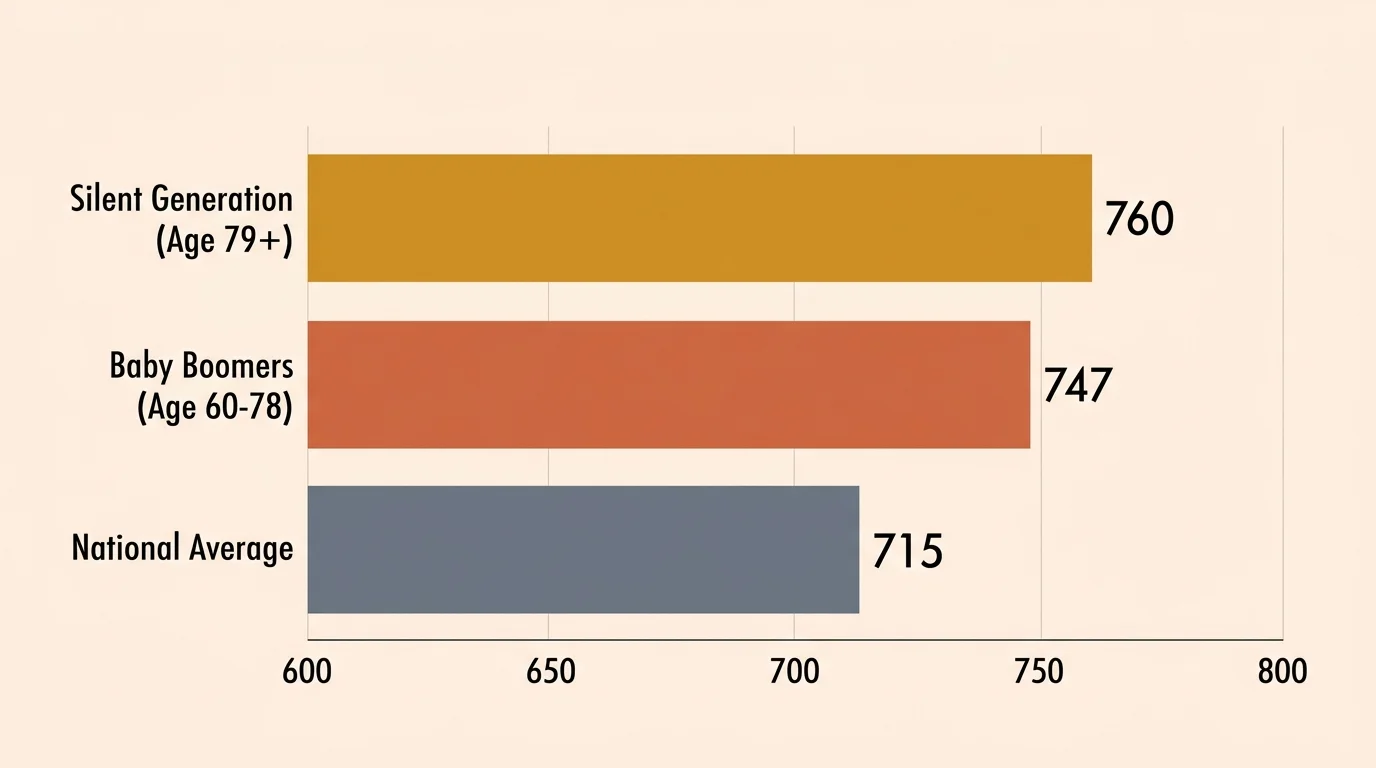
American retirees currently hold the highest credit scores in the nation. Recent reporting data from Experian reveals that adults aged sixty and older maintain an average FICO score of 752, standing well above the national average of 715. Older demographics lead the country in credit reliability, with Baby Boomers averaging a FICO score of 747 and members of the Silent Generation reaching an impressive average of 760. Decades of timely mortgage payments, responsible credit card use, and mature account histories create this enviable financial cushion.
However, maintaining a top-tier credit score requires navigating recent shifts in credit reporting policies and medical debt regulations. In late 2023, the three major credit bureaus—Equifax, Experian, and TransUnion—permanently extended free weekly credit report checks through AnnualCreditReport.com. This permanent access allows you to inspect your credit reports frequently without paying fees or damaging your credit scores with hard inquiries.
Healthcare expenses present another critical evolution in credit scoring rules. Credit bureaus permanently removed all paid medical collection debts from consumer credit reports, along with any unpaid medical collection debts under $500. Furthermore, for unpaid medical debts exceeding $500, credit agencies now enforce a full 365-day waiting period before the collection entry can appear on your profile. Although a proposed federal rule from the Consumer Financial Protection Bureau seeking a total ban on medical debt reporting faced legal delays in federal court in mid-2025, the credit bureaus’ voluntary $500 threshold and one-year waiting period remain active benchmarks. This grace period offers you vital time to audit healthcare bills, negotiate with providers, and resolve billing discrepancies before your credit score suffers.
Decoding FICO Mechanics When Income Shifts
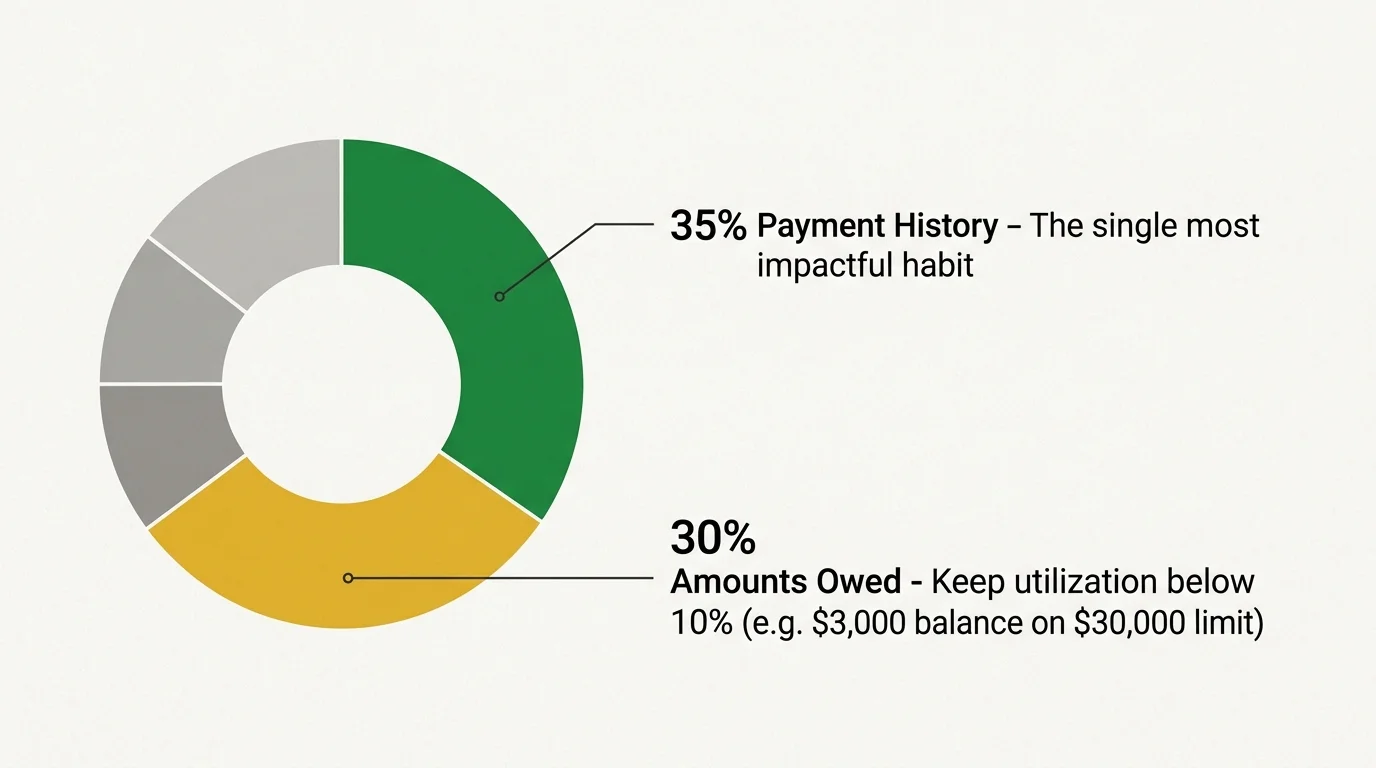
Understanding how credit scoring algorithms evaluate your profile helps you protect your hard-earned score after leaving the full-time workforce. FICO credit scores rely on five distinct categories, each carrying a specific weight in calculating your three-digit number:
Payment history commands the largest slice at 35%. Paying every bill on time—from credit cards and mortgages to utility services and personal loans—remains the single most impactful habit for your credit health. A single 30-day late payment can drop an excellent credit score by 50 to 100 points overnight.
Amounts owed, also known as your credit utilization ratio, accounts for 30% of your score. Lenders calculate credit utilization by dividing your total active credit card balances by your total available credit limits. Financial experts recommend keeping your overall credit utilization below 10% across all revolving accounts. For example, if you carry a total credit limit of $30,000 across three credit cards, your total combined balance on statement closing dates should ideally stay below $3,000.
Length of credit history represents 15% of your total score. The credit algorithm rewards longevity, factoring in the age of your oldest account, your newest account, and the average age of all your open accounts combined. This specific component explains why closing an old credit card after retiring can accidentally trigger a sharp drop in your score. Closing a thirty-year-old account shortens your average account history and simultaneously slashes your available credit limit, instantly driving up your credit utilization ratio.
New credit inquiries (10%) and credit mix (10%) complete the formula. Opening multiple new credit accounts in a short period signals potential financial distress to credit algorithms. Meanwhile, maintaining a healthy mix of revolving credit (such as rewards credit cards) and installment loans (such as a mortgage or auto loan) demonstrates well-rounded financial capability.

Three Strategic Pillars of Post-60 Credit Management
1. Income Planning and Strategic Card Utilization
Transitioning from a traditional paycheck to living on Social Security, pensions, and retirement portfolio distributions requires subtle adjustments to your credit card habits. Many retirees make the mistake of stopping all credit card usage, choosing instead to pay exclusively with cash or debit cards. However, dormant credit cards risk automated cancellation by card issuers due to inactivity. When a bank closes a long-held credit card for non-use, you lose that account’s line of credit, which shrinks your total credit ceiling and artificially inflates your credit utilization ratio.
Certified Financial Planner professionals recommend assigning one small, recurring monthly expense—such as a streaming subscription, a utility bill, or a news subscription—to each of your older credit cards. Then, establish automatic monthly payments from your primary checking account to pay off the full statement balance every month. This approach keeps your oldest credit accounts active, demonstrates consistent monthly payment history, and eliminates the risk of incurring high interest charges or late fees.
Protecting your credit also means setting firm boundaries regarding family finances. According to consumer guidance from AARP, co-signing loans for adult children or grandchildren poses significant risks to older adults on fixed incomes. When you co-sign a auto loan, private student loan, or mortgage, you accept equal financial responsibility for the full debt amount. If the primary borrower misses a payment, that late mark appears immediately on your credit report, and total debt calculations on your profile will reflect the entire loan balance, potentially hindering your own borrowing capacity.
2. Lifestyle Design, Housing Transitions, and Everyday Expenses
Maintaining strong credit after 60 remains crucial even if you never intend to buy another primary residence. Modern living demands good credit in places you might not expect. If you decide to downsize into a luxury apartment complex, move into a continuing care retirement community, or relocate across the country, management companies almost universally perform thorough credit checks during the application process.
Furthermore, your credit profile directly impacts your everyday living expenses. Auto insurance providers in most states utilize credit-based insurance scores to calculate annual premiums. Actuarial studies indicate that drivers with high credit scores file fewer insurance claims; consequently, insurance companies offer significantly lower rates to seniors with high credit scores. Maintaining an exceptional score can save you hundreds of dollars each year on vehicle and home insurance policies.
If you plan to refinance an existing home mortgage to lower monthly cash outflows, or if you decide to take out a home equity line of credit (HELOC) to fund home accessibility modifications, lenders will review your score rigorously. Higher scores grant you access to competitive interest rates, directly protecting your retirement cash flow.
3. Health, Wellness, and Navigating Medical Debt
Healthcare expenditures represent one of the largest financial uncertainties in retirement. Managing unexpected medical expenses correctly prevents healthcare bills from harming your credit standing. While medical care is essential for maintaining health and longevity, paying out-of-pocket medical costs directly with high-interest credit cards can create severe financial strain.
When you receive a large hospital or medical bill, inspect the itemized statement thoroughly before sending payment. Billing errors occur frequently in healthcare settings. Take full advantage of the 365-day grace period for medical bills exceeding $500 to review insurance coverage, file appeals, or request payment arrangements through healthcare providers. You can research Medicare coverage guidelines and supplemental plan options directly through Medicare.gov to ensure your medical claims receive proper processing before resolving balance bills.
Never charge significant medical debts onto commercial credit cards unless you can pay the full balance before interest accrues. Once medical debt converts into high-interest credit card debt, it loses its special 365-day reporting protections and registers instantly as ordinary consumer debt, spiking your credit utilization ratio and attracting substantial interest charges.
Safeguards, Scams, and Avoiding Common Credit Traps
Protecting your credit profile requires defense against identity theft and financial fraud. Scammers increasingly target older adults, seeking to open fraudulent credit cards, personal loans, or lines of credit using stolen personal information. Placing a security freeze on your credit reports offers the strongest available defense against unauthorized credit accounts.
A credit freeze locks your credit file at each of the three major credit bureaus—Equifax, Experian, and TransUnion. When a credit freeze is active, businesses cannot access your credit report to open new accounts, stopping identity thieves in their tracks. Security freezes are entirely free under federal law, and you can temporarily thaw your credit freeze within minutes using an online portal or telephone prompt whenever you legitimately apply for new credit.
Differentiate between a true credit freeze and paid credit monitoring or “credit lock” services promoted by commercial vendors. A legal credit freeze provides statutory protections under federal law, whereas private credit locks operate under contract law and often carry monthly fee subscriptions. In addition, monitor your official identity credentials regularly by reviewing security updates from the Social Security Administration to prevent fraudulent benefit claims or identity theft.
Beware of commercial “credit repair” companies promising to instantly boost your FICO score for expensive upfront fees. Legitimate credit repair simply requires consistent, on-time payment habits and correcting factual errors directly with credit reporting agencies using free dispute procedures.
Frequently Asked Questions
Should I close credit cards I no longer use in retirement?
No, you generally should not close long-held credit cards in retirement. Closing an old card reduces your average length of credit history and removes available credit from your utilization calculation, both of which can cause your credit score to drop. Instead, keep long-held cards open by placing a small recurring charge on them and enabling automatic full monthly statement payments.
Does retiring or taking Social Security lower my credit score?
No, retiring and collecting Social Security benefits does not directly impact your credit score. Credit reporting agencies do not track your employment status, current income, or net worth on consumer credit reports. Your FICO score reflects strictly how you manage borrowed money, focusing on payment history, debt balances, and account management rather than your employment status.
How long does it take to recover from a missed payment after 60?
A missed payment that reaches 30 days past due remains on your credit report for up to seven years. However, its negative impact on your score diminishes gradually over time. You will see substantial recovery within 12 to 24 months, provided you maintain faultless, on-time payment history across all your accounts moving forward.
Is a credit freeze better than credit monitoring for seniors?
Yes, a credit freeze offers superior protection against unauthorized accounts because it proactively blocks prospective lenders from pulling your credit report, preventing fraudulent accounts from being established. Credit monitoring simply alerts you after a inquiry or new account appears, requiring you to resolve identity theft damage after it occurs.
Make Your First Move in the Next 48 Hours
Maintaining an exceptional credit score after sixty does not require complicated financial maneuvers or ongoing debt balance accumulation. By establishing clear safeguards and automated habits, you preserve financial flexibility and protect your hard-earned assets throughout your retirement years.
Take one simple action in the next 48 hours to bolster your credit health: Visit AnnualCreditReport.com and request your free weekly credit report from one of the major credit bureaus. Spend ten minutes checking your personal details, verifying open account balances, and confirming that no unfamiliar accounts exist. Taking this quick, proactive step places you firmly in control of your financial legacy and ensures your credit score continues working for you every single day.