
As the oldest members of the 76-million-strong Baby Boomer generation turn 80, demand for service-enriched senior housing has pushed national independent living occupancy above 90 percent. Selecting the right property requires looking beyond polished model units to confirm that daily offerings support your personal goals and physical independence. Evaluating community features through a structured financial and lifestyle lens protects your retirement savings while enhancing your quality of life. By recognizing eight distinct signs of a well-designed community—ranging from practical in-unit features to transparent pricing structures—you can confidently choose a living environment that adapts to your evolving health, budget, and social needs over time.

The Evolving Landscape of Retirement Community Living
Today’s senior living market offers unprecedented choices, but finding a property that aligns with your lifestyle requires careful evaluation. Industry data from the National Investment Center for Seniors Housing & Care indicates that independent living occupancy remains near record highs while new inventory growth rests near historic lows of just 1 percent. This tight supply means high-quality communities fill quickly, often establishing waitlists for their most desirable residence styles. Understanding current pricing benchmarks helps you budget effectively for these options.
Figures from long-term care market reports show that the national median cost for independent living sits at approximately $3,145 per month. This base rate generally covers residential housing, basic utilities, maintenance, and access to communal perks. However, if your health requirements shift toward assisted living, nationwide costs rise to a median of $5,900 per month according to the Genworth / CareScout Cost of Care Survey. Evaluating community offerings early ensures you pay for services you actually use while avoiding unexpected surcharges down the road.
1. In-Unit Layouts Prioritize Everyday Independence
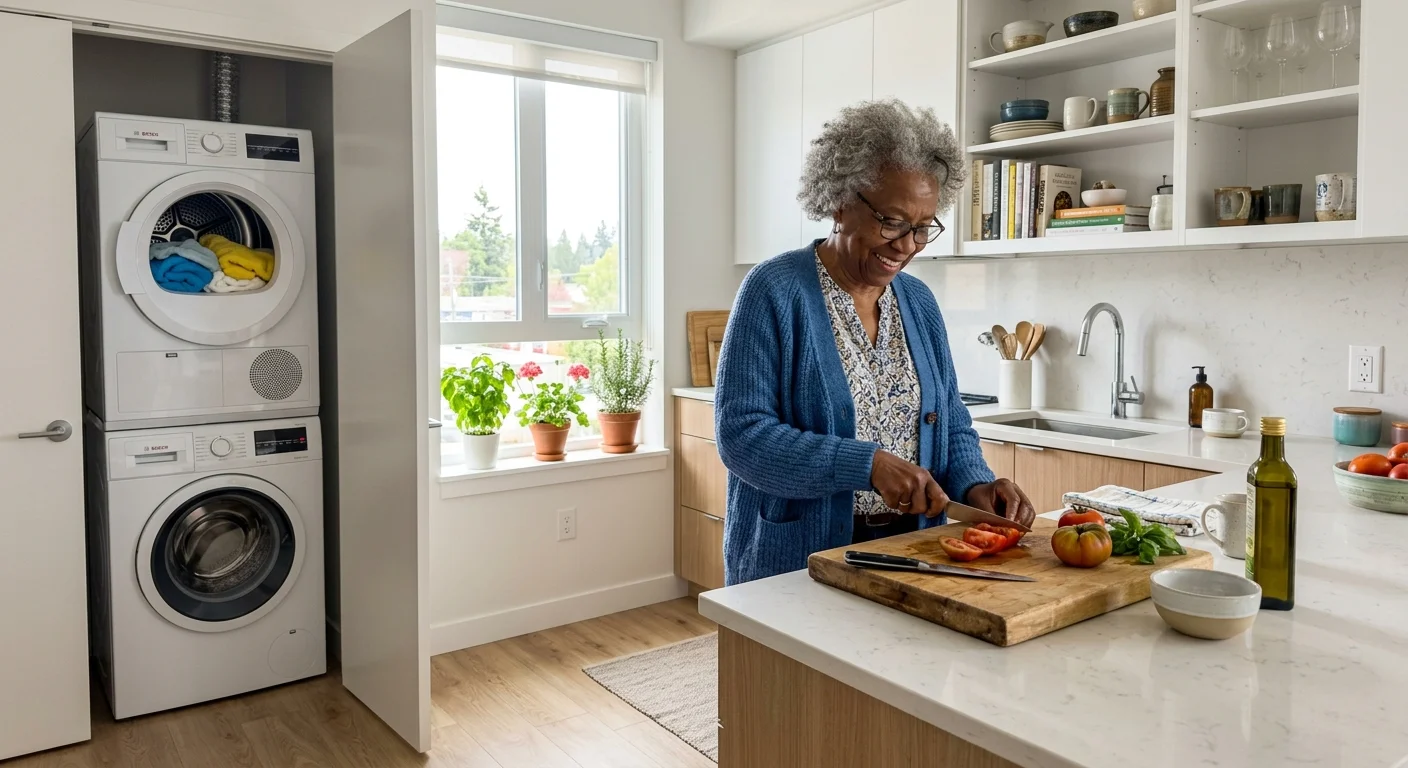
Your private space forms the foundation of your daily comfort and long-term autonomy. According to research from the American Seniors Housing Association, prospective residents consistently rank specific apartment features as their top priorities. A full kitchen with modern appliances allows you to prepare personal meals whenever you choose, maintaining your culinary habits and independence. In-unit laundry facilities featuring a washer and dryer remove the hassle of hauling clothes to communal laundry rooms. Furthermore, floor plans that emphasize dedicated living rooms, abundant natural light, and ample storage space prevent feelings of confinement and help maintain an organized, comfortable home.
2. Exterior Maintenance and Safety Remove Daily Stress
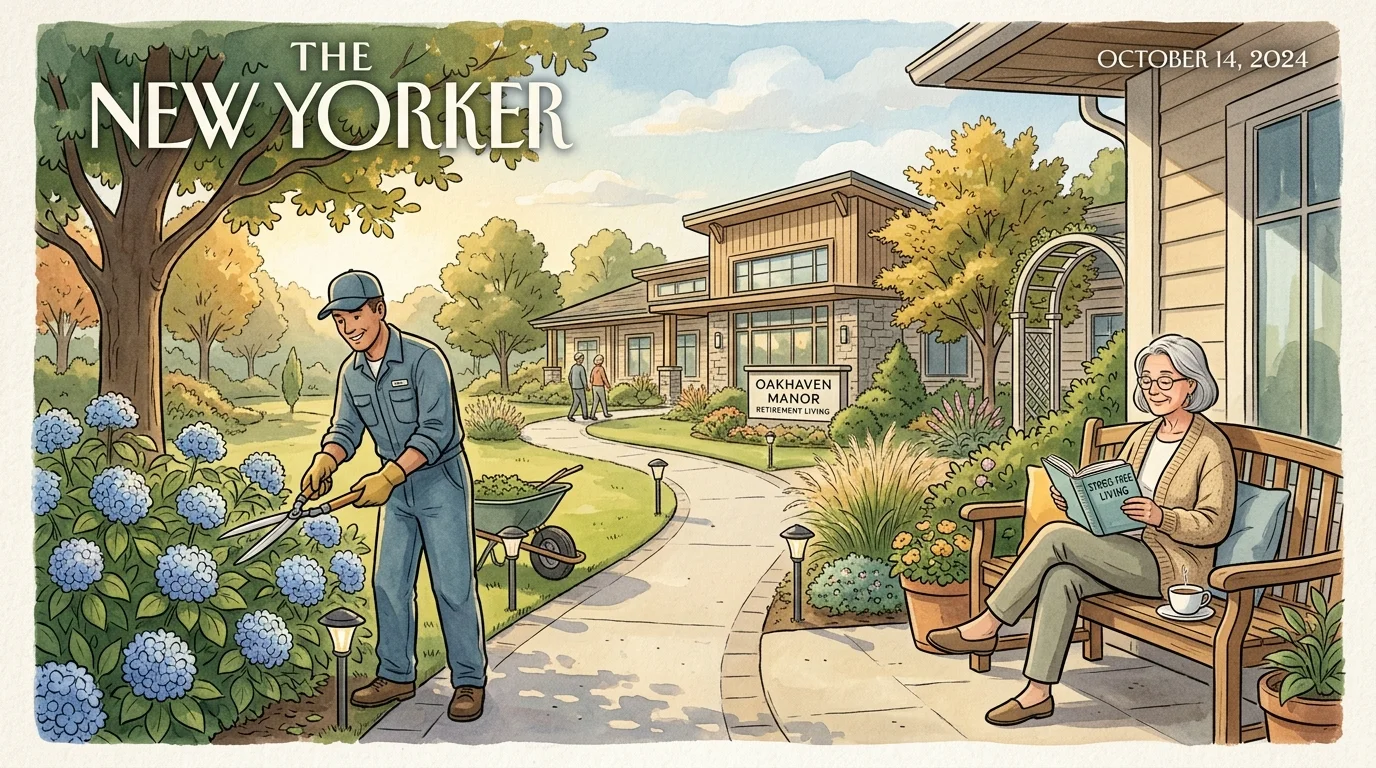
One of the primary benefits of transitioning into a managed community involves relinquishing heavy home maintenance tasks. Up to 83 percent of surveyed retirees identify exterior building upkeep, professional landscaping, 24-hour physical security, and prompt in-unit appliance repairs as essential amenities. A top-tier community manages structural repairs and seasonal yard work seamlessly, freeing your calendar for personal pursuits. Round-the-clock safety features—including secure entry portals, emergency call systems, and well-lit common pathways—provide essential peace of mind for both you and your family members.

3. Adaptive Fitness Facilities Support Diverse Mobility Levels
Maintaining physical wellness remains a core driver of healthy aging and long-term vitality. More than half of active retirees specifically search for properties that offer scenic walking trails, climate-controlled indoor fitness centers, and dedicated exercise rooms. The best communities go beyond standard gym equipment by offering low-impact machines, water aerobics, and balance-focused group classes tailored to varying physical capabilities. Guidance from the Administration for Community Living emphasizes that regular, accessible exercise helps older adults preserve cognitive function, prevent fall-related injuries, and maintain daily functional independence as they age.

4. Flexible Dining Services Respect Personal Preference
Dining options should enhance your lifestyle rather than impose rigid daily schedules. Modern retirement communities have evolved away from fixed, single-hall cafeteria plans toward flexible, multi-venue dining programs. Look for properties that offer flexible meal credits usable across casual bistros, formal dining rooms, and grab-and-go cafes. Excellent communities accommodate special dietary requirements—such as low-sodium, heart-healthy, or gluten-free meals—without extra service charges. Having access to freshly prepared, high-quality meals when you want them preserves your routine while ensuring proper nutritional support.

5. Purposeful Social Infrastructure Fosters Genuine Connection
Social engagement directly influences longevity and emotional health in retirement. Quality communities foster authentic social connection by providing dedicated activity rooms, comfortable family lounge areas, creative arts studios, and resident-led special interest clubs. Research published by AARP highlights that robust social networks lower the risk of chronic health conditions and combat social isolation among seniors. When evaluating a property, observe whether the activities calendar offers intellectually stimulating lectures, cultural outings, and volunteer projects rather than passive entertainment options.
6. Dedicated Transportation Systems Connect You to the Broader Area
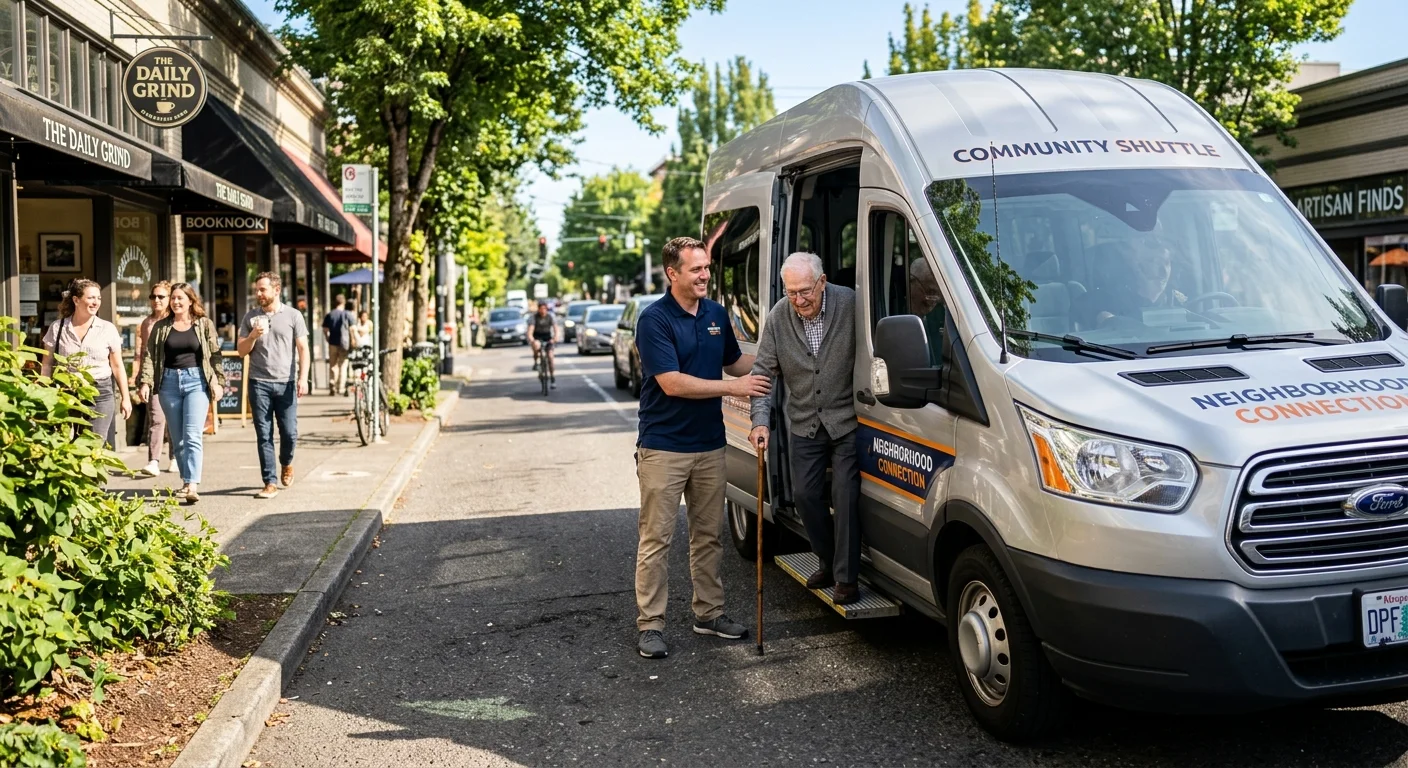
Maintaining mobility beyond the campus perimeter remains essential for long-term satisfaction. Even if you currently drive your own vehicle, reliable community-sponsored transportation offers a vital safety net for the future. Superior properties provide scheduled shuttle services for medical appointments, grocery shopping, local cultural events, and regional transit hubs. A well-organized transportation program allows you to reduce or eliminate car ownership expenses without giving up your ability to explore your surrounding city or visit local healthcare providers independently.

7. On-Site Care Infrastructure Prepares You for Future Needs
Even when moving into an independent living unit, evaluating health and care infrastructure protects your long-term security. Leading communities maintain on-site wellness clinics, visiting nurse services, and coordinated physical therapy options. Additionally, choosing a continuous care or co-located campus allows you to transition smoothly to assisted living or specialized memory care if health conditions evolve. Understanding how Medicare covers clinical services versus non-covered personal care helps you navigate these options; you can review official coverage boundaries through Medicare to plan your future health expenditures accurately.
8. Transparent Fee Structures Safeguard Your Retirement Savings
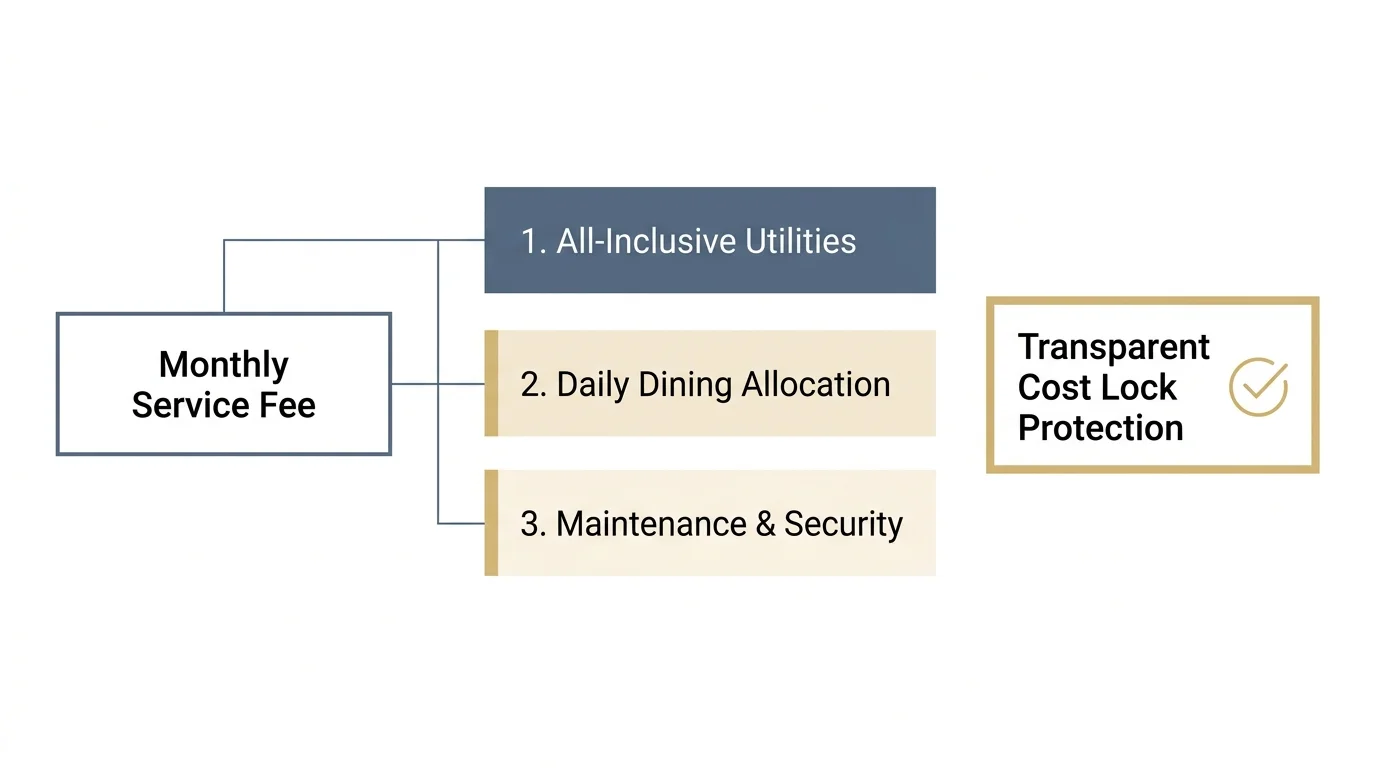
Financial predictability is just as important as physical amenities when choosing a permanent home. A high-quality retirement community outlines its complete fee structure clearly before you sign a contract. Examine whether essential services—such as high-speed internet, weekly housekeeping, local transportation, and fitness classes—are included in your monthly base fee or billed as extra a la carte items. Certified Financial Planner™ practitioners advise retirees to review historical annual fee increases to ensure long-term affordability alongside your predictable income streams, such as those administered by the Social Security Administration.
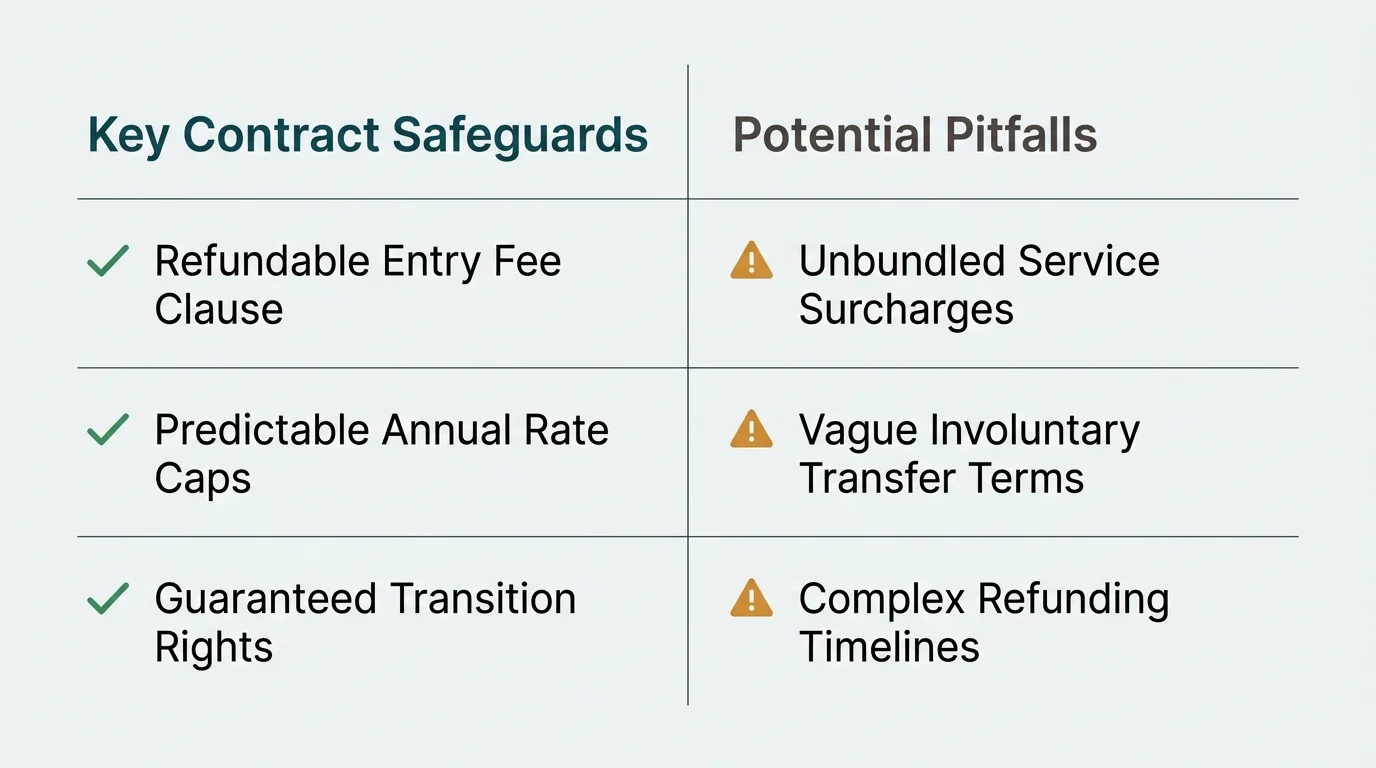
Financial Safeguards and Contract Pitfalls to Watch
While attractive amenities improve daily life, hidden contract clauses can undermine your financial stability. One major pitfall involves unbundled service fees, where a community advertises a low monthly base rate but charges additional monthly fees for basic items like parking, tray service during illness, or specialized exercise classes. Over time, these unexpected add-ons can push your monthly outlay well beyond your initial budget projections.
Another critical financial consideration involves entry fee structures and annual rate hikes. If a community requires a substantial upfront entrance fee, examine whether that fee is fully refundable, partially refundable, or declining over time. Furthermore, request the property’s historical rate adjustment record for the past five years. Standard fee increases generally track annual inflation between 3 and 5 percent, but properties facing financial stress may impose double-digit percentage hikes that strain fixed retirement incomes.
Frequently Asked Questions About Community Amenities
How do independent living costs differ from assisted living costs?
Independent living base fees average around $3,145 per month nationally and primarily cover housing, facilities, physical amenities, and community activities. Assisted living averages roughly $5,900 per month because it incorporates personal daily assistance—such as medication management, bathing support, and specialized nursing care—on top of physical housing amenities.
What happens if I need physical help after moving into independent living?
Many independent living communities allow residents to contract with third-party home health agencies for short-term or long-term personal assistance inside their existing apartments. Alternatively, if the campus offers a continuum of care, management can facilitate a seamless transfer to an adjacent assisted living wing without requiring a full relocation to an outside community.
Are utilities and technology services usually included in base monthly fees?
Most independent retirement communities bundle basic utilities—such as water, electricity, heating, trash removal, and sewer service—into your standard monthly fee. However, policies vary regarding premium cable television, landline telephone service, and private high-speed Wi-Fi networks, making it essential to request a detailed inclusion checklist prior to signing.
When should I start touring communities and joining waitlists?
With national independent living occupancy exceeding 90 percent and inventory growth remaining historically low, experts recommend touring properties two to three years before your target move date. Joining a waitlist early secures your priority standing for preferred unit floor plans and desirable community locations without committing you to an immediate move.
Take Charge of Your Retirement Lifestyle Today
Finding a retirement community with the right amenities requires balancing immediate lifestyle preferences with smart, long-term financial planning. Within the next 48 hours, take one concrete action: sit down and build a simple checklist comparing your top five non-negotiable personal features—such as an in-unit washer and dryer or on-site physical therapy—against your current retirement budget. Reaching out to a prospective community or scheduling a guided walkthrough today ensures you maintain total control over your future living environment, giving you confidence and peace of mind for the years ahead.