
Landing your dream job in retirement provides an unmatched combination of renewed purpose, mental stimulation, and vital supplemental income. Instead of a complete exit from the workforce, you can embrace a second career after retirement to offset inflation and stay socially engaged. A recent Bureau of Labor Statistics report projects that workers aged 65 and older will represent the fastest-growing segment of the labor force over the next decade. Finding the ideal post-career position requires careful navigation of fixed budgets, varying physical mobility, and complex tax implications. When you finally discover that perfect opportunity, it harmonizes your financial realities with your personal well-being, transforming your retirement years into a vibrant chapter of continuous growth.
Navigating the Modern Retirement Landscape
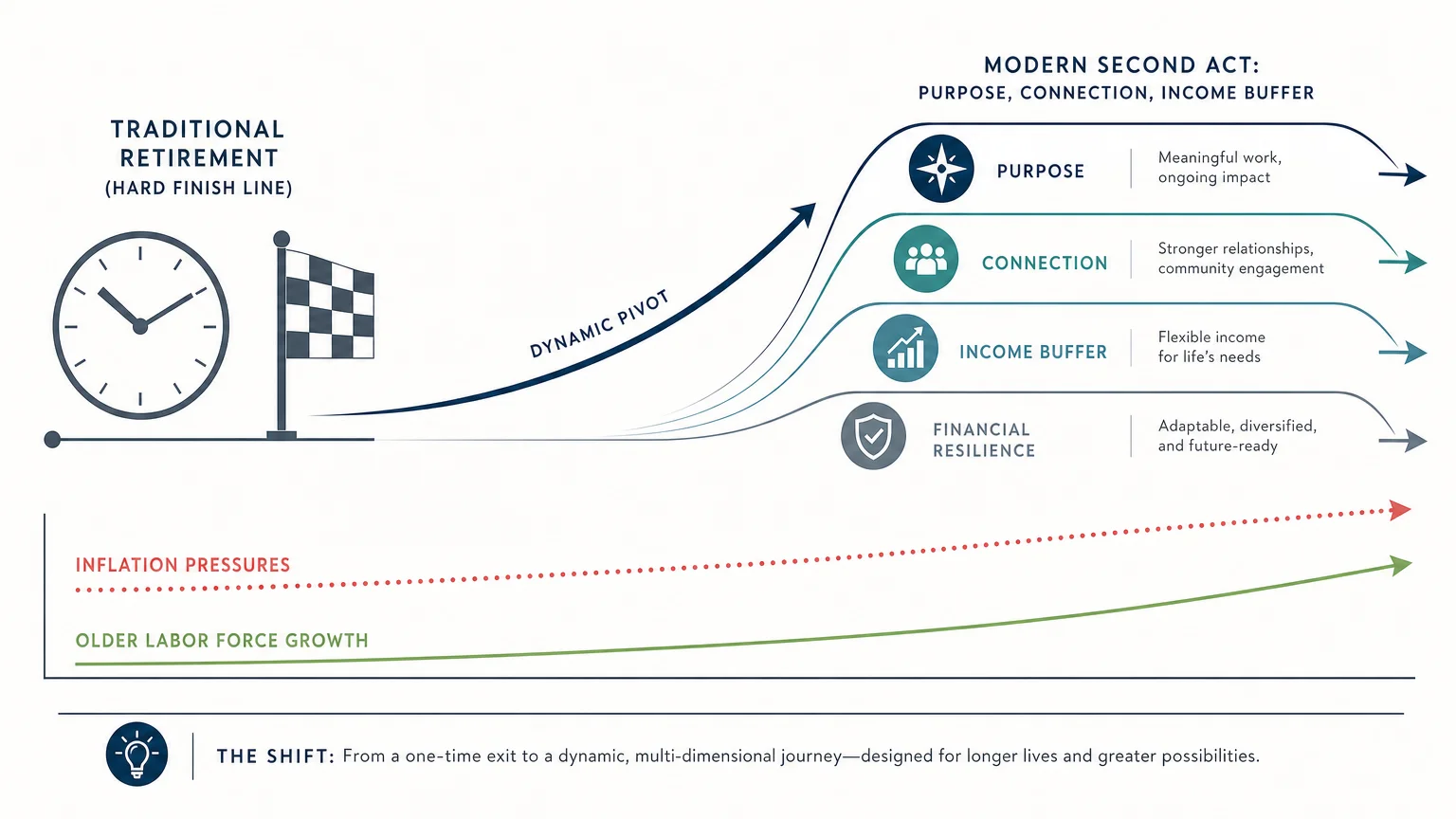
The financial and social realities of retirement look vastly different today than they did just a decade ago. You likely planned your exit from the workforce around a specific set of assumptions regarding your daily living costs, investment returns, and healthcare expenses. When inflation drives up the price of groceries, utilities, and prescription medications, relying solely on a fixed income can induce unnecessary anxiety. Returning to the workforce provides a practical, immediate buffer against economic volatility, a trend heavily supported by recent Bureau of Labor Statistics data highlighting the surge in older workers.
Beyond establishing a robust financial safety net, entering the labor force later in life completely redefines your personal identity. Retirement no longer serves as a hard finish line; instead, it functions as a dynamic pivot point. You possess decades of institutional knowledge, refined emotional intelligence, and complex problem-solving skills that employers desperately need. Exploring the market for jobs for retirees empowers you to leverage this hard-earned wisdom on your own terms. As you evaluate new opportunities, you must discern whether a position genuinely serves your current life stage.
Sign One: The Income Enhances Your Life Without Disrupting Benefits
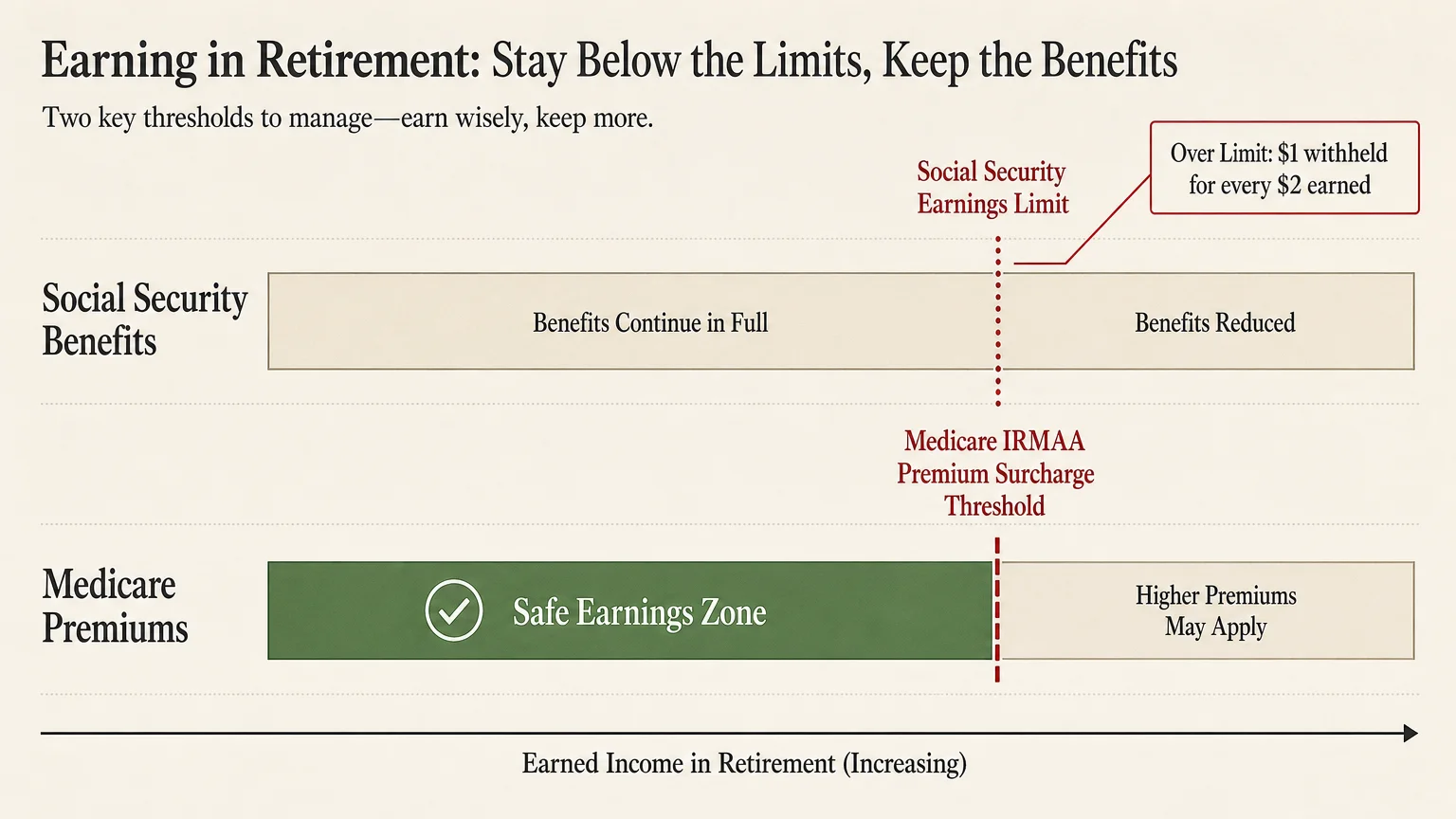
Finding the perfect role requires a careful analysis of your overall financial ecosystem. The first clear indicator of an ideal situation is when your new paycheck supplements your lifestyle without triggering negative tax consequences or unexpected benefit reductions. Many older adults jump into a second career after retirement only to discover that their additional earnings unintentionally compromise their carefully planned safety nets.
If you claim Social Security before reaching your full retirement age, you must monitor your earned income closely. According to current Social Security Administration guidelines, earning above a specific annual limit results in a temporary withholding of a portion of your benefits. You lose one dollar for every two dollars you earn above this threshold. A truly perfect retirement job respects this absolute boundary. Your employer should offer the flexibility to cap your hours, ensuring you maximize your earnings without ever crossing the penalty line.
Furthermore, you must consider how your new income impacts your essential healthcare costs. Increased earnings can elevate your modified adjusted gross income, potentially triggering the Income-Related Monthly Adjustment Amount. This surcharge increases your Medicare premium thresholds significantly. The ideal job provides enough income to fund your travel plans or hobbies while keeping your total income safely below these critical lines. Achieving this precise balance proves that your post-career job is working for you, rather than against you.

Sign Two: The Role Elevates Your Daily Routine and Respects Your Time
The second undeniable sign of a perfect retirement job is the seamless integration of the work into your preferred lifestyle. During your primary career, you likely sacrificed personal time, endured grueling commutes, and accommodated rigid corporate schedules. Your retirement lifestyle demands the exact opposite approach. The ideal role adapts to your natural rhythm; it does not force you to contort your daily life to meet arbitrary demands.
Flexibility remains the absolute cornerstone of a successful second act. You might want to spend your mornings working in the garden, your afternoons volunteering, and your evenings reading. A perfect job fits neatly into the gaps of your established routine. Employers who genuinely value older workers understand the profound importance of flexible scheduling and actively champion autonomous work environments.
You must also evaluate how a position accommodates your specific physical needs and mobility levels. Aging naturally introduces variations in physical stamina. The right role challenges you intellectually without exhausting you physically. If standing behind a retail counter causes joint pain, that job fails the test of a perfect fit. Conversely, a consulting position or a remote administrative role allows you to control your physical environment completely. You can incorporate necessary ergonomic adjustments and avoid the heavy physical toll of a daily commute.

Sign Three: The Work Actively Sustains Your Cognitive and Emotional Well-Being
The psychological transition from full-time employment to complete leisure often triggers an unexpected sense of profound loss. You spent decades deriving a significant portion of your identity, social interaction, and mental stimulation from your profession. The third sign of the perfect retirement job is its unique ability to bridge this gap, actively nourishing your cognitive health and your emotional wellness.
Engaging in complex problem-solving, learning new software, and navigating interpersonal dynamics keep your brain highly agile. Neuroplasticity—the brain’s ability to form new connections—relies heavily on novel experiences and continuous learning. When your retirement job requires you to master a completely new skill, it acts as a powerful cognitive workout. You are actively building mental resilience that can help delay cognitive decline and keep your memory sharp.
Moreover, the workplace provides a vital, built-in community. Leaving the workforce frequently leads to a shrinking social circle, which can quickly escalate into profound isolation. Extensive National Institute on Aging research indicates that prolonged social isolation carries severe, measurable health risks. The ideal job surrounds you with supportive colleagues or appreciative clients who enrich your daily experience. It fosters meaningful intergenerational connections, allowing you to mentor younger professionals while eagerly learning from their fresh perspectives.
Expert Perspectives on Navigating the Second Act
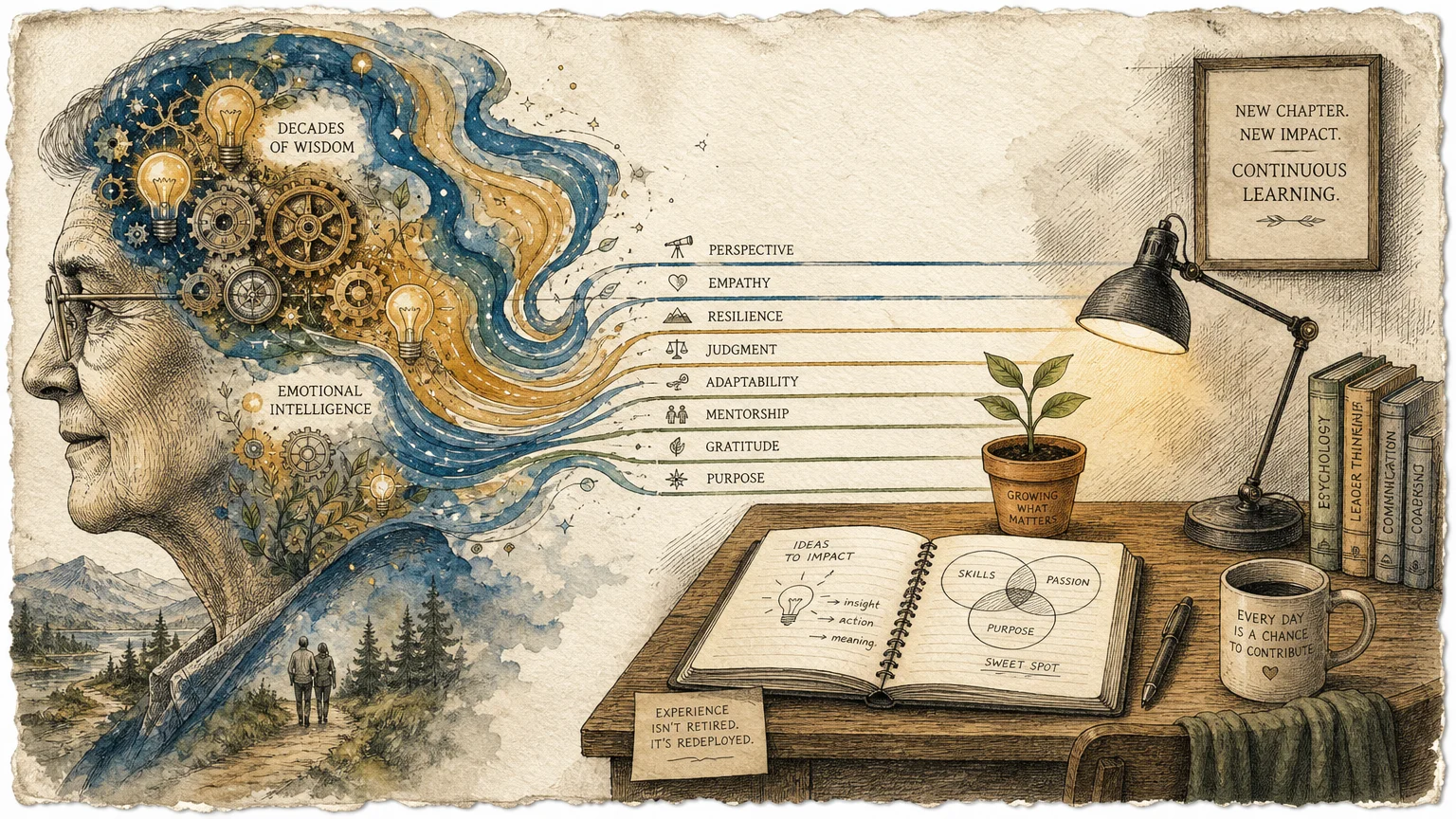
Financial planners and gerontologists alike emphasize the multifaceted value of working during your later years. Certified financial professionals frequently advise clients to view part-time work as a powerful lever in a comprehensive wealth management plan. Generating even a modest monthly income allows you to significantly delay drawing down your primary investment portfolios. Leaving your retirement accounts untouched for an additional two or three years gives those crucial assets more time to compound, dramatically reducing the terrifying risk of outliving your money.
Gerontologists approach the topic from a holistic wellness perspective, heavily highlighting the vital concept of purposeful aging. Aging experts consistently note that individuals who maintain a highly structured daily routine report substantially higher levels of overall life satisfaction. A job provides a definitive reason to get out of bed, a predictable schedule to adhere to, and tangible, rewarding goals to accomplish. This essential structure effectively combats the lethargy that sometimes accompanies an entirely open calendar. Experts routinely observe that retirees who engage in deeply meaningful work experience lower rates of depression and report noticeably better overall physical health.
Recognizing Risks and Establishing Essential Safeguards
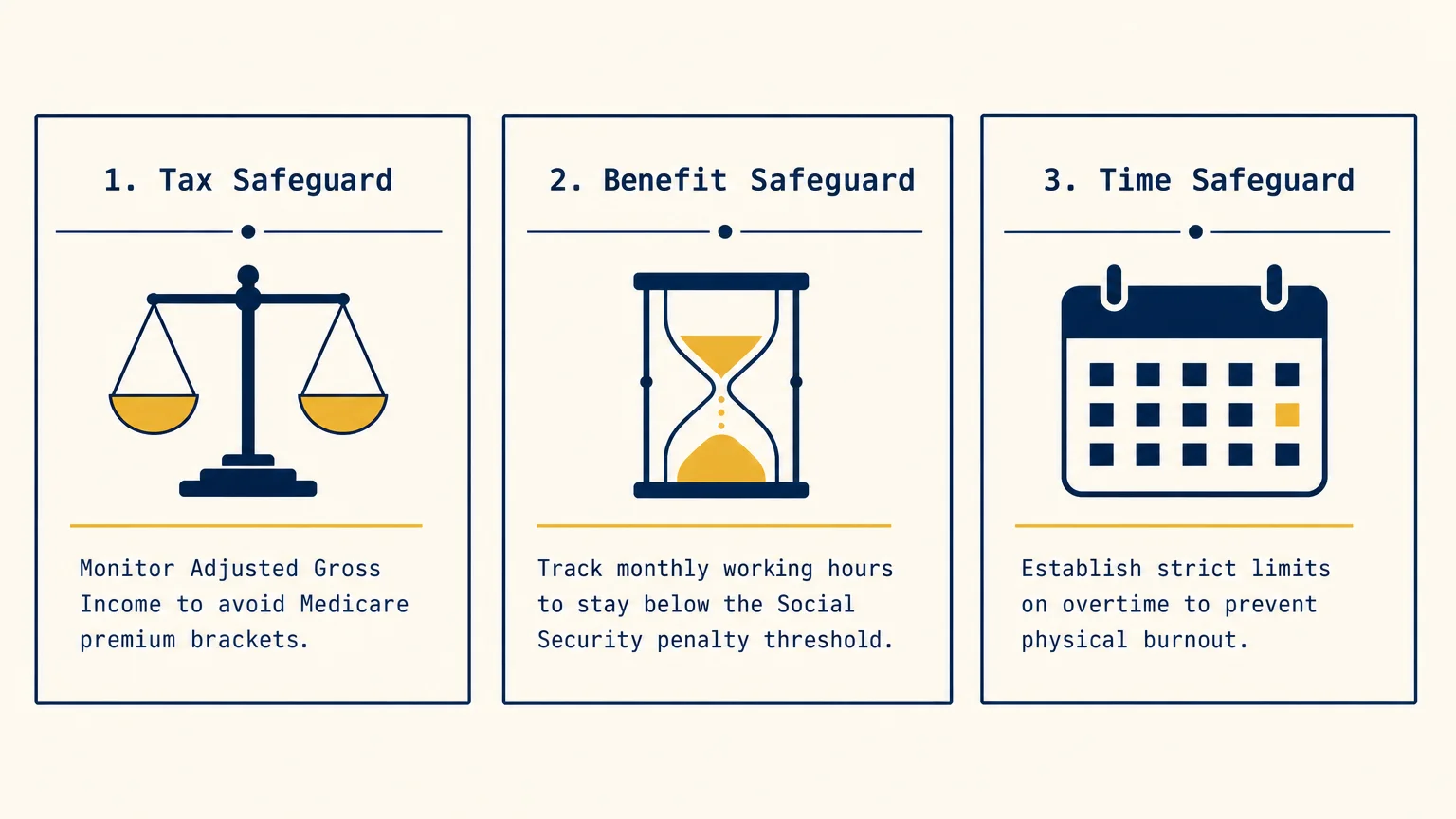
While the dedicated pursuit of a retirement job offers profound benefits, you must continuously navigate the modern employment landscape with a highly discerning eye. The massive surge in older adults seeking remote or flexible work has unfortunately attracted highly sophisticated scammers. Fraudsters frequently post alluring, entirely fake job advertisements promising exceptionally high pay for minimal hours, operated entirely from home. These insidious work-from-home scams typically require you to purchase specialized equipment from a specific vendor or pay upfront for mandatory training materials. Legitimate employers will never ask you to pay for the privilege of working. Always verify the authenticity of a company independently, and proactively consult AARP fraud prevention resources if an opportunity feels overly aggressive.
Beyond avoiding outright fraud, you must protect yourself against the subtle, dangerous hazard of the benefit cliff. A benefit cliff occurs when a very minor increase in your earned income completely disqualifies you from essential assistance programs. If you rely on government subsidies for housing, property taxes, or prescription medications, you must calculate exactly how a new paycheck alters your strict eligibility. Earning an extra two hundred dollars a month quickly loses its appeal if it simultaneously costs you four hundred dollars in lost subsidies.
Frequently Asked Questions About Working in Retirement
How many hours a week is considered ideal for a retirement job?
The ideal weekly commitment depends entirely on your personal goals and physical stamina. Most financial planners and aging experts recommend starting with ten to fifteen hours per week. This light schedule provides the cognitive and social benefits of working without overwhelming your calendar or causing physical exhaustion. You can always increase your hours if you find the work invigorating. Beginning with a modest commitment prevents rapid burnout and ensures you maintain the freedom that makes retirement enjoyable.
Will earning more money cause my Social Security benefits to be taxed?
Yes, earning additional wages can trigger or increase the taxation of your Social Security benefits. The Internal Revenue Service calculates a combined income figure to determine your specific tax liability. This figure includes your adjusted gross income, nontaxable interest, and half of your Social Security benefits. If your combined income exceeds specific annual thresholds, up to eighty-five percent of your benefits may become taxable. You should consult a qualified tax advisor to structure your withdrawals and earnings efficiently.
Are there specific industries that actively recruit older workers?
Several sectors actively seek the reliability, emotional intelligence, and extensive experience that older adults provide. Education, healthcare administration, non-profit organizations, and consulting firms frequently target retirees to fill crucial part-time roles. Additionally, the customer service and administrative sectors heavily recruit older workers for remote positions. These employers value your strong communication skills and your ability to handle complex client interactions with patience, making you an incredibly desirable candidate in a competitive labor market.
How do I update my resume to avoid age discrimination?
To modernize your resume and minimize potential age bias, focus exclusively on your most recent and relevant experience. You generally only need to cover the last ten to fifteen years of your employment history. You should remove the graduation dates from your educational background and eliminate references to outdated technical skills. Emphasize your adaptability, your proficiency with current digital communication tools, and your ongoing eagerness to learn. Framing your extensive experience as a tool for solving contemporary business problems makes you highly attractive.
Take Charge of Your Next Chapter
Discovering your dream job in retirement transforms a standard financial strategy into a deeply fulfilling life experience. You possess immense value, and the right employer will celebrate your expertise while respecting your personal boundaries. Over the next forty-eight hours, take one concrete step toward this goal. Update the summary statement on your resume, browse a specialized job board for older adults, or simply outline the hours and responsibilities you would find acceptable. By actively defining what you want, you position yourself to attract a role that enriches your wallet, respects your preferred lifestyle, and continuously nourishes your mind.