
Finding the perfect place to spend your golden years directly impacts your longevity, daily joy, and financial security. Our 2026 Quality of Life Survey reveals the 20 towns where American retirees report the highest satisfaction, proving that happiness stems from affordable healthcare, walkable neighborhoods, and strong social connections rather than just sunny weather. Today’s retirement landscape demands careful planning as inflation and shifting housing markets reshape how you stretch your fixed income. You need actionable strategies to evaluate potential destinations based on your unique health needs and budget constraints. This comprehensive guide breaks down the survey data to help you identify thriving communities and make confident decisions about your next chapter.

The 2026 Retirement Landscape: Navigating a Shifting Economy
The current economic environment requires you to evaluate relocation through a completely new lens. Recent cost-of-living adjustments simply fail to pace with severe housing inflation in traditional retirement hotspots. You must look beyond simple property prices and develop a holistic view of regional healthcare costs, local tax burdens, and everyday utility expenses. As the Social Security Administration updates benefit formulas and life expectancy tables, understanding precisely how your fixed income stretches across different municipalities becomes a fundamental requirement for a secure future.
Furthermore, the latest federal health policy shifts mean you must aggressively verify how your supplemental insurance translates across state lines before you sign a new deed or a long-term lease. Data from the Bureau of Labor Statistics indicates that healthcare expenditures now consume a significantly larger portion of the average retiree budget than they did just five years ago. This economic reality means your chosen town must offer not only beauty and recreation but also a highly competitive, accessible medical infrastructure that prevents out-of-pocket costs from destroying your nest egg.

The 20 Happiest Towns: Regional Standouts
The Southern and Sunbelt Charmers
Our 2026 data highlights a profound shift toward smaller, culturally rich Southern municipalities where community engagement remains high. Sarasota, Florida, continues to draw massive praise for its pristine coastal access and robust medical infrastructure; however, inland alternatives are rapidly gaining traction among cost-conscious seniors. Athens, Georgia, emerges as a top contender due to its vibrant university culture, which allows you to audit college courses for free while enjoying a remarkably low cost of living. Beaufort, South Carolina, offers deep historical charm and waterfront tranquility without the overwhelming tourist crowds found in larger coastal cities. Meanwhile, Asheville, North Carolina, provides crisp mountain air and a thriving arts district that keeps residents continuously engaged and active. Down in Fairhope, Alabama, retirees report immense satisfaction with the walkable, flower-lined downtown and the tight-knit, welcoming community overlooking Mobile Bay. These five locations consistently score high for both daily social engagement and overall tax friendliness.
The Mountain West and Desert Havens
If you prefer dramatic landscapes and expansive skies, the Mountain West region offers spectacular quality of life scores for active aging. Fort Collins, Colorado, stands out for its extensive network of paved walking trails, bicycle-friendly streets, and exceptional local healthcare systems. Sedona, Arizona, captivates residents with its stunning red rock landscapes and mild four-season climate, fostering a deeply active outdoor lifestyle that keeps retirees physically resilient. Boise, Idaho, has transformed into a major hub for pre-retirees seeking unparalleled safety, clean streets, and a rapidly burgeoning culinary scene. Bozeman, Montana, strongly appeals to adventurous spirits who prioritize proximity to national parks, world-class fly fishing, and rigorous outdoor recreation. Further south, Las Cruces, New Mexico, delivers incredible housing affordability combined with a rich southwestern heritage and plentiful sunshine, making it an ideal spot for those watching their budgets closely without sacrificing culture.
The Midwestern Comforts
You might be surprised to find that the Midwest hosts some of the highest-rated retirement communities in the nation, driven largely by world-class medical facilities and unmatched affordability. Ann Arbor, Michigan, masterfully combines the intellectual energy of a major university with exceptional healthcare networks, ensuring you have immediate access to cutting-edge treatments. Madison, Wisconsin, consistently ranks high for its beautiful accessible lakes, extensive cycling infrastructure, and strong civic engagement among older adults. Iowa City, Iowa, offers a quiet, highly intellectual atmosphere heavily supported by university-driven arts and culture programs that remain accessible on a fixed income. Traverse City, Michigan, provides a stunning lakeside retirement featuring a booming local wine industry and four distinct seasons that locals celebrate year-round. Columbus, Indiana, surprises many respondents with its world-renowned modern architecture, deeply philanthropic community spirit, and highly accessible pedestrian zones that make daily errands a joy rather than a chore.
The Coastal and New England Gems
For those who deeply love the smell of salt air and rich historical tapestries, coastal and northern enclaves provide profound long-term satisfaction. Portland, Maine, delights retirees with its legendary culinary scene, rugged coastlines, and a fierce local pride that welcomes newcomers who embrace the community. Portsmouth, New Hampshire, delivers quintessential New England charm, the distinct advantage of zero state income tax, and highly rated local hospitals within a compact, walkable footprint. Down the eastern seaboard, Cape May, New Jersey, offers stunning Victorian architecture and a peaceful off-season rhythm that permanent residents fiercely cherish. On the opposite coast, Newport, Oregon, strongly appeals to nature lovers seeking dramatic ocean views, rich marine life, and a relaxed, unpretentious daily pace. Finally, San Luis Obispo, California, rounds out our top twenty by offering perfect Mediterranean weather, a famously laid-back culture, and a deeply ingrained municipal focus on senior wellness and mobility.
Strategy Pillar 1: Designing Your Income Plan
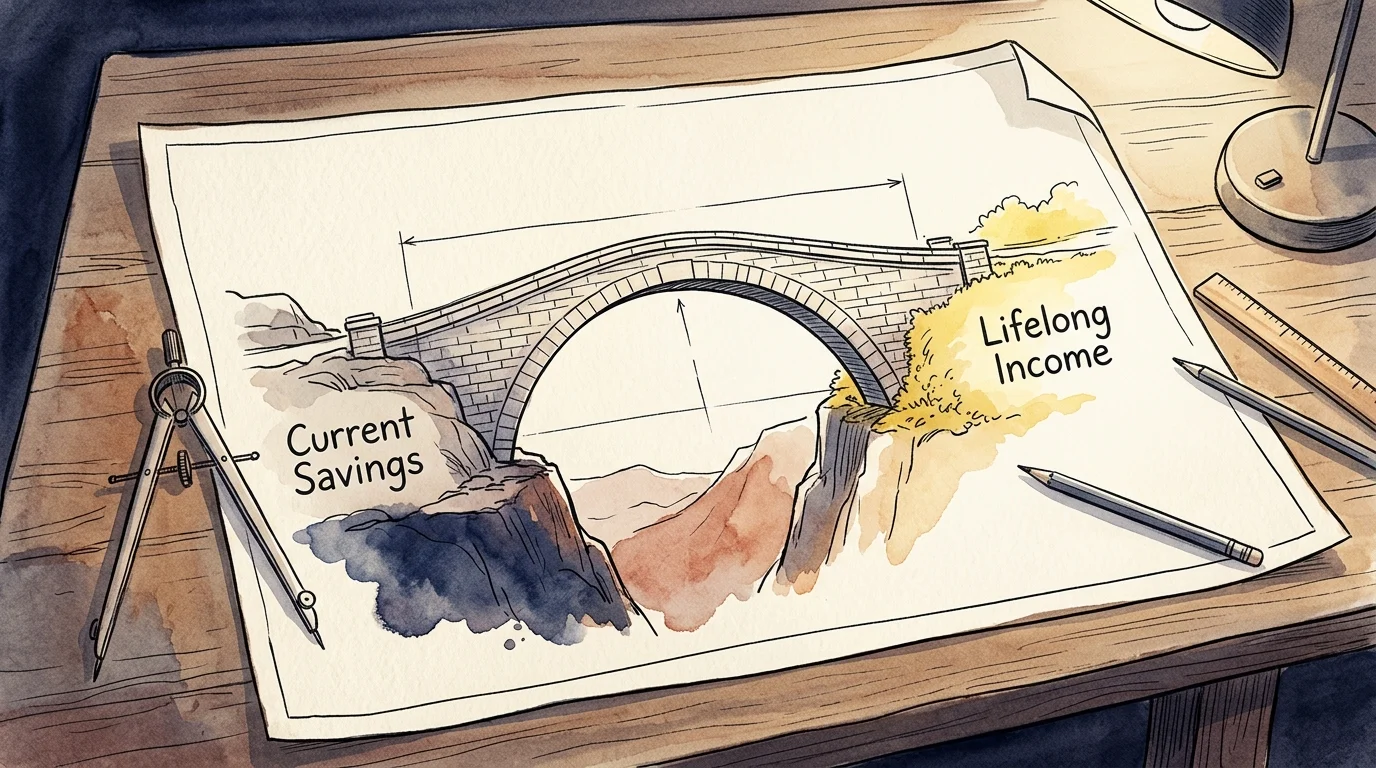
Navigating a relocation requires intense, sustained scrutiny of your financial architecture. Moving to one of these highly rated towns involves significantly more than simply comparing average home prices; you must meticulously analyze the comprehensive tax footprint of your new state and county. Some regions offer aggressive property tax exemptions for seniors, while others might heavily penalize your pension or retirement account distributions. You should regularly consult updated resources from the Internal Revenue Service to understand exactly how your specific income streams will be treated in a new jurisdiction. Establishing this baseline prevents devastating surprises come tax season.
Certified Financial Planner professionals routinely emphasize that hidden costs rapidly erode a fixed budget. Mandatory homeowners association fees, elevated local utility rates, and specialized coastal or wildfire insurance policies can instantly neutralize the benefits of a cheaper mortgage. You need to draft a realistic twelve-month projection of your living expenses in the new location, building in a sensible twenty percent buffer for unexpected home repairs, medical deductibles, or sudden municipal tax hikes. Securing your financial foundation empowers you to enjoy your new town without the constant, grinding anxiety of outliving your wealth.

Strategy Pillar 2: Cultivating Purpose and Lifestyle
Financial security simply provides the foundation; true retirement joy stems from deep purpose and active community involvement. The happiest respondents in our 2026 survey explicitly cited strong social networks and easily accessible civic activities as the primary drivers of their daily satisfaction. You cannot expect a new town to magically cure boredom or isolation—you must actively cultivate your new life. University towns present incredible opportunities for intellectual stimulation through adult education programs, discounted theater tickets, and free community lectures.
Many thriving retirees dedicate their abundant free time to local nonprofits, effectively transforming their decades of professional expertise into valuable community service. Leading gerontologists frequently note that older adults who commit to at least two weekly structured social activities report a drastic reduction in cognitive decline and emotional distress. You should evaluate potential destinations based strictly on their existing infrastructure for hobbies, structured volunteer networks, and cultural institutions that perfectly align with your lifelong passions.

Strategy Pillar 3: Prioritizing Health and Wellness
Your immediate physical environment dictates your long-term independence more than virtually any other factor. Aging in place successfully requires a town with highly progressive infrastructure, including reliable public transit, well-maintained continuous sidewalks, and abundant single-story housing options. You must ruthlessly evaluate the local healthcare ecosystem before ever committing to a move. Proximity to specialized geriatric care, memory clinics, and major research hospitals becomes increasingly vital as you navigate the inevitable physical complexities of aging.
The National Institute on Aging consistently highlights that highly walkable communities directly correlate with better cardiovascular health, lower obesity rates, and sustained mobility among older populations. You need to investigate the local availability of certified home healthcare aides and average emergency response times in your target neighborhood. Do not compromise on critical medical access for the sake of a beautiful mountain view; the most idyllic remote cabin quickly becomes a dangerous liability if you cannot safely reach a cardiologist during a severe winter storm.
Safeguards: Navigating Relocation Risks
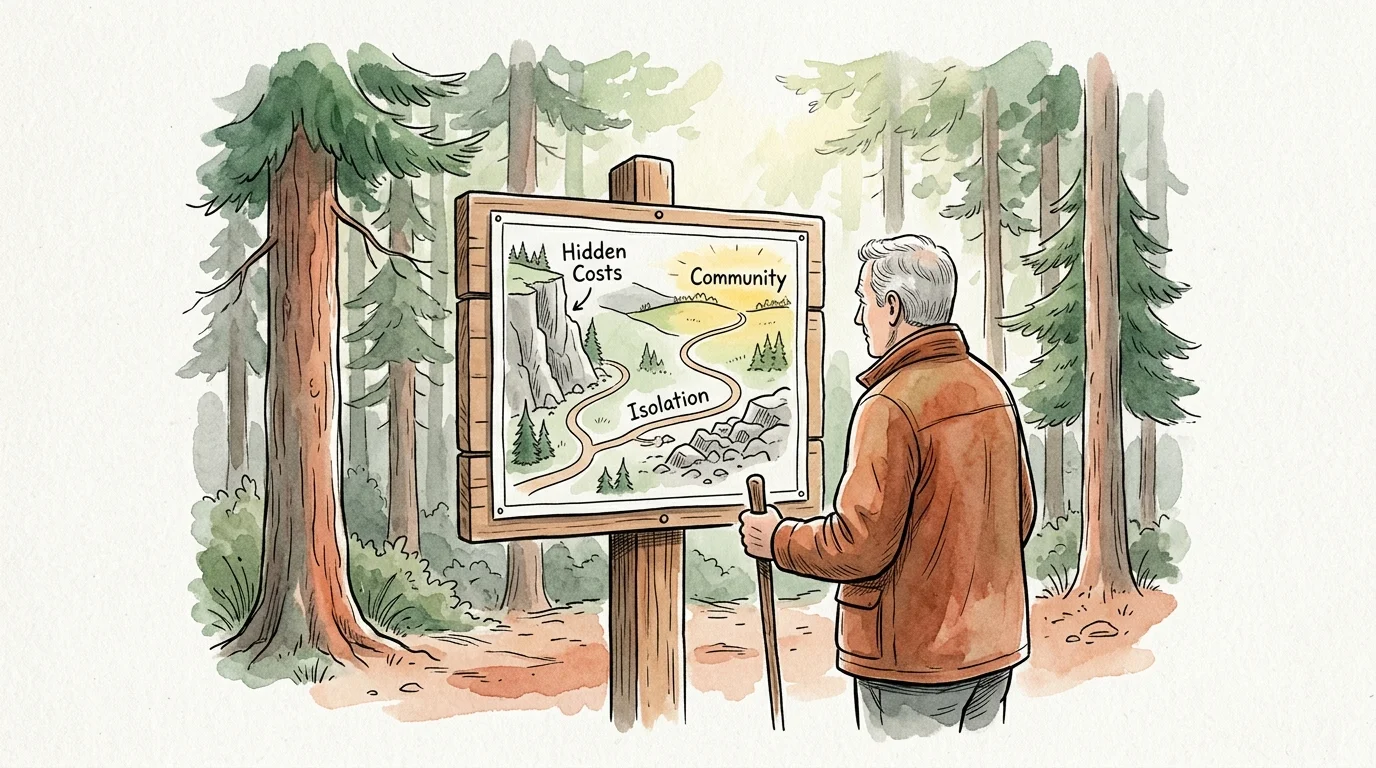
The intricate relocation process exposes you to several profound vulnerabilities that require strict, ongoing vigilance. Real estate scams targeting out-of-state seniors have grown increasingly sophisticated in 2026, frequently involving fraudulent wire transfer instructions, phantom rental listings, or blatantly misrepresented property conditions. You must always utilize verified, locally licensed legal representation when executing property transactions from afar. Never rush a closing process simply because a seller applies artificial pressure.
Furthermore, relocating across state lines frequently triggers unexpected and dangerous healthcare coverage gaps. Medicare Advantage plans operate on strict, highly localized regional networks; moving outside your specific plan’s service area demands immediate action to secure new coverage and avoid steep out-of-pocket penalties. You also need to watch closely for benefit cliffs related to state-sponsored senior assistance programs, which often require a minimum residency period of several years before you officially qualify for property tax freezes or utility subsidies. Leveraging trustworthy consumer protection data from advocacy organizations like AARP can help you identify current fraud trends and legal pitfalls in your desired zip code before you pack a single box.
Frequently Asked Questions
How do I effectively test a retirement town before buying a home?
You should rent a standard apartment or house in the community for at least three consecutive months, ideally during the region’s worst weather season. Engage heavily in normal daily life—visit the local grocery stores during rush hour, drive to the nearest medical facilities, and attend neighborhood council meetings. Do not treat this trial period like a vacation; you need to experience the mundane realities of the town to determine if it truly fits your long-term lifestyle needs.
Does relocating across state lines permanently affect my federal benefits?
Your base federal Social Security payments and Original Medicare Part A and Part B remain completely unaffected when you move within the United States. However, your Medicare Advantage plan, Medicare Part D prescription coverage, and any Medicare Supplement policies are heavily zip-code dependent. You must proactively contact your insurance providers before you move to facilitate a seamless transition and avoid unexpected lapses in your crucial health coverage.
What specific town features should I look for if I have declining mobility?
You must rigorously prioritize towns that offer robust paratransit services, relatively flat topography, and abundant single-level housing options. Look for communities that mandate ADA-compliant infrastructure in their downtown districts, ensuring wide sidewalks, ample curb cuts, and easily accessible public buildings. High walkability scores combined with accessible municipal parks drastically improve your ability to remain independent and socially connected as your physical capabilities naturally change over time.
Are renowned university towns too expensive for retirees living on fixed incomes?
While housing located immediately adjacent to a major campus frequently commands a premium price, the surrounding suburbs slightly outside the urban core often offer incredible affordability. By living just ten or fifteen minutes away from the university center, you gain highly affordable access to the exact same world-class cultural amenities, discounted educational opportunities, and elite teaching hospitals without paying the inflated property taxes associated with premium campus-adjacent real estate.
Your Next 48 Hours: Taking Action
Transforming these survey insights into your reality requires immediate, tangible momentum. Over the next 48 hours, choose just two towns from this list that genuinely spark your interest and align with your baseline budget. Pull up a digital map and locate the nearest major hospital, grocery store, and community center for each location. Write down three specific questions about their local tax policies or housing markets, and schedule a brief phone call with a local real estate agent or a regional senior center director. Taking this single, highly focused step transitions you from passive dreaming into active, confident planning for a deeply rewarding retirement.

















One Response
Not at this time