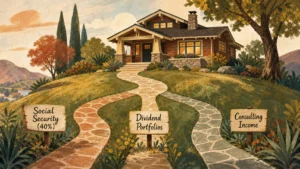
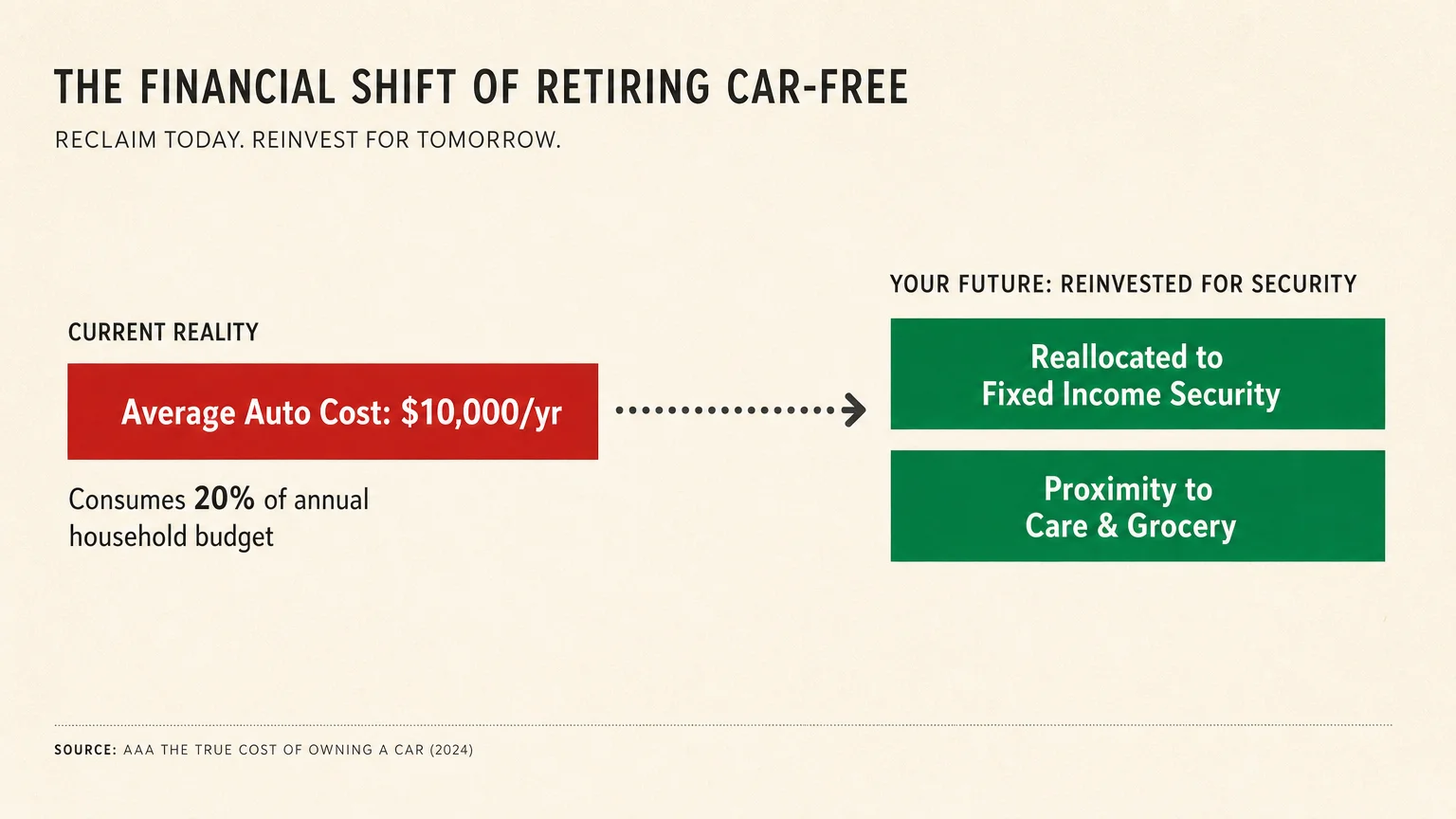
Ditching your vehicle in retirement instantly frees up an average of ten thousand dollars a year, giving you massive leverage to upgrade your daily life. Today, roughly twenty percent of Americans over sixty-five no longer drive, reflecting a vital shift toward walkable retirement cities that prioritize pedestrian infrastructure. Relying on your own two feet keeps your heart healthy, sharpens your cognitive function through environmental engagement, and eliminates the unpredictable costs of car maintenance. You will discover that replacing stressful traffic jams with neighborhood strolls fundamentally transforms how you experience your community. Finding the ideal pedestrian haven allows you to balance reasonable housing costs with immediate access to essential healthcare, guaranteeing a vibrant, independent, and financially optimized car-free retirement.
Policy and Market Shifts Boosting Pedestrian Access
Recent legislative changes actively shift how urban centers accommodate older adults. Federal infrastructure grants inject billions into local budgets to overhaul dangerous intersections and expand pathways. Municipalities now prioritize complete streets—designs mandating safe space for walkers and transit users regardless of mobility. According to recent data on consumer expenditures from the Bureau of Labor Statistics, households routinely sink nearly twenty percent of their annual income into transportation. Transitioning into a transit-rich environment eliminates compounding financial drains, shielding your fixed income from volatile fuel prices and unexpected mechanic bills. Furthermore, newly enacted zoning laws encourage mixed-use developments, meaning grocery stores and specialized clinics frequently sit directly beside residential spaces.
Strategic Pillars for a Thriving Car-Free Lifestyle
Reallocating Your Budget and Upgrading Your Location
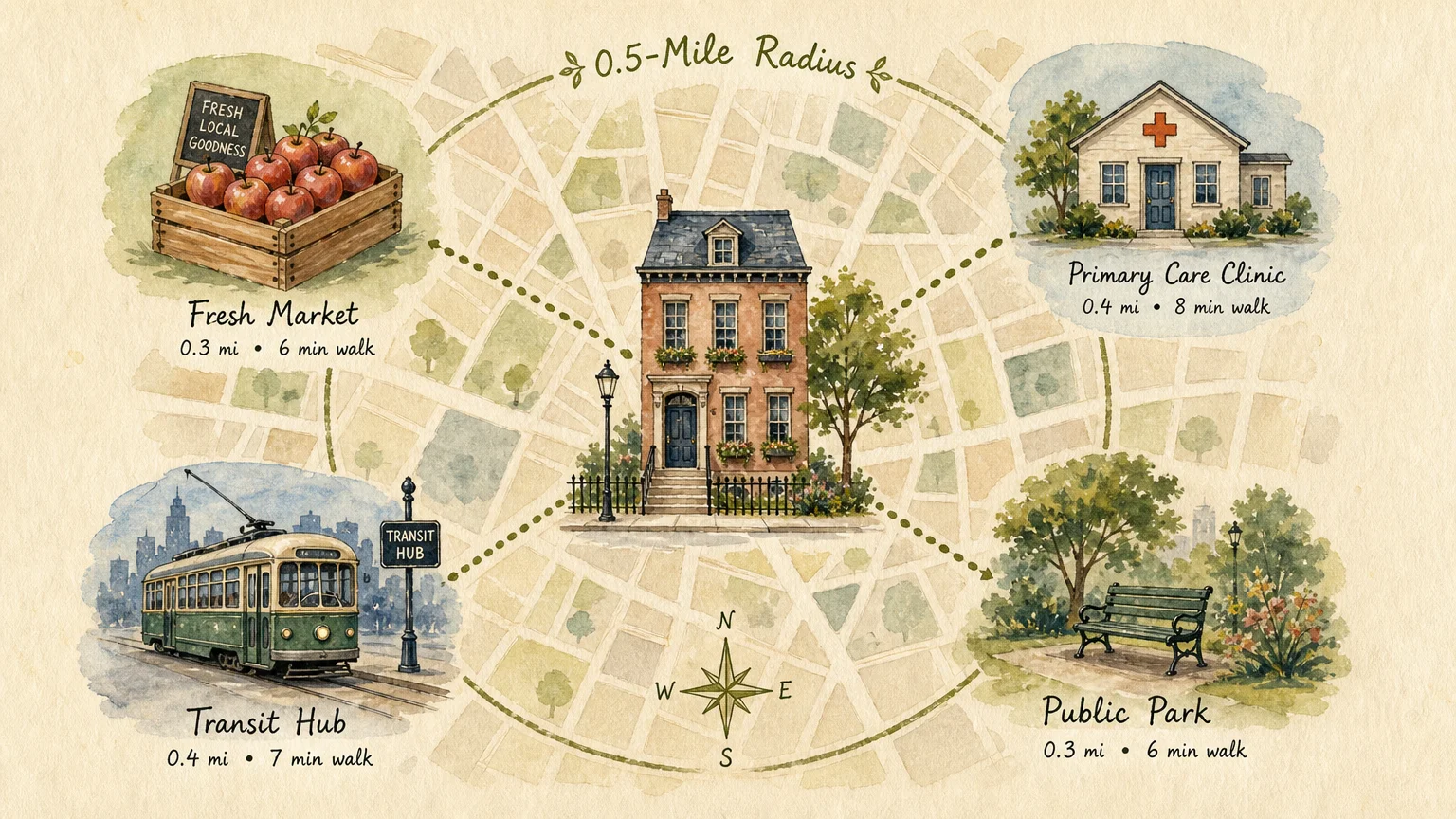
Giving up your keys frees significant capital that you should strategically redirect toward your long-term security. Leverage the savings from auto insurance and maintenance to bulk up your emergency fund or comfortably afford grocery delivery services. Living without a vehicle requires you to intentionally map your surroundings and prioritize proximity to essential services. Select neighborhoods where fresh food markets and primary care physicians sit within a comfortable half-mile radius. Embracing this hyper-local lifestyle encourages spontaneous social interactions and immerses you deeply within the cultural fabric of your neighborhood.
Integrating Natural Exercise into Your Wellness Plan
Walking serves as a highly effective, low-impact method to preserve mobility as you age. When you live in a pedestrian-friendly environment, exercise becomes an integrated, effortless component of your daily routine rather than a scheduled chore. Navigating transit hubs requires dynamic balance, which inherently strengthens your musculoskeletal system. Engaging closely with your environment supports robust cognitive health; peer-reviewed aging research demonstrates that continuous visual and social stimuli keep your mind sharp and responsive to real-world challenges.
15 Ideal Cities for a Pedestrian-Focused Retirement
1. Boston, Massachusetts
Boston offers deep historical roots and outstanding walkability. The dense neighborhood grid allows you to effortlessly reach world-renowned medical facilities on foot. Rely on the extensive transit network to navigate the wider area safely. The city expertly clears pathways during winter, ensuring year-round access to cultural institutions and public parks.
2. Philadelphia, Pennsylvania
Choosing Philadelphia grants you access to an incredibly flat, easily navigable downtown steeped in history. The Center City district places exceptional dining and leading healthcare specialists just outside your door. Appreciate the comprehensive bus and rail coverage, making it simple to explore vibrant neighborhoods affordably without merging onto a highway.
3. Washington, District of Columbia
The nation’s capital delivers an unparalleled car-free experience driven by its remarkably efficient Metro system and expansive sidewalks. Retiring here positions you within a short walk of grocery stores and free cultural exhibits. Robust public transit infrastructure guarantees you can effortlessly attend medical appointments and engage with the city’s energetic pulse.
4. Portland, Oregon
Portland operates as a premier model for sustainable urban planning. The city utilizes a comprehensive light rail network alongside frequent bus routes connecting residential districts to commercial centers. You rarely need to travel far to secure fresh groceries. An abundance of maintained public parks encourages you to maintain a rigorous daily walking routine.
5. Seattle, Washington
Seattle provides a dynamic coastal environment paired with rapid public transportation expansions. The light rail system transports you across the city, completely bypassing regional traffic congestion. Flatter neighborhoods provide exceptional accessibility to thriving farmers markets. Discover a deeply ingrained culture of community engagement, supported by an array of easily reachable senior-focused programs.
6. San Francisco, California
San Francisco offers a culturally rich landscape where giving up your vehicle dramatically improves your lifestyle. Navigate the city utilizing cable cars, trolleybuses, and rapid transit. Although hills present a physical challenge, numerous flatter neighborhoods brim with local shops. Proximity to elite healthcare networks ensures your medical needs remain thoroughly covered.
7. Minneapolis, Minnesota
Minneapolis ingeniously solves harsh winter weather with its extensive climate-controlled network of pedestrian footbridges linking downtown buildings. This infrastructure lets you safely walk to essential venues regardless of snow. A well-designed transit system connects beautifully maintained residential areas. You will greatly benefit from the city’s relentless commitment to pristine green space accessibility.
8. Denver, Colorado
Denver caters perfectly to retirees desiring an active lifestyle. The local transit district operates a vast network of rail lines effortlessly connecting downtown high-rises to charming neighborhoods. Enjoy abundant sunshine annually, creating the perfect environment for consistent walking. High-density areas place specialty food markets well within your pedestrian reach.
9. Chicago, Illinois
Chicago stands out as a Midwestern powerhouse of walkability, defined by its flat topography and logical grid system. The legendary transit authority provides relentless train and bus service. You can spend your days strolling along the lakefront paths dedicated entirely to pedestrians. Settling here guarantees immediate access to essential services and premier healthcare networks.
10. Boulder, Colorado
Boulder offers an intimate, highly educated community setting with world-class pedestrian infrastructure tailored for active aging. The local transit network provides highly frequent service complementing the extensive network of multi-use paths. The downtown mall serves as a vibrant hub for socializing. The intense community focus on wellness naturally supports a thriving car-free lifestyle.
11. Madison, Wisconsin
Madison delivers the unique energy of a prominent university town combined with remarkable accessibility for older adults. The city condenses commercial and residential districts into a highly walkable layout. You can rely on an excellent municipal bus system. The flat, paved pedestrian trails circling the beautiful lakes offer the perfect setting for daily exercise.
12. Burlington, Vermont
Burlington provides small-town charm without sacrificing the essential amenities required for a comfortable retirement. The downtown marketplace stands as a pedestrian-only thoroughfare loaded with independent shops. You will benefit from a remarkably reliable transit authority connecting residential neighborhoods to medical facilities. The close-knit community atmosphere fosters deep social connections alongside stunning lake views.
13. Alexandria, Virginia
Alexandria combines incredible historic preservation with modern urban planning. The historic district features meticulously preserved brick sidewalks, a free trolley system, and immediate access to broader regional transit. You will love the concentration of boutique grocery stores nearby. The local government actively invests in traffic calming measures, directly ensuring your safety across the community.
14. Ann Arbor, Michigan
Ann Arbor thrives as a densely populated community that fully supports life without an automobile. The transit authority operates a fleet of buses seamlessly connecting the bustling downtown area with quiet residential neighborhoods. You gain direct access to a prestigious university healthcare system. Robust networks of accessible sidewalks make daily errands entirely stress-free.
15. Charleston, South Carolina
Charleston captures the essence of Southern hospitality within a remarkably flat, walkable historic peninsula. The moderate coastal climate allows you to engage in pedestrian activities all year. You can utilize the free local shuttle network to effortlessly traverse the downtown district. The unique architectural density allows you to easily secure daily necessities on foot.

Expert Perspectives on Aging in Place Without a Vehicle
Financial advisors strongly advocate for proactive lifestyle modifications before mobility issues force your hand. Transitioning to a walkable city early in retirement allows you to build social networks while possessing full physical vitality. According to certified financial planners, the sudden elimination of a vehicle from a fixed-income budget fundamentally alters cash flow projections for the better. Professionals urge clients to view car-free living as a strategic asset reallocation extending portfolio longevity. Gerontologists emphasize that forced daily movement acts as a powerful deterrent against the rapid muscle deterioration frequently observed in sedentary older adults.
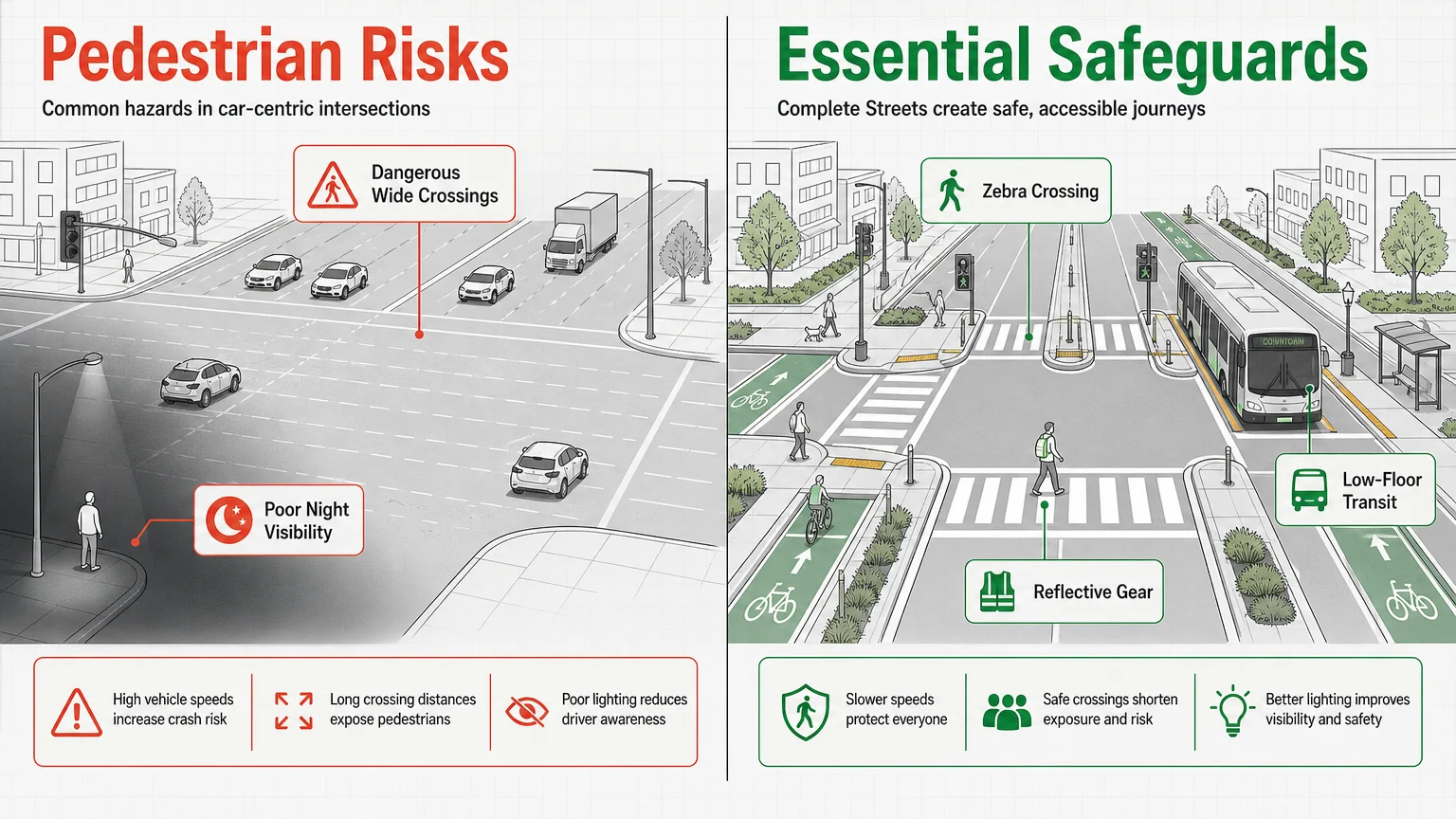
Understanding the Risks and Essential Safeguards
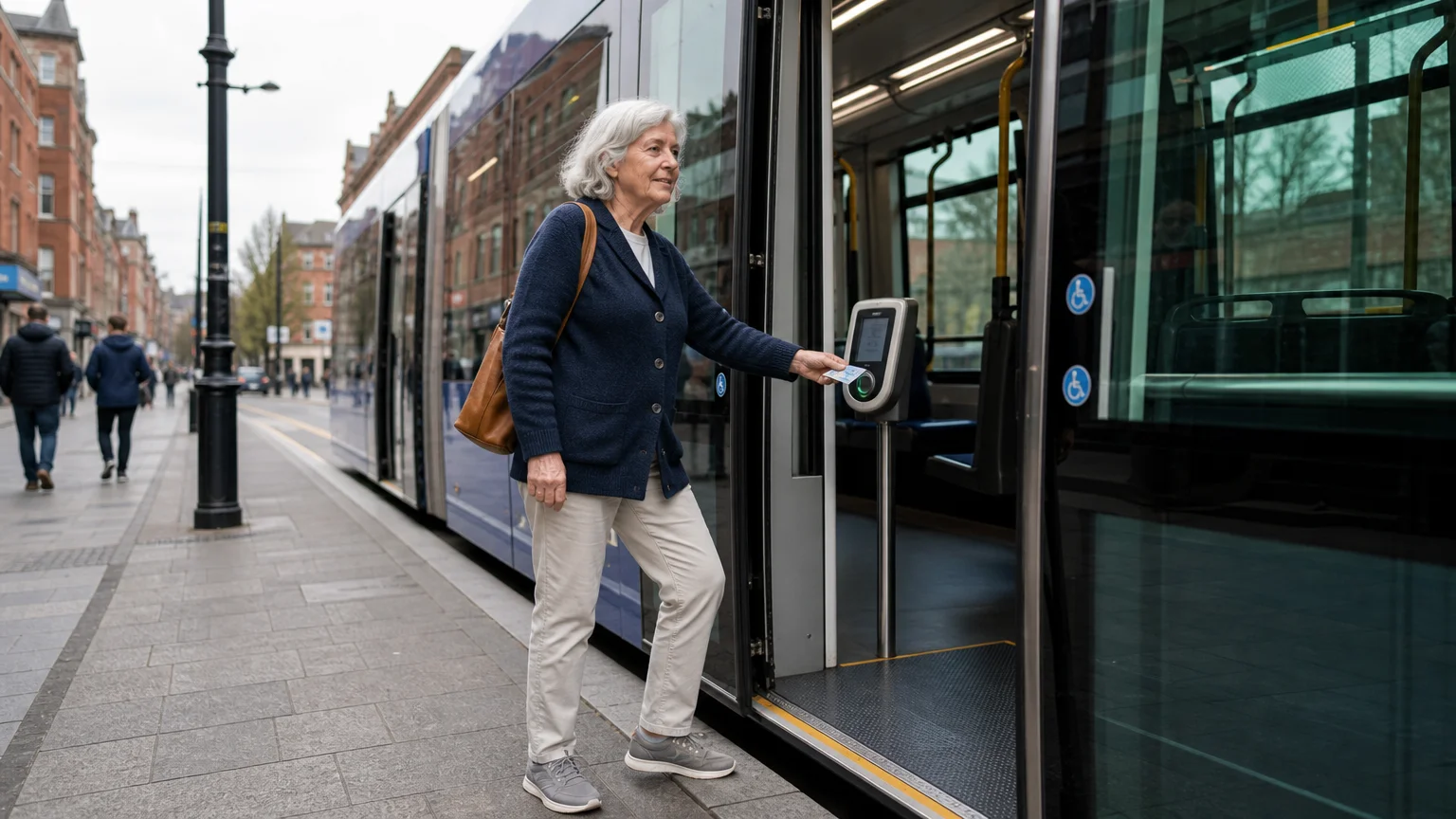
While a pedestrian-focused lifestyle offers immense benefits, you must remain vigilant regarding specific urban challenges. Gentrification frequently drives up property taxes and rental rates beyond what a strict fixed budget can absorb. You need to thoroughly research municipal property tax relief programs designed for older residents. Furthermore, carefully evaluate the Medicare guidelines regarding non-emergency medical transportation, as navigating complex transit networks during a severe health crisis proves impossible. Protect yourself from transit scams by utilizing contactless digital payments and remaining aware of your surroundings. Ensure that your chosen city does not create a benefit cliff where slight increases in your taxable income disqualify you from local subsidies or Supplemental Security Income benefits.
Frequently Asked Questions
How do I manage bulk grocery shopping?
Navigating large grocery hauls requires a shift in your shopping habits. Instead of massive weekly trips, embrace frequent, localized shopping to pick up fresh ingredients every few days. For bulky items, leverage delivery services or grocery subscriptions that completely remove the physical burden of transporting heavy bags.
Will extreme weather trap me inside my home?
Top-tier walkable cities design infrastructure to actively combat severe weather isolation. Municipalities experiencing heavy snowfall prioritize clearing primary pedestrian pathways immediately after storms. Select housing connected to indoor pedway systems or equipped with comprehensive winter weather emergency amenities, ensuring you retain full access to your community.
Is public transportation secure for older adults?
Major metropolitan transit networks heavily prioritize passenger security through extensive camera systems and active patrols. You significantly reduce your vulnerability by traveling during daylight hours, utilizing clearly marked priority seating near the operator, and keeping your personal belongings securely fastened to your body at all times.
How do I visit suburban family members?
Living car-free does not sever your connection to suburban relatives. You can utilize the substantial financial savings from your vehicle elimination to comfortably afford occasional rideshare services, short-term car rentals, or regional commuter trains. Furthermore, hosting gatherings at your amenity-rich urban home often becomes a preferred alternative for loved ones.
Take Action and Reclaim Your Independence
Transitioning away from automobile dependency represents a profound opportunity to actively redesign your retirement around physical vitality and financial efficiency. You possess the power to eliminate the heavy financial anchor of car ownership and step into a dynamic environment catering directly to your long-term well-being. Within the next forty-eight hours, map out a half-mile radius around your current home and identify exactly how many essential services you can reach on foot. If the results leave you isolated, immediately begin exploring housing markets in one of the fifteen remarkable cities detailed above. Your most liberating years are waiting for you out on the sidewalk.