Relocating for retirement offers a brilliant opportunity to design your ideal daily life, but it requires a proactive strategy to build a meaningful social circle from scratch. You can seamlessly integrate into a fresh community by leveraging specific socialization tactics that prioritize shared interests over proximity. Moving across the country often brings unexpected financial and emotional shifts, making robust connections vital for your long-term wellness. Recent demographic data reveals that older adults who establish solid friendships early in their relocation experience significantly lower rates of cognitive decline and depression. Establishing these bonds demands intentional effort, yet the rewards—ranging from increased longevity to a renewed sense of purpose—make the endeavor profoundly worthwhile for your next chapter.
Navigating the Relocation Landscape
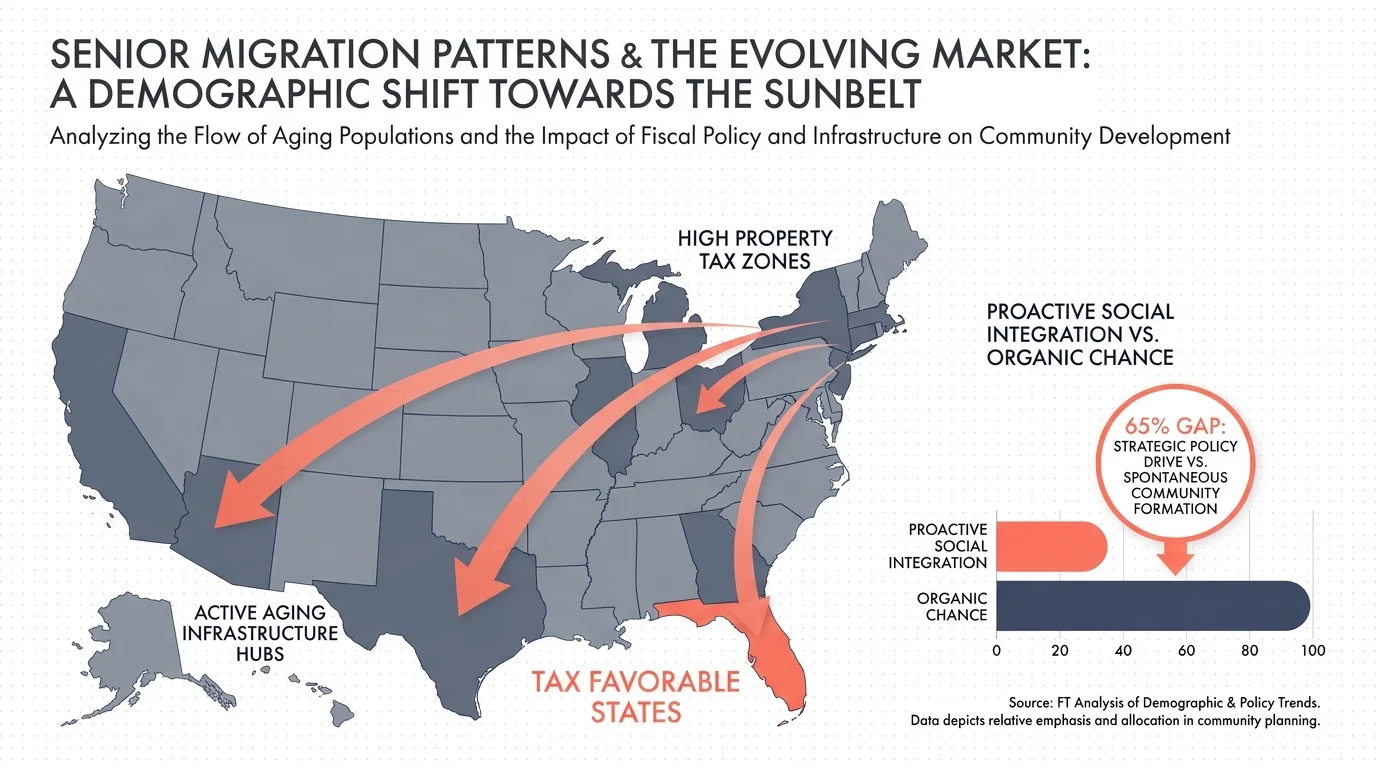
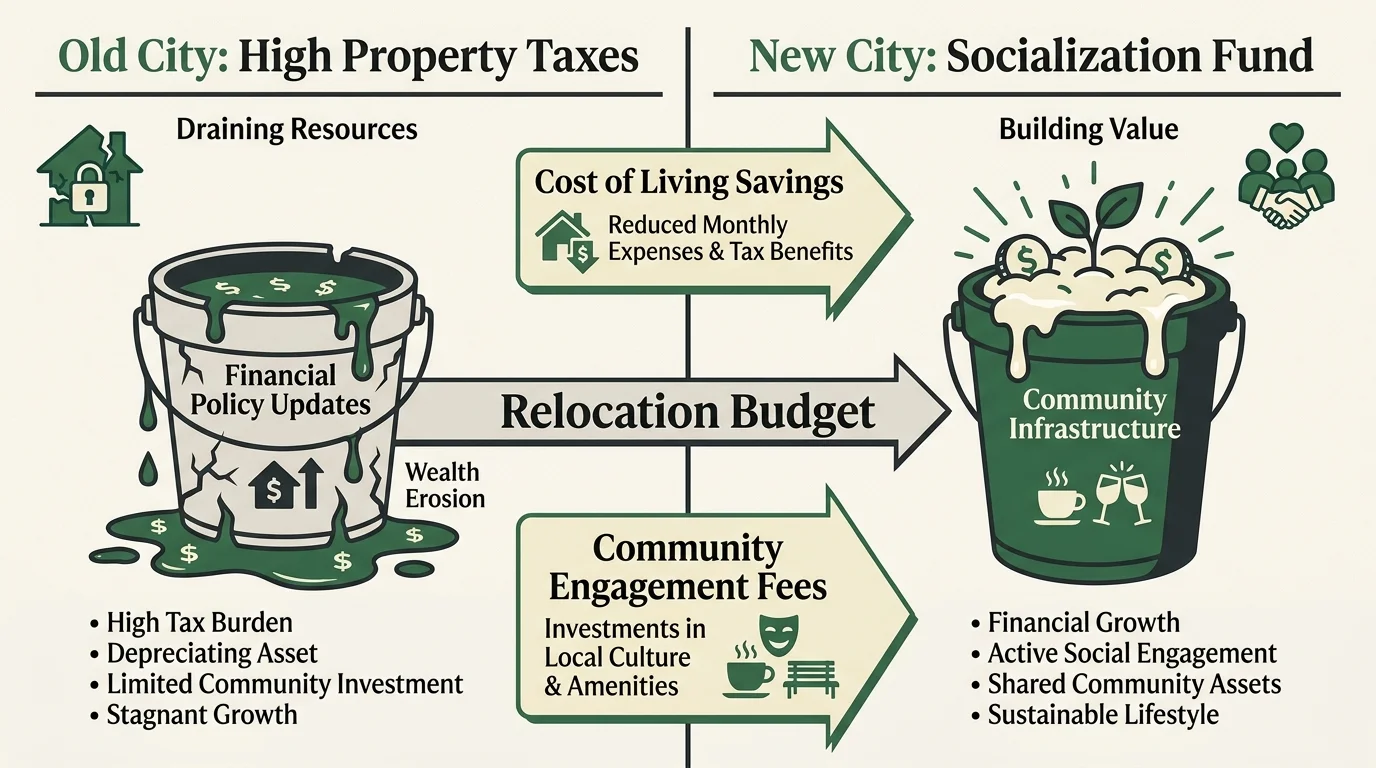
Moving away from your established hometown involves navigating a rapidly shifting economic landscape. High property taxes and escalating living costs continually push retirees toward more affordable locales, fundamentally changing the traditional retirement map. Financial policy updates actively influence where you might choose to settle. As thousands of older adults migrate to states with favorable tax climates, these destination cities experience a surge in community infrastructure designed explicitly for active aging. Furthermore, state-specific initiatives aimed at attracting retirees often yield a wealth of resources you can tap into immediately. Navigating this environment demands flexibility and a clear understanding of the evolving market.
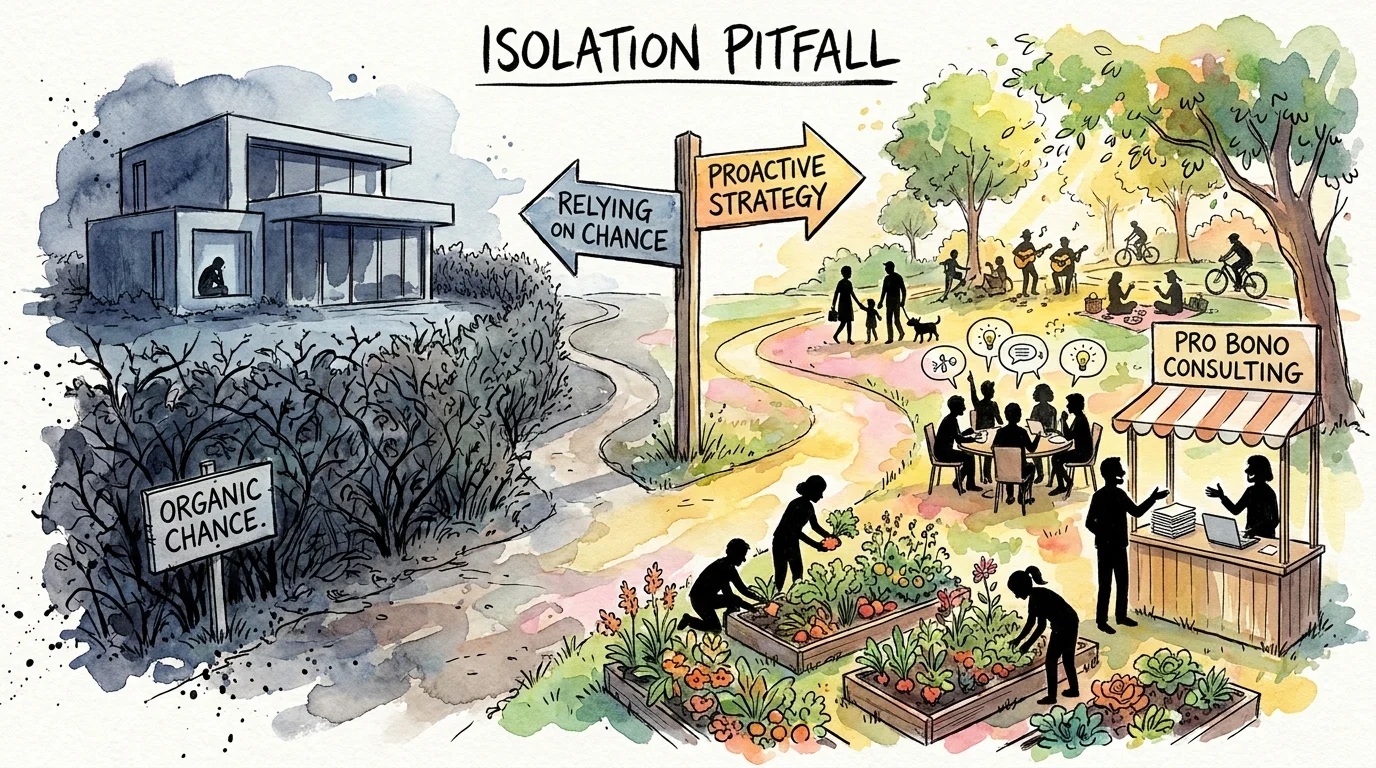
You must recognize that relocating is not merely a geographic shift; it represents a profound lifestyle transition. Relying on organic chance to meet neighbors rarely works in sprawling new developments. Instead, you need a systematic approach to community engagement. Credible sociological surveys indicate that proactive social integration drastically reduces the transitional anxiety associated with cross-country moves, securing your overall happiness in your chosen destination. You can easily spot these demographic trends by reviewing recent demographic research focused on senior migration patterns.
Strategy Pillar 1: Lifestyle Design and Social Connection
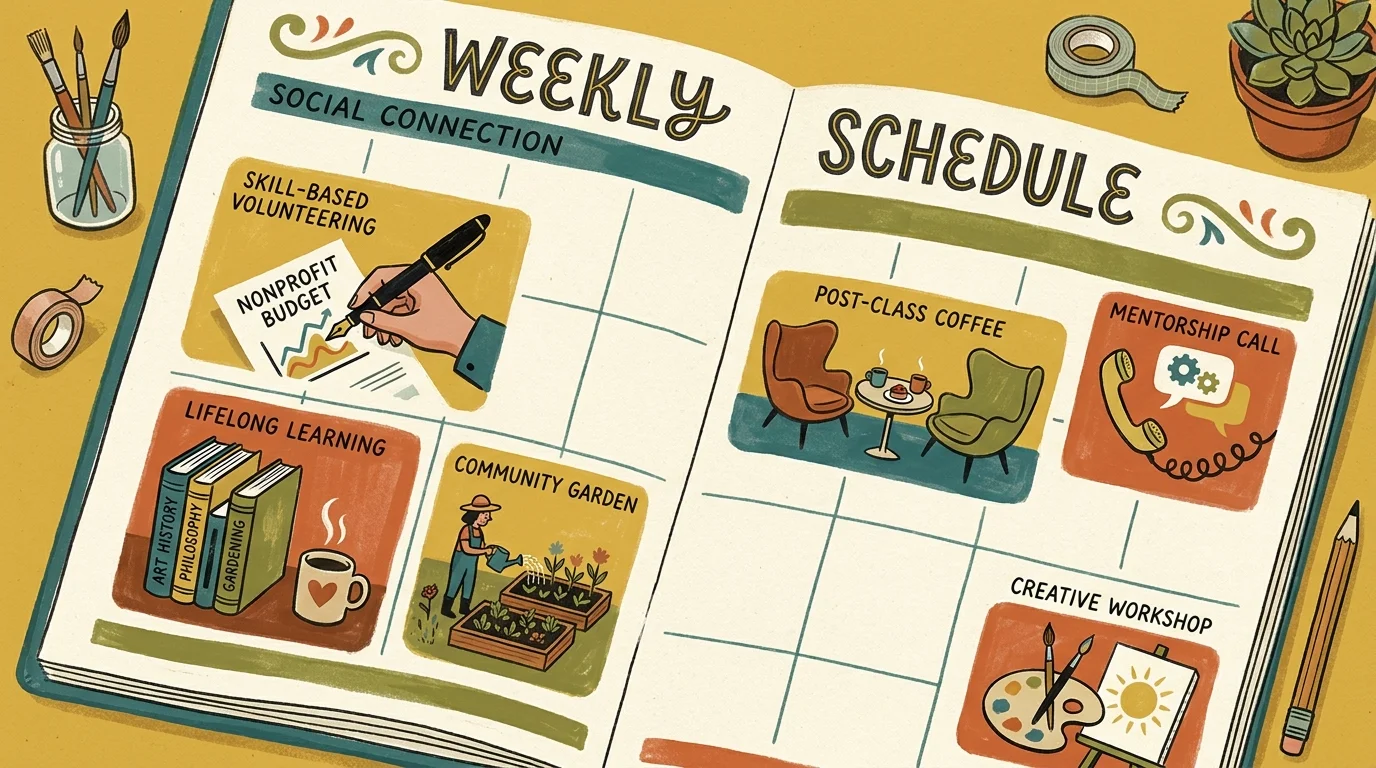
Designing a fulfilling social life in an unfamiliar city operates as the cornerstone of a successful retirement relocation. You can actively shape your daily interactions by treating socialization as a vital component of your weekly schedule. The following eight methods represent proven tactics that retirees currently utilize to forge lasting friendships in new communities.
Method One: Engage in Skill-Based Volunteering. Donating your professional expertise provides a structured environment for meeting civic-minded individuals. Look for opportunities that utilize your career skills, such as mentoring local entrepreneurs or managing finances for a regional nonprofit. Labor market trends indicate a notable surge in older adults maintaining engagement through pro bono consulting. This approach guarantees that you interact with peers who share your work ethic, creating a natural foundation for intellectually stimulating friendships.
Method Two: Enroll in Lifelong Learning Institutes. Educational environments foster organic connections through shared intellectual curiosity. Many university campuses host continuing education programs specifically designed for older adults. Enrolling in courses places you in a room with highly motivated peers. Discussing course material naturally breaks the ice, completely removing the awkwardness of forced networking. Academic institutions regularly host guest lecture series and post-class coffee meetups, providing a built-in schedule for consistent, low-pressure social interaction.
Method Three: Leverage National Alumni and Professional Networks. Your past affiliations carry significant weight when establishing a foothold in a fresh locale. University alumni associations and professional industry groups almost always host regional chapters in major and mid-sized cities. Attending a chapter meeting instantly surrounds you with individuals who share a common background, offering an immediate sense of belonging. Tapping into these resources bridges the gap between your past achievements and your current lifestyle, ensuring you retain your core identity while exploring unfamiliar territory.
Method Four: Participate in Local Civic and Advocacy Boards. Community governance relies heavily on the available time and wisdom of retired residents. Joining a neighborhood association, library board, or parks committee inserts you directly into the pulse of your new city. Advocating for local improvements requires intense teamwork, transforming casual acquaintances into reliable allies and close friends. You gain profound insight into your city’s culture while simultaneously establishing yourself as a respected, visible community member willing to contribute.
Method Five: Utilize Technology-Driven Meetup Platforms. Digital tools remain incredibly effective for facilitating real-world, in-person gatherings. Platforms specifically geared toward community building allow you to search for hyper-local groups based on niche interests. Joining a casually organized hike, a photography walk, or a weekend brunch event directly introduces you to people actively seeking new friendships. You can efficiently bypass the trial-and-error phase of finding like-minded locals by joining these pre-established circles, completely removing the guesswork from social integration.
Method Six: Establish a Routine at Community Wellness Centers. Consistency acts as the primary catalyst for friendship formation. Frequenting a local recreation center, public pool, or fitness studio at the exact same time each week naturally builds familiarity with other regulars. Participating in group fitness provides a shared physical challenge that encourages long-term camaraderie. Gerontologists routinely highlight the dual benefits of group exercise; you enhance your cardiovascular health while simultaneously engaging in casual, recurring conversations that evolve into lasting bonds.
Method Seven: Integrate into Philosophical or Faith-Based Congregations. Spiritual and ethical communities offer a welcoming safety net for recent transplants. Whether you join a traditional religious institution or a secular humanist gathering, these organizations actively prioritize fellowship. Congregations typically host weekly social hours, volunteer outreach programs, and intimate study groups, creating multiple touchpoints for authentic human connection. This supportive environment provides profound emotional grounding during the vulnerable months immediately following a major geographic move.
Method Eight: Organize Neighborhood Micro-Events. Taking the lead in your immediate vicinity establishes you as a welcoming presence. You do not need to host an elaborate dinner party to meet your neighbors; organizing a simple driveway coffee morning, a front-porch lemonade gathering, or a small block-cleanup initiative works wonders. Extending a low-pressure invitation demonstrates openness and encourages your neighbors to introduce themselves without the intimidation of a formal gathering. This proactive hospitality effectively breaks down the invisible barriers of modern neighborhood living.
Strategy Pillar 2: Income Planning and Relocation Budgets
Establishing a dynamic social life requires adequate financial planning to ensure you can participate without persistent financial anxiety. Certified Financial Planner professionals advise creating a distinct socialization category within your overall retirement budget. You must account for new expenses such as continuing education tuition, club initiation fees, and regular dining out with fresh acquaintances. Additionally, mapping out the precise costs associated with regional transportation—whether adapting to a new public transit system or anticipating higher vehicle registration fees—prevents unexpected budget drains that could hinder your social momentum.
Relocating across state lines also triggers significant administrative implications that directly impact your disposable income. You must remain vigilant about updating your primary domicile to establish accurate state income tax withholding. Promptly managing your administrative profile ensures you avoid unexpected tax penalties that could drain your entertainment budget. You can confidently navigate the financial aspects of relocation by utilizing secure federal portals for updating your personal profile, ensuring your federal retirement benefits continue without a single interruption. Maintaining an organized financial house empowers you to say yes to exciting new social opportunities.

Strategy Pillar 3: Health, Wellness, and Avoiding Isolation
Your physical vitality relies heavily on your consistent level of social engagement. Medical professionals increasingly treat chronic loneliness as a severe health hazard, noting its detrimental impact on long-term wellness. Moving to a pristine, sunny climate loses its appeal entirely if you spend your days completely in isolation. Gerontologists stress that building a reliable support network directly fortifies your immune system and preserves your cognitive sharpness. The active conversations and spontaneous problem-solving inherent in new friendships keep your brain actively engaged.
Ensuring seamless healthcare coverage during your move represents a critical component of maintaining your physical readiness. Relocating to a different ZIP code often drastically alters your medical network, particularly if you rely on localized Advantage plans. You should proactively prioritize evaluating special enrollment periods specifically triggered by a permanent change of address. Furthermore, staying informed through peer-reviewed aging research reinforces the medical necessity of getting out of the house. Prioritizing your physical health directly provides the physical stamina required to actively pursue and sustain your newly forming friendships.
Safeguarding Your Move: Risks and Pitfalls
Transitioning to a new state introduces specific vulnerabilities that you must actively manage to protect your assets and maintain your peace of mind. Fraudsters aggressively target recent movers by exploiting public change-of-address databases. You must exercise extreme caution when navigating online services that charge exorbitant fees for simple address updates that the postal service actually provides for a nominal cost. Relying solely on official consumer alerts helps you effectively identify and avoid sophisticated phishing scams disguised as welcome packages or utility verification emails. Always scrutinize requests for personal information from unsolicited sources posing as local government agencies.
Beyond outright fraud, you must carefully navigate potential benefit cliffs associated with cross-border relocations. State-sponsored property tax relief, utility assistance, and senior transportation programs vary drastically from one county to the next. Assuming your current municipal benefits will seamlessly translate to your new jurisdiction often leads to severe budget shortfalls. Take the time to physically visit regional offices to verify any confusing documentation regarding your property taxes or local services. Protecting yourself from these administrative pitfalls guarantees that your transition remains a joyous adventure rather than a stressful, costly ordeal.
Frequently Asked Questions
How long does it usually take to feel settled in a new city?
Psychologists and relocation experts suggest that establishing a profound sense of belonging typically requires eighteen to twenty-four months. You will likely experience a brief honeymoon phase during the first few weeks, followed by a period of homesickness or mild adjustment anxiety. Consistency in your daily routine and persistent engagement in community activities significantly accelerate this timeline. You must remain patient with yourself and recognize that building deep, trusting relationships organically demands time.
Does Medicare coverage transfer automatically when I move to a new state?
Original Medicare generally travels with you nationwide, but supplemental coverage and Advantage plans frequently operate on strict regional networks. Moving outside your plan’s service area necessitates immediate action on your part. You typically receive a distinct window of time to switch plans without facing medical underwriting penalties. Contacting a licensed insurance broker before your moving day ensures you avoid terrifying disruptions in your critical medical care.
How can introverted retirees build a network without feeling overwhelmed?
You do not need an extroverted personality to successfully integrate into a new neighborhood. Introverts thrive by focusing on high-quality, one-on-one interactions rather than exhausting large group events. Selecting just one specialized interest group, such as a localized book club or a quiet gardening collective, provides a highly structured environment that minimizes awkward small talk. You can pace your social calendar deliberately, ensuring you schedule adequate solitary time to recharge.
What is a realistic budget for social activities in a new town?
Financial planners highly recommend allocating roughly five to ten percent of your discretionary income specifically toward socialization during your first year in a new city. This flexible budget accommodates necessary membership dues, event tickets, local transportation, and occasional dining. Tracking these expenses meticulously during the first six months helps you establish a sustainable, long-term entertainment budget without compromising your essential living expenses.
Your Next Steps
Building a vibrant social life from the ground up requires deliberate action and a willingness to step outside your comfort zone. You hold the ultimate power to shape a deeply fulfilling daily routine in your new city by embracing a proactive approach to community engagement. Do not wait for neighbors to knock on your door; take full control of your geographic transition.
Identify one specific local organization or community center in your area and commit to making contact within the next forty-eight hours. Whether you send a brief email inquiring about volunteer opportunities or physically drive to a nearby recreation facility to pick up a class schedule, initiate the process today. Your future friendships are waiting for you to make the very first move.