
Stepping away from your career dramatically reshapes how you define yourself and how you spend your days. Understanding the psychological shift of leaving the workforce equips you to rebuild your daily routine, protect your emotional health, and maintain your financial security. According to demographic data from the Bureau of Labor Statistics, millions of Americans transition out of the workforce each year, facing an immediate shift in their social standing and daily purpose. You trade professional titles for total time autonomy, which triggers a profound reevaluation of your personal value and community role. Preparing for this complex psychological transition ensures you build a deeply rewarding next chapter without feeling lost in the sudden absence of your schedule.

The Modern Retirement Landscape
Retirement today looks entirely different than it did a generation ago. You are no longer stepping off a cliff into endless leisure; rather, you are entering a complex, multi-decade life phase characterized by dynamic economic conditions and evolving personal goals. Recent policy changes, fluctuating market performance, and shifting inflation rates require you to maintain a highly adaptable approach to your fixed budget. As legislation continues to modify how long your assets can grow and when you must begin withdrawing them, the financial architecture of your post-career life requires careful attention. This modern landscape demands that you remain engaged, informed, and proactive. Managing a fixed income amid economic uncertainty forces you to balance your desired lifestyle against strict financial realities. At the same time, this era offers unprecedented flexibility. You possess the freedom to pursue phased retirements, engage in meaningful community work, and design a daily rhythm tailored specifically to your unique physical abilities and personal interests.

8 Profound Identity Changes You Will Experience

1. The Loss of Your Professional Title
For decades, your job title served as your primary introduction to the world. When someone asked what you did for a living, you had a ready-made answer that conferred status, expertise, and societal value. Relinquishing that title leaves a sudden vacuum in your personal narrative. You may feel a brief but intense sense of invisibility at social gatherings when you can no longer lean on your professional achievements to steer the conversation. Overcoming this identity crisis requires you to intentionally separate your intrinsic self-worth from your economic output. You must practice introducing yourself through your passions, your community involvement, and your current projects, allowing your character rather than your career to define your presence.

2. A Shift in Household Dynamics
If you share a home with a spouse or partner, retirement immediately disrupts your established domestic rhythms. Suddenly sharing the same physical space twenty-four hours a day exposes friction points you previously avoided during busy workweeks. Roles that seemed rigidly defined over decades—who manages the finances, who prepares meals, who maintains the property—suddenly blur and require renegotiation. This constant proximity demands exceptional communication to preserve emotional health and relationship stability. You will need to establish clear boundaries regarding personal space and solo activities. Successfully navigating this transition transforms your relationship from parallel survival into a truly collaborative, shared daily adventure.

3. The Redefinition of Productivity
American culture strictly equates extreme busyness with personal importance. When you retire, you step off the treadmill of relentless productivity, which often triggers an unexpected wave of guilt. Waking up on a Tuesday morning without a pressing deadline or a demanding supervisor can feel deeply disorienting. You must actively unlearn the toxic belief that rest must be earned through exhaustion. Redefining productivity means measuring your days by the quality of your experiences rather than the quantity of completed tasks. Tending to a garden, reading a profound book, or simply enjoying a slow morning coffee are valid, valuable ways to spend your time. Embracing this new metric allows you to enjoy your autonomy without the burden of constant achievement.

4. A Reconstructed Social Circle
Workplaces provide a built-in network of acquaintances, offering effortless daily interaction. Once you leave the office, you quickly discover the stark difference between genuine friends and mere situational colleagues. The sudden drop in daily conversations can lead to profound loneliness if left unaddressed. Cultivating a robust social life now requires deliberate, consistent effort. You must initiate the phone calls, organize the lunches, and actively seek out new communities that align with your current interests. According to guidance from the National Institute on Aging, maintaining strong social ties is crucial for preserving cognitive function and emotional well-being as you age. Building this new social scaffolding forms the foundation of your long-term happiness.
5. The Transition from Saver to Spender
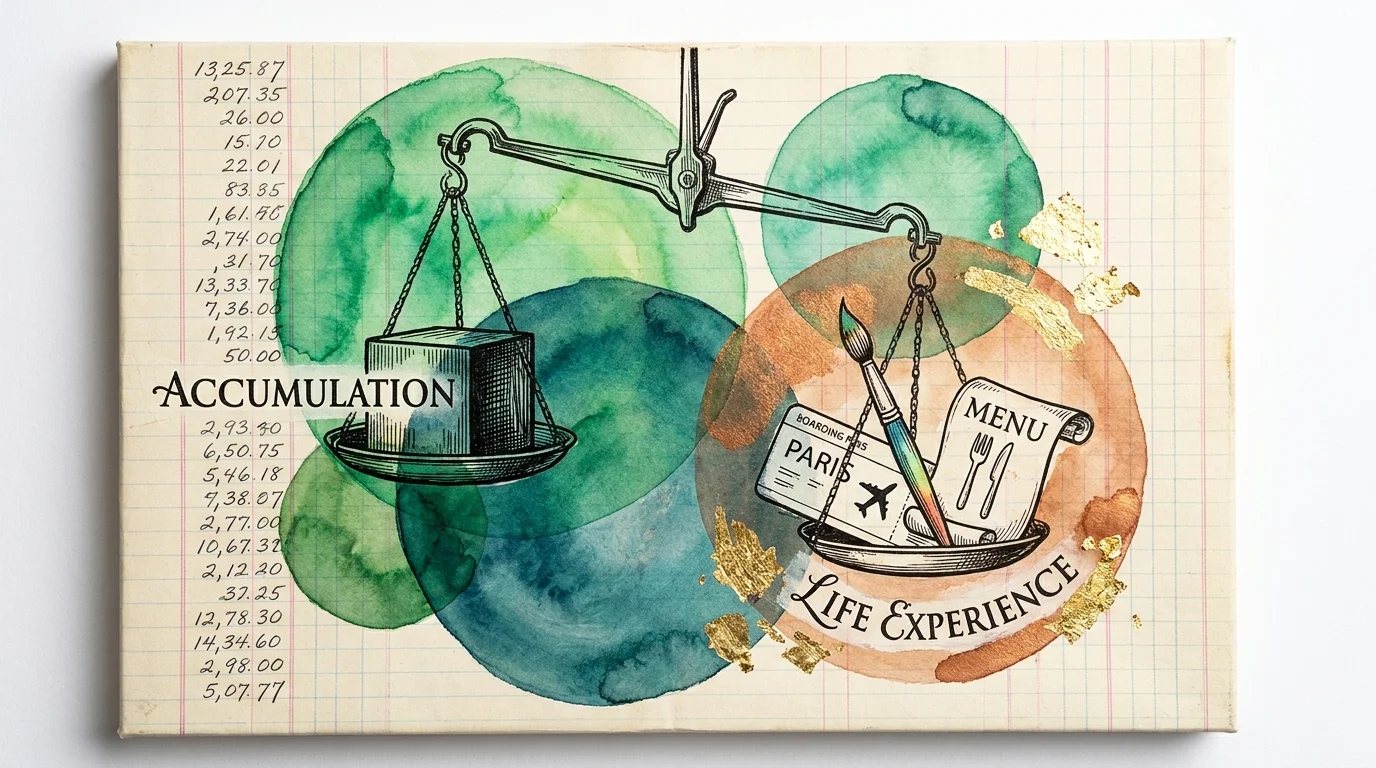
Throughout your working years, you conditioned yourself to view saving as a virtue and drawing down assets as a dangerous failure. Flipping that psychological switch represents one of the most stressful identity changes you will endure. Watching your hard-earned portfolio balances decrease to fund your lifestyle directly contradicts decades of ingrained financial habits. Many retirees experience severe anxiety, artificially restricting their lifestyles out of an irrational fear of outliving their money. Conquering this mental block requires trusting the financial plans you painstakingly built. Working alongside a fiduciary professional helps validate your withdrawal strategy, allowing you to confidently spend the wealth you accumulated specifically for this season of life.

6. A Changing Physical Self-Image
Retirement coincides with undeniable changes in your physical body and varying mobility levels. You may find that activities you previously accomplished with ease now require modifications or extended recovery times. Acknowledging these limitations often triggers frustration and forces a significant recalibration of your self-image. Rather than mourning the physical capabilities of your youth, you must pivot toward functional fitness and realistic health maintenance. This identity shift involves viewing your body as a vital instrument that requires gentle, consistent care rather than a machine built for relentless exertion. Adapting your lifestyle to honor your current physical reality ensures you remain active, safe, and engaged in your favorite hobbies.

7. Shifting Community Roles
Without a corporate structure to dictate your daily contributions, your role within your broader community undergoes a radical transformation. You transition from an economic producer to a civic participant, a mentor, or a volunteer. This change requires you to proactively identify where your vast accumulated experience can solve local problems. Stepping into community leadership or charitable work offers a powerful antidote to the feeling of aimlessness that often accompanies early retirement. You hold decades of institutional knowledge, conflict resolution skills, and strategic thinking that neighborhood organizations desperately need. Embracing this identity positions you as a respected, indispensable pillar within your local community.

8. A Renewed Search for Life Purpose
Perhaps the most profound change involves answering the ultimate existential question regarding your remaining decades. You finally possess the ultimate luxury of time, which forces you to decide what truly matters to you. Without a boss dictating your priorities, you face the daunting but thrilling task of authoring your own purpose. This search often leads you back to passions you abandoned in your twenties or uncovers entirely new fascinations you never previously considered. Acknowledging that your purpose will evolve throughout your retirement liberates you from the pressure of having a master plan perfectly mapped out on day one.

Strategy Pillars for Supporting Your New Identity

Income Planning and Financial Confidence
Your ability to comfortably explore your new identity relies heavily on financial confidence. Establishing a resilient income strategy acts as the bedrock of your emotional transition. You must clearly understand how required minimum distributions and evolving tax codes impact your net income. Navigating the rules outlined by the Internal Revenue Service ensures you do not trigger unnecessary tax burdens that threaten your fixed budget. By segmenting your assets into reliable income streams for daily expenses and growth-oriented accounts for longevity, you completely neutralize the anxiety of market volatility. This strategic organization grants you the psychological permission to fully embrace your retirement lifestyle.

Designing Your Daily Lifestyle
A successful post-career life requires a delicate balance of structure and absolute freedom. You must design a daily lifestyle that provides enough rhythm to keep you motivated but enough flexibility to enjoy your newfound autonomy. Treat your calendar as a blank canvas, deliberately scheduling time for physical health, social engagements, intellectual stimulation, and pure leisure. Resist the urge to overcommit out of a lingering need to feel busy. Focus instead on intentional pacing, allowing yourself the grace to experiment with different routines until you discover the exact tempo that aligns with your evolving emotional and physical needs.

Prioritizing Health and Wellness
Protecting your physical health dictates the overall quality of your retirement experience. As your identity shifts, your approach to wellness must prioritize preventive care and sustainable movement. Familiarizing yourself with the comprehensive preventive benefits offered through Medicare ensures you catch potential health issues before they restrict your lifestyle. Whether you engage in daily walks, aquatic therapy, or gentle yoga, matching your physical activity to your current mobility level keeps you strong and independent. Cultivating a proactive health mindset transforms wellness from a chore into a highly rewarding daily ritual that supports your broadest life goals.

Navigating Risks and Safeguarding Your Transition
The immediate post-career transition exposes you to specific risks that can derail your emotional and financial stability if left unchecked. One major pitfall involves unexpected healthcare costs tied to Medicare premium surcharges. Major financial moves, such as selling a family home or executing massive tax conversions, can easily push your income into a higher bracket, triggering a sudden spike in your monthly premiums. You must aggressively monitor these thresholds to avoid budget-breaking surprises.
Furthermore, retirees represent prime targets for sophisticated financial fraud. Criminals constantly exploit the psychological vulnerabilities associated with aging and fixed incomes. Educating yourself through resources like the AARP Fraud Watch Network fortifies your defenses against romance scams, phishing attempts, and predatory investment schemes. Finally, do not underestimate the risk of severe depression resulting from social isolation. If you find yourself consistently withdrawing from friends or abandoning your hobbies, view this as a critical warning sign that requires immediate, professional intervention to protect your mental health.
Frequently Asked Questions
How long does the emotional transition to retirement usually take?
The psychological adjustment rarely happens overnight. Most gerontologists and transition coaches suggest that it takes between one and three years to fully settle into your new identity. The first few months often feel like an extended vacation, but the true emotional work begins when the novelty wears off. Give yourself permission to experience a messy, non-linear adjustment period as you slowly build a durable daily routine.
What should I do if I feel depressed after leaving my job?
Feeling a sense of grief or depression after leaving a decades-long career is a common, highly documented experience. You are mourning the loss of a major life chapter. Acknowledge these feelings rather than burying them. Engage a licensed therapist or a retirement coach who specializes in life transitions. Establishing a strict daily schedule that includes morning sunlight, physical exercise, and at least one social interaction can dramatically improve your baseline mood.
How do I manage the fear of spending my savings?
Overcoming the fear of decumulation requires concrete visual proof that your money will last. Work with a certified financial planner to run comprehensive stress tests on your portfolio. Implementing a bucket strategy—where you keep two to three years of living expenses in ultra-safe, liquid accounts—creates a psychological buffer. Knowing your immediate needs are fully protected allows you to stop obsessively checking the stock market and start enjoying the wealth you built.
Can returning to part-time work help with the identity shift?
Absolutely. For many individuals, a hard stop creates too much psychological shock. Engaging in part-time consulting, taking a low-stress job in a totally different field, or pursuing a phased retirement strategy offers a powerful bridge between full-time grinding and total leisure. This approach allows you to retain a sense of professional purpose while gradually reclaiming the time autonomy you desire.
Your Next Step
Navigating the complex emotional terrain of retirement takes profound courage and deliberate planning. You possess the power to shape this chapter into the most rewarding phase of your life, but you must take active control of the transition. Within the next forty-eight hours, reach out to one former colleague or casual acquaintance and schedule a brief coffee or lunch date. Taking this single, tangible step forces you to practice your new post-career introduction while actively laying the groundwork for your reconstructed social circle.