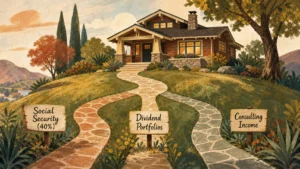
Feeling younger in your later years hinges on intentional daily actions rather than good genetics alone. Embracing specific routines protects your cognitive health and boosts your physical vitality, giving you the energy to thoroughly enjoy your post-career decades. The modern retirement landscape stretches longer than ever, with many Americans spending twenty or thirty years in this phase of life. Rather than simply passing the time, you can adopt habits that redefine what aging looks like on your own terms. Whether you are managing a strict fixed budget or navigating new mobility challenges, these proven strategies empower you to safeguard your wealth, preserve your wellness, and find renewed purpose every single day.

Navigating the Modern Retirement Landscape
The current economic environment requires vigilance and proactive planning from anyone stepping away from full-time employment. Recent adjustments to healthcare legislation offer substantial relief for those managing expensive prescription medications, yet persistent inflation continues to compress the purchasing power of fixed-income households. The Social Security Administration regularly updates cost-of-living adjustments; however, these incremental increases rarely outpace the soaring costs of housing, utilities, and daily essentials. Pre-retirees and current retirees face a unique paradigm where longevity risk intersects dramatically with the rising cost of long-term care. You must navigate this complex terrain with a clear understanding of dynamic tax policies, sustainable withdrawal rates, and potential benefit cliffs that could disrupt your cash flow. Financial advisors and gerontologists alike emphasize that thriving in this modern era demands a holistic approach. You must blend rigorous financial discipline with intentional, health-focused lifestyle choices that prioritize your physical resilience and emotional well-being.
Habit 1: Prioritize Preventative Healthcare and Medicare Mastery
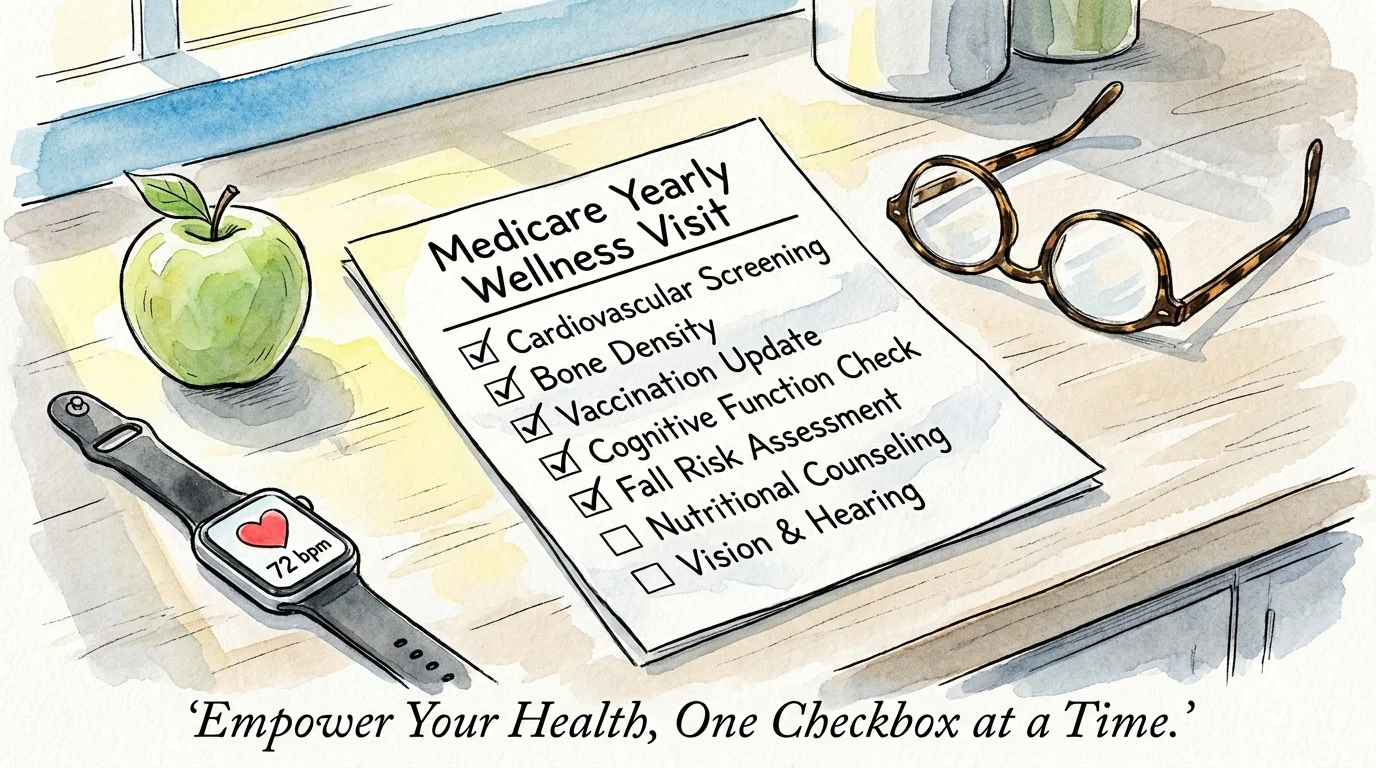
Preventative healthcare acts as the bedrock of your physical vitality. Treating medical appointments as proactive optimization sessions rather than reactive damage control significantly alters how your body ages. You should take full advantage of the Medicare yearly wellness visits to establish comprehensive baseline health metrics and catch potential physiological issues before they escalate into costly crises. Many retirees hesitate to schedule routine diagnostic screenings out of generalized anxiety or out-of-pocket cost concerns; however, catching chronic conditions early preserves both your physical independence and your financial resources. Health professionals strongly advocate for a personalized care plan that includes age-appropriate screenings for cognitive decline, cardiovascular disease, and bone density degradation. By assembling a trusted medical team and fiercely advocating for your specific physical needs, you transform healthcare from a looming anxiety into an empowering tool for longevity.
Habit 2: Exercise for Longevity and Mobility
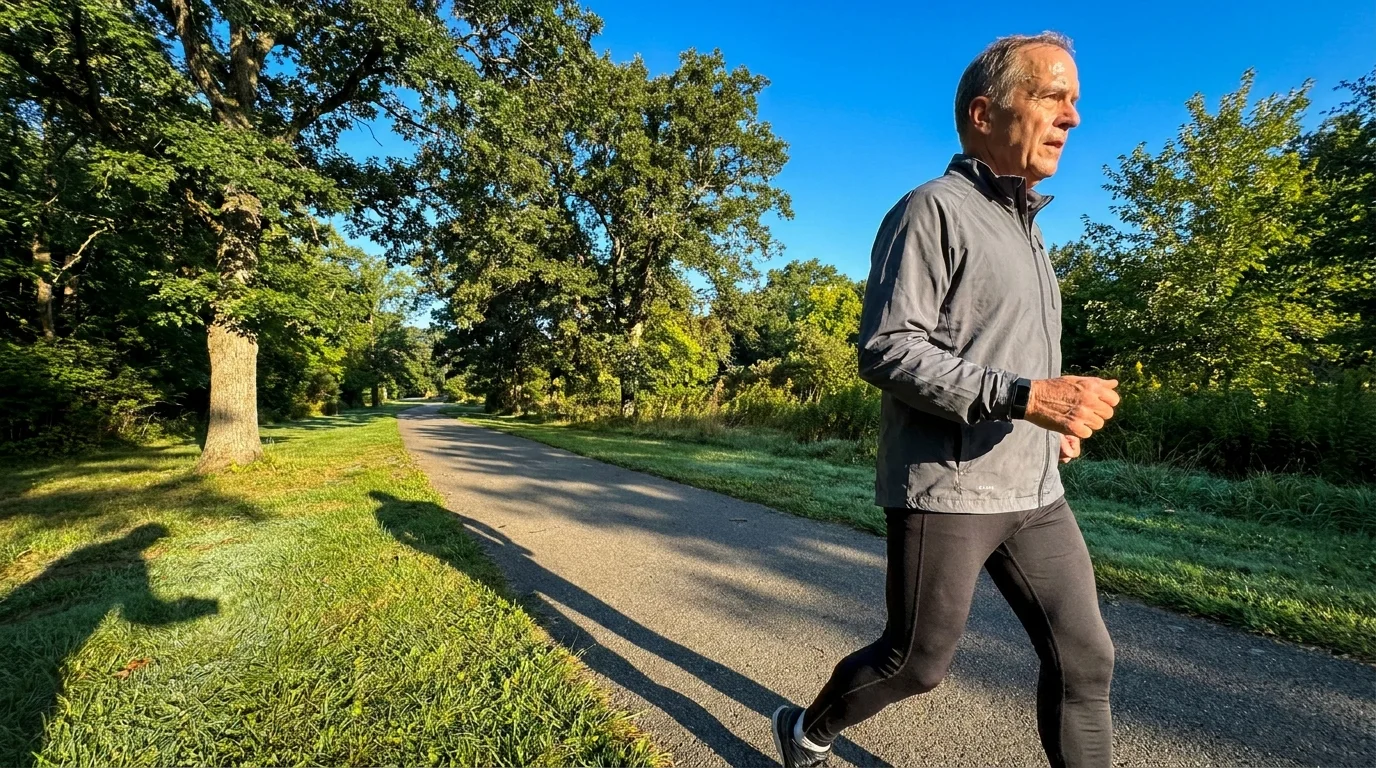
Physical movement dictates your functional age far more accurately than the number printed on your birth certificate. Routine exercise fiercely combats natural muscle atrophy, improves crucial cardiovascular endurance, and enhances your joint mobility, allowing you to engage fully in the physical activities you love. You do not need an expensive gym membership to reap these physiological benefits; daily brisk walks, community center water aerobics, or simple bodyweight exercises in your living room offer profound physical upgrades. Extensive research from the National Institute on Aging demonstrates that consistent physical activity drastically reduces the risk of devastating falls, which remains a leading cause of declining independence among older adults. By committing to thirty minutes of varied, intentional movement each day, you build the functional strength required to easily lift your grandchildren, tend to your garden, and navigate uneven walking terrain with absolute confidence.

Habit 3: Build a Resilient Income Strategy
Building a resilient, adaptable income strategy effectively eliminates the chronic financial stress that prematurely ages many older Americans. Relying solely on your monthly Social Security benefits rarely provides the robust financial cushion necessary for a vibrant, socially active lifestyle. Certified Financial Planner professionals routinely advise retirees to creatively diversify their cash flow through a strategic combination of dividend-yielding investments, dependable annuities, or structured portfolio withdrawals. You must actively monitor your asset allocation to mitigate sequence of returns risk, especially during periods of extreme global market volatility. Furthermore, understanding the strict nuances of tax-deferred accounts proves critical as you approach the designated age for Required Minimum Distributions mandated by the Internal Revenue Service. Executing a highly tax-efficient withdrawal strategy not only stretches your accumulated nest egg much further but also prevents surprise tax bills that could completely derail your carefully planned annual budget.

Habit 4: Safeguard Your Nest Egg Against Sophisticated Scams
Safeguarding your accumulated assets against sophisticated financial exploitation requires constant vigilance and continuous education. Modern scammers specifically target affluent retirees, utilizing advanced, constantly evolving technologies like artificial intelligence voice cloning and elaborate digital phishing schemes to rapidly drain vulnerable retirement accounts. Falling victim to this kind of targeted fraud inflicts devastating financial losses and severe emotional trauma, fundamentally altering your foundational sense of security and aging you prematurely in the painful process. You must proactively freeze your credit files at the major bureaus, employ exceptionally strong digital passwords, and remain deeply skeptical of any unsolicited communications demanding immediate financial action. The Federal Trade Commission provides crucial, up-to-date resources for accurately identifying and swiftly reporting these insidious threats. By openly discussing common financial scams with your peers and trusted family members, you systematically strip the shame from financial fraud and create a powerful collective defense system.
Habit 5: Cultivate Deep Intergenerational Social Connections
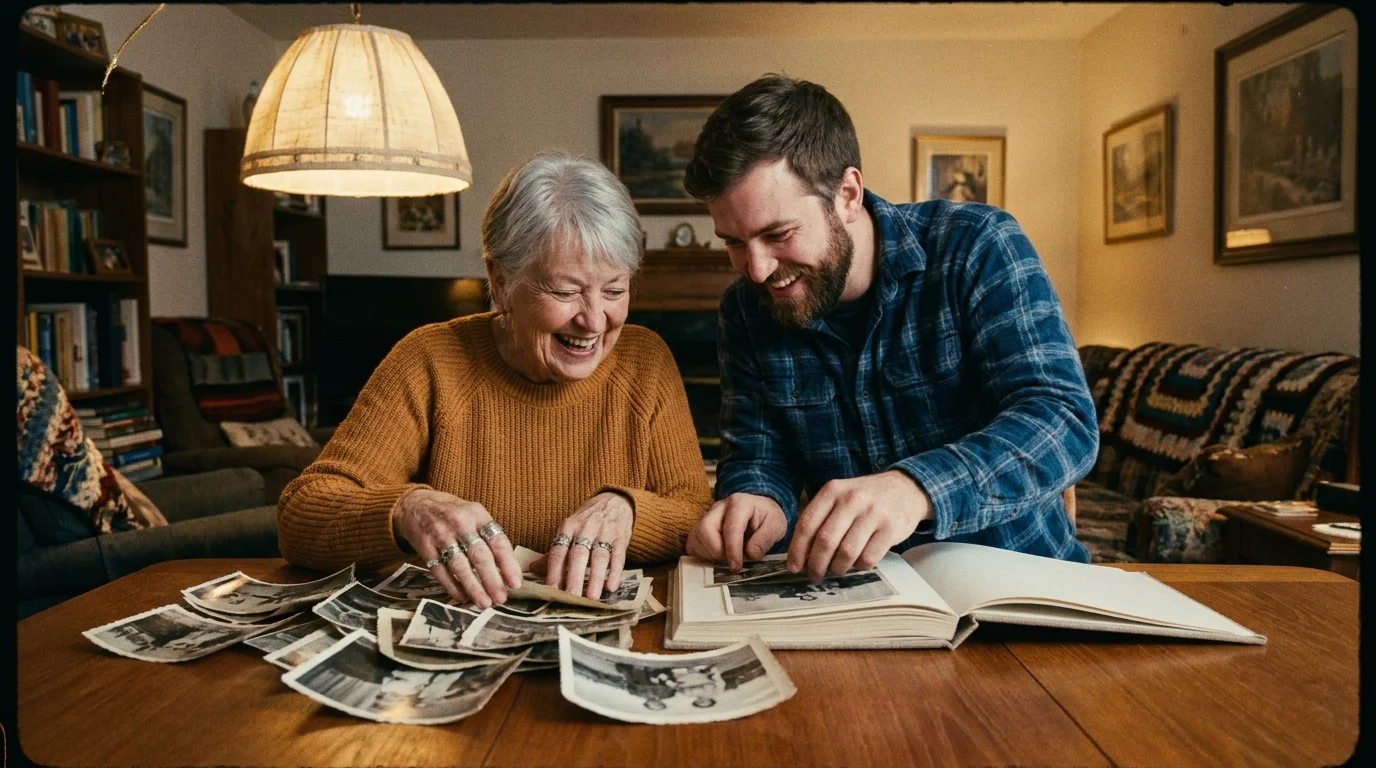
Cultivating deep, varied social connections serves as a remarkably powerful antidote to cognitive decline and clinical depression. Leading gerontologists frequently note that chronic loneliness poses severe health risks directly comparable to smoking fifteen cigarettes a day. Leaving the highly structured social environment of the traditional workplace often results in unexpected, profound isolation, making it absolutely imperative that you intentionally seek out new, engaging communities. You can volunteer your extensive expertise at local food banks, join specialized creative hobby groups, or actively participate in neighborhood advocacy associations to forge meaningful, supportive intergenerational relationships. These diverse social interactions force your brain to constantly process entirely new perspectives and dynamically adapt to varying communication styles, keeping your mind incredibly agile and your human spirit fully engaged. Surrounding yourself with supportive, highly active individuals naturally encourages you to consistently maintain your own positive lifestyle habits.
Habit 6: Pursue Purpose Through Lifelong Learning
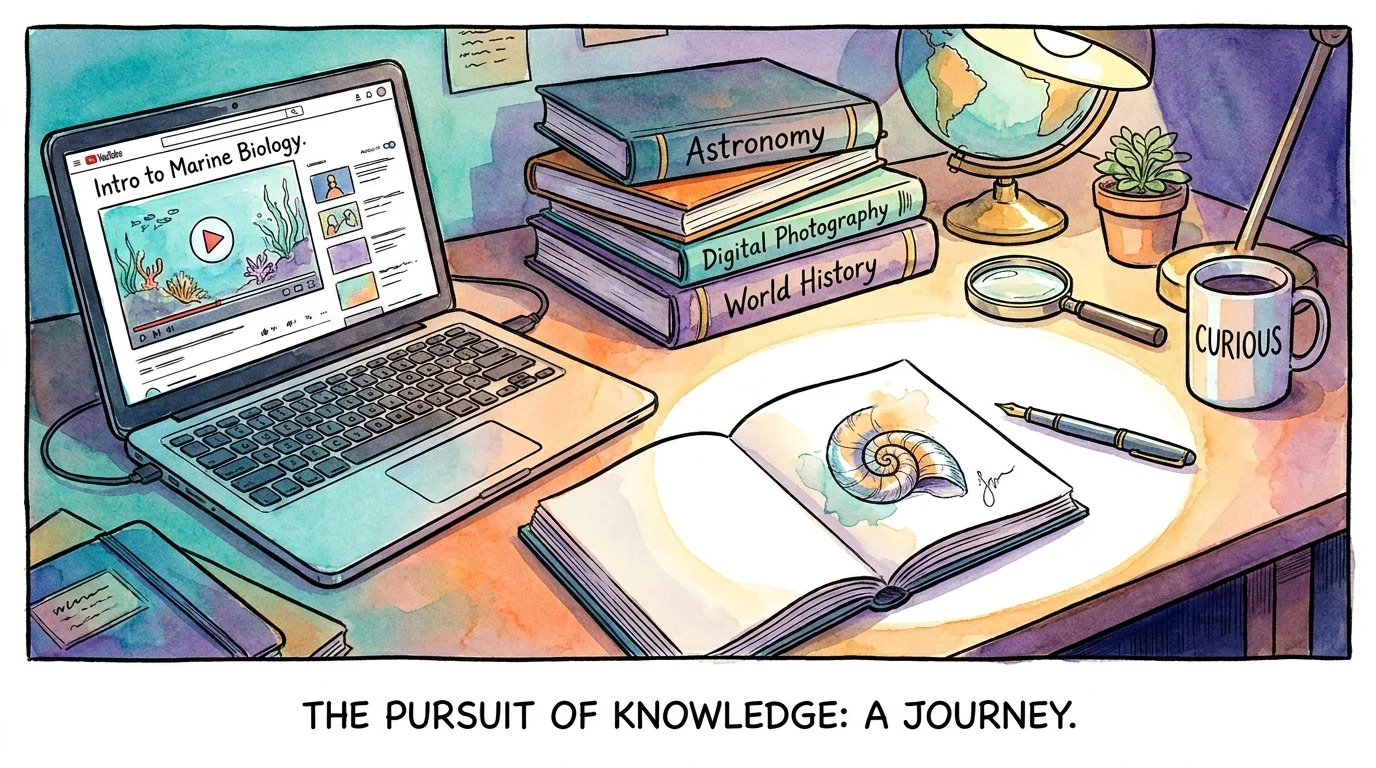
Pursuing lifelong learning aggressively stimulates vital neuroplasticity and infuses your daily retirement routine with genuine, palpable excitement. When you deliberately challenge your brain to absorb complex new information, you actively forge new neural pathways that robustly defend against age-related cognitive decline. You might choose to master a complex foreign language, learn to play a classical musical instrument, or audit fascinating historical courses at a local community college. Many state university educational systems offer heavily discounted or entirely free tuition specifically for senior citizens, making rigorous intellectual exploration beautifully accessible regardless of your fixed monthly budget constraints. Engaging with challenging academic material prevents the mental stagnation that often accompanies a completely unstructured, passive retirement schedule. This relentless curiosity keeps you mentally sharp, culturally relevant, and deeply connected to the rapidly evolving modern world around you.
Habit 7: Design an Accessible and Age-Friendly Living Space
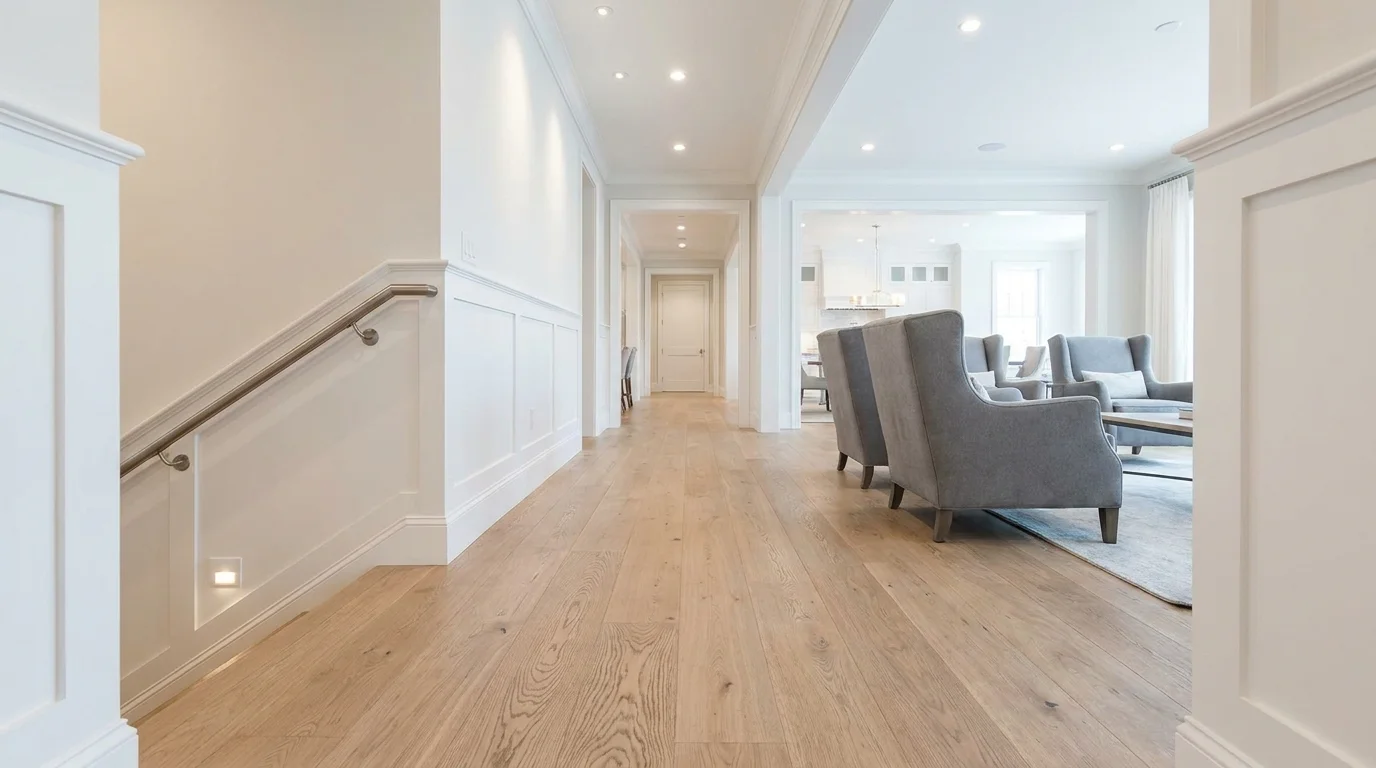
Designing an accessible, intuitive living space ensures your cherished home remains a restorative sanctuary rather than a hidden source of physical stress. Adapting your immediate physical environment to comfortably accommodate your changing mobility needs empowers you to age in place safely and with immense dignity. You absolutely do not need to execute a massive, prohibitively expensive structural renovation to experience immediate safety benefits. Installing sturdy grab bars in the bathroom, significantly improving the ambient lighting in dark hallways, and permanently removing dangerous tripping hazards like loose decorative throw rugs drastically reduce your daily risk of severe injury. Embracing modern universal design principles allows your home to evolve seamlessly alongside your changing physical capabilities. A thoughtfully organized, entirely clutter-free environment actively lowers your daily baseline anxiety and conserves your precious physical energy for the hobbies and relationships that actually bring you joy.
Habit 8: Embrace Flexible and Meaningful Work
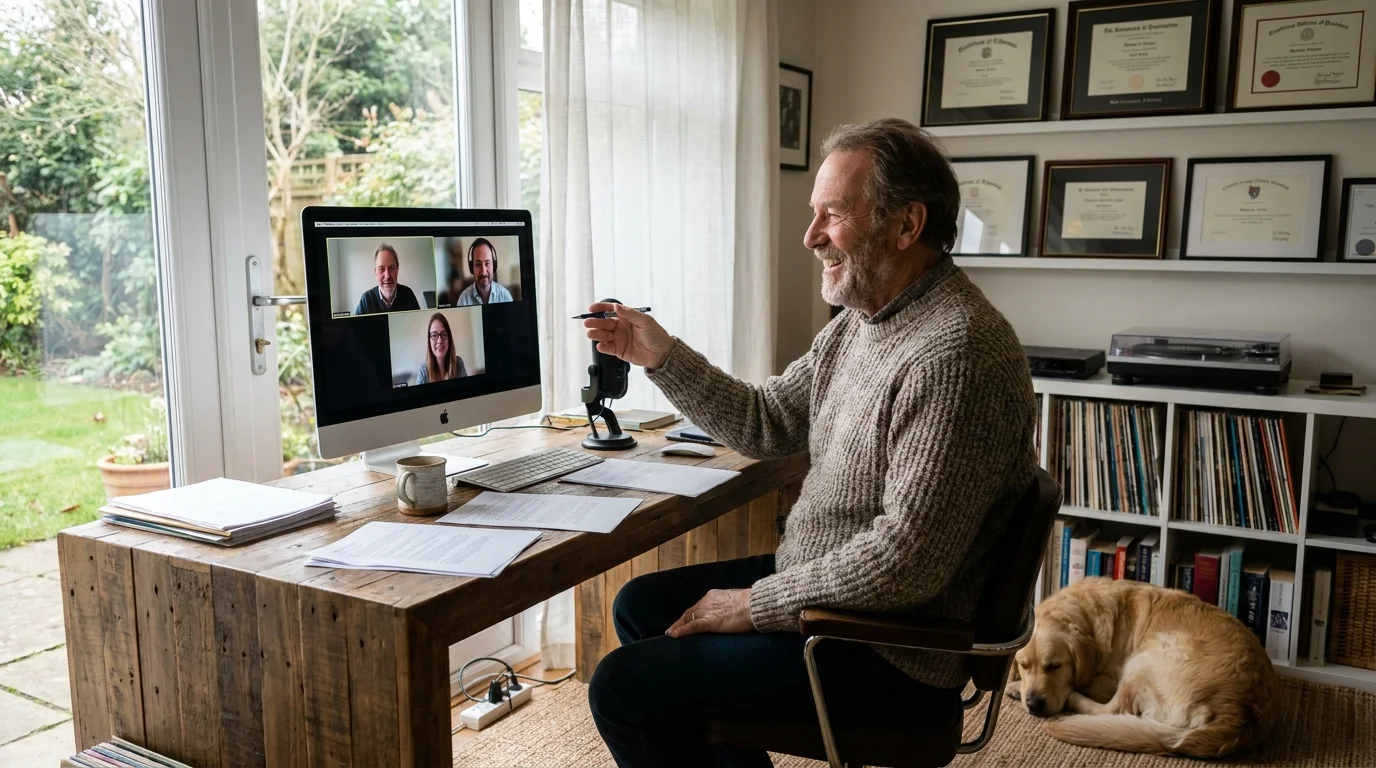
Embracing flexible, meaningful work fundamentally redefines the traditional concept of retirement, beautifully blending deep personal purpose with highly beneficial supplemental income. Recent demographic data from the Bureau of Labor Statistics highlights a steady, undeniable increase in overall labor force participation among older adults who consciously choose to work entirely on their own terms. Transitioning into part-time professional consulting, taking on creative freelance projects, or finally launching a small passion business provides immense intellectual stimulation and a highly valuable sense of ongoing societal contribution. This gentle, phased approach to retirement significantly softens the harsh psychological shock of abruptly leaving a lifelong, demanding career. The additional generated income also offers an incredibly valuable financial buffer against unpredictable inflation, allowing you to strategically delay drawing down your primary investment portfolios.
Frequently Asked Questions About Aging and Retirement
How does inflation directly affect my long-term retirement planning?
Inflation silently erodes the purchasing power of your carefully saved dollars over time. When the cost of basic groceries, utility bills, and crucial healthcare rises, a fixed income simply buys much less than it did a decade ago. You must build dynamic inflation protection directly into your financial portfolio by holding diversified assets that historically outpace inflation, ensuring your wealth sustains your standard of living for decades.
What is the most significant healthcare pitfall retirees face?
Assuming standard Medicare comprehensively covers long-term care remains the most dangerous, widespread misconception among new retirees. Standard Medicare pays for acute medical needs and brief rehabilitation stays, but it entirely excludes prolonged custodial care in nursing facilities or extensive in-home assistance. You must proactively plan for these massive potential expenses through specialized insurance products, dedicated health savings accounts, or strategic asset management before a sudden health crisis strikes.
Can I still improve my physical health if I have been inactive for years?
You absolutely possess the physiological capability to rebuild strength and cardiovascular health at any age. The human body responds remarkably well to progressive resistance training and consistent aerobic movement, regardless of your past sedentary habits. You should always consult your primary care physician before starting a new physical regimen, but even light daily stretching and short, brisk walks deliver immediate, measurable improvements to your energy levels and overall joint mobility.
How do I transition smoothly from a high-stress career to a relaxed retirement?
Stripping away your core professional identity overnight often triggers profound psychological distress and a sudden loss of daily purpose. You can mitigate this painful transition by slowly tapering your working hours or engaging in a structured phased retirement program if your employer permits it. Establishing deep roots in engaging community projects, rigorous personal hobbies, or meaningful volunteer work well before your official retirement date provides a soft, welcoming landing pad for your brand new life phase.
Your Next Step Toward a Vibrant Future
Reading about healthy aging only benefits you if you translate these proven concepts into tangible, daily momentum. You possess the incredible power to shape your retirement experience, dictating your vitality through the deliberate choices you make each morning. Over the next forty-eight hours, commit to implementing just one single change from this comprehensive list. You might schedule that overdue preventative medical screening, finally freeze your credit reports, or simply invite a neighbor for a brisk morning walk. Taking one decisive, immediate action instantly breaks the heavy inertia of procrastination and sets a profoundly positive trajectory for your future. Your post-career decades hold immense, untapped potential; you simply need to claim it by building the supportive habits that make you feel genuinely, vibrantly alive.