
Escaping harsh winters without draining your life savings requires strategic geographical planning. Relocating to affordable warm states allows you to stretch a fixed income further while enjoying year-round sunshine and an active lifestyle. Today, record-high housing costs and persistent inflation force retirees to reconsider traditional destinations, shifting focus to regions offering robust tax advantages and lower living expenses. Exploring warm weather retirement states involves balancing property taxes, healthcare access, and everyday affordability. Optimizing your retirement budget in warm states protects your financial longevity and ensures peace of mind. You can secure a comfortable, vibrant future by evaluating regions that refuse to tax Social Security benefits or offer significant property tax exemptions for senior residents.
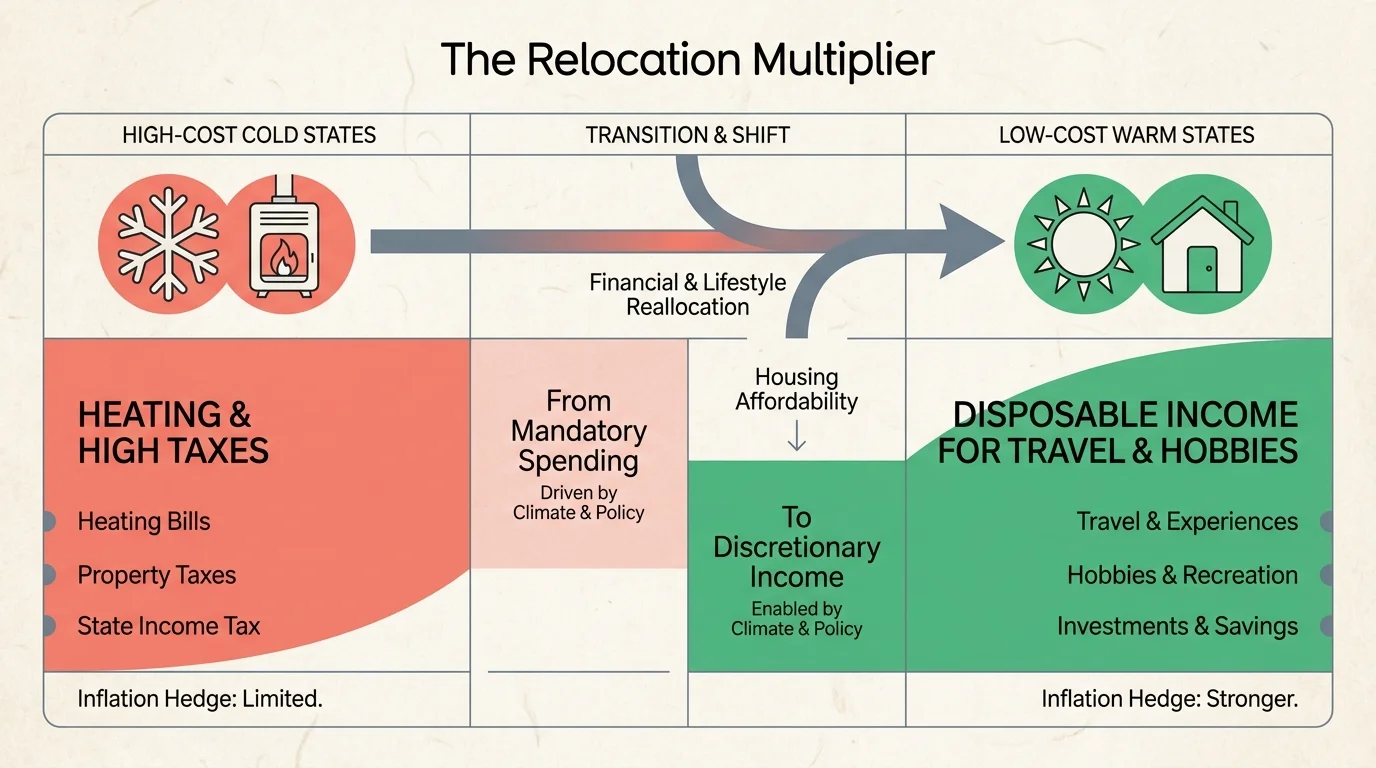
Snapshot: The Economic Reality of Relocation
The current economic environment puts distinct pressure on retirement planning; inflation fluctuates while housing costs remain stubbornly high. The cost of everyday necessities demands a highly strategic approach to geographical relocation. You can no longer pick a retirement destination based solely on average winter temperatures. Evaluating the best climate for retirement requires understanding the intersection of housing affordability, state-level tax policies, and healthcare accessibility. Relocating across state lines effectively acts as a sudden increase in monthly income by shedding burdensome tax obligations. Moving to a low-cost sunny state allows you to redirect funds from heating bills toward travel, hobbies, and comprehensive healthcare. Understanding regional market dynamics empowers you to safeguard your nest egg against economic volatility while embracing a lifestyle defined by comfort.

10 Warm Weather Retirement States for Your Budget

Florida: The Traditional Sun Belt Powerhouse
Florida remains a dominant force among warm weather retirement states. The complete absence of a state income tax ensures your pensions, Social Security, and investment distributions remain entirely yours to spend. While coastal real estate commands a premium, looking inland toward Central Florida reveals highly affordable housing. You must factor in elevated property insurance premiums; however, the lack of income tax often offsets these localized costs. Florida boasts an unmatched infrastructure for retirees, featuring extensive medical networks and countless community programs designed specifically for older adults.

Texas: Big Savings in the Lone Star State
Texas offers immense geographical diversity alongside a fiercely independent tax structure. You pay no state income tax here, allowing your retirement budget to stretch significantly further each month. Because Texas relies heavily on property taxes, you need to research specific counties carefully to avoid unexpected housing costs. Fortunately, the state offers generous property tax deferrals for residents over sixty-five. Choosing cities outside major metropolitan hubs provides access to top-tier medical facilities while keeping everyday living expenses well below the national average.

Georgia: A Southern Gem for Tax Exemptions
Georgia presents a highly compelling financial case for retirees seeking a mild climate with distinct seasons. The state offers extraordinary tax benefits—including massive deductions on retirement income for residents aged sixty-five and older—shielding a large portion of your nest egg. Social Security benefits remain completely exempt from state taxes. Real estate outside of Atlanta remains remarkably affordable, allowing you to secure a comfortable home with manageable property taxes. You will find welcoming historic towns that cater to active lifestyles without premium price tags.

South Carolina: Coastal Living on a Fixed Income
South Carolina balances natural beauty with an exceptionally friendly tax environment. The state entirely exempts Social Security benefits from income tax and offers significant deductions for other retirement earnings. Property taxes rank among the lowest in the nation, making homeownership highly sustainable on a fixed income. You can enjoy historic cities and pristine beaches while maintaining a strict budget. The healthcare infrastructure continues to expand around major retirement hubs, ensuring you maintain reliable access to high-quality medical specialists and specialized care centers.
Alabama: The Deep South Discount
Alabama stands out as one of the most affordable warm states to retire in the entire country. Housing costs consistently rank well below the national average, allowing you to downsize your mortgage while upgrading your lifestyle. Alabama fully exempts Social Security and defined-benefit pensions from state income taxation. Property taxes are incredibly low, keeping ongoing housing expenses highly predictable. Coastal communities along the Gulf of Mexico offer a tropical lifestyle at a fraction of the cost you would find in neighboring destination states.

Mississippi: Maximum Affordability and Hospitality
Mississippi offers unparalleled affordability for retirees stretching their dollars. The state exempts all qualified retirement income from state taxes, including Social Security, IRAs, and private pensions. This sweeping tax relief makes Mississippi incredibly attractive for anyone relying heavily on diverse retirement accounts. Housing costs remain phenomenally low, allowing you to purchase a comfortable home outright. While the climate features humid summers, the exceptionally mild winters and rich cultural heritage provide a welcoming environment for a relaxed, budget-friendly retirement focused on community connection.

Tennessee: Mountain Views Without the State Income Tax
Tennessee combines stunning natural landscapes with a robust financial advantage for older adults. The state levies no income tax on wages or retirement income, keeping your resources firmly in your bank account. From vibrant music scenes in the west to serene mountain communities in the east, Tennessee offers incredibly diverse living environments. Property taxes remain low compared to the national average. While sales taxes lean slightly higher, the overall tax burden heavily favors retirees seeking an affordable locale with beautifully distinct, mild seasons.

Arkansas: The Natural State of Retirement Savings
Arkansas quietly delivers an exceptional combination of outdoor recreation and deep affordability. The state features a low cost of living, making everyday purchases and healthcare highly manageable on a restricted budget. Arkansas exempts Social Security benefits from state income tax and offers a modest exemption for traditional pension plans. Property taxes are remarkably low, further protecting your monthly cash flow. If you love lakes and forests, Arkansas provides a peaceful retreat far removed from the hyper-inflated housing markets of traditional coastal destinations.
Nevada: Desert Heat and Tax-Free Living
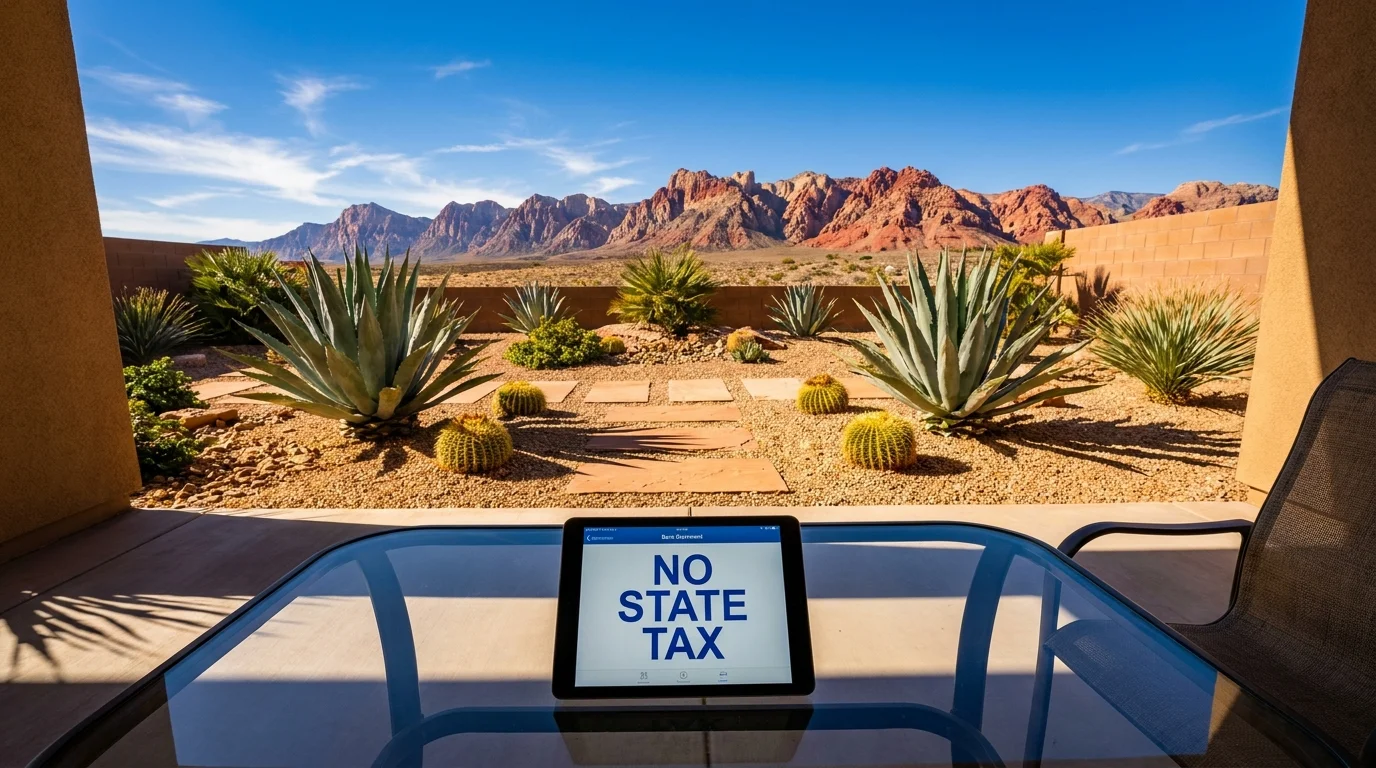
Nevada attracts retirees with its dry, sunny climate and incredibly favorable tax laws. The absence of a state income tax allows you to maximize withdrawals from your retirement portfolios without losing a percentage to the government. While housing prices in certain urban centers have increased, looking outside the main entertainment hubs reveals numerous affordable communities designed for active adults. The dry desert air provides significant relief for joint conditions, and the hospitality industry ensures endless recreational opportunities near your quiet residential neighborhood.

Arizona: A Dry Climate Built for Senior Wellness
Arizona continues to reign as a premier destination for retirees seeking endless sunshine and robust amenities. The state exempts Social Security benefits from taxation, and local property taxes remain comfortably below the national average. You will find an abundance of master-planned communities tailored precisely to older adults, featuring integrated healthcare facilities and active social clubs. By thoroughly researching different counties, you can locate exceptionally affordable housing markets that provide all the benefits of the desert lifestyle without the premium costs associated with famous resort towns.
Strategy Pillar 1: Income Planning and Tax Optimization
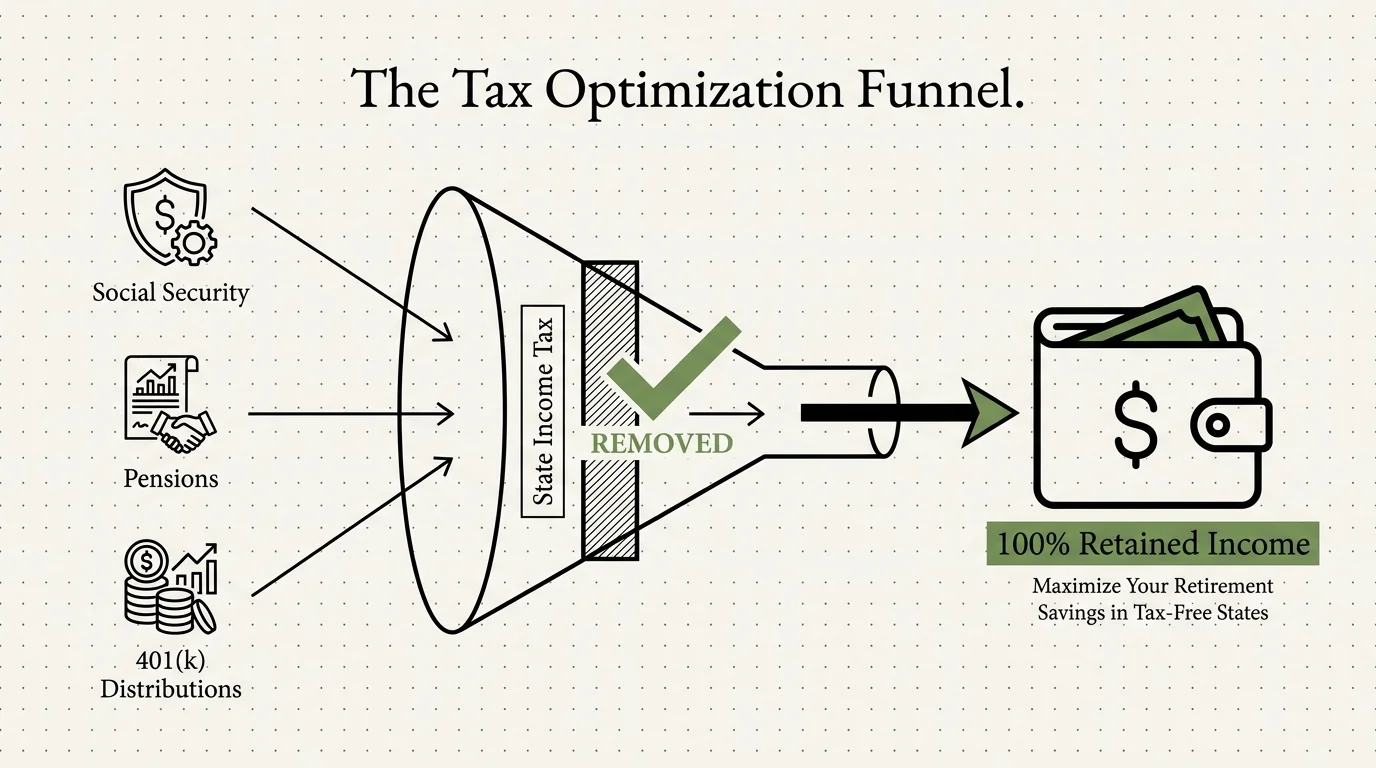
Evaluating a warm weather retirement destination requires looking far beyond state income tax. Calculate your total expected tax burden to protect your financial longevity. Assess local sales taxes, vehicle registration fees, and municipal utility costs. Property taxes often serve as the great equalizer—a state with zero income tax might levy aggressive assessments on your home. You can find essential resources and tax calculation tools through the Internal Revenue Service to forecast your actual take-home income. Understand how a new state taxes specific types of income, as regions treat pensions differently than IRA withdrawals. Planning your tax strategy ensures you do not accidentally trade one financial burden for another.

Strategy Pillar 2: Lifestyle Design and Community Connections
Relocating involves profound social adjustments alongside financial shifts. You need an environment that fosters new friendships and daily engagement. Prioritize communities offering robust senior centers, continuing education programs, and accessible volunteer opportunities. Walkability and local transportation options play a massive role in maintaining independence. Moving to an isolated, inexpensive rural area might look excellent on paper, but it can lead to severe social isolation. Research local community calendars and recreational clubs before purchasing a home. Building a thriving social network in your new warm weather state actively contributes to your cognitive health and overall happiness.
Strategy Pillar 3: Health and Wellness Accessibility
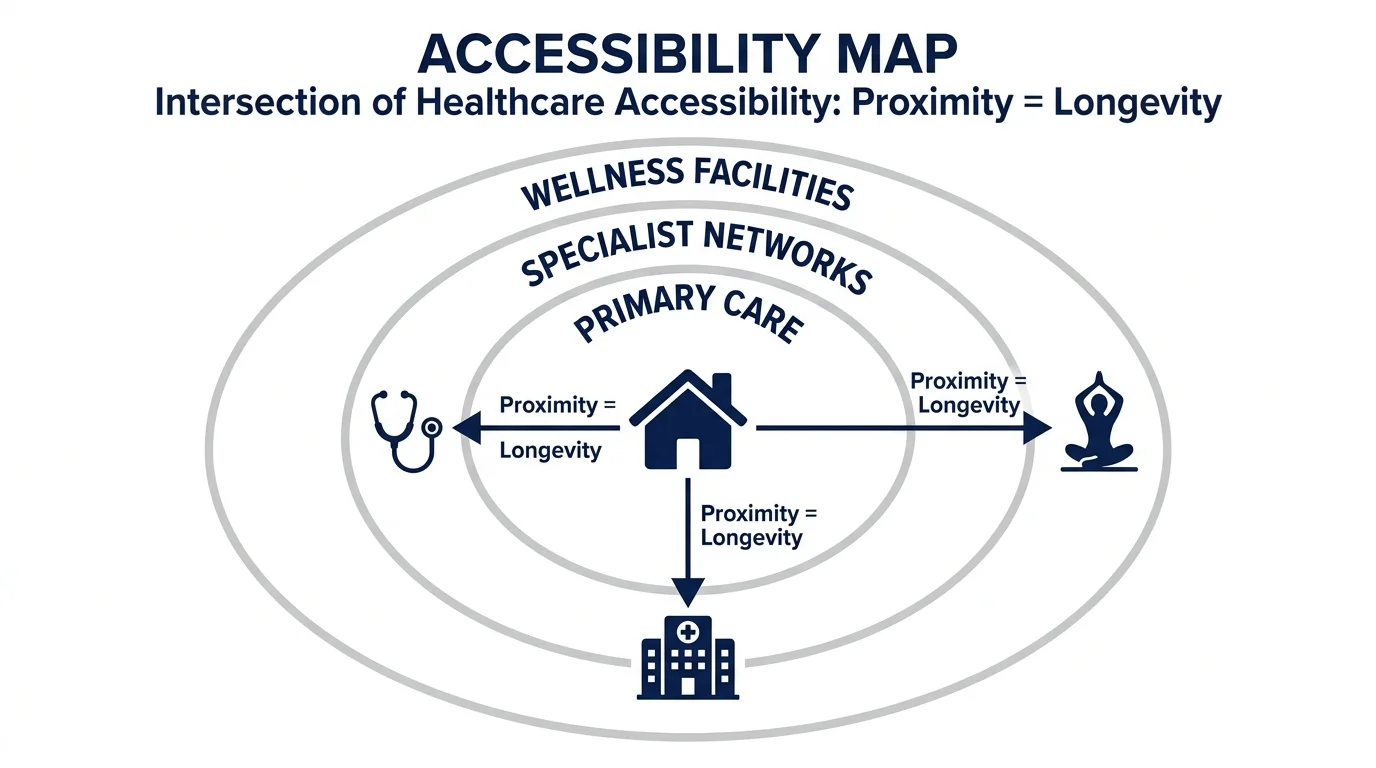
Access to high-quality healthcare supersedes almost every other consideration. A sunny climate means little if you must drive three hours to see a specialized cardiologist. Scrutinize the local medical infrastructure meticulously. Check the proximity of top-rated hospitals and the availability of primary care physicians accepting new patients. You must also verify how your relocation impacts your health insurance coverage by consulting the official Medicare portal. Medicare Advantage plans operate on highly specific regional networks. Moving usually triggers a special enrollment period, forcing you to select a completely new plan. Ensuring preferred doctors remain covered protects you from out-of-pocket medical expenses.

Expert Perspectives on Finding Your Ideal Climate
Financial planners and gerontologists strongly advocate for a holistic approach to retirement relocation. Certified Financial Planner professionals frequently remind clients that geographical arbitrage represents one of the most powerful tools for rescuing an underfunded retirement plan. However, experts caution against letting the tax tail wag the lifestyle dog; you must genuinely want to live in the community you select. Gerontologists emphasize the profound impact climate has on mobility and mental health. Living in a warm, sunny state encourages year-round outdoor physical activity, combating muscular atrophy and seasonal affective disorder. Experts recommend balancing financial data with intrinsic human needs for socialization to guarantee a successful relocation.
Risks and Safeguards: Protecting Your Relocation Investment
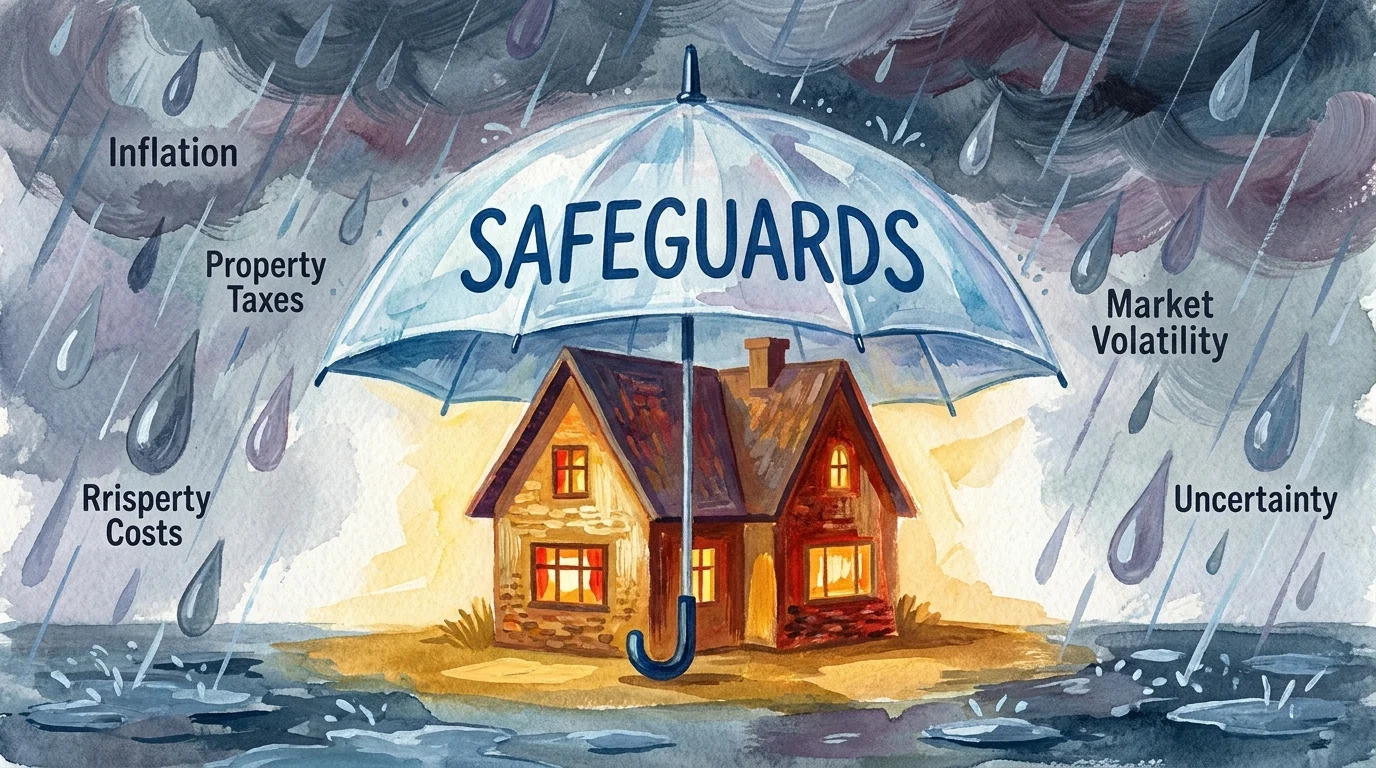
Uprooting your life introduces specific vulnerabilities you must actively manage. Relocation scams targeting older adults represent a significant threat; predatory movers often provide lowball estimates only to hold belongings hostage for exorbitant fees upon arrival. Thoroughly vet all contractors. Furthermore, understand the concept of a benefit cliff. Certain states offer generous property tax freezes for retirees, but these programs frequently feature strict income thresholds. If a required minimum distribution temporarily bumps your income, you could lose thousands in state-level financial assistance. Leverage consumer protection guidelines provided by advocacy groups like AARP to recognize warning signs. Always rent a property in your chosen destination before committing to a permanent real estate purchase.
Frequently Asked Questions
How do property taxes impact my budget in income-tax-free states?
States require revenue to operate, and those lacking an income tax often compensate by levying higher property taxes. You might save thousands on your pension distributions but lose a significant portion to local county tax assessments on your home. It is crucial to evaluate the total tax burden of a specific municipality, including available senior exemptions, rather than just the statewide income tax rate.
Will moving to a new state affect my Social Security benefits?
Your federal Social Security monthly payout remains unchanged regardless of where you live within the United States. However, the state you choose determines whether you pay state income tax on those federal benefits. Choosing a warm weather state that exempts Social Security from state-level taxation allows you to retain a larger portion of your guaranteed monthly income. You can verify documentation requirements directly through the Social Security Administration.
How do I transition my healthcare coverage when moving out of state?
Original Medicare travels with you anywhere in the country. Conversely, Medicare Advantage and Part D prescription plans rely on localized networks. Moving to a new address triggers a Special Enrollment Period, giving you a limited window to select a new plan available in your specific zip code without facing late penalties or gaps in your medical coverage.
What is the best way to test a state before committing to a permanent move?
Securing a short-term rental during the most extreme weather months provides an accurate picture of everyday life. Spending August in a southern state allows you to experience the peak humidity firsthand. This trial period gives you time to evaluate local grocery prices, traffic patterns, and healthcare facility availability before sinking your capital into a permanent home purchase.
Take Action for Your Future
Securing a comfortable retirement requires decisive planning and a willingness to explore new horizons. You hold the power to optimize your fixed income by strategically choosing an environment that supports your wallet and your physical wellbeing. Do not let economic uncertainty paralyze your dreams of a sun-filled, stress-free lifestyle. Take control of your financial trajectory today. Within the next forty-eight hours, pick two warm weather retirement states from this guide and use the Bureau of Labor Statistics inflation tools to compare their housing costs directly against your current expenses. That single comparative step will instantly clarify your options and ignite the momentum you need.