
Stepping into retirement unlocks thousands of hours previously claimed by your career, giving you the perfect opportunity to explore senior lifestyle activities you once quickly dismissed. A recent AARP study revealed that over fifty percent of retirees eventually embrace hobbies they actively avoided during their working years. You might assume joining a pickleball league, downsizing to a smaller community, or learning to code sounds tedious or physically exhausting. Yet, these exact pursuits often provide the socialization, mental engagement, and physical health benefits necessary to thrive after leaving the workforce. Redefining your retirement fun requires letting go of past prejudices and opening your schedule to unexpected passions.

The Changing Face of Active Retirees
The current economic environment forces a profound reevaluation of traditional post-career planning. Inflation rates over the past few years have continually tested the resilience of fixed-income portfolios; meanwhile, shifting market dynamics demand much more proactive lifestyle design. You can no longer rely entirely on passive strategies to maintain your standard of living. This evolving financial reality requires you to remain intensely engaged with your money, your physical health, and your daily schedule. Gone are the days when stepping away from a career meant permanently retreating to a rocking chair on the back porch.
Today’s active retirees aggressively construct their post-career years to balance economic stability with deep personal fulfillment. According to recent Bureau of Labor Statistics data, labor force participation and community engagement among older adults remain historically strong. This data proves that Americans increasingly view this life stage as a dynamic transition rather than a full stop. You hold the power to dictate exactly how your next chapter unfolds. By embracing unexpected routines and unfamiliar hobbies, you can protect your wealth while exploring passions that dramatically improve your daily quality of life.

7 Unexpected Passions Retirees Are Embracing

Activity 1: High-Intensity Group Sports
You likely spent your most demanding working years avoiding crowded fitness centers and early morning workout classes, safely assuming that group exercise was a chore best left to younger generations. However, structured physical activity rapidly becomes a beloved cornerstone of a thriving senior lifestyle. Sports like pickleball, water aerobics, and competitive cycling clubs provide an unmatched blend of cardiovascular health and necessary socialization. Gerontologists frequently note that social isolation poses one of the absolute greatest risks to healthy aging; participating in a local sports league directly combats this silent threat.
The sudden endorphin release, combined with the camaraderie of shared physical exertion, transforms exercise from a dreaded medical obligation into the absolute highlight of your week. Embracing community sports forces you out of your comfort zone and into an environment where everyone shares a common goal. You will likely discover that moving your body safely and consistently alongside peers drastically improves your mobility, deepens your sleep quality, and elevates your overall mood far beyond your initial expectations.

Activity 2: Meticulous Financial Tracking
Most dedicated professionals deeply detest budgeting during their prime earning years, largely viewing financial tracking as a restrictive punishment that limits spontaneous enjoyment. In retirement, this exact sentiment completely flips. Meticulous income planning and daily expense tracking often evolve into highly rewarding, gamified activities. When you operate on a delicate combination of Social Security, pension payouts, and systematic portfolio drawdowns, knowing exactly where every single dollar goes provides profound peace of mind rather than restriction.
Many active retirees find genuine joy in strategically optimizing their withdrawals to minimize tax burdens or seeking out specialized senior discounts that stretch their purchasing power. Certified Financial Planners routinely observe that clients who actively dreaded opening spreadsheets in their forties suddenly love updating their cash flow projections in their sixties. Taking absolute, granular control over your financial destiny empowers you to confidently spend your money on what truly matters to you without harboring the constant fear that you might outlive your hard-earned assets.

Activity 3: Re-entering the Workforce
The concept of continuing to work after officially throwing your retirement party sounds entirely counterintuitive—if not downright miserable—to someone experiencing intense burnout in their mid-fifties. Yet, pursuing part-time consulting, seasonal retail jobs, or independent freelance gigs represents one of the most rapidly growing retirement hobbies today. Stepping back into the workforce on your own strict terms completely removes the agonizing stress of climbing a corporate ladder while perfectly retaining the cognitive benefits of complex problem-solving and daily social interaction.
You finally get to dictate exactly when, where, and how much you work. If you decide to pursue a lucrative encore career before reaching your designated full retirement age, you simply need to monitor the official Social Security Administration guidelines regarding the annual earnings limit to avoid temporary reductions in your benefit checks. Ultimately, choosing to work simply because you want to, rather than because you desperately have to, completely revitalizes your relationship with employment and provides an excellent secondary income stream.
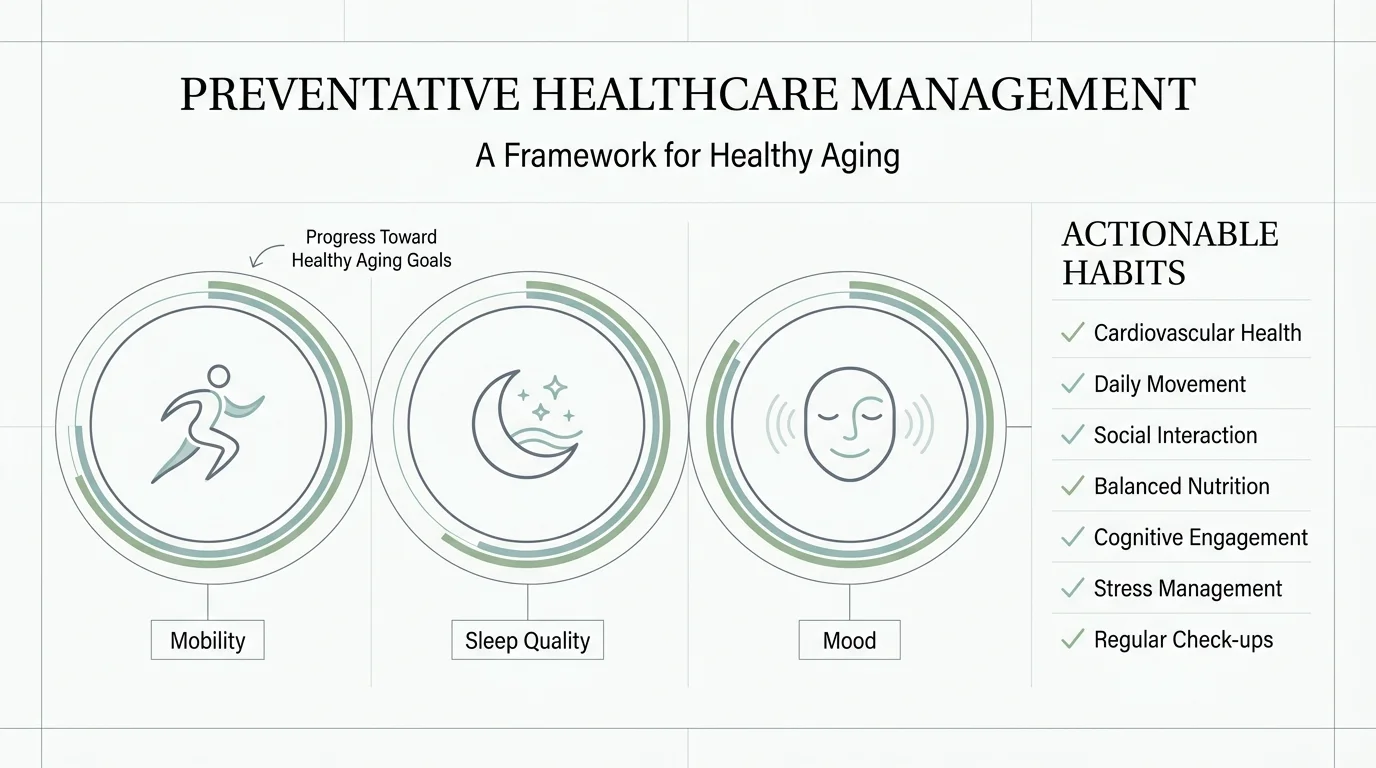
Activity 4: Preventative Healthcare Management
Navigating countless medical appointments and dense insurance policies used to serve as a deeply frustrating administrative burden frantically squeezed into your lunch breaks. As you age, treating your holistic health as a primary, dedicated project becomes surprisingly satisfying. You begin to appreciate the intricate mechanics of your own body, taking the necessary time to research optimal nutrition, meticulously track biometric data like blood pressure, and heavily optimize your sleep hygiene.
Understanding the exact nuances of your medical coverage under the official Medicare coverage rules allows you to maximize essential preventive services without ever incurring unexpected out-of-pocket costs. Treating preventative healthcare management as an intentional, proactive hobby ensures you remain physically vibrant and fiercely independent. You successfully shift from playing the role of a reactive, stressed patient to serving as your own proactive health advocate, finding immense satisfaction in properly maintaining the physical vessel that allows you to fully enjoy your freedom.

Activity 5: Radical Downsizing and Decluttering
Accumulating beautiful possessions often serves as a comforting status symbol during your primary career; therefore, the mere thought of systematically sorting through decades of stored memories and parting with family heirlooms often induces severe anxiety and dread. But once the physical process of downsizing actually begins, retirees consistently report an overwhelming, undeniable sense of emotional liberation. Radical decluttering effectively strips away the heavy physical and mental weight associated with maintaining a massive, empty house.
You eventually realize that spending your precious weekends cleaning unused guest bedrooms or paying notoriously high property taxes actively restricts your financial freedom to travel and explore new passions. By ruthlessly selling off unused items, donating gently used goods to local charities, and moving to a significantly more manageable living space, you instantly reclaim your time and substantially boost your retirement savings. Letting go of your past accumulations creates the exact physical and emotional space necessary to focus entirely on your present happiness.
Activity 6: Skill-Based Volunteering
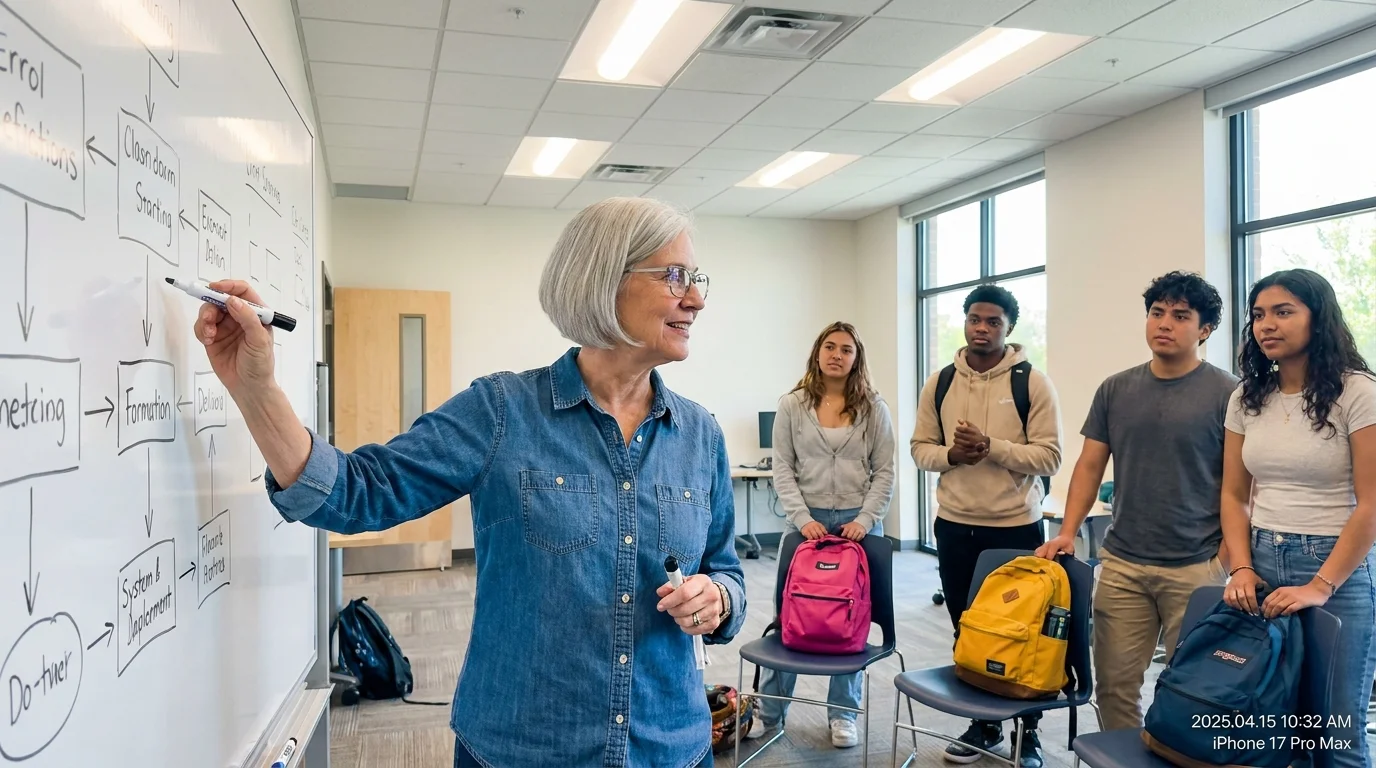
During your demanding career, mandatory corporate volunteer days or weekend community bake sales likely felt like obligatory, exhausting drains on your severely limited free time. You might have naturally assumed that retirement volunteering strictly meant tedious envelope-stuffing or answering phones for local charities. Instead, today’s active retirees are fully embracing complex, skill-based volunteering opportunities that perfectly leverage their lifetime of accumulated professional expertise.
Mentoring young community entrepreneurs, proudly serving on demanding nonprofit boards, or managing complex logistics for regional food banks provides a profound, unmatched sense of purpose. Humans possess a deep, evolutionary psychological need to contribute meaningfully to their broader tribe; completely removing your primary career suddenly creates a dangerous vacuum of purpose. Stepping into high-level, strategic volunteer roles fills that void beautifully. You dictate your own hours and exclusively choose organizations that align perfectly with your core ethical values, effectively turning charitable work into a deeply fulfilling intellectual pursuit.

Activity 7: Establishing Rigid Daily Routines
The ultimate American retirement fantasy usually involves waking up without a blaring alarm clock and lazily letting the day unfold completely organically. While this distinct lack of structure feels incredibly luxurious for the first few weeks, endless open-ended days eventually breed chronic listlessness, boredom, and mild depression. Retirees frequently discover that they genuinely crave—and eventually passionately love—establishing strict, highly self-imposed daily routines.
Waking up at a highly specific time, dedicating the entire morning to fitness or deep reading, deliberately scheduling afternoon social calls, and thoughtfully planning regular evening activities provides the exact structural framework necessary for a thriving senior lifestyle. Peer-reviewed gerontological research consistently confirms that maintaining predictable daily circadian rhythms and heavily structured days significantly reduces generalized anxiety and staves off cognitive decline. You get to construct a beautifully tailored schedule that heavily prioritizes your personal joy and physical health, ultimately proving that self-discipline actually creates far more lasting freedom than total chaos.

Safeguarding Your Retirement Fun: Risks to Watch
Embracing an active, deeply engaged lifestyle presents incredible physical and mental benefits, but you must remain highly vigilant against specific risks that actively threaten your wealth and health. First, you must carefully monitor your overall taxable income when strategically combining portfolio withdrawals with part-time work or lucrative new hobbies. Sudden, unexpected spikes in your modified adjusted gross income can easily trigger expensive Medicare Income-Related Monthly Adjustment Amount surcharges—commonly known in the industry as IRMAA—which will significantly inflate your Part B and Part D monthly premiums.
Furthermore, increased daily activity online and regular integration into brand-new social circles unfortunately exposes you to sophisticated financial fraud. Criminals actively and aggressively target engaged seniors with complex investment schemes, devastating romance scams, or fraudulent hobby associations. You can easily protect yourself and your assets by regularly reviewing the National Council on Aging reports to stay highly educated on the absolute latest tactics used by modern fraudsters. Finally, while demanding physical activities like pickleball drastically improve your cardiovascular health, sudden overexertion without proper, prior medical clearance frequently leads to severe joint injuries and highly costly corrective surgeries. Always consult your primary care physician before beginning any rigorous exercise program, ensuring your new passions support your long-term longevity rather than actively compromising it.
Frequently Asked Questions About Retirement Hobbies
How do I reliably fund expensive new hobbies on a fixed income?
Funding new retirement fun requires intentional income planning and prioritizing your daily spending. You can safely finance new activities by fully reallocating funds previously dedicated to your daily work commute, expensive professional wardrobes, or frequent business lunches. Additionally, many active retirees monetize their existing skills through part-time consulting or utilize various community resources, such as subsidized local recreation centers and free community college courses tailored specifically for seniors, which severely drastically the financial barrier to entry.
Are there specific physical limitations I should strongly consider before trying active sports?
Yes, your unique physical health status directly dictates the types of sports you should pursue. Before joining any high-impact league, you must undergo a comprehensive physical examination to evaluate your cardiovascular endurance, joint stability, and overall bone density. If you suffer from severe arthritis or prior joint replacements, you should pivot toward highly beneficial low-impact alternatives like competitive swimming, stationary cycling, or specialized senior yoga, which provide excellent fitness benefits without risking devastating skeletal injuries.
Will returning to work for an exciting encore career permanently affect my Social Security benefits?
Returning to the workforce only affects your monthly Social Security benefits if you have not yet reached your official full retirement age. If you claim benefits early and continue working, the Social Security Administration will temporarily withhold a portion of your monthly check once your active earned income exceeds the strict annual limit. However, once you reach your full retirement age, you can earn an unlimited amount of money from your encore career without facing any penalty or reduction in your standard benefits.
How long does it typically take to psychologically adjust to a brand-new retirement lifestyle?
Psychological adjustment to full retirement rarely happens overnight; financial advisors and therapists generally suggest that it takes roughly twelve to eighteen months to fully acclimate to your new lifestyle. During this critical transitional phase, it is entirely normal to experience brief periods of mild boredom, occasional identity confusion, or lingering anxiety regarding your fixed budget. By slowly introducing new hobbies and remaining incredibly patient with your emotional progression, you will eventually settle into a deeply rewarding and highly sustainable daily rhythm.
Take Action for a Thriving Retirement
Reading about the incredible benefits of an active senior lifestyle provides an excellent foundation, but true transformation requires immediate, concrete action. You hold the unique power to redefine what these golden years look like, transforming empty calendar pages into highly anticipated adventures. Do not let outdated assumptions keep you entirely confined to a shrinking comfort zone.
Identify just one activity from the list above that you previously dismissed and fully commit to exploring it. Within the next forty-eight hours, take one tangible step forward: call a local community center to inquire about a beginner’s pickleball clinic, download a highly-rated budgeting application to track your weekly expenses, or simply schedule a brief meeting with a local nonprofit to discuss skill-based volunteer opportunities. Embrace the exciting challenge of being a beginner again; your future self will undoubtedly thank you for taking the bold leap.