4. Multi-Year Extended Home Warranties and Appliance Service Contracts
Direct-mail advertisements and urgent phone solicitations routinely urge retirees to buy multi-year extended home warranties to guard against unexpected appliance breakdowns. Comprehensive plans cost between $500 and $1,500 annually, with vendors demanding full multi-year prepayments upfront. In addition to these annual premiums, companies charge trade service fees ranging from $75 to $125 for every single technician visit, regardless of whether the technician fixes the problem.
Independent research reveals that these contracts rarely deliver the financial protection they promise. Consumer Reports investigations indicate claim denial rates as high as 44 percent, with warranty providers frequently denying coverage based on obscure exclusions such as pre-existing wear and tear, improper maintenance records, or appliance age limits. Long-term studies highlighted by AARP consumer research reveal that homeowners consistently spend far more on warranty premiums and service call deductibles than they would on direct appliance repairs.
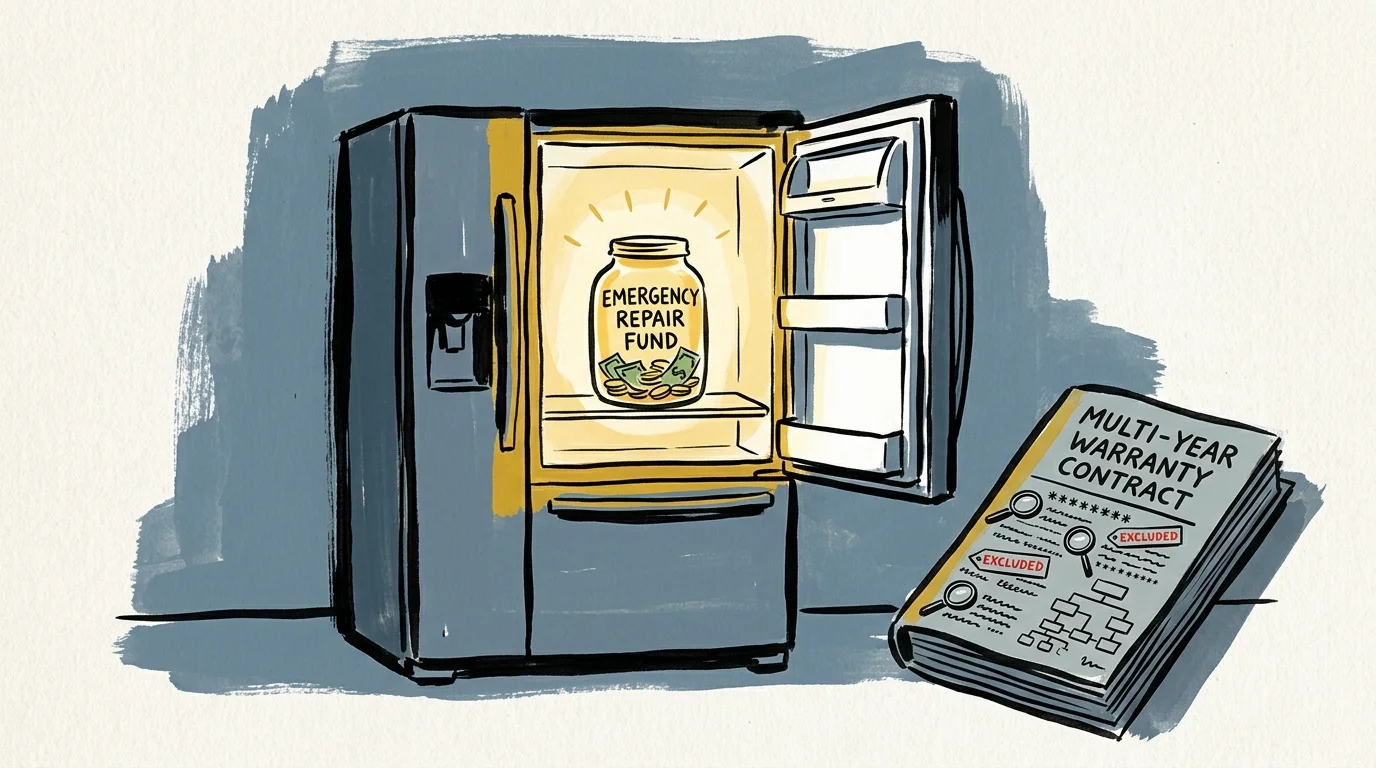
The most reliable strategy involves self-insuring your home systems through a dedicated, interest-earning savings account. By depositing the equivalent of a monthly warranty premium into a high-yield account, you build an accessible cash reserve that belongs to you rather than an insurance company. You maintain full freedom to hire reputable local technicians who complete repairs promptly without waiting weeks for warranty claim approvals.