
Relocating for retirement offers the perfect opportunity to surround yourself with the vibrant energy of live music. Today, more than 30 percent of retirees consider cultural amenities and entertainment as primary drivers for their relocation decisions. You no longer have to settle for quiet isolation when your golden years can resonate with blues, jazz, country, and symphony performances just down the street. Immersing yourself in a music-centric community naturally boosts your cognitive health, expands your social circles, and provides endless affordable entertainment options. By carefully evaluating housing costs, local healthcare networks, and state tax policies, you can design an encore act that balances financial security with a rich, culturally immersive lifestyle.

The Changing Landscape of Retirement Relocation
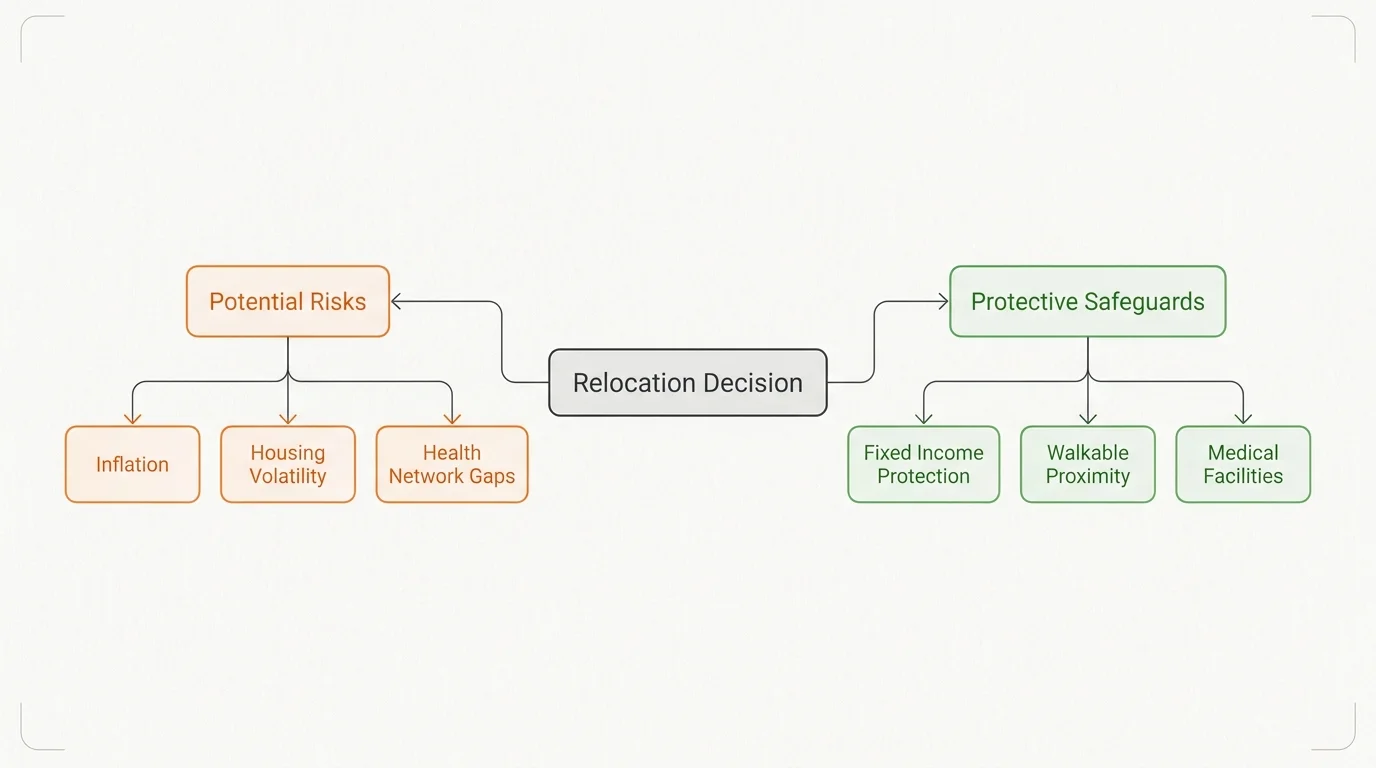
The modern retirement blueprint looks drastically different than it did a generation ago. Today, active adults prioritize experiences over acquiring material goods, viewing their post-career years as an opportunity for exploration and continuous cultural engagement. According to recent consumer expenditure surveys, older Americans are dedicating an increasingly larger share of their household budgets to entertainment and live events. This shift requires a thoughtful approach to geographic relocation; you need a home base that satisfies your craving for the arts while protecting your fixed income from aggressive inflation and volatile housing markets.
When you align your geographical location with your personal passions, you secure a higher quality of life. Moving to a city known for its musical heritage provides you with built-in social networks and consistent weekly activities. You gain instant access to a community of like-minded enthusiasts who appreciate the nuances of a live jazz solo or the storytelling of a folk ballad. However, you must meticulously balance this cultural enrichment with practical realities—ensuring your chosen destination offers robust medical facilities, safe neighborhoods, and a manageable cost of living.

Strategic Pillars for a Music-Filled Retirement

Income Planning for Entertainment Budgets
Living in a culturally vibrant city tempts you to spend money every night of the week. To safeguard your financial longevity, Certified Financial Planners advocate for a bucket strategy that distinctly separates your essential living expenses from your discretionary entertainment funds. You should calculate exactly how recent cost-of-living adjustments impact your purchasing power, referring directly to Social Security Administration guidelines to project your long-term guaranteed income. Once your housing, groceries, and medical premiums are covered, you can confidently allocate your remaining monthly budget toward festival passes, concert tickets, and late-night venue covers without risking your financial foundation.
Lifestyle Design and Social Connection
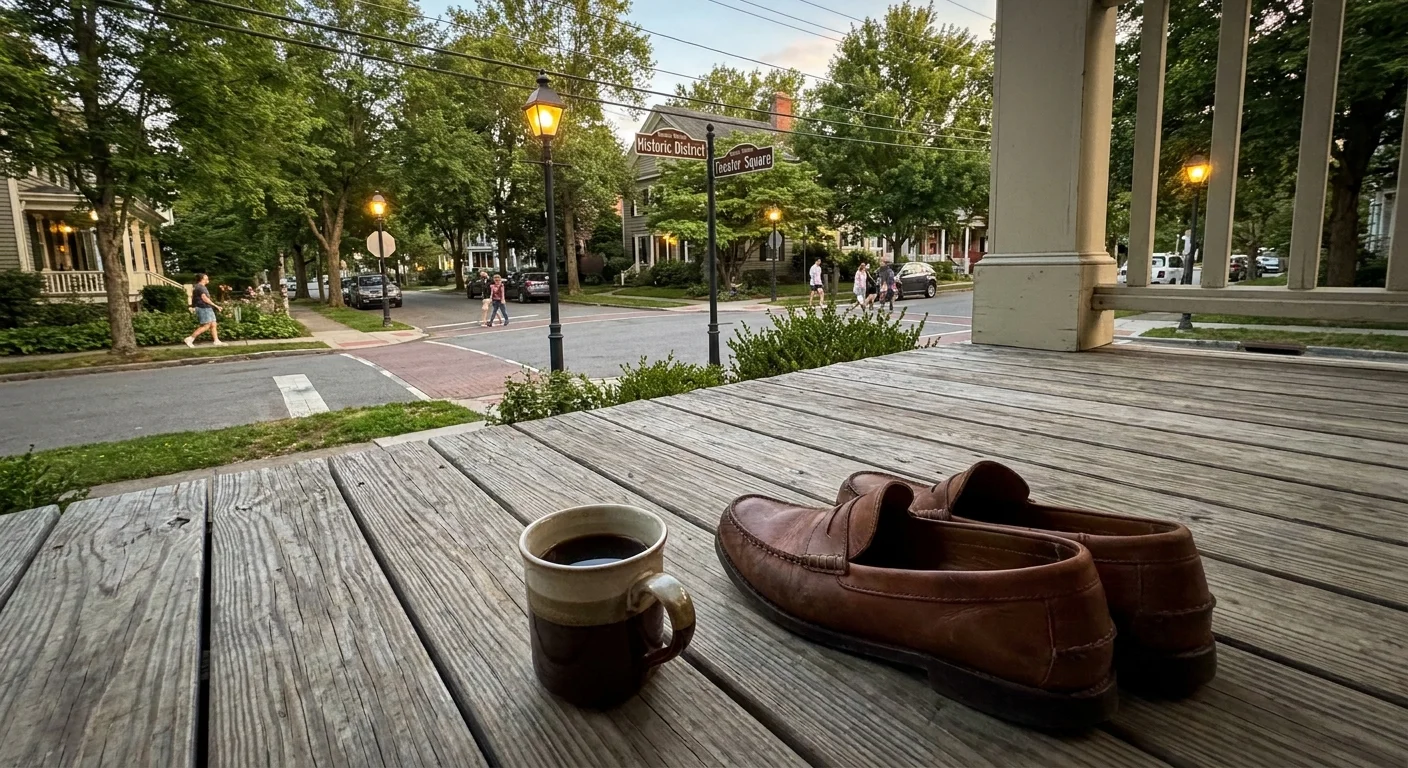
Your physical environment dictates your daily habits, making lifestyle design a critical component of your relocation strategy. When selecting a new city, prioritize neighborhoods that offer safe, walkable access to entertainment districts or reliable public transportation routes. Driving at night or navigating complex downtown parking garages can quickly become a deterrent to attending evening shows. By choosing a home within a few miles of local theaters, amphitheaters, and intimate listening rooms, you remove the friction between you and the experiences you moved there to enjoy. This proximity also facilitates natural social connections, allowing you to become a familiar face among local musicians and fellow regular attendees.

Health, Wellness, and the Cognitive Benefits of Music
Engaging regularly with live music delivers profound medical benefits that directly support healthy aging. Gerontologists emphasize that attending live performances reduces cortisol levels, mitigates symptoms of depression, and significantly improves memory retention. According to peer-reviewed aging research, the multifaceted sensory experience of listening to live instruments stimulates neuroplasticity—the brain’s ability to form new neural connections. When you live in a town where music is interwoven into the fabric of daily life, you naturally participate in a therapeutic environment. Furthermore, attending concerts often requires physical activity, from walking across large festival grounds to dancing, which helps maintain your cardiovascular health and mobility.

8 Outstanding Destinations for Live Music Enthusiasts

1. Austin, Texas
Known universally as the Live Music Capital of the World, Austin remains a powerhouse destination for retirees who want an eclectic, non-stop entertainment scene. You will find world-class performances ranging from intimate blues sets at the Continental Club to massive outdoor festivals like South by Southwest and Austin City Limits. Texas features no state income tax, which allows you to keep more of your retirement distributions and pension payouts. However, you must carefully budget for property taxes, which range significantly higher than the national average. By looking at neighborhoods slightly outside the urban core, you can access the city’s legendary music venues while maintaining a more manageable cost of living.
2. Nashville, Tennessee
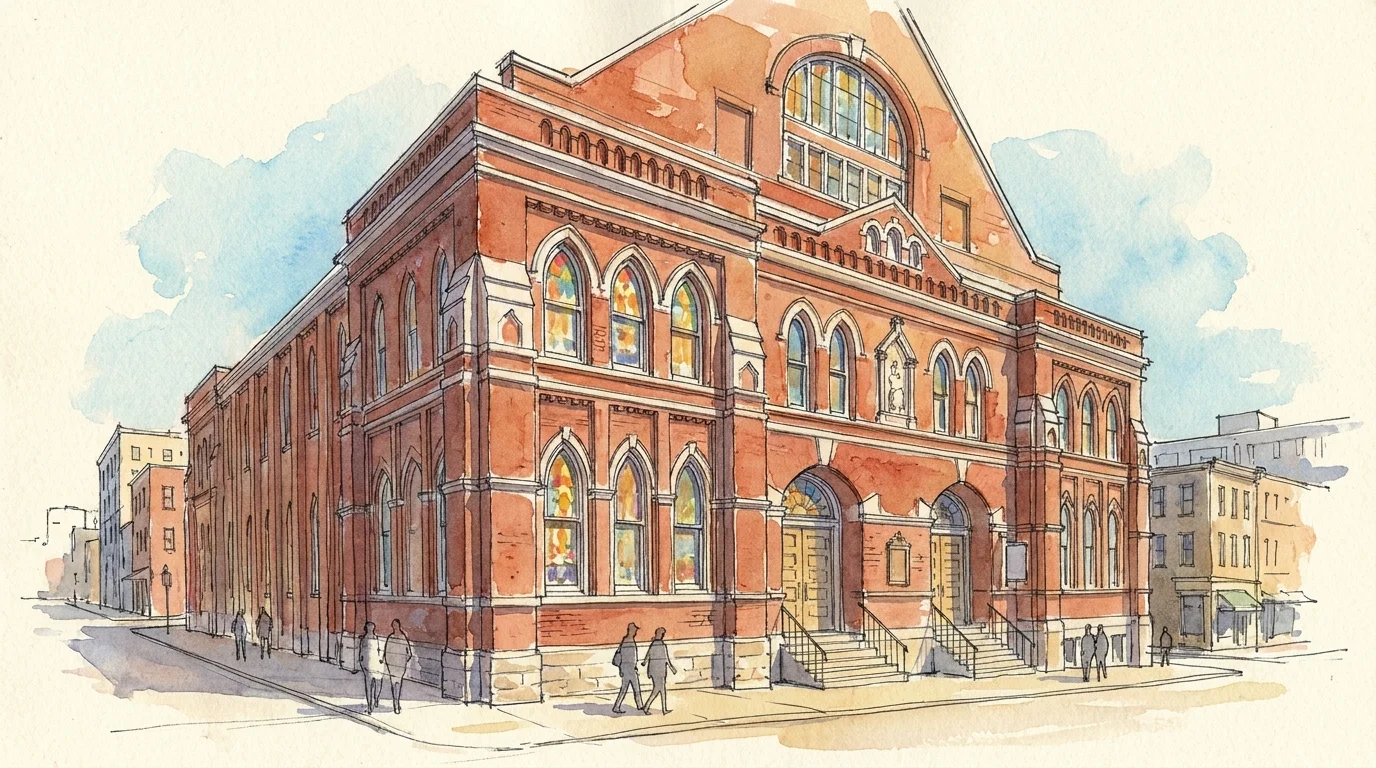
Music City offers an unparalleled heritage in country, bluegrass, and Americana, though its vibrant scene has expanded to include robust rock, pop, and classical communities. Walking down Broadway exposes you to dozens of honky-tonks featuring elite musicians playing from morning until late at night without cover charges. As a retiree, you benefit from Tennessee’s lack of state income tax and the presence of world-renowned medical facilities, including Vanderbilt University Medical Center. Since Nashville’s popularity has driven up central housing prices, you might explore surrounding communities like Franklin or Murfreesboro, which offer their own historic music venues and charming downtowns while keeping you deeply connected to the Nashville rhythm.

3. New Orleans, Louisiana
No city in America intertwines music and daily life quite like New Orleans. If you possess a deep love for traditional jazz, brass bands, and rhythm and blues, the crescent city will capture your heart. You can spend your evenings discovering local talent along Frenchmen Street or enjoying afternoon concerts at the historic Preservation Hall. The city boasts a lower overall cost of living compared to many coastal retirement hubs, stretching your retirement dollar further. You must, however, exercise caution regarding the physical environment; high humidity and the necessity of comprehensive hurricane insurance require proactive planning to ensure your housing remains both comfortable and financially secure.

4. Asheville, North Carolina
Nestled in the Blue Ridge Mountains, Asheville provides a picturesque backdrop for a retirement steeped in folk, bluegrass, and indie rock. The city fosters a deeply creative community where spontaneous drum circles and street performances are commonplace. Renowned venues like The Orange Peel attract major national touring acts, ensuring you never miss top-tier entertainment. Retirees flock to Asheville for its distinct four-season climate and exceptional outdoor recreation, which perfectly complements the lively arts scene. While housing demand has increased property values over the last decade, the region offers an excellent network of healthcare providers and a highly supportive environment for active older adults.

5. Memphis, Tennessee
Memphis stands as a pilgrimage site for fans of soul, blues, and rock and roll. Choosing Memphis as your retirement destination allows you to trace the footsteps of musical legends down Beale Street and immerse yourself in the rich history of Stax Records and Sun Studio. From a financial perspective, Memphis represents one of the most affordable urban retirement options in the country; housing costs sit well below the national average, allowing you to maximize your retirement income. The city also hosts numerous free concerts at the Levitt Shell throughout the year, providing you with community-focused, budget-friendly entertainment right in your backyard.

6. Athens, Georgia
If you prefer the energetic atmosphere of a college town, Athens delivers a legendary indie music scene that birthed iconic bands like R.E.M. and the B-52s. The presence of the University of Georgia infuses the city with youthful vitality and provides retirees with access to extensive lifelong learning programs and collegiate cultural events. You can easily walk through the historic downtown district, hopping between classic venues like the Georgia Theatre and the 40 Watt Club. Athens maintains a highly affordable cost of living and benefits from Georgia’s generous tax exemptions for retirees, making it a financially strategic choice for your musical retirement.

7. Fort Collins, Colorado
Fort Collins seamlessly blends outdoor adventure with a thriving local music culture, creating an ideal haven for health-conscious retirees. You will discover numerous craft breweries that double as intimate live music venues, alongside spectacular outdoor settings like the Mishawaka Amphitheatre situated on the Cache la Poudre River. The city prioritizes walkability and cycling infrastructure, allowing you to navigate to evening concerts safely and actively. While Colorado’s housing market can be competitive, older adults benefit from specific senior property tax exemptions. Fort Collins also provides access to the robust UCHealth system, guaranteeing you exceptional medical care as you age in place.

8. Tulsa, Oklahoma
Tulsa has quietly transformed into a premier cultural hub, offering an astonishing array of musical history and modern entertainment at a remarkably low cost of living. The city is home to the historic Cain’s Ballroom, the Bob Dylan Center, and a flourishing downtown arts district that celebrates the region’s diverse musical roots. Tulsa frequently runs incentive programs to attract remote workers and retirees, showcasing its commitment to community growth. Relocating here allows you to purchase a comfortable home for a fraction of what you would pay in larger metropolitan areas, leaving you with ample discretionary income to enjoy the city’s theaters, symphony performances, and vibrant local festivals.
Risks and Safeguards When Relocating
Relocating across state lines introduces several logistical and financial vulnerabilities that demand your immediate attention. Your foremost priority must be verifying your healthcare coverage. Medicare Advantage plans operate within strict regional networks; moving to a new state could abruptly sever your access to preferred doctors and specialists. Before finalizing any move, you must utilize the federal healthcare portal to confirm that your prospective city features robust, in-network hospital systems that can manage your specific medical needs.
You must also critically evaluate the total tax burden of your new destination rather than relying solely on the promise of no state income tax. Municipalities frequently compensate for the lack of income tax by levying exorbitant property taxes, high sales taxes on daily goods, or steep vehicle registration fees. Additionally, be vigilant against real estate and rental scams targeting out-of-state retirees. Fraudsters often post fake property listings in highly desirable music cities to steal security deposits from eager buyers. You should always work directly with a licensed local real estate agent and verify all properties in person before transferring any funds.
Frequently Asked Questions
How do I budget for concert tickets and festivals on a fixed income?
Managing entertainment expenses requires creativity and strategic planning. Many retirees offset ticket costs by volunteering at local music festivals, theaters, and performing arts centers; these positions typically grant you free admission to the events in exchange for a few hours of ushering or ticket scanning. You should also take advantage of early-bird pricing, season subscription packages, and senior discounts, which venues rarely advertise prominently. Dedicating a specific, non-negotiable line item in your monthly budget solely for entertainment ensures you never accidentally dip into your essential living funds.
Will moving to a tourist-heavy music city impact my healthcare access?
High-tourism areas present a double-edged sword for healthcare access. On the positive side, these cities usually possess the economic infrastructure to support massive, state-of-the-art medical centers and attract top-tier specialists. Conversely, during peak festival seasons, local urgent care centers and emergency rooms can experience severe overcrowding, leading to significantly longer wait times. You can mitigate this risk by establishing relationships with primary care physicians immediately upon relocation and utilizing telehealth services for non-emergency medical consultations during peak tourist influxes.
Are there hidden tax implications when moving to these culturally rich states?
Yes; changing your permanent residence alters your entire tax landscape. State revenue departments strictly enforce domicile rules to determine where you owe taxes, especially if you plan to split your time between two different states. You must consult the Internal Revenue Service rules and speak with a fiduciary tax advisor to understand how your specific pension, 401(k) withdrawals, and Social Security benefits will be taxed in your new home state. Failing to properly establish domicile can result in you being audited and taxed by both your former and current states.
How can I test a city before making a permanent move?
The most effective strategy involves booking a long-term rental for at least three months, specifically avoiding the city’s peak tourist season. Visiting Nashville during a pleasant autumn week feels vastly different than enduring its humid, crowded summer months. During your trial period, you should live exactly as you would in retirement: buy groceries at the local supermarket, practice driving to the regional hospital, and attend local community board meetings. This immersive approach reveals the daily realities, traffic patterns, and true community atmosphere that brief vacations easily mask.
Your Next Step Toward a Musical Retirement
Transforming your retirement vision into a reality requires decisive, practical action rather than endless daydreaming. You have the power to design a lifestyle where your evenings are enriched by live melodies, surrounded by a community that shares your passions. Within the next 48 hours, choose just one of the eight cities mentioned above and research its local housing market. Look up the distance between affordable residential neighborhoods and the city’s primary music venues. By taking this single, concrete step, you initiate the momentum needed to build an engaging, vibrant, and musically fulfilling encore act.