
Losing a spouse or parent alters your household financial security overnight. You must immediately navigate complex federal benefit transitions to protect your monthly cash flow and prevent costly overpayment penalties.
The Social Security Administration enforces strict statutory rules the moment a recipient passes away. A single misunderstood payment timeline can disrupt your bank account and stall necessary survivor support.
You can safeguard your income and preserve peace of mind by understanding these procedures today. Here are the ten vital changes that occur to retirement benefits after a death.
1. Social Security Discontinues Payments for the Month of Death
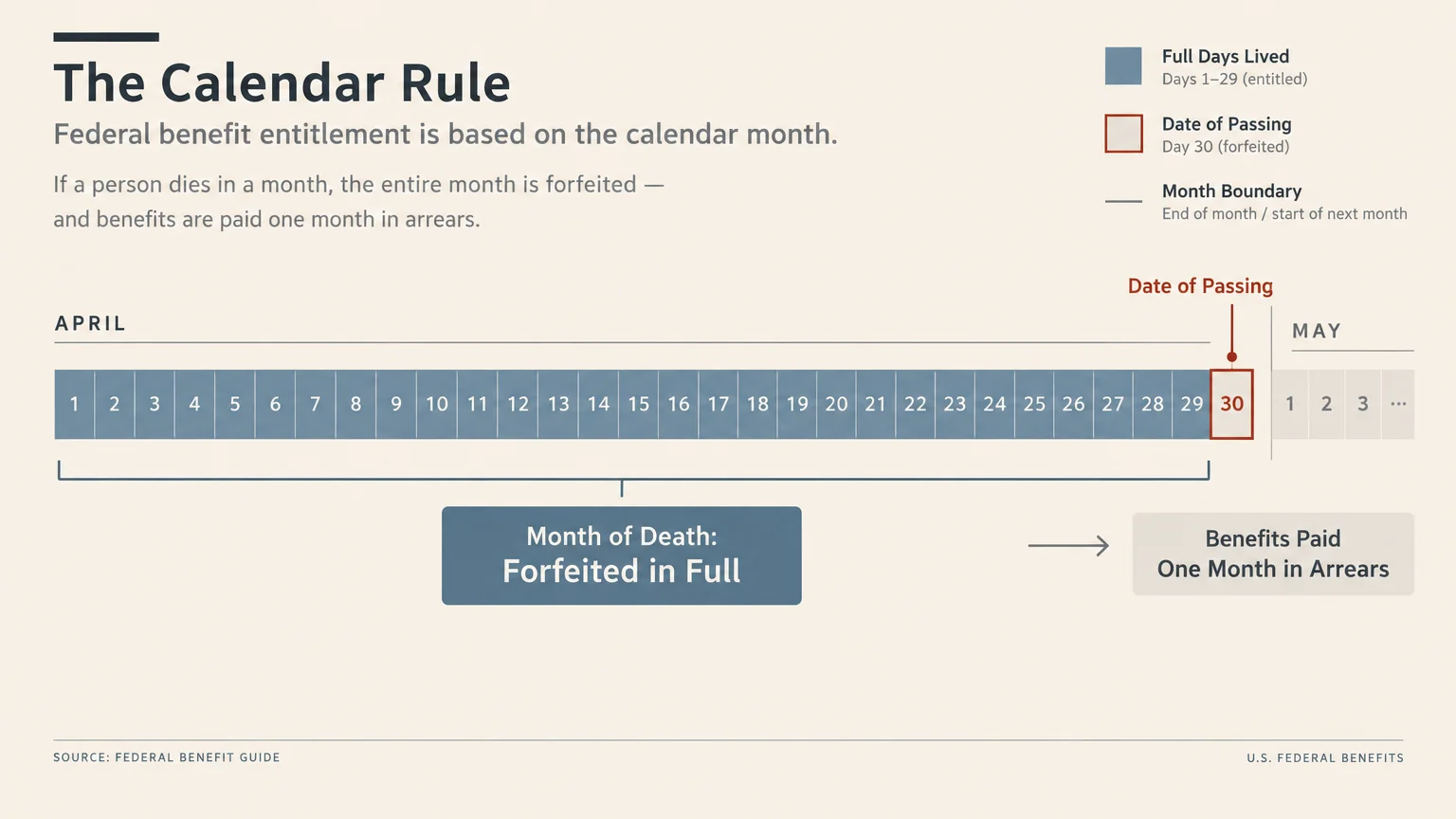
Federal law requires a beneficiary to survive every single day of a calendar month to earn that month’s benefit. If your loved one passes away on the final day of the month, they forfeit that entire payment.
Social Security pays retirement benefits one month in arrears; for instance, the agency pays June benefits in July. Consequently, your family must return any payment arriving after death that covers the month of passing.
You cannot prorate benefits for partial calendar months under any circumstances. The Social Security Administration treats passing on the first day or the thirty-first day identically under federal regulations.

2. The Treasury Claws Back Electronic Deposits Automatically
When a financial institution receives federal death notification, it immediately flags the deceased recipient’s accounts. The U.S. Department of the Treasury automatically reverses any electronic payment deposited after the date of death.
Avoid spending any deposited funds that arrive following your spouse’s passing. If you spend those funds, your bank balance could drop into negative territory once the federal clawback completes.
If you receive paper checks for an ineligible month, you cannot legally cash them. You must return those physical checks to your nearest Social Security field office as soon as possible.
3. Reporting the Passing Requires Direct Contact with the Agency
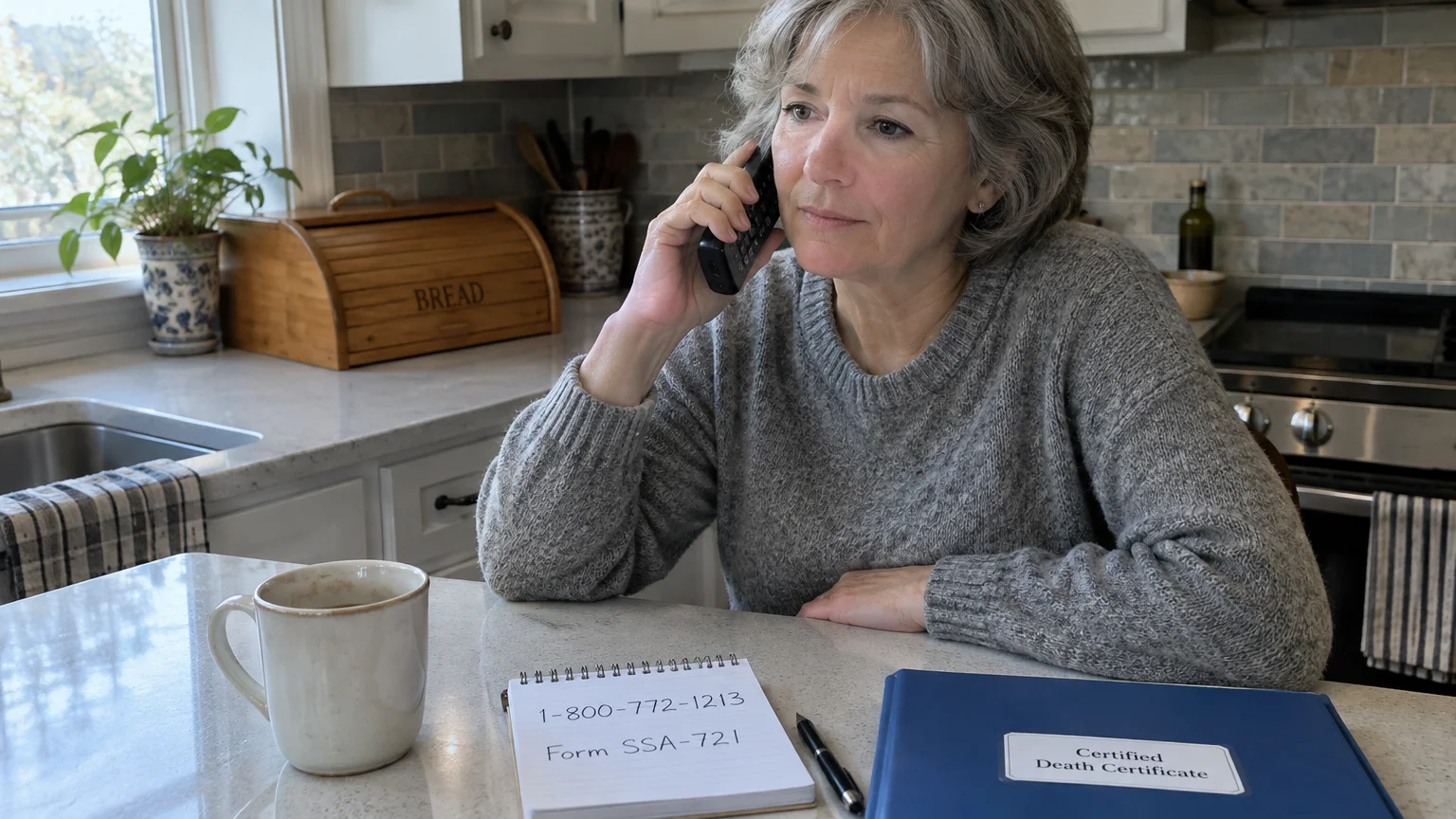
Most funeral homes assist families by filing Form SSA-721 directly with the federal government. However, funeral directors do not always complete this filing immediately; you must verify that the agency logged the report.
You cannot report a recipient’s death online through the agency portal. Strict federal identity verification rules require you to call 1-800-772-1213 or visit your local field office in person.
Keep the deceased recipient’s Social Security number and certified death certificate nearby when you call. This preparation ensures swift communication and prevents prolonged administrative hold times.
4. The Deceased Worker’s Estate May Qualify for a $255 Lump-Sum Payment
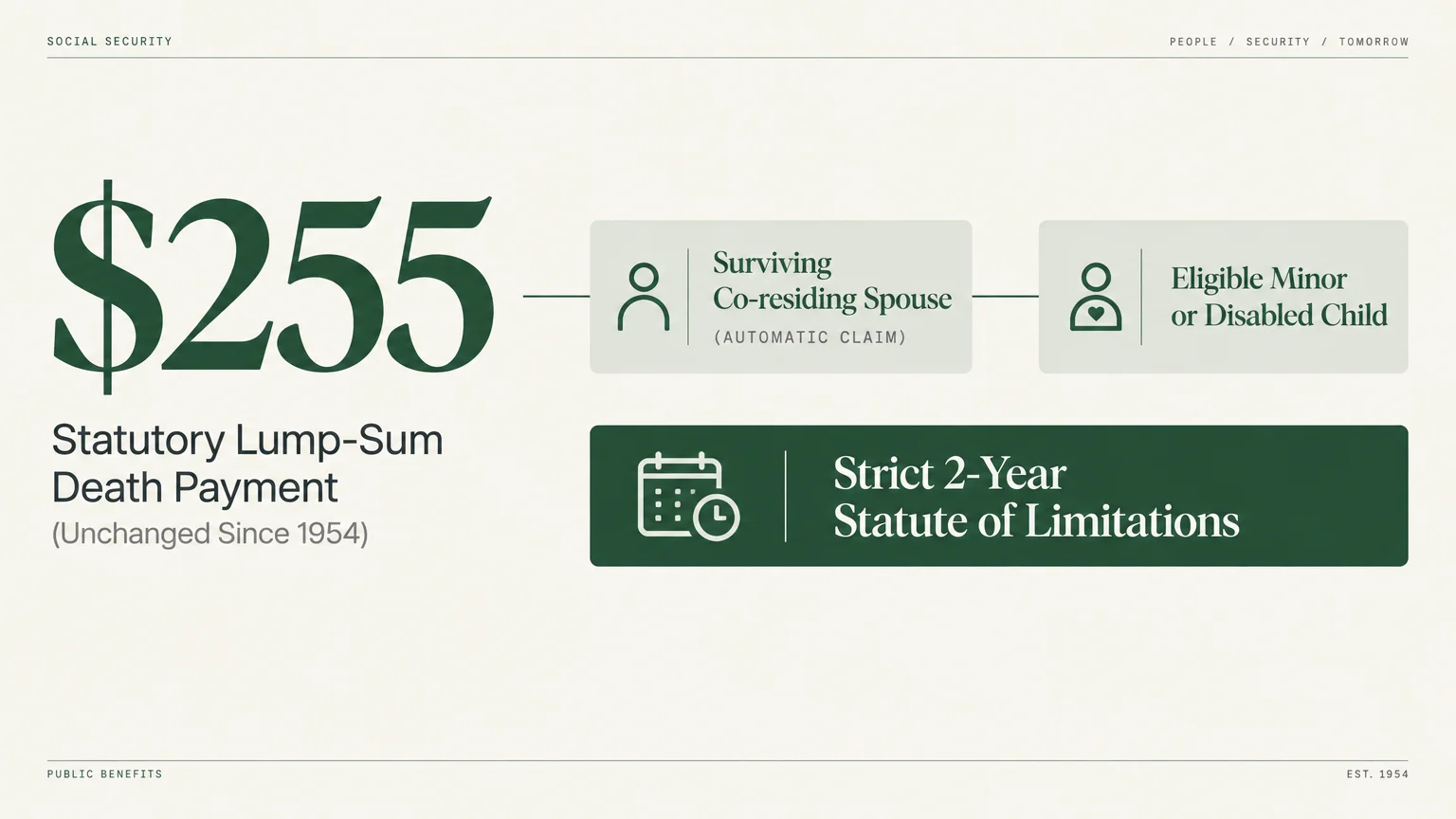
Congress created a special lump-sum death payment of $255 to assist surviving families with initial burial expenses. This statutory figure has remained unchanged since 1954, making it a symbolic rather than substantial lifeline.
Only a surviving spouse who lived with the worker at the time of death qualifies automatically. If no spouse exists, an eligible minor child or disabled adult child can claim the funds.
You face a strict two-year statute of limitations from the date of death to claim this benefit. Surviving family members must submit a formal application before that administrative window closes permanently.
5. Eligible Widows and Widowers Transition to Survivor Benefits
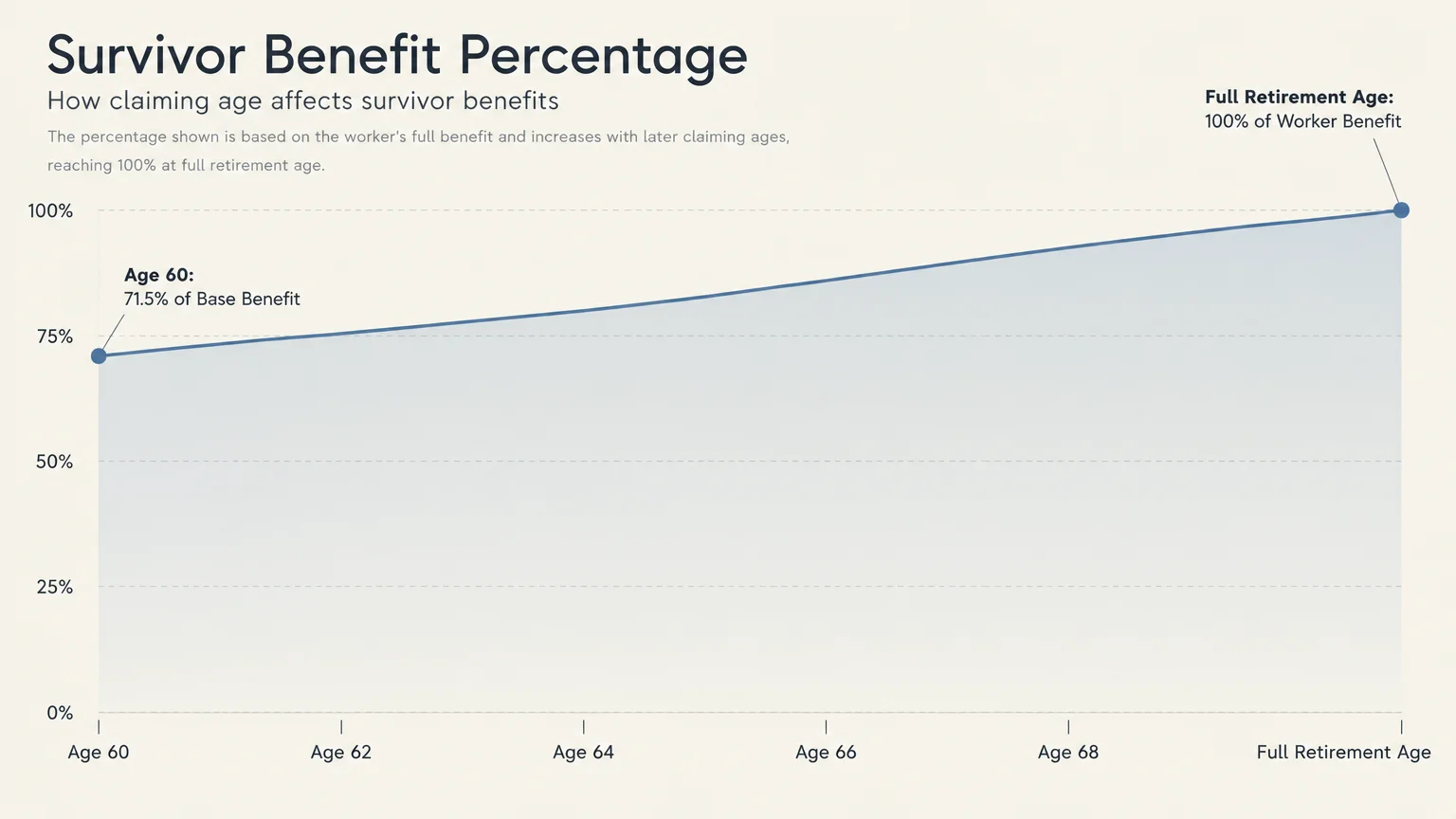
Surviving spouses can replace lost household revenue by claiming monthly survivor benefits. If you have reached your full retirement age, you can collect 100 percent of your late spouse’s basic benefit.
Claiming survivor benefits between age 60 and your full retirement age permanently reduces your monthly check. The payout scales down gradually from 99 percent to 71.5 percent based on your claiming age.
Surviving spouses with qualifying disabilities can start collecting reduced benefits as early as age 50. In those circumstances, the agency sets the monthly distribution rate at 71.5 percent of the primary amount.
Surviving spouses caring for children under age 16 receive 75 percent of the deceased worker’s basic benefit. Dependent children under 18 also receive 75 percent until they graduate high school.
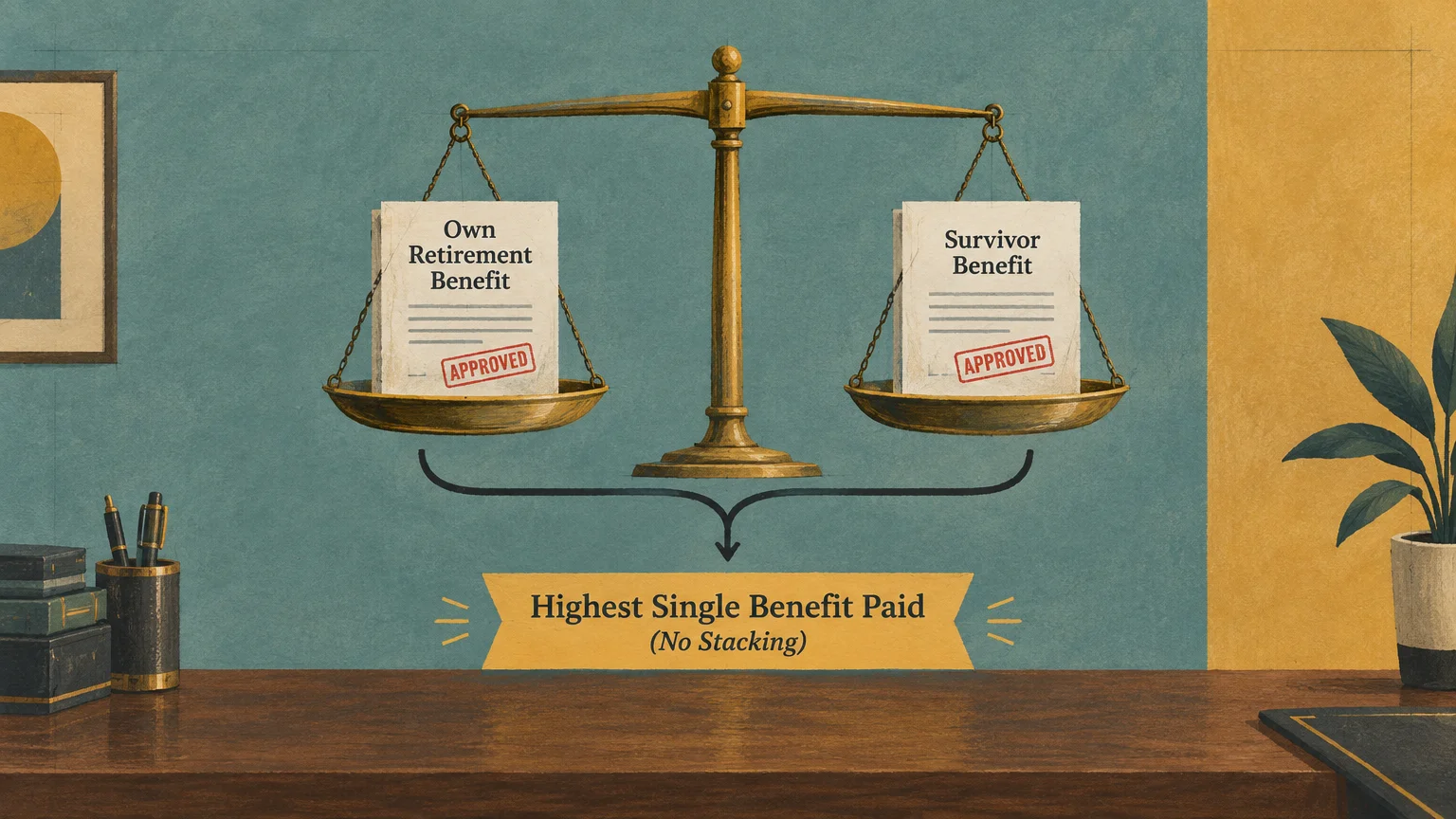
6. Federal Rules Strictly Prohibit Dual Benefit Collection
Federal law strictly prohibits double dipping on earned retirement and survivor entitlements. You cannot combine your own earned monthly benefit with your deceased spouse’s full monthly benefit.
The agency evaluates both benefit records and pays an amount equal to whichever check is higher. If your own benefit is smaller, the agency adds a survivor supplement to bridge the difference.
Certified Financial Planner™ professionals recommend coordinating these claiming schedules strategically. You can claim survivor benefits first while letting your personal retirement benefit grow until age 70.

7. Divorced Spouses Retain Protected Survivor Rights
A surviving divorced spouse can claim survivor benefits based on their former partner’s employment record. To qualify, your marriage must have lasted for at least ten consecutive calendar years before finalizing the divorce.
You must reach at least age 60, or age 50 if disabled, to access these divorced survivor payments. If you remarry after reaching age 60, your remarriage will not impact your eligibility.
Claims filed by a divorced spouse do not reduce the monthly checks received by the current widow. Each claimant draws against the earnings record independently under established federal guidelines.
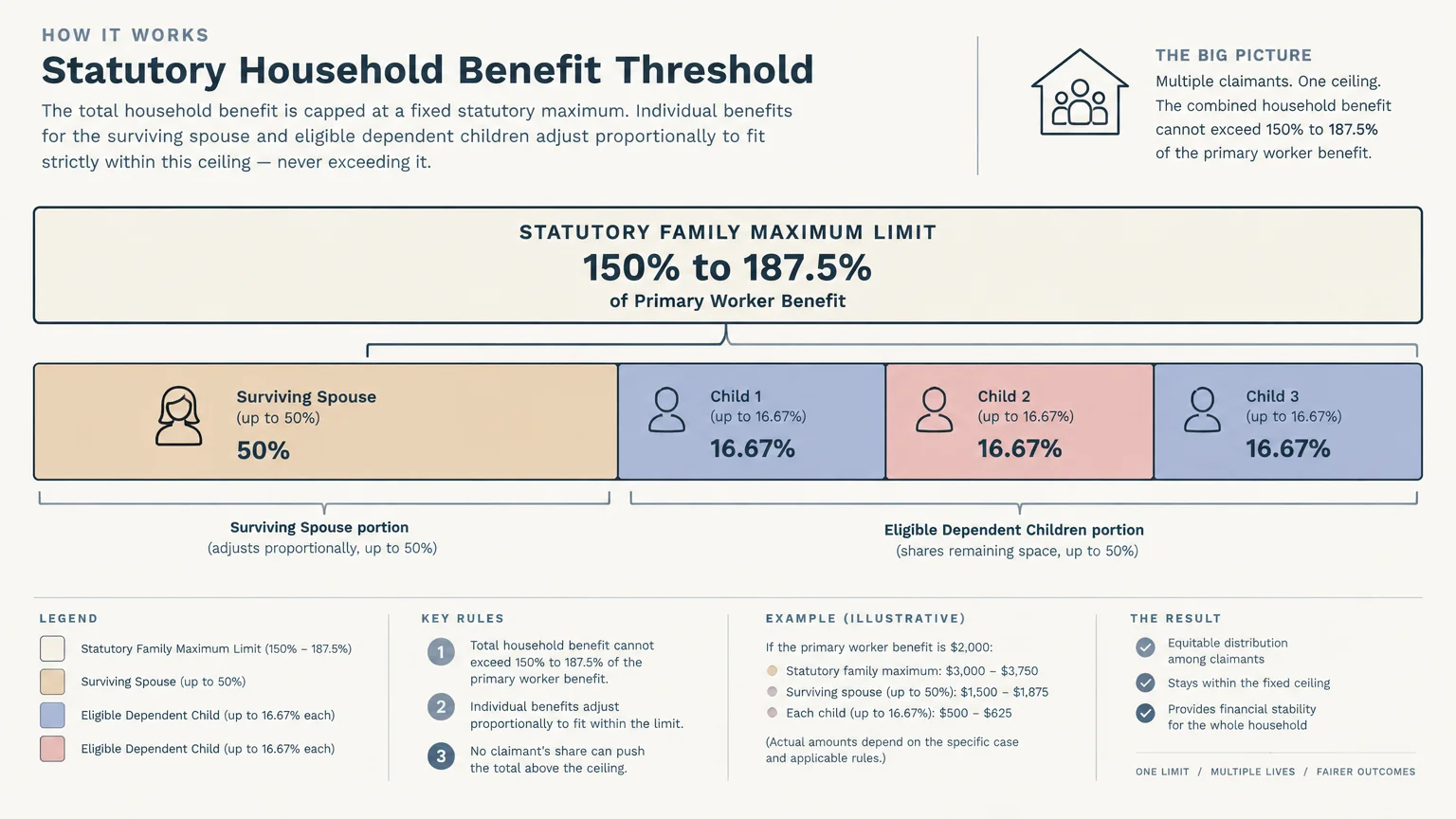
8. The Statutory Family Maximum Cap Restricts Total Claims
When several family members qualify for survivor payments simultaneously, statutory spending caps trigger immediately. The Maximum Family Benefit limits total monthly disbursements to between 150 percent and 188 percent of the primary benefit.
If the combined claims exceed that statutory threshold, the agency proportionally reduces the children’s monthly checks. However, the surviving spouse’s direct benefit generally remains protected from these administrative reductions.
Reviewing family entitlement calculations helps you budget accurately during early probate. You can request an itemized breakdown of household benefit caps directly from an agency representative.
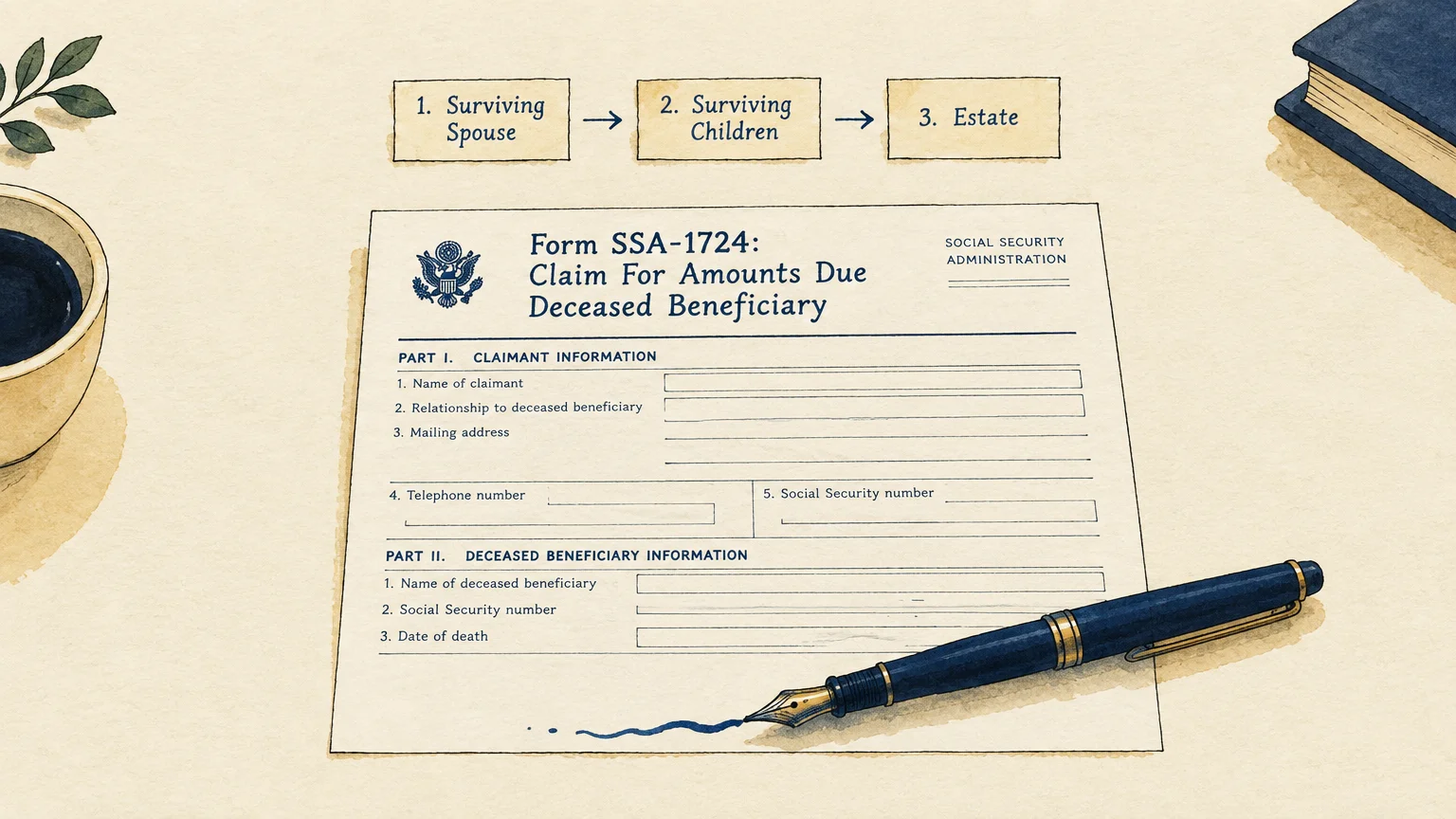
9. Uncollected Benefits Require Special Agency Paperwork
If the deceased worker passed away before receiving owed back pay, that money remains collectible. The agency will not absorb legitimate retroactive earnings that belonged to the deceased beneficiary.
Survivors must file Form SSA-1724 to officially claim unpaid funds or reimbursed Medicare Part B premiums. This document establishes your legal priority order to collect outstanding government obligations.
The priority order favors surviving spouses first, followed by biological and adopted children. Estate administrators can only claim remaining funds if no surviving spouse or children exist.

10. Medicare Coverage and Advantage Plans Terminate Automatically
The federal government cancels original Medicare coverage effective on the date of the beneficiary’s death. The Centers for Medicare & Medicaid Services at Medicare.gov notifies connected health providers to prevent unauthorized claims.
You must notify private Medicare Advantage and Medigap insurance carriers immediately to cancel supplemental policies. Canceling supplemental policies prevents billing errors and halts unnecessary premium withdrawals from secondary bank accounts.
Prescription drug plans operating under Medicare Part D will reject pharmacy claims immediately following the death report. Surrendering unused medications to authorized disposal programs keeps your home safe and compliant.
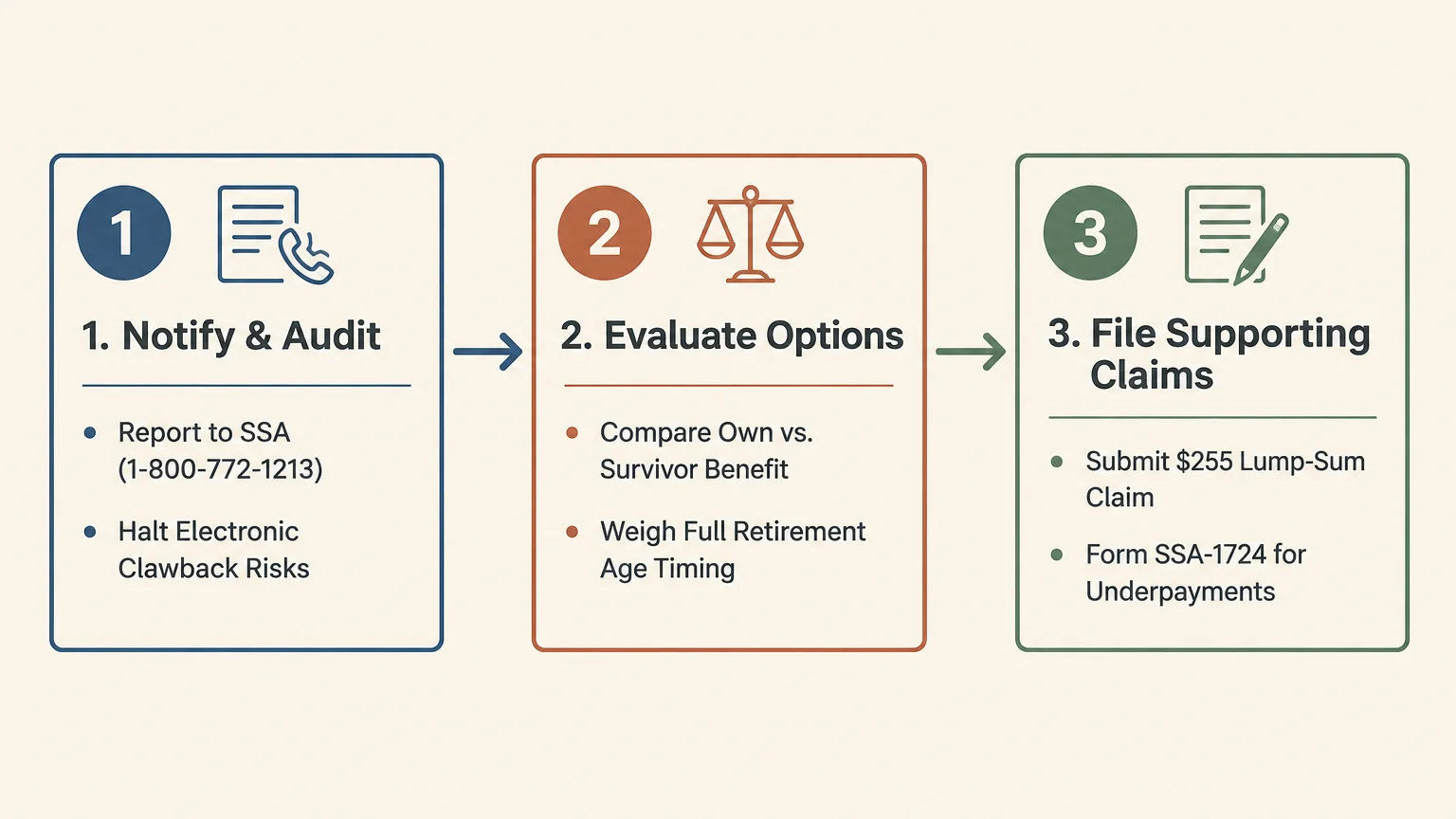
Strategic Pillars for Surviving Household Transitions
Losing a partner transforms every corner of your daily existence, from household cash flow to emotional wellness. Building a durable three-pillar plan helps you regain stability and establish clear long-term direction.
Income Planning and the Widow’s Tax Penalty
Widows and widowers often encounter a sudden tax shock known as the widow’s tax penalty. In the year following your spouse’s death, you must file your tax returns as a single filer.
Filing as a single taxpayer compresses your tax brackets and slashes your standard deduction in half. According to guidelines published by the Internal Revenue Service, this shift pushes modest incomes into higher brackets.
You can mitigate this tax bite by executing strategic Roth IRA conversions during lower-income transition years. Partnering with a licensed tax specialist ensures your adjusted gross income remains manageable.
Lifestyle Design and Housing Realities
Household expenses do not drop by half when a spouse passes away; basic maintenance costs persist. Data from the Bureau of Labor Statistics shows single seniors spend significantly more per capita on housing.
Evaluate your current residence to decide whether downsizing or relocating closer to family makes practical sense. Reducing square footage cuts property taxes, utility bills, and demanding home maintenance tasks.
Examine local community resources and public transit access to ensure reliable mobility as your physical needs evolve. Designing an accessible home environment supports lifelong personal independence.
Health and Emotional Resilience
Bereavement frequently triggers acute stress that impairs your ability to make sound financial choices. Gerontologists emphasize that grief clouds analytical thinking, increasing the risk of expensive errors.
Postpone major lifestyle adjustments, such as selling your home, for at least six months whenever possible. Giving yourself emotional breathing room helps you regain perspective before signing binding legal agreements.
Join local bereavement support groups or consult licensed mental health counselors specializing in elder grief. Sustaining your emotional health directly supports your physical well-being and overall longevity.
Risks, Safeguards, and Fraud Prevention
Identity thieves frequently exploit public obituary notices and government records to impersonate deceased seniors. Scammers use stolen Social Security numbers to open fraudulent credit cards and file false tax refund claims.
Protect your loved one’s identity by sending certified copies of the death certificate to all major credit bureaus. Equifax, Experian, and TransUnion will place a permanent deceased alert on the credit file.
Fraud alerts compiled by advocacy organizations like AARP highlight predatory phone scams targeting recent widows. Never share banking information or verification codes with unverified callers claiming to represent the federal government.
Frequently Asked Questions
Can I keep the Social Security check deposited during the month my spouse passed away?
No, you cannot keep any payment issued for the calendar month in which your spouse died. The agency requires the beneficiary to survive the entire month; otherwise, the Treasury claws back that deposit.
How long do I have to apply for survivor benefits?
You can apply for monthly survivor benefits at any point after reaching age 60, or age 50 if disabled. However, retroactive survivor benefits generally extend back only six months, so delay can forfeit income.
Does remarrying eliminate my survivor benefits?
If you remarry after turning age 60, your new marriage does not affect your survivor benefit eligibility. However, if you remarry before age 60, you cannot receive survivor benefits while married.
How do I claim money Social Security still owes to the deceased recipient?
You must submit Form SSA-1724 directly to your local Social Security field office. This form allows the government to disburse unpaid earnings, underpayments, or Medicare refunds to rightful heirs.
Take Action on Your Benefits Today
Handling administrative paperwork during a period of grief feels daunting, but steady action protects your household. You do not need to resolve every complex financial puzzle in a single afternoon.
Take one concrete step within the next 48 hours to secure your benefits and protect your assets. Gather your estate documents, locate your local field office contact details, and organize your financial records today.