Substitute teaching lets you earn steady supplemental income while staying deeply engaged with your local community. You choose the days you work, support neighborhood schools, and leave work stress behind at the afternoon bell.
Today, roughly 35% of U.S. public schools report severe substitute shortages. Districts across the country actively recruit older adults for their patience, reliability, and lifetime of practical experience.
Whether you spent decades in a classroom or come from another profession, part-time school roles provide unmatched schedule control. This guide outlines flexible classroom jobs, credential rules, and key financial strategies for your retirement.
Understanding Today’s Substitute Teaching Landscape
Public and private schools increasingly rely on mature adults to maintain daily operations. Districts face steady demand due to teacher absences, professional development seminars, and ongoing staff vacancies.
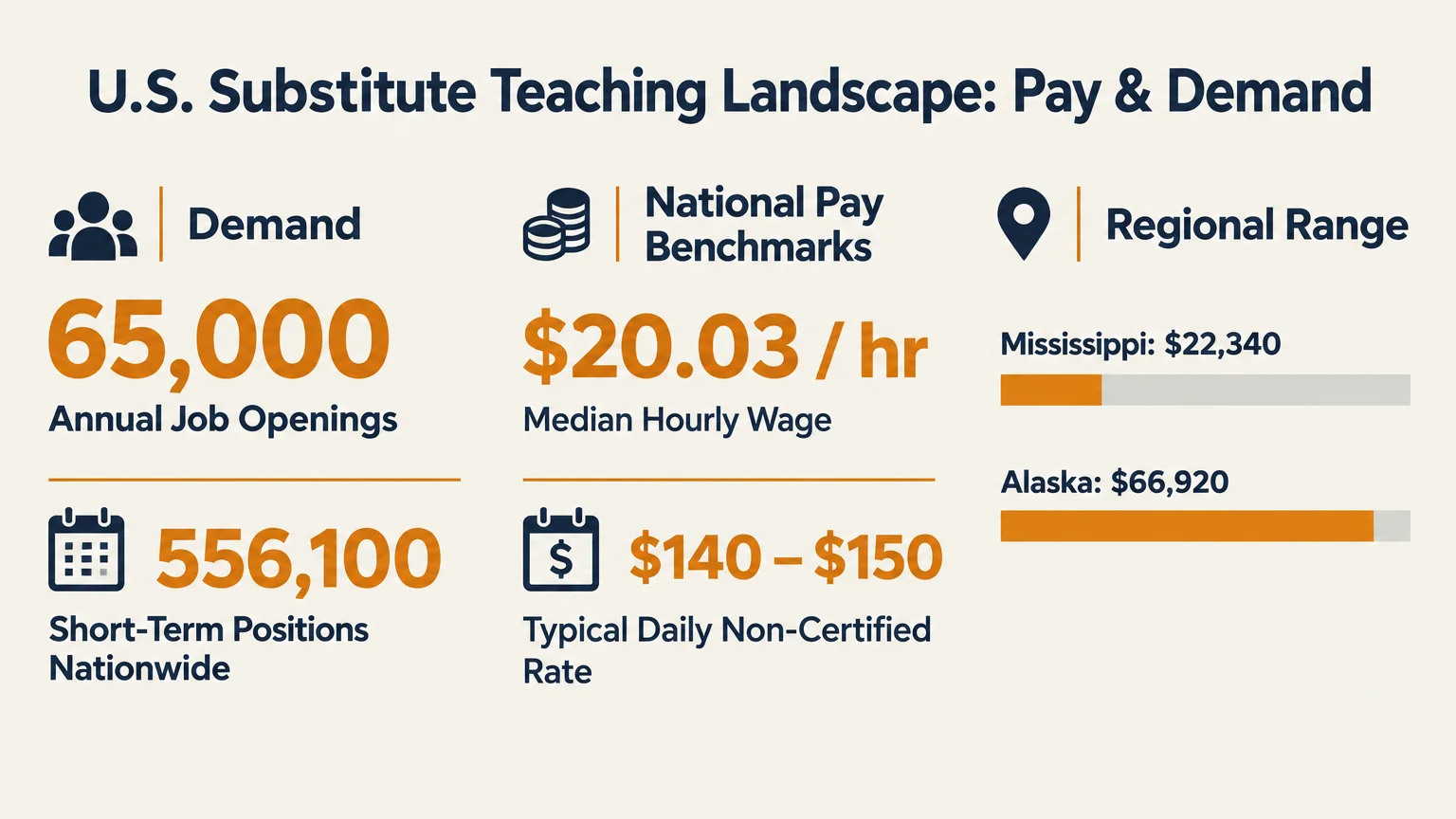
Data from the U.S. Bureau of Labor Statistics highlights this growing footprint. The agency reports 556,100 short-term substitute positions nationwide, projecting growth to 567,000 roles by 2035.
These projections translate into approximately 65,000 substitute job openings each year. You enter an advantageous hiring environment where your availability provides immense value to local administrators.
Compensation has also risen to meet this persistent demand. The roughly 19% wage bumps introduced after 2022 remain firmly intact across the country for the 2025–2026 school year.
Nationwide, the median wage for short-term substitute teachers stands at $20.03 per hour. The national mean wage reaches $22.32 per hour, which equals $46,420 annually for full-time schedules.
Most districts pay substitutes on a per diem daily rate rather than hourly. During the 2025–2026 academic year, non-certified daily rates typically average between $140 and $150 per day.
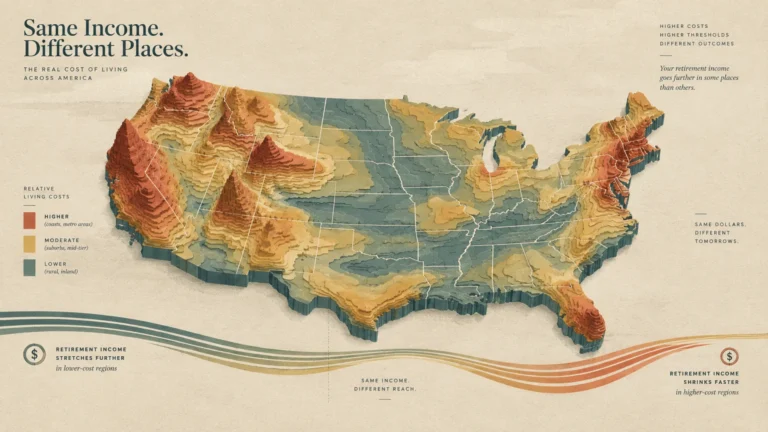
Geographic location significantly shapes your daily earning potential. Typical daily pay ranges from $65 to $75 in lower-paying regions up to $220 to $260 in high-paying districts.
For example, Mississippi records an annual average of $22,340 for substitute teachers. In contrast, districts in Alaska average $66,920, and major metropolitan areas like Seattle offer premium daily pay.
Prior teaching experience commands a substantial pay advantage. Certified educators and state-licensed retirees often earn 25% to 50% more per day than non-certified classroom substitutes.
Three Strategic Pillars for Senior Classroom Success
Stepping into a classroom during retirement requires a deliberate balance between finance, time, and health. Structuring these three areas early ensures you enjoy your work without compromising your retirement stability.
Pillar 1: Income Planning and Benefit Protections
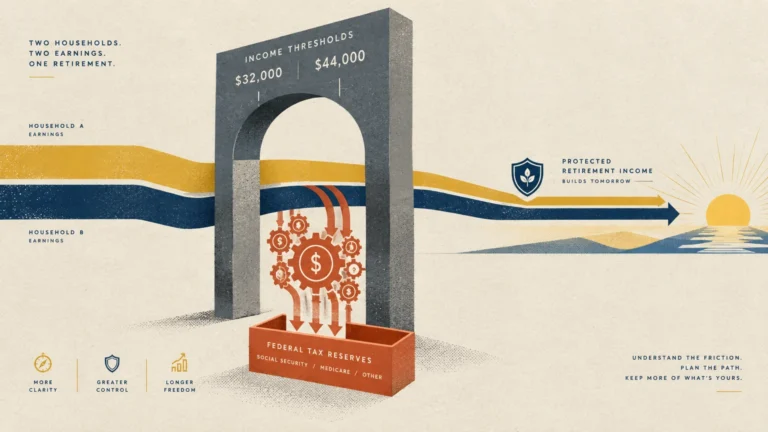
You must coordinate your substitute earnings with your broader retirement portfolio. Working part-time provides supplemental cash flow, but unmonitored income can trigger unintended tax and benefit consequences.
The Social Security Administration enforces an earnings limit if you collect retirement benefits before reaching your Full Retirement Age. Understanding these thresholds prevents temporary benefit withholdings.
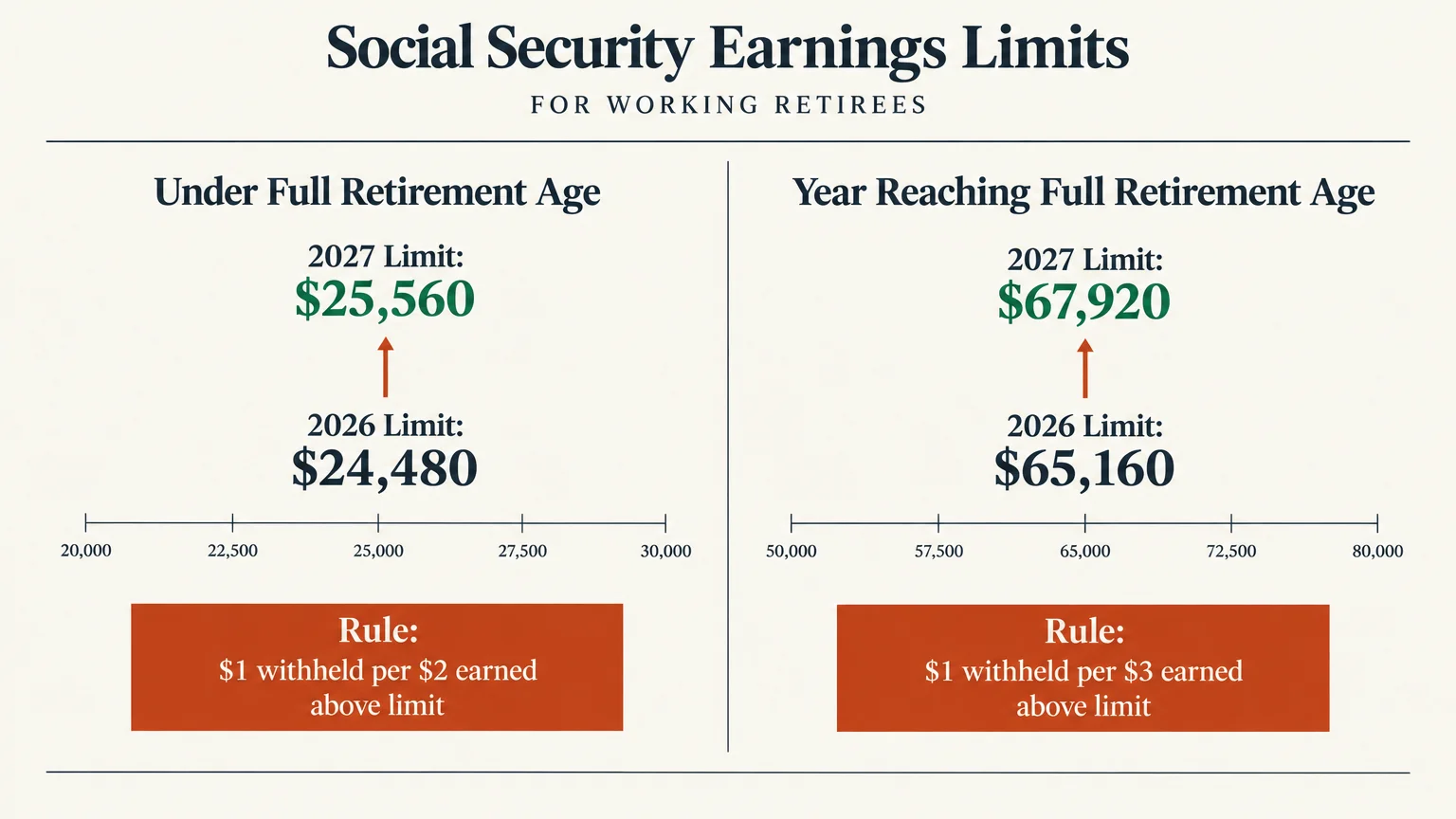
For 2026, the annual earnings limit for workers under Full Retirement Age is $24,480. The agency withholds $1 in benefits for every $2 you earn above that specific threshold.
If you reach Full Retirement Age in 2026, the limit jumps to $65,160 for the months preceding your birthday. In that scenario, the earnings test withholds $1 for every $3 earned above the cap.
These earnings limits increase in 2027 to $25,560 for workers under full age and $67,920 for those reaching full age. Monitoring your monthly calendar keeps your total income safely beneath these marks.
Once you reach Full Retirement Age, all earnings caps disappear entirely. For individuals born on January 2, 1960, or later, Full Retirement Age is 67; you can earn unlimited income without Social Security benefit reductions.
Federal legislation recently removed another long-standing financial barrier for career educators. The Social Security Fairness Act, signed into law on January 5, 2025, completely repealed the Windfall Elimination Provision and Government Pension Offset.
This landmark law applies retroactively to January 2024. Retired teachers drawing non-covered state pensions can now work in Social Security-covered roles without forfeiting their earned public or spousal benefits.
Pillar 2: Intentional Lifestyle and Calendar Design
Substitute teaching offers exceptional lifestyle autonomy because you retain absolute control over your calendar. You never have to justify turning down an assignment when family obligations or travel arise.
Automated district dispatch systems let you accept or decline assignments with a single tap on your smartphone. You decide whether to work two days a week, one day a month, or consecutive weeks.
This flexibility allows you to build a schedule that complements your personal interests. You can dedicate Mondays and Fridays to personal hobbies while subbing on mid-week days to preserve structure.
Classroom environments also provide rich intergenerational connections. Interacting with young learners keeps your mind sharp, prevents isolation, and provides a rewarding sense of community contribution.
Pillar 3: Energy Management and Ergonomic Health
Managing classroom dynamics demands physical energy and vocal endurance. Proactively adjusting your physical habits protects your joints, voice, and overall stamina throughout the school day.
Select supportive, closed-toe footwear with cushioned arches to absorb impact from hard linoleum floors. High-traction soles prevent slips during busy hallway transitions and playground supervision.
Do not feel obligated to pace the room continuously for six hours straight. Modern pedagogy encourages small-group conferencing and independent student work, allowing you to alternate between standing and seated facilitation.
Protect your voice by using digital chimes, clapping patterns, or overhead projectors to gain student attention. Projecting over room noise strains vocal cords, whereas non-verbal signals establish calm, authoritative classroom control.

10 Rewarding Part-Time Jobs as Substitute Teachers for Seniors
School districts require diverse talents across many grade bands and specialty subjects. Review these ten distinct part-time classroom pathways to find the ideal match for your skills and physical comfort.
1. Day-to-Day Elementary School Substitute
Day-to-day elementary substitutes supervise classrooms from kindergarten through fifth grade. Permanent teachers leave comprehensive lesson plans, daily schedules, and class rosters on their desks for your arrival.
Your primary objective is maintaining safety, following reading and math curricula, and guiding students through scheduled recess and lunch periods. Young learners naturally respond to calm, encouraging adult figures.
Elementary environments involve moderate physical activity, including walking students to art or physical education. You can request intermediate grades like fourth or fifth if you prefer less floor-level interaction.
The daily shift ends when students board afternoon buses. You leave your classroom tidy, write an informative recap note for the permanent teacher, and head home without grading papers.
2. Middle and High School Subject Substitute
Secondary school substitutes oversee students in grades six through twelve across distinct class periods. Students switch classrooms every forty-five to ninety minutes, providing natural breaks and distinct group dynamics.
You rarely need deep subject mastery for day-to-day high school coverage. Permanent teachers typically assign digital assignments through learning management software, leaving you to take attendance and monitor student progress.
This role offers lower physical demands than elementary assignments because older students manage their personal routines independently. You spend substantial time seated at the teacher’s desk answering occasional questions.
Secondary schools also provide built-in planning periods during the school day. You can use this designated hour to rest, read, or enjoy a quiet lunch in the staff lounge.
3. Dedicated Building Substitute Teacher
A building substitute reports to a single school campus every day the district operates. Administrators deploy you each morning wherever coverage is needed most, whether in third grade or eighth-grade science.
This assignment eliminates the daily scramble of logging into dispatch portals to find open jobs. You enjoy predictable hours, guaranteed pay, and a single familiar commute throughout the entire school year.
You quickly become an integral member of the campus faculty community. Fellow teachers and administrative staff learn your strengths, and students recognize your authority instantly in the hallways.
Building substitutes often receive priority scheduling and higher daily stipends in many competitive districts. If an assigned teacher arrives on time, administrators may utilize you for targeted hallway monitoring or small-group tutoring.
4. Long-Term Classroom Substitute
Long-term substitutes step in when permanent educators take parental leave, medical leave, or sabbaticals. These assignments typically span anywhere from three consecutive weeks to an entire academic semester.
This position resembles a traditional full-time teaching post more closely than daily assignments. You develop lesson plans, attend department meetings, assess student work, and communicate directly with parents.
Districts award significantly higher compensation for long-term roles to reflect these expanded instructional duties. Daily rates frequently increase after twenty consecutive days in the same assignment.
Long-term assignments suit retired teachers or professionals seeking deep mentorship opportunities. You experience the satisfaction of watching a single group of students master an entire academic term.
5. Special Education Substitute Paraprofessional
Substitute paraprofessionals work alongside certified special education teachers to support students with unique learning plans. You do not manage the whole classroom; instead, you provide focused, individual support.
Duties include keeping students focused on assigned tasks, reinforcing reading concepts, and assisting with adaptive classroom technology. Your steady patience and life experience provide invaluable stability for neurodivergent learners.
These assignments minimize administrative paperwork and classroom disciplinary burdens. A lead teacher directs the instructional flow, allowing you to concentrate entirely on encouraging individual student breakthroughs.
You can specify your comfort level with different support needs in your district profile. Many seniors thrive in mild-to-moderate inclusion rooms where students simply need gentle reminders to stay engaged.
6. Career and Technical Education (CTE) Substitute
Career and technical education classes prepare high school students for modern trades, business, and healthcare fields. Subjects include culinary arts, automotive technology, computer programming, graphic design, and bookkeeping.
Districts eagerly seek retired professionals whose corporate or trade backgrounds align with these vocational programs. Your practical industry knowledge brings genuine authenticity to the classroom environment.
Permanent CTE teachers design specific workshop guidelines to ensure shop and laboratory safety. Your primary function is observing student workflows, verifying safety protocol compliance, and sharing professional insights.
Older students enrolled in vocational electives often exhibit elevated motivation because they chose these career pathways intentionally. You enjoy meaningful discussions about workplace expectations, customer service, and career development.
7. Part-Time Academic Interventionist and Tutor
Academic interventionists work with students who need focused assistance in reading comprehension or foundational math. You guide small groups of two to five students through structured skill drills.
The U.S. Bureau of Labor Statistics reports a national median wage of $20.84 per hour for educational tutors. The national mean wage reaches $23.10 per hour for specialized instructional support.
These positions involve almost no disciplinary management because small groups foster quiet, cooperative learning environments. You work in dedicated learning labs, library nooks, or quiet corners of the classroom.
Intervention positions often feature consistent part-time schedules, such as two to three hours every morning. This structure delivers dependable weekly income while leaving your afternoons free for recreation or rest.
8. Private and Parochial School Substitute
Private and faith-based independent schools maintain separate substitute calling rosters from county public school systems. Class sizes in private academies are frequently smaller, creating an intimate, orderly teaching atmosphere.
Private institutions typically establish their own hiring criteria, often accepting candidates without formal state educator licenses. They prioritize character, subject-matter expertise, and alignment with their educational mission.
Working in private schools offers a crucial advantage for retired public school teachers drawing state pensions. Private school employment generally bypasses public pension return-to-work earnings caps and mandatory waiting periods.
Daily compensation at independent schools can vary from public school rates, but the relaxed environment compensates generously. Disciplined classroom climates allow you to focus entirely on instructional delivery.
9. Arts, Music, and Electives Substitute
Elective substitutes cover physical education, visual arts, instrumental music, drama, and library media classes. These positions expose you to different student cohorts throughout the school day.
A background in community theater, playing an instrument, or hobby woodworking makes you a prized asset for arts departments. Permanent teachers welcome substitutes who understand studio cleanup routines and basic equipment care.
Library media substitutes enjoy some of the calmest assignments in modern education. You check out books, organize return carts, and assist visiting classes with computer research projects.
Physical education coverage involves moving outdoors or into gymnasiums to monitor organized games. If high mobility appeals to your fitness goals, physical education subbing provides an active, energizing workday.
10. Bilingual and English as a Second Language Substitute
School populations across the United States feature rich linguistic diversity requiring specialized classroom coverage. Districts experience urgent shortages of substitutes capable of bridging language barriers in dual-immersion programs.
If you speak Spanish, Mandarin, Arabic, Vietnamese, or another world language, you can command immediate daily bookings. You facilitate communication between English-dominant materials and emerging bilingual students.
These assignments are exceptionally fulfilling as you help children build academic confidence in an unfamiliar language. Parents and permanent faculty deeply appreciate substitutes who connect culturally with student families.
Many urban districts attach daily stipend bonuses to bilingual assignments to attract qualified speakers. Your linguistic fluency transforms routine substitute coverage into high-impact community mentorship.
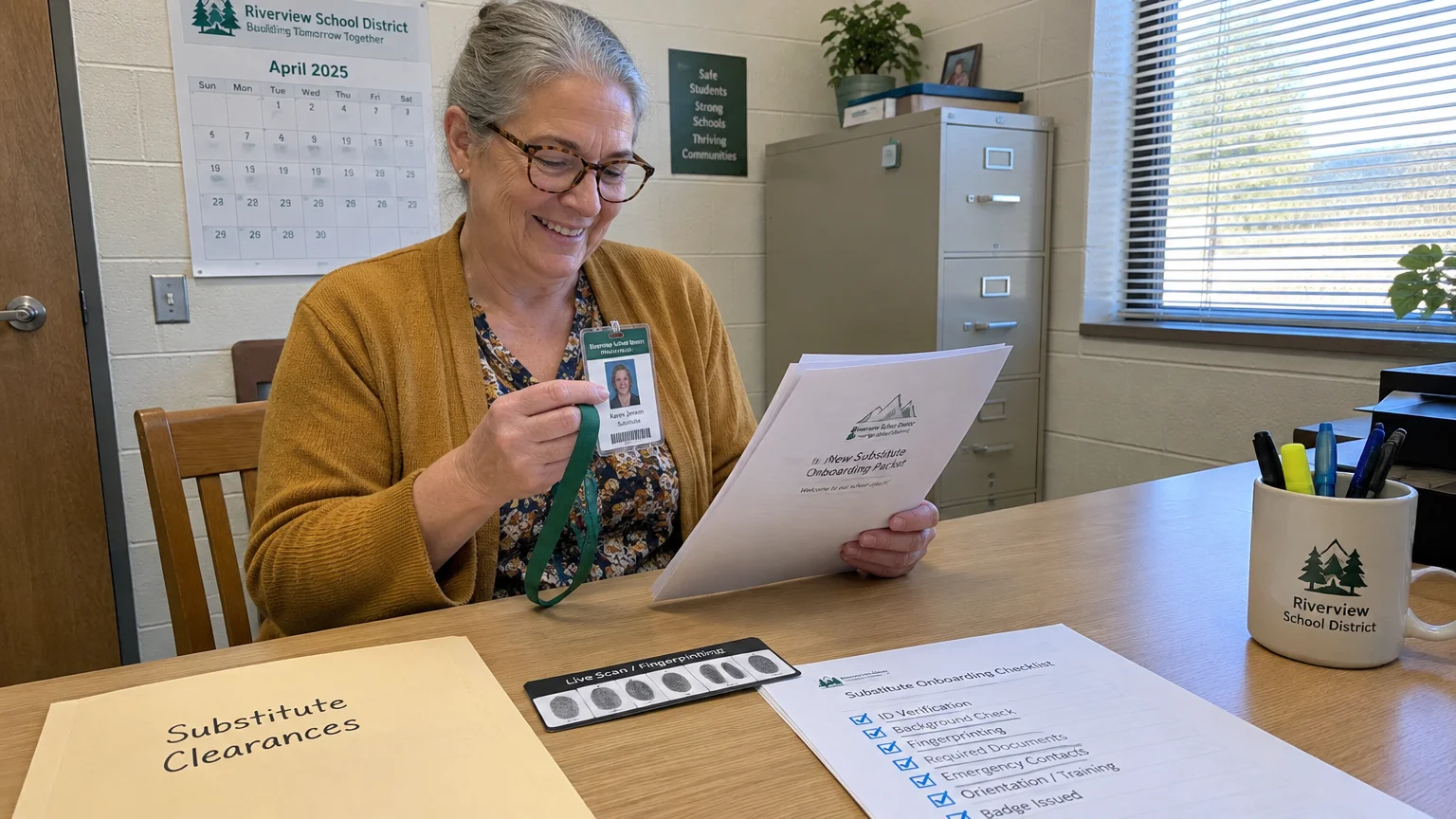
Credentials, Clearances, and District Onboarding Requirements
State and local authorities establish distinct hiring regulations for substitute educators. No uniform national standard exists, so you must confirm specific prerequisites with your target county or school district.
While the U.S. Bureau of Labor Statistics notes that a bachelor’s degree represents typical entry-level preparation, rules vary widely. Several states permit non-certified substitutes to teach with a high school diploma or sixty college credits.
For instance, school systems across Texas and Florida frequently hire candidates possessing sixty semester credit hours or an associate degree. Other states maintain stricter academic standards for all classroom roles.
States such as Arizona and California strictly mandate a four-year bachelor’s degree even for temporary emergency substitute permits. California candidates must also verify basic educational competence by passing the California Basic Educational Skills Test.
You should prepare for modest out-of-pocket setup fees during the onboarding phase. For example, Arizona levies a $60 processing fee to issue an official substitute teaching certificate.
Every state requires comprehensive background vetting before allowing candidates near students. You must clear state criminal history checks, child abuse clearances, and an FBI and Department of Justice fingerprint audit.
Districts often reimburse clearance expenses once you complete a specified number of substitute assignments. Keep all receipts from your fingerprinting and application fees for potential employer reimbursement.
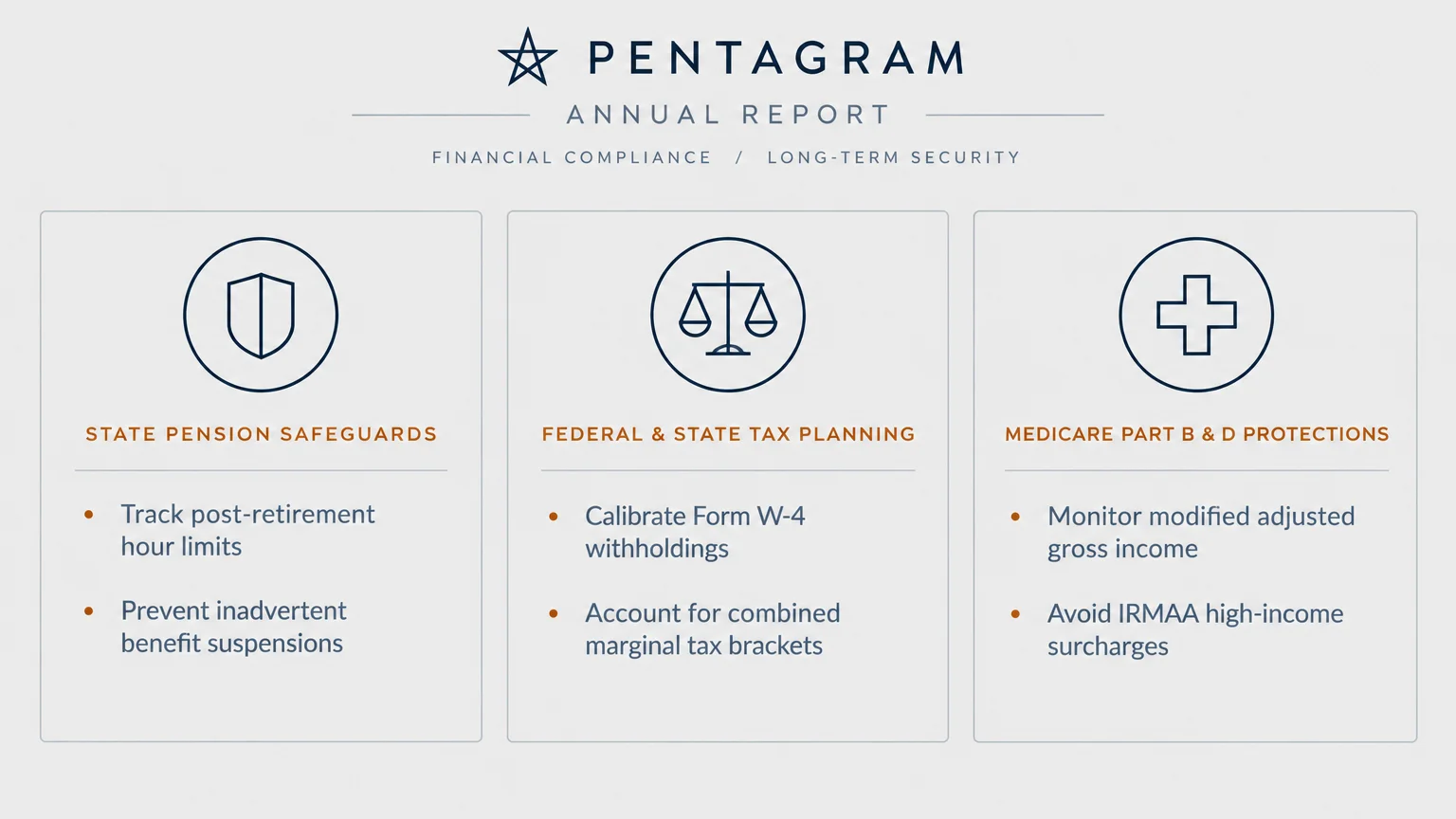
Financial Safeguards: State Pensions, Taxes, and Medicare
Preserving your retirement benefits requires vigilance when adding earned income back into your household budget. Understanding state pension rules and federal tax laws prevents surprises during annual tax filing.
Retired public school teachers drawing benefits through a state Teachers’ Retirement System must verify return-to-work guidelines. Many state pension systems enforce mandatory separation-of-service waiting periods, often requiring thirty to one hundred eighty days off before returning.
Exceeding state pension limits can cause administrators to suspend your retirement checks temporarily. Always request written confirmation of allowable substitute days from your state retirement representative before accepting campus assignments.
The historic passage of the Social Security Fairness Act eliminated long-standing reductions for career teachers. Because the law repealed the Windfall Elimination Provision and Government Pension Offset, outside school wages will not erode your Social Security record.
Tax withholding represents another critical safeguard for senior workers. You can access withholding calculators through the Internal Revenue Service to determine proper tax withholdings from substitute paychecks.
Substitute wages count toward your Modified Adjusted Gross Income, which determines Medicare Part B and Part D premiums. Earning beyond income brackets can trigger the Income-Related Monthly Adjustment Amount two years later.
Reviewing your total household revenue with a tax professional ensures your teaching pay enhances your cash flow without inflating healthcare costs. Moderate, well-planned subbing hours provide clean financial gains.

Expert Insights on Purpose and Financial Wellness in Retirement
Financial planners and longevity experts view part-time classroom work as an exemplary bridge strategy for modern retirees. It combines financial stability with physical vitality and social connectivity.
Marcus Vance, a Certified Financial Planner™ professional, advises retirees to treat substitute income as discretionary lifestyle capital. “Using subbing pay for home repairs, grandchildren gifts, or travel preserves your core investment portfolio,” Vance explains.
Vance emphasizes that delaying retirement account withdrawals by earning supplemental income allows remaining nest eggs to compound. Even two days of subbing per week can replace several thousand dollars in annual portfolio distributions.
Gerontologists highlight the cognitive and emotional perks of staying active in school communities. Research published through nonprofit organizations like AARP consistently links purposeful routine and social engagement to preserved cognitive function.
Interacting with faculty, navigating daily problem-solving, and mentoring children stimulates brain neuroplasticity. Substitute teaching replaces the social networks often lost upon leaving full-time professional careers.
Frequently Asked Questions About Senior Substitute Teaching
Can I substitute teach if I have never worked in education before?
Yes, public and private districts welcome candidates transitioning from business, healthcare, trades, and military service. Your real-world maturity, reliability, and communication skills translate smoothly into effective classroom management.
Most districts offer introductory orientation seminars covering classroom procedures, technology logins, and emergency protocols. You can begin with co-teaching assignments or half-day coverage to build initial confidence.
How will substitute teaching pay affect my Medicare premiums?
Substitute wages increase your overall adjusted gross income, which determines whether you pay standard Medicare rates or high-income surcharges. Staying below income thresholds avoids triggering the Income-Related Monthly Adjustment Amount.
Because the federal government calculates these surcharges using tax returns from two years prior, track your yearly earnings diligently. For most part-time substitutes working one to three days weekly, total wages remain well below surcharge thresholds.
What should I do if a classroom assignment feels physically overwhelming?
You retain total autonomy over the grade levels and campuses you choose to support. If high-energy kindergarten rooms strain your endurance, update your system preferences to middle school or library roles.
Campus administrators prefer honest feedback so they can place you in positions where you thrive. You can also accept half-day morning assignments to keep your physical fatigue manageable.
How do I balance substitute teaching with family travel and personal hobbies?
Substitute teaching requires zero minimum commitments in most school districts. You simply mark yourself unavailable in the district’s automated scheduling application whenever you plan a vacation or family visit.
The system will not contact you on blackout days, leaving you free to travel without requesting formal permission. When you return, switch your app status back to active to resume receiving local assignments.
Your Immediate Next Steps: A 48-Hour Action Plan
Embarking on a rewarding part-time teaching career begins with small, manageable actions. Taking one concrete step over the next 48 hours moves you from planning to active classroom participation.
Start by visiting your local school district website and locating the human resources employment page. Review their posted daily pay rates, educational prerequisites, and onboarding instructions to assess current neighborhood needs.
Next, locate your college transcripts, state licenses, or work references so you can complete the online application packet. Gathering these foundational verification records eliminates delays once district background checks commence.
Classrooms across your community need your life experience, calmness, and wisdom. Take that first step today, and discover how substitute teaching can bring structure, extra income, and genuine fulfillment to your retirement.