
Rising medical costs can quickly erode your hard-earned retirement savings if you do not prepare early. Learning which healthcare expenses will jump next year empowers you to shield your portfolio and preserve your lifestyle.
Federal budget shifts, insurance repricing, and persistent wage pressures across eldercare will alter what you pay out of pocket. Small structural changes across major insurance programs can create significant financial friction.
By reviewing your coverage choices before upcoming enrollment deadlines arrive, you maintain complete control over your health budget. Knowing these seven upcoming increases helps you make proactive, confident adjustments right away.
The Evolving Healthcare Landscape Heading into 2027
Retirement security requires constant vigilance as economic adjustments ripple across public and private health programs. Medical inflation routinely outpaces general consumer price indices, creating unique cash flow pressures for households living on fixed incomes.
Federal statutory updates alter cost-sharing thresholds every calendar year. At the same time, commercial carriers adjust their premiums to account for higher clinical utilization and elevated drug production expenses.
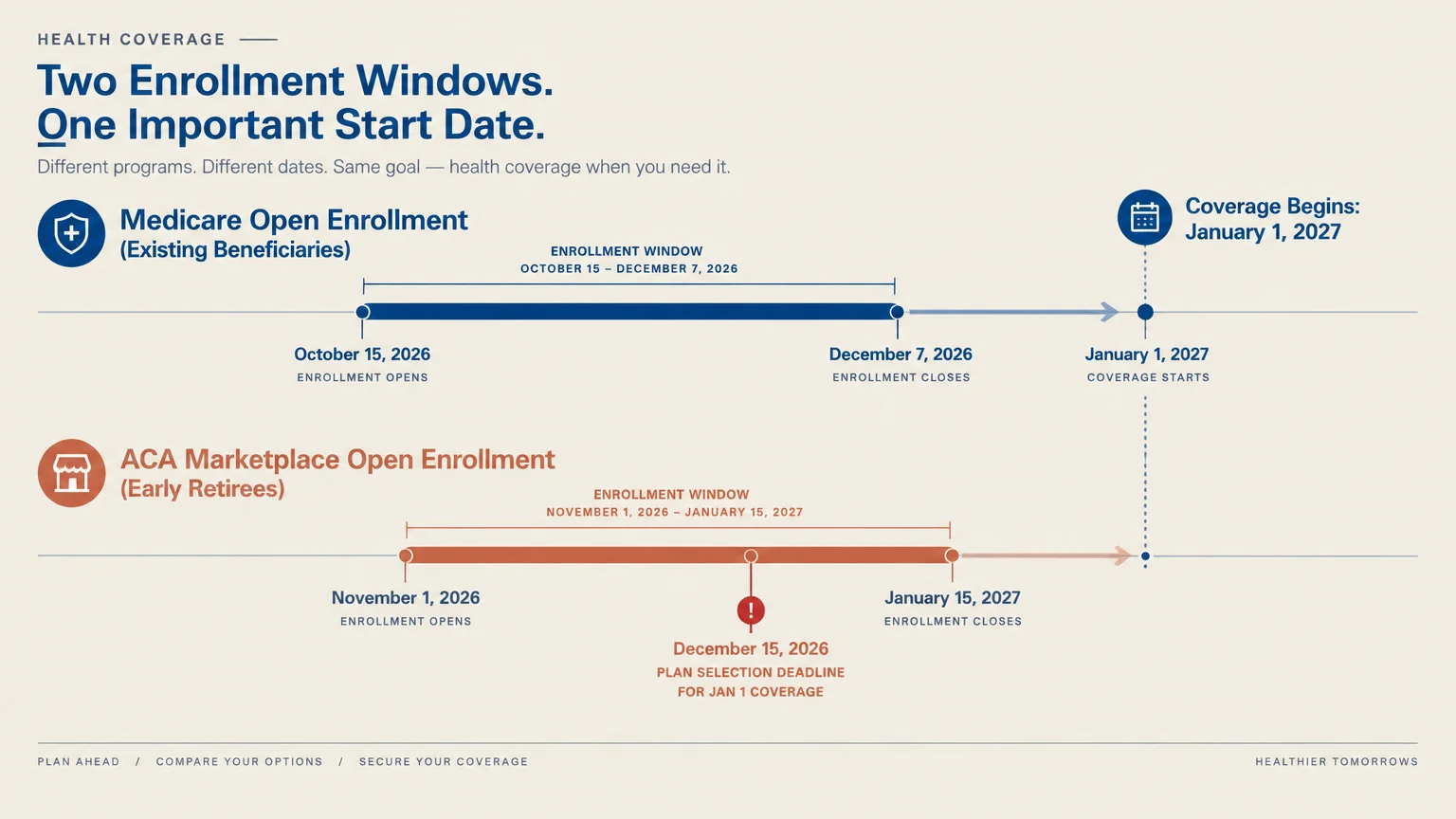
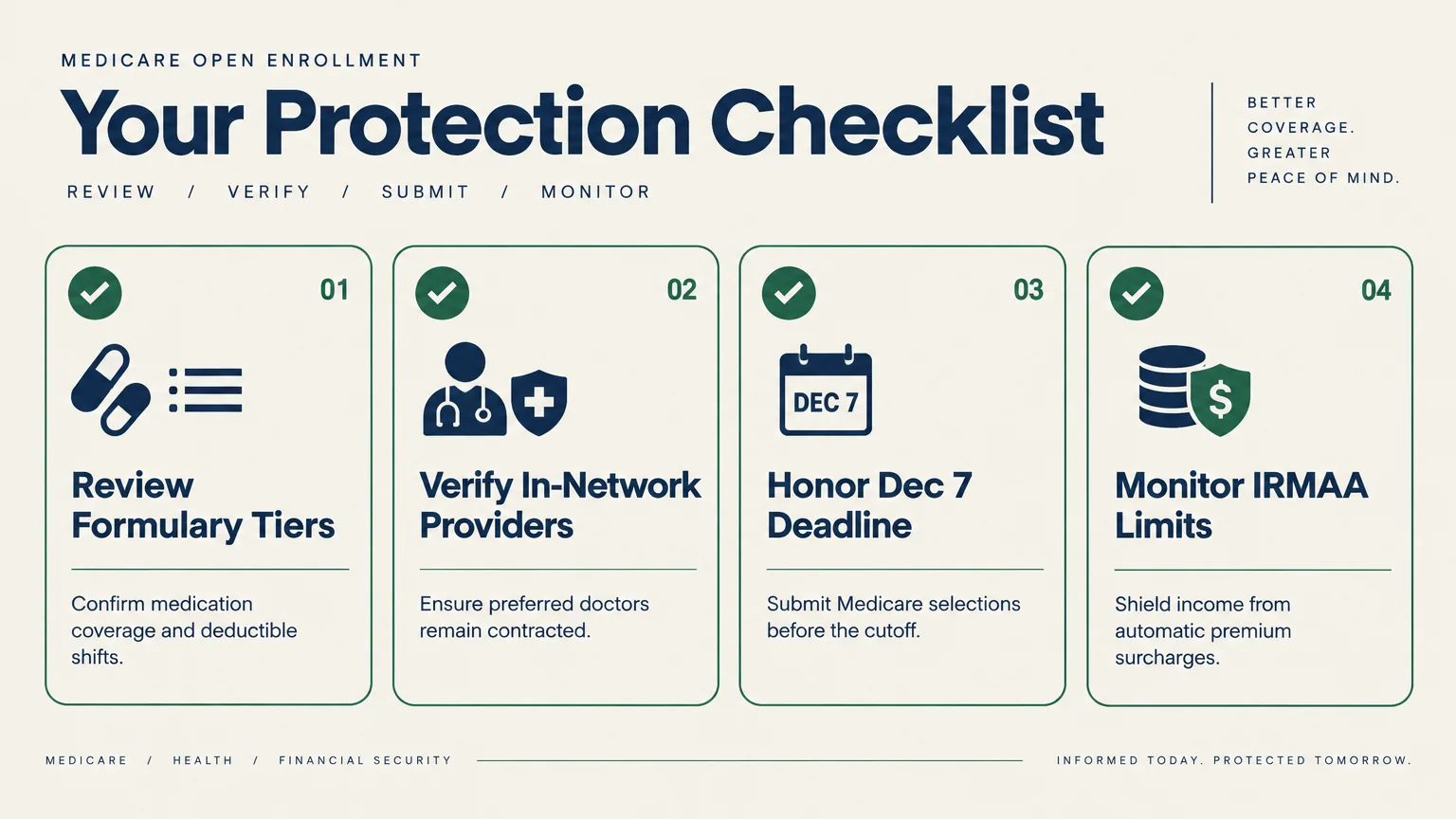
Navigating these changes requires understanding the strict enrollment windows governing your choices. The annual Medicare Open Enrollment period runs from October 15, 2026, through December 7, 2026, with coverage taking effect on January 1, 2027.
If you retired early and rely on individual coverage, your timetable is equally critical. The Affordable Care Act marketplace open enrollment begins November 1, 2026, and runs through January 15, 2027; you must select a plan by December 15, 2026, for coverage starting New Year’s Day.
1. Medicare Part B Monthly Premiums and Annual Deductibles
Most retirees pay their Medicare Part B premiums directly through automatic deductions from their monthly Social Security checks. When Part B rates climb, your net monthly income drops unless your cost-of-living increase offsets the difference.
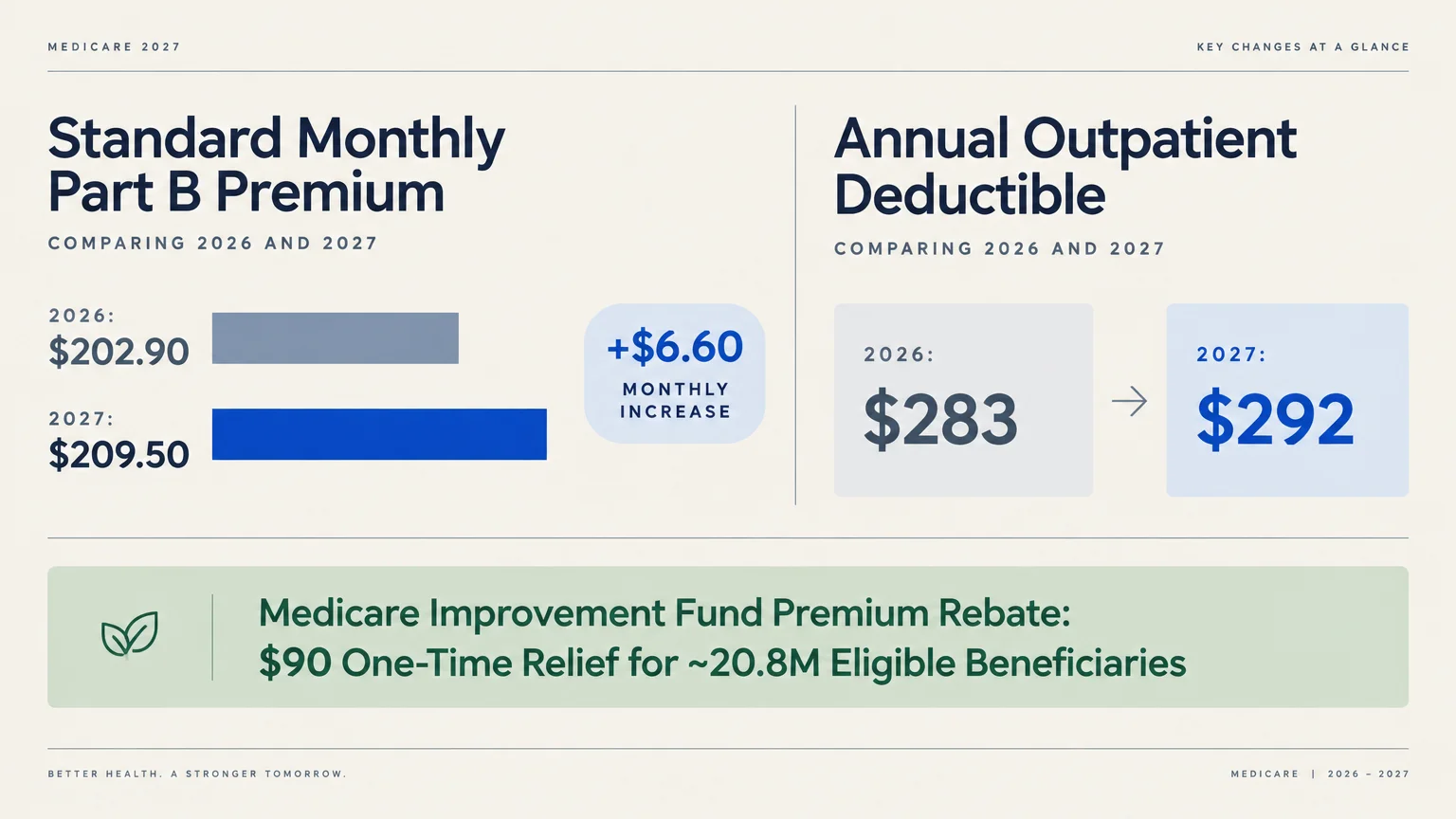
According to official projections from the Medicare Trustees Report, standard monthly Part B premiums will climb by $6.60 next year. This adjustment pushes the baseline monthly payment from $202.90 in 2026 up to $209.50 in 2027.
Outpatient medical visits will also require a larger upfront commitment before your coverage begins paying benefits. The Part B annual deductible will rise from $283 in 2026 to an estimated $292 in 2027.
A modest financial cushion exists for some enrollees during this transition. Approximately 20.8 million eligible beneficiaries will receive a one-time $90 Medicare Improvement Fund Premium Rebate to help absorb these projected increases.
You qualify for this relief if you reside in the United States, do not receive Medicaid assistance, and avoid high-income surcharges. You can check your eligibility and coverage records directly through the official Medicare portal.
2. Medicare Part D Out-of-Pocket Prescription Maximums
The landmark redesign of the Medicare Part D prescription benefit under the Inflation Reduction Act continues to reshape pharmacy costs. While this restructuring eliminated catastrophic cost-sharing, statutory adjustments allow the total spending cap to rise annually.
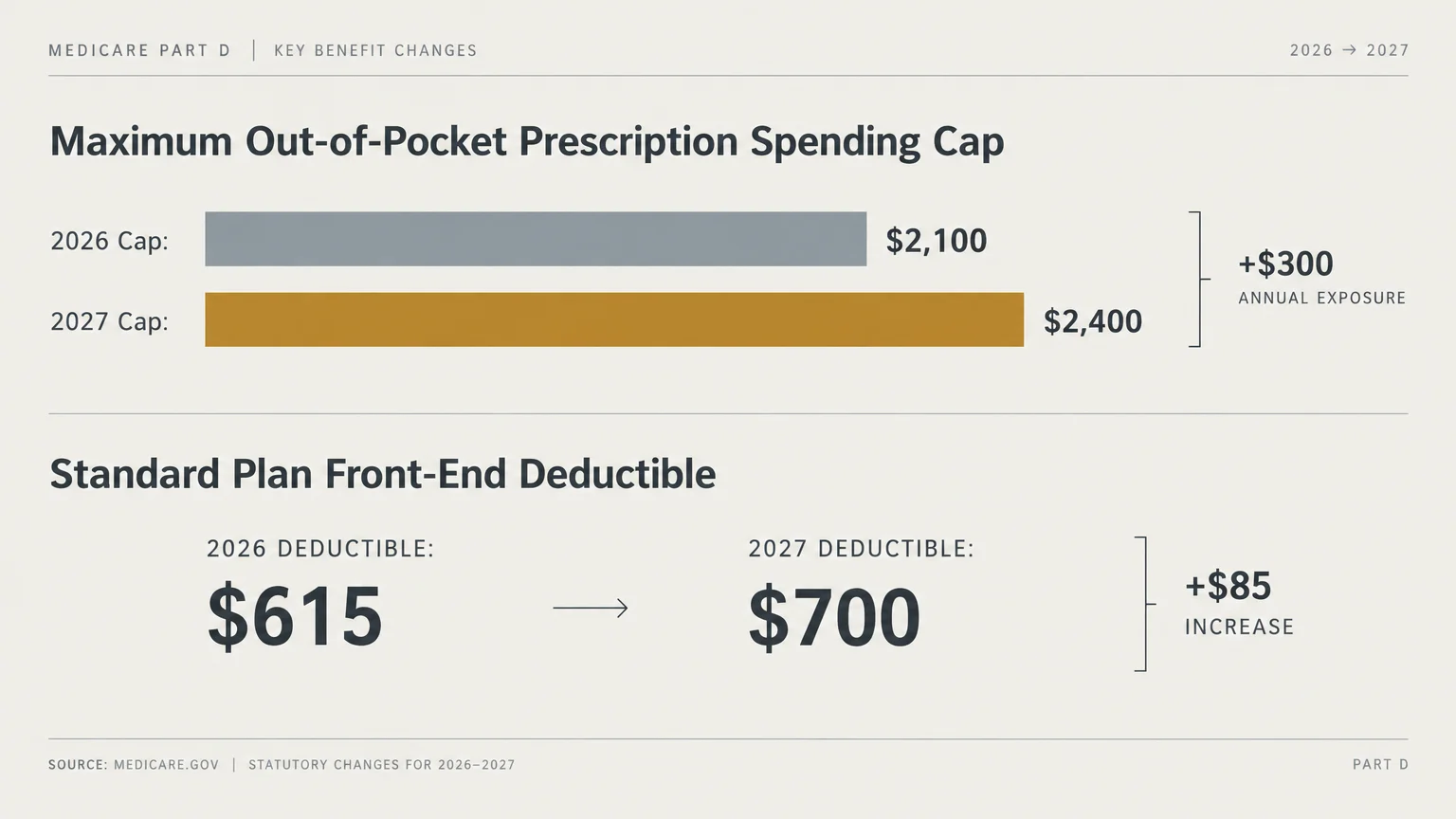
Your legal maximum out-of-pocket spending limit for covered retail prescriptions will increase from $2,100 in 2026 to $2,400 in 2027. If you manage complex chronic conditions requiring specialty medications, plan for this additional $300 annual exposure.
Front-end deductibles on drug plans are also shifting higher across the board. The maximum allowable deductible for standard Part D prescription plans increases from $615 in 2026 to $700 in 2027.
Fortunately, positive policy counterweights will arrive simultaneously to soften the blow for specific prescriptions. Negotiated federal drug prices for 15 high-cost maintenance medications take effect on January 1, 2027.
This negotiated group includes widely prescribed treatments like Ozempic, Wegovy, and Trelegy Ellipta. If your clinical regimen includes these brand-name therapies, your per-prescription copayments should drop noticeably despite higher statutory spending caps.

3. Stand-Alone Medicare Part D Plan Premiums
Seniors who pair Original Medicare with a stand-alone prescription drug plan face substantial rate volatility heading into next year. The national base beneficiary premium will rise by the statutory maximum of 6%, climbing from $38.99 in 2026 to $41.33 in 2027.
However, your actual monthly invoice may jump by a significantly larger margin. Private insurers are resetting retail rates due to the expiration of the federal Part D Premium Stabilization Demonstration after 2026.
This temporary federal program cushioned insurance carriers against the aggressive financial liabilities created by the new out-of-pocket spending caps. Without these multi-billion-dollar subsidies, insurers are actively adjusting their plan pricing to stay solvent.
Many stand-alone Part D carriers have already announced sharp premium increases and altered formulary tier structures. Furthermore, the era of widespread zero-dollar premium stand-alone drug plans has effectively vanished from the national marketplace.
You must scrutinize your Annual Notice of Change document when it arrives in your mailbox. Insurers frequently reclassify maintenance medications into higher cost tiers to balance their internal balance sheets.

4. Medicare Supplement (Medigap) Policy Premiums
Medicare Supplement plans provide peace of mind by paying deductibles, copayments, and coinsurance that Original Medicare leaves behind. Unfortunately, maintaining that predictable coverage will require a substantially larger monthly commitment next year.
Health policy analysts reviewing nationwide regulatory rate filings report widespread double-digit percentage increases for 2027. Carriers offering popular options like Plan G and Plan N are seeking rate hikes ranging from 10% to beyond 25%.
Insurers attribute these steep rate hikes to rising hospital billing fees, expanded clinical utilization, and broader medical inflation. Unlike Medicare Part B, Medigap rate hikes apply directly on your individual policy anniversary date.
Your geographic location and age heavily dictate your premium trajectory. If you live in a state permitting attained-age rating, your monthly bill jumps simply because you had a birthday—compounding company-wide increases.
Switching Medigap plans to secure lower premiums is difficult in most jurisdictions. Unless you qualify for guaranteed issue protections, private carriers can review your medical history and deny coverage entirely.

5. Medicare Part A Inpatient Hospital Deductibles
Medicare Part A covers acute inpatient hospitalization, skilled nursing facility stays, and specific home health episodes. While most retirees pay zero monthly premiums for Part A due to lifetime payroll taxes, inpatient cost-sharing continues to rise.
According to official actuarial projections from the Medicare Trustees, the Part A inpatient hospital deductible will reach $1,788 in 2027. This marks another steady increase for beneficiaries admitted to acute care settings.
You must remember that the Part A deductible is not an annual payment like Part B. Instead, it operates on a sixty-day benefit period structure throughout the year.
If you leave the hospital and face readmission sixty days later, Medicare treats your stay as a brand-new benefit period. You would owe the entire $1,788 deductible a second time unless you carry comprehensive supplemental coverage.
Medigap Plan G covers this Part A deductible completely, shielding you from inpatient admission spikes. If you rely solely on Original Medicare without supplemental protection, an extended hospital admission represents an immediate cash risk.

6. Long-Term Care and In-Home Custodial Assistance
Non-medical custodial care remains the largest uncovered financial vulnerability for aging Americans. Many retirees mistakenly believe Medicare covers daily assistance with bathing, dressing, meal preparation, and personal mobility.
Medicare pays zero dollars for ongoing custodial assistance; you must fund these essential services entirely from personal assets. According to labor tracking from the U.S. Bureau of Labor Statistics, home care costs jumped 7.9% and nursing home expenses rose 4.6% year-over-year.
Caregiver shortages and rising operating overhead continue driving direct-pay rates upward across the country. Current CareScout national cost data shows that hiring a non-medical in-home caregiver now averages $35 per hour.
Securing 44 hours of weekly home assistance now requires an annual budget of $80,080. If your care needs necessitate a residential community, the current median cost for assisted living sits at $6,200 per month, or $74,400 annually.
Skilled nursing facility pricing presents even steeper challenges for household balance sheets. A semi-private room in a nursing home costs $9,581 monthly, while a private room averages $10,798 per month—reaching nearly $130,000 each year.
Planning for these escalations requires dedicated savings, long-term care insurance, or deliberate Medicaid qualification strategies. Relying on ordinary retirement income streams to absorb sudden custodial care needs can exhaust liquid portfolios within a few years.
7. ACA Marketplace Premiums for Early Retirees
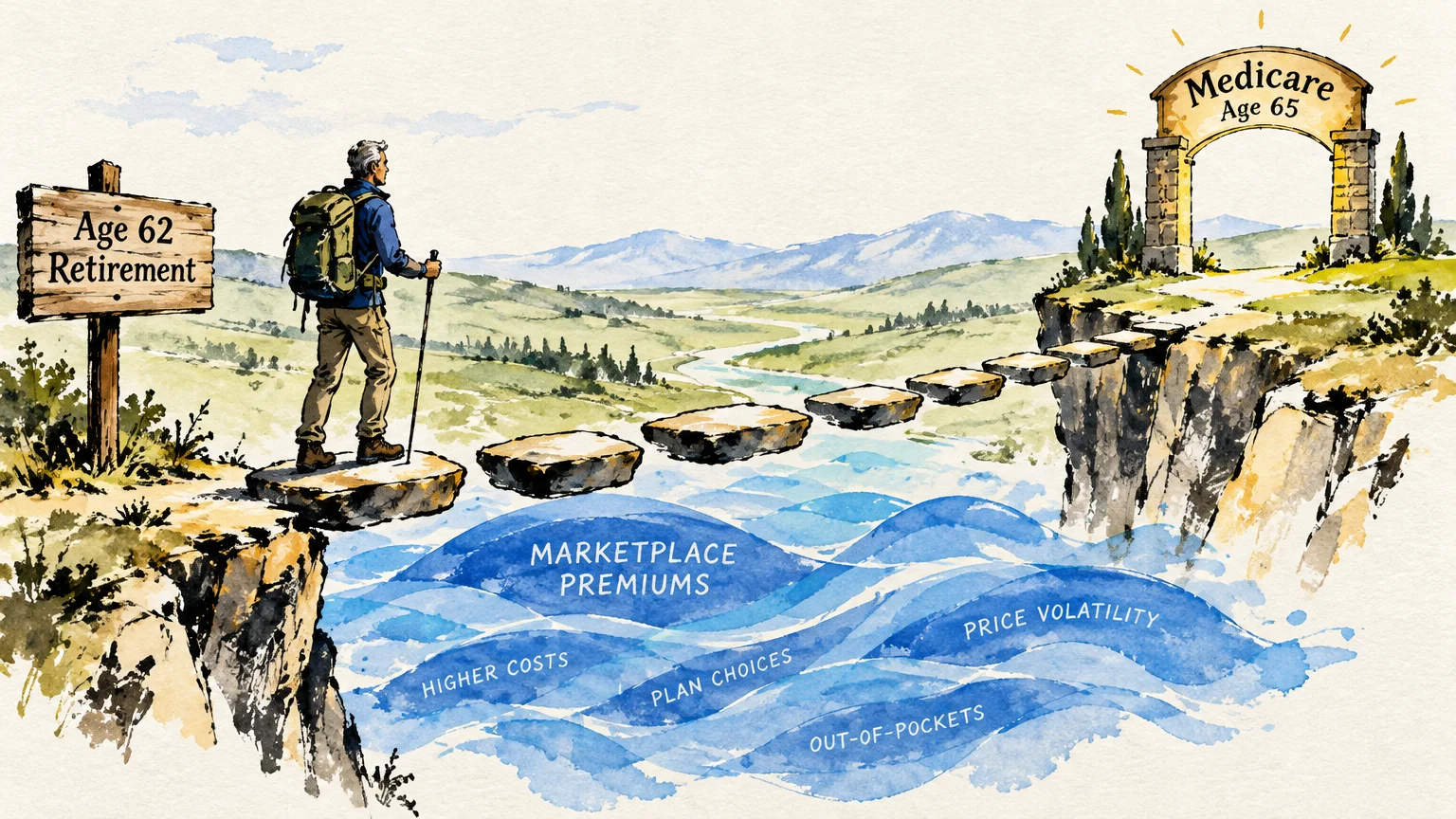
Retiring before age 65 offers freedom to pursue lifelong passions, but securing private health coverage poses an expensive hurdle. Early retirees who rely on individual marketplace plans face substantial premium pressure heading into the upcoming enrollment period.
Insurers participating in state and federal exchanges have proposed a median rate increase of 15% for 2027. Depending on your state of residence, carrier proposals range from modest 7% adjustments to severe 29% increases.
This pricing pressure follows the expiration of enhanced premium tax credits at the end of 2025. That subsidy cliff already caused average net monthly payments to surge by 58% across early 2026.
Insurers cite elevated surgical demand, climbing administrative expenses, and high utilization of specialty medications for these sharp rate proposals. You can explore available plan tiers and tax credits via the HealthCare.gov marketplace.
If you retired early, your primary defensive strategy is active income management. Regulating your modified adjusted gross income lets you capture baseline premium tax credits, dampening the impact of proposed rate hikes.
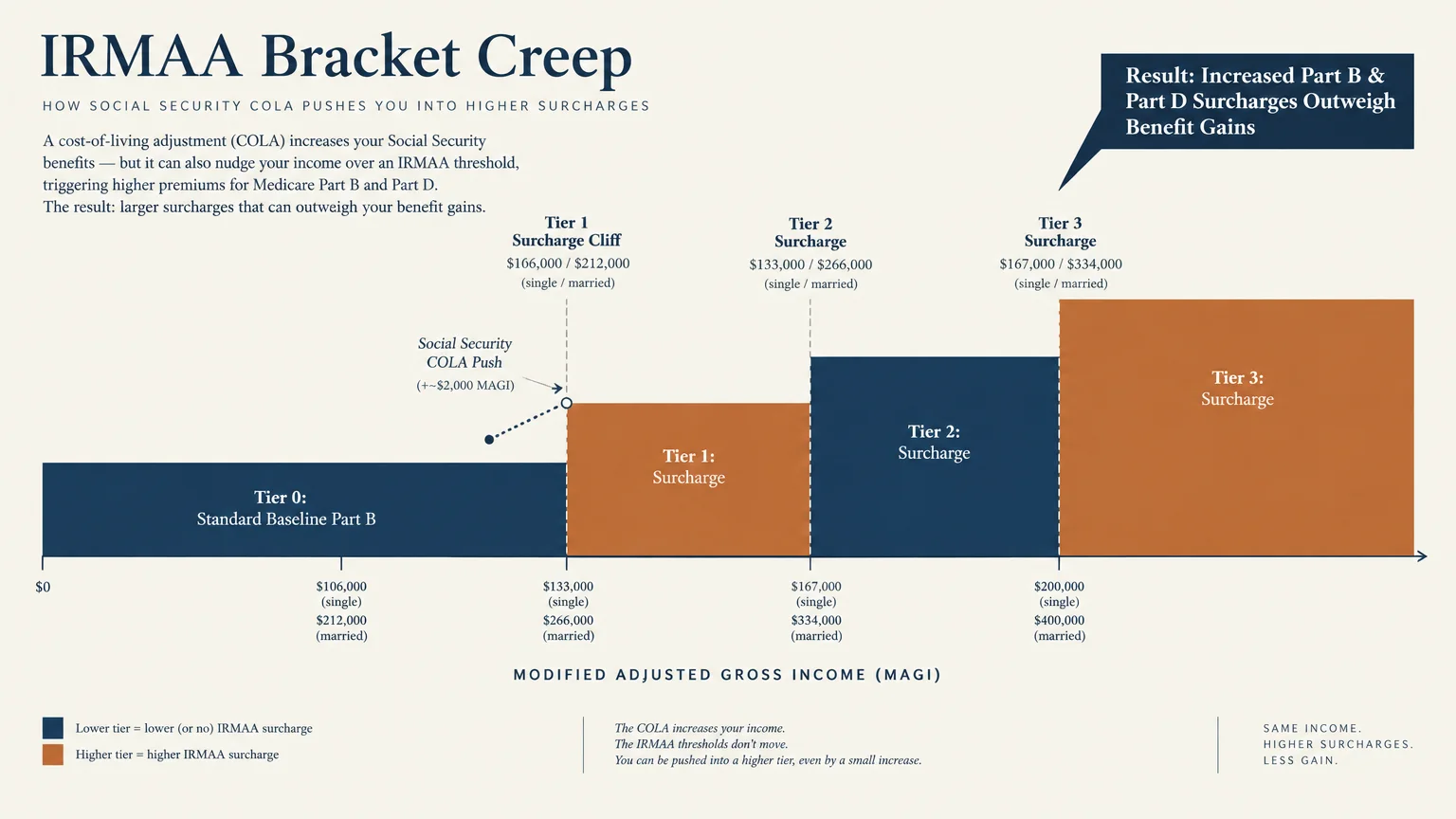
The Stealth Threat: Social Security COLA and IRMAA Bracket Creep
Rising baseline premiums represent only part of your overall healthcare exposure. If you maintain moderate-to-high taxable income, you may encounter the Income-Related Monthly Adjustment Amount, commonly known as IRMAA.
Projections indicate the 2027 cost-of-living adjustment from the Social Security Administration will hover near 3.5%. While this cost-of-living bump increases your gross benefit check, it can trigger an expensive tax surprise.
Because taxable Social Security payments count toward your modified adjusted gross income, higher benefits can push you across IRMAA thresholds. Medicare determines these surcharges using your tax return from two years prior.
For context, baseline 2026 IRMAA rules penalize single filers earning over $109,000 and married couples filing jointly earning over $218,000. Crossing that single dollar threshold adds an automatic surcharge of at least $81.20 monthly to your Part B premium.
IRMAA surcharges also apply to your Medicare Part D prescription coverage, creating a dual financial penalty. Because IRMAA works as a rigid cliff rather than a graduated bracket, crossing a threshold by one dollar triggers the full cost.
The Medicare Advantage Counterbalance: Cheaper Premiums, Fewer Choices
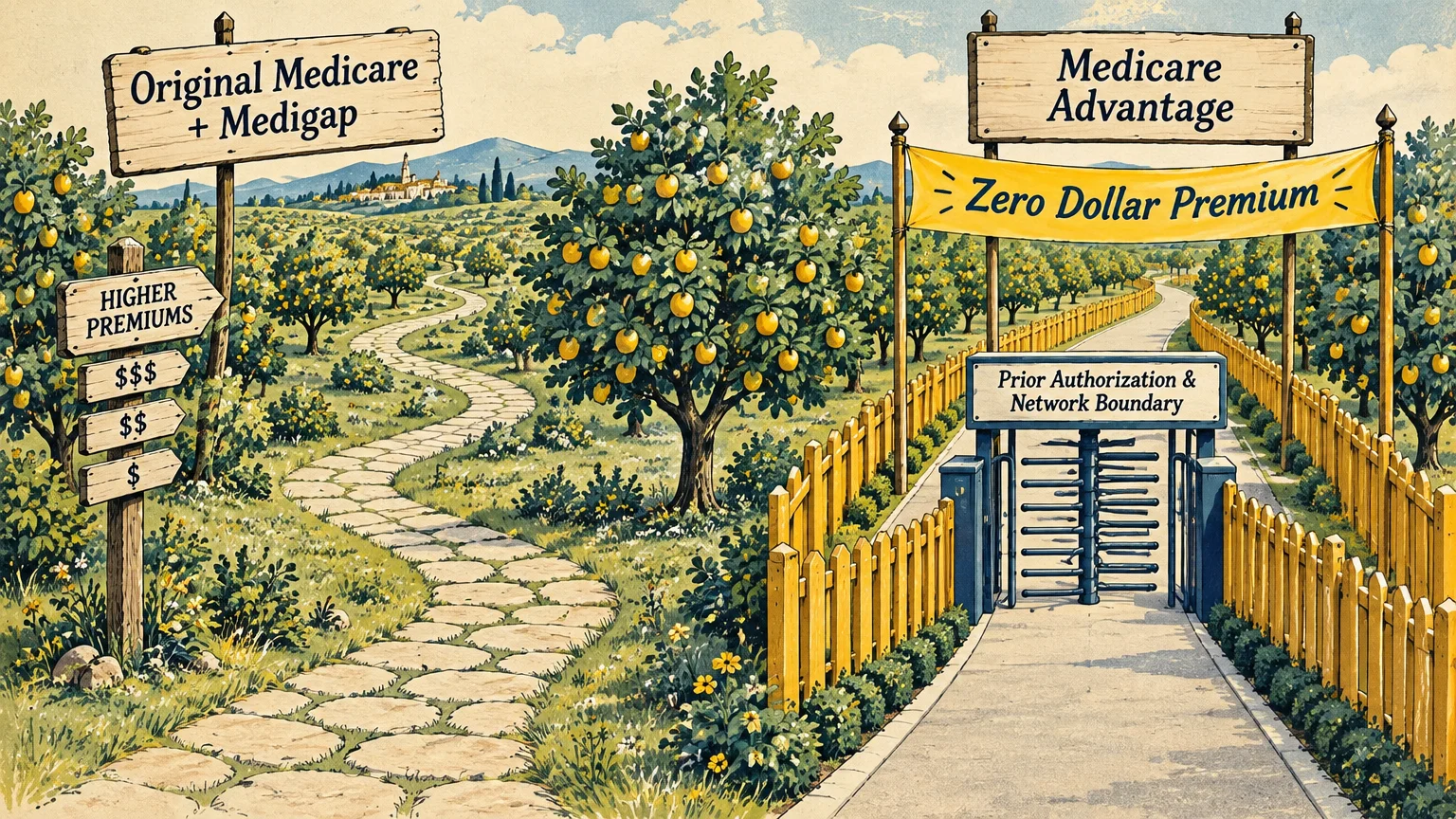
While fee-for-service Medicare and supplemental plans face rising costs, Medicare Advantage presents a contrasting pricing dynamic. The Centers for Medicare and Medicaid Services projects average monthly Medicare Advantage premiums will fall 16.5%—dropping from $14.37 in 2026 to $12.00 in 2027.
However, lower monthly premiums do not guarantee total financial savings. In response to federal payment adjustments, commercial insurers are actively restructuring their managed care offerings.
According to comprehensive research from KFF, plan choices are contracting across the nation. The average Medicare beneficiary will have 28 Medicare Advantage prescription plans available in 2027, down from 32 options in 2026.
Insurers are controlling costs by trimming supplemental benefits like dental allowances, transportation stipends, and over-the-counter credits. They are also narrowing clinical provider networks and enforcing stricter prior authorization rules for specialty care.
Evaluating Medicare Advantage requires balancing low monthly upfront premiums against potentially higher out-of-pocket costs when you get sick. Always verify that your trusted physicians and regional hospitals remain inside the network for 2027.

Strategy Pillar 1: Proactive Income Planning and Cash Flow Defense
Shielding your retirement portfolio from healthcare inflation requires deliberate tax-bracket management. Because Medicare evaluates your income on a two-year lookback, current distribution choices dictate your future premium surcharges.
Consider drawing cash from non-taxable assets, such as Roth IRAs, if you sit near an IRMAA threshold. Distributions from Roth accounts do not count toward your modified adjusted gross income calculation.
If you maintain an active Health Savings Account from your working career, preserve those funds specifically for non-reimbursed medical expenses. Qualified HSA withdrawals remain entirely income-tax-free and do not factor into Medicare surcharge calculations.
Review your annual required minimum distributions from traditional retirement accounts well before year-end. If you do not need those distributions for living expenses, utilizing a Qualified Charitable Distribution satisfies IRS mandates without inflating your adjusted gross income.

Strategy Pillar 2: Intentional Lifestyle Design and Care Navigation
Managing rising healthcare expenses extends beyond insurance contracts; it requires designing a supportive, accessible everyday living environment. Adapting your personal residence early prevents expensive accidental injuries and delays institutional care.
Simple investments like zero-threshold doorways, non-slip flooring, and grab bars significantly reduce fall risks. Medical research consistently shows that preventing acute injuries like hip fractures keeps seniors out of costly nursing homes.
Explore community-based supportive programs available through your local Area Agency on Aging. These non-profit organizations coordinate affordable meal delivery, accessible transportation, and adult day care services on sliding-fee scales.
You can also explore community support through AARP public policy resources, which highlight local programs helping older adults age safely at home. Building an informal care network of neighbors, friends, and family provides vital resilience against surging commercial caregiver rates.

Strategy Pillar 3: Clinical Prevention and Wellness Optimization
The most reliable way to lower healthcare costs is reducing your demand for high-cost clinical interventions. Medicare covers an Annual Wellness Visit at zero out-of-pocket expense to establish personalized preventive care roadmaps.
Use this dedicated appointment to complete routine cancer screenings, review bone density, and monitor cardiovascular markers. Identifying health conditions early prevents high-cost emergency room visits and inpatient hospital admissions.
Schedule a formal medication review with your primary physician or clinical pharmacist every six months. Ask whether you can transition expensive maintenance drugs to low-cost generic equivalents on lower formulary tiers.
Adopting consistent cardiovascular exercise, progressive strength training, and anti-inflammatory nutrition builds functional physical reserve. Robust metabolic health lowers your long-term prescription burden and helps you remain independent as you age.

Expert Perspectives on Medical Inflation Management
Financial planners emphasize treating healthcare as an unpredictable, fluctuating line item rather than a static budget expense. Preparing for sudden spikes prevents emotional, poorly timed asset liquidations during market downturns.
Certified Financial Planner professionals recommend establishing a dedicated liquid healthcare reserve containing twelve months of maximum out-of-pocket exposure. Having dedicated cash reserves ensures an unexpected hospitalization does not disrupt long-term investments.
Gerontologists highlight the importance of proactive family communication regarding physical vulnerability. Discussing care preferences and executing medical directives before a crisis occurs protects both family harmony and household finances.
Retirees who successfully manage healthcare inflation consistently report that proactive plan shopping makes the biggest difference. Reviewing plan formularies annually prevents unexpected pharmacy surprises when the calendar turns.
Essential Consumer Safeguards and Pitfalls to Avoid
Rising medical costs create prime opportunities for unscrupulous marketers and predatory insurance scammers. During Medicare Open Enrollment, aggressive telemarketers and misleading television commercials frequently promise unrealistically generous benefits.
Never share your Medicare number, Social Security number, or financial account details over the phone with unsolicited callers. Deceptive sales representatives may switch your coverage without clear consent, leaving you stranded outside your doctor’s network.
Watch out for benefit cliffs if you receive partial assistance through state Medicare Savings Programs. A modest cost-of-living increase in your pension or Social Security benefit can inadvertently disqualify you from critical subsidies.
Finally, avoid assuming your current Medicare plan will remain unchanged next year. Insurers frequently drop participating physicians, alter drug copayments, and increase deductibles without requiring your active approval.
Frequently Asked Questions About Rising Healthcare Expenses
Can you switch Medigap policies if your premium increases by double digits?
You can apply for a new Medigap policy at any time, but approval is rarely guaranteed. Outside your initial six-month open enrollment window, insurers in most states evaluate your medical history through underwriting.
If you have preexisting chronic conditions, private carriers can charge higher premiums or deny your application outright. Only a handful of states offer annual open enrollment periods that let you change supplemental policies without health questions.
How does the higher Part D out-of-pocket cap impact your prescription budget?
The statutory cap increase from $2,100 to $2,400 raises your potential annual out-of-pocket exposure by $300. This adjustment applies specifically if you take expensive specialty drugs for oncology, autoimmune disorders, or advanced cardiovascular disease.
However, once your covered prescription spending reaches $2,400, you pay zero dollars for covered medications for the remainder of the year. Furthermore, newly negotiated drug prices taking effect on January 1, 2027, will lower copayments on selected medications.
What options exist for early retirees facing double-digit ACA rate hikes?
If your marketplace health insurance rates climb, explore alternative metal tiers during open enrollment. Switching from a Gold plan to a Silver plan paired with cost-sharing reductions can lower both premiums and deductibles.
You can also manage taxable income distributions to maximize your Premium Tax Credit eligibility. Lowering your modified adjusted gross income increases your monthly tax credits and directly reduces your out-of-pocket premium bill.
Will your projected Social Security cost-of-living adjustment cover these increases?
The projected 3.5% Social Security cost-of-living increase will provide welcome cash flow, but it may not fully offset higher medical expenses. Because Part B premiums rise by an estimated $6.60 monthly, a portion of your adjustment will automatically vanish.
If you experience double-digit increases on Medigap or private drug plans, your net spending will likely rise faster than your benefit check. Treating your cost-of-living adjustment as a general cushion rather than guaranteed discretionary income is the safest approach.
Your 48-Hour Healthcare Action Plan
Safeguarding your retirement budget starts with taking decisive, practical action before annual enrollment windows close. Dedicate one hour over the next 48 hours to assemble a comprehensive list of all your current prescription medications.
Log into your personal profile on the official Medicare website to verify your preferred doctors, hospitals, and pharmacies. Comparing your current plan against next year’s emerging options ensures you do not overpay for vital coverage.
Healthcare costs will undoubtedly rise next year, but you hold the power to insulate your financial future. Taking control of your plan choices today protects your savings, safeguards your independence, and grants you lasting peace of mind.