You earned valuable privileges through your dedicated public service, yet thousands of former agency workers unknowingly forfeit substantial compensation every single year. Learning how to claim these hidden provisions immediately unlocks vital resources for your household.
Strategic adjustments to your health plans, life policies, and supplemental annuities can save you thousands of dollars annually in unnecessary out-of-pocket costs. These administrative decisions directly enhance your monthly cash flow.
Aligning your complete federal benefits package with your personal goals strengthens your lifelong financial security against rising living expenses.
Navigating the Current Federal Retirement Landscape
Economic conditions continue to challenge households across the nation, making every benefit dollar essential. Recent cost-of-living adjustments highlight the widening gap between traditional civil service retirees and newer retirees under the Federal Employees Retirement System.
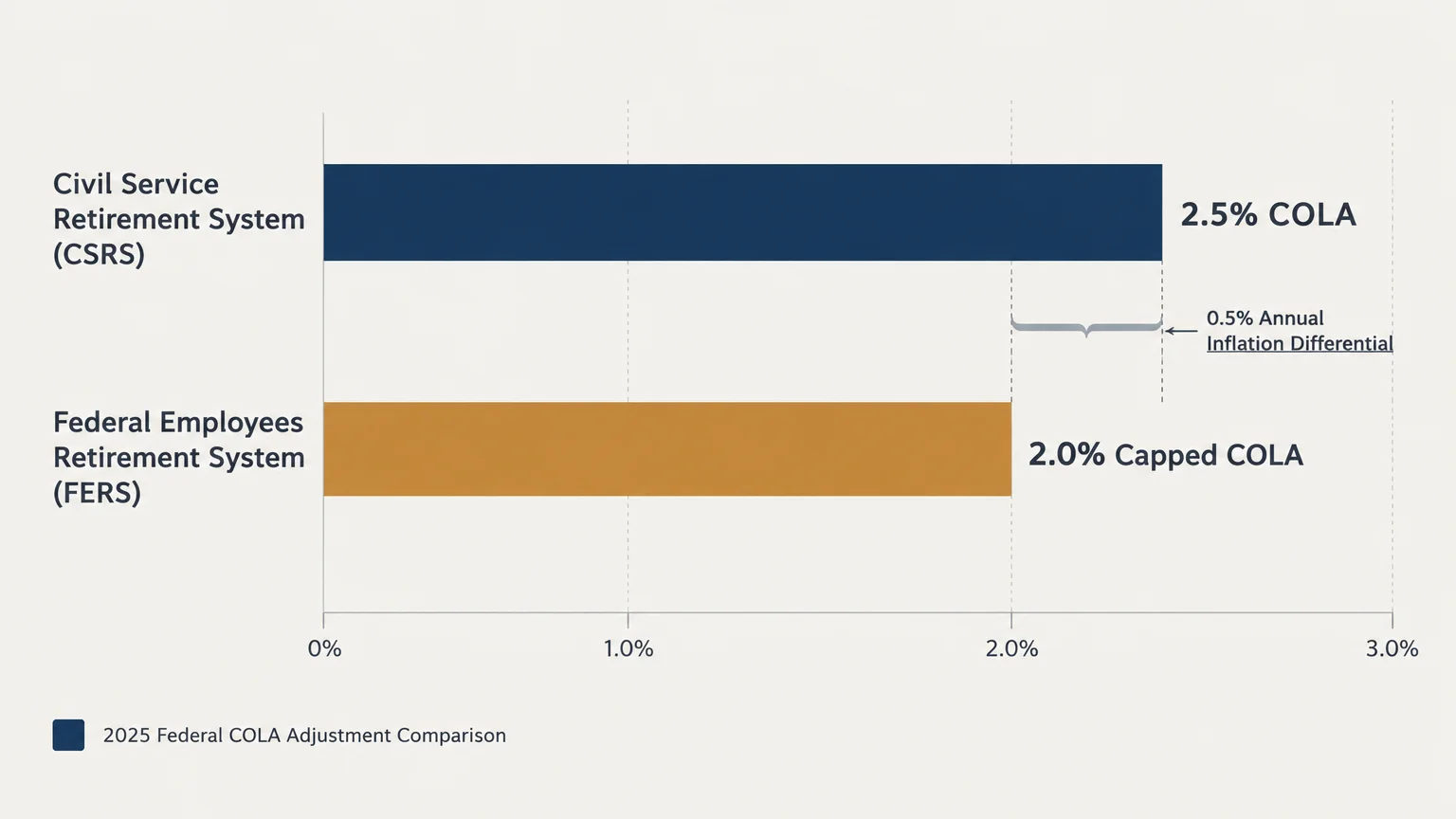
For 2025, Civil Service Retirement System pensions received a 2.5 percent adjustment, whereas FERS recipients received a capped 2.0 percent increase. This differential underscores why maximizing peripheral perks is crucial for safeguarding your lifestyle.
Federal employees often spend decades focused entirely on saving inside their Thrift Savings Plan. Consequently, they miss administrative rules that quietly unlock extra income and preserve personal capital.
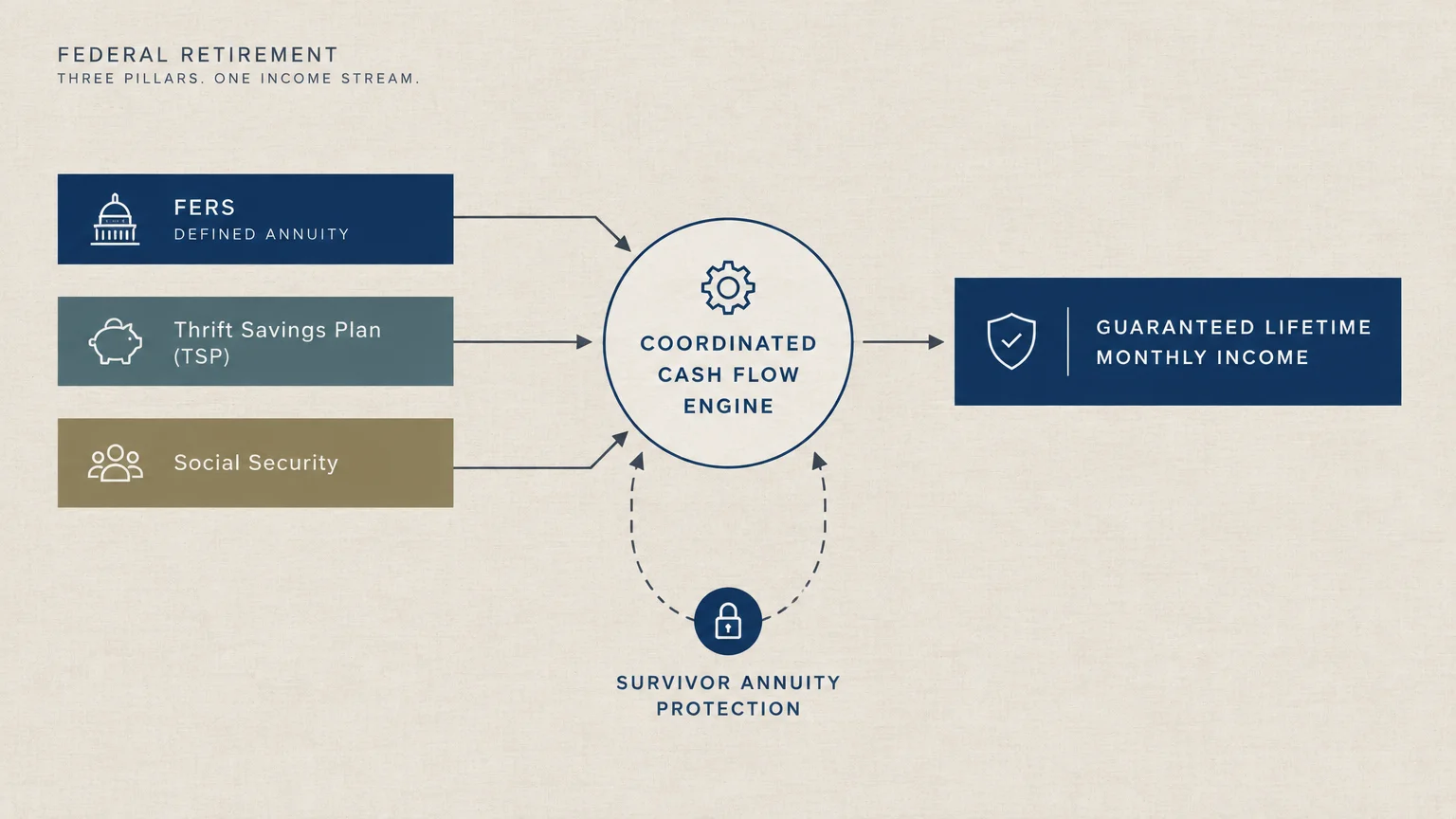
Building a resilient post-career strategy requires coordinating three core domains: income planning, health management, and lifestyle design. Addressing each area systematically ensures that no hard-earned federal dollar slips through the cracks.

Strategic Health and Wellness Advantages
Healthcare remains one of the largest expenditures in retirement, yet former federal employees enjoy unique advantages. Managing these options effectively keeps your lifetime medical costs surprisingly manageable.
1. The FEHB Government Premium Subsidy in Retirement
Many retirees assume that leaving active duty means paying private health insurance rates. In reality, the government maintains its substantial employer contribution long after you retire.
The federal government continues paying roughly 72 percent of your overall health insurance premium on average, up to a statutory 75 percent ceiling. Private sector employers rarely offer this level of continued post-career support.
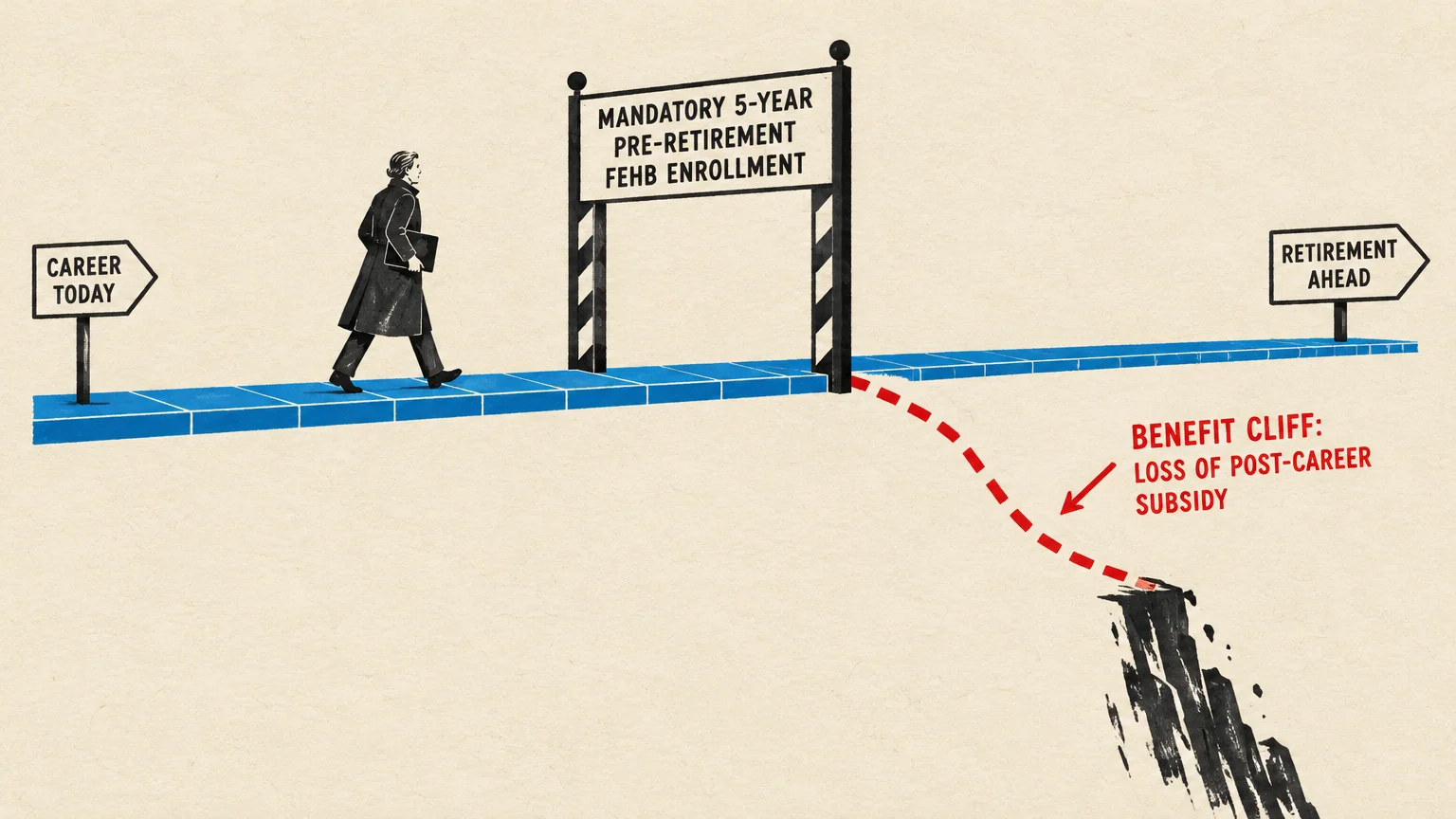
To secure this advantage, you must retire on an immediate annuity and satisfy the mandatory five-year enrollment rule. Review the official guidelines at the Office of Personnel Management to verify your coverage tenure.
Maintaining this coverage guarantees uninterrupted medical access for you and your eligible spouse across your lifetime. It also shields your family budget from the volatile pricing of individual private insurance markets.
2. Medicare Part B Reimbursements via FEHB Plans
Enrolling in Medicare Part B introduces a standard monthly premium that many retirees find burdensome. Fortunately, multiple federal health plans offer dedicated health reimbursement arrangements to offset this expense directly.
For example, the Blue Cross Blue Shield FEP Basic plan provides an annual reimbursement of up to $800 per eligible individual. Meanwhile, the GEHA High and Standard options reimburse up to $1,000 per person annually.
These reimbursements essentially turn required Medicare enrollment into a subsidized upgrade. By pairing both coverages, you eliminate most out-of-pocket copays and deductibles while recapturing significant cash.
3. Flexible FEDVIP Enrollment Without Prior Lock-In
Federal employees often believe that all health-related benefits require five consecutive years of pre-retirement participation. The Federal Employees Dental and Vision Insurance Program is completely exempt from that strict requirement.
Any immediate annuitant can join FEDVIP during the annual Federal Benefits Open Season, even if they never enrolled during active service. You retain full freedom to add, alter, or cancel coverage as your health needs evolve.
This flexibility allows you to defer dental or vision costs until you genuinely need extensive procedures. You avoid paying years of unneeded premiums while keeping future enrollment options wide open.
Maximizing Income Planning and Pension Wealth
Your pension annuity represents the foundation of your post-career security. Integrating special early retirement supplements and unused workplace credits can dramatically amplify that cash flow.
4. The FERS Special Retirement Supplement
If you separate under full retirement eligibility before turning 62, you do not have to wait for Social Security. The FERS Special Retirement Supplement bridges that income divide by approximating your earned Social Security benefit.
This payout serves federal workers retiring at their Minimum Retirement Age with 30 years of service, or at age 60 with 20 years. Payments arrive automatically each month until you turn age 62.
However, earnings limits apply if you accept post-retirement employment. For 2025, the Social Security Administration caps exempt earnings at $23,400, reducing your supplement by $1 for every $2 earned above that threshold.
“The FERS supplement provides tremendous freedom for early retirees, provided they monitor wage limits,” says CFP® professional David Ramirez. Ramirez advises tracking wage income quarterly to avoid unexpected clawbacks.
5. Unused Sick Leave Pension Crediting
You cannot cash out your unused sick leave when leaving federal service, but it never simply disappears. Instead, those accumulated hours convert directly into creditable service time for your pension annuity.
The federal calculation formula converts 2,087 sick leave hours into one full additional year of creditable service. Roughly 174 hours equals one extra month on your permanent annuity calculation.
While you cannot use sick leave to establish basic retirement eligibility, it permanently increases your gross monthly pension check. Carrying a significant balance into retirement creates an enduring, inflation-resistant income bonus.
6. Penalty-Free TSP Access Under the Rule of 55
Standard retirement rules penalize early withdrawals from tax-deferred accounts before age 59½. Federal employees, however, enjoy an advantageous exception through their Thrift Savings Plan.
Under Section 72(t) of the Internal Revenue Service tax code, separating from service during or after the calendar year you turn 55 waives early withdrawal penalties. Qualified public safety officers qualify even earlier, starting at age 50 or after 25 years of service.
This exemption lets you pull distributions directly from your Thrift Savings Plan without paying the customary 10 percent early penalty. You maintain vital liquidity without tying up assets until your late fifties.
Remember that transferring these funds into a traditional retail IRA terminates this rule. Keep your capital inside the TSP to preserve penalty-free access until you reach age 59½.

Lifestyle Perks and Protection Strategies
Effective retirement planning reaches far beyond balance sheets and tax returns. Meaningful federal advantages also encompass recreational leisure and zero-cost family protections.
7. Free FEGLI Basic Life Insurance at Age 65
Life insurance premiums frequently climb rapidly in retirement, prompting many seniors to drop their policies prematurely. Federal Employees’ Group Life Insurance offers an economical structure known as the 75 percent reduction election.
When you choose this election, premium deductions cease completely the month after you turn 65 or when you retire, whichever is later. Your coverage then declines by 2 percent monthly until stabilizing at 25 percent.
That residual 25 percent remains in force for the rest of your life at zero additional cost. It supplies a guaranteed, permanent final-expense benefit without draining your monthly pension.
8. Lifetime Federal Recreational Land Passes
Reconnecting with nature is a proven strategy for fostering physical and cognitive vitality throughout your retirement years. Former civil servants can tap into nationwide recreational savings created across our public lands.
Any U.S. citizen age 62 or older can purchase an America the Beautiful Senior Pass from the National Park Service for an $80 lifetime fee. An annual version is also available for just $20.
This pass grants unlimited day-use entry to over 2,000 federal recreation areas across the country. It also supplies up to a 50 percent discount on camping and amenity fees.
Dr. Elena Vance, a gerontologist specializing in healthy aging, stresses the value of outdoor immersion. “Regular outdoor physical activity boosts immune defense, reduces cognitive decline, and significantly elevates mental wellness,” Vance notes.
9. Organized Retiree Advocacy and Professional Discounts
Your federal connection does not end when you pack up your agency desk. Joining organizations like the National Active and Retired Federal Employees Association unlocks immense legislative protection and extensive commercial perks.
These associations negotiate discounted travel packages, group insurance enhancements, and specialized estate planning tools tailored to federal alumni. They also track congressional activity to defend your retirement entitlements.
“Joining a federal retiree community gave me practical guidance when navigating my annuity claims,” says retired budget analyst Marcus Hayes. “The travel savings alone covered my annual membership fee.”
Risks, Pitfalls, and Benefit Cliffs to Avoid
While federal benefits provide unmatched financial security, overlooking critical regulations can create costly consequences. Staying alert prevents sudden coverage loss and protects your accumulated wealth.
The most catastrophic error involves waiving survivor annuity benefits without understanding healthcare consequences. If you elect no survivor benefit and predecease your spouse, their FEHB health coverage terminates permanently upon your death.
Providing even a partial survivor benefit preserves lifetime FEHB access for your surviving partner. For couples relying on federal healthcare, this protection is absolutely non-negotiable.
Be wary of the FERS cost-of-living gap that occurs before age 62. Unless you qualify under special law enforcement or military categories, standard FERS pensions do not receive annual inflation increases until you turn 62.
Furthermore, beware of sophisticated financial scammers posing as official government personnel. Criminals frequently impersonate OPM representatives or TSP counselors through fraudulent text messages, urgent emails, and deceptive phone calls.
Never share your login credentials, Social Security number, or banking details with unsolicited callers. Government agencies always communicate sensitive administrative matters through verified postal mail or encrypted portals.
Frequently Asked Questions
Can I re-enroll in FEHB if I cancel it during retirement?
No, canceling your FEHB enrollment in retirement is almost always an irreversible decision. If you cancel coverage, you can never re-enroll in the program unless you suspended it specifically to join TRICARE or Medicare Advantage.
If you wish to lower your monthly costs, consider switching to an economical plan during Open Season rather than canceling entirely. Never drop your coverage without consulting an OPM counselor first.
Does my unused annual leave convert into retirement service time?
Unused annual leave does not convert into creditable service time for your pension annuity calculation. Instead, your employing agency issues a lump-sum cash payment for all accumulated annual leave upon retirement.
Only unused sick leave converts into creditable service to boost your permanent monthly pension payment. Plan your retirement date strategically to maximize both your lump-sum payout and service credits.
How does the FERS Annuity Supplement interact with part-time work?
The Special Retirement Supplement is strictly subject to the Social Security earnings test. If you earn more than $23,400 in wages in 2025, your supplement is reduced by $1 for every $2 earned above that cap.
Investment income, pension disbursements, and TSP withdrawals do not count toward this earnings ceiling. Only earned wages and net self-employment earnings trigger the supplement reduction.
Can I change my FEGLI reduction option after retirement?
You cannot increase your life insurance coverage or switch to a lower reduction percentage once your retirement claim processes. You may, however, reduce or cancel your coverage at any time by filing appropriate paperwork.
Choose your reduction option carefully during your initial retirement submission. Most retirees select the 75 percent reduction because it delivers permanent free coverage past age 65.
Taking Action on Your Federal Benefits
Your federal career represented a commitment to service, and your retirement benefits should reward that dedication fully. Proactive management turns administrative regulations into tangible personal prosperity.
Within the next 48 hours, log into your personal portal to review your current FEHB plan details. Check whether your existing policy provides a Medicare Part B reimbursement or if switching plans could immediately save you hundreds of dollars.
Taking that single concrete step sets your optimization strategy in motion. You earned every one of these advantages, and now is the time to claim them.