
Finding an affordable retirement town can protect your nest egg without forcing you to compromise on lifestyle. Daily expenses like groceries, utilities, and routine services quietly determine your financial comfort far more than big one-time purchases.
By choosing a community with low baseline living costs, you stretch every benefit check substantially further. This flexibility frees up your budget for family visits, travel, and personal hobbies.
This guide ranks thirty popular American destinations where everyday affordability meets high living standards. You will find practical locations that support your long-term independence and financial security.
Economic Trends Shaping Everyday Retirement Affordability
Navigating retirement finances requires understanding how national benchmarks affect your local spending power. Recent federal policy shifts have adjusted monthly income baselines and everyday healthcare expenses.
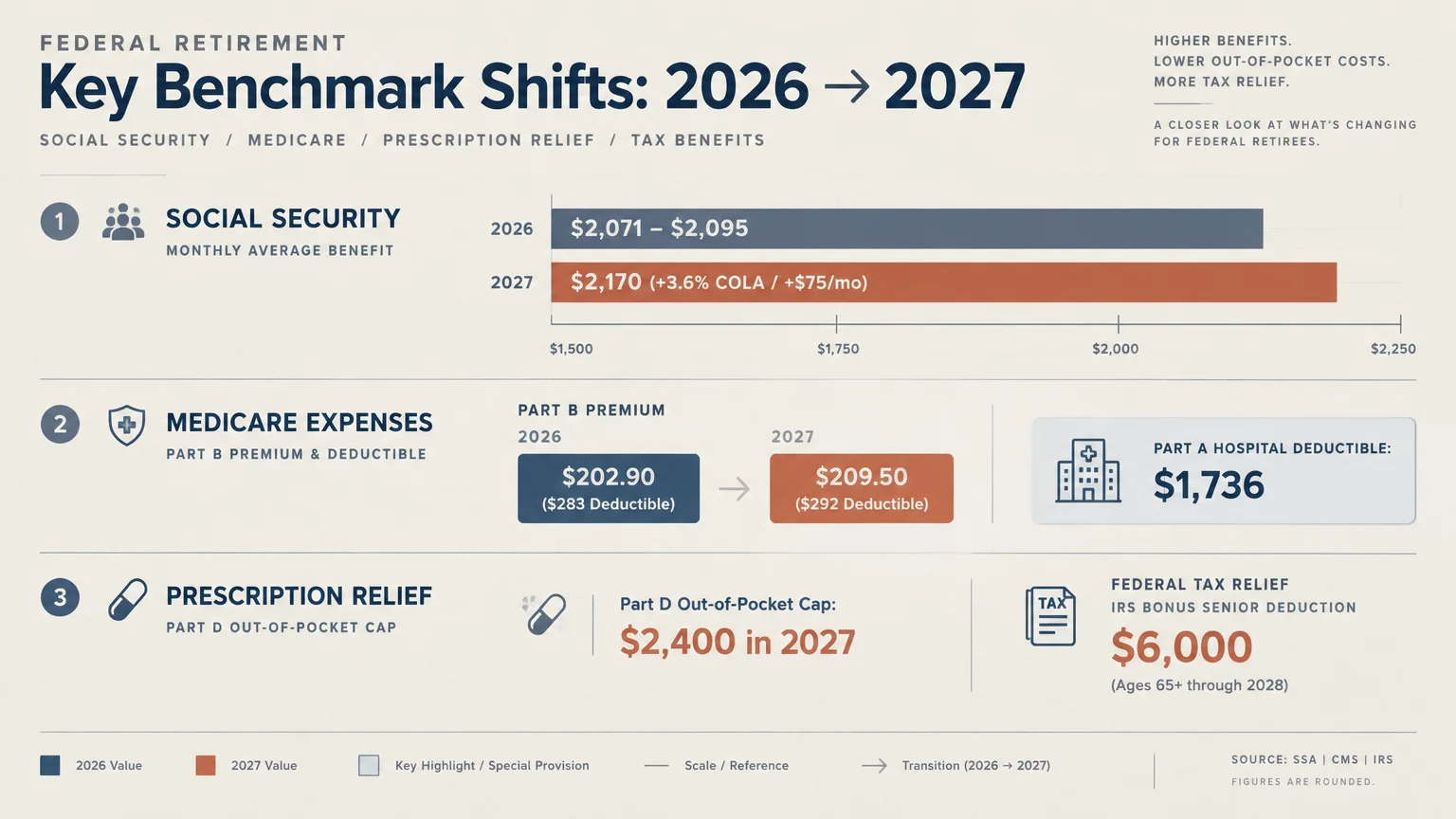
The Social Security Administration updates confirmed a 3.6% cost-of-living adjustment taking effect in January 2027. This change increases the average retired worker benefit by $75 per month to approximately $2,170.
In 2026, the average monthly benefit ranges between $2,071 and $2,095. While these bumps provide relief, rising everyday service costs still require defensive relocation planning.
Healthcare expenses remain a substantial portion of any retiree’s regular monthly budget. The official standard monthly Medicare Part B premium sits at $202.90 in 2026 with a $283 annual deductible.
Trustees project the 2027 Part B premium will rise to $209.50 alongside a $292 deductible. Inpatient hospital care under Medicare Part A carries a $1,736 deductible per benefit period in 2026.
Relief is expanding for prescription medications through Medicare program guidelines. The annual out-of-pocket cap on Part D prescription drugs rises to $2,400 in 2027.
The first ten Medicare-negotiated drug prices took effect in early 2026. An additional fifteen negotiated medications will provide lower retail costs starting in January 2027.
State tax codes also dictate how far your pension and investment withdrawals stretch each month. Only eight states still tax Social Security benefits in 2026: Colorado, Connecticut, Minnesota, Montana, New Mexico, Rhode Island, Utah, and Vermont.
Meanwhile, nine states charge no general personal income tax at all. These tax-friendly environments include Alaska, Florida, Nevada, New Hampshire, South Dakota, Tennessee, Texas, Washington, and Wyoming.
According to Internal Revenue Service rules, eligible seniors aged 65 and older can claim a temporary $6,000 bonus deduction under the One Big Beautiful Bill Act through 2028.
When you combine lower federal tax exposure with a low-cost municipal environment, your monthly savings compound quickly. This financial margin insulates your household from unexpected economic shocks.

Three Pillars for Maximizing Retirement Purchasing Power
Retirement security rests on three critical domains: income optimization, lifestyle architecture, and healthcare preparedness. Balancing these elements ensures you maintain autonomy regardless of regional inflation.
Pillar 1: Income Planning and Earnings Limits
First, optimize your income streams before committing to any interstate relocation. You must know your income sources and how local tax laws treat them.
If you work part-time before full retirement age, keep your 2026 earnings under the $24,480 annual threshold ($2,040 monthly). Exceeding this limit causes temporary reductions in your Social Security checks.
Understanding these thresholds allows you to supplement your lifestyle without triggering unexpected tax withholdings or benefit clawbacks. Coordinated income timing preserves your capital over decades.
Pillar 2: Everyday Household Cost Architecture
Second, evaluate lifestyle costs beyond real estate sticker prices. Modest municipal utility rates, competitive grocery markets, and low local sales taxes generate substantial recurring savings.
You should review municipal fees and transit accessibility before buying a property. Towns with walkability or local senior shuttles cut automotive expenses significantly.
Small recurring fees—like vehicle registration, water district charges, and county property surcharges—can quietly erode a tight budget. Analyzing these details early prevents buyer remorse.
Pillar 3: Healthcare Access and Pharmacy Optimization
Third, prioritize proximity to comprehensive healthcare facilities and pharmacy networks. A lower cost of living loses its value if you must travel hours for specialized clinical treatments.
Data from the Bureau of Labor Statistics consumer reports shows healthcare spending accelerates as retirees advance in age. Choosing towns with robust hospital networks prevents costly long-distance travel.
Always verify that local clinics accept your Medicare Advantage or Medigap plan before relocating. Confirming physician networks in advance protects you from out-of-network surprises.

30 Popular Retirement Towns Ranked by Everyday Affordability
To rank these thirty communities, analysts evaluated housing affordability, everyday living costs, local tax burdens, and healthcare access. Each destination offers a distinctive blend of value and comfortable senior living.
1. Midland, Michigan
Midland claims the top rank due to its exceptional overall value and cost-of-living index of 85.7 compared to the national baseline. The median home value sits at $206,176, while median rent averages $790 per month.
Retirees enjoy well-maintained public parks, cultural centers, and quality healthcare infrastructure. Everyday grocery prices and municipal utilities remain noticeably below national norms.
2. Homosassa Springs, Florida
Homosassa Springs pairs Gulf Coast outdoor recreation with impressive everyday affordability. The median home value is $219,352, and median monthly rent averages $864.
Florida exempts all personal income from state taxes, protecting your Social Security and retirement account distributions. Routine service costs and dining out remain budget-friendly for seniors.
3. Weirton, West Virginia
Weirton stands out as one of the most affordable housing markets in the entire nation. The community features a median home value of $124,681 and an average median rent of $548 monthly.
Its close proximity to the Pennsylvania border grants quick access to major healthcare networks. West Virginia has also phased out state taxes on Social Security benefits.
4. Altoona, Pennsylvania
Altoona provides scenic mountain living alongside an ultra-low median home value of $115,035. Median rent sits at just $665 per month, making it an exceptional haven for renters on fixed pensions.
Pennsylvania exempts retirement income and Social Security from state taxes. You will also find accessible local clinics and affordable farmers markets throughout the region.
5. Paducah, Kentucky
Paducah sits along the Ohio River, blending historic charm with low recurring household expenses. Housing costs remain well below national averages, and everyday grocery baskets are exceptionally competitive.
The city offers a vibrant arts district and reliable regional medical facilities. Seniors benefit from modest utility bills and accessible public recreation spaces along the water.
6. Owensboro, Kentucky
Owensboro delivers small-city convenience with strong community parks and cultural programming. Everyday retail pricing, healthcare visits, and property maintenance services remain very reasonable.
Housing options accommodate modest budgets whether you plan to purchase or rent. The local cost structure allows fixed-income seniors to preserve capital easily.
7. Columbus, Indiana
Columbus is renowned for world-class architecture, walkable neighborhoods, and dependable public services. The town offers manageable utility rates and practical housing developments for downsizing retirees.
Indiana features a straightforward flat tax structure and senior property tax deductions. Daily living necessities remain priced attractively for cost-conscious households.
8. South Bend, Indiana
South Bend pairs collegiate cultural events with everyday Midwest value. Retirees can access extensive medical networks associated with regional health systems without paying metropolitan prices.
Grocery costs, home insurance rates, and residential rents sit comfortably below the national average. Public transit options offer reliable mobility for aging residents.
9. San Angelo, Texas
San Angelo provides open Texas skies, historic river walks, and zero state income taxes. Housing prices sit below state averages, allowing retirees to stretch retirement account withdrawals.
The presence of Shannon Medical Center ensures reliable local healthcare. Everyday shopping and recreational fees remain accessible for fixed-income households.
10. Victoria, Texas
Victoria lies within easy driving distance of the Gulf Coast while maintaining affordable inland living costs. Texas levies no personal income tax, safeguarding your pensions and Social Security income.
Residential property values remain competitive compared to large urban centers. Everyday services, dining, and utilities offer dependable consistency for retiree budgets.
11. McAllen, Texas
McAllen consistently ranks among the most budget-friendly cities for groceries, health services, and household utilities. The warm climate reduces cold-weather heating bills substantially throughout the winter months.
Retirees benefit from an active bilingual culture and expansive healthcare networks. The city delivers exceptional purchasing power for households relying primarily on Social Security.
12. Edinburg, Texas
Edinburg shares the economic advantages of the Rio Grande Valley with low consumer goods prices. The presence of the university system brings cultural events and specialized medical care to town.
Housing costs remain remarkably low compared to national averages. Daily expenses like dining out, auto repairs, and wellness services rarely strain fixed finances.
13. El Paso, Texas
El Paso combines high desert sunshine with one of the lowest municipal cost profiles among major American cities. You avoid state income taxes while enjoying affordable residential real estate.
The city features extensive VA healthcare infrastructure and regional medical complexes. Local food staples and municipal utility rates provide daily savings for seniors.
14. Oklahoma City, Oklahoma
Oklahoma City offers major-metropolitan healthcare and entertainment at mid-market prices. The city maintains diverse housing stock, low utility costs, and affordable grocery distribution networks.
Senior tax exemptions help insulate older homeowners against severe property tax hikes. Reliable transit options and senior community programs enhance daily lifestyle value.
15. Green Valley, Arizona
Green Valley is an active adult haven situated south of Tucson. The median home price sits near $282,000, well below the national single-family median of $409,000.
Dozens of recreation centers provide golf, swimming, and fitness for a modest annual fee. The dry desert climate eliminates winter heating bills almost entirely.
16. Leesburg, Florida
Leesburg lets retirees live comfortably on a modest budget of $2,500 per month. The community offers access to the Harris Chain of Lakes and numerous 55-plus neighborhoods.
Florida charges no state income tax, preserving your retirement distributions. Everyday shopping and routine medical care are conveniently centered within town limits.
17. Spring Hill, Florida
Spring Hill sits on Florida’s Nature Coast, offering a median home value of $302,212 and median monthly rent of $1,129. It balances suburban amenities with easy access to coastal springs.
Retirees benefit from zero state income tax and competitive local grocery chains. Healthcare clinics and physical therapy providers are widely distributed throughout the area.
18. Palm Coast, Florida
Palm Coast provides coastal living without the exorbitant real estate costs found in South Florida. The city features miles of walking trails, golf courses, and saltwater canals.
Property taxes remain competitive, and Florida levies no tax on personal income. Local healthcare services have expanded steadily to accommodate active older adults.
19. Spring, Texas
Spring features a median home value of $249,404 and median rent of $1,328 monthly. Located just north of Houston, it provides rapid access to world-class medical facilities.
The lack of state personal income tax helps protect your pension checks. Local parks, botanical gardens, and shopping centers support an engaging retirement lifestyle.
20. Rio Rancho, New Mexico
Rio Rancho offers scenic views of the Sandia Mountains just outside Albuquerque. The median home value is $311,135, while median monthly rent averages $1,193.
Residents enjoy low property tax rates and reasonable municipal utility charges. The sunny high-desert climate supports year-round outdoor recreation without steep membership fees.
21. Lynchburg, Virginia
Lynchburg rests against the Blue Ridge foothills, delivering scenic historic living at reasonable rates. Everyday utility costs, groceries, and housing sit comfortably below the national average.
Centra Health provides comprehensive medical services across the region. The city offers walkable historic districts, educational lectures, and scenic nature paths.
22. Bismarck, North Dakota
Bismarck provides a stable economy with low overall living expenses and high community safety. The town features excellent regional medical centers that serve the broader state.
Energy costs remain affordable due to domestic power generation. Seniors enjoy reliable public libraries, community senior centers, and active volunteer networks.
23. Sioux Falls, South Dakota
Sioux Falls is an economic powerhouse with zero state personal income tax. The city houses two major competing hospital networks, keeping clinical access broad and competitive.
Everyday essentials, auto insurance, and dining options are reasonably priced. The city maintains clean public parks and accessible walking trails along the river.
24. Conroe, Texas
Conroe surrounds Lake Conroe, giving retirees access to boating and fishing on a budget. Rapid regional development has attracted extensive retail centers and medical clinics.
Texas imposes no personal income tax on distributions or pensions. Housing developments provide options for varied budgets without costly city center markups.
25. Pearland, Texas
Pearland offers quiet suburban living directly adjacent to the Texas Medical Center. Retirees secure convenient access to leading medical specialists without paying downtown Houston housing rates.
Zero state income tax keeps more cash in your retirement accounts. Local recreation centers offer subsidized fitness and enrichment courses for older residents.
26. League City, Texas
League City rests near Clear Lake and Galveston Bay, appealing to sailing and waterfront enthusiasts. The local economy provides moderate utility charges and dependable property values.
Seniors avoid state taxes on retirement withdrawals and Social Security checks. High-quality healthcare centers operate within minutes of most residential communities.
27. The Woodlands, Texas
The Woodlands is a master-planned community designed around extensive forested trails and commercial town centers. While home prices run higher, everyday value remains strong due to exceptional amenities.
Zero state income tax and top-tier hospital systems protect your physical and financial health. The walkable design can reduce your reliance on expensive driving.
28. Troy, Michigan
Troy offers safe suburban neighborhoods and excellent public infrastructure in metro Detroit. The community maintains reliable public services, well-funded libraries, and robust municipal senior programs.
Core living expenses match regional averages while providing quick access to advanced hospital systems. Michigan exempts Social Security benefits from state taxation.
29. San Antonio, Texas
San Antonio blends rich cultural heritage with budget-friendly everyday dining and groceries. The city hosts major military medical installations and extensive civilian healthcare networks.
Texas leaves Social Security and retirement accounts completely untaxed at the state level. Diverse housing pockets ensure affordable rentals and purchases across the metro area.
30. Lexington, Kentucky
Lexington provides rolling bluegrass countryside alongside university-tier cultural and medical resources. Healthcare access through UK HealthCare provides dependable specialized treatment options.
Everyday consumer prices and housing values remain below many comparable university communities. The town offers abundant outdoor parks and affordable continuing education opportunities.

Insights from Financial Planners and Gerontologists
Certified Financial Planner™ professionals urge clients to look past initial real estate prices when planning a move. The true cost of living encompasses insurance, local utility tariffs, and groceries.
A lower purchase price can be quickly erased by escalating property taxes or property insurance rates. You must calculate your total net outgoing cash flow before committing to a relocation.
Financial advisors emphasize checking municipal tax trends over the past five years. Sudden infrastructure bond approvals can unexpectedly increase local property tax bills.
Gerontologists emphasize that affordability also includes social and physical infrastructure. Communities with reliable sidewalks, senior centers, and public transport allow retirees to age in place safely.
Losing driving mobility in a car-dependent town creates unexpected transportation costs. Choosing communities with accessible local transit preserves your long-term independence and budget.
Aging specialists also recommend assessing how close you will be to supportive friends or family. Isolation often leads to paid care services that could otherwise be handled within a personal support network.
Retirees who have successfully relocated suggest renting for six months before buying a home. This trial period reveals real daily expenses like summer cooling costs and local healthcare wait times.

Risks and Safeguards When Relocating on a Budget
Relocating to an unfamiliar city introduces financial risks that can catch fixed-income households off guard. Property tax resets represent one of the most common budget surprises after purchasing a home.
In many states, property assessments jump to market value immediately after a purchase. You should contact the local county assessor to calculate your realistic future tax obligation.
Insurance volatility presents another major pitfall, especially in coastal regions prone to severe weather. Homeowners insurance rates in storm zones can outpace general inflation dramatically.
Reviewing AARP retirement resources can help you identify local utility rate trends and insurance averages. Always verify whether a neighborhood requires mandatory flood insurance before making an offer.
Beware of benefit cliffs if you receive state prescription support or property tax freezes. Moving across state lines resets your eligibility thresholds and can temporarily disrupt vital assistance.
Protect yourself against home improvement fraud when buying a property that requires remodeling. Always obtain multiple written estimates and verify contractor licenses through municipal building departments.
Finally, inspect homeowners association rules and reserve funds before buying in a managed community. Insolvent associations frequently levy sudden special assessments running into thousands of dollars.
Frequently Asked Questions About Affordable Retirement Towns
How do state income taxes affect my monthly retirement income?
State income taxes reduce the take-home value of your distributions from 401(k) accounts, traditional IRAs, and pensions. In 2026, nine states charge no personal income tax at all.
Furthermore, forty-two states now completely exempt Social Security payments from taxation. Living in a tax-friendly jurisdiction leaves more money in your monthly spending budget.
Does a low cost of living mean worse healthcare facilities?
Not necessarily, but access varies significantly between small towns and regional hubs. Many affordable towns in our ranking feature top regional hospital networks and university medical centers.
Before relocating, confirm that your current Medicare Advantage network or supplemental coverage includes local doctors. Check appointment wait times for primary care and specialty clinics.
How should I evaluate housing costs before moving?
Look beyond the listing price by calculating property taxes, special district fees, and homeowners insurance premiums. Contact utility providers to request average monthly electricity and water bills for the property.
Renting for several months in your target town gives you an accurate preview of everyday prices. This trial minimizes expensive moving regrets.
Can I work part-time in retirement without reducing my Social Security benefits?
If you have reached full retirement age, you can earn unlimited income without any reduction to your Social Security benefits. Different rules apply if you claim benefits early.
In 2026, working retirees under full retirement age can earn up to $24,480 annually ($2,040 monthly) before the Social Security earnings test reduces benefits.
Your Next Steps: A 48-Hour Affordability Audit
Taking control of your retirement expenses begins with one clear action today. You do not need to pack moving boxes to start improving your financial footing.
Within the next 48 hours, list your five largest recurring monthly expenses outside of housing. Compare these costs against regional averages in two towns from this ranking.
Review your latest Social Security statement and healthcare out-of-pocket spending to clarify your baseline needs. Taking this step grounds your future relocation decisions in real data.
Commit to this simple audit this weekend. Having clear figures gives you the confidence to design a secure, affordable retirement on your own terms.