
Retirement gives you the freedom to monetize your lifelong talents without the pressure of a forty-hour corporate grind. Starting a boutique venture can safeguard your finances while delivering genuine personal satisfaction.
Today, women own over 14.2 million American businesses, with solo ventures driving historic growth across every state. You can easily turn your favorite skills into steady revenue on your own schedule.
This guide explores twenty proven business ideas, essential 2026 tax standards, and simple launch strategies designed specifically for retired women.
The Rise of Senior Women Entrepreneurs
American entrepreneurship is experiencing a profound generational shift led by experienced women. Mature founders are launching creative ventures that prioritize autonomy, financial resilience, and personal fulfillment over aggressive corporate scaling.
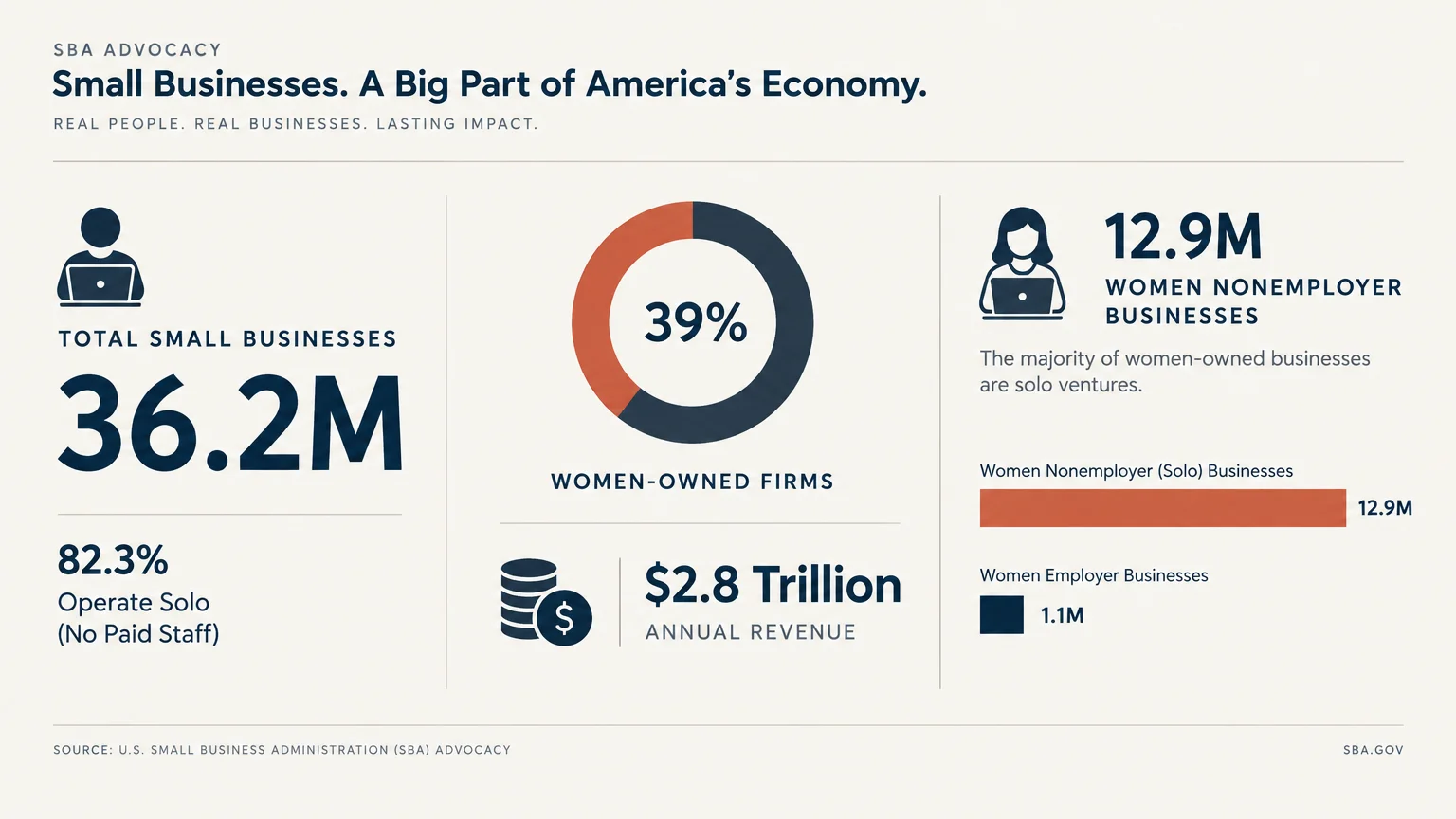
According to recent research from the SBA Office of Advocacy, there are 36.2 million small businesses in the United States. Remarkably, 82.3 percent of them operate as solo enterprises without any paid staff.
Women now own roughly 39 percent of all domestic firms, generating $2.8 trillion in annual revenue. Furthermore, women operate 12.9 million nonemployer businesses, proving that solo ventures remain the country’s most accessible path to business ownership.
Between 2022 and 2025, women started businesses at nearly double the rate of men. You possess a lifetime of professional competence, community connections, and creative resilience that gives you an immediate competitive advantage.
20 Practical Business Ideas for Retired Women
The best retirement businesses require minimal upfront capital and offer flexible schedules that protect your physical energy. Here are twenty fulfilling business models that you can launch directly from your home.
1. Independent Consulting and Corporate Mentorship
You spent decades mastering specialized industry practices, management techniques, and corporate problem-solving. Consulting allows you to sell strategic guidance to smaller organizations without taking on operational burdens.
You only need a reliable computer, video conferencing software, and an updated professional profile to begin. You can charge premium hourly advisory rates or negotiate monthly retainer packages with corporate clients.
2. Boutique Pet Sitting and Dog Walking
Working professionals and vacationing neighbors eagerly search for responsible, mature caregivers for their cherished pets. You can offer midday dog walking or host gentle companion animals in your home.
This business requires virtually zero startup capital and encourages gentle daily cardiovascular exercise. Word-of-mouth recommendations through neighborhood associations can quickly fill your weekly booking schedule.
3. Home Organization and Downsizing Specialist
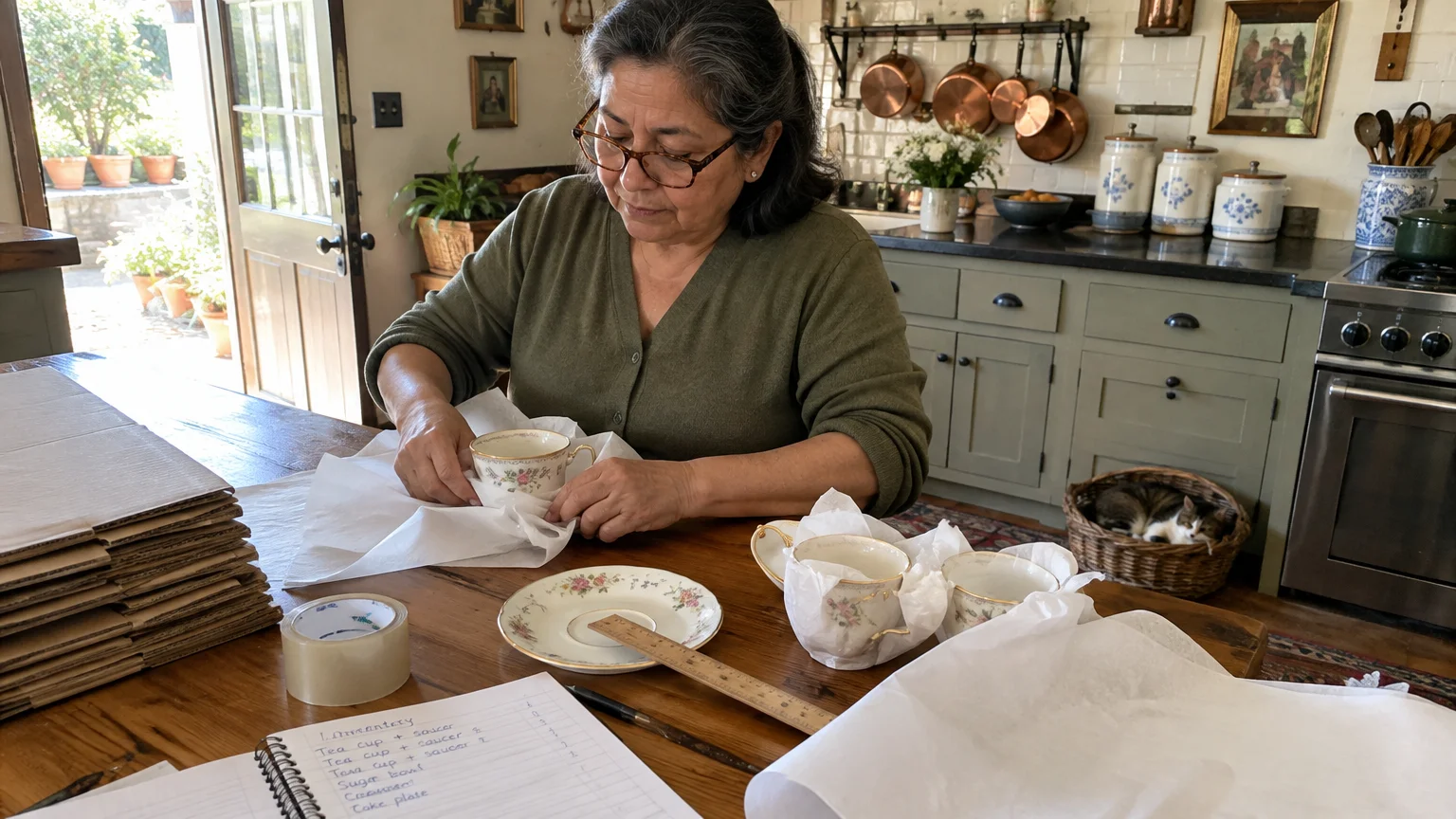
Aging homeowners often feel overwhelmed when moving into smaller residences or clearing decades of accumulated belongings. Your empathy and organizational talents can transform cluttered rooms into functional, peaceful living environments.
You can charge hourly rates while helping clients sort, sell, donate, or preserve treasured family possessions. This active role delivers profound emotional relief to local families during major life transitions.
4. Virtual Bookkeeping and Expense Tracking
Local contractors, medical practices, and boutique retailers frequently struggle to maintain accurate daily financial records. If you enjoy precision and possess basic math skills, bookkeeping delivers dependable, recurring monthly income.
Modern cloud accounting software enables you to manage invoices, balance ledgers, and reconcile receipts from home. Managing three or four regular clients requires only ten to fifteen hours each week.
5. Companion Services and Senior Concierge Care
Many older seniors want to remain in their homes but need assistance with grocery shopping, prescription pickups, and light errands. Non-medical concierge support provides vital community assistance without requiring clinical healthcare licenses.
Families gladly hire dependable mature adults who bring patience, warmth, and reliable judgment to their aging parents. You can set firm geographic boundaries to keep your driving distances short and manageable.
6. Handcrafted Goods and Artisan Crafts
Pouring botanical candles, making cold-process soaps, throwing pottery, or creating custom jewelry turns enjoyable artistic hobbies into income. You can sell your finished creations at local weekend markets or through dedicated digital storefronts.
Online marketplaces make collecting payments simple while you maintain full control over your production speed. Producing small batches protects your joints and ensures your creative craft remains genuinely fun.
7. Freelance Writing, Editing, and Proofreading
Magazines, corporate websites, trade journals, and digital publishers constantly require well-written articles, marketing copy, and polished manuscripts. If you love the written word, freelance writing allows you to earn income from anywhere.
You can establish your own working hours and accept only the assignments that interest you. Specializing in niche fields like healthcare, gardening, or financial literacy commands the highest project fees.
8. Plant Care and Container Garden Design
Condominium owners and busy professionals frequently want vibrant patio container gardens or healthy indoor houseplants. You can offer seasonal planting services, repotting assistance, and ongoing plant health consultations.
This business keeps your hands in the dirt and satisfies your botanical passions. You can charge flat design fees for custom planters alongside recurring fees for biweekly maintenance visits.
9. Specialty Baking and Micro-Catering
Artisanal sourdough loaves, decorative celebration cookies, and allergen-friendly pastries command premium prices at local events. Cottage food regulations in most states permit you to bake and sell shelf-stable goods from your kitchen.
Operating on a pre-order basis prevents costly ingredient waste and lets you schedule baking around your personal life. Neighborhood celebrations, bridal showers, and weekend markets provide steady customer demand throughout the year.
10. Online Tutoring and Conversational ESL
International professionals and young students eagerly look for patient native English speakers to improve their conversational fluency. You can teach conversational English, grammar, or academic subjects through video calls from your home desk.
You select your teaching calendar, eliminating commuting time entirely. Dedicated educational platforms manage student billing on your behalf so you can focus entirely on interactive lessons.
11. Travel Planning and Curated Group Retreats
Coordinating complex travel itineraries, river cruises, and specialized interest retreats requires meticulous organization and personal travel experience. You can design bespoke travel packages for church groups, family reunions, or solo senior travelers.
Host agencies provide travel booking credentials, software, and commission sharing without requiring massive capital reserves. You can even earn discounted travel accommodations while accompanying your groups on curated journeys.
12. Genealogist and Family History Archivist
Many families want to uncover their ancestry or preserve deteriorating family scrapbooks but lack the investigative know-how. If you enjoy historical detective work, genealogy services satisfy your intellectual curiosity while delivering deeply meaningful keepsakes.
You can compile digital family trees, locate obscure historical documents, and scan physical heirlooms. Most research takes place online through public archives, census records, and specialized genetic databases.
13. Virtual Assistant for Solo Entrepreneurs
Busy executives and independent consultants need dependable support to manage overflowing inboxes, coordinate calendars, and format digital documents. Working as a virtual assistant lets you provide high-level administrative support on negotiated terms.
You can complete client tasks in the morning and keep your afternoons completely free for your own pursuits. Your seasoned communication skills will immediately set you apart from less experienced administrative candidates.
14. Custom Garment Alterations and Quilting
Clothing alterations, formal dress mending, and custom memorial quilts remain timeless crafts that mass-market apparel chains cannot replicate. If you own a dependable sewing machine, you can run a profitable tailoring studio from home.
Local dry cleaners, bridal shops, and neighbors will happily send you steady alteration work. Crafting custom memory quilts from cherished family textiles commands significant artistic fees from sentimental clients.
15. Mobile Notary and Loan Signing Agent
Real estate deeds, living wills, powers of attorney, and medical directives require authorized official witnesses to prevent legal fraud. A mobile notary travels to banks, private residences, and healthcare facilities to verify identity and witness signatures.
Securing a state commission requires passing a background check, purchasing an official seal, and obtaining a surety bond. Specialized loan signing agents often earn substantial fees for completing a single real estate closing.
16. Estate Liquidation and Resale Curation
Settling an estate requires cataloging household goods, valuing antiques, staging items attractively, and marketing weekend liquidation sales. Your understanding of vintage goods and collector trends helps grieving families maximize the value of inherited assets.
Estate sale managers generally earn a percentage of total gross sale proceeds rather than charging flat fees. This active business combines interior styling, antique research, and weekend social interaction with eager shoppers.
17. Local Historic Walking Tours
If you love your hometown’s architecture, historical folklore, and culinary landmarks, consider launching a specialized walking tour. You can lead small groups through historic districts, botanical gardens, or celebrated neighborhood bakeries.
Hosting two or three morning tours each week provides invigorating outdoor exercise and community interaction. You can market your experiences through local historical societies, boutique hotels, and regional tourism websites.
18. Vacation Rental Co-Hosting
Many property investors own lucrative short-term rental homes but do not want to handle daily guest inquiries. As a local co-host, you coordinate cleaning crews, restock supplies, and handle guest communication during stays.
You earn a percentage of rental revenue without taking on mortgage debt or real estate ownership risks. You can manage guest messaging and calendar reservations entirely through smartphone applications.
19. Resume Writing and Interview Coaching
Modern job seekers often struggle to highlight their professional accomplishments on automated corporate application platforms. You can optimize resumes, write compelling cover letters, and conduct practice interview sessions over video calls.
Your professional experience gives you the insight needed to rebuild client confidence during career transitions. Bundling your guidance into structured three-part coaching packages ensures upfront payment and predictable workloads.
20. Voiceover Artistry and Audiobook Narration
Independent authors, documentary producers, and corporate training departments need articulate, warm voices to narrate digital audio content. Mature women offer the authoritative, comforting vocal tones that listeners love in educational courses and audiobooks.
You only need a quiet walk-in closet, a quality USB microphone, and basic audio recording software. You can audition for projects on online casting networks and record audio files at your convenience.
Pillar 1: Income Planning, Social Security, and Taxes
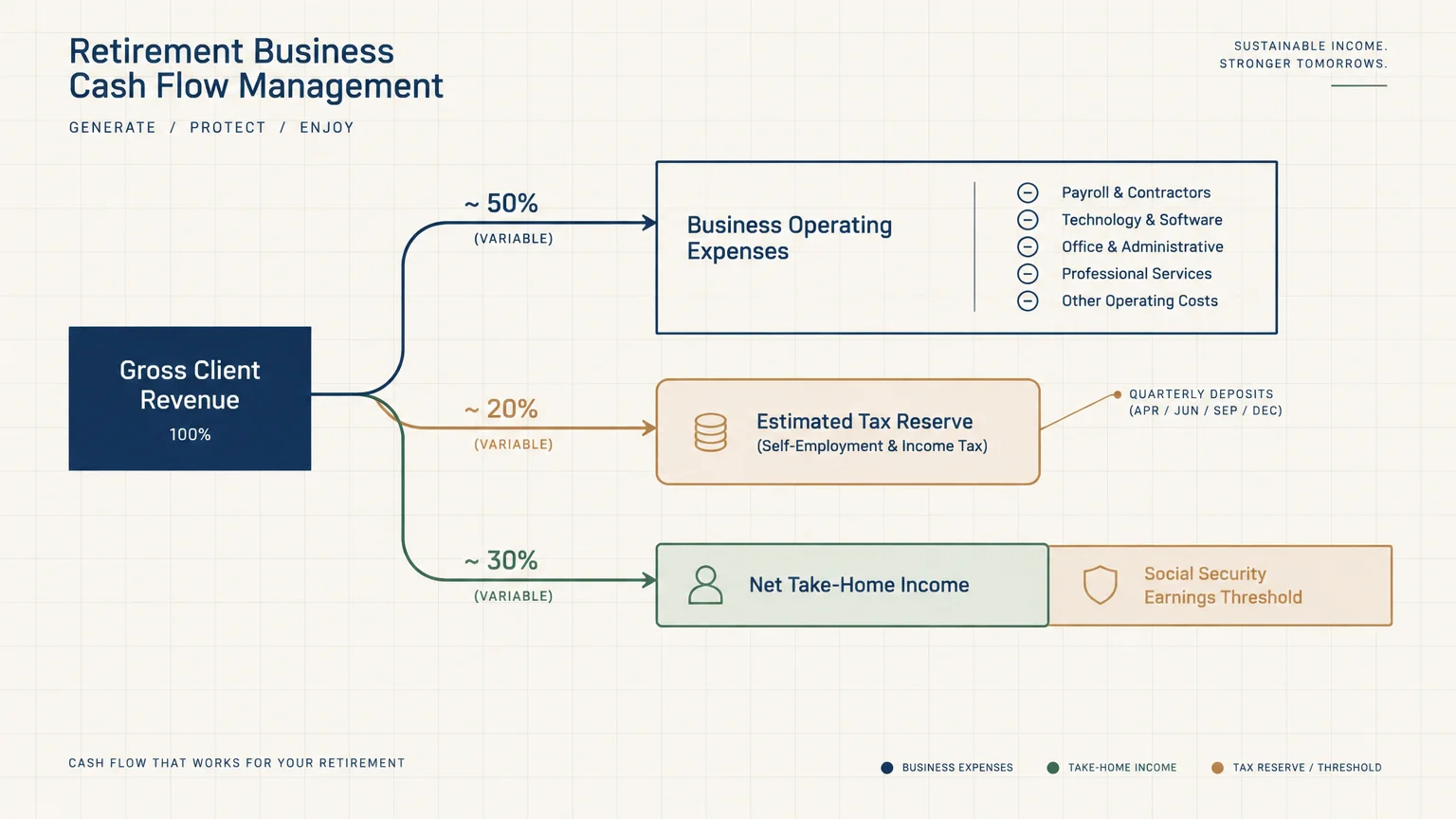
Earning independent business income requires proactive coordination with your federal retirement benefits. Understanding modern tax regulations ensures you keep more of your earnings while avoiding unexpected year-end surprises.
If you collect retirement benefits before full retirement age, you must monitor annual compensation caps. Under rules from the Social Security Administration, you can earn up to $24,480 in 2026 before benefit deductions begin.
If your net earnings exceed that threshold, the government withholds one dollar in benefits for every two dollars earned above the limit. In the year you reach full retirement age, that earning threshold rises to $65,160 before your birthday month.
Once you reach full retirement age, the earnings limit disappears entirely. You can earn unlimited income from your small business without forfeiting a single dollar of your earned monthly benefits.
If you launch your business mid-year, the special monthly earnings rule protects your income. You receive your full monthly benefit check if your net earnings remain below $2,040 and you work under forty-five hours.
Every small business owner must account for federal self-employment taxes. The Internal Revenue Service requires you to file a Schedule C and pay self-employment tax if your net profit reaches $400.
The self-employment tax rate is 15.3 percent, covering Medicare and Social Security up to the $184,500 wage base. Paying this tax can sometimes increase your lifetime average earnings, resulting in higher future Social Security payments.
Recent federal updates under the One Big Beautiful Bill Act simplify digital payment reporting for micro-businesses. Marketplaces like Etsy and PayPal only issue Form 1099-K if you exceed $20,000 in gross payments and 200 transactions.
Freelancers and independent consultants also benefit from modernized federal reporting rules. Corporate clients now issue a Form 1099-NEC only when your annual contract compensation reaches or exceeds $2,000.
Self-employment earnings also reopen valuable opportunities to save money in tax-advantaged accounts. You can contribute up to $8,600 to a Traditional or Roth IRA in 2026, which includes the $1,100 catch-up contribution for age fifty and older.
A Solo 401(k) allows business owners aged sixty-four and older to defer up to $32,500 in total employee contributions. If you are between ages sixty and sixty-three, special catch-up rules allow employee deferrals up to $35,750.
High-earning consultants can also establish a Simplified Employee Pension plan to shelter surplus income. A SEP IRA allows you to contribute up to 25 percent of net compensation, capped at $72,000 for 2026.

Pillar 2: Simple Business Setup and Legal Safeguards
Setting up your business structure properly protects your personal finances while keeping administrative burdens low. You can start simply as a sole proprietor and evolve your operational structure as your client base expands.
Forming a limited liability company separates your personal assets from your commercial obligations. This separation protects your home, retirement savings, and personal bank accounts from potential business disputes or customer liability claims.
Navigating federal business compliance has recently become much easier for domestic entrepreneurs. On August 11, 2026, the Financial Crimes Enforcement Network permanently exempted domestic companies from Beneficial Ownership Information reporting.
You do not need to complete complex federal ownership registries when creating an LLC for your retirement business. Beware of aggressive mailers demanding payment for federal ownership filings, as these letters are deceptive commercial scams.
Open a dedicated business checking account to keep all business revenues and expenses separate from personal funds. Maintaining clean accounting records simplifies your quarterly estimated tax filings and verifies your legitimate business tax deductions.
Pillar 3: Designing for Health, Mobility, and Longevity
A successful retirement business should enhance your physical health and mental vitality rather than create exhausting pressure. You must build operational boundaries that respect your personal energy and physical comfort.
Peer-reviewed research in gerontology confirms that self-directed micro-businesses stimulate cognitive sharpness and reduce late-life social isolation. Structured commercial activities provide healthy intellectual purpose that enriches your daily retirement experience.
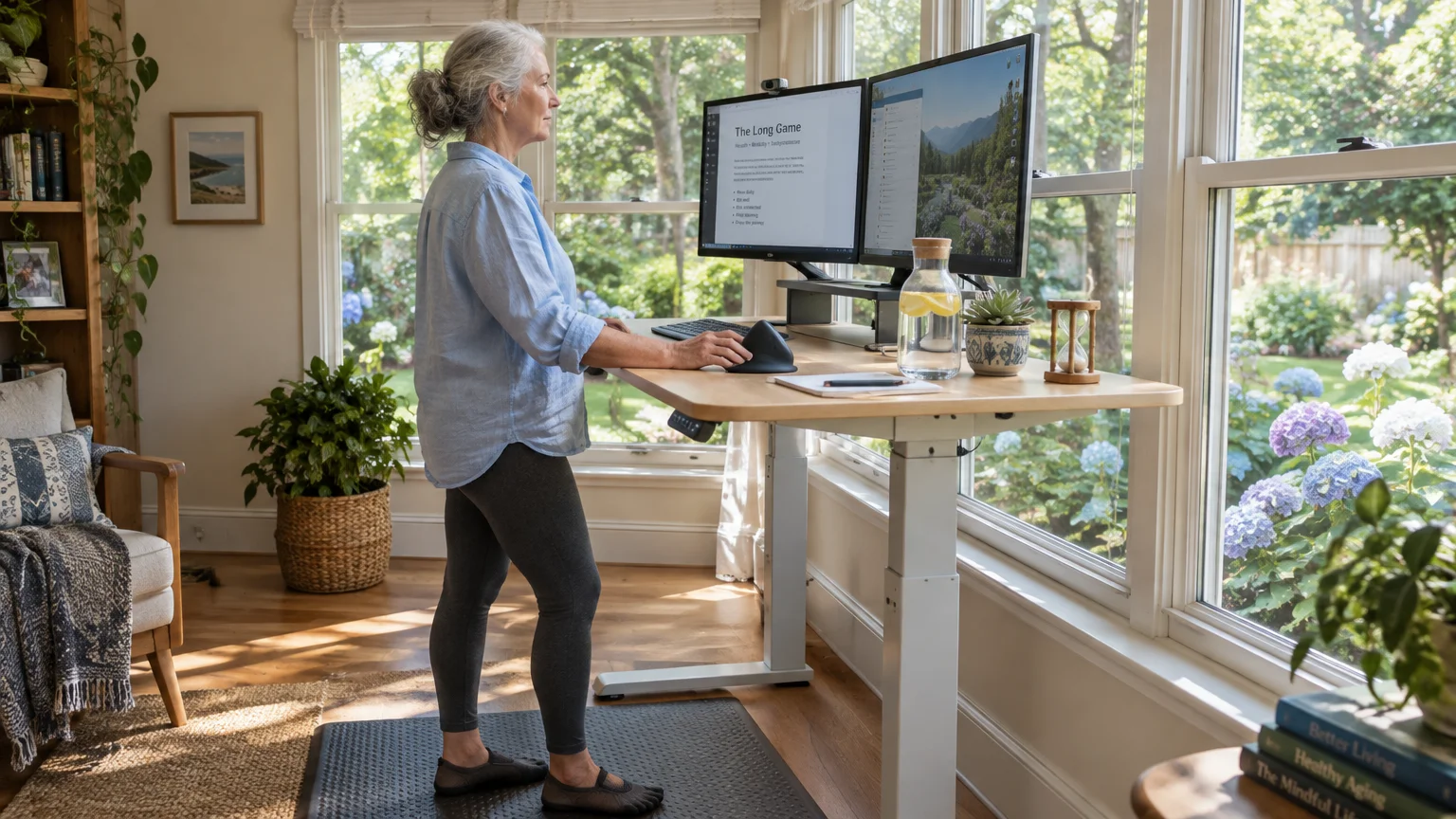
Protect your posture by investing in an ergonomic desk chair, balanced room lighting, and supportive footwear. Using modern voice-to-text dictation tools helps minimize repetitive strain on your wrists and fingers during writing sessions.
Limit your client work to specific days each week so your business never crowds out your private life. Setting clear working hours leaves plenty of uninterrupted time for your grandchildren, daily fitness routines, and personal travel.

Expert Voices on Retirement Entrepreneurship
Financial planners emphasize that retirement businesses should focus on steady cash flow rather than risky equity growth. A modest business profit can cover rising grocery bills and property taxes without draining your primary nest egg.
Marcia Henderson, a Certified Financial Planner, advises retired women to reinvest early business profits cautiously. She recommends building a dedicated commercial reserve before spending funds on complex marketing agencies or expensive machinery.
Gerontologist Dr. Elena Ramirez points out that social connection represents a major hidden dividend of mature entrepreneurship. Interacting with varied clients and community members provides intellectual engagement that protects emotional well-being as you age.
Risks and Financial Guardrails to Watch
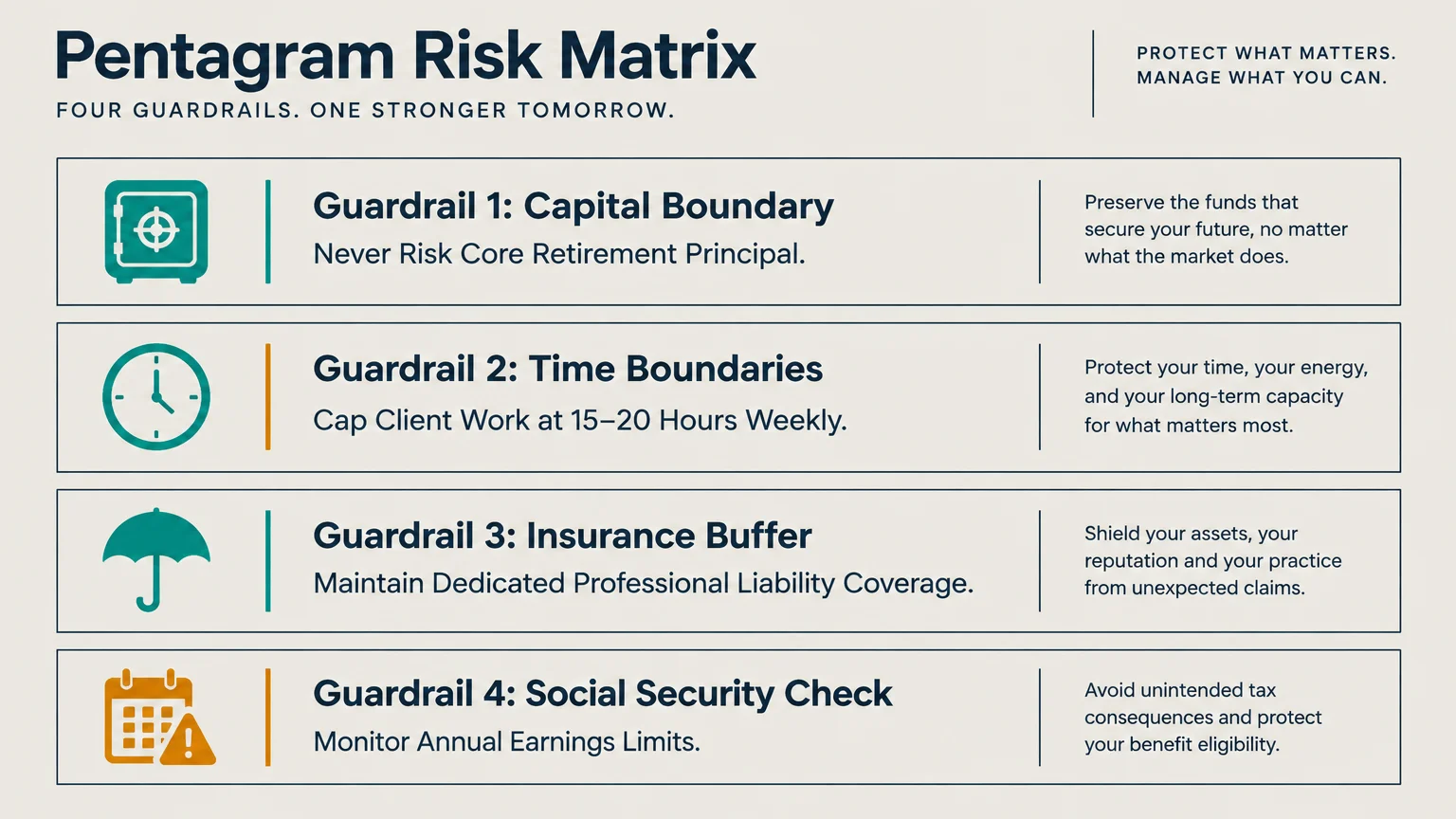
While launching a retirement business offers exciting rewards, you must guard against specific financial pitfalls that threaten retirees. Monitoring your adjusted gross income prevents unwanted surprises regarding your healthcare costs.
Substantial business profits can push your taxable income above federal Income-Related Monthly Adjustment Amount thresholds. If your income crosses these markers, your Medicare Part B and Part D monthly premiums will increase automatically.
Watch out for deceptive commercial solicitations that target newly registered business owners. Fraudulent companies often send official-looking invoices demanding hundreds of dollars for mandatory corporate posters or directory listings.
Establishing firm boundaries with your clients prevents professional burnout. Define your exact delivery timelines in simple written contracts to protect your schedule and preserve your peace of mind.
According to advocacy guidance published by AARP, older founders should avoid pledging personal retirement assets as collateral for business debt. Building your company through lean, organic cash flow keeps your core financial security completely safe.
Frequently Asked Questions
Will starting a small business reduce my Social Security benefits?
Your benefits will only be reduced if you claim benefits before full retirement age and earn above $24,480 in 2026. Once you reach your full retirement age, you can earn unlimited income without any benefit withholdings.
Do I have to pay self-employment tax if I am already enrolled in Medicare?
Yes, all business owners must pay the 15.3 percent self-employment tax if their annual net earnings equal or exceed $400. Paying these taxes fulfills federal statutory requirements and can sometimes increase your future monthly Social Security checks.
What legal structure works best for a low-risk home business?
Most retirees begin as sole proprietors because it requires zero formation paperwork and uses your standard tax return. If you want liability protection against lawsuits, forming a state limited liability company provides excellent personal asset defense.
How do payment platforms handle tax reporting for small sellers?
Under current rules, platforms like PayPal and Etsy only send Form 1099-K if you exceed $20,000 in gross sales and 200 transactions. You must still report all net business profits to the government regardless of whether you receive tax forms.
Your 48-Hour Launch Plan
You do not need an elaborate business plan or outside investment capital to start your retirement business. Take one concrete step within the next 48 hours to turn your favorite skill into an enjoyable commercial enterprise.
Write down three practical services you can offer neighbors, or inventory your craft supplies to calculate project costs. Small, purposeful actions build real momentum and open an exciting, profitable new chapter in your retirement.