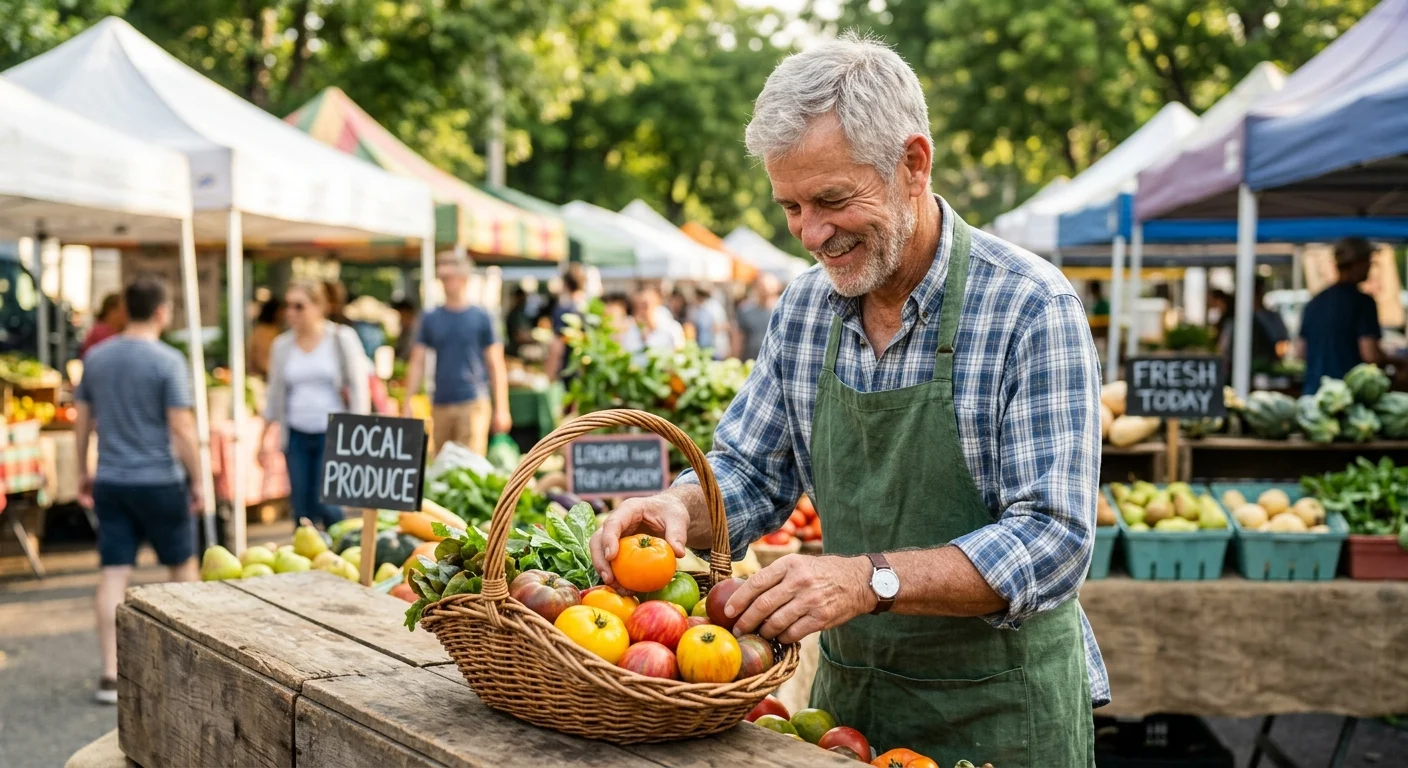
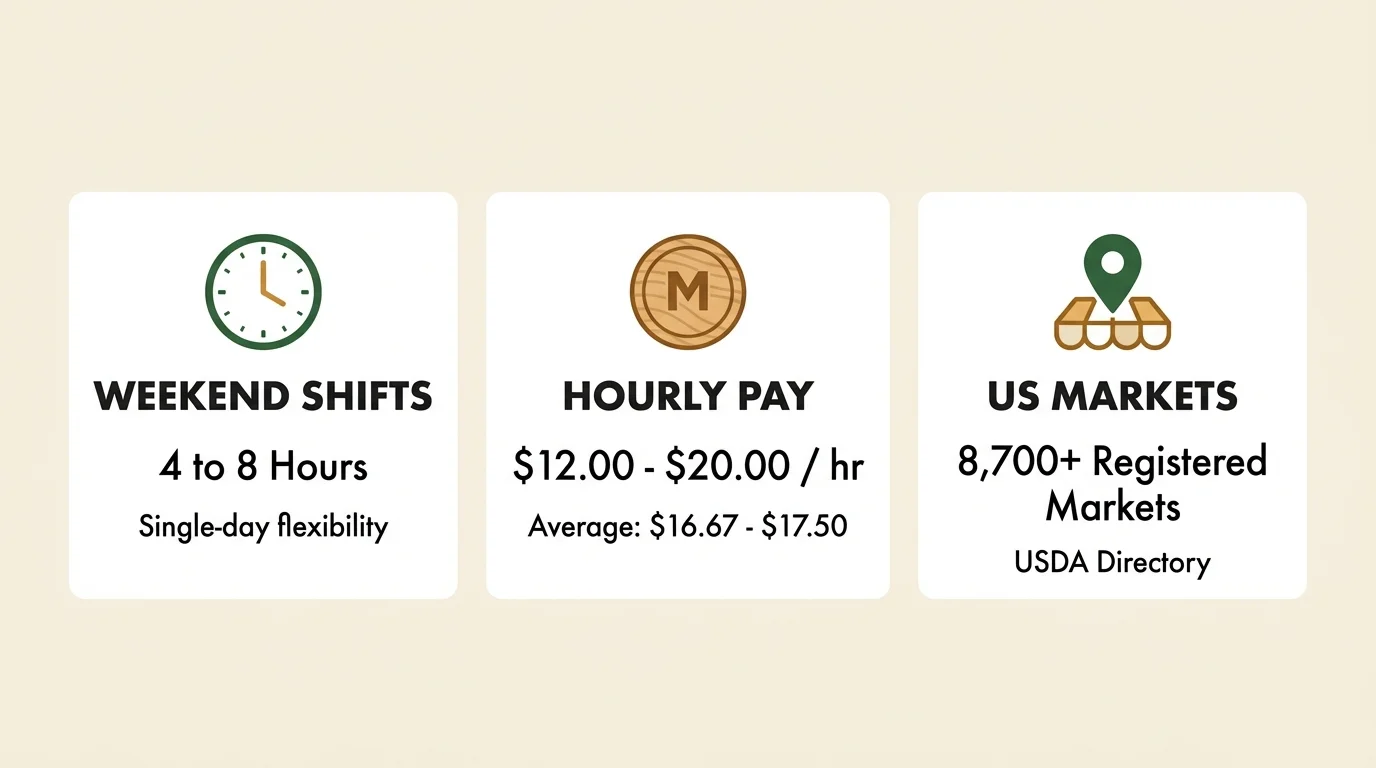
Working at a local farmers market delivers steady income, energetic community connection, and purposeful physical activity without locking you into a rigid corporate schedule. With over 8,700 registered markets across the United States, local producers and market managers actively seek dependable older adults who bring reliability, customer service skills, and genuine enthusiasm to weekend stalls. Most market roles pay between $12.00 and $20.00 per hour, typically organized into flexible single-day shifts lasting four to eight hours. Whether you want to boost your discretionary travel fund, offset grocery inflation, or stay socially engaged during your retirement years, market work provides a customizable balance of earning power and outdoor lifestyle enjoyment.
Why Farmers Markets Offer the Ideal Retirement Encore Career
The modern retirement experience looks remarkably different from past decades. Rather than stepping away from the workforce entirely, millions of retirees now choose phased retirement or flexible part-time work that aligns with personal values and community life. According to directory data from the USDA Agricultural Marketing Service, more than 8,700 registered farmers markets operate across cities, suburbs, and rural towns nationwide. These outdoor hubs run on seasonal labor, making them natural landing spots for older adults seeking low-stress employment with flexible weekly commitments.
Part-time market roles offer clear advantages over standard retail or desk positions. Most markets operate on weekend mornings and early afternoons, allowing you to complete a single four- to eight-hour shift and have your entire week free for personal pursuits. National hourly wages range from $12.00 to $20.00 per hour, averaging between $16.67 and $17.50 per hour depending on region and responsibilities. Beyond supplemental income, working outdoors around fresh produce fosters mental wellness, delivers low-impact cardiovascular exercise, and creates meaningful local friendships.
7 Rewarding Farmers Market Jobs for Older Adults
Farmers markets rely on a diverse operational team to function smoothly every week. From customer-facing sales to behind-the-scenes coordination, these seven part-time roles match various physical abilities, interests, and professional backgrounds.
1. Farm Booth Sales Associate
Booth sales associates serve as the public face of family farms and regional growers. In this role, you arrange displays of seasonal vegetables, restock produce bins, answer shopper questions about crop varieties, and process payments using mobile card readers. Small-scale farmers often lack staff to attend multiple weekend markets simultaneously; they hire dependable retirees to run satellite stands on their behalf. This job requires moderate standing and light lifting, but it provides high social interaction, steady wages, and the frequent perk of free surplus organic produce at closing time.
2. Information Booth and Currency Token Coordinator
If you prefer a seated position with minimal physical strain, the central market information table provides an exceptional fit. Market managers hire coordinators to answer visitor inquiries, distribute vendor maps, resolve logistical questions, and manage electronic market currency. A major duty involves swiping debit and nutrition assistance cards to dispense wooden tokens. You directly assist low-income seniors and families participating in SNAP/EBT and the federal Senior Farmers Market Nutrition Program. This role emphasizes administrative precision, cash reconciliation, and patient customer care in a sheltered booth.
3. Artisan Food and Bakery Vendor Assistant
Independent specialty food producers—including sourdough bakers, cheesemakers, jam makers, and local beekeepers—need energetic helpers to manage morning customer lines. As an artisan vendor assistant, you package baked goods, offer hygienic product samples, explain recipe ingredients, and process checkout transactions. These positions involve lighter physical lifting than raw vegetable booths, though you remain active during rush periods. If you love food and enjoy sharing culinary ideas with shoppers, representing a local specialty maker offers engaging work surrounded by artisanal goods.
4. Market Logistics, Setup, and Greeter Assistant
Market management associations employ part-time event staff to coordinate grounds before, during, and after operational hours. Early-morning duties include placing traffic cones, erecting safety signage, directing vendor parking, and setting up waste stations. Once opening bells ring, duties transition to welcoming shoppers at entrance gates, counting hourly foot traffic, and maintaining site cleanliness. After closing, staff help verify vendor cleanup and stow equipment. This position suits early risers who enjoy active tasks, fresh morning air, and community hospitality.
5. Plant Nursery and Cut-Flower Specialist
Greenhouse growers, native plant nurseries, and cut-flower farms represent some of the most vibrant stalls at any market. As a floral or nursery assistant, you help customers select garden perennials, recommend patio herbs, wrap floral bouquets, and explain sunlight needs. If you spent years cultivating home gardens or master gardener skills, this position allows you to share botanical knowledge while mentoring local growers. The work involves gentle watering, plant trimming, and continuous customer conversation in an aromatic outdoor setting.
6. Educational Workshop Lead and Activity Host
Many community markets host weekly educational programming to attract families. Markets hire retired educators, county extension volunteers, or creative hobbyists to host children’s craft booths, coordinate seasonal scavenger hunts, organize chef cooking demonstrations, or lead workshops on composting and backyard pollinators. These positions feature brief, structured shifts—often two to four hours—and focus entirely on public speaking, interactive learning, and community engagement rather than sales or heavy physical labor.
7. Independent Cottage Food or Craft Micro-Vendor
Rather than working for another farm, you can turn a culinary or crafting hobby into your own micro-enterprise. Most states maintain cottage food laws allowing individuals to prepare and sell non-hazardous shelf-stable goods—such as sourdough loaves, fruit jams, cookies, or spice blends—directly to consumers without commercial kitchen licenses. Alternatively, you can sell handmade woodworking, knitwear, or candles. While running your own stall requires upfront effort, it gives you complete autonomy over your schedule, inventory, and profit margins.
Navigating the Financial Blueprint: Taxes and Social Security
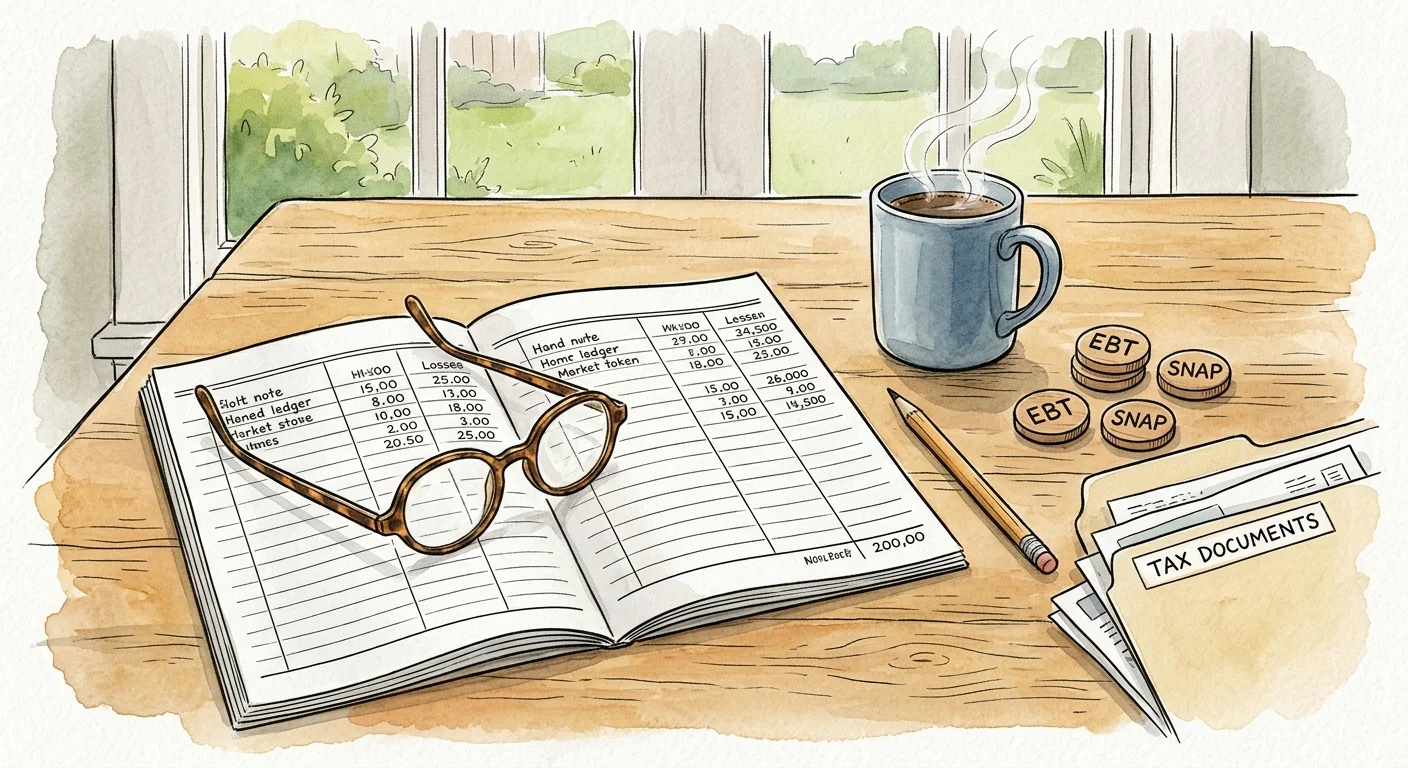
Earning extra cash in retirement requires understanding federal tax regulations and benefit formulas. If you collect Social Security benefits before your Full Retirement Age (FRA), market earnings remain subject to the annual retirement earnings test administered by the Social Security Administration. In 2025, the earnings limit is $23,400 per year ($1,950 per month); in 2026, this threshold rises to $24,480 per year ($2,040 per month). The agency temporarily withholds $1 in benefits for every $2 earned above the cap. In the calendar year you reach FRA, higher limits apply ($62,160 in 2025 and $65,160 in 2026), withholding $1 for every $3 over the mark until your birthday month. Once you attain full retirement age, earnings caps disappear entirely.
Tax filing obligations also depend on your employment structure. When you work directly as an employee for a farm or market board, you receive a Form W-2 with standard payroll deductions. If you work as an independent contractor or launch your own booth, you will receive a Form 1099-NEC or track gross receipts manually. The Internal Revenue Service requires anyone with net self-employment earnings exceeding $400 in a tax year to file Schedule SE and pay self-employment taxes (15.3%). Certified Financial Planner™ professionals advise tracking direct mileage, equipment, and stall fee expenses to offset taxable self-employment revenue.
Health, Ergonomics, and Lifestyle Safeguards
Outdoor market employment delivers proven physical and cognitive advantages, but working on hard surfaces under morning sun demands sensible self-care. Gerontologists emphasize that purposeful movement and regular social conversation provide protective cognitive benefits that combat isolation and physical stiffness. However, you must protect your joints and energy levels with good ergonomic habits.
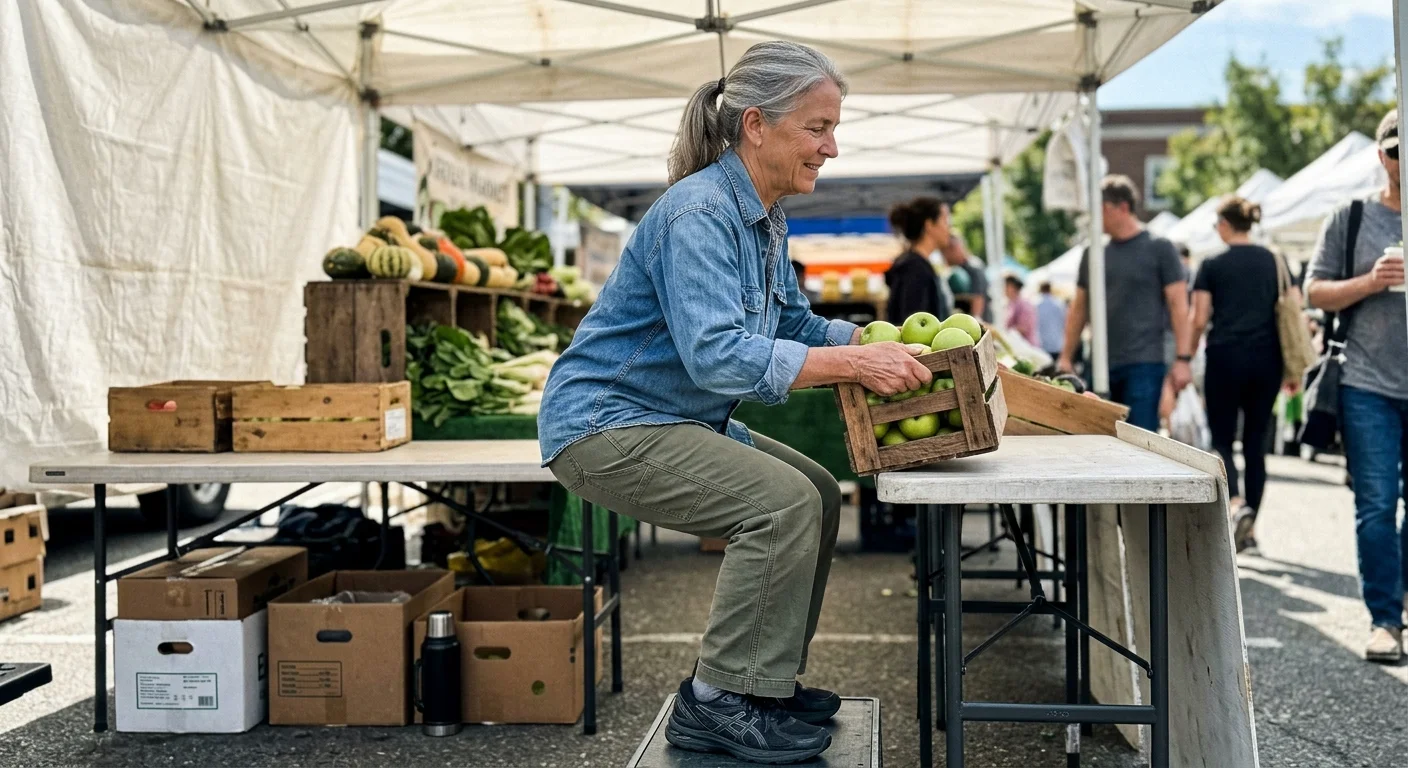
Wear supportive shoes with arch support, and request an anti-fatigue mat if standing on asphalt. Keep an insulated water bottle handy to maintain hydration during summer shifts. Wear broad-spectrum sunscreen, wide-brimmed hats, and UV-protective clothing under open canopies. When lifting produce crates or display tables, bend at your knees and request assistance with heavy items. Communicating your physical comfort boundaries clearly with your vendor ensures a sustainable, injury-free routine that energizes your retirement.
Frequently Asked Questions
How do I find seasonal farmers market job openings in my local area?
Visit your nearest market during operating hours. Walk through the stalls toward the end of the day when crowds thin, introduce yourself to farm stand owners, and ask about seasonal assistant needs. You can also speak with the market manager at the central information booth or check municipal agriculture and community association job boards each spring.
Will working at a farmers market increase my Medicare premiums?
For most retirees working 5 to 15 hours weekly at typical market rates ($12 to $20 per hour), seasonal earnings will not trigger Medicare’s Income-Related Monthly Adjustment Amount (IRMAA). IRMAA surcharges only apply if modified adjusted gross income exceeds high statutory thresholds ($106,000 for single filers or $212,000 for joint filers in 2025). Project your total combined income to ensure you remain safely below surcharge levels.
Can I work at a farmers market if I have limited physical mobility?
Yes, several market roles accommodate limited mobility. Information booth attendants, SNAP/EBT token coordinators, and greeters perform core duties while seated under shaded tents. Many specialty food and artisan vendors also provide tall stools for cashiers who handle checkout tablets and digital payments.
How do market vendors typically pay assistants, and are tips common?
Most established farm businesses and non-profit market boards pay biweekly via direct deposit or formal payroll checks with standard tax withholdings. Smaller artisan vendors may issue checks on a contract basis. While tips are rare at raw produce stands, bakery and prepared-food booths often collect digital tips, which owners share among hourly workers.
Take Your First Step This Weekend
Stepping into an engaging retirement role does not require complicated resumes or months of searching. Take one simple, actionable step in the next 48 hours: locate your nearest weekend farmers market, arrive before the peak rush, and strike up a conversation with two booth operators or the market director. Inquire about their seasonal helper needs, describe your availability, and explain how your dependable background can support their operations. Combining fresh air, social connection, and supplemental cash flow, farmers market employment offers an enjoyable way to enrich your weekly routine.