
Thousands of dollars in unclaimed refunds slip away from American retirees every year simply because people assume leaving the workforce ends their financial interaction with the government. You can reclaim this missing money today by auditing past withholdings, recalculating recent life changes, and searching state ledgers.
A lower income in retirement does not eliminate the taxes withheld from your pension checks or distributions. Understanding your filing options lets you turn forgotten paperwork into substantial cash injections for your household budget.
Take charge of your money by identifying the seven most common refunds seniors overlook each season.
Snapshot: Today’s Retirement Policy Landscape and IRS Directives
Recent shifts in tax policy have fundamentally changed how retirees interact with federal agencies. Keeping pace with these modifications helps you preserve capital and avoid unnecessary payment delays.
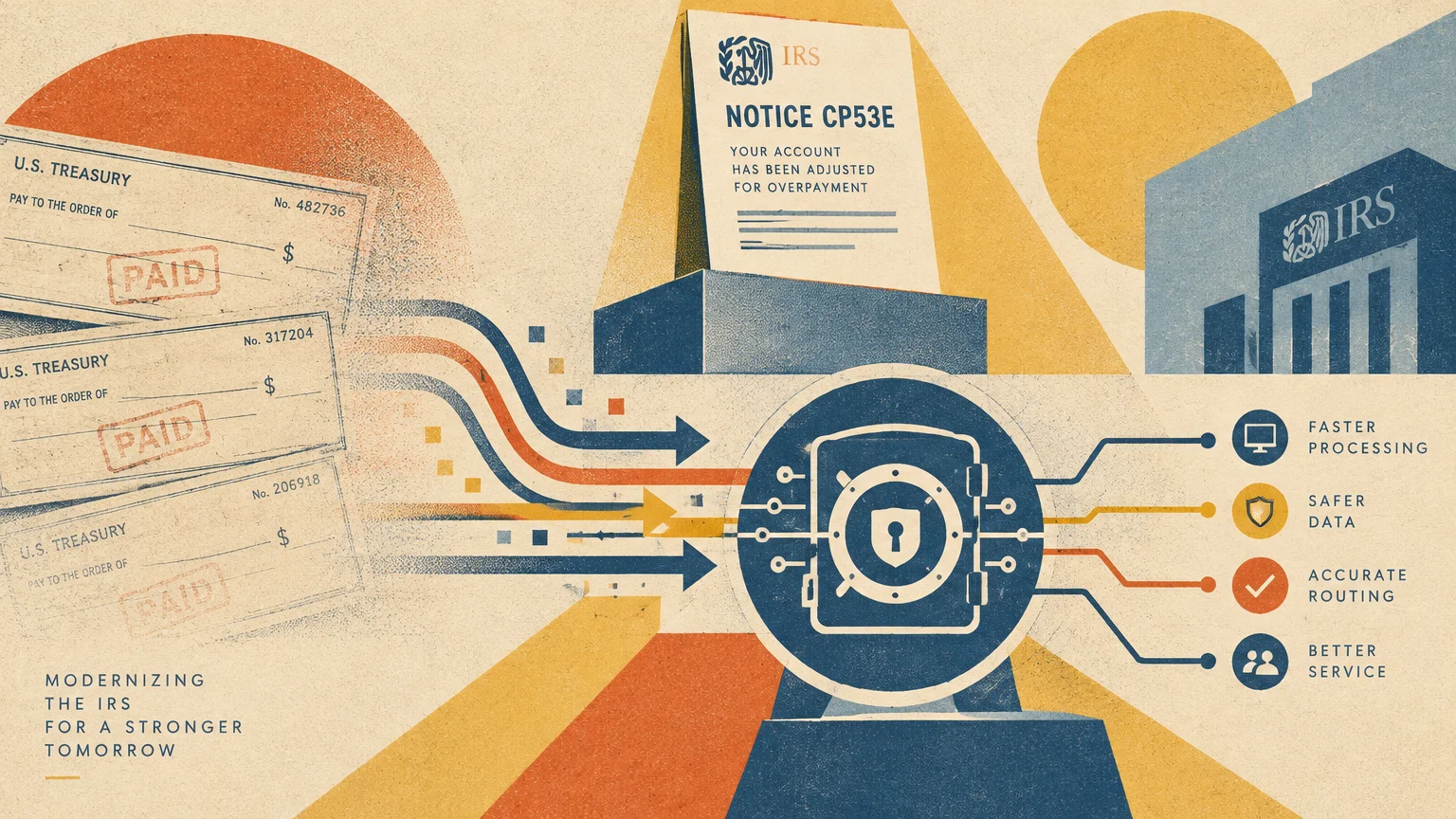
The federal government has initiated significant procedural updates for taxpayers. The Internal Revenue Service has transitioned away from mailing routine paper refund checks during the filing season.
Retirees who omit banking information now face processing delays rather than receiving automatic paper checks. The agency issues a CP53E notice to request direct deposit details or a formal exception explanation.
This operational pivot catches many older adults off guard. Maintaining active direct deposit information on your tax records ensures your refunds arrive promptly and without administrative friction.
Meanwhile, cost-of-living adjustments have nudged tens of thousands of seniors into higher gross income brackets. This adjustment creates unexpected filing obligations for households that previously sat below reporting thresholds.
Understanding these evolving operational realities protects your financial peace of mind. Proactive filing positions you to collect money the government rightfully owes you.
1. Medicare IRMAA Surcharges and Form SSA-44 Appeals
Medicare beneficiaries often pay excessive monthly premiums because of an administrative rule known as the Income-Related Monthly Adjustment Amount (IRMAA). This calculation inflates your healthcare costs based on income earned two years prior.
When you step away from your career, your current income typically drops well below your peak earning years. The Social Security Administration does not automatically adjust your monthly rate to reflect that sudden reduction.
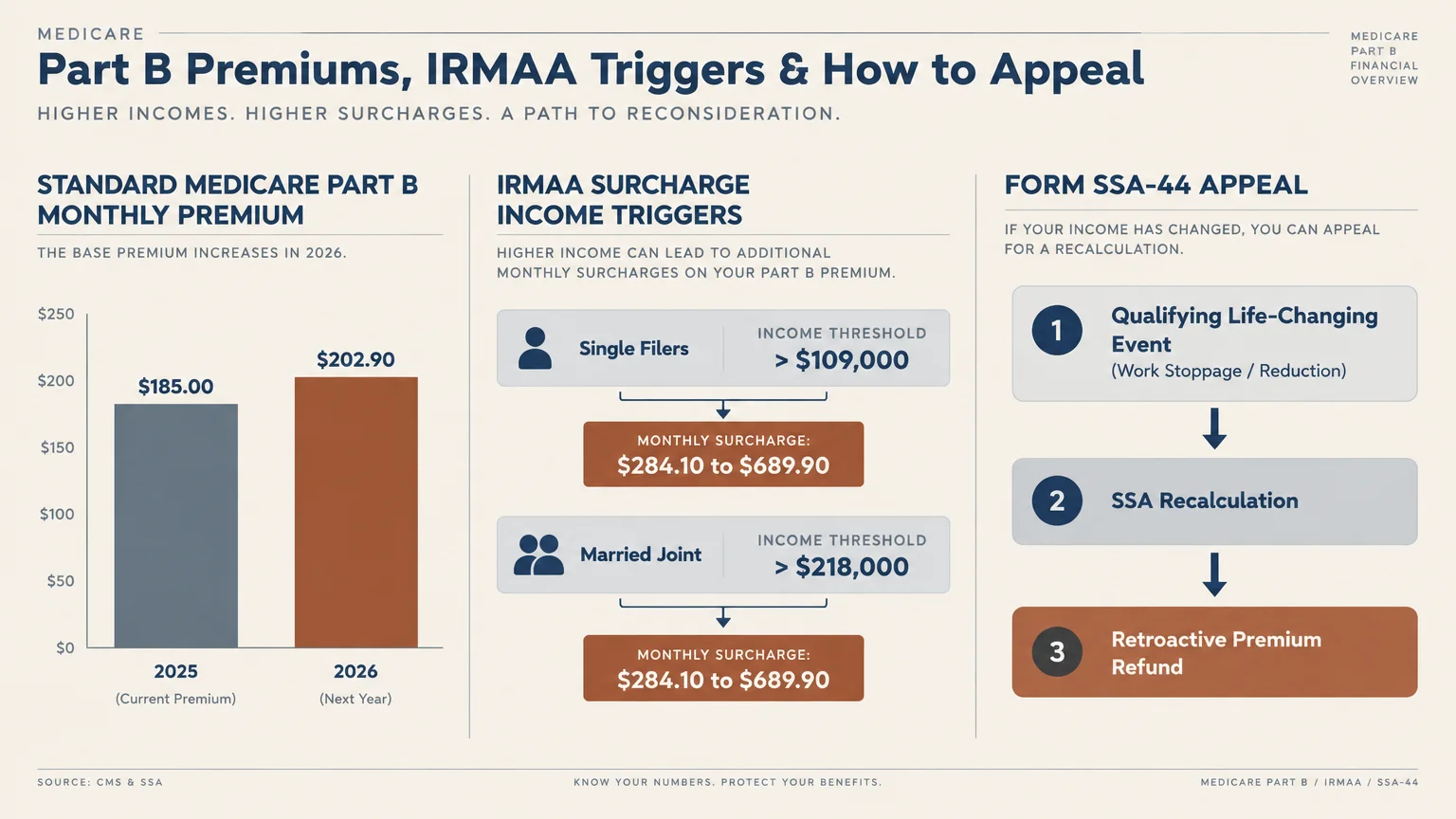
In 2026, the standard Medicare Part B monthly premium is $202.90, compared to $185.00 in 2025. Surcharges trigger when your tax return from two years prior shows modified adjusted gross income exceeding $109,000 for single filers.
For married couples filing jointly, the surcharge threshold begins above $218,000. Crossing these income levels raises your monthly payments significantly.
These surcharges elevate your Part B payments anywhere from $284.10 to $689.90 every month. Prescription drug plans carry additional IRMAA surcharges ranging between $14.50 and $91.00 per month.
You do not have to accept these inflated healthcare bills. If you experienced a qualifying life-changing event, you can request an immediate rate adjustment and secure a retroactive refund.
Work stoppage and work reduction represent recognized life-changing events under federal guidelines. Other recognized grounds include the death of a spouse, marriage, divorce, or loss of income-producing property.
You petition the government by submitting Form SSA-44 directly to the Social Security Administration. Supplying proof of your retirement date prompts the agency to recalculate your premiums using your estimated current income.
Approval triggers a retroactive adjustment back to the effective month of your income drop. The agency credits overpaid surcharges back to your monthly benefits or deposits a refund directly into your account.

2. The New Senior Bonus Deduction and Enhanced Standard Deductions
Major legislative updates offer unprecedented tax reduction opportunities for older taxpayers. Overlooking these provisions means leaving thousands of dollars in the federal treasury.
Under the One, Big, Beautiful Bill Act, taxpayers age 65 and older can claim a new bonus senior deduction. This rule provides an extra below-the-line deduction of $6,000 per eligible person through the 2028 tax year.
A married couple filing jointly where both spouses have reached age 65 can claim a $12,000 deduction. You claim this benefit on Schedule 1-A regardless of whether you choose the standard deduction or itemize your expenses.
This bonus deduction phases out at a rate of 6% for single filers with modified adjusted gross income above $75,000. For married couples filing jointly, the phase-out begins above $150,000.
This new provision arrives on top of the established age-based standard deduction increase. Combining these tools creates an exceptionally generous tax shield for older filers.
For the 2025 tax year, the base standard deduction is $15,750 for single filers and $31,500 for married couples. Seniors age 65 and older receive an additional $2,000 if single, or $1,600 per qualifying spouse if filing jointly.
For the 2026 tax year, the base standard deduction rises to $16,100 for single filers and $32,200 for joint returns. The senior enhancement expands to $2,050 for individuals and $1,650 per spouse on joint returns.
Failing to claim both the baseline senior enhancement and the Schedule 1-A bonus deduction leads to severe overpayment. Filing an amended tax return lets you recover these excess payments.
Reviewing your prior filings ensures you capture every dollar permitted by these new thresholds. Every deduction claimed lowers your adjusted income and keeps more cash in your retirement accounts.
3. Forgotten 1099-R Tax Withholdings and Prior-Year Filings
Millions of retirees bypass filing annual tax returns because their overall income drops below the mandatory filing threshold. That sensible assumption often causes seniors to abandon substantial refunds from automatic withholding.
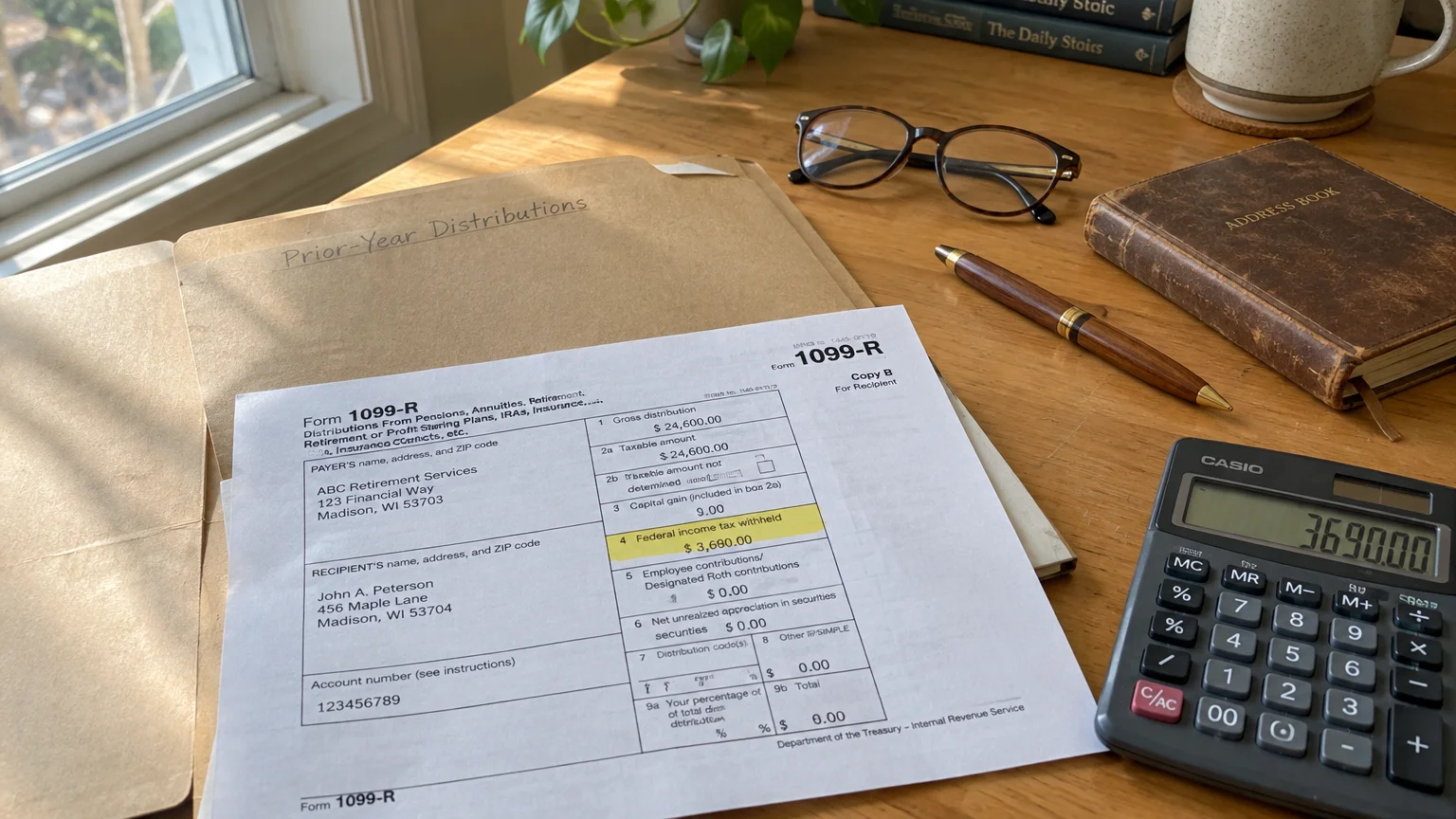
When you draw money from a traditional pension, an annuity, or an IRA, the custodian often withholds federal income tax by default. Those withholdings generate a refund if your annual deductions exceed your taxable income.
Federal law grants you a strict three-year window to claim your money. If you do not file a return within three years of the original due date, the U.S. Treasury permanently absorbs your funds.
This statutory clock quietly extinguishes millions of dollars every spring. In 2026, the IRS reported over $1.2 billion in unclaimed refunds belonging to 1.3 million non-filers from the 2022 tax year alone.
The average unclaimed refund in that group reached $686. Many older individuals left thousands behind simply because they never requested their withheld retirement funds.
Gather your Forms 1099-R from the past three years and review Box 4 for federal tax withheld. If a dollar figure appears in that box and you never filed, you have unclaimed cash waiting.
Filing a late return for those back years triggers no late-filing penalty when the government owes you money. You simply collect your overpaid funds through direct deposit.
Reclaiming these balances requires minimal effort once you collect your annual distribution statements. That simple review can deliver an unexpected financial boost to your household.

4. Matured and Forgotten U.S. Savings Bonds
Generations of Americans received paper savings bonds as gifts, military payroll deductions, or conservative nest eggs. Millions of these certificates now sit hidden inside safety deposit boxes, envelopes, and old desks.
United States savings bonds stop earning interest completely after 30 years. Once that maturity date passes, your bond becomes an interest-free loan to the federal government.
Federal records indicate that more than $32 billion in matured, unredeemed paper savings bonds remains unclaimed. Many owners have forgotten their holdings or passed away without documenting the serial numbers.
Series E and Series EE bonds purchased decades ago have already ceased accruing interest. If you hold physical certificates from earlier eras, you are forfeiting liquidity and purchasing power.
You can track down these forgotten certificates through the official Treasury Hunt tool on TreasuryDirect. Entering your Social Security number or your parents’ identifiers searches the federal database for matching records.
If you possess physical paper certificates that have stopped earning, you can redeem them at authorized banks or mail them directly to the Treasury. Converting dormant paper into active cash bolsters your retirement reserves immediately.
Redeeming these instruments puts idle assets back to work in your everyday financial plan. You eliminate the risk of physical loss while regaining control of your capital.
5. State Unclaimed Property and Lost Financial Assets
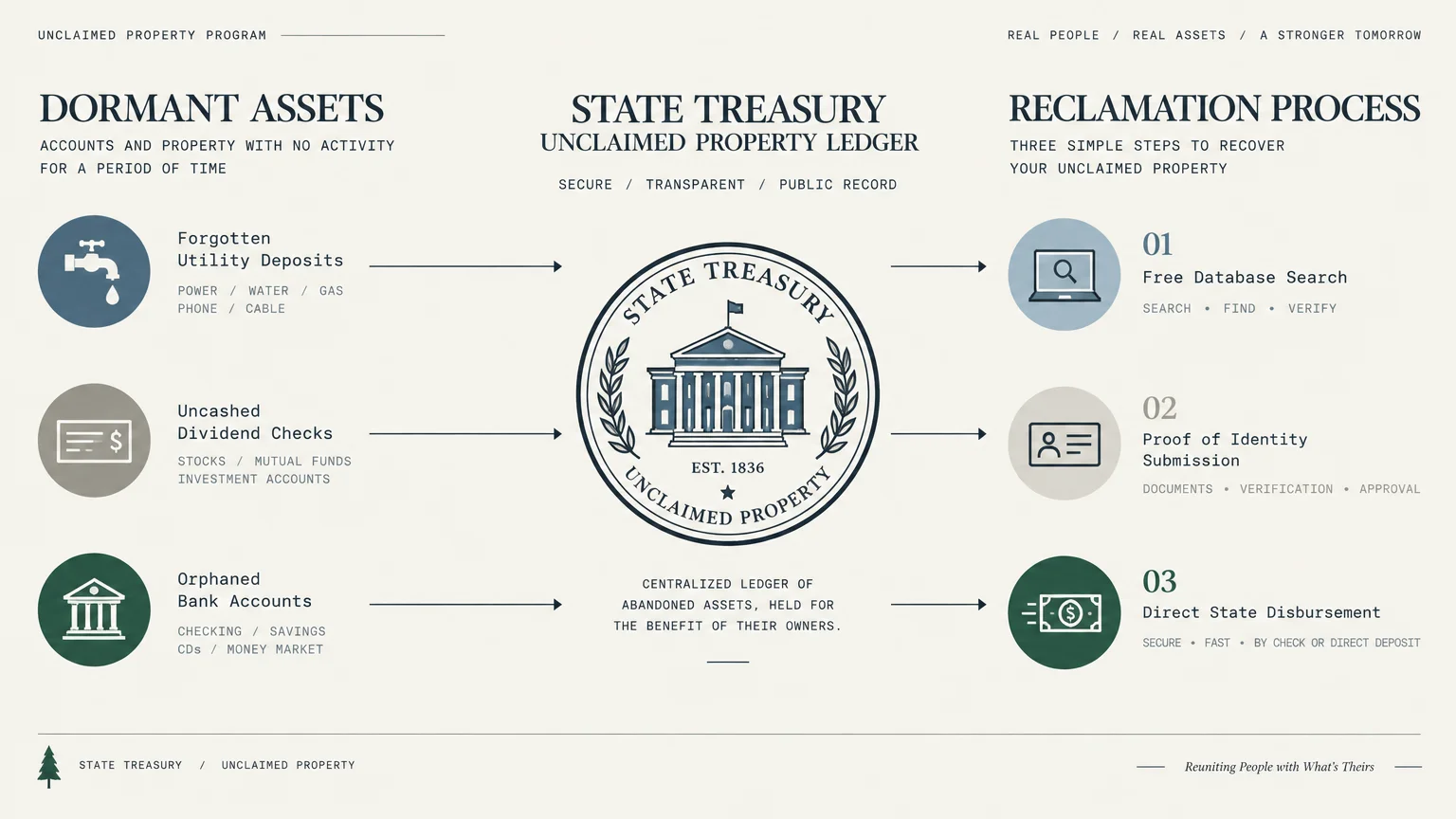
State treasuries hold an astonishing accumulation of abandoned property belonging to current residents and retirees. Financial institutions must transfer dormant assets to state custody after a statutory period of inactivity.
Data from the National Association of Unclaimed Property Administrators shows that one in seven Americans has unclaimed property. More than $100 billion currently sits across state treasury accounts awaiting recovery.
During fiscal year 2025 alone, state programs returned over $4.25 billion to rightful owners. The average successful claim yielded approximately $2,080.
These funds originate from forgotten utility security deposits, uncashed dividend distributions, old checking accounts, and paid-up life insurance proceeds. Seniors who moved across state lines during their working careers often leave behind trailing balances.
You can launch an immediate search through MissingMoney.com, the nationwide database endorsed by state officials. The portal allows you to search your name and prior residential addresses across multiple states without paying any fees.
Do not overlook maiden names, family estates, or variations in how your initials appear on historical accounts. Reclaiming these assets requires simple identity verification, such as submitting a copy of your driver’s license.
State treasuries protect these funds indefinitely until legitimate claimants come forward. Performing an annual search ensures you collect every asset that bears your name.
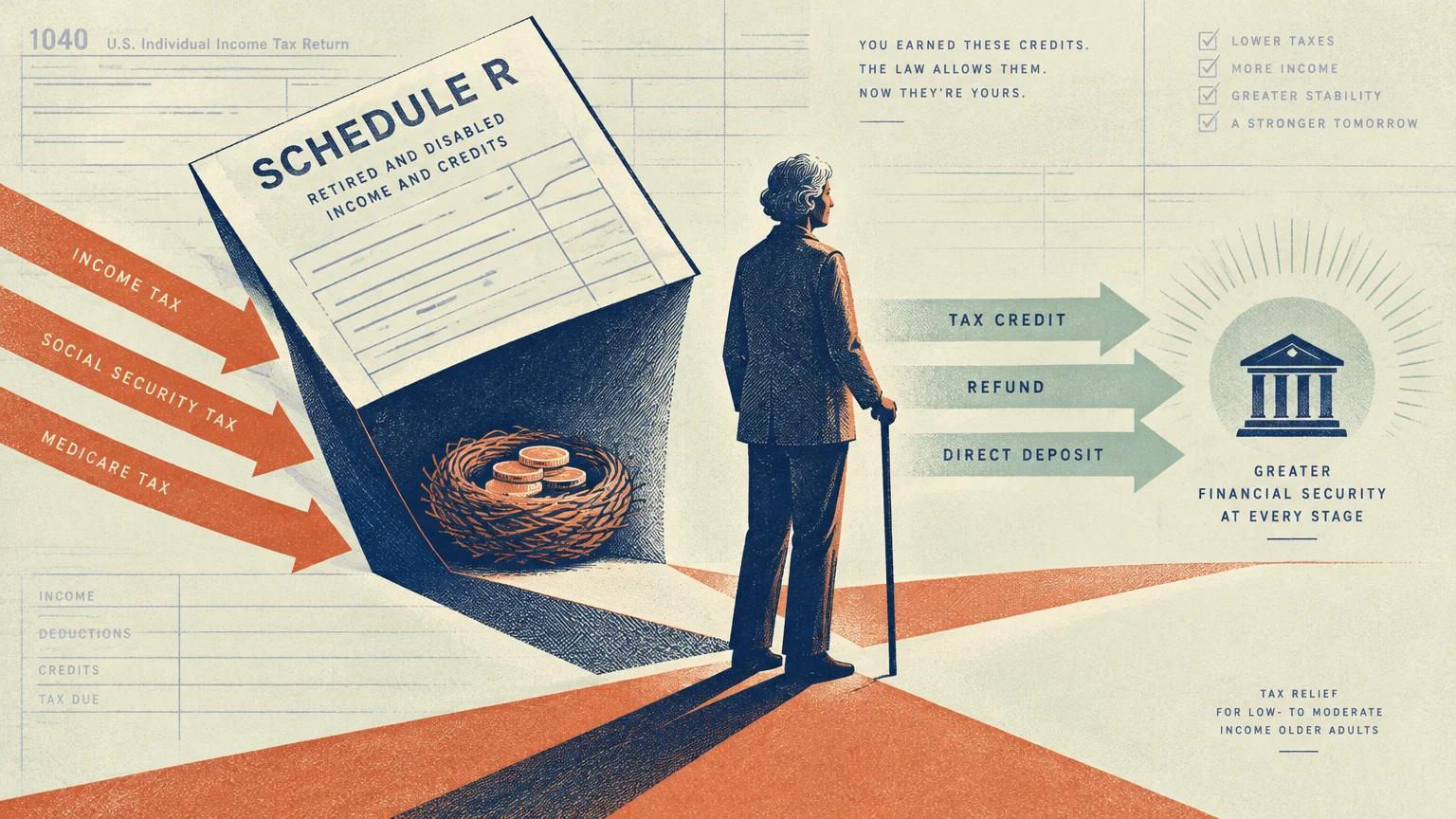
6. The Schedule R Credit for the Elderly or the Disabled
Congress established the Credit for the Elderly or the Disabled specifically to assist low-to-moderate-income seniors. This federal provision reduces your tax liability dollar-for-dollar, freeing up withheld income for your wallet.
Taxpayers age 65 or older qualify for the credit if their adjusted gross income and nontaxable benefits fall within modest statutory limits. Individuals retired on permanent and total disability qualify regardless of age.
The credit equals 15% of an initial base amount determined by your tax filing status. That base amount ranges between $3,750 and $7,500 depending on whether you file individually or jointly.
You must navigate specific limitations when calculating this tax benefit. The statutory base amounts are not indexed for inflation, which narrows eligibility for higher-income households.
Nontaxable Social Security benefits can also reduce your allowable base amount dollar-for-dollar. When your Social Security payments exceed the initial base, the credit phases out completely.
The credit is nonrefundable, meaning it cannot create a net refund beyond the tax liability you owe. However, it can wipe out your tax bill entirely, enabling a full refund of any taxes withheld from other income.
You claim this benefit by completing Schedule R alongside your standard Form 1040. If you qualified during prior years but neglected to claim it, an amended return can recover your funds.

7. Property Tax Circuit Breakers and Homestead Rebates
Rising municipal property values represent an ongoing threat to retirees living on fixed incomes. Fortunately, dozens of states offer circuit breaker programs designed to prevent property taxes from consuming an excessive share of your income.
These programs function like an electrical circuit breaker by cutting off property tax liabilities once they exceed an established percentage of household earnings. Many jurisdictions deliver this relief as a direct cash rebate rather than an upfront assessment discount.
Municipalities frequently offer homestead exemption enhancements exclusively to homeowners age 65 and older. Renters also qualify for equivalent rebates in numerous states where rent payments subsidize local property assessments.
Retirees routinely overlook these programs because local taxing authorities rarely advertise them aggressively. Many seniors pay their full assessment year after year without realizing they overpay.
Check your state department of revenue website or consult your local county appraisal office to review senior exemption thresholds. Many states allow you to file retroactive rebate claims covering several preceding tax cycles.
Claiming a homestead exemption can reduce your annual tax burden by hundreds or even thousands of dollars. Recovering retroactive credits provides immediate liquidity for home maintenance or living costs.

Strategy Pillar: Aligning Recovered Funds with Purposeful Lifestyle Design
Recovering overlooked refunds creates unexpected financial flexibility. Rather than letting recovered funds dissolve into everyday checking balances, allocate that capital with intentionality.
A sudden financial windfall offers an ideal opportunity to reinforce your emergency liquidity buffer. Maintaining six to twelve months of living expenses in an accessible cash account protects you from liquidating long-term investments during market dips.
Alternatively, you can direct recovered dollars toward deferred home improvements that support aging in place. Installing zero-step entryways, reinforcing bathroom grab bars, or updating exterior lighting enhances safety and promotes long-term independence.
Recovered capital can also fund experiences that deepen family bonds and personal wellness. Setting aside resources for travel, creative hobbies, or educational classes enriches your daily routine and supports cognitive vitality.
Applied gerontologists emphasize the psychological power of purposeful spending in later life. Deploying found money toward personal growth and home stability significantly enhances overall retirement satisfaction.
Treating your refunds as strategic capital transforms administrative victories into measurable life improvements. Purposeful budgeting ensures that every reclaimed dollar advances your core lifestyle priorities.
Strategy Pillar: Maximizing Medical Deductions for Better Health
Healthcare expenses typically represent one of the largest budget categories for older Americans. Careful documentation of your medical outlays can unlock powerful tax relief on your annual filing.
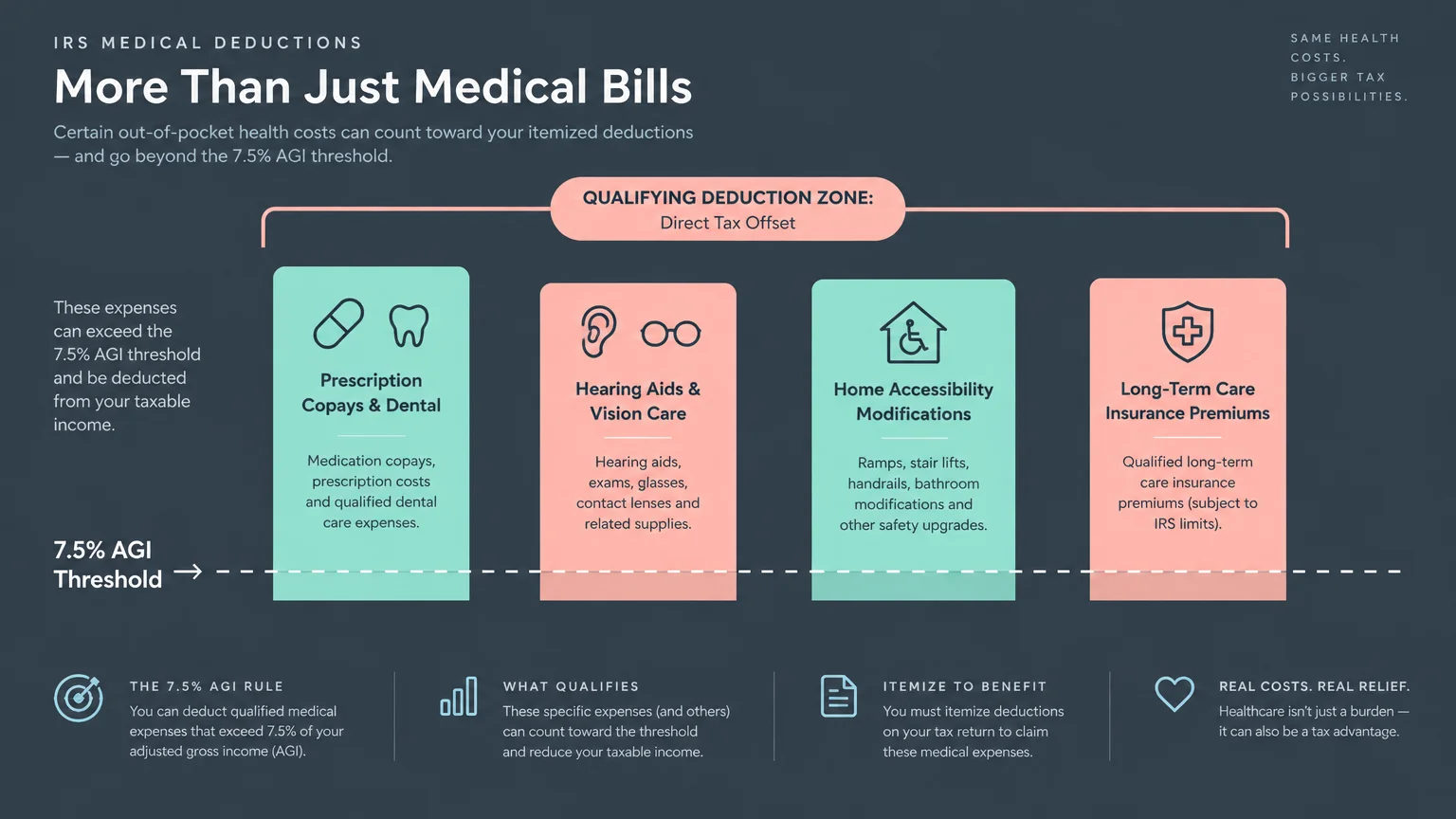
The IRS allows you to deduct qualifying medical and dental expenses that exceed 7.5% of your adjusted gross income. This 7.5% threshold makes the deduction particularly accessible for retirees with lower taxable incomes.
Qualifying expenses span a broad range of out-of-pocket healthcare necessities. Eligible costs include prescription eyeglasses, hearing aids, dental implants, mobility equipment, and out-of-pocket prescription copayments.
Transportation expenses incurred while traveling to medical appointments also qualify for the deduction. You can deduct standard medical mileage rates, parking fees, and toll charges related to healthcare visits.
Long-term care insurance premiums represent another deductible category subject to age-based statutory ceilings. Combining these diverse medical outlays often pushes your total deductible expenses well past the standard deduction threshold.
Retirees often assume itemizing is obsolete under expanded standard deductions. However, a major surgical procedure or unexpected dental rehabilitation can quickly flip the math in your favor.
Reviewing your healthcare receipts from prior years may reveal an overlooked medical deduction. If an itemized deduction surpasses your standard deduction, filing Form 1040-X can recover significant cash.

Expert Voices: Financial Planners and Aging Advocates on Late-Life Capital
Financial planners frequently observe that retirees assume their tax lives become static once their paychecks stop. That misconception often costs older households thousands of dollars over a decade of retirement.
Certified financial planning practitioners urge retirees to review their tax returns annually. Tax rules and thresholds shift constantly, creating fresh opportunities to lower liabilities or claim refunds.
Many retirees withhold taxes on pension distributions out of habit rather than necessity. Overwithholding deprives you of cash flow throughout the year while granting an interest-free loan to the government.
Gerontological researchers also highlight how unclaimed refunds affect daily health outcomes. When seniors recover forgotten money, they can afford better nutrition, home repairs, and essential prescription therapies.
Aging advocates encourage adult children and caregivers to assist aging parents with asset audits. Checking missing property rolls and past filings can eliminate financial stress for vulnerable seniors living on modest benefits.
Collaborating with trusted professionals or accredited volunteers ensures you uncover all entitled funds. Systematic annual reviews keep your hard-earned wealth working directly for your household.
Risks and Safeguards: Guarding Against Scams and Preserving Benefits
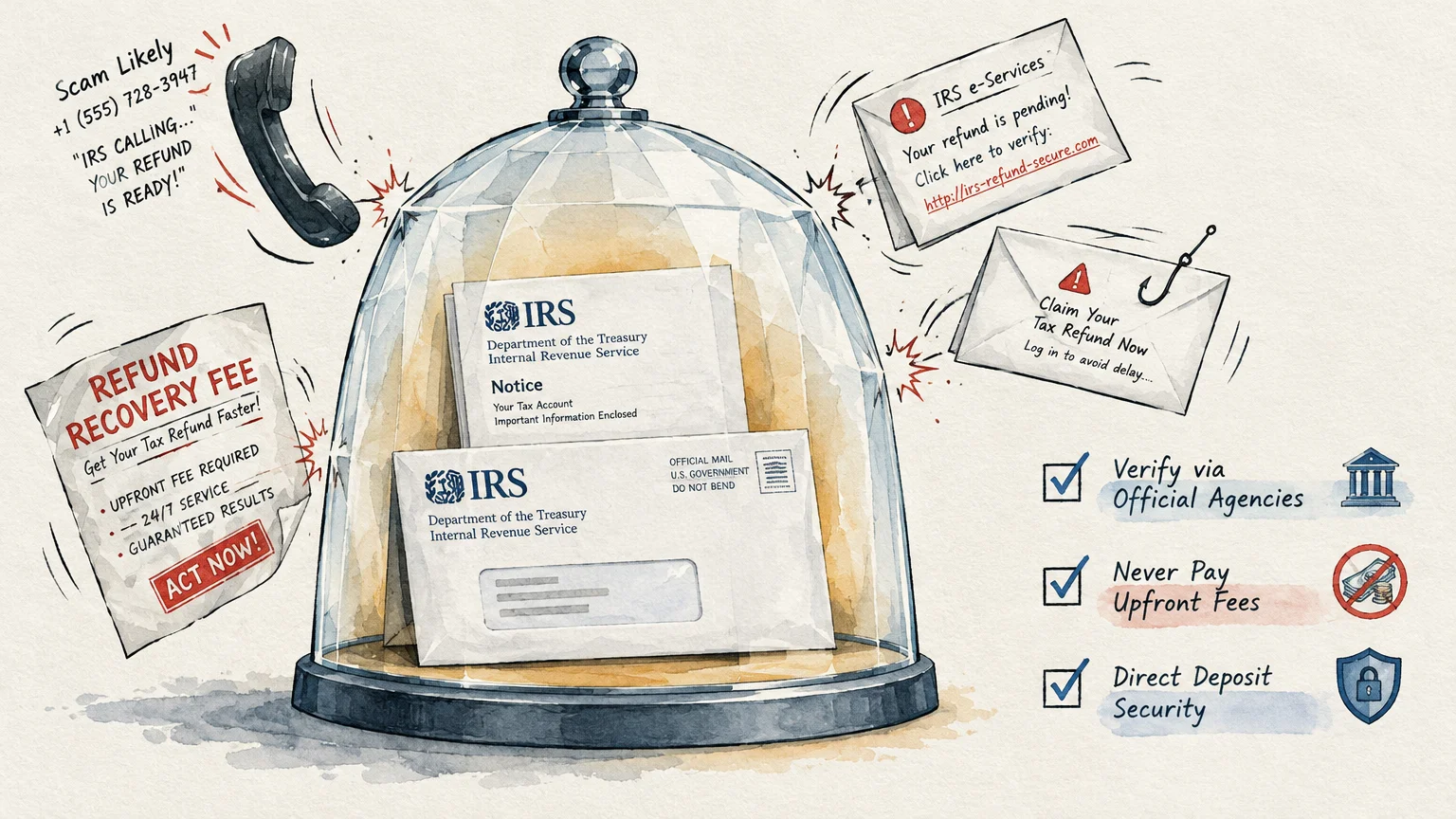
The prospect of finding unclaimed money attracts predatory scammers who target older Americans. Understanding how legitimate agencies operate protects you from fraud and deceptive schemes.
Official government agencies never call, text, or email demanding immediate payments or gift card transfers to release a refund. If someone contacts you promising a massive unclaimed windfall for an upfront fee, disengage immediately.
Official search tools like state unclaimed property registries and Treasury Hunt are entirely free to use. You never need to pay a private finder or intermediary to access your own property.
Always navigate directly to verified government websites ending in .gov to file claims or update banking records. Beware of sponsored search engine advertisements that mimic official agency portals.
Be mindful of how cash refunds affect means-tested benefits like Supplemental Security Income or Medicaid. A sudden influx of cash deposited into your checking account could temporarily push your liquid resources above statutory asset thresholds.
Consulting a local legal aid specialist or elder law attorney helps you spend down or shelter recovered funds legally. Protecting your ongoing benefit eligibility ensures your refund provides genuine financial relief.

Free Assistance: Navigating Amended Returns with TCE and AARP Tax-Aide
Amending prior-year tax returns or claiming complex credits can feel intimidating if you prepare returns on your own. Fortunately, older adults have access to free, federally certified tax preparation programs across the country.
The IRS sponsors the Tax Counseling for the Elderly (TCE) program, which provides free tax assistance to filers age 60 and older. Certified volunteers specialize in retirement-specific questions, including pensions, Social Security taxation, and senior deductions.
You can contact the TCE network at 800-906-9887 to find local assistance sites in libraries, senior centers, and community facilities. These volunteers can help you complete amended returns on Form 1040-X without charging any preparation fees.
The AARP Foundation Tax-Aide program operates thousands of free filing sites across the United States. You do not need to be an AARP member to utilize their professional filing services.
You can reach AARP Foundation Tax-Aide at 888-227-7669 to locate an active site near your home. Their IRS-certified volunteers ensure your forms reflect every deduction, credit, and withholding refund you deserve.
Relying on these free community programs prevents costly errors while maximizing your financial recovery. Professional assistance guarantees that your filing complies with the latest federal and state guidelines.
Frequently Asked Questions About Overlooked Refunds
How far back can I file an amended return to claim a missed refund?
Federal law allows you to claim a refund within three years from the date you filed your original return. You can also file within two years from the date you paid the tax, whichever period ends later.
Once that statutory window closes, the federal government permanently retains your unclaimed balance. Acting promptly protects your right to retrieve that money.
Will filing for an IRMAA refund trigger an audit from the IRS?
Filing Form SSA-44 with the Social Security Administration does not trigger an IRS audit. It is a standard administrative appeal handled directly by Social Security based on documented life events.
The agency simply evaluates your documentation to determine whether your current income warrants a reduced Medicare premium. Providing accurate records ensures a straightforward review process.
Can I search for unclaimed property belonging to a deceased relative?
Yes, surviving spouses, executors, and legal heirs can claim abandoned assets held in a deceased relative’s name. You will need to provide death certificates, probate documentation, or proof of inheritance to complete the claim.
State treasuries maintain detailed guidelines explaining which documents verify your status as a lawful heir. Recovering family assets helps distribute funds according to your loved one’s estate wishes.
Does receiving a state property tax rebate increase my federal taxable income?
Property tax rebates generally do not count as taxable federal income if you claimed the standard deduction. If you previously itemized your property taxes on Schedule A, a portion of the rebate may be taxable.
Consult a tax advisor or community tax volunteer if you previously deducted property taxes on past returns. They can clarify whether your state rebate requires reporting on your federal return.
Your 48-Hour Action Plan: Reclaiming What Belongs to You
Do not let inertia keep your hard-earned money locked inside government vaults or forgotten corporate ledgers. You can take immediate, decisive action over the next 48 hours to initiate your financial recovery.
Start tonight by searching your name on MissingMoney.com to uncover dormant utility deposits or forgotten accounts. The search takes less than five minutes and could reveal an immediate cash claim.
Next, review your Medicare premium statements to verify whether work stoppage justifies an IRMAA reconsideration on Form SSA-44. Download the form and gather your retirement documentation if you experienced a significant drop in earnings.
Finally, locate your Forms 1099-R from the past three years to confirm whether taxes were withheld needlessly. If you spot overwithholding, schedule an appointment with a local TCE or AARP Tax-Aide volunteer.
Taking these straightforward steps places you in complete command of your retirement balance sheet. Reclaim the money that belongs to you and direct it toward a secure, fulfilling future.