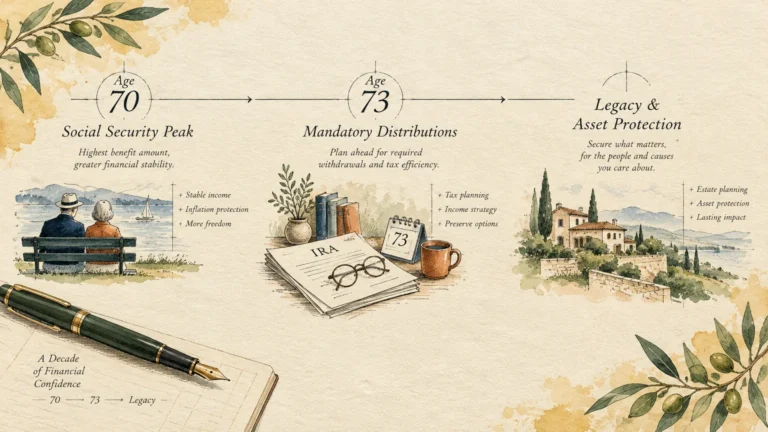
Working past age 70 offers a powerful combination of financial flexibility, intellectual challenge, and meaningful daily routine. Many forward-thinking employers actively recruit experienced older adults who bring exceptional reliability, emotional maturity, and problem-solving skills to the workplace.
Demographic data reveals that workers aged 75 and older represent the fastest-growing segment of the American labor force. You can leverage this unprecedented corporate demand across multiple expanding sectors without sacrificing your personal autonomy or hard-earned benefits.
Discover how you can rejoin the workforce on your own terms, protect your retirement income, and thrive in industries that celebrate your decades of experience.
The Evolving Landscape for Workers Over 70
The traditional concept of a hard retirement date has largely disappeared across the American economy. Today, millions of seniors choose to remain engaged in professional pursuits long after their seventieth birthdays.
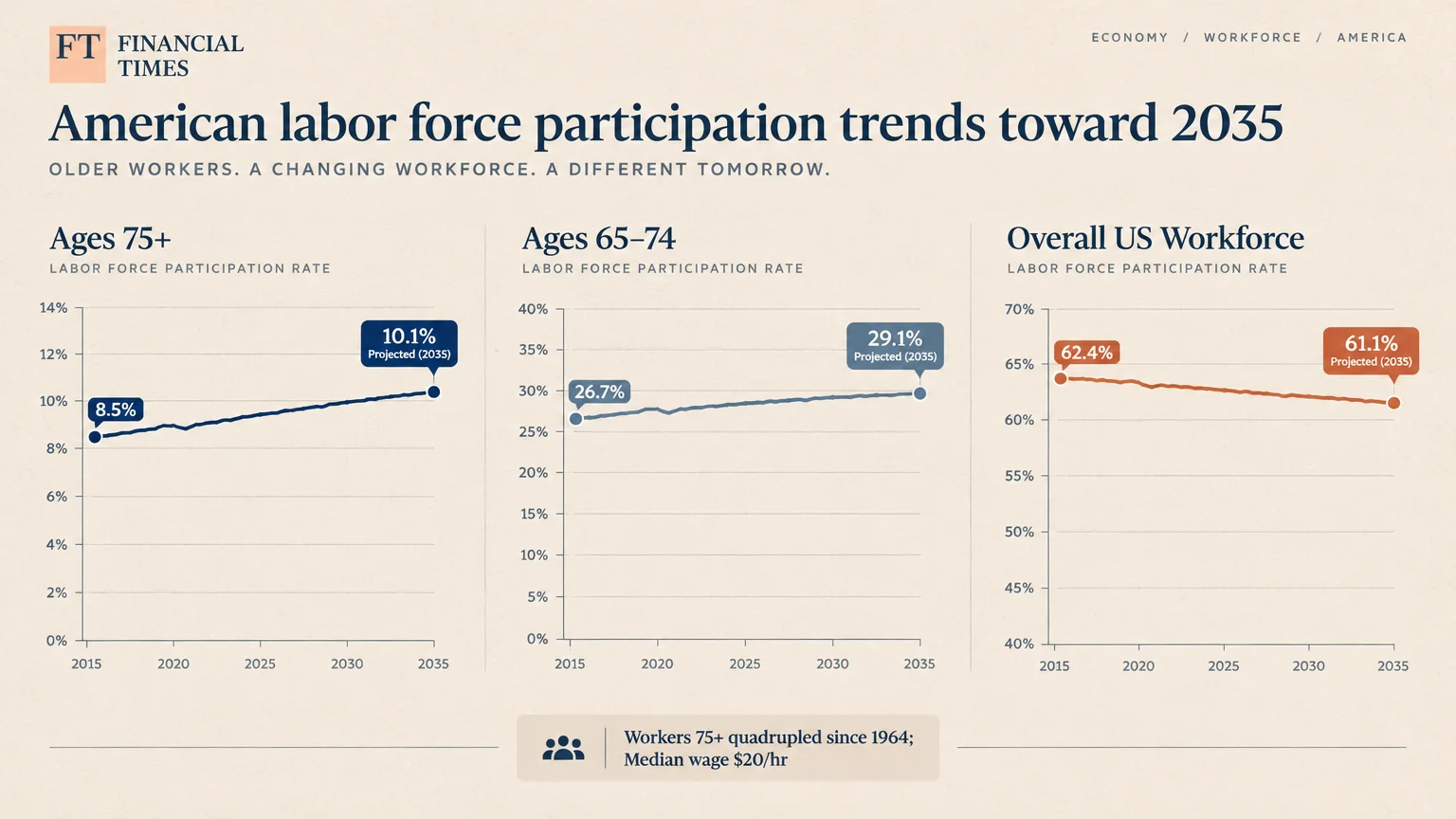
According to research from the Pew Research Center, workers aged 75 and older are the fastest-growing age demographic in the workforce. In fact, this resilient cohort has more than quadrupled in overall size since 1964.
Projections from the Bureau of Labor Statistics show that labor force participation for Americans aged 75 and older stands at 8.5% and will reach 10.1% by 2035. Meanwhile, the participation rate for adults aged 65 to 74 is 26.7% and will rise to 29.1%.
These upward trajectories stand in sharp contrast to the overall American labor force participation rate. Across all working age groups, overall national participation is expected to decline from 62.4% to 61.1% over that same ten-year window.
Roughly 19% of all American adults aged 65 and older remain actively employed today. Interestingly, 62% of these working seniors hold full-time positions, compared to just 47% back in 1987.
Earning power remains solid for experienced seniors who choose to stay in the labor pool. The median hourly wage for workers aged 75 and older is $20 per hour, compared to $22 per hour for all workers aged 65 and up.
Many of these individuals are not working out of pure financial desperation. A Federal Reserve survey cited by Pew shows that 45% of employed older adults already consider themselves fully retired while enjoying post-retirement bridge jobs.

Strategy Pillar 1: Smart Income and Tax Planning
Returning to work after age 70 requires a clear understanding of modern tax laws and entitlement systems. When you manage your earnings strategically, you can maximize your take-home pay while avoiding surprise liabilities.
First, you can earn unlimited income without triggering any benefit withholdings from the Social Security Administration. The strict Retirement Earnings Test only penalizes workers who have not yet reached their Full Retirement Age.
Workers below Full Retirement Age face an earnings limit of $24,480, or $65,160 during the calendar year they reach that milestone. Once you reach age 70, however, you can collect 100% of your earned wages and 100% of your retirement benefits simultaneously.
Your delayed retirement credits reach their absolute ceiling at age 70 after earning an 8% annual increase for each year delayed past Full Retirement Age. As a result, there is zero financial benefit to delaying your Social Security claim past your seventieth birthday.
The average monthly Social Security benefit currently sits at $2,071, while the maximum possible monthly benefit for someone claiming at age 70 reaches $5,181. Continuing to work past 70 can actually raise your ongoing benefit checks over time.
Every active employee pays standard payroll taxes under the Federal Insurance Contributions Act. Because Social Security calculates your benefit from your highest 35 years of indexed earnings, a high-earning year after 70 automatically replaces an earlier, lower-earning year.
Retirement account distribution regulations also change significantly during your seventies. Under the SECURE 2.0 Act, your Required Minimum Distribution age is 73 if you were born between 1951 and 1959, increasing to age 75 in 2033.
If you work past age 73, you can utilize the powerful still-working exception through the Internal Revenue Service. This rule allows you to postpone mandatory withdrawals from your current employer’s 401(k) or 403(b) until April 1 of the year after you officially retire.
This exception only applies if you do not own more than 5% of the employing company. Keep in mind that it never applies to traditional individual retirement accounts or retirement plans from past employers.
Furthermore, designated Roth 401(k) and Roth 403(b) accounts are completely exempt from lifetime distribution mandates under current rules. You can also make catch-up contributions of up to $8,000 into workplace plans, though prior-year earnings exceeding $150,000 require these to be post-tax Roth deposits.

Strategy Pillar 2: Designing Your Ideal Work Arrangement
Working in your seventies should never look like the grueling corporate grind of your thirties or forties. You possess the leverage to design a schedule that respects your lifestyle, interests, and energy levels.
Bridge jobs provide a balanced compromise between total professional disengagement and exhaustive full-time employment. These positions allow you to stay mentally sharp while maintaining open space for family, hobbies, and travel.
Many seniors thrive by transitioning into fractional or consultative roles within their former career fields. By working twenty hours a week instead of fifty, you share critical expertise while side-stepping administrative bureaucracy.
Remote employment provides another compelling option for older workers seeking to avoid stressful daily commutes. Setting up a comfortable home office allows you to deliver professional value without physical strain or transit expenses.
You should also evaluate whether a W-2 employment relationship or a 1099 independent contractor agreement best fits your lifestyle. W-2 positions provide direct payroll processing and worker protections, whereas 1099 contracts offer superior scheduling independence and business tax deductions.

Strategy Pillar 3: Supporting Health and Cognitive Vitality
Continuing to work past 70 delivers profound health advantages that extend far beyond a steady paycheck. Decades of clinical aging research confirm that daily purpose protects cognitive reserve and physical vitality.
Social isolation represents one of the most hazardous health risks facing modern retirees today. Maintaining a workplace network ensures consistent interpersonal engagement, intellectual discussion, and supportive camaraderie throughout your week.
Complex professional tasks encourage neuroplasticity by forcing your brain to process novel information and solve practical puzzles. Mental engagement serves as an active shield against rapid cognitive decline and depressive symptoms.
However, you must balance mental stimulation with proper physical pacing and ergonomic self-care. Choose positions that do not demand excessive physical exertion, heavy lifting, or relentless standing on hard concrete floors.
Schedule dedicated rest periods throughout your working days to avoid systemic fatigue. Establishing firm personal boundaries ensures that your career enhances your life rather than depleting your physical reserves.
12 Industries Actively Hiring Workers Over 70
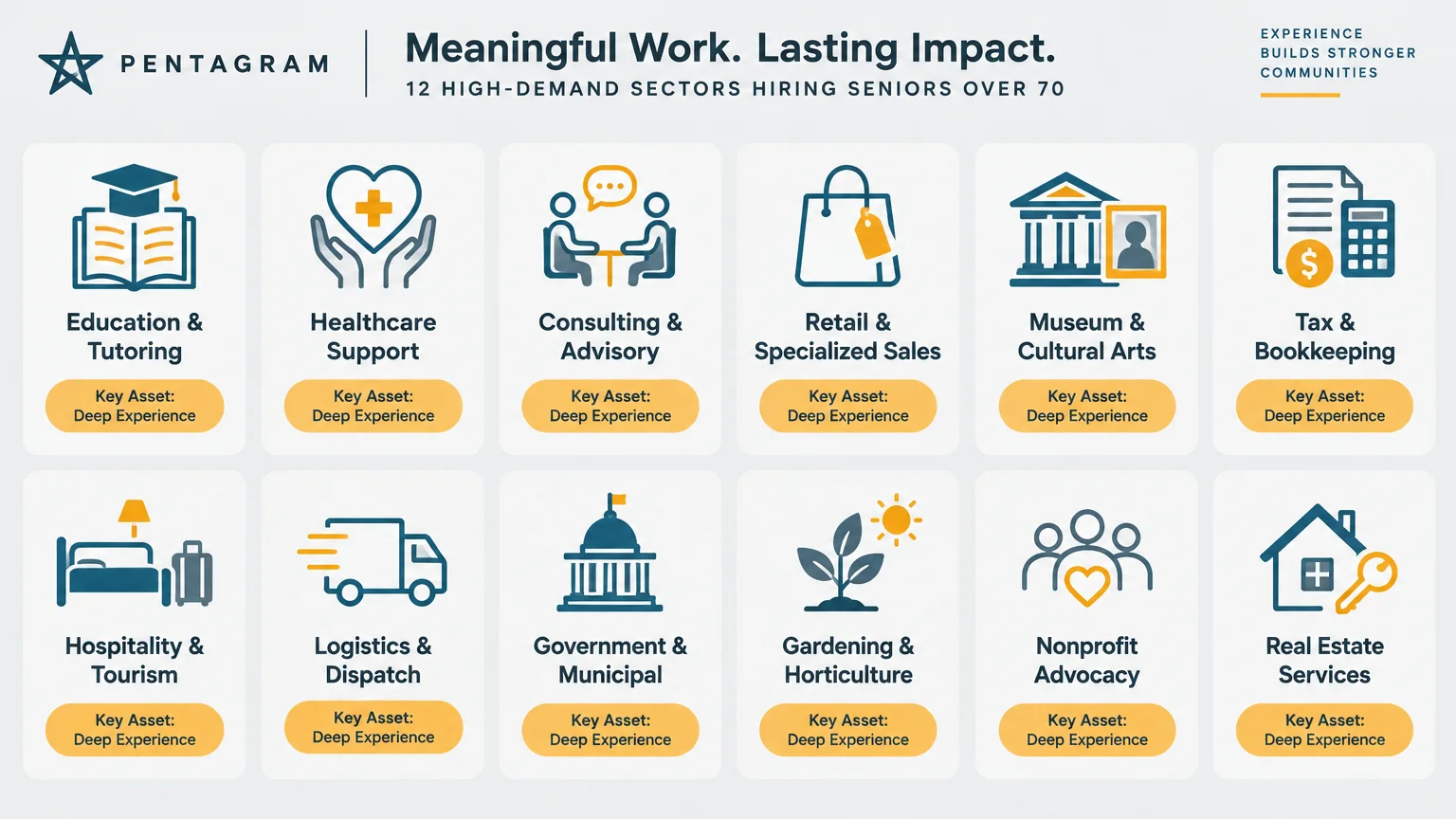
Employers across the United States face severe talent shortages and increasingly recognize the immense value of mature candidates. The following twelve sectors offer outstanding flexibility, lower physical demands, and genuine enthusiasm for seasoned workers.
1. Education, Tutoring, and Academic Mentorship
School districts, community colleges, and private learning centers desperately need dependable instructors, substitutes, and subject-matter tutors. Your accumulated knowledge and patience make you an exceptional resource for struggling students.
Substitute teaching offers total schedule autonomy because you choose exactly which days and subjects you wish to accept. Most public districts only require a background check and a bachelor’s degree to begin working immediately.
Online tutoring platforms also allow you to coach learners in reading, mathematics, or writing directly from your living room. You can mentor students globally while working only a handful of flexible evening or weekend hours.
2. Professional Services and Financial Consulting
Corporate financial management ranks among the roles demonstrating the highest structural shifts toward age-friendliness. Small businesses, accounting firms, and legal offices frequently seek seasoned professionals to manage complex records.
You can serve as an interim controller, bookkeeper, or business mentor during tax preparation seasons or corporate reorganizations. Many growing firms value the calm perspective that comes from decades of managing economic cycles.
Tax preparation services actively recruit seniors every winter to assist clients with personal returns. These organizations provide complete software training and flexible seasonal schedules that terminate promptly each spring.
3. Healthcare Support and Patient Navigation
While frontline nursing requires heavy physical stamina, modern healthcare systems employ thousands of supportive non-clinical professionals. Hospitals, specialty clinics, and eldercare agencies treasure older workers for their bedside empathy and steady communication.
Patient navigation roles allow you to guide frightened individuals through complex medical networks, scheduling diagnostics, and discharge instructions. Your life experience helps vulnerable patients feel heard, respected, and comforted during stressful appointments.
Medical transcription, receptionist duties, and patient intake coordination also offer seated, low-stress environments with reliable daytime hours. These vital roles keep medical practices functioning smoothly while minimizing physical wear and tear.
4. Retail and Customer Experience
Major retailers increasingly target senior job seekers to staff customer service desks, hardware counters, and boutique cash registers. Employers appreciate that mature workers arrive on time, treat shoppers respectfully, and resolve disputes calmly.
Over 3,300 national businesses have signed the official pledge through AARP to promote age-diverse hiring. Hardware chains, grocery cooperatives, and garden nurseries routinely seek dependable older workers for daylight shifts.
These positions offer generous store merchandise discounts, convenient community locations, and gentle physical activity that keeps you on your feet. You can easily negotiate consistent part-time schedules that leave your weekends free.
5. Tourism, Travel, and Cultural Hospitality
The travel industry represents one of the premier sectors seeking mature talent with polished conversational skills. Tour operations, historic landmarks, and municipal visitor centers thrive when staffed by enthusiastic storytellers.
Federal Reserve research identifies tour and travel guiding as one of the leading age-friendly career paths in modern America. Leading museum groups or conducting architectural walking tours combines light aerobic exercise with engaging public education.
If you prefer desk-based work, travel agencies and cruise booking networks hire remote reservation coordinators. These roles often provide steep personal travel discounts, giving you inexpensive vacation opportunities between assignments.
6. Editorial, Proofreading, and Archival Research
If you possess exceptional grammatical precision and an eye for detail, the publishing sector offers boundless opportunity. Digital publications, law firms, and corporate marketing teams continually seek reliable proofreaders and indexers.
Industry surveys highlight proofreading and editorial review as exceptionally age-friendly roles due to their total physical independence. You can review manuscripts, academic journals, or corporate newsletters from any location on your own schedule.
Historical societies, university libraries, and legal archives also hire detail-oriented seniors to digitize historical records and catalog research files. This quiet, intellectually stimulating work allows you to preserve community history for future generations.
7. Insurance and Risk Advisory
The insurance field prizes maturity, thoroughness, and trust—traits that older professionals embody effortlessly. Peer-reviewed labor studies consistently place insurance sales and policy review near the top of age-friendly vocations.
Independent agencies frequently recruit mature advisors to explain Medicare supplement policies, life insurance, or property coverage to local clients. Your peers will naturally feel more comfortable discussing sensitive financial protections with an empathetic contemporary.
Underwriting assistance, policy renewals, and remote claims processing provide additional back-office paths that require zero cold-calling. These roles reward analytical rigor and offer excellent hourly compensation with comprehensive remote setups.
8. Non-Profit Leadership and Community Services
Charitable foundations, religious organizations, and community advocacy groups rely heavily on the administrative brilliance of older workers. Non-profits often lack the budget for high-priced executive staffing and welcome experienced fractional contributors.
You can manage volunteer teams, organize annual fundraising galas, or write grant applications for local charitable initiatives. Your expansive community network and polished professional demeanor give non-profits instant credibility with major donors.
Community outreach coordinators, food bank administrators, and program facilitators find immense personal fulfillment in these assignments. You can directly witness the positive impact your daily labor produces across your local neighborhood.
9. Real Estate and Property Management
The real estate sector values emotional maturity, negotiation prowess, and flexible availability above youthful speed. Whether acting as a licensed agent or an on-site property manager, seniors perform remarkably well in housing oversight.
Commercial office buildings and residential homeowner associations frequently hire mature community managers to handle vendor correspondence and facility inspections. Your presence brings diplomatic authority when resolving neighborhood disputes or reviewing maintenance contracts.
Showing homes as a leasing consultant or real estate assistant provides engaging social contact without the stress of prospecting. You can host open houses on sunny weekend afternoons while earning solid hourly stipends or commissions.
10. Transportation, Driving, and Logistics Services
If you enjoy spending time behind the wheel, specialized transportation offers tremendous flexibility and rapid employment. Dealerships, rental car networks, and non-emergency medical transit providers perpetually recruit safe, patient drivers.
Automobile dealerships regularly employ retired seniors to shuttle vehicles between regional lots or transport customers during repair visits. These assignments involve zero heavy cargo handling and allow you to test drive modern vehicle technology.
School bus operators also recruit older drivers aggressively, offering paid commercial driver training, split daily shifts, and complete summers off. Driving local students provides a lively routine that keeps you closely connected to your neighborhood.
11. Skilled Trades Advisory and Home Services Estimation
Home repair, plumbing, electrical, and remodeling companies face a historic shortage of master tradespeople. Even if your body no longer tolerates climbing ladders or crawling under floorboards, your diagnostic expertise remains invaluable.
Contractors actively recruit retired tradesmen and women to serve as residential estimators, quality inspectors, and customer service liaisons. You can visit project sites, calculate material requirements, and explain complex repairs to homeowners without performing the physical labor.
Hardware cooperatives and building supply distributors also hire former craftspeople to guide amateur builders through complex plumbing and carpentry projects. Your practical advice prevents costly construction mistakes for grateful weekend do-it-yourselfers.
12. Local Government and Municipal Administration
County courthouses, municipal clerk offices, and regional parks departments offer stable, low-stress working environments for seniors. Local governments frequently maintain dedicated hiring pipelines for part-time, seasonal, and administrative personnel.
You can serve as an election official, municipal records clerk, code enforcement assistant, or park information specialist. These positions feature predictable daytime schedules, clear operational guidelines, and complete immunity from high-pressure private sales quotas.
Working for your local municipality also instills a strong sense of civic pride and neighborhood stewardship. You contribute directly to the efficient functioning of your town while interacting warmly with your neighbors.
Risks, Benefit Cliffs, and Scams to Avoid
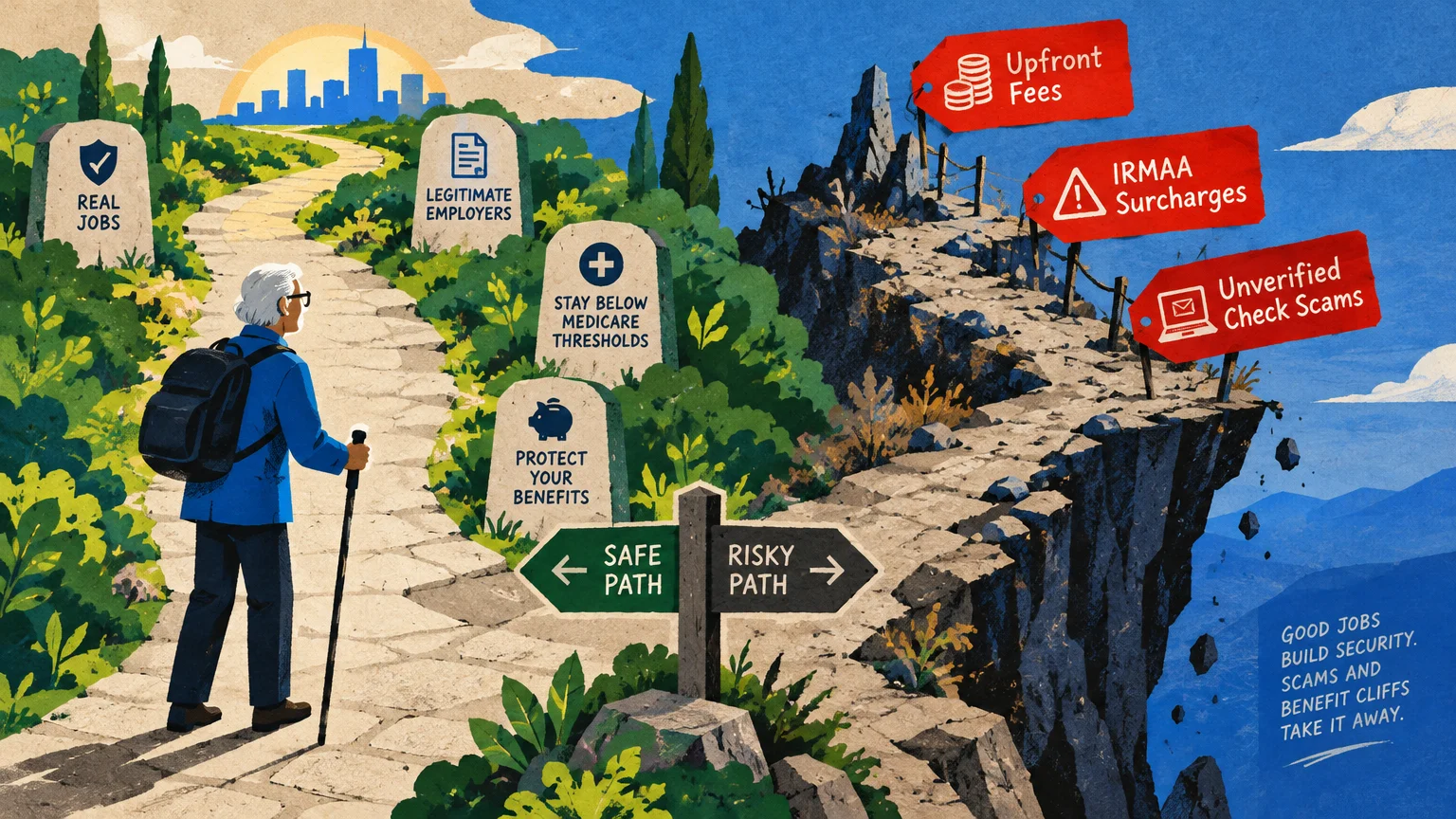
While expanding your career after 70 offers substantial rewards, you must remain vigilant regarding hidden financial traps and predatory practices. Staying informed protects your savings, health coverage, and hard-earned peace of mind.
First, monitor how increased wage income impacts your Medicare Part B and Part D premiums through Medicare. High earners face the Income-Related Monthly Adjustment Amount, which triggers surcharges once your modified adjusted gross income crosses specific statutory tiers.
These surcharges operate with a two-year lookback window, meaning that a sudden surge in earnings today can elevate healthcare expenses two years later. Consult a certified financial professional to model your total tax picture before taking on substantial overtime.
You must also guard against predatory employment scams targeting mature job seekers through unsolicited text messages and suspicious online job boards. Fraudulent operators often promise lucrative remote data-entry wages while attempting to steal personal banking information or sell worthless training manuals.
Legitimate employers will never ask you to wire cash, purchase home equipment through personal checks, or provide sensitive passwords during an initial interview. Always verify open positions directly through the hiring company’s verified corporate website before submitting any personal information.
Finally, confirm how a hiring firm classifies your professional employment status to prevent an unpleasant tax surprise in April. Independent contractors must pay both the employer and employee portions of self-employment payroll taxes, requiring disciplined quarterly tax estimates.

Expert Perspectives on Employment After 70
Financial planners and health professionals overwhelmingly endorse thoughtful post-retirement work when structured properly. Integrating a modest income stream transforms your long-term retirement portfolio preservation.
Certified Financial Planner professionals point out that earning even $15,000 annually significantly reduces the distributions you must pull from personal investment accounts. This reduction allows your underlying nest egg to compound undisturbed, creating a permanent cushion against market volatility.
Clinical gerontologists emphasize that purposeful routine directly improves emotional resilience and physical longevity. Daily structure stimulates neurochemical balance, helps regulate sleep patterns, and provides an organic social community that preserves emotional well-being.
Consider the practical experience of Thomas Jenkins, age 72, who transitioned from corporate management into part-time community museum curation. He notes that working three days a week gives his life sharp focus while leaving ample time for his grandchildren and garden.
Frequently Asked Questions
Will my new earnings reduce my monthly Social Security retirement checks?
No, your wages will never reduce your monthly Social Security benefit checks once you have reached your Full Retirement Age. Because you are over 70, the earnings penalty test no longer applies to your income under any circumstances.
Do I still have to take Required Minimum Distributions if I am actively working?
You can delay taking mandatory withdrawals from your current employer’s 401(k) or 403(b) if you do not own over 5% of the company. However, you must continue taking required distributions from traditional IRAs and retirement accounts held with past employers.
How does working past 70 impact my current Medicare coverage?
Your Medicare benefits remain fully active, but higher wages might increase your future Part B and Part D premiums through income surcharges. If your employer provides qualifying group healthcare, you can coordinate benefits between your workplace plan and Medicare.
What should I do if an interviewer inquires about my age or graduation dates?
Federal law protects workers aged 40 and older from age-related discrimination during all hiring and employment stages. You can gracefully redirect the conversation toward your relevant skills, recent achievements, and unwavering reliability without dwelling on specific calendar dates.
Your 48-Hour Action Plan to Re-Enter the Workforce
Re-entering the professional arena does not require complicated overhauls or months of agonizing preparation. You can take immediate, decisive steps over the next 48 hours to launch your new career phase with absolute confidence.
Begin by writing down your top three non-negotiable boundaries, including maximum weekly hours, preferred commute radius, and physical activity limits. Establishing these guidelines immediately prevents you from pursuing roles that drain your physical energy or infringe on family time.
Next, modernize your resume by condensing your work history into a clean, two-page document focusing exclusively on your last fifteen years of achievements. Remove your high school graduation year and older dates to keep the focus squarely on your relevant capabilities.
Finally, identify two local organizations or browse the corporate directories of age-pledged employers within your immediate community. Reaching out to an associate or submitting an application today places you on the fast track toward purpose-driven, profitable work.