Unpacking the Notice: Why Social Security Benefits Face Suspension
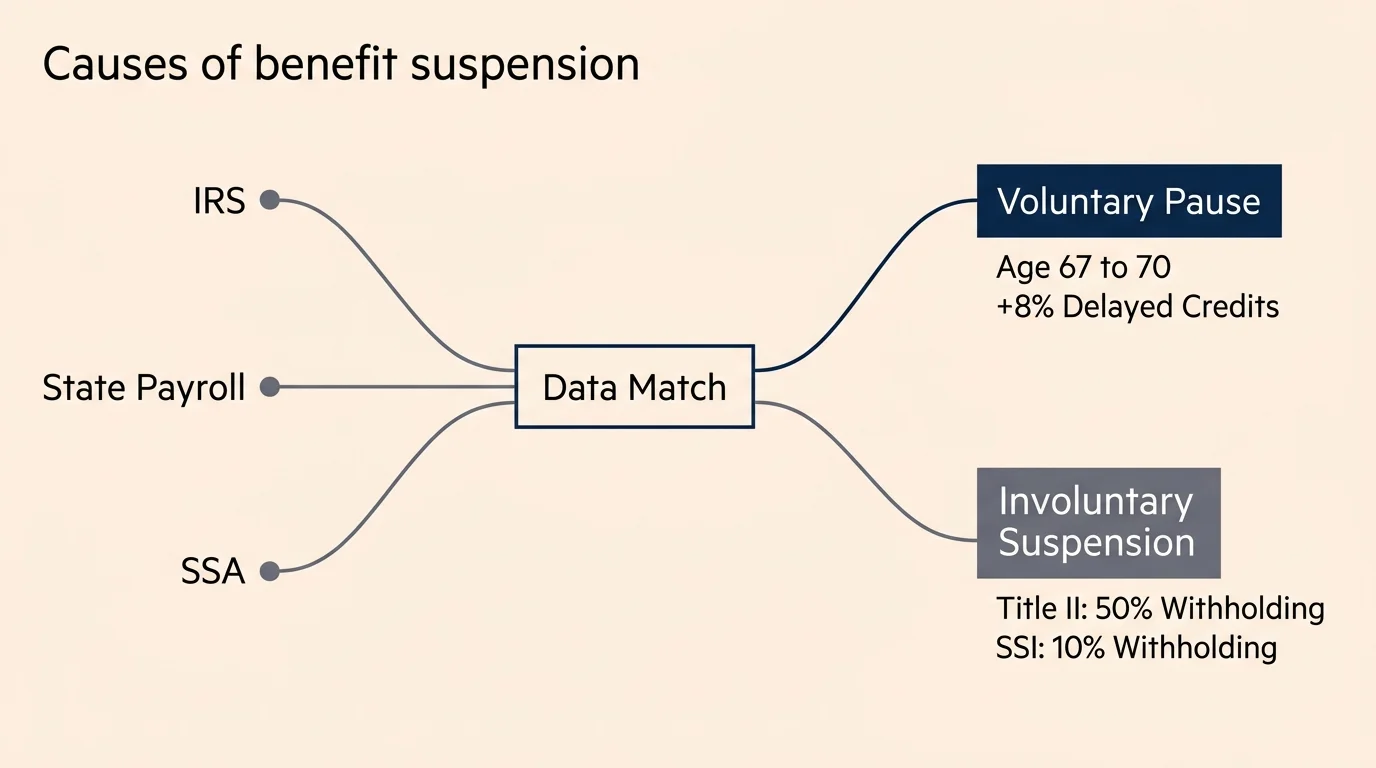
Receiving a social security suspension notice through official U.S. Mail usually indicates that the federal government has identified an administrative conflict, an earnings threshold change, or an overpayment event that impacts your monthly benefit disbursement. The Social Security Administration manages benefit payouts for over seventy million Americans, relying on automated data matches with the Internal Revenue Service, state payroll databases, and medical reporting systems. When these systems detect discrepancies—such as earning excess income while receiving early retirement benefits, returning to work while receiving disability payments, or changing your civil status without updating administrative records—the system generates a notification outlining a planned benefit modification or full suspension.
Understanding the exact cause behind your benefit adjustment represents the primary step in protecting your financial retirement security. In some circumstances, suspensions occur because of deliberate, voluntary choices made by educated beneficiaries. For instance, if you reached your Full Retirement Age—which stands at age sixty-seven for individuals born in 1960 or later—you might voluntarily ask the government to pause your monthly checks to earn valuable delayed retirement credits. These credits increase your eventual baseline benefit by eight percent for each full year you delay payments up to age seventy; this creates a powerful, inflation-protected income multiplication strategy for your later years.
Conversely, involuntary suspensions occur when federal auditors determine that you received payments exceeding your legal entitlement. Under current federal rules, if the agency determines that an overpayment occurred, the default benefit withholding rate for Title II retirement and disability claims sits at fifty percent of your monthly check. This standard rate can create severe, unexpected friction in a tight monthly budget; however, Supplemental Security Income overpayment withholding limits remain capped at ten percent. Recognizing whether your notification addresses a voluntary selection, an earnings limit adjustment, or an administrative overpayment demand allows you to craft a precise, calm, and effective response.