
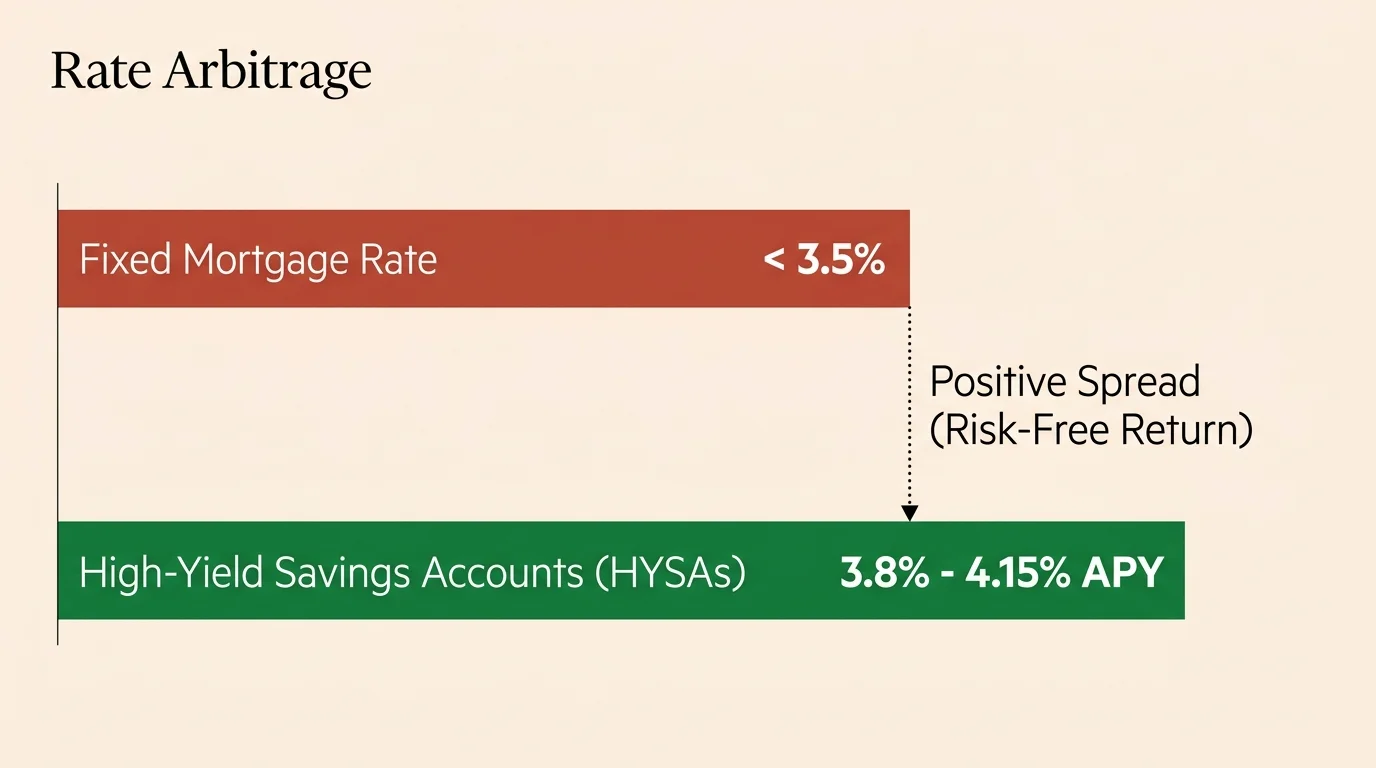
Eradicating every dollar of debt before entering retirement sounds like the ultimate financial victory, but rushing to eliminate low-interest obligations often destabilizes your long-term wealth. When you carry a fixed mortgage rate below 3.5% while high-yield savings accounts yield over 4%, keeping that debt actually protects your liquidity and increases your net worth through simple rate arbitrage. Furthermore, pulling massive lump sums from tax-deferred retirement accounts to clear cheap balances can trigger severe tax penalties and inflate your Medicare premiums. Understanding when to retain low-rate debt allows you to preserve cash reserves, minimize income tax burdens, and enjoy absolute financial flexibility throughout your golden years.
The New Reality of Strategic Debt in Retirement
For decades, traditional financial advice instructed retirees to clear every loan balance before leaving the workforce. However, today’s financial landscape demands a far more analytical approach. Top High-Yield Savings Accounts (HYSAs) offer yields between 3.8% and 4.15% APY, while 1-year Treasury bills yield around 3.87%. If you secured a fixed home mortgage rate below 3.5% during the historic lows of 2020 or 2021, paying off that balance early costs you money every month. You generate higher risk-free returns by holding cash in yield-bearing accounts than you pay in interest to your mortgage lender.
Conversely, high-interest consumer debt remains destructive to any retirement budget. Recent Federal Reserve consumer credit statistics indicate that average credit card APRs range between 21.0% and 23.9%. Eliminating high-interest credit cards must always take absolute priority over paying down low-cost loans. Furthermore, recent changes in federal tax law require careful evaluation of retirement account distributions before liquidating assets to pay off low-interest debt. Smart financial management requires separating toxic high-rate debt from strategic low-rate liabilities.
9 Signs You Should Keep Low-Interest Debt
1. Your Interest Rate Sits Below Risk-Free Yield Opportunities
When your mortgage or vehicle loan carries a fixed interest rate below 3.5%, rushing to pay off the principal balance forfeits clear earning potential. FDIC-insured savings accounts pay up to 4.15% APY, while short-term Treasuries yield nearly 3.9%. Depositing extra capital into safe yield accounts creates a positive interest rate arbitrage; you earn more in interest than you pay to your lender. Maintaining this positive spread increases your net worth over time while keeping your cash completely liquid and accessible.
2. Asset Withdrawals Trigger the Senior Tax Bonus Phase-Out
Under the One Big Beautiful Bill Act (OBBBA), taxpayers aged 65 and older receive an additional $6,000 tax deduction per person ($12,000 for qualifying married couples filing jointly) for tax years 2025 through 2028. Single filers aged 65 or older can shield up to $23,750 from federal income taxes, while married couples filing jointly can shield up to $46,700 when combining standard and senior deductions. However, this bonus deduction begins phasing out at $75,000 of Modified Adjusted Gross Income (MAGI) for single filers and $150,000 for joint filers. Taking a large distribution from a traditional IRA or 401(k) to pay off low-interest debt increases your MAGI, pushing you over these phase-out thresholds and destroying your tax savings. Review the latest Internal Revenue Service tax guidelines before making large withdrawals.
3. Lump-Sum Withdrawals Trigger Medicare IRMAA Surcharges
Taking a single large withdrawal from tax-deferred accounts to eliminate a low-interest mortgage can unintentionally spike your healthcare costs. Medicare calculates Part B and Part D premiums using an Income-Related Monthly Adjustment Amount (IRMAA) with a strict two-year lookback period. According to current Medicare Part B and Part D premium brackets, inflating your income in one year elevates your monthly Medicare premiums two years later, costing you thousands in unexpected medical surcharges.
4. Pre-Paying Debt Depletes Your Essential Cash Reserves
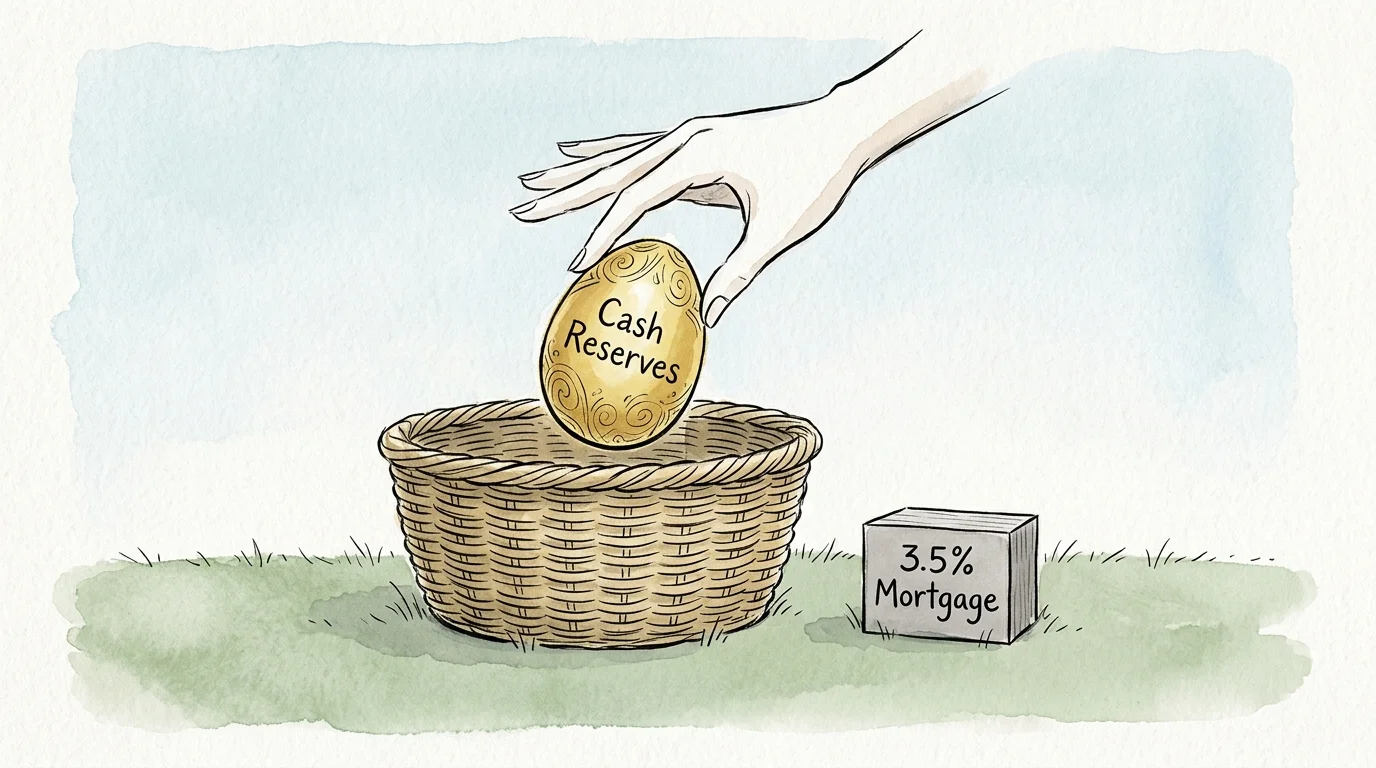
Becoming house rich and cash poor creates severe financial vulnerability in retirement. Once you transfer liquid cash to pay down a mortgage principal, retrieving those funds requires refinancing or taking out high-rate home equity lines of credit. Maintaining strong cash reserves ensures you can handle unexpected home repairs, auto breakdowns, or emergency family expenses without resorting to expensive credit cards or selling investments during market downturns.
5. Guaranteed Income Streams Comfortably Cover Your Monthly Payments
When predictable income streams, such as Social Security and fixed pensions, easily cover your living expenses alongside low-rate debt service, accelerating debt payoff offers minimal financial advantage. You can verify your lifetime guaranteed floor using Social Security Administration benefit estimators. If guaranteed income streams cover your predictable 3% mortgage payment with an ample monthly safety cushion, preserving liquid investment capital provides far greater flexibility and psychological comfort.
6. You Need Liquid Capital for Vital Accessibility Upgrades
Aging in place comfortably often requires physical modifications to your home, such as installing zero-threshold showers, widening doorways, adding ramps, or building main-floor primary suites. Draining cash reserves to eliminate a low-interest mortgage forces you to finance necessary home modifications through high-interest personal loans later. Keeping cash accessible gives you the freedom to adapt your living space smoothly as physical needs change over time.
7. Inflation Reduces the Real Burden of Fixed Loan Balances
Inflation steadily decreases the purchasing power of paper currency, which works directly in favor of fixed-rate borrowers. When you hold fixed-rate debt during inflationary periods, you repay your lender using future dollars that carry less purchasing power than the dollars you originally borrowed. Meanwhile, your income-generating assets and property values generally rise, effectively shrinking the true economic weight of your remaining loan balance.
8. Draining Capital Destroys Compound Investment Growth
Siphoning capital out of an investment portfolio to eliminate a 3% mortgage sacrifices long-term compound growth. Historical financial market data demonstrates that diversified investment portfolios generally outperform low fixed debt rates over multi-year periods. Preserving capital inside well-constructed investment accounts allows your money to continue compounding, ultimately increasing the long-term value of your retirement estate.
9. ERISA-Protected Retirement Accounts Offer Superior Legal Safeguards
Qualified retirement assets inside 401(k) plans and traditional IRAs enjoy strong federal protections against creditors under ERISA regulations. Conversely, home equity does not receive identical asset protection in every state. Withdrawing funds from federally protected retirement accounts to pay off real estate or unsecured debt transfers wealth into less protected asset classes while generating immediate income tax liabilities.

Strategy Pillars for Managing Debt and Capital in Retirement
Balancing capital management in retirement relies on three fundamental strategy pillars: income planning, lifestyle adaptability, and health security.
Income Planning and Tax Optimization: You must structure retirement distributions to protect purchasing power and minimize annual tax liabilities. Over 90% of U.S. taxpayers now claim the standard deduction rather than itemizing deductions. Because mortgage interest deductions rarely benefit standard deduction filers today, retaining low-interest debt depends on maintaining positive rate spreads and liquidity rather than chasing tax deductions. Certified Financial Planner Sarah Jenkins emphasizes, “Retirees often view debt through an emotional lens, but sacrificing cash reserves to pay off a 3% loan frequently raises overall portfolio risk.”
Lifestyle Design and Adaptability: Financial choices must support physical comfort and housing stability. Research from leading gerontological institutes confirms that remaining safely in a familiar home environment supports long-term cognitive health and personal independence. Maintaining liquid capital ensures you can hire in-home care assistants or execute home retrofits without borrowing money under unfavorable commercial terms.
Health and Wellness Security: Medical care remains one of the largest variable costs for seniors. Insights from AARP financial education research show that maintaining accessible emergency cash cushions prevents retirees from delaying essential healthcare procedures due to temporary cash shortages.

Risk Safeguards: Avoiding Costly Financial Pitfalls
While holding low-interest debt offers clear financial advantages, you must guard against several serious operational hazards. First, separate low-interest fixed loans from variable high-interest debt. Carrying credit card balances at 22% APR while holding cash in a 4% savings account causes rapid wealth destruction. Clear high-interest consumer credit balances immediately.
Second, stay vigilant against debt settlement scams targeting older adults. Predatory debt relief firms target seniors with false promises to eliminate balances for pennies on the dollar, often destroying credit profiles and triggering unexpected tax liabilities on forgiven debt. Always consult with fee-only financial planners or accredited non-profit credit counselors before modifying any debt structure.
Third, monitor your income thresholds continuously. Coordinate with a qualified tax professional before taking large retirement plan distributions to avoid triggering unexpected IRMAA Medicare surcharges or forfeiting senior bonus tax deductions under new federal rules.
Frequently Asked Questions
Should I pay off credit card debt before my low-interest mortgage?
Yes. Average credit card APRs range between 21.0% and 23.9%, making credit card debt extraordinarily expensive. Paying off high-interest credit cards yields an immediate return equal to the card’s interest rate, whereas keeping a low-interest mortgage maintains liquidity and positive interest rate spreads.
Does keeping a mortgage provide tax benefits if I take the standard deduction?
Because over 90% of taxpayers take the standard deduction, mortgage interest rarely yields itemized tax deductions for most retirees. The logic for keeping low-interest mortgage debt relies on earning higher returns in safe yield accounts, preserving cash liquidity, and preventing spikes in taxable income.
How does taking an IRA withdrawal affect Medicare premiums?
Distributions from traditional IRAs increase your Modified Adjusted Gross Income (MAGI). Medicare applies a two-year lookback period to determine Part B and Part D premiums. A large, one-time distribution to pay off debt can elevate your MAGI into a higher IRMAA tier, increasing your monthly Medicare premiums two years later.
What happens if I put all my available cash into paying off my home?
Tying up all your cash in home equity leaves you house rich and cash poor. If you face sudden medical expenses or home repairs, accessing that money requires taking out high-interest loans, refinancing, or selling your home under unfavorable conditions.
Taking Action for Your Financial Freedom
Managing retirement debt strategically gives you maximum authority over your wealth. Evaluating your options objectively helps protect your liquid savings, reduce lifetime tax costs, and secure your financial independence.
Take one simple action in the next 48 hours: gather your current debt statements and write down the interest rate for each account. Compare any low-interest rates against current high-yield savings rates and review your MAGI tax limits. Taking this single step will give you absolute confidence in managing your debt wisely throughout retirement.