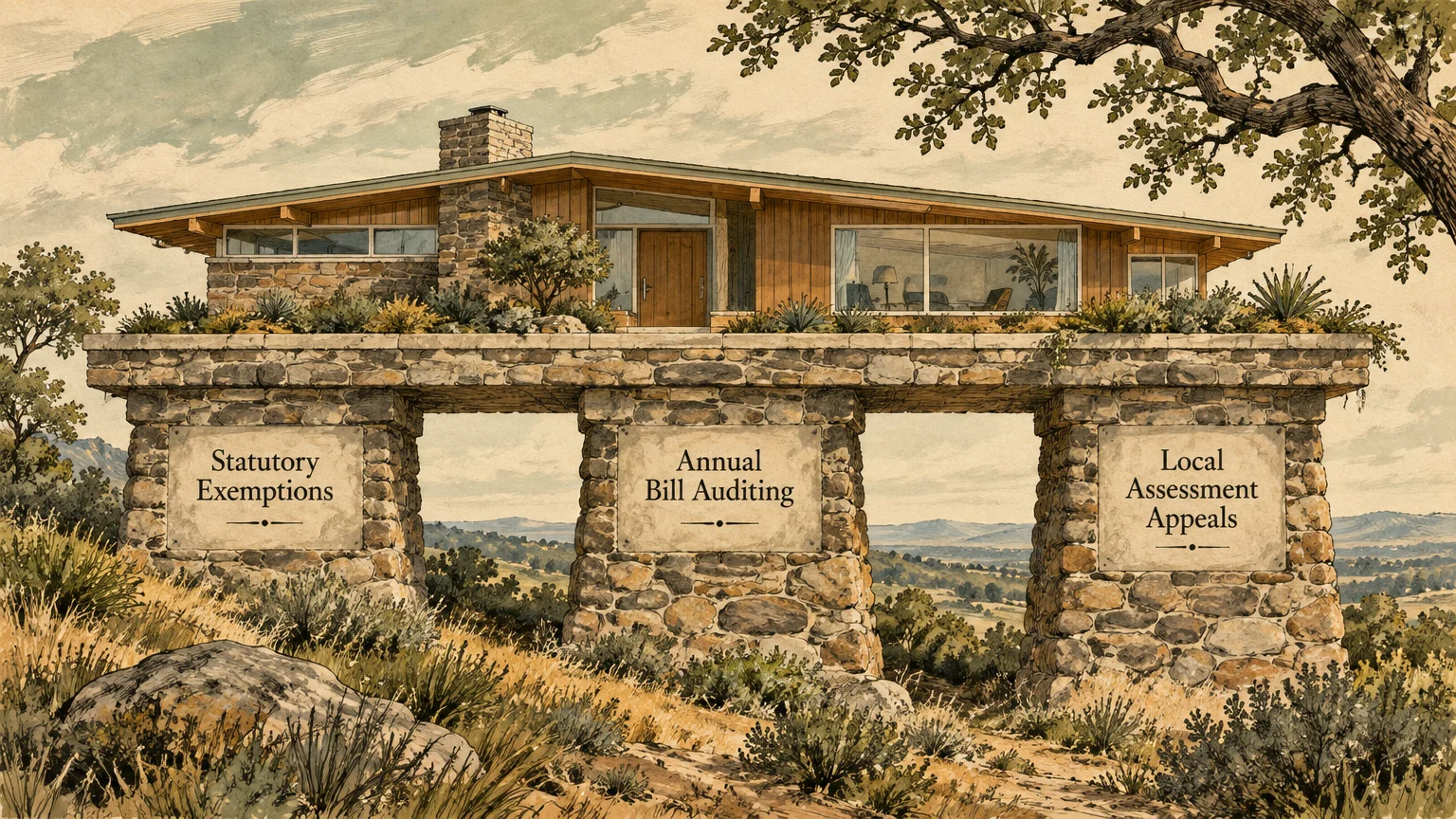
Strategic Pillars for Housing Wealth and Preservation
Pillar 1: Income Planning and Bracket Optimization
Maximizing property tax relief requires strategic coordination of your taxable withdrawals and adjusted gross income. Taking an uncoordinated lump-sum withdrawal from your retirement account can push your income over strict statutory ceilings.
You should review distribution strategies outlined by the Internal Revenue Service before liquidating tax-deferred assets. Strategic Roth conversions executed prior to age 65 can keep your future disposable income safely below local exemption thresholds.
Partnering with a fiduciary advisor helps balance portfolio withdrawals against potential property tax abatements. Protecting an annual tax credit worth several thousand dollars often delivers superior financial value compared to aggressive distributions.
Pillar 2: Lifestyle Design and Aging in Place
Lowering your housing expenses frees up discretionary cash to adapt your home for long-term mobility needs. Investing tax savings into walk-in showers, reinforced handrails, and zero-step entries allows you to age in place safely.
Participating in municipal tax work-off initiatives fosters active civic engagement and combats social isolation. Serving in public offices keeps you connected with local neighbors and civic leaders across generations.
Remaining in your familiar neighborhood preserves vital proximity to trusted medical providers, social networks, and community amenities. Housing affordability serves as the foundation for physical independence and purposeful retirement living.
Pillar 3: Health, Wellness, and Expense Integration
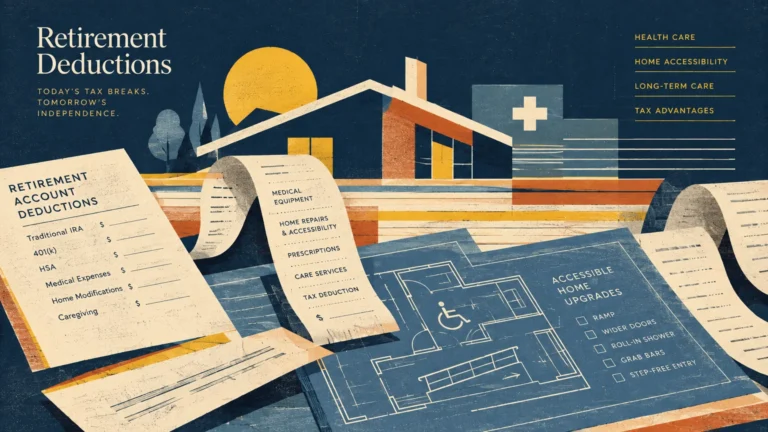
Out-of-pocket medical bills represent a substantial financial drain for older households. However, integrating health accounting with your property tax filings transforms these expenses into valuable exemption deductions.
Reviewing guidance from Medicare helps you track qualified healthcare expenses, including copays, dental work, and supplemental insurance premiums. Several state exemption programs deduct these certified health costs from gross household earnings.
Maintaining thorough records of your annual healthcare expenses ensures you can document all allowable deductions. Every documented medical dollar reduces your combined disposable income, increasing your odds of qualifying for relief.





We live in California county if Kern and we visited the Assessor’s office to inquire about senior exemption and was told that there is NO exemption for seniors at all. Please help.